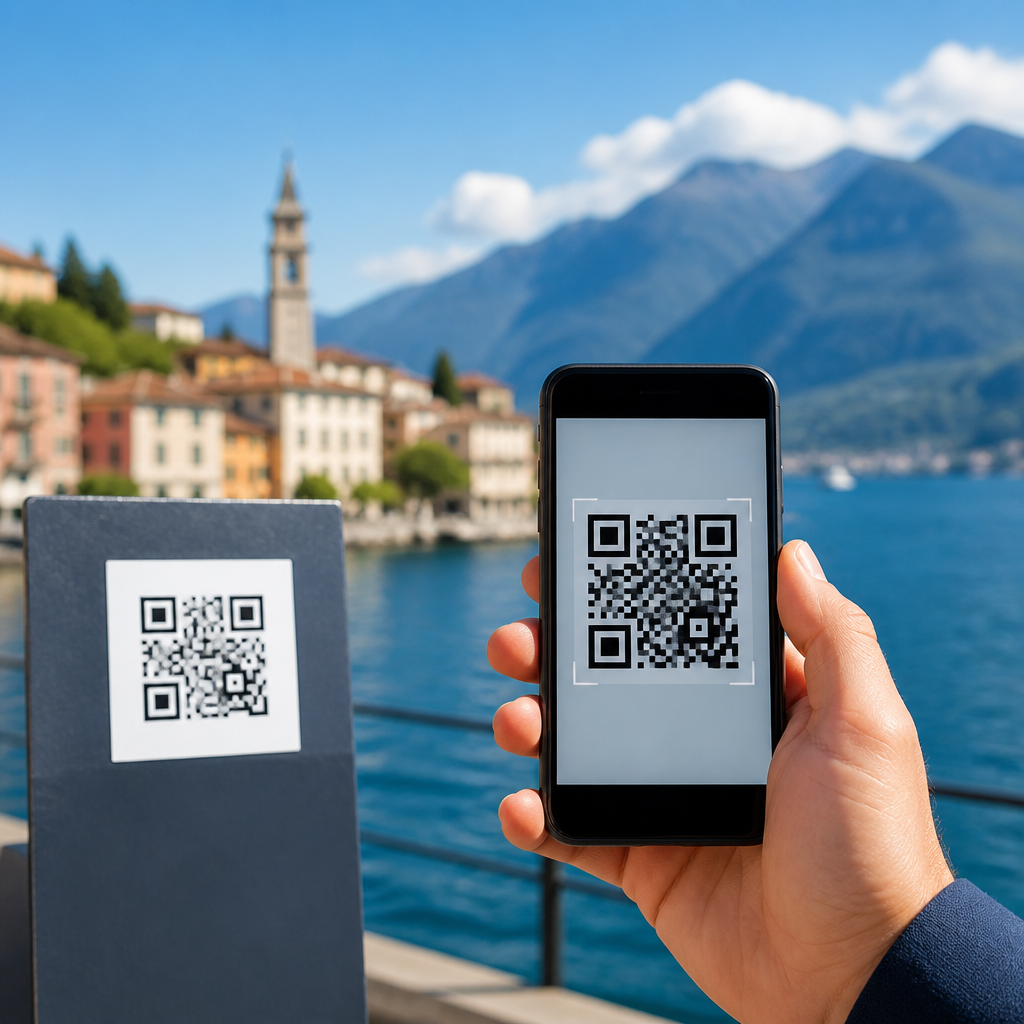
QR codes for destination marketing have moved from novelty to core infrastructure because they connect physical travel touchpoints with measurable digital actions in seconds. In destination marketing, a quick-response code acts as a scannable bridge between a poster, brochure, trail sign, hotel lobby card, museum label, shuttle wrap, or event banner and a mobile experience such as a booking page, itinerary, map, audio guide, or multilingual landing page. For destination marketing organizations, convention and visitors bureaus, tourism boards, hotel groups, attractions, and tour operators, that bridge matters because traveler attention is fragmented, printed materials are expensive to update, and campaign attribution is notoriously difficult across offline channels.
I have used QR codes in tourism campaigns where the difference between a static brochure and a dynamic one was the ability to swap a dead PDF link for a live seasonal page without reprinting anything. That practical flexibility is why QR codes fit travel and tourism so well. A ski town can send winter scanners to lift-ticket promotions and summer scanners to hiking maps using the same physical sign. A heritage district can route international visitors by device language to localized content. A visitors bureau can place one code on airport signage and track scans by time, location, device, and conversion path to learn which arrivals messaging actually drives hotel nights or attraction visits.
This topic matters because destination marketing is both inspirational and operational. People dream first, then compare, then book, then navigate, then share. QR codes can support each stage if they are planned correctly. They can inspire with immersive video, reduce friction with instant itineraries, support in-market discovery with geolocated guides, and extend post-visit engagement with feedback forms and loyalty prompts. They also solve persistent tourism challenges: limited staff capacity at information desks, multilingual communication gaps, changing hours or event schedules, and the need to prove return on marketing spend. Used badly, however, they create clutter, poor scanning experiences, and broken trust. This hub explains where QR codes add real value in travel and tourism, how to structure campaigns by channel and visitor journey, and what standards produce measurable results.
Why QR codes work in travel and tourism
Travel is an inherently mobile behavior, so QR adoption is higher in tourism contexts than in many business-to-business settings. Visitors are already using phones to compare restaurants, validate tickets, check maps, translate signs, and photograph landmarks. A QR code simply shortens the path from intent to action. Instead of asking a traveler to remember a URL from a bus shelter or type a long booking link from a brochure, the destination presents a one-scan path. In practice, scan rates improve when the value exchange is obvious: “See today’s events,” “Open walking map,” “Book ferry tickets,” or “Listen in your language.” Vague calls to action underperform because travelers make fast decisions in distracting environments.
Another reason QR codes perform well in destination marketing is that tourism information changes constantly. Seasonal hours, weather-dependent activities, festival lineups, wildfire alerts, road closures, and occupancy-driven offers all shift faster than printed collateral cycles. Dynamic QR codes let marketers update the destination after the code is printed, preserving the asset while keeping the information current. This is especially useful for airport welcome displays, visitor guides, conference signage, transit shelters, and attraction wayfinding. It also reduces waste. A destination does not need to reprint thousands of rack cards because a museum extends hours or a trail detour alters the recommended route.
Measurement is the third advantage. Offline tourism media has traditionally been hard to attribute beyond broad estimates. QR code platforms can report scans, unique users, timestamps, device types, coarse location, and downstream clicks. When paired with analytics platforms, UTM parameters, booking engine events, and CRM integrations, they show whether a train-station poster led to hotel searches, whether a convention welcome kit drove restaurant pass downloads, or whether a vineyard trail map generated tasting reservations. This makes QR codes useful not only for engagement but for budget justification, partner reporting, and iterative campaign improvement across seasons.
Core destination marketing use cases across the visitor journey
The strongest travel campaigns map QR codes to specific visitor moments. In the dreaming stage, destination ads in magazines, billboards, and event sponsorships can direct potential travelers to visually rich landing pages featuring seasonal highlights, sample itineraries, and email capture. During planning, codes in brochures, travel trade materials, and partner websites can open lodging packages, transportation guides, accessibility information, pet-friendly listings, or trip-planning tools. At booking, QR codes can connect directly to reservation engines, ticketing systems, or promotional bundles with prefilled tracking parameters.
Once travelers arrive, use cases broaden. Airport arrivals halls, cruise terminals, rail stations, and highway welcome centers are ideal places for “Start here” QR codes linking to live maps, transportation options, major events, emergency contacts, and neighborhood guides. Hotels can place QR codes at reception desks, in-room directories, elevators, and key-card sleeves to surface curated local recommendations, late-checkout upsells, spa availability, or self-service concierge options. Attractions can use codes for timed-entry tickets, exhibit interpretation, accessibility overlays, donation pages, and multilingual audio. Main streets and cultural districts can attach codes to storefront decals and public signage to support scavenger trails, local business directories, historical storytelling, or parking guidance.
Post-visit is often neglected, but it is where destination marketing builds lifetime value. QR codes on receipts, thank-you cards, departure signage, and event wristband inserts can collect reviews, encourage social sharing, invite newsletter signups, or promote return-season offers. A destination that hosted a marathon, conference, or food festival can send attendees to photo galleries, recap videos, and next-year registration waitlists. For tourism boards with membership models, post-visit scans can also direct guests to partner discounts, loyalty programs, or resident-visitor referral campaigns. The key principle is continuity: each scan should feel like the next logical step in the trip, not a disconnected promotion.
Industry-specific applications for DMOs, attractions, hotels, and tours
Destination marketing organizations need QR codes that scale across many stakeholders, so governance matters. A DMO can create a destination-wide QR architecture in which airport signs route to the main visitor portal, neighborhood kiosks route to district pages, and campaign-specific print ads route to seasonal landing pages. This hub model supports internal linking between content clusters such as food tourism, family travel, outdoor recreation, meetings and events, and accessible travel. In city campaigns I have managed, the highest-performing DMO codes were tied to immediate utility: downtown parking maps, event calendars, and “48 hours in the city” itineraries consistently outperformed generic homepage links.
Attractions benefit when QR codes remove queue friction or enrich the visit without requiring app downloads. Museums can attach codes to exhibits for curator commentary, captions in multiple languages, and child-friendly interpretation. Zoos and aquariums can connect habitats to conservation stories and adoption pages. Theme parks can use codes for virtual queuing instructions, dining reservations, and character schedules. Historic sites can layer in augmented storytelling by linking codes to oral histories, archival photos, or self-guided walking tours. The operational win is substantial: fewer printed updates, lighter staff load for repeated questions, and stronger engagement data by exhibit or zone.
Hotels and resorts use QR codes both as service tools and local revenue drivers. Common placements include lobby signage, room compendiums, pool areas, conference spaces, and shuttle vehicles. A well-run property links guests to room service menus, spa bookings, local attraction bundles, digital concierge chat, and destination guides curated by neighborhood. Boutique hotels often outperform chain properties here because they lean into local expertise. Tour operators can place codes on vehicles, boarding passes, waivers, guide uniforms, and post-tour photo cards to manage liability forms, upsell private experiences, gather reviews, and distribute media galleries. In every case, the best-performing code leads to one focused outcome, not a cluttered menu of options.
Campaign design, placement, and conversion best practices
Successful QR code destination marketing starts with one question: what exact action should the traveler take after scanning? The answer determines the landing page, tracking setup, design, and placement. A code on a scenic overlook sign should not open a generic tourism homepage; it should open a page for that overlook with trail conditions, safety advice, nearby amenities, and other stops worth visiting. A code on a convention badge insert should not force a user through a long navigation path; it should open a mobile-first attendee guide with maps, dining offers, and event transit details. Relevance is the biggest lever for conversion.
Physical execution matters more than many marketers expect. Codes must be large enough to scan at the intended distance, printed with strong contrast, and placed where a traveler can safely pause. Glossy finishes, folds across brochure seams, low light, curved surfaces, and crowded layouts reduce scan success. Good practice is to include a short supporting URL for accessibility and fallback, plus a direct call to action that states the benefit in plain language. Landing pages must load fast, respect privacy rules, and be optimized for weak mobile connections common in transit environments and rural tourism areas.
| Placement | Best linked content | Main metric |
|---|---|---|
| Airport arrivals signage | Welcome guide, transit, top events | Unique scans to itinerary actions |
| Visitor guide or brochure | Seasonal landing page, map, booking offers | Scan-to-click-through rate |
| Hotel room collateral | Concierge, dining, attraction bundles | Ancillary revenue per guest |
| Attraction exhibit labels | Audio guide, translations, donations | Engagement time and donations |
| Trailheads or downtown kiosks | Maps, safety info, nearby businesses | Scan volume by location |
Testing should be continuous. Compare calls to action, destinations, and placements. One mountain destination I worked with doubled scans on shuttle-stop signage simply by changing the CTA from “Learn more” to “See live village map and today’s events.” Another improved brochure conversions by replacing a homepage link with a dedicated three-day itinerary page. These are not cosmetic gains. In tourism, every extra step loses impatient visitors. Design for immediacy, then validate performance with scan data, bounce rates, assisted conversions, and on-site behavior tracked through analytics tools such as Google Analytics 4, Tag Manager, Looker Studio, and booking engine reports.
Measurement, governance, and common mistakes to avoid
Reliable measurement requires more than generating a code. Use dynamic codes, standardized naming conventions, and consistent UTM structures by campaign, partner, placement, audience, and season. Connect scan data to web analytics, booking events, CRM records, and where possible point-of-sale or ticketing systems. For destination teams working with hotels, attractions, and municipalities, governance should define who can create codes, which domains are approved, how redirects are updated, and how expired campaigns are retired. Without that discipline, destinations accumulate orphaned codes, conflicting links, and incomplete reporting that undermines trust in the channel.
The most common mistake is linking every code to the homepage. That wastes user intent and clouds attribution. Other frequent problems include placing codes where connectivity is weak without offering lightweight pages, failing to account for multilingual visitors, ignoring accessibility, and using static codes for information that changes often. Privacy also matters. If a campaign collects personal data through forms, bookings, or messaging, the landing page must disclose usage clearly and comply with regulations such as GDPR or CCPA where applicable. In public spaces, avoid aggressive retargeting tactics that feel intrusive to visitors who simply wanted directions or hours.
Destination marketers should also recognize the limits of QR codes. They do not fix weak offers, poor landing pages, or confusing visitor experiences. A bad map reached instantly is still a bad map. A code cannot compensate for long booking flows, missing inventory, or inconsistent partner information. The strongest programs treat QR codes as distribution infrastructure within a broader content and analytics strategy. Audit placements quarterly, refresh content by season, and remove codes that no longer serve travelers. If you run a tourism brand, start with a few high-intent use cases, measure relentlessly, and build a destination-wide framework that turns every physical touchpoint into a useful digital gateway.
Frequently Asked Questions
How are QR codes used in destination marketing?
QR codes are used in destination marketing to connect real-world visitor touchpoints with fast, mobile-friendly digital experiences. A traveler might scan a code on a transit shelter ad, airport welcome sign, brochure, trail marker, museum label, hotel lobby card, restaurant window decal, or event banner and land instantly on a map, booking page, self-guided tour, itinerary, event schedule, or multilingual destination guide. That simple bridge is what makes QR codes so valuable: they remove friction between interest and action.
For destination marketing organizations, QR codes help extend the usefulness of physical media without forcing visitors to type long URLs or search manually for information. They can support campaign goals across the full visitor journey, from inspiration and trip planning to in-destination navigation and post-visit engagement. A printed visitor guide can link to seasonal updates, a historic district sign can launch an audio story, and a beach access marker can provide safety alerts, parking details, and nearby amenities in one scan.
They are also highly practical because they make offline marketing measurable. Instead of relying only on broad estimates of foot traffic or print circulation, destination marketers can track scans, engagement by location, time of day, device type, and conversion behavior. That means a DMO can compare performance between placements, optimize campaign creative, and better understand what visitors actually want in specific contexts. In short, QR codes turn static destination marketing materials into interactive, data-informed visitor engagement tools.
Why have QR codes become so important for destination marketing organizations?
QR codes have become important because they solve two major challenges at once: they improve the visitor experience and they create measurable marketing data. Travelers now expect immediate access to information on their phones, especially when they are already on the move. When someone is standing in front of a landmark, waiting at a shuttle stop, or exploring a downtown district, they do not want to search through multiple websites to find hours, directions, tickets, language options, or recommendations. A well-placed QR code gives them instant access in seconds.
For destination marketing organizations, this speed translates into stronger engagement and better conversion opportunities. Instead of hoping a traveler remembers a destination name or searches later, the QR code creates an immediate path to the next step. That could be booking a stay, viewing an events calendar, downloading a walking map, signing up for updates, or discovering nearby businesses. The shorter the path between interest and action, the more likely a visitor is to engage.
QR codes also support operational flexibility. Printed materials often become outdated, especially in tourism where hours, weather conditions, seasonal attractions, festivals, transportation details, and promotional offers change frequently. Dynamic QR codes allow marketers to update the destination experience behind the code without reprinting every asset. That makes campaigns more cost-effective and more resilient. Combined with analytics, multilingual support, and mobile-first design, QR codes have shifted from a novelty to core infrastructure for modern destination marketing.
What are the best places to put QR codes in a destination marketing campaign?
The best placements are the ones that match visitor intent in the moment. In destination marketing, QR codes work especially well anywhere travelers naturally pause, wait, browse, or look for guidance. That includes visitor center displays, airport arrivals areas, train stations, hotel front desks, shuttle wraps, event entrances, convention materials, wayfinding signs, trailheads, museum exhibits, restaurant districts, public art installations, and retail windows. In each case, the code should lead to content that feels immediately relevant to that setting.
For example, a code on a downtown banner might open a neighborhood dining guide and walking map, while a code at a scenic overlook could launch a short story about the location, nearby attractions, and safety information. A hotel lobby card could point guests to weekend events and transportation options. A code on a festival poster could go directly to ticketing, schedules, parking information, and live updates. Context matters. The more tightly the destination experience matches the physical placement, the better the scan performance and user satisfaction.
It is also important to think beyond visibility and consider usability. QR codes should be large enough to scan easily, placed at comfortable viewing height, supported by clear lighting, and accompanied by a strong call to action such as “Scan for today’s events” or “Scan for your self-guided tour.” Avoid placing them where travelers are moving too quickly to engage, such as on signage that is hard to approach safely. Good placement is not just about exposure; it is about creating a smooth, useful interaction at exactly the right moment.
What should a QR code lead to in order to be effective for visitors?
An effective QR code should lead to a mobile-optimized experience that delivers immediate value and aligns with the visitor’s intent. The destination page should load quickly, be easy to navigate on a phone, and answer the question the traveler is most likely asking in that moment. Depending on placement, that could mean a booking page, interactive map, event calendar, itinerary builder, audio guide, transit information hub, attraction landing page, multilingual content page, or special offer tied to a local campaign.
The biggest mistake is sending every scan to a generic homepage. That creates extra steps and often causes drop-off. If a traveler scans a code on a museum object label, they should land on content about that object or exhibit. If they scan from a trail sign, they should get trail maps, estimated route times, weather notices, accessibility details, and nearby points of interest. If they scan from a printed travel guide, the code might lead to updated recommendations, live event listings, and current business hours. Specificity improves both user experience and campaign performance.
It is also wise to design the destination page with conversion in mind. Include clear actions such as “Book now,” “Save itinerary,” “Get directions,” “Listen in your language,” or “Explore nearby attractions.” If the audience includes international visitors, multilingual support is especially valuable. If accessibility is a priority, content should be readable, structured clearly, and usable with assistive technologies. The goal is not simply to give visitors more information. The goal is to provide the right information in the right format, exactly when and where they need it.
How can destination marketers measure the success of QR code campaigns?
Success should be measured using both engagement metrics and downstream visitor actions. At the top level, destination marketers can track total scans, unique scans, scan locations, time-of-day patterns, device types, and repeat engagement. These indicators show where interest is strongest and which physical placements are doing the most work. For example, a DMO might discover that hotel lobby cards drive higher-quality traffic than street posters, or that certain trailhead signs perform best on weekends and holidays.
Beyond scan volume, the most important question is what happens after the scan. Strong measurement looks at landing page engagement, click-through rates, itinerary saves, bookings, ticket purchases, map opens, newsletter sign-ups, audio guide plays, and other conversion events tied to campaign goals. This is where QR codes become especially powerful in destination marketing. They reveal not only that someone noticed a physical asset, but that they took a specific digital action because of it.
To improve performance over time, marketers should test different calls to action, destinations, designs, placements, and content formats. A code that says “Scan for nearby hidden gems” may outperform one that simply says “Learn more.” A multilingual landing page may outperform a single-language version in high-tourism zones. Dynamic QR code platforms and analytics tools make it possible to adjust campaigns without reprinting materials, giving destination organizations a practical way to optimize continuously. When measurement is handled well, QR codes do more than support destination marketing visibility; they provide direct insight into visitor behavior, content demand, and the real-world effectiveness of offline media.