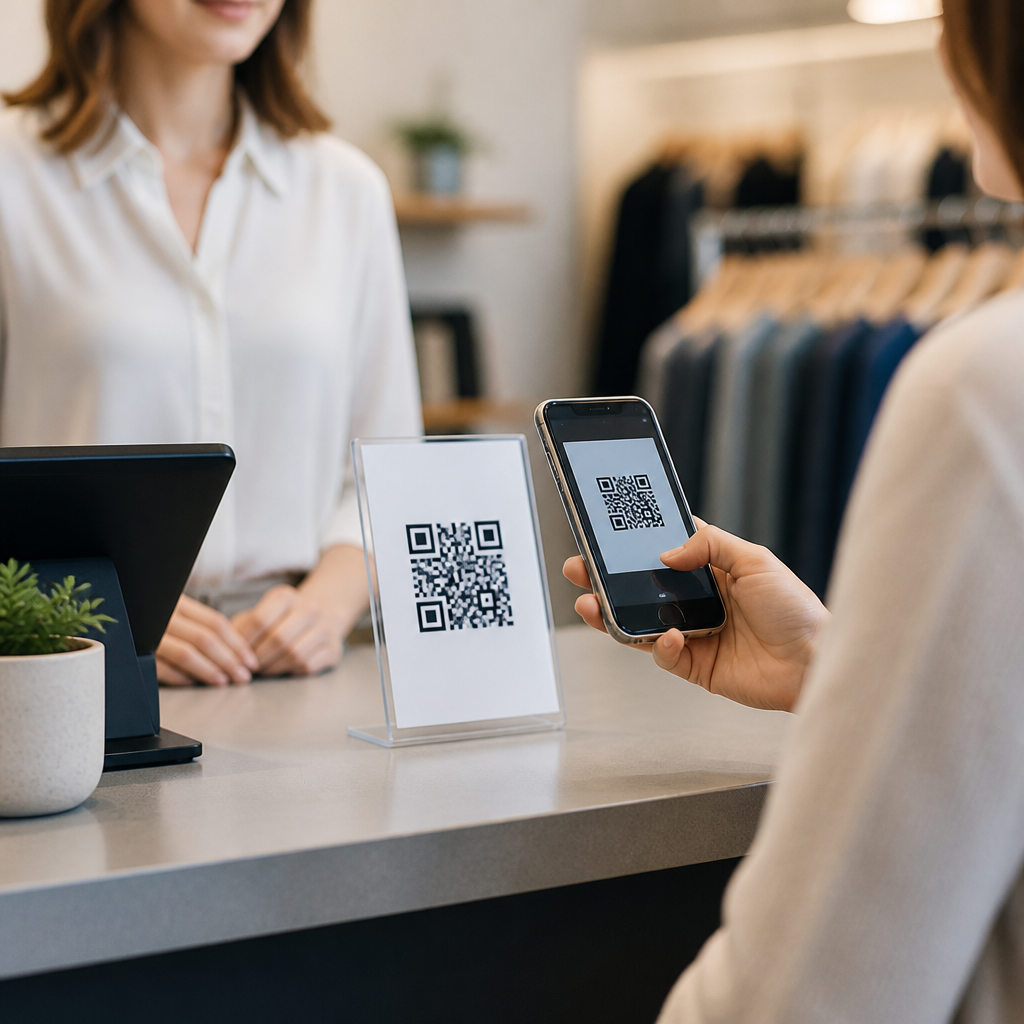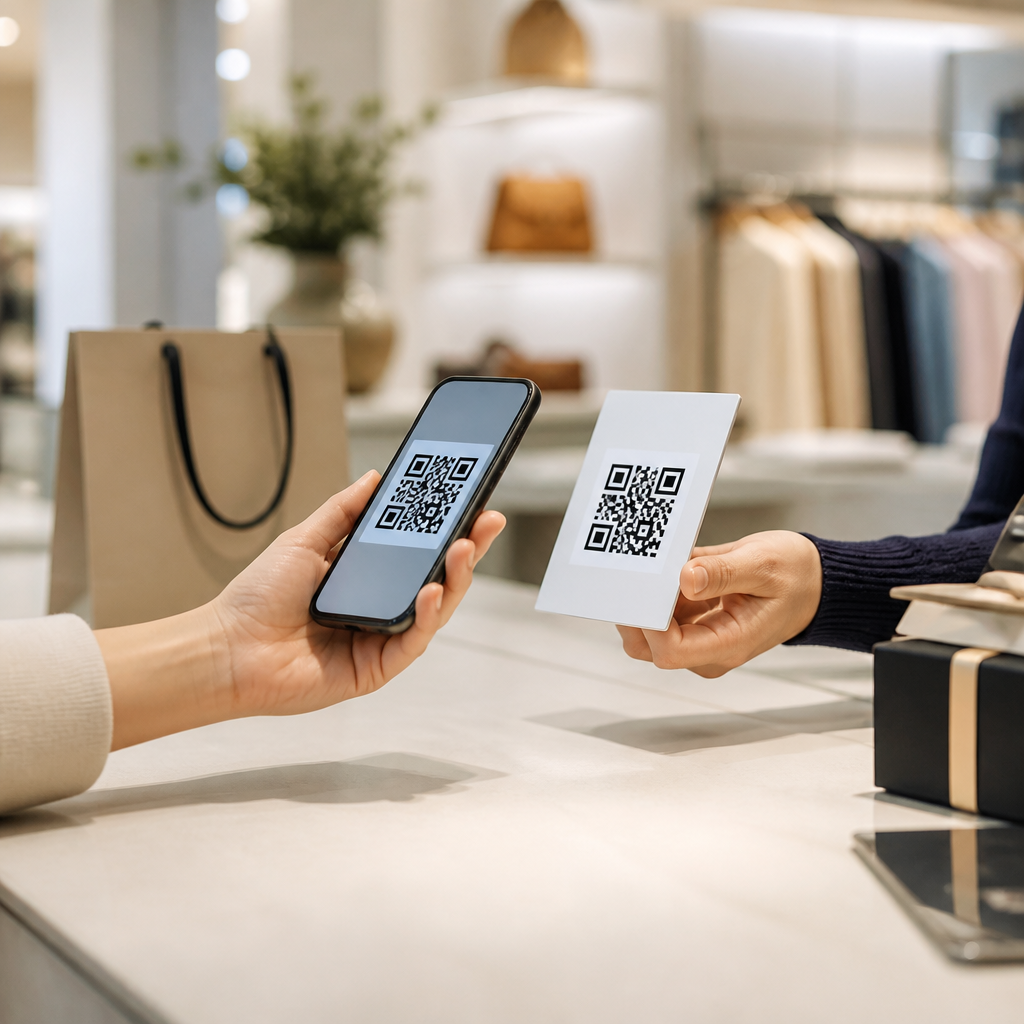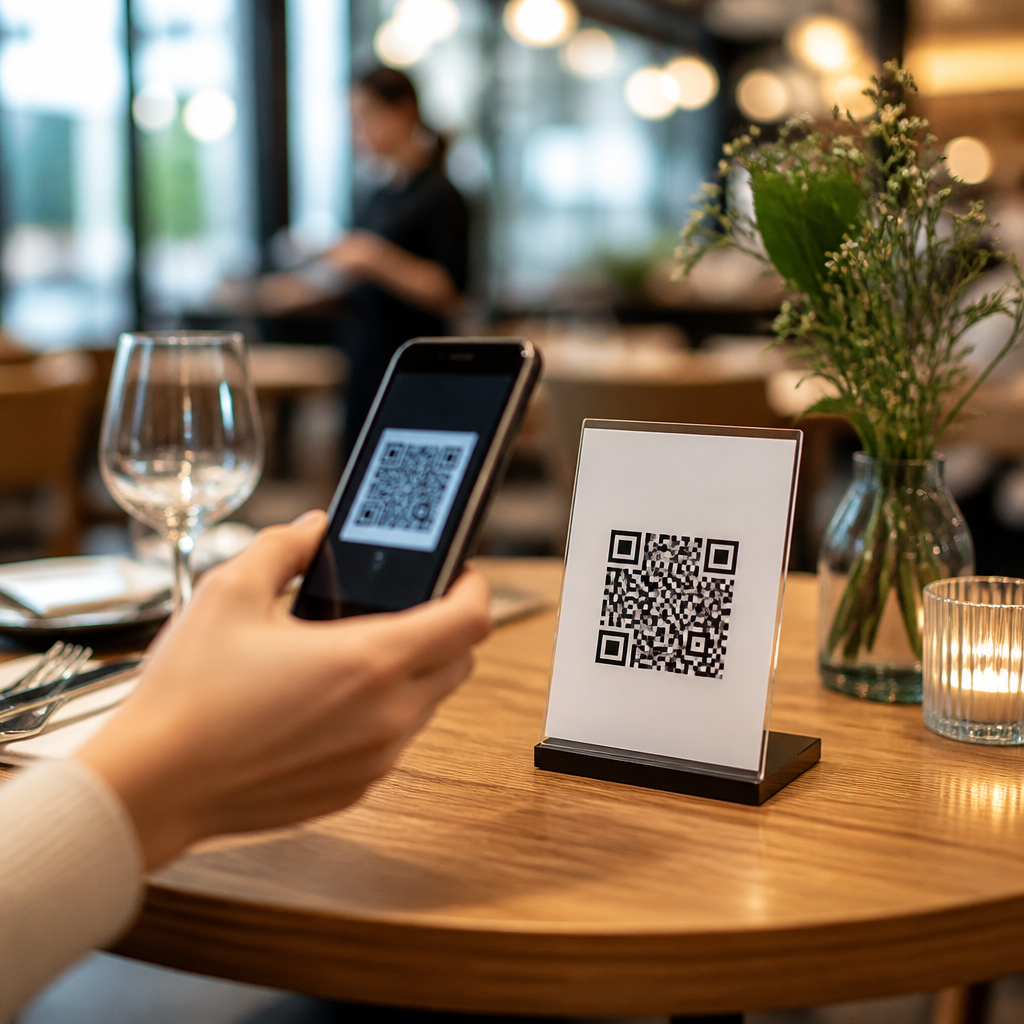
QR codes for restaurant reviews and feedback have moved from a clever tabletop extra to a core part of hospitality marketing, guest recovery, and operational improvement. In restaurants, hotels, cafes, bars, food halls, and quick-service chains, a QR code is simply a scannable matrix barcode that opens a digital action, usually a review page, feedback form, menu, loyalty signup, or support channel. Used well, it shortens the path between a guest experience and a measurable response. That matters because review volume, review recency, rating averages, and private guest feedback all influence where people choose to dine, how often they return, and how quickly managers spot service problems before they spread online.
I have seen the difference firsthand in multi-location hospitality programs: when staff verbally ask for reviews, only the most enthusiastic or most frustrated guests tend to respond. When the same request is paired with a well-placed QR code and a simple landing flow, response rates become broader and more representative. That creates a healthier review profile and a more useful stream of operational data. For restaurant operators, this is not just a reputation tactic. It is a system for collecting voice-of-customer insight at the exact moment a memory is strongest, whether that means praise for a server, a complaint about temperature or timing, or a suggestion about menu labeling, parking, accessibility, or online ordering.
As a sub-pillar within QR codes in marketing, restaurant review and feedback programs sit at the intersection of customer experience, local search visibility, and retention. The hospitality context makes them distinct from retail or events because service is immediate, perishable, and highly emotional. A delayed entrée, a warm welcome, a clean restroom, or a fast fix to a kitchen mistake can determine whether a guest leaves a glowing review or never returns. The best QR code strategy for restaurants therefore does two things at once: it makes public reviews easier for satisfied guests, and it creates a private channel where managers can resolve problems quickly and professionally.
Key terms matter here. A static QR code points to one fixed destination and cannot be edited after print. A dynamic QR code redirects through a managed short URL, allowing destination changes, scan tracking, and campaign segmentation. Review generation means encouraging customers to leave honest reviews on platforms such as Google, Tripadvisor, Yelp, Facebook, or OpenTable. Feedback capture usually means first-party data collected through a survey tool, CRM, or reputation platform. Restaurants need both. Reviews build trust and local discovery; direct feedback supports service recovery, staff coaching, and menu decisions. Together, they create a practical, measurable engine for restaurant marketing and hospitality improvement.
Why QR codes fit restaurant and hospitality review behavior
Restaurants and hospitality venues are ideal environments for QR-based feedback because the guest journey includes natural pauses: waiting for drinks, reviewing the check, leaving the room, or finishing a meal. Those moments are perfect for a low-friction scan. Unlike a long email survey sent hours later, a QR code works while context is still fresh. A diner can rate service while the server’s name is still top of mind. A hotel guest can report a housekeeping issue before checkout. A bar patron can compliment live music and speed of service before moving to the next venue.
The mobile behavior data supports this approach. Most diners already use phones at the table for menus, payments, reservations, maps, or sharing photos. That means scanning a code for feedback does not ask them to adopt a new habit. It extends one they already accept. For operators, this lowers friction and increases completion rates, especially when the destination page is mobile optimized, prefilled where possible, and limited to a few questions. In practice, the difference between a twelve-field form and a two-tap rating flow is often the difference between meaningful feedback volume and almost none.
Review intent also varies by hospitality format. Fine dining guests often care about service pacing, wine knowledge, and ambiance. Quick-service customers prioritize speed, order accuracy, and convenience. Hotels add check-in efficiency, room cleanliness, and amenity quality. A single QR review system can support these differences by routing each property, concept, or department to the right destination. That is why hospitality groups increasingly use dynamic QR platforms, UTM tagging, and location-based landing pages instead of printing one generic code across every table, bag, room card, and receipt.
Core use cases across restaurants, bars, cafes, hotels, and food service
The most common use case is a direct link to a public review profile. A guest scans a table tent or receipt and lands on the business’s Google review form. This works well for independent restaurants focused on local pack visibility because Google ratings influence click-through behavior and map selection. A second use case is a two-step flow: first ask whether the visit was great, then route happy guests to a review platform while offering dissatisfied guests a private form. Operators must implement this carefully. The goal is service recovery and channel choice, not suppressing honest reviews. Policies on review gating differ by platform, so compliance matters.
Another common use case is post-stay or post-meal surveying. Hotels place QR codes in rooms, elevators, spa areas, or checkout folios to gather immediate feedback on specific touchpoints. Cafes may add codes to pastry cases or takeaway cups asking about speed, drink quality, and friendliness. Catering businesses use QR codes on event signage to capture host feedback while details are fresh. Food halls and ghost kitchens can assign unique codes per vendor or pickup counter, making it easier to compare tenant performance or delivery handoff quality.
Restaurants also use QR codes to connect feedback with loyalty and retention systems. After a scan, the guest may answer a one-minute survey and optionally join SMS or email marketing for future offers. When set up properly in tools such as Typeform, Jotform, Google Forms, HubSpot, SevenRooms, Toast, or Podium, those submissions can trigger alerts, tag visit issues, and feed dashboards for managers. The strongest programs never treat review collection as an isolated marketing task. They connect it to operations, training, CRM, and local reputation management across every guest-facing channel.
| Hospitality setting | Best QR placement | Primary goal | Recommended destination |
|---|---|---|---|
| Full-service restaurant | Check presenter or tabletop | Increase public reviews | Google review link or short survey |
| Quick-service restaurant | Receipt, tray liner, pickup shelf | Measure speed and accuracy | Two-minute mobile feedback form |
| Cafe or bakery | Cup sleeve or pastry case sign | Capture repeat-customer sentiment | Loyalty signup plus feedback page |
| Hotel | Key card holder or in-room sign | Resolve issues before checkout | Guest service form or review page |
| Bar or nightlife venue | Menu, coaster, exit signage | Collect experience feedback quickly | Simple rating page with comments |
Placement, timing, and design choices that improve scan rates
QR code performance in restaurants depends heavily on context. A code hidden near legal text on the bottom of a receipt will underperform a code presented with a clear prompt, benefit, and instruction. The prompt should answer one question immediately: why should the guest scan this now? “Review your visit in 30 seconds” works better than “Scan me.” “Tell us how we did before you leave” works better than a vague icon with no copy. In hospitality, timing is equally important. Asking for feedback before entrées arrive is disruptive. Asking when the bill lands or right after checkout is usually appropriate.
Physical format matters more than many operators expect. Glossy laminated cards can create glare under restaurant lighting, lowering scan success. Small codes on curved cup sleeves can distort. Low contrast designs may look stylish but fail on older phone cameras. A practical standard is a code at least 1 inch by 1 inch for close-range tabletop use, with strong contrast, quiet space around the code, and a short fallback URL printed beneath it. For hotels and larger lobby signage, bigger is better because guests scan from more variable distances and angles.
Design should reflect the brand without sacrificing function. A logo in the center can work if error correction and testing are handled properly, but highly customized dots, inverted colors, or image-heavy backgrounds often hurt readability. Before rolling out across locations, test on iPhone and Android devices, under dim lighting, at different print sizes, and with common camera apps. In my experience, restaurants that test in the actual service environment catch issues that desktop previews miss, especially glare, folding, condensation, and wear on frequently handled materials.
Public reviews versus private feedback: building a balanced system
Restaurants need both public review generation and private feedback capture because they solve different problems. Public reviews influence discovery and trust. A high volume of recent reviews on Google or Tripadvisor can improve click confidence, especially for tourists and first-time visitors. Private feedback, by contrast, gives managers a place to hear about slow service, music volume, allergen confusion, or restroom cleanliness without forcing the guest to broadcast the issue. When teams only chase public reviews, they miss operational intelligence. When they only collect private feedback, they lose social proof and local visibility.
A balanced system usually starts with one simple decision: do you want a direct platform review, or do you need richer operational data first? For a neighborhood restaurant trying to improve map rankings, the answer may be a direct Google review QR on the receipt and a separate private feedback code in the restroom or exit area. For a hotel or multi-unit group, the answer may be a smart landing page that lets guests choose room, dining, spa, events, or housekeeping feedback. The more complex the operation, the more useful segmentation becomes.
There are tradeoffs. Review requests that are too aggressive can feel manipulative. Survey flows that are too long can frustrate tired guests. Routing unhappy guests only to private forms may conflict with platform expectations if used to discourage honest public reviews. The best practice is transparency: ask all guests for honest feedback, provide a private service channel for immediate help, and never incentivize only positive reviews. That approach protects brand integrity and produces better data over time.
Technology stack, measurement, and compliance considerations
The technology behind restaurant QR review programs should be simple for guests and rigorous for operators. At minimum, use dynamic QR codes so you can change destinations without reprinting assets. Add UTM parameters to identify source, medium, campaign, and location. For example, a code on a patio table can be distinguished from one on a takeaway receipt. This reveals not just scan volume but which touchpoints produce reviews, survey completions, complaint alerts, and loyalty signups. Platforms such as Bitly, QR Code Generator, Beaconstac, Uniqode, and reputation tools like Birdeye or Podium can support this structure.
Measurement should go beyond scans. Track scan-to-review conversion, scan-to-form completion, average rating trends, location-level response rates, complaint categories, and time to resolution. If one store gets plenty of scans but few completed reviews, the landing page may be too slow or the ask may be poorly timed. If another location receives frequent comments about order accuracy, that insight belongs in operations meetings, not just marketing reports. Good hospitality teams connect feedback analytics with labor scheduling, training refreshers, menu engineering, and mystery shopping results.
Compliance and policy are not side issues. Review platforms generally prohibit soliciting only positive reviews or offering rewards in exchange for favorable ratings. Privacy rules also matter when collecting names, phone numbers, or email addresses. If a survey captures personal data, disclose how it will be used and stored. For hotels, where feedback may involve room numbers or service incidents, staff should know how to handle sensitive details appropriately. Accessibility matters too: include a plain-language fallback URL and ensure forms work with screen readers, clear labels, and mobile keyboard navigation.
Operational best practices for multi-location hospitality brands
For single-location restaurants, launching a QR review program can be straightforward. For multi-location brands, the challenge is consistency without losing local relevance. Each location should have its own trackable code, destination URL, and review profile link. Templates can standardize signage, but managers need local ownership over placement, staff training, and response workflows. A central marketing team may create the assets, while district leaders audit usage and ensure every store still displays readable, current materials after spills, redesigns, or menu changes.
Staff training is where many programs succeed or fail. Servers, hosts, and front desk teams should know when to mention the code, how to explain it naturally, and what happens when negative feedback comes in. The goal is not to script robotic review requests. It is to create a guest-friendly habit, such as “If you have a moment, that QR code on the check lets you leave feedback directly for our team.” In hotels, concierge or front desk staff can use the same approach at checkout. When employees understand that feedback helps fix problems and recognize good service, adoption rises.
Response management is equally important. If a QR survey triggers alerts, someone must own the inbox and escalation path. If Google reviews increase, managers need a response cadence and brand voice guidelines. Public responses should be timely, specific, and calm. Private complaints should move fast, especially for food safety, allergen handling, billing errors, accessibility barriers, or staff conduct. Over time, these systems turn QR codes from a marketing gimmick into a disciplined hospitality feedback loop. Audit your placements, simplify your landing pages, train your staff, and measure outcomes location by location to build a review and feedback program guests will actually use.
Frequently Asked Questions
How do QR codes help restaurants collect more reviews and better guest feedback?
QR codes reduce friction at the exact moment a guest is most likely to respond. Instead of expecting someone to search for a restaurant online later, find the right listing, and then decide whether to leave a review, a QR code takes them directly to the intended action in seconds. That one-step path matters because review intent is often strongest while the experience is still fresh. For restaurants, cafes, bars, hotels, food halls, and quick-service brands, that means more feedback volume, faster response cycles, and more usable guest insight.
They also make feedback collection more consistent across locations and touchpoints. A code can be placed on table tents, menus, receipts, takeaway packaging, windows, kiosks, loyalty materials, or post-visit emails. Each placement can lead to a review profile, a private feedback form, a guest recovery survey, or a support page depending on the business goal. Public review requests can help improve visibility and reputation, while private forms can catch service issues before they appear online. In both cases, QR codes turn passive guests into active responders, which helps operators identify patterns in food quality, speed of service, cleanliness, staff friendliness, and overall satisfaction.
Where should restaurants place QR codes for reviews and feedback to get the best results?
The best placement is wherever the request feels natural, timely, and easy to act on. In full-service restaurants, tabletop displays, check presenters, printed receipts, and menu inserts often perform well because they reach guests while the visit is still top of mind. In quick-service and takeaway environments, cup stickers, packaging inserts, pickup shelves, self-order kiosks, and exit signage can work better because they fit a shorter, faster customer journey. Hotels, bars, and food halls may benefit from codes in shared areas, room materials, bar tabs, or vendor counters where there is enough dwell time for a quick scan.
Context matters as much as visibility. A QR code should be paired with a clear call to action such as “Leave a quick review,” “Tell us how we did,” or “Share feedback with the manager.” Guests should know what happens after scanning and how long it will take. It also helps to match the destination to the setting. For example, a dine-in table code might link to a private feedback form during the meal, while a code on the final receipt might direct happy guests to a public review platform. The highest-performing placements are usually simple, prominent, and connected to a moment when the guest is willing to respond without interruption.
Should a restaurant send guests to a public review site or a private feedback form first?
That depends on the objective, but in many cases a smart strategy uses both. Public review pages are valuable for reputation building, search visibility, and social proof. More positive reviews on major platforms can influence where diners choose to eat and can strengthen local discovery. If the primary goal is to increase review count and improve online presence, sending satisfied guests directly to a public review destination can be very effective. The experience should be fast, mobile-friendly, and specific to the correct location, especially for multi-unit restaurant groups.
Private feedback forms are equally important because they support service recovery and operational improvement. They give guests a lower-pressure way to report issues such as slow service, incorrect orders, poor cleanliness, or disappointing food quality. That feedback can go directly to management before frustration turns into a negative public post. Many hospitality businesses use a two-path approach: a general feedback form first, or a survey that identifies sentiment and then routes happy guests toward review platforms while directing unhappy guests to a support or recovery channel. The key is to keep the process ethical, transparent, and compliant with platform guidelines while making it easy for every guest to be heard.
What should restaurants include on the landing page or form after someone scans the QR code?
The destination should be clear, mobile-optimized, and focused on one action. Guests should never land on a cluttered page with too many choices or unnecessary fields. If the goal is a public review, the page should confirm the restaurant name and location and then provide a direct path to the review platform. If the goal is private feedback, the form should be short enough to encourage completion but detailed enough to collect useful information. Typical fields might include visit date, order type, overall rating, comments, and optional contact information for follow-up. If there are multiple locations, the correct branch should be preselected whenever possible.
Restaurants should also include brand cues and reassurance. A short note such as “Your feedback helps us improve” can increase trust and response quality. If the form is being used for guest recovery, it should mention that someone may follow up when contact details are provided. For support requests, adding options like food quality, staff experience, wait time, cleanliness, and technical issues can help categorize responses for faster action. Strong landing pages are simple, fast-loading, and intentional. They respect the guest’s time while giving the restaurant actionable data that can improve both day-to-day service and long-term customer experience.
How can restaurants measure whether their QR code review and feedback strategy is working?
Success should be measured beyond scans alone. Scan volume is useful because it shows whether placements are visible and compelling, but the more important metrics are completion rate, review volume, review quality, response speed, and operational outcomes. Restaurants should look at how many scans turn into submitted forms or posted reviews, which placements perform best, and whether certain times, shifts, or locations generate stronger engagement. If dynamic QR codes are used, operators can change destinations and compare results without reprinting every asset, which makes testing far easier.
It is also important to connect feedback activity to business improvement. A strong program should reveal trends such as recurring complaints about wait times, repeated praise for specific staff members, or location-specific issues that need training or process changes. Review sentiment, average star rating, management response time, and issue resolution rates all matter. For multi-location brands, benchmarking locations against one another can surface best practices and weak points. The most effective QR code programs are not just about collecting comments; they create a measurable loop between guest experience, reputation management, recovery efforts, and operational decision-making.