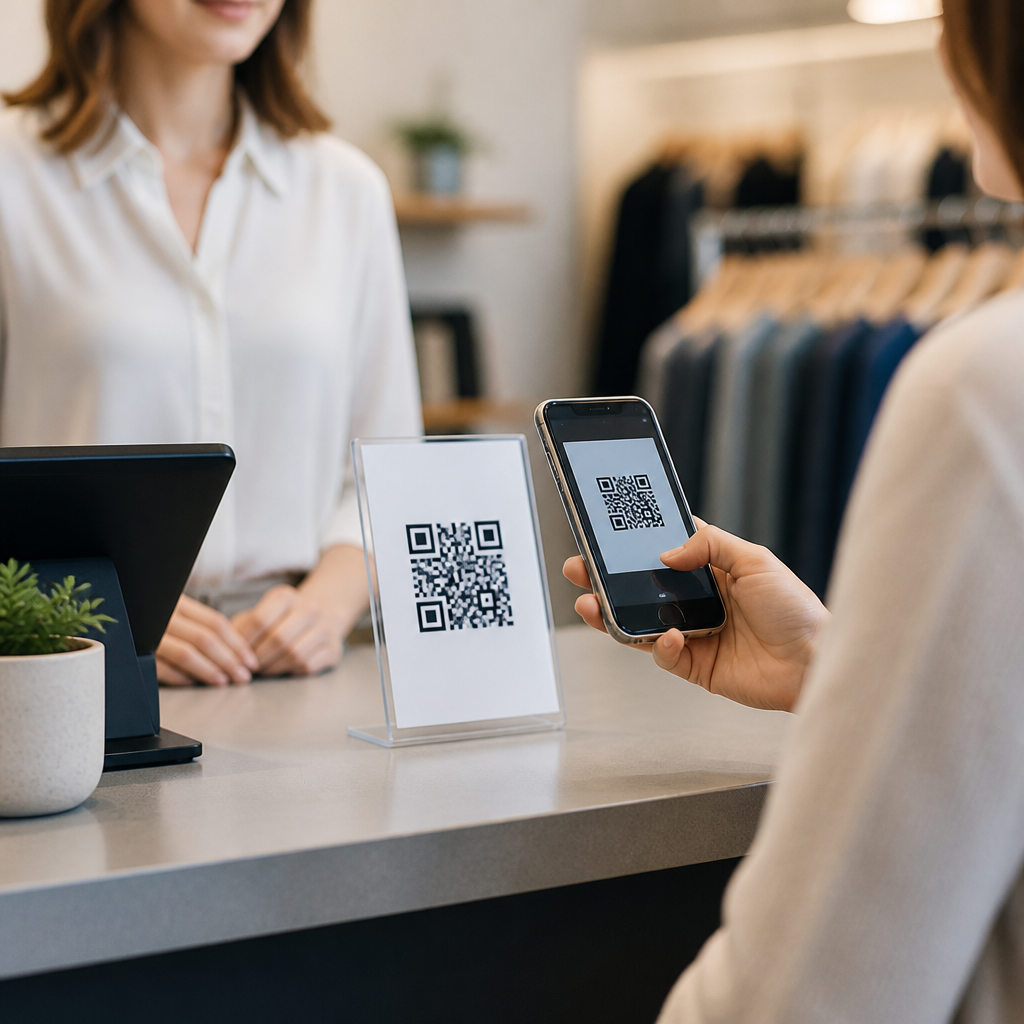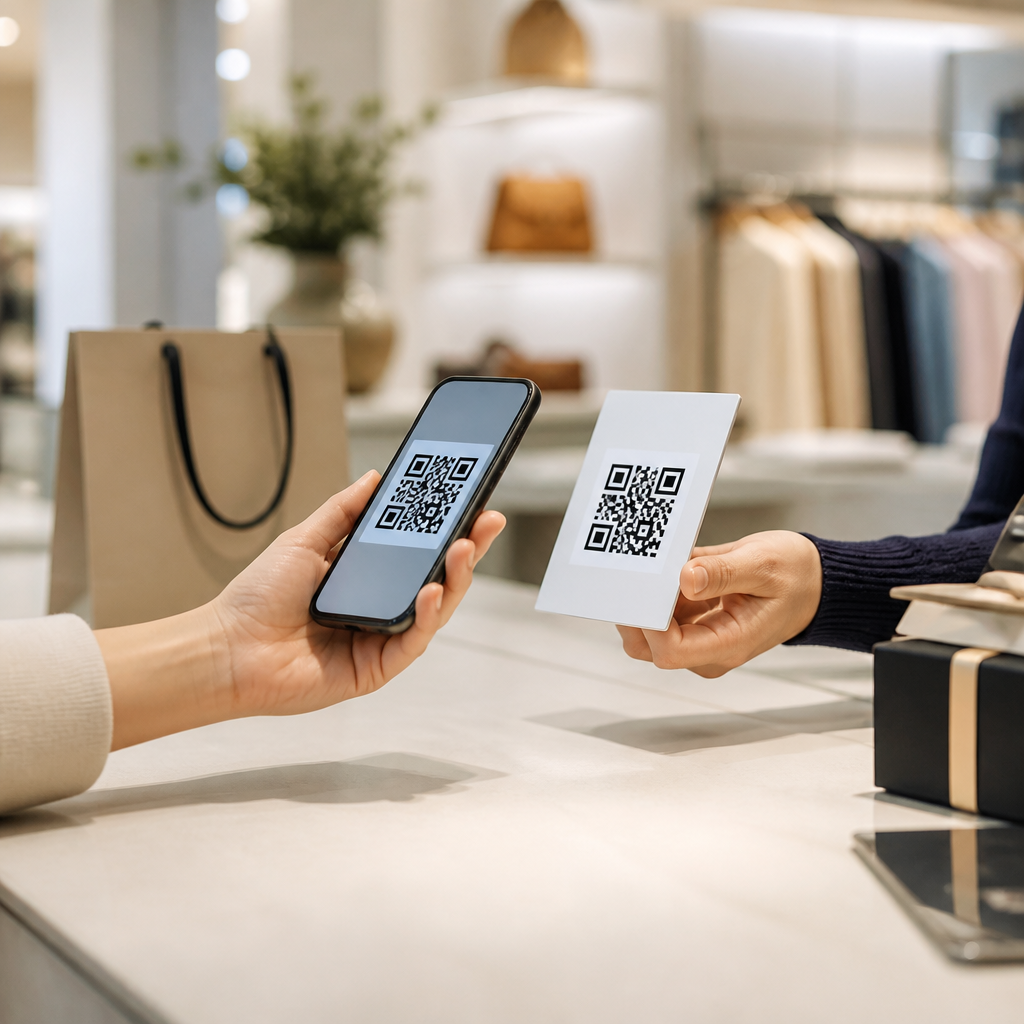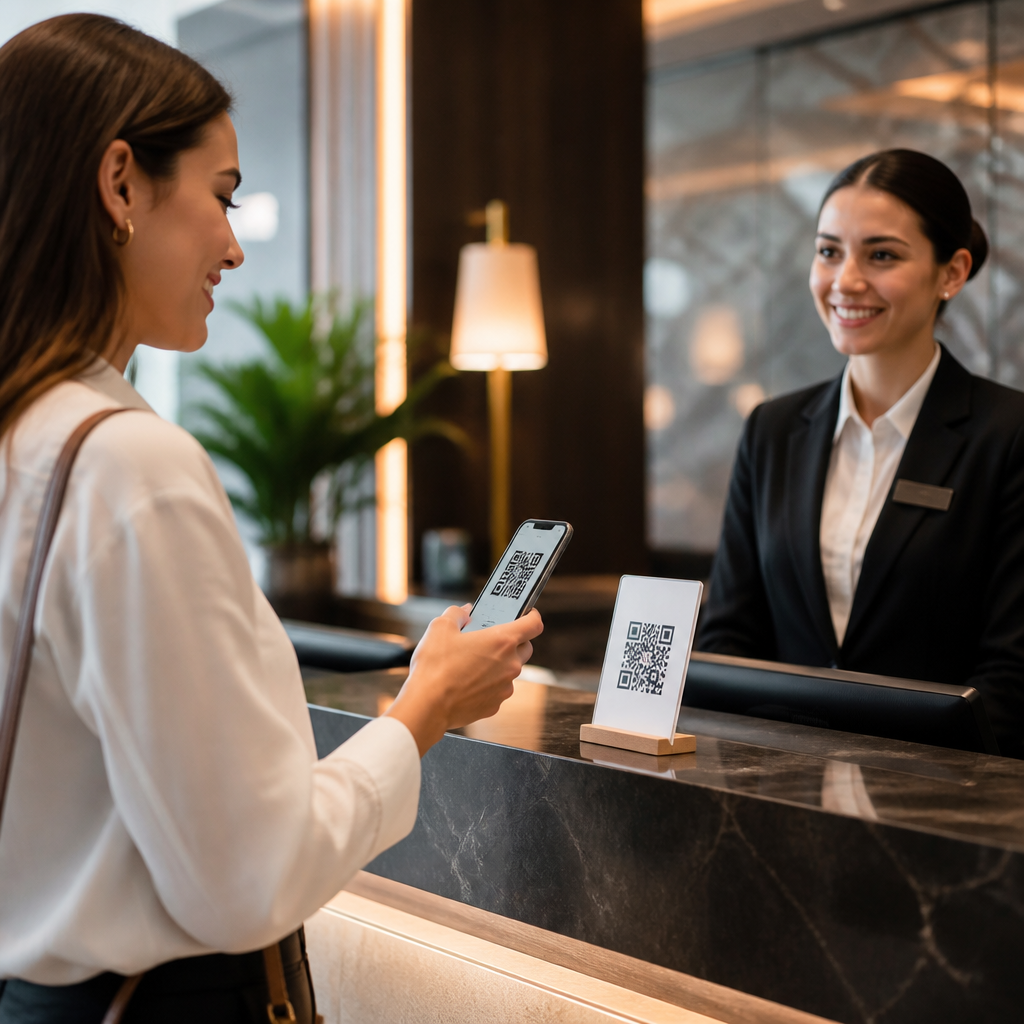
QR codes have become one of the most practical customer service tools in hospitality because they connect guests to timely information, ordering, support, and feedback with almost no friction. In hotels, restaurants, resorts, bars, and event venues, a QR code is simply a scannable matrix barcode that opens a digital destination, usually a menu, payment page, service request form, map, loyalty program, or review prompt. Customer service in hospitality means every interaction that shapes a guest’s experience before arrival, during the visit, and after checkout. When those interactions are faster, clearer, and easier to complete, satisfaction rises and staff can focus on high-value human service instead of repetitive explanations.
I have seen this shift firsthand in restaurant groups and hotel operations that adopted QR codes first as a pandemic necessity, then kept them because they solved real service bottlenecks. Hosts spent less time reprinting menus. Front desk teams handled fewer routine questions when room directories moved to mobile pages. Servers could answer allergy and ingredient questions more accurately when digital menus were linked to live product data. The value is not the code itself. The value is instant access to useful, current information at the exact moment a guest needs it.
This matters because hospitality runs on speed, consistency, and trust. Guests compare experiences quickly, and even small delays can damage reviews, repeat visits, and average spend. A family waiting ten minutes for a menu, a hotel guest calling twice for Wi-Fi instructions, or a conference attendee lost on property all experience preventable friction. QR codes reduce that friction when they are placed logically, tied to mobile-friendly pages, and integrated with operations such as point-of-sale systems, property management systems, housekeeping workflows, and guest messaging tools. They are especially effective in restaurants and hospitality because these environments involve many short decisions that benefit from self-service and real-time updates.
As a hub within the broader QR codes in marketing topic, this article covers the full landscape of industry-specific use cases for restaurants and hospitality. It explains where QR codes improve customer service, how to implement them without frustrating guests, what metrics to track, and where the limitations are. The core principle is straightforward: use QR codes to remove effort from the guest journey, not to replace hospitality. The businesses that get the best results combine digital convenience with attentive staff, clear signage, accessible alternatives, and data-driven iteration.
Why QR codes work so well in restaurants and hospitality
QR codes improve customer service because they compress three steps into one. Instead of asking a staff member, waiting for a printed asset, or searching a website manually, the guest scans and gets the answer immediately. In practice, that means a diner opens a menu in seconds, a hotel guest requests extra towels without calling, or a resort visitor finds pool hours, spa rules, and dining reservations from a lounge chair. Hospitality is full of micro-moments like these, and each one is a chance either to create ease or create friction.
The biggest operational advantage is flexibility. Printed materials go out of date the moment prices change, a dish sells out, breakfast hours shift, or a local event alters transport options. A dynamic QR code can keep the same visible sign while the destination content changes in the background. That matters for seasonal menus, happy hour promotions, multilingual guest information, and special event packages. It also reduces print waste and version-control errors, which are common in multi-location restaurant brands and hotel groups.
Another reason QR codes perform well is that smartphone behavior already fits the hospitality setting. Guests routinely use phones to compare wines, message companions, check loyalty points, and share photos. Scanning a code is now familiar behavior on both iOS and Android camera apps. According to long-running industry reporting from the National Restaurant Association and hotel technology vendors, mobile ordering, contactless payment, and self-service preferences remain strong because convenience persists even after health restrictions fade. The lesson from deployments I have managed is clear: if the QR destination is useful and fast, adoption follows naturally.
Customer service also improves because QR codes create a measurable trail. Restaurants can see which menus are scanned most, at what times, and from which table zones. Hotels can learn whether guests use room service codes, maintenance request forms, or local guide pages. This data helps managers adjust staffing, update confusing content, and identify demand patterns. A printed card cannot provide that feedback loop. A tracked QR code can.
Restaurant use cases that reduce wait times and raise satisfaction
Restaurants were the earliest mainstream adopters of QR code customer service, but the strongest examples now go far beyond the basic menu. The most obvious use case is the digital menu. A well-built menu page loads quickly, shows clear categories, highlights modifiers, flags allergens, and reflects live availability. That alone reduces common frustrations. Guests do not wait for menus, servers do not apologize for unavailable items, and managers do not need emergency reprints. For chains and independent operators alike, dynamic menu management keeps service accurate across lunch, dinner, brunch, and limited-time offers.
Ordering is the next layer. Table-side QR ordering lets guests browse, customize, reorder drinks, and pay without waiting for the check presenter. This does not eliminate staff; it changes where staff time goes. Instead of running cards and repeating specials, servers can focus on upselling, allergy support, timing courses, and handling exceptions. In quick-service and fast-casual settings, QR codes on tables, windows, or pickup shelves can direct guests to mobile ordering, reducing counter congestion during peak periods.
Restaurants also use QR codes for service recovery and feedback. A discreet code on the receipt or table tent can open a short survey, issue-resolution form, or manager contact page. This is powerful because it catches problems before they become public reviews. If a guest reports a slow appetizer or incorrect bill on-site, staff can fix it immediately. In my experience, a closed-loop feedback process often improves review scores more than any marketing campaign because it addresses issues while the guest is still present.
Additional service applications include wine list education, chef notes, sourcing stories, loyalty signups, waitlist enrollment, and multilingual translations for tourists. The best implementations answer a clear question at a clear moment. A QR code by the host stand should solve waiting. A code on the table should solve browsing, ordering, and paying. A code near the exit should solve feedback or loyalty enrollment. When placement and purpose align, guests perceive the technology as helpful rather than gimmicky.
Hotel, resort, and venue use cases across the guest journey
In hotels and resorts, QR codes can support the entire stay from pre-arrival to post-departure. Before arrival, booking confirmations and welcome emails can include codes linking to mobile check-in, parking instructions, airport transfer details, and upsell offers such as breakfast packages or spa appointments. On arrival, a code at reception can guide guests who prefer self-service to digital registration, loyalty enrollment, or property maps. This is particularly useful in high-volume urban hotels, convention properties, and select-service brands where front desk queues affect first impressions.
Inside guestrooms, QR codes are most effective when they replace outdated paper binders with a living digital directory. Guests can scan for Wi-Fi login steps, room service menus, housekeeping requests, late checkout options, TV channel guides, emergency procedures, and local recommendations. Because the information is centralized, operators can update it instantly across every room. Branded directories built in guest experience platforms also allow language selection, which improves service for international travelers without requiring multiple printed versions.
Resorts, conference venues, and large properties benefit even more because navigation and activity planning are constant pain points. Codes near elevators, pool entrances, meeting rooms, and shuttle stops can open maps, daily schedules, safety rules, and reservation links. A family at a beach resort might use one code to book kids’ club sessions, another to order lunch to a cabana, and another to check sunset cruise availability. At an event venue, attendees can scan signage to access agendas, exhibitor lists, networking directories, and support desks. Each scan removes a demand from already-busy staff and keeps the guest moving confidently through the space.
Post-stay service matters too. Checkout folios, lost-and-found forms, loyalty enrollment pages, and review requests can all be tied to QR codes on receipts, thank-you cards, or email communications. This makes the transition from service delivery to reputation management much smoother.
Implementation best practices, metrics, and common mistakes
Successful QR code customer service depends less on the code design and more on operational discipline. The destination must be mobile optimized, fast, secure, and immediately useful. If a scan leads to a desktop page, PDF pinch-zoom nightmare, expired menu, or login wall, the guest experience gets worse. I recommend testing every code on multiple devices, over guest Wi-Fi and cellular data, before launch. Use dynamic QR codes from reputable platforms so destinations can be updated without reprinting assets. Apply UTM parameters or platform analytics to measure scans, time of day, conversion events, and device type. Tie those insights back to service metrics such as table turn time, average check, upsell rate, maintenance response time, and review sentiment.
Placement is another make-or-break factor. Codes should appear exactly where the need occurs: on tables, bedside cards, elevator signs, key sleeves, pool chairs, receipts, host stands, or conference signage. Every code needs a plain-language prompt that states the benefit, such as “Scan to order and pay,” “Scan for Wi-Fi and room service,” or “Scan to request housekeeping.” Never assume guests will scan out of curiosity alone.
| Hospitality area | Best QR code use | Primary service benefit | Key metric |
|---|---|---|---|
| Restaurant table | Menu, ordering, payment | Shorter wait and faster turns | Time to first order |
| Hotel guest room | Digital directory and requests | Fewer routine calls to front desk | Request completion time |
| Pool or resort deck | Food ordering and activity booking | Convenience away from service points | Per-guest ancillary revenue |
| Conference venue | Maps, schedules, support | Less confusion and queueing | Help desk volume |
Accessibility and inclusion must be built in. Always provide a non-QR alternative such as printed menus, verbal assistance, or front desk support. Use high-contrast code designs, adequate size, and stable lighting conditions. Make linked pages compatible with screen readers and include alt text for important images. Security matters as well. Guests are increasingly aware of malicious code overlays, so print branded codes cleanly, inspect them regularly, and route to trusted domains with HTTPS. Staff training is essential. Teams should know what each code does, how to help a guest use it, and when to bypass the digital path entirely for a more personal solution. The common mistake is treating QR codes as a cost-cutting device. The right goal is service improvement supported by measurable operational gains.
QR codes improve customer service in hospitality when they solve immediate guest needs with speed, clarity, and reliability. In restaurants, they streamline menus, ordering, payment, feedback, and loyalty enrollment. In hotels, resorts, and venues, they simplify check-in, room information, service requests, navigation, booking, and post-stay communication. The strongest results come from thoughtful placement, fast mobile destinations, accurate live content, and integration with real operational workflows rather than isolated campaigns.
The central benefit is simple: less friction for guests and better focus for staff. When routine questions and transactions move to a well-designed self-service path, hospitality teams gain time to deliver the human moments that actually build loyalty. That balance matters. Guests do not want technology for its own sake. They want fast answers, easy choices, and confidence that help is available when needed. QR codes support that expectation when businesses maintain alternatives, protect accessibility, and keep information current.
As the hub for restaurants and hospitality within QR codes in marketing, this topic leads naturally into deeper articles on digital menus, hotel room directories, contactless payment, guest feedback flows, and QR analytics. If you manage a restaurant, hotel, bar, or venue, audit your guest journey this week and identify the three points where people wait, ask repetitive questions, or abandon a task. Those are your best opportunities to deploy QR codes that genuinely improve customer service.
Frequently Asked Questions
How do QR codes improve customer service in hospitality businesses?
QR codes improve customer service in hospitality by giving guests immediate access to the information and actions they need without waiting in line, searching for staff, or navigating confusing printed materials. In a hotel, a guest can scan a QR code to view property details, request housekeeping, book spa appointments, check dining hours, or access a digital concierge. In a restaurant or bar, the same approach can connect customers to menus, ingredient details, ordering, mobile payment, or loyalty rewards in seconds. This reduces friction throughout the guest journey and helps staff respond faster because fewer routine questions need to be handled manually.
From an operational standpoint, QR codes also make service more consistent. Instead of relying on verbal explanations or outdated printed materials, hospitality teams can direct guests to a digital destination that is accurate, current, and easy to update. That matters because customer service in hospitality is shaped by speed, convenience, clarity, and responsiveness. When guests can solve simple needs on their own and reach staff quickly for more important requests, the overall experience feels smoother and more modern. Used well, QR codes do not replace hospitality; they support it by freeing employees to focus on high-value, personal interactions.
Where can hospitality businesses use QR codes to help guests most effectively?
Hospitality businesses can use QR codes at nearly every touchpoint where guests need guidance, service, or a quick next step. In hotels, effective placements include check-in desks, guest rooms, elevators, pool areas, lobbies, meeting spaces, and welcome packets. A room QR code might link to Wi-Fi instructions, room service, maintenance requests, local recommendations, checkout information, or messaging with the front desk. In restaurants and bars, QR codes work well on tables, receipts, windows, host stands, takeaway packaging, and promotional signage, where they can open menus, allergen information, specials, digital payment options, and feedback forms.
Resorts, event venues, and entertainment spaces can also use QR codes to improve navigation and reduce confusion. A code near an entrance can open a venue map, event schedule, ticket details, or FAQ page. At pools, spas, and activity centers, codes can link to booking tools, safety rules, service menus, and staff contact options. The most effective use cases are tied to real guest needs in specific locations. Rather than placing codes everywhere, businesses should place them where they remove uncertainty, shorten wait times, and make the next action obvious. That practical placement strategy is what turns QR codes from a novelty into a true customer service tool.
Do QR codes replace staff interaction in hotels, restaurants, and resorts?
No, QR codes should not replace staff interaction in hospitality; they should enhance it. Great hospitality still depends on human warmth, problem-solving, and personal attention, especially when guests have special requests, need reassurance, or are dealing with an issue. QR codes are most useful for handling repetitive, time-sensitive, or self-service tasks such as viewing a menu, requesting extra towels, checking property amenities, paying a bill, or leaving feedback. When those tasks become easier, staff members have more time and energy to focus on meaningful guest interactions that build satisfaction and loyalty.
In fact, QR codes often make staff service better because they reduce avoidable bottlenecks. Front desk employees spend less time answering basic logistical questions, servers spend less time distributing static information, and support teams can receive structured requests faster. That means a guest who truly needs help can often get better attention, not less. The key is balance. Hospitality businesses should always provide alternative service options for guests who prefer face-to-face assistance or who are less comfortable with digital tools. When QR codes are positioned as a convenience rather than a forced replacement for personal service, they support both efficiency and guest comfort.
What are the best practices for using QR codes without frustrating guests?
The best QR code experiences are simple, useful, and trustworthy. First, the code should lead to a mobile-friendly page that loads quickly and makes the next step clear. If a guest scans a code to view a menu, request service, or pay, they should not have to click through multiple confusing screens to complete that action. Second, the purpose of the QR code should be stated clearly beside it. Labels such as “Scan to Order,” “Scan for Room Service,” or “Scan for Event Map” remove guesswork and increase usage. Guests are much more likely to scan when they know exactly what they will get.
It is also important to keep content updated and relevant. Nothing undermines service faster than a QR code that leads to expired offers, broken links, outdated hours, or missing information. Hospitality businesses should test codes regularly, track engagement, and optimize the destination based on real guest behavior. Accessibility matters as well. Codes should be placed where lighting, height, and visibility support easy scanning, and there should always be a backup option for guests who cannot or do not want to use their phones. Finally, businesses should avoid overusing QR codes. A few well-placed, high-value codes are far more effective than covering every surface with them. The goal is to remove friction, not create a digital obstacle course.
Can QR codes help hospitality businesses collect feedback and improve guest satisfaction?
Yes, QR codes can be an excellent way to collect timely feedback and turn it into service improvements. Because they are easy to access in the moment, they allow guests to share impressions while the experience is still fresh. A hotel might place a QR code in guest rooms or at checkout to gather feedback about cleanliness, amenities, and staff responsiveness. A restaurant may use one on the receipt or table to ask about food quality, wait time, and overall service. Event venues can collect feedback on registration, seating, signage, or scheduling. This immediacy often leads to higher response rates and more useful insights than delayed follow-up emails alone.
Just as important, QR code feedback systems can help businesses recover service issues before they become negative public reviews. If a guest reports a problem through a quick digital form during their stay or visit, the team has an opportunity to respond, resolve the issue, and improve the outcome in real time. QR codes can also direct satisfied guests to loyalty sign-ups, testimonials, or review platforms, helping strengthen reputation and repeat business. For best results, feedback forms should be short, easy to complete on mobile, and tied to a clear follow-up process. When hospitality teams actively monitor and act on what guests submit, QR codes become more than a feedback shortcut; they become a practical system for continuous customer service improvement.