Using QR codes for restaurant promotions and offers has moved from a clever tactic to a practical part of modern hospitality marketing. In restaurants, a QR code is a scannable image that sends a guest to a digital destination such as a menu, coupon, loyalty page, reservation form, feedback survey, or event landing page. When operators use dynamic QR codes, they can change the destination without reprinting the code, track scans by time and location, and measure how promotions actually perform. That combination matters because restaurant margins are thin, guest attention is limited, and every promotion competes with delivery apps, review platforms, and neighborhood alternatives. I have worked with restaurant groups that printed thousands of table tents before realizing their offer page was wrong; dynamic codes prevented that mistake on later campaigns and gave managers clean data on redemption patterns. For a sub-pillar hub inside QR codes in marketing, restaurants and hospitality deserve special treatment because the customer journey includes street traffic, dine-in service, online ordering, events, and post-visit retention. QR codes connect those touchpoints with low friction. They are inexpensive to deploy, easy to test, and flexible enough for quick-service brands, independent cafés, bars, food halls, hotels, and fine-dining venues. Used well, they turn print into measurable digital media.
Where QR codes fit in the restaurant customer journey
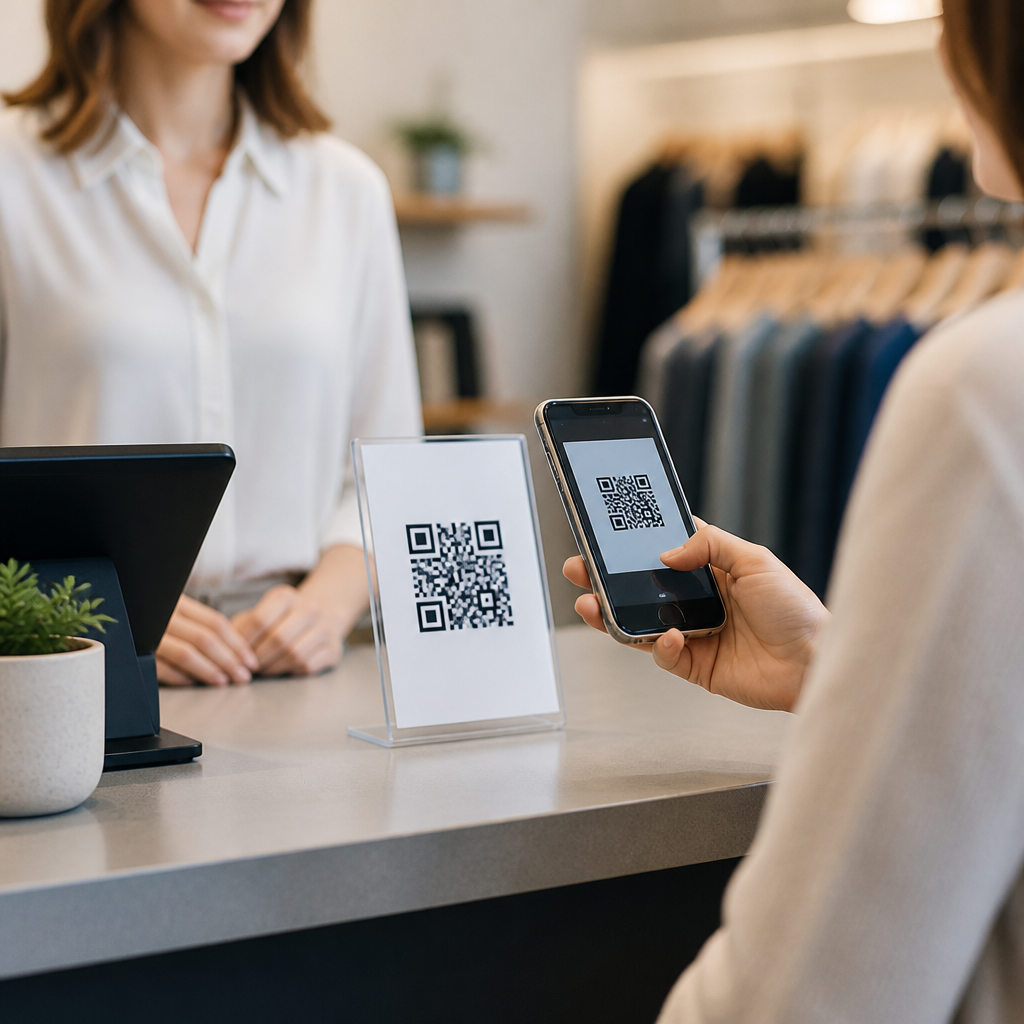
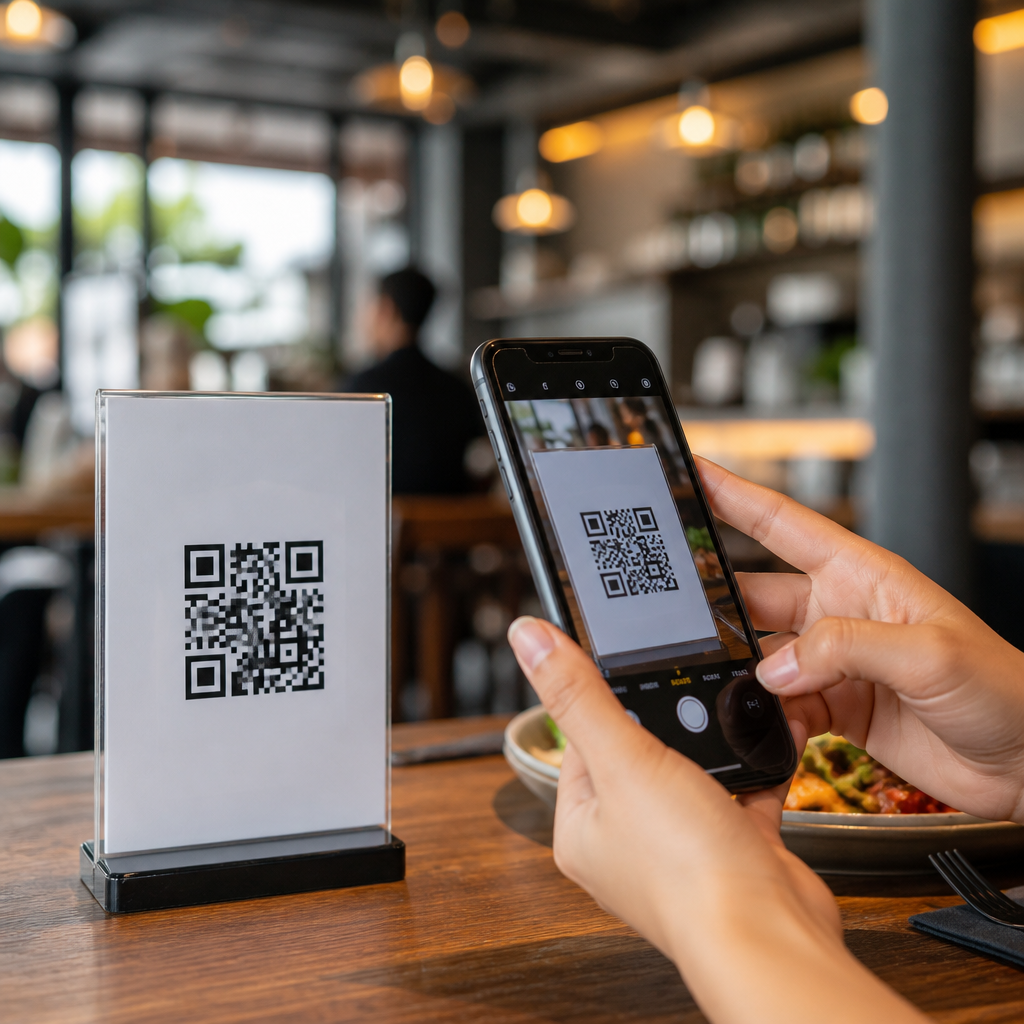
QR codes work best when they match a specific moment in the guest experience. Outside the venue, a code on window signage can promote lunch specials to pedestrians or link directly to reservations after hours. On mailers, local flyers, and takeout packaging, the code can direct customers to online ordering, limited-time bundles, or gift card sales. Inside the restaurant, table tents, menu inserts, receipts, coasters, and digital screens can each carry different calls to action. After the meal, a code can request a review, join a loyalty program, or capture feedback before dissatisfaction reaches a public platform.
Hospitality operators should think in stages: discovery, decision, order, upsell, loyalty, and advocacy. Discovery includes signs, social posts, neighborhood partnerships, and hotel concierge materials. Decision includes menus, event calendars, and dietary information. Order and upsell involve dessert offers, drink pairings, and family meal add-ons. Loyalty covers points programs, app downloads, and SMS or email capture. Advocacy includes user-generated content prompts and review requests. Mapping each stage avoids the common mistake of sending every scan to the home page, which wastes intent and reduces conversions.
Different venue types use the same technology differently. A quick-service restaurant may prioritize speed, mobile ordering, and coupon redemption. A full-service restaurant may use QR codes to highlight chef specials, wine notes, and private dining inquiries. Bars often gain more value from event promotion, happy hour reminders, and digital tabs. Hotels, resorts, and cafés can combine property maps, amenity offers, room-service ordering, and local dining guides. The principle is the same: the code should solve an immediate need or offer an immediate benefit.
Promotional use cases that drive revenue and repeat visits
The strongest restaurant QR code promotions are specific, timely, and easy to redeem. Percentage discounts can work, but they are rarely the most profitable option. In practice, operators often perform better with fixed-value offers, bundles, or upgrades because the economics are easier to control. For example, “Scan for a free appetizer with two entrées before 6 p.m.” can shift early traffic without training guests to wait for deep discounts. A bakery can place a code on coffee sleeves that unlocks “buy five, get one pastry free,” pushing a habitual morning purchase. A pizza shop can add a box-top code that promotes a game-day combo for the next order, raising average order value.
Event-driven promotions are especially effective. Restaurants can attach codes to posters for trivia nights, wine tastings, chef collaborations, holiday brunches, and live music. Because dynamic QR codes can be updated, one printed poster board near the host stand can support multiple events through the season. I have seen this save both design time and print budget for multi-unit operators. The same code framework also supports quieter operational goals, such as filling slow Tuesday covers, increasing direct orders over third-party apps, or moving excess inventory through a same-day special.
Hotels and hospitality venues have additional opportunities. A poolside code can promote happy hour at the bar. A room card insert can offer a breakfast package or direct guests to reserve a table. Conference venues can place codes near meeting rooms to push lunch preorders, drink receptions, or private catering inquiries. These uses work because the guest is already on property and can act immediately. Speed matters more than novelty; a code that loads a mobile-optimized page in seconds will outperform a clever campaign that adds unnecessary steps.
| Placement | Best Offer Type | Primary Goal | Key Metric |
|---|---|---|---|
| Window sign | Lunch special or reservation link | Capture walk-by traffic | Scans to bookings |
| Table tent | Dessert or drink upgrade | Increase average check | Offer redemption rate |
| Receipt | Next-visit coupon or loyalty signup | Drive repeat visits | Repeat purchase rate |
| Takeout packaging | Bundle for the next order | Lift direct reorders | Reorder conversion |
| Hotel room insert | Breakfast, bar, or dining reservation offer | Increase on-property spend | Ancillary revenue |
Designing effective restaurant QR code campaigns
A successful restaurant QR code campaign starts with one audience, one action, and one landing page. That page should match the offer exactly, load quickly on mobile, and present a clear redemption path. If the code promises “Free mocktail with entrée,” the landing page should restate the terms, show valid times, and let staff verify redemption easily. Avoid generic landing pages that force users to navigate menus. Every extra tap lowers completion.
Visual design matters, but scannability matters more. Use high contrast, enough white space around the code, and a printed size appropriate to viewing distance. A table tent can use a smaller code than a storefront poster. Test under real lighting conditions, including glare from laminated menus, dim bar environments, and outdoor sunlight. Error correction helps if logos are embedded, but heavily stylized codes can fail on older devices. In live environments, reliability beats decoration.
Offer structure should reflect unit economics. Restaurants should calculate food cost, labor impact, likely attachment sales, and expected redemption volume before launching. A free item with strong perceived value but manageable cost, such as chips and salsa or a fountain drink, often performs better than a broad discount. Time windows also matter. Promotions tied to slow periods can change demand without reducing revenue at peak times. For franchise systems or multi-location groups, standardizing naming conventions and UTM parameters keeps campaign reporting accurate across units.
Staff training is the hidden variable. Servers, cashiers, hosts, and managers need to know what each code does, how the guest redeems the offer, and how exceptions are handled. If a guest scans a code but cannot complete redemption because the staff is confused, the promotion damages trust. In strong rollouts, teams receive a one-page guide with screenshots, terms, and troubleshooting steps. That operational discipline often determines whether a QR promotion becomes a repeatable growth channel or a one-off experiment.
Measurement, attribution, and optimization
Restaurant marketers should treat QR codes as measurable acquisition and retention assets, not just convenience tools. Dynamic QR code platforms such as Bitly, QR Code Generator PRO, Beaconstac, and Uniqode allow scan tracking by device, time, and sometimes approximate location. Combined with web analytics, POS data, and reservation records, that information shows which placements and offers drive profitable actions. Basic metrics include scan volume, unique scans, landing page conversion rate, redemption rate, average ticket, and repeat visit rate. More advanced teams monitor assisted conversions, channel overlap, and incremental lift versus control periods.
Attribution can be messy because restaurant visits often involve multiple touchpoints. A guest may notice a sidewalk sign, check reviews, then scan a receipt code on a later visit. To improve clarity, use dedicated landing pages, offer codes, and campaign-specific UTMs. If the goal is direct ordering, compare QR traffic conversion against email, paid social, and marketplace traffic. If the goal is in-store upsell, compare check averages for tables exposed to a dessert code versus tables that were not. Simple A/B testing can answer practical questions: does “Scan for tonight’s specials” outperform “Scan for a free dessert upgrade”? Does a host stand sign convert better than a menu insert?
Optimization should happen continuously. If scans are high but redemptions are low, the issue is usually the landing page, unclear terms, or staff friction. If scans are low, the issue is often placement, visibility, or weak motivation. If redemption is high but margin is poor, adjust the offer type or restrict the time window. During one rollout for a casual dining brand, moving a loyalty QR code from the bottom of the receipt to the top near the total increased scans significantly because guests saw it before leaving. Small placement changes can produce meaningful gains.
Best practices, compliance, and common mistakes
Restaurants should follow a short list of nonnegotiable best practices. First, send guests to mobile-first pages secured with HTTPS. Second, disclose important offer terms clearly, including expiration, exclusions, location limits, and whether the deal can be combined with other promotions. Third, make redemption simple at the point of sale; the guest should not need to create an account unless the benefit clearly justifies it. Fourth, protect brand trust by checking links regularly and retiring expired campaigns. A stale code on a table tent makes the venue look careless.
Privacy and accessibility deserve attention. If a QR campaign collects phone numbers, emails, or feedback, restaurants should follow applicable data privacy rules and obtain consent where required. SMS programs in the United States must align with TCPA requirements, and email capture should respect CAN-SPAM obligations. Accessibility also matters: provide a short fallback URL, ensure landing pages work with screen readers, and avoid making the code the only way to access essential information. Many jurisdictions relaxed digital menu concerns after the pandemic, but inclusive design remains good hospitality and good risk management.
The most common mistakes are predictable. Operators use one code for too many goals, place codes where guests cannot scan comfortably, or bury the value proposition in tiny text. Some launch without testing different phones or weak Wi-Fi conditions. Others offer discounts so aggressive that they attract low-value visits without building loyalty. Another frequent problem is depending entirely on third-party delivery apps while using QR codes only for menu viewing. The better strategy is to use codes to grow owned channels such as direct ordering, reservations, loyalty, and first-party customer lists. Those assets compound over time and give restaurants more control over margins.
QR codes give restaurants and hospitality brands a direct, measurable way to connect physical spaces with digital promotions. They can fill slower dayparts, increase average check size, lift direct orders, support events, capture feedback, and bring guests back more often. The key is not the code itself; the key is matching each code to a clear moment, a useful offer, and a frictionless landing page. When operators pair thoughtful campaign design with staff training and solid measurement, QR promotions become reliable revenue tools rather than decorative tech.
For restaurants building a stronger marketing system, this subtopic serves as the hub for industry-specific use cases across dining rooms, takeout, bars, hotels, and event venues. Start with one high-intent placement, one compelling offer, and one measurable goal. Track scans, redemptions, and profit impact, then expand to other touchpoints only after the first campaign works. That disciplined approach will help your team use QR codes for restaurant promotions and offers in a way that improves both guest experience and business performance.
Frequently Asked Questions
How can restaurants use QR codes to promote special offers effectively?
Restaurants can use QR codes as direct gateways to timely, action-oriented promotions that are easy for guests to access in the moment. A code placed on table tents, window decals, receipts, takeout packaging, menus, loyalty cards, or social media graphics can instantly send a customer to a landing page featuring a limited-time discount, happy hour deal, seasonal menu item, event registration, or bounce-back offer for a future visit. The key is to match the QR code placement with customer intent. For example, a code on a dine-in table may work best for dessert add-ons, wine pairings, or loyalty enrollment, while a code on a takeout bag may be better for encouraging a repeat order with a next-visit coupon.
For the strongest results, each QR code promotion should have a clear value proposition and a simple destination. Instead of sending users to a general homepage, direct them to a focused page with one offer, one call to action, and minimal friction. Restaurants often see better engagement when the page is mobile-friendly, loads quickly, and makes redemption easy, whether that means showing a coupon to staff, entering a promo code in online ordering, or tapping through to reserve a table. When used strategically, QR codes do more than distribute offers; they help restaurants turn physical foot traffic and printed materials into measurable digital marketing opportunities.
What is the difference between static and dynamic QR codes for restaurant marketing?
Static QR codes link to a fixed destination that cannot be changed once the code has been created and printed. If a restaurant uses a static code on menus or flyers and later wants to send customers somewhere else, such as a new coupon page or updated reservation system, the code must usually be replaced and reprinted. Static codes can be useful for permanent information that is unlikely to change, but they offer limited flexibility for active promotions and ongoing campaign management.
Dynamic QR codes are usually the better choice for restaurant promotions because they allow operators to update the destination at any time without changing the printed code itself. That means the same code on a tabletop sign can promote a lunch special this month, a holiday prix fixe next month, and a loyalty signup campaign after that. Dynamic QR codes also provide important performance data, such as how many people scanned, when they scanned, and in some cases where the scans occurred. This tracking gives restaurant owners and marketers a much clearer picture of what is working. In practical terms, dynamic QR codes reduce print waste, make campaigns more adaptable, and support smarter decision-making based on real customer behavior rather than guesswork.
Where should restaurants place QR codes to get the most scans and redemptions?
High-performing QR code placement depends on visibility, timing, and relevance. Restaurants tend to get the best results when codes are positioned where guests already pause and make decisions. Common examples include front doors, host stands, tables, menus, check presenters, receipts, counter displays, takeout bags, delivery inserts, and catering materials. Each location supports a different customer action. A code near the entrance might promote reservations or current specials, while a code on a receipt is ideal for a return-visit incentive, a loyalty offer, or a feedback survey tied to a coupon.
Restaurants should also think beyond the dining room. QR codes can be added to posters, direct mail pieces, event signage, food trucks, community sponsorship materials, and even digital screens inside the restaurant. The most effective placements are supported by a short instruction or benefit statement, such as “Scan for today’s lunch deal,” “Join our rewards program,” or “Get 10% off your next order.” Without context, many guests will ignore a code. With a clear reason to scan, response rates usually improve. Good placement also means making the code easy to scan: it should be large enough, well-lit, not distorted, and placed where phones can be used comfortably. Testing codes in real-world conditions is an important step before launching any campaign.
Can QR codes help restaurants track the success of promotions and customer engagement?
Yes, and this is one of the biggest reasons QR codes have become so valuable in restaurant marketing. When restaurants use dynamic QR codes connected to campaign analytics, they can monitor scan activity and evaluate how different promotions perform over time. This often includes total scans, unique scans, peak times of engagement, device type, and sometimes location-based insights. With this data, operators can compare performance across materials and channels. For instance, they may discover that a code on takeout packaging generates more repeat orders than a code on window signage, or that a weekend brunch offer gets significantly more scans than a weekday dinner special.
Tracking becomes even more powerful when QR scans are tied to business outcomes such as online orders, reservation submissions, loyalty signups, coupon redemptions, or survey completions. Instead of simply knowing that customers scanned a code, the restaurant can measure whether the promotion actually led to revenue or engagement. This makes QR campaigns much easier to optimize. If one landing page gets plenty of scans but very few conversions, the issue may be the offer, the page design, or the redemption process. If another code performs exceptionally well in one location, that insight can guide future placement decisions. In short, QR codes allow restaurants to bring measurable performance tracking into spaces that were once difficult to analyze, including printed menus, physical signage, and packaging.
What are the best practices for creating QR code offers that customers will actually use?
The most successful QR code offers are easy to understand, genuinely valuable, and simple to redeem. Customers are far more likely to scan when the benefit is immediate and specific. Offers such as “Free appetizer with entree,” “10% off your next online order,” “Join rewards and get a dessert,” or “Unlock our weekday lunch deal” tend to outperform vague messages. Restaurants should avoid making users hunt for details after scanning. The destination page should clearly explain the offer, any restrictions, expiration date, and exactly how to claim it. Confusion creates drop-off, especially on mobile devices.
It is also important to align the offer with the stage of the customer journey. First-time guests may respond best to introductory discounts, while returning diners may be more interested in loyalty rewards, exclusive menu items, or early access to events. Restaurants should keep the experience fast and friction-free by minimizing required form fields, avoiding unnecessary app downloads, and ensuring that the landing page is optimized for smartphones. Branding matters as well. A QR campaign should feel like a natural part of the restaurant experience, with consistent visuals, tone, and messaging. Finally, operators should test different offers, headlines, placements, and call-to-action language to see what resonates most. The advantage of QR-driven promotions is not just convenience; it is the ability to refine campaigns continuously based on real guest behavior and redemption results.