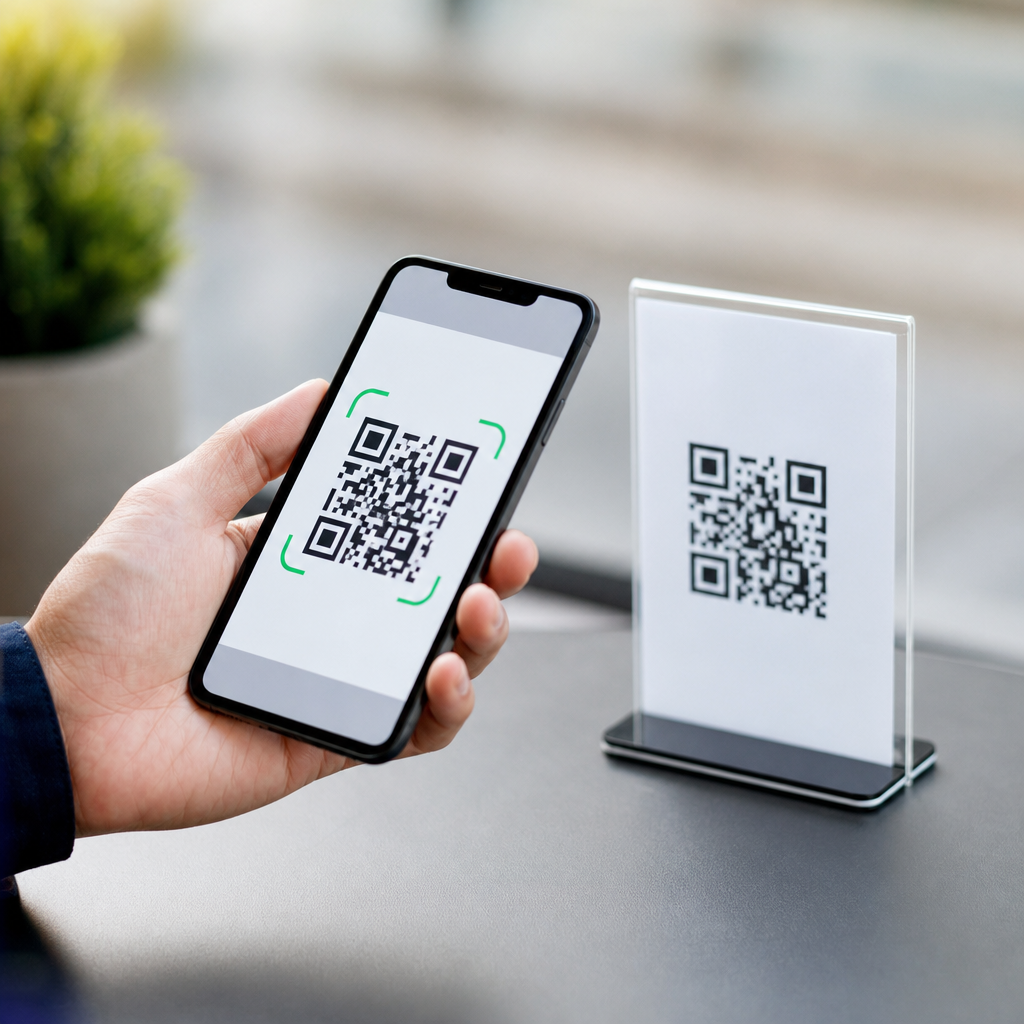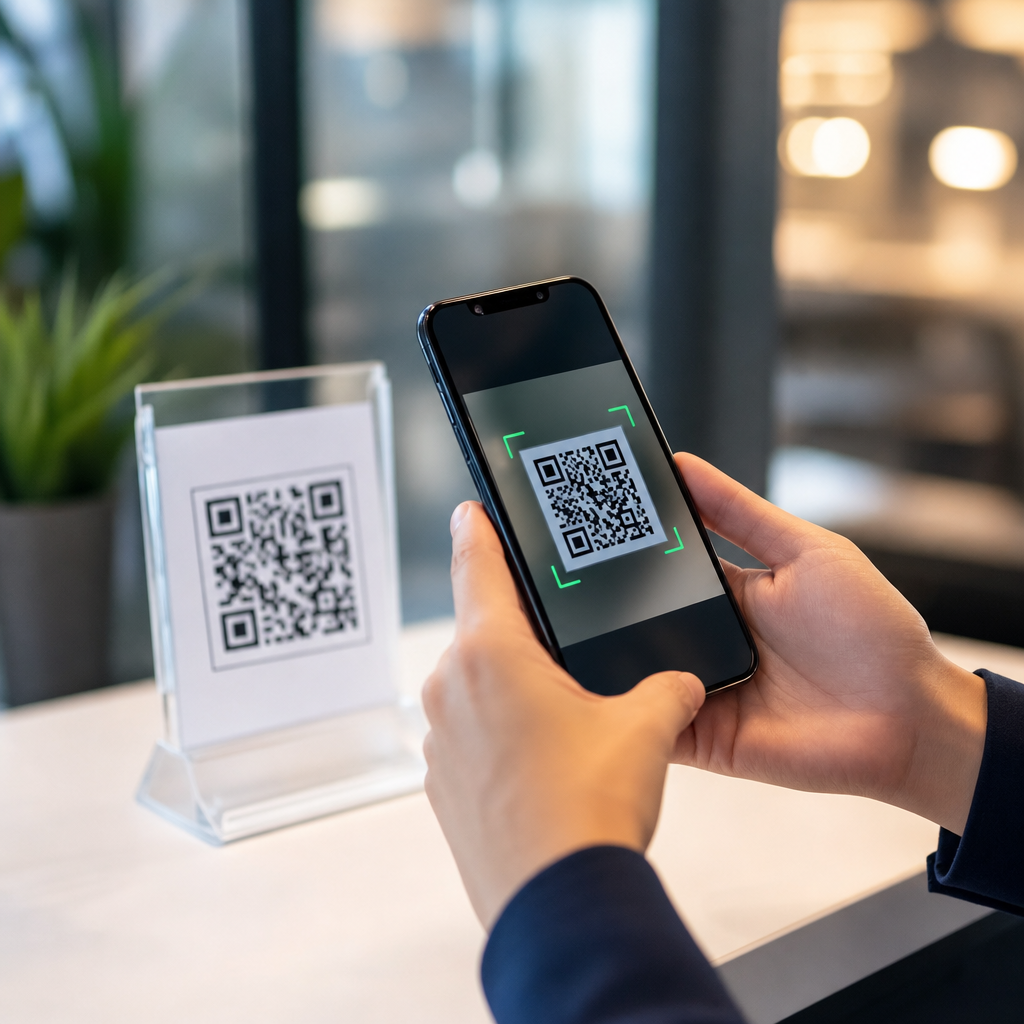

QR codes are now embedded in payments, menus, logistics labels, event tickets, device pairing, and patient intake forms, which makes secure QR code usage a practical business requirement rather than a niche technical concern. A QR code, or Quick Response code, is a two dimensional matrix barcode that stores data such as a URL, contact record, payment string, Wi Fi credential, or application instruction. Secure QR code practices are the policies, design controls, scanning protections, and governance steps that reduce the risk of fraud, data leakage, malware delivery, and compliance failure when organizations create, publish, or accept QR codes.
I have worked with teams deploying QR codes in retail stores, packaging, email campaigns, and internal asset workflows, and the same lesson appears every time: the code itself is not inherently dangerous, but the trust users place in it can be exploited. Attackers know that many people scan first and inspect later. That behavior has fueled quishing campaigns, where malicious QR codes redirect victims to phishing pages that mimic Microsoft 365, banking portals, or parcel delivery sites. The Federal Trade Commission and cybersecurity agencies have repeatedly warned that QR codes can conceal destination links, making them effective social engineering tools.
This matters because QR codes compress a decision into one fast gesture. A customer sees a printed square, points a camera, taps a prompt, and may instantly open a browser, install an app, join a network, or authorize a payment. In secure environments, that workflow must be controlled end to end. The important terms are straightforward. Static QR codes contain fixed data that cannot be changed after printing. Dynamic QR codes point to a redirect service that allows the destination to be updated later and often collects scan analytics. Branded QR codes incorporate logos and custom colors but still rely on error correction to remain scannable. Each choice affects security, privacy, and incident response.
For organizations, secure QR code usage protects revenue, customer trust, and regulatory posture. For individuals, it reduces the chance of credential theft or payment fraud. For regulated sectors such as healthcare, finance, and education, it also intersects with data minimization, consent, records retention, and vendor due diligence. The best practices below form a practical hub for secure QR code practices, covering how to design codes safely, publish them responsibly, validate destinations, train users, and monitor for abuse.
Understand the Main QR Code Threats Before You Deploy
The first best practice is threat modeling. You need to know what can go wrong before choosing controls. In real deployments, the most common risk is redirection to a fraudulent website. A poster in a lobby, a sticker on a parking meter, or a code embedded in an email can send users to a cloned login page. Because the user often reaches the site through a phone camera rather than a typed URL, normal skepticism is reduced. A second major risk is physical tampering. Attackers place one sticker over another, especially in public places where legitimate codes are unattended.
Additional threats include malicious mobile payloads, unauthorized Wi Fi joining, data overcollection, and brand impersonation. A QR code can encode a deep link that opens an application action or starts a file download. Even when the payload is not technically malicious, it may trigger risky behavior, such as connecting to a rogue wireless network. Privacy issues also arise when dynamic QR platforms collect device identifiers, location data, timestamps, and referral details without clear disclosure. In audits, I have seen teams adopt QR tools for convenience without reviewing where analytics data is stored or how long it is retained.
There is also an operational threat: stale destinations. When domains expire, pages are removed, or redirect rules are changed without oversight, a once safe QR code can lead to errors or untrusted content. In packaging and signage, where printed codes may remain in circulation for years, lifecycle management matters as much as initial setup. A secure QR code practice is therefore not a one time design task. It is an ongoing control system spanning creation, hosting, publishing, user guidance, and retirement.
Choose Safe QR Code Architecture and Destination Design
The safest QR deployments begin with architecture. If the code points to a website, use HTTPS only and enforce modern TLS. Host the destination on a domain users recognize, ideally a short branded domain owned by your organization rather than a generic shortening service. This improves trust and reduces spoofing risk. I recommend reserving a dedicated subdomain for QR campaigns, such as scan.example.com, then managing it under the same DNS, certificate, and logging standards as your primary web properties. That gives marketing flexibility without sacrificing governance.
Static versus dynamic is a core design decision. Static QR codes are simpler and have fewer moving parts, which lowers some platform risk. They work well for content that rarely changes, such as a PDF product manual. Dynamic QR codes, however, are usually better for security at scale because they support destination updates, analytics, expiration rules, and kill switches. If a linked page is compromised or a campaign ends, you can reroute traffic immediately instead of reprinting every asset. The tradeoff is vendor risk, so evaluate the platform’s access controls, logging, data processing terms, uptime history, and export capabilities.
Destination pages should be optimized for inspection before action. Show the organization name clearly, use concise copy that confirms why the user arrived, and avoid immediate forced downloads. For transactions, add context before the critical step. For example, a restaurant payment page should display the location name, table reference, amount entry rules, and support contact before asking for payment credentials. In phishing resistant design, clarity is a control. Users are less likely to proceed when a page looks generic, asks for unexpected data, or fails to match the brand and location they expected.
Create QR Codes with Controlled Generation, Branding, and Testing
Code generation should be centralized, documented, and restricted. Do not let every department use whatever free generator appears first in search results. Free tools often inject branding, route through third party redirects, or provide no audit trail. In mature programs, teams use approved platforms and ticketed requests so each QR code has an owner, business purpose, publication date, destination record, and retirement plan. This inventory becomes critical during incidents, rebrands, domain migrations, and compliance reviews.
Branding helps users recognize legitimate codes, but it must be implemented carefully. High contrast remains essential. Dark modules on a light background scan most reliably. Logos should not obscure too much of the symbol, and custom shapes should be tested across iOS and Android camera apps under varied lighting. Error correction levels, commonly L, M, Q, and H, determine how much damage or obstruction a code can tolerate. Higher correction supports logo overlays and rough environments, but it also increases density. Dense codes on small labels are harder to scan and more prone to printing defects.
Testing should mirror real conditions, not just desktop previews. Scan from different phones, camera apps, and distances. Print on matte and glossy stock. Check whether the preview reveals the branded domain clearly before opening. Confirm behavior when connectivity is weak. Verify that redirects preserve HTTPS and do not trigger browser warnings. When QR codes are used for payments, test with low value transactions first and confirm settlement paths, refund workflows, and merchant descriptors. Secure QR code practices depend on these operational details, not only on graphic design.
Publish and Protect QR Codes in the Physical and Digital World
Publication controls differ by channel. In physical spaces, placement and tamper resistance are the priorities. Mount codes where staff can inspect them regularly, avoid isolated surfaces that invite sticker swaps, and use materials that show evidence of peeling or replacement. For higher risk contexts such as parking, kiosks, or charitable collections, pair the QR code with human readable destination text and a support number. Some organizations also add serial numbers or microtext near the code so frontline staff can identify unauthorized replacements quickly.
In digital channels, the risk shifts from sticker tampering to impersonation and forwarding. QR codes placed in email, PDFs, or social posts should follow the same approval rules as payment links and login prompts. If a user can complete a sensitive action after scanning, include surrounding text that states the exact destination and purpose. Internal communications deserve the same rigor. I have seen employee awareness messages include QR links to training portals without clarifying the domain, which unintentionally normalizes unsafe scanning habits that attackers later exploit.
| Scenario | Primary Risk | Best Control |
|---|---|---|
| Storefront poster | Sticker replacement | Tamper evident material, daily inspection, branded short domain |
| Email campaign | Phishing lookalikes | State destination domain in copy, sign messages, limit sensitive actions |
| Payment QR at table | Fraudulent collection | Display merchant name, table ID, transaction details, support contact |
| Product packaging | Long term link decay | Dynamic redirect, lifecycle owner, annual destination review |
| Internal asset label | Unauthorized data exposure | Authentication gate, least privilege access, mobile device policy |
Whether physical or digital, avoid placing QR codes where users must make rushed decisions. Time pressure increases fraud success. Good secure QR code practices create a moment for verification by pairing the code with visible context, plain language, and recognizable destination signals.
Protect Scanners, Users, and Sensitive Transactions
Secure QR code usage is not only about the published code; it is also about the device doing the scanning. On managed mobile fleets, enable mobile threat defense, keep operating systems patched, and restrict sideloading. Modern MDM and UEM platforms such as Microsoft Intune, VMware Workspace ONE, and Jamf can enforce browser protections, certificate trust, app allowlists, and OS update baselines. If staff scan codes as part of their jobs, provide a standard scanning method so they do not rely on random third party apps that overcollect data or inject ads.
User guidance should be explicit and short. Train people to preview the URL, verify the domain, and stop if a code requests credentials, payment, or a download unexpectedly. For consumers, signage can state, “Our payment page opens only on pay.example.com.” That one sentence significantly reduces ambiguity. For employees, phishing simulations should include QR scenarios, not only email links. Industry awareness data has shown that quishing works precisely because traditional anti phishing habits do not always transfer to camera based interactions.
For sensitive actions, add layered protections. Payments should use trusted processors, transaction summaries, and where possible confirmation screens before submission. Account logins reached via QR should still require phishing resistant authentication, such as FIDO2 security keys or passkeys, not just passwords. Wi Fi onboarding through QR codes should use guest segmentation and strong encryption standards rather than broad internal network access. If the scan initiates a device pairing or configuration action, verify the request through a second channel or a visible code on the receiving device. Defense in depth limits damage when one control fails.
Governance, Compliance, Monitoring, and Incident Response
Strong programs treat QR codes as governed digital assets. Assign ownership, classify the data involved, and document where each code appears. If personal data is collected after a scan, privacy notices must be easy to reach and written for the mobile experience. Many organizations overlook this on campaign landing pages. Consent banners, tracking disclosures, and cookie settings should be usable on small screens. If you operate in regulated jurisdictions, review applicable requirements such as GDPR, CCPA, PCI DSS for payments, HIPAA where health information is involved, and records retention policies for logs and analytics.
Monitoring should cover both technical and physical signals. On the technical side, log redirects, destination changes, certificate status, uptime, and suspicious traffic patterns. Alerts should fire when a QR destination changes outside approval workflow, when a domain approaches expiration, or when scans spike from unexpected geographies. On the physical side, store managers or field teams need inspection checklists for posted codes. In one rollout I supported, a simple weekly photo verification process caught damaged labels before they became customer support incidents.
Incident response needs a QR specific playbook. Define how to disable a destination, who approves public messaging, how to investigate tampering, and how to preserve evidence such as sticker photos, redirect logs, and impacted transaction records. If a malicious code collected credentials or payments, coordinate with identity, fraud, legal, and customer support teams immediately. The faster you revoke links, rotate secrets, notify users, and replace physical materials, the smaller the impact. Practice the workflow in tabletop exercises, because QR incidents often cross digital and physical operations in ways that standard web response plans do not fully cover.
Best practices for secure QR code usage are consistent across industries: know the threats, use trusted domains and HTTPS, prefer managed dynamic redirects when lifecycle control matters, centralize generation, test in real conditions, protect physical placements, train users to verify before tapping, and monitor every code as a living asset. The main benefit is simple: people can move quickly with QR convenience without handing attackers a shortcut to credentials, payments, or personal data.
If you manage QR codes at any scale, start with an inventory and a policy. Identify every live code, confirm its owner and destination, switch risky links to branded domains, and add inspection and monitoring steps this quarter. Those practical actions will improve QR code security, privacy, and compliance immediately while giving your organization a reliable foundation for future campaigns and operational use cases.
Frequently Asked Questions
What makes QR codes a security risk in everyday business use?
QR codes are convenient because they remove friction. A customer can pay, open a menu, join a Wi-Fi network, verify a ticket, pair a device, or submit a form in seconds. That same convenience is what creates risk. Unlike a normal web link that people may inspect before clicking, a QR code hides its destination until it is scanned. Users often do not know whether the code leads to a legitimate website, triggers a payment request, downloads an app, opens a device action, or exposes them to a phishing page.
In practice, the biggest threat is not usually the QR symbol itself but what it points to and how people interact with it. Attackers may replace a legitimate code with a malicious sticker, embed a QR code in emails or printed materials that leads to a fake login page, or use shortened or obfuscated links to disguise the true destination. In payment environments, a substituted code can redirect funds to a fraudulent account. In healthcare, logistics, or event operations, a malicious code could lead staff or customers to submit sensitive information to a fake portal. Even internal use cases such as equipment setup or device pairing can become entry points if employees scan unverified codes.
Businesses should also understand the operational side of the risk. QR codes often appear in physical spaces where people assume trust, such as restaurant tables, shipping labels, point-of-sale displays, kiosks, and patient intake desks. That trust can reduce scrutiny. Secure QR code usage therefore depends on more than generating the code correctly. It requires secure content destinations, tamper-aware placement, user guidance, link monitoring, access controls, and a clear governance process for who creates, approves, updates, and retires QR codes.
What are the best practices for creating and deploying secure QR codes?
Start with the destination. A secure QR code begins with a trustworthy and well-managed target, ideally a company-owned domain protected by HTTPS, modern TLS settings, and strong access controls. Avoid sending users directly to unfamiliar domains, random subdomains, or heavily shortened URLs unless there is a specific business reason and the redirect chain is tightly controlled. If a QR code initiates payment, login, or data collection, the landing page should use clear branding, certificate-backed encryption, and the minimum data collection needed for the task.
Next, build controls around creation and distribution. Treat QR code generation as an approved business process rather than an ad hoc marketing task. Use standardized templates, controlled branding, and documented ownership for each code. Keep an inventory of where each code is used, what it links to, who owns it, when it expires, and how it is monitored. Dynamic QR codes can be useful because they allow updates without reprinting, but they should be managed through a secure platform with role-based access, change logging, and approval workflows. Static QR codes may be safer in some high-trust scenarios because they reduce redirect complexity, but they still require testing and lifecycle management.
Physical deployment matters as much as digital security. Place QR codes where tampering is easy to detect. Use high-quality printed materials, tamper-evident labels where appropriate, and visual designs that make unauthorized overlays more noticeable. For public-facing signage, include a human-readable domain name near the QR code so users know what to expect before scanning. In sensitive workflows such as payments, patient intake, or account access, consider posting an alternate manual URL or instructing users to access the service through the official app or website if anything looks suspicious.
Finally, test the full user journey before rollout. Verify that the code scans consistently, the destination renders correctly on common devices, redirects are limited and intentional, forms behave securely, and analytics do not expose personal data unnecessarily. Secure deployment is not just about making the QR code work. It is about making the experience predictable, verifiable, and resilient against misuse.
How can businesses protect users from malicious or tampered QR codes?
User protection starts with making legitimacy easy to recognize. Branded landing pages, plain-language instructions, and visible company domains give users confidence and help them spot impostors. If a QR code is posted in a physical environment, add context around it such as what the code is for, what domain it should open, and what users should never be asked to do. For example, a payment QR code should state the merchant name and expected payment flow, while a patient intake code should identify the practice and note that patients will never be asked to provide unrelated credentials.
Technical safeguards are also important. Many mobile devices preview a URL before opening it, and organizations should train users to check that preview. On managed devices, mobile threat defense tools, DNS filtering, secure web gateways, and browser protection can block known malicious destinations reached through QR scans. If employees use QR codes in operational settings, configure device policies so scans open in managed apps or protected browser sessions where possible. Monitoring for lookalike domains, suspicious redirects, and abnormal traffic patterns can help security teams catch abuse quickly.
Physical inspection and maintenance should not be overlooked. Publicly displayed QR codes should be checked regularly for sticker overlays, defacement, or unauthorized replacement. High-risk environments such as retail counters, transportation hubs, event venues, clinics, and warehouses benefit from documented inspection routines. If a code supports a critical transaction, provide a backup path, such as a manually typed URL, NFC alternative, or assistance from staff. That way, users are not forced into scanning something that feels wrong just to complete a task.
Just as important, organizations need a response plan. If a QR code is compromised, teams should be able to disable or reroute it immediately, notify affected users, inspect adjacent assets, and review how the tampering occurred. Secure QR code usage is strongest when prevention, user education, monitoring, and incident response all work together.
Are dynamic QR codes more secure than static QR codes?
Neither type is automatically more secure in every situation. The right choice depends on how the code will be used and how well it will be governed. A static QR code contains the final data directly, such as a URL, payment string, contact record, or Wi-Fi credential. Its main advantage is simplicity. There is no dependency on a redirect service or management platform, which means fewer moving parts and fewer administrative attack surfaces. If the destination is stable and the use case is low complexity, static codes can be a strong choice.
Dynamic QR codes point first to an intermediate service that can redirect users to the current destination. This adds flexibility and can improve security operations when managed properly. If a page changes, a campaign ends, or a malicious destination must be cut off, administrators can update the target without recalling printed materials. Dynamic platforms may also provide analytics, expiration controls, geolocation logic, and centralized governance. Those capabilities are useful for large organizations, but they also create new responsibilities. The management console, redirect rules, user permissions, API integrations, and analytics data all need protection.
From a security perspective, the question is less about static versus dynamic and more about control maturity. If a company has strong domain management, secure hosting, role-based access, audit logs, approval workflows, and continuous monitoring, dynamic QR codes can be deployed very safely and may actually improve response speed during incidents. If those controls are weak, a dynamic system can become a single point of compromise. Static codes, meanwhile, can be very safe for fixed destinations, but they are harder to revoke or update if something goes wrong. A practical best practice is to classify the use case, assess the change frequency, identify failure impacts, and then choose the simplest model that still supports secure lifecycle management.
What policies and training should organizations put in place for secure QR code usage?
Organizations should treat QR codes as part of their broader security and digital governance program, not as a one-off design asset. A good policy defines who can create QR codes, what tools may be used, which domains are approved, how codes are reviewed before publication, how long they remain active, and how they are retired. It should also address data handling. If a QR code leads to a form, payment workflow, or device action, the policy should specify what information may be collected, how it is protected, and which teams are accountable for compliance, privacy, and incident response.
Training should be tailored to the audience. Employees who create or publish QR codes need guidance on safe destinations, brand consistency, redirect hygiene, tamper-resistant placement, and approval procedures. Frontline staff should know how to inspect physical codes, answer customer questions, and escalate suspicious findings. Security and IT teams should be prepared to monitor destination health, investigate reported abuse, and disable compromised assets quickly. End users and customers benefit from simple education: scan only trusted codes, review the link preview, verify the domain, avoid entering credentials after an unexpected scan, and report anything unusual.
Policy is most effective when supported by process and tooling. Maintain an inventory of active QR codes and assign business owners. Require periodic reviews to confirm that destinations are still valid, necessary, and secure. For high-risk use cases such as payments, identity verification, healthcare intake, and account access, require additional approvals and more frequent inspections. Incident response playbooks should include QR-related scenarios such as malicious overlays, phishing destinations, fraudulent payment redirects, and unauthorized changes in a dynamic QR platform.
The most mature organizations also measure performance. They track scan activity, destination