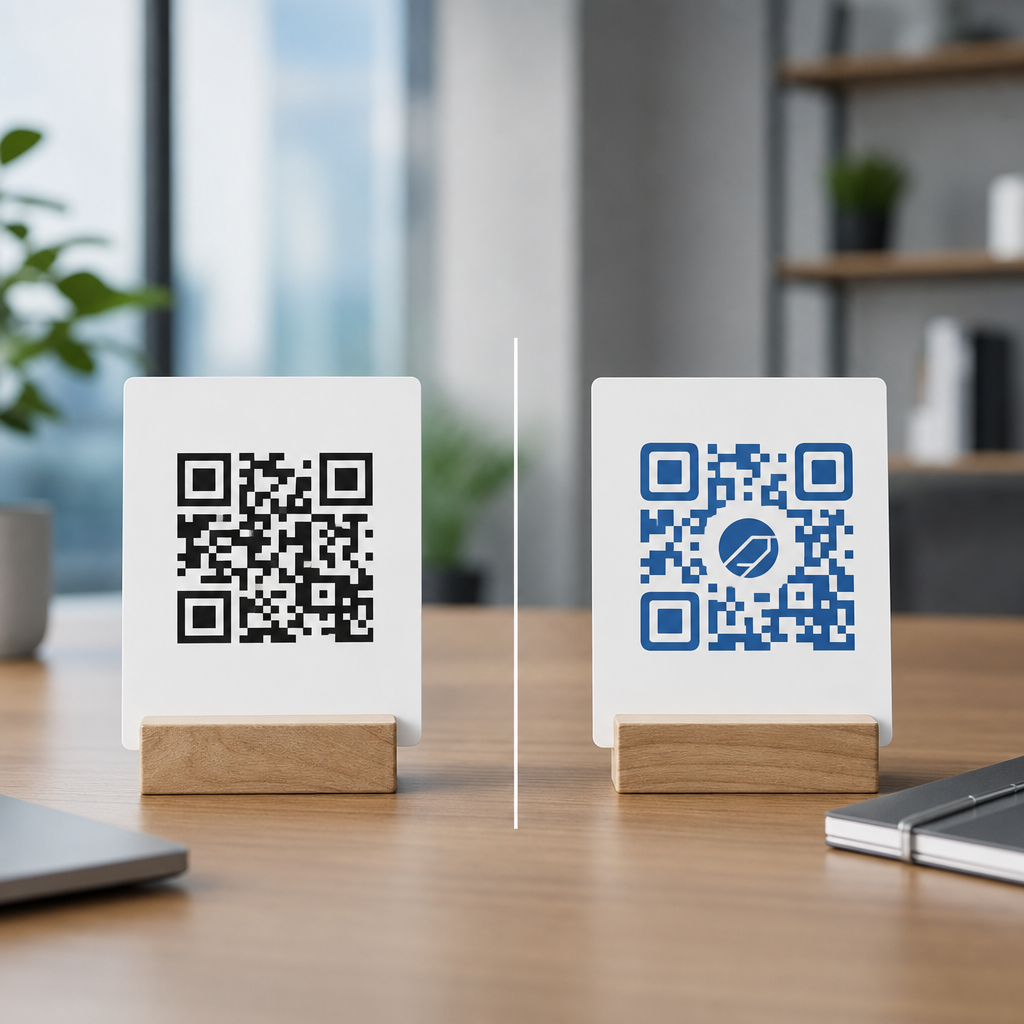
White-label QR code platforms let a company sell QR code creation, analytics, and campaign management under its own brand, while custom QR code platforms are built from the ground up around a company’s exact product, workflow, and data requirements. That distinction sounds simple, but it shapes cost, speed, margins, compliance, product control, and the type of business you can realistically build. In the QR code monetization market, choosing between white-label and custom is often the decision that determines whether an agency launches in weeks, whether a SaaS company can defend its pricing, and whether an enterprise can meet security and integration standards without constant workarounds.
In practice, I have seen this choice come up in three common scenarios. A marketing agency wants recurring revenue from dynamic QR code campaigns for restaurants, events, and real estate listings. A software company wants to add QR functionality to an existing platform such as loyalty, ticketing, or asset tracking. A larger organization wants QR infrastructure tied to identity systems, first-party analytics, and internal governance. All three need QR code management, but they do not need the same operating model.
A white-label QR code platform is a ready-made system provided by one company and rebranded by another. The reseller usually gets a custom domain, branded dashboard, customer management features, billing options, and access to QR code types such as URL, vCard, PDF, menu, form, coupon, or app download. The platform provider maintains the core software, hosting, uptime, security patches, and feature releases. A custom QR code platform, by contrast, is software your team or a contracted development partner designs and builds specifically for your business. You control the architecture, database model, user permissions, integrations, reporting logic, and product roadmap.
This topic matters because QR codes are no longer a novelty. They are now a practical bridge between physical touchpoints and digital actions: payments, product information, lead capture, menus, check-in, customer support, packaging, and omnichannel attribution. Statista, GS1, and major payment networks have all documented broader adoption of mobile scanning and connected packaging use cases, while brands continue shifting offline interactions into measurable digital funnels. If your business model depends on selling QR code services, the platform decision affects customer retention, implementation speed, support burden, and long-term valuation. This hub explains how white-label QR code platforms work, when custom development is worth it, what tradeoffs buyers often miss, and how to choose the right path for revenue growth.
What a White-Label QR Code Platform Actually Includes
A strong white-label QR code platform usually combines four layers: QR generation, campaign management, analytics, and client administration. QR generation covers both static and dynamic codes. Static codes contain fixed data and cannot be changed after printing. Dynamic codes point to a short URL or redirect layer, allowing the destination to be edited later. For monetization, dynamic codes matter most because they support subscription pricing, usage reporting, and ongoing campaign management.
The campaign management layer is where many white-label platforms create real business value. Clients can organize codes by location, brand, product line, or campaign, then update destinations without reprinting materials. A restaurant group can swap seasonal menus. A real estate brokerage can redirect property flyers when listings change. An event organizer can update schedules, maps, or sponsor offers in real time. These are not edge cases; they are the operational reason businesses pay monthly.
Analytics is the second major selling point. Most serious platforms track total scans, unique scans, date and time, rough geolocation from IP data, device type, operating system, browser, and referral context. Better systems add UTM support, conversion pixels, webhook triggers, and exports to Google Analytics 4, Meta, HubSpot, Zapier, or CRM systems. When I evaluate a platform for resale, I look less at the QR code generator itself and more at whether the reporting can support client conversations about return on investment. If clients cannot tie scans to leads, purchases, or foot traffic, renewal rates suffer.
The administration layer determines whether the platform is truly resellable. Useful features include custom branding, role-based access, client workspaces, plan limits, invoicing support, custom domains, and email templates. Some white-label vendors also provide agency-focused tools such as subaccounts, reseller margins, and centralized billing. Those features matter because a QR code business is rarely about one code at a time. It is about onboarding many small and mid-sized clients efficiently while keeping support predictable.
How Custom QR Code Platforms Differ in Scope and Control
A custom QR code platform starts with a different assumption: QR is part of a broader product or operational workflow, not simply a standalone service. Because you own the architecture, you can define the redirect rules, data schema, authentication flows, reporting models, and user experience around your specific use case. That matters when QR codes are tied to unique business logic such as serialized product authentication, regulated document access, supply-chain events, patient instructions, venue ticket validation, or loyalty redemption with fraud controls.
For example, a packaging company may need millions of unique dynamic QR codes mapped to batch numbers, plant locations, expiry dates, and recall workflows. A white-label dashboard can generate codes, but it may not support the event-driven architecture or granular permissions required by operations, compliance, and channel partners. A custom build can connect code generation to ERP data, warehouse scans, CRM records, and customer support systems while maintaining an immutable audit trail. That is a different class of requirement from selling landing-page QR codes to local merchants.
Custom also changes your economics. You typically face higher upfront costs for product management, UX design, frontend and backend development, cloud infrastructure, quality assurance, and ongoing maintenance. However, you remove per-seat or per-code platform markups, avoid feature constraints, and can create proprietary capabilities that justify higher pricing or make the product defensible in a competitive market. If QR is central to your offering, ownership may be more valuable than convenience.
The tradeoff is speed and complexity. In my experience, companies often underestimate the invisible work: redirect performance, error logging, abuse prevention, DNS management, SSL certificates, image rendering, API versioning, permissions, and data retention policies. QR software looks simple from the outside because the visible artifact is a square image. The underlying platform is not simple when customers depend on uptime, attribution, and secure destination management at scale.
White-Label vs Custom QR Code Platforms: Side-by-Side Comparison
The clearest way to compare white-label and custom QR code platforms is to evaluate business outcomes, not features in isolation. A lower monthly platform cost can still be expensive if it limits integrations your clients expect. A custom build can be wasteful if your real opportunity is rapid sales execution rather than product innovation. The right choice depends on how tightly QR codes are connected to your core service, your target customer, and the margin structure you need.
| Factor | White-Label QR Code Platform | Custom QR Code Platform |
|---|---|---|
| Launch speed | Fast; often days to weeks | Slow; typically months |
| Upfront cost | Low to moderate | High |
| Branding | Strong front-end branding, limited core control | Complete control across product and infrastructure |
| Feature flexibility | Bound by vendor roadmap | Built to exact requirements |
| Integrations | Depends on API and native connectors | Designed around required systems |
| Maintenance burden | Vendor handles most platform upkeep | Your team owns uptime, fixes, and releases |
| Best fit | Agencies, resellers, quick market entry | SaaS firms, enterprises, specialized workflows |
For a digital agency selling QR code marketing packages, white-label usually wins because time-to-revenue matters more than owning infrastructure. For a SaaS platform embedding QR functions into onboarding, access control, or product traceability, custom may deliver better retention because the QR capability becomes part of a larger switching-cost ecosystem. For enterprise procurement, the decision often comes down to security review, data residency, and integration depth rather than pure feature count.
Business Models and Monetization Opportunities
White-label QR code platforms are especially attractive because they convert a technically complex service into a productized recurring offer. Common monetization models include monthly subscriptions, setup fees, managed campaigns, bulk code packages, analytics upsells, landing page design, print coordination, and support retainers. Agencies often bundle QR codes into website maintenance, local SEO, event marketing, restaurant menu systems, or lead generation packages. The QR platform becomes the infrastructure behind a broader service relationship.
One practical example is a local marketing agency serving multi-location businesses. The agency can sell each location a package that includes dynamic QR codes for menus, reviews, coupons, and feedback forms. Because the destination URLs can change without reprinting table tents, window signage, or direct mail pieces, the service remains useful beyond the first campaign. Add scan reporting and quarterly optimization reviews, and the agency has a recurring revenue stream rather than a one-time design project.
Another example is franchising support. A parent brand may want standardized QR templates, approved destinations, and corporate-level reporting while allowing local operators to activate offers by region. Some white-label systems support this well through account hierarchies and permissions. If they do not, custom development may be justified because governance is the product requirement, not just code generation.
Custom platforms support different monetization logic. They can power usage-based pricing tied to authenticated scans, transaction value, inventory events, or paid API access. A ticketing company, for instance, can tie each QR code to fraud checks, seat validation, transfer rules, and on-site scan devices. Revenue comes from the entire workflow, not from selling a QR management dashboard by itself. That is why the platform decision must align with your actual business model, not with the appeal of a feature list.
Technical, Compliance, and Vendor Risk Considerations
Security and reliability are often where platform decisions become expensive. Dynamic QR codes rely on redirects, and redirects create operational and reputational risk. If the platform goes down, scans fail. If a malicious destination slips through, customers blame your brand, not your vendor. If analytics are sampled poorly or delayed, campaign reporting becomes unreliable. Before choosing a white-label vendor, verify uptime commitments, status transparency, backup practices, incident response, SSL handling, API limits, and how they detect abuse such as phishing or spam redirects.
Data governance matters too. If you serve clients in regulated sectors or multiple jurisdictions, review where data is stored, how retention works, what personal data is collected, and whether the platform supports consent and deletion workflows. A basic QR campaign for a coffee shop has different obligations from a healthcare workflow or a financial services onboarding flow. White-label convenience does not remove your responsibility to understand the data lifecycle.
Custom platforms reduce vendor dependency but shift risk inward. You must plan for architecture reviews, cloud security configuration, secrets management, observability, rate limiting, penetration testing, and role-based access controls. Teams also need a clear policy for link expiration, destination validation, and scan logging. I recommend treating QR redirects as production-critical infrastructure, especially when codes are printed on packaging, badges, mailers, or permanent signage. Once a code is in the physical world, remediation is slower and more costly than updating a web page.
Vendor lock-in is another real issue. Some white-label platforms make exporting campaigns, assets, and analytics difficult. Others reserve advanced API access for higher tiers, which can compress margins as you grow. Ask direct questions before signing: Can you migrate short links? Can clients be exported cleanly? What happens to dynamic redirects if the subscription ends? Those answers determine whether you are building an asset or renting a convenience.
How to Choose the Right Platform for Your Business
The most reliable decision framework starts with six questions. First, is QR a standalone revenue stream or a supporting feature in a larger product? Second, how fast do you need to launch? Third, what integrations are mandatory on day one? Fourth, who owns support and customer success? Fifth, what compliance requirements apply to your customers? Sixth, what margin profile do you need after vendor fees, onboarding time, and support overhead?
If you need speed, modest customization, and broad utility across many client types, a white-label QR code platform is usually the right starting point. It lets you validate demand, package services, and learn what customers actually pay for. In many cases, that is the smarter path even for technically capable teams. You can build sales momentum first, then replace or augment the platform later if usage patterns justify custom investment.
If your success depends on proprietary workflows, deep systems integration, or a user experience that cannot tolerate vendor constraints, custom is usually the better long-term choice. The important nuance is that custom does not have to mean building everything from zero. Many companies use a hybrid approach: a core custom application with managed infrastructure for QR rendering, authentication, messaging, analytics warehousing, or payment processing. That can reduce risk while preserving strategic control.
For most businesses entering the QR code monetization space, the practical recommendation is to start with a rigorous vendor assessment, model unit economics by client segment, and map the product roadmap for the next twenty-four months. The platform that wins is the one that supports repeatable revenue with acceptable operational risk. If you are evaluating white-label QR code platforms, use this hub as your starting point, then compare vendors, pricing structures, analytics depth, API access, and migration options against your target market before you commit.
White-label vs custom QR code platforms is not a debate about which option is universally better. It is a decision about fit. White-label platforms are best when you want rapid launch, lower upfront cost, and a proven system you can brand and resell. Custom platforms are best when QR codes sit inside a differentiated product, a regulated workflow, or an integration-heavy environment where ownership and flexibility create strategic advantage.
The main benefit of understanding this choice clearly is better business design. You avoid buying enterprise complexity when an agency tool will do, and you avoid renting a limited platform when your growth depends on custom logic, data control, and defensible features. In a monetization strategy, platform architecture is not a background technical detail. It directly affects margins, support load, retention, and the quality of the customer experience you can deliver.
As you build out your QR code business opportunity, treat this page as the hub for the white-label QR code platforms topic. Use it to guide vendor comparisons, pricing decisions, integration planning, and future content on features, use cases, and implementation steps. Then choose the model that matches your customers, your capabilities, and your long-term revenue goals.
Frequently Asked Questions
What is the main difference between a white-label QR code platform and a custom QR code platform?
The core difference is ownership of the product layer. A white-label QR code platform is a ready-made system built by a third party that another company rebrands and sells as its own. That usually includes QR code generation, dashboard access, analytics, campaign tools, billing options, and customer management features under your logo, domain, and visual identity. A custom QR code platform, by contrast, is designed and developed specifically for your business from the ground up, based on your exact requirements for user roles, workflows, integrations, reporting, compliance controls, and monetization model.
That distinction affects nearly every business decision that follows. With white-label, you are buying speed, convenience, and a shorter path to market. You can often launch quickly because the infrastructure, hosting, maintenance, and feature set already exist. With custom, you are buying control, differentiation, and long-term flexibility. You decide how the platform behaves, which features matter most, how the data model is structured, and how deeply the system connects with your internal tools or customer ecosystem.
In practical terms, white-label is often best for companies that want to validate demand, start selling fast, or add QR services without building a software company from scratch. Custom is often the better fit for businesses that need unique capabilities, tighter operational control, or a platform that supports a more specialized product strategy. So while both approaches can power a QR code business, they support very different growth paths, risk profiles, and levels of product ownership.
Which option is more cost-effective: white-label or custom QR code software?
The more cost-effective option depends on your timeframe, scale, and business model. In the short term, white-label is almost always less expensive to launch. You typically avoid the major upfront costs of product design, development, infrastructure planning, quality assurance, security hardening, and ongoing technical maintenance. Instead, you pay a subscription, licensing fee, revenue share, or tiered usage cost. That makes white-label attractive for agencies, SaaS resellers, and entrepreneurs who want to enter the QR code monetization market without committing a large development budget.
However, lower upfront cost does not always mean lower total cost over time. As your customer base grows, white-label pricing can start to compress margins, especially if the provider charges per account, per scan volume, per feature tier, or through revenue sharing. You may also face added costs when you need functionality that sits outside the standard offering, such as custom reporting, enterprise integrations, special analytics views, regional hosting requirements, or unique billing logic. In those cases, what looked inexpensive at launch can become limiting or expensive at scale.
Custom platforms usually require a significantly higher initial investment because you are paying for architecture, engineering, testing, deployment, and long-term support. But if your business has clear product-market fit, predictable customer demand, and specialized requirements, custom development can become more economical over the long run. You remove third-party licensing dependency, gain full control over pricing and packaging, and can optimize the product around high-margin use cases. In other words, white-label usually wins on startup efficiency, while custom can win on long-term economics if you plan to scale aggressively or build a differentiated software asset.
How do white-label and custom QR code platforms affect speed to market and product flexibility?
White-label platforms are built for speed to market. Because the core system already exists, you can often move from concept to launch in a fraction of the time required for a custom build. That matters if you want to test a niche, sign clients quickly, add QR code services to an existing agency offer, or capture market demand before competitors do. In many cases, your main tasks are branding, pricing setup, customer onboarding workflows, and sales execution rather than software development. If fast entry is the priority, white-label has a clear advantage.
The tradeoff is product flexibility. White-label systems usually let you customize branding and sometimes packaging, but they rarely let you reshape the underlying product in a major way. You are working within the platform’s architecture, release roadmap, permission model, analytics framework, and feature logic. If your ideal user experience depends on highly specific workflows, proprietary campaign structures, unusual analytics requirements, or deep integrations with CRM, ERP, point-of-sale, or internal reporting systems, you may find those limitations frustrating over time.
Custom platforms reverse that equation. They take longer to build, but they give you much greater flexibility in return. You can define exactly how users create and manage QR codes, what data is collected, how scans are processed, how dashboards work, what automations trigger after engagement, and how the system supports your business operations. That flexibility is especially valuable if your platform is not just a resold tool but a strategic part of your company’s offer. So the real question is whether your current priority is launching fast with proven infrastructure or building a platform that can evolve precisely around your own product vision.
Which is better for branding, customer ownership, and long-term business growth?
White-label platforms are often strong for surface-level branding but weaker for deep product ownership. They usually allow you to use your company name, logo, color scheme, domain, and in some cases custom email flows or client-facing dashboards. From a customer’s perspective, that can create a polished branded experience and help you establish credibility quickly. For many businesses, especially those selling QR code solutions as part of a broader service package, that level of branding is more than enough to go to market effectively.
But branding is not the same as ownership. In a white-label arrangement, the underlying technology, feature roadmap, hosting decisions, and much of the operational logic still belong to the vendor. That means your growth is tied to another company’s platform maturity, update schedule, pricing model, and strategic priorities. If the provider changes terms, sunsets features, limits API access, or does not support the type of innovation your customers expect, your business may feel those constraints directly. You may own the customer relationship, but not full control of the product those customers rely on.
Custom platforms offer much stronger alignment with long-term business growth if your goal is to create a unique, defensible software offering. You can build a platform experience that reflects your exact market position, supports your sales model, and captures customer data in ways that strengthen retention and product development. You also gain the ability to prioritize features based on your own customers rather than waiting for a third-party vendor to decide what matters. For companies aiming to build enterprise value, expand into specialized verticals, or create a more proprietary QR code product, custom development typically provides a stronger foundation for sustainable differentiation.
How should a company decide whether to choose a white-label or custom QR code platform?
The best decision usually comes down to stage, strategy, and complexity. A company should start by asking how quickly it needs to launch, how much capital it can commit, how unique its product requirements are, and whether QR codes are a supporting feature or a core business asset. If the goal is to validate demand, start generating revenue quickly, or offer QR code services without building an engineering team, white-label is often the smarter choice. It lowers risk, speeds up execution, and allows the business to focus on sales, positioning, and customer acquisition.
If, however, QR code technology sits at the center of the company’s product strategy, the decision changes. Businesses that need custom workflows, strict compliance controls, specialized analytics, regional data governance, advanced integrations, or a differentiated customer experience often outgrow white-label systems. In those cases, custom development becomes less of a luxury and more of a strategic necessity. It creates room to build around exact operational needs instead of adjusting the business to fit the software.
A practical way to decide is to evaluate five areas: launch urgency, budget, required feature uniqueness, expected scale, and dependency tolerance. If you need speed, have a limited budget, and can operate within an existing feature set, white-label is likely the better fit. If you expect significant scale, need precise control over data and workflows, and want to build a defensible technology asset, custom is often the stronger long-term move. Many companies even take a phased approach by launching with white-label to test the market and later investing in a custom platform once demand, margins, and product direction are proven.