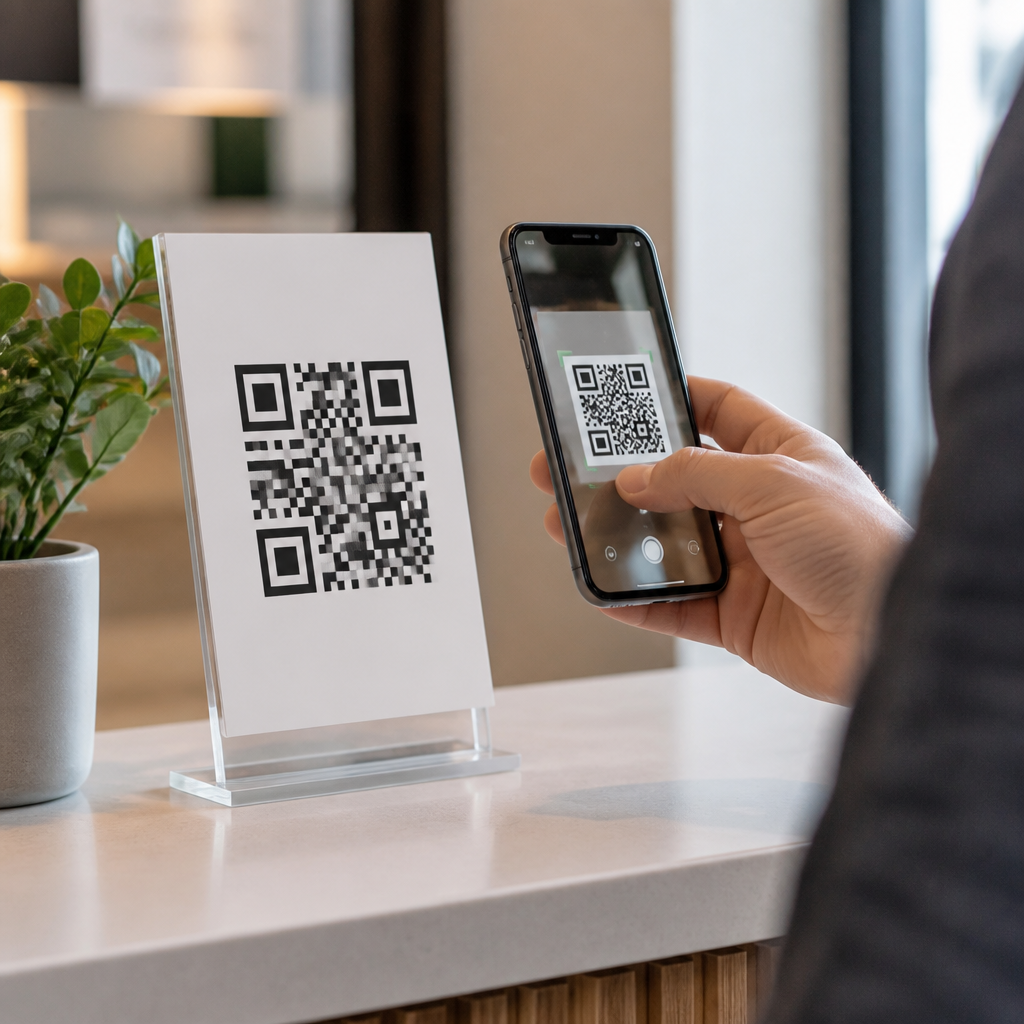
Using QR codes for SMS marketing opt-ins gives brands a fast, measurable way to turn offline attention into permission-based mobile engagement. In practical terms, a QR code is a scannable two-dimensional barcode that sends a user to a digital destination, while an SMS marketing opt-in is a documented agreement to receive promotional or transactional text messages from a business. When those two tools work together, they remove friction from lead generation by letting someone move from a package, poster, receipt, menu, event badge, or direct-mail piece to a compliant sign-up flow in seconds. I have implemented these campaigns for retail locations, trade shows, restaurant groups, and service businesses, and the results are consistently strongest when the QR code, the offer, and the consent language are tightly aligned.
This matters because text messaging remains one of the highest-attention marketing channels available. Most consumers read texts quickly, but that opportunity comes with strict rules. In the United States, SMS programs must account for TCPA requirements, carrier guidelines, and consent recordkeeping. A QR code does not replace compliance; it improves the path to compliant consent. Instead of asking people to manually text a keyword to a short code, fill out a long web form, or remember a URL, the code opens a purpose-built landing page that explains the value exchange, captures the mobile number, presents disclosure language, and records the opt-in source. That source data is essential for auditing and optimization. It also supports better segmentation, since a scan from a storefront window signals different intent than a scan from a trade show handout.
For businesses building a broader QR code marketing strategy, SMS opt-ins sit at the center of lead generation because they connect physical touchpoints to owned audience growth. Paid media becomes more expensive every year, but a well-placed code on packaging or signage can keep producing subscribers long after the asset is printed. This article serves as a hub for QR codes for lead generation, with SMS opt-ins as the core use case. It covers how the mechanics work, where these campaigns perform best, what compliance details cannot be skipped, how to measure scan-to-subscriber conversion, and which creative decisions lift response rates. If your goal is to generate qualified leads from real-world interactions and convert them into repeatable mobile conversations, QR codes for SMS marketing opt-ins are one of the most efficient tools available.
How QR Codes Turn Offline Attention Into SMS Leads
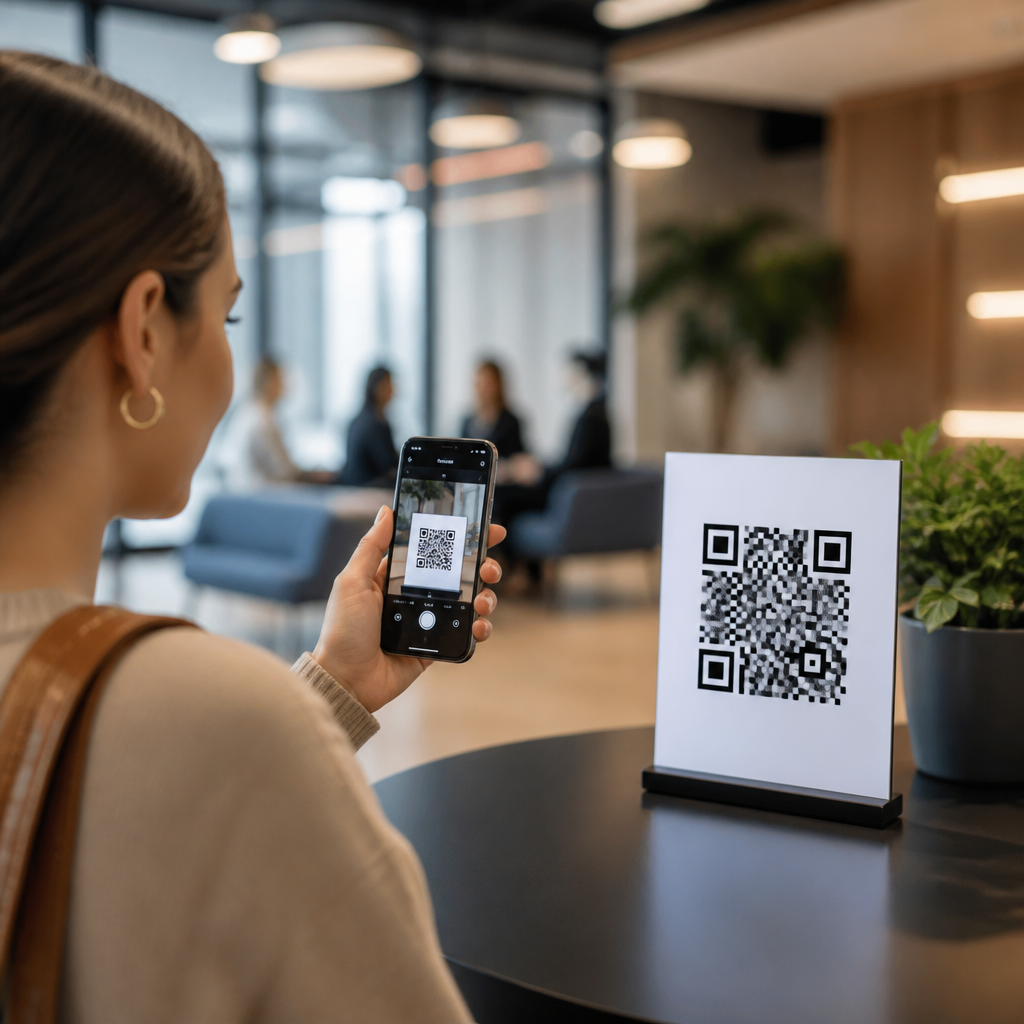
The basic process is simple: a person sees a code, scans it with a phone camera, lands on a mobile page, enters a number, checks consent, and submits. Behind that simple flow is an important lead-generation advantage. Every step can be customized to the context of the scan. In one campaign I ran for a regional retailer, shelf talkers in-store linked to an SMS sign-up page that promised restock alerts and limited-time offers. Packaging inserts for ecommerce orders linked to a different page offering loyalty reminders and product education. Both experiences collected phone numbers, but each one framed the value proposition around the customer’s immediate need. That relevance increased conversion and reduced future opt-outs.
A QR code is effective here because it shortens the cognitive gap between interest and action. Someone standing in a checkout line may not remember a vanity URL or take the extra step of sending a text keyword later. Scanning feels immediate, and the destination page can pre-answer objections with concise copy: what messages the user will receive, how often they will receive them, and how to stop them. Good opt-in pages also use mobile-first design, large form fields, fast page load times, and minimal distractions. In my experience, every additional field beyond the phone number and optional first name lowers completion rates unless there is a compelling reason to ask for more.
For lead generation, the strongest campaigns also connect scan sources to downstream automation. Dynamic QR codes make this possible. Unlike static codes, dynamic codes can be updated without reprinting, and they can attach campaign parameters to the destination URL. That means the SMS platform or analytics stack can identify whether a subscriber came from a counter card, event banner, direct-mail postcard, vehicle wrap, or product insert. Once that data enters your CRM or SMS platform, you can trigger a segmented welcome flow. A lead from a real estate open house might receive neighborhood listings and appointment reminders, while a restaurant lead from a tabletop tent might receive loyalty prompts and weekday offers. The code is just the entry point; the follow-up sequence is where lead value compounds.
Best Use Cases for QR Codes in SMS Lead Generation
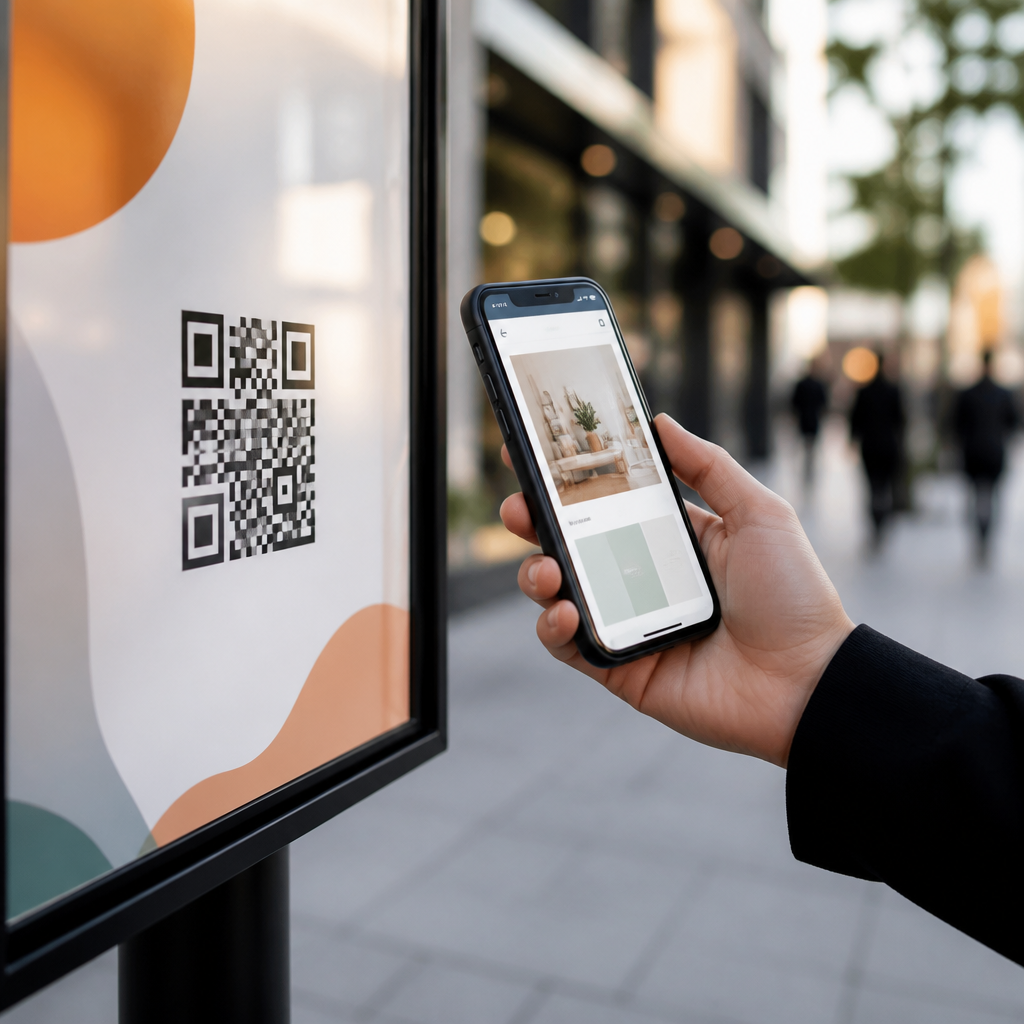
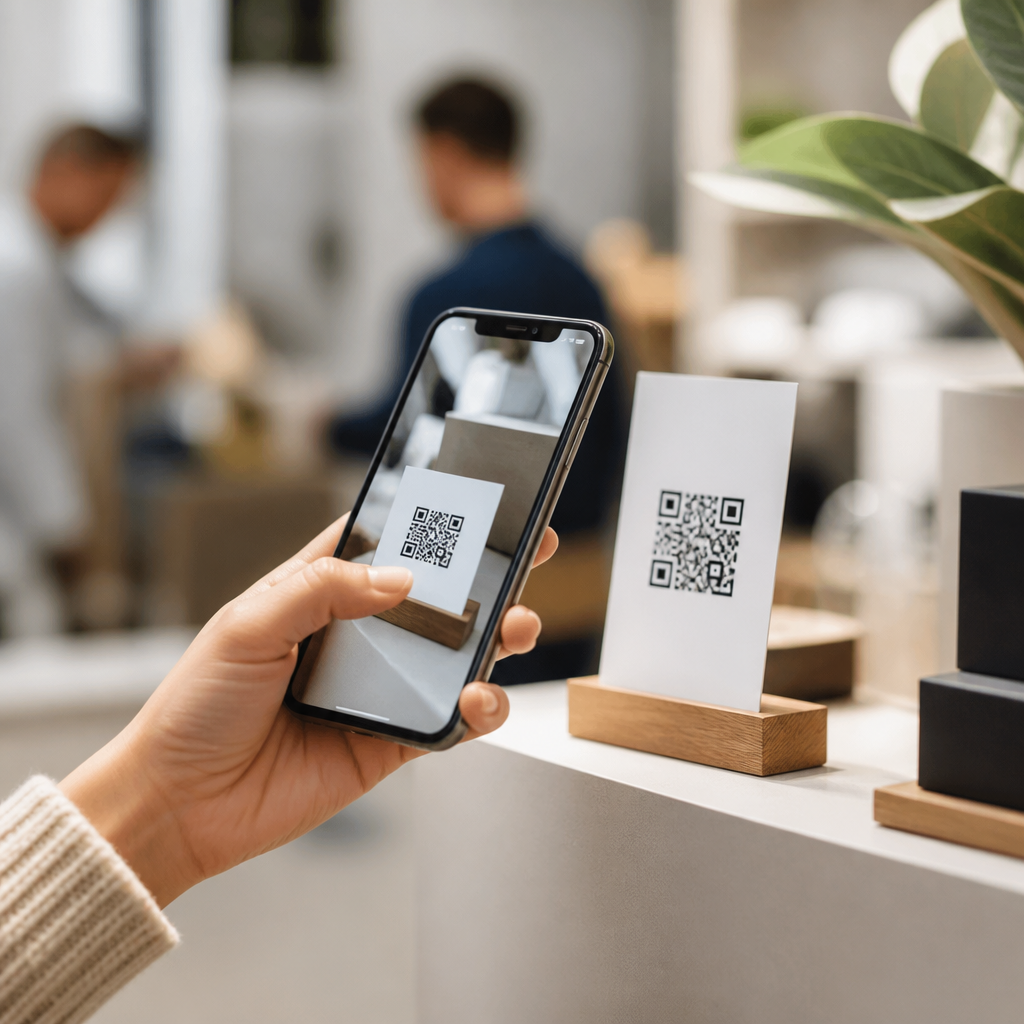
Not every environment produces the same scan behavior, so placement strategy matters. Retail stores are one of the best use cases because customers are already physically close to the brand. Window decals can capture after-hours traffic with a “Text for today’s offer” message. Endcap displays can promote back-in-stock alerts for popular products. Receipts can invite buyers to join for reorder reminders. Restaurants use QR codes on menus, table tents, takeout bags, and loyalty cards to collect mobile subscribers for specials and repeat visits. Service businesses place them on invoices, vans, waiting room signage, and leave-behind materials to generate quote requests and maintenance reminders.
Events and trade shows are especially strong for SMS opt-ins because attention is high and paper forms are inefficient. I have seen exhibitors use badge-area signage with a clear call to action such as “Scan for the demo checklist and show-only pricing.” The attendee scans, opts in to receive the resource, and enters a message sequence that schedules follow-up from sales. Gyms and wellness clinics often use QR codes at front desks or consultation rooms to capture prospects who are not ready to commit on the spot but will respond to a short nurture series. Real estate teams use codes on yard signs and open-house sheets to collect numbers for listing alerts. In each case, the code works because it offers something immediately useful, not because the technology itself is novel.
| Placement | Primary Offer | Lead Intent Signal | Best Follow-Up |
|---|---|---|---|
| Storefront window | First-purchase discount | High curiosity, moderate buying intent | Welcome series with timed offer reminder |
| Product packaging | Tips, warranty, reorder alerts | Existing customer, post-purchase interest | Education plus replenishment messages |
| Trade show booth | Guide, demo, prize entry | Active evaluation | Sales qualification and appointment prompts |
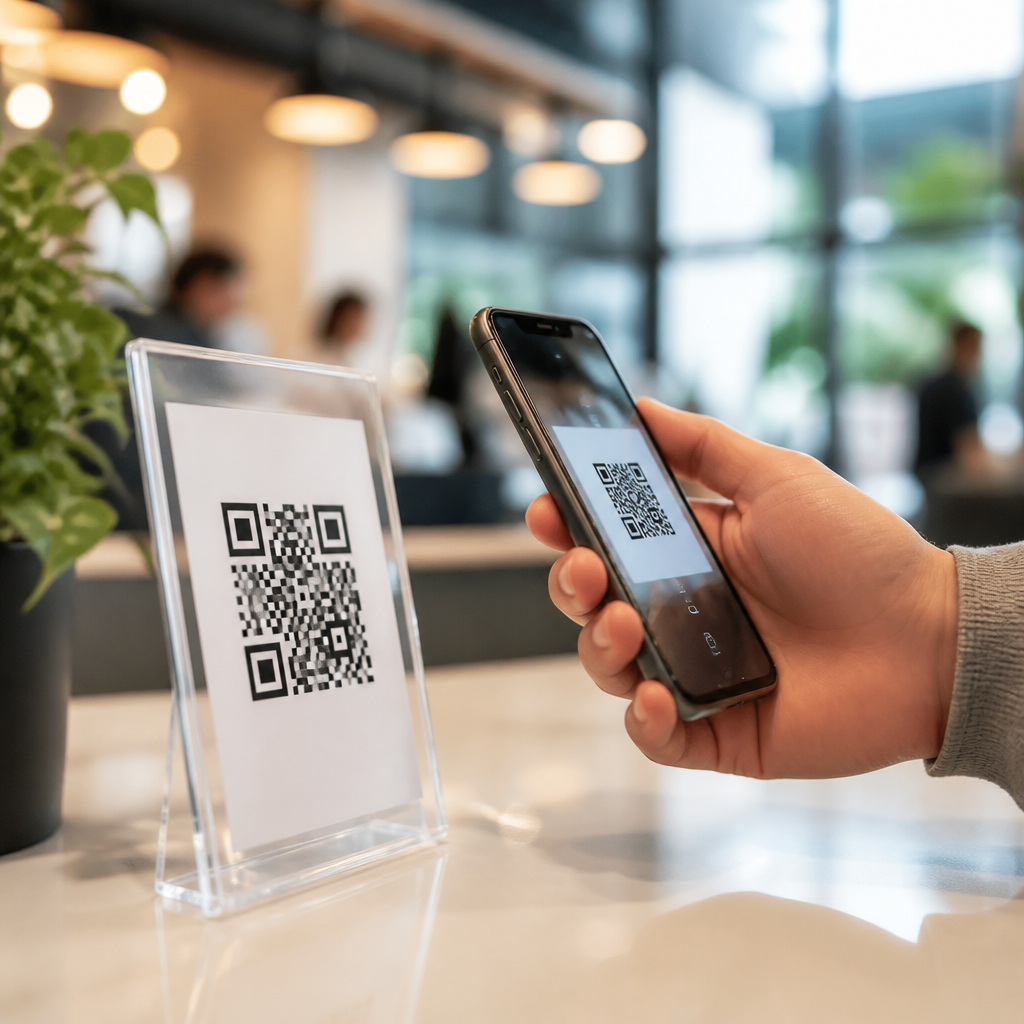
| Restaurant table tent | Loyalty perk or next-visit coupon | Current guest, repeat-visit potential | Short loyalty sequence and weekly specials |
| Direct-mail postcard | Instant quote or local offer | Cold to warm prospect | Lead nurturing and service reminders |
These examples illustrate a larger principle for QR codes for lead generation: match the message to the moment. A generic “Join our texts” prompt usually underperforms compared with a concrete promise such as “Get installation pricing in 60 seconds” or “Text club members get early access every Friday.” The offer should feel native to the setting. If the scan happens on packaging, provide post-purchase value. If it happens at an event, provide decision support. If it happens at a storefront, provide a reason to visit now. Relevance lifts both opt-in rates and subscriber quality.
Compliance, Consent, and Trust Cannot Be Optional
Any article about SMS marketing opt-ins must state this clearly: consent is the foundation. A QR code can drive sign-ups, but it cannot excuse vague disclosures or undocumented permission. In the United States, businesses commonly design programs around TCPA expectations, CTIA messaging principles, carrier review standards, and platform-specific requirements from tools such as Twilio, Attentive, Klaviyo, Postscript, or EZ Texting. The opt-in page should explain that the user is agreeing to receive recurring automated marketing messages if that is the case, that consent is not a condition of purchase, that message and data rates may apply, and that reply commands such as STOP and HELP are supported. Terms and privacy links should be visible and functional.
Double opt-in is not legally required in every scenario, but it is often a smart operational safeguard. When brands collect leads from public signage, packaging, or events, an extra confirmation text helps verify number ownership and reduce accidental or fraudulent entries. It also improves list quality before the welcome series begins. Recordkeeping matters just as much. You need timestamped evidence of when the subscriber opted in, the exact disclosure language presented, the source URL or campaign identifier, and ideally the device or IP context captured by the form system. I recommend storing this in both the SMS platform and the CRM so marketing, support, and legal teams can reconcile records quickly.
Trust also comes from restraint. Brands damage performance when they collect numbers with a discount promise and then send messages too frequently or with irrelevant content. High unsubscribe rates, spam complaints, and carrier filtering can follow. A compliant opt-in flow should set realistic expectations about cadence and content from the beginning. If subscribers are joining for shipping alerts, do not bury them in daily promotions. If they are joining for local event reminders, personalize by location. Lead generation succeeds over time when the brand honors the reason the user scanned in the first place.
Designing High-Converting QR Code Offers and Landing Pages
The highest-performing QR code campaigns are clear, immediate, and easy to complete. Start with the call to action near the code. It should answer three questions at a glance: what the user gets, how fast they get it, and why it is worth sharing a phone number. “Scan for 15% off your first order by text” is clearer than “Scan to connect.” So is “Scan for restock texts on sold-out sizes.” I advise clients to avoid stacking too many benefits in one line. One strong promise converts better than a cluttered list of possibilities.
On the landing page, keep the layout focused. A headline should repeat the offer. Supporting copy should explain what messages will be sent and how often. The phone field should trigger the numeric keypad on mobile devices. Visual clutter should be minimal, and the submit button should use direct language such as “Get My Code” or “Send Me Updates.” Speed matters: a page that loads slowly over store Wi-Fi or event cellular congestion will lose prospects. Compress images, remove unnecessary scripts, and test on older phones. In campaigns I have audited, pages that load in under two seconds routinely outperform heavier brand pages repurposed for opt-ins.
There is also a physical design side to QR code performance. Codes must be large enough to scan from the expected distance, printed with sufficient contrast, and placed where glare or awkward angles will not interfere. A code on a glossy storefront facing direct sun can fail even with excellent copy. Add a short fallback URL for users whose cameras struggle or who want to revisit later. Dynamic QR code platforms such as Bitly, QR Code Generator, Beaconstac, and Uniqode help manage destinations, but campaign success still depends on the fundamentals: a visible code, a compelling offer, and a frictionless consent flow. For a lead-generation hub strategy, this is the pattern worth repeating across every physical touchpoint.
Measurement, Testing, and Integration With the Marketing Stack
To judge whether QR codes for SMS marketing opt-ins are working, track the whole funnel, not just scans. Scans show curiosity; opt-ins show value exchange; qualified subscribers show business impact. The core metrics I use are scan rate by placement, landing-page conversion rate, confirmed opt-in rate if double opt-in is used, cost per subscriber, unsubscribe rate, click-through rate on welcome messages, and revenue or appointments influenced by the SMS segment over time. A trade show booth may generate fewer total scans than packaging, for example, but if those subscribers book more demos, the booth code can still deliver higher lead quality.
Testing should be structured and continuous. Compare one variable at a time: offer language, button text, page length, incentive type, or sign placement. I have seen a simple change from “Join our text list” to “Get launch alerts by text” significantly increase sign-ups because it replaced a generic ask with a timely use case. Likewise, changing code placement from the bottom of a poster to eye level often lifts scan volume with no new media cost. For attribution, use campaign-specific UTM parameters, source labels inside the SMS platform, and CRM fields that persist through the sales cycle. If you cannot identify which printed asset created the lead, you cannot improve spend allocation.
Integration is what turns a QR scan into durable lead-generation infrastructure. Connect the opt-in form to your CRM, email platform, loyalty system, customer data platform, or ecommerce stack so each subscriber enters the right journey. Shopify brands commonly sync SMS subscribers into Klaviyo or Postscript for segmented automations. B2B teams may route leads into HubSpot or Salesforce with event source tags and owner assignment rules. Local businesses often connect forms to Zapier for lightweight automation. The operational goal is simple: every scan source should inform follow-up, every subscriber should receive the promised value quickly, and every campaign should generate data you can use to improve the next one.
QR codes for SMS marketing opt-ins work because they connect physical attention to digital permission with very little friction. They are one of the most practical tools in QR codes for lead generation, especially for brands that rely on stores, packaging, events, signage, print, or field marketing to create demand. The strongest programs do not treat the code as the strategy. They treat it as the bridge to a well-designed mobile opt-in flow, a compliant consent record, and a segmented follow-up sequence that reflects where the lead came from and what the lead wants.
The essentials are consistent across industries. Offer something specific and immediate. Place the code where the audience already has intent. Use a mobile landing page built for speed and clarity. Make disclosures unambiguous and store proof of consent. Segment subscribers by scan source so the first messages feel relevant. Track scans, opt-ins, confirmation rates, unsubscribes, and revenue influence rather than stopping at vanity metrics. When those pieces are in place, QR codes become a repeatable acquisition channel that can outperform more expensive paid traffic for many use cases.
As a hub article for this subtopic, this page should anchor your broader work on QR codes in marketing strategy: packaging campaigns, event capture, retail signage, direct mail, loyalty growth, and post-purchase engagement all connect back to the same lead-generation principles. Start with one high-intent placement, one clear SMS offer, and one measured workflow. Then expand what works. If you want more qualified leads from real-world customer touchpoints, build your next opt-in around a QR code and measure it rigorously.
Frequently Asked Questions
How do QR codes help increase SMS marketing opt-ins?
QR codes make the opt-in process dramatically easier by reducing the number of steps between interest and action. Instead of asking someone to remember a keyword, manually text a short code, or type in a web address, a QR code lets them scan and move directly into a mobile-friendly sign-up experience. That speed matters because SMS opt-ins often happen in real-world environments such as retail stores, product packaging, events, menus, direct mail pieces, receipts, and in-store signage where attention is limited and convenience drives results.
From a marketing standpoint, QR codes also help bridge offline and online touchpoints in a measurable way. A brand can place different QR codes on different assets and track which locations, campaigns, or materials generate the most scans and completed opt-ins. That gives marketers clearer attribution and better insight into where subscribers are coming from. Just as importantly, QR codes support permission-based marketing when they lead users to a compliant opt-in flow that clearly explains what they are signing up for, what types of messages they will receive, and how often they can expect to hear from the business.
When implemented well, QR codes remove friction, improve conversion rates, and help brands build a cleaner, more intentional SMS subscriber list. Instead of collecting low-quality contacts through vague calls to action, businesses can capture highly engaged users who have taken a direct step to connect by scanning and consenting on their own device.
What should happen after someone scans a QR code for an SMS opt-in?
After a scan, the user should be taken to a streamlined, mobile-optimized destination that makes the next step obvious. In many cases, that is a landing page with a short form asking for a mobile number and explicit consent to receive text messages. In other cases, the QR code may open the user’s texting app with a prefilled keyword or message to send, depending on the campaign setup. Either way, the post-scan experience should be fast, easy to understand, and focused on completing the opt-in without distractions.
The page or workflow should clearly state the value of subscribing. For example, the brand might offer exclusive discounts, order updates, appointment reminders, VIP access, loyalty rewards, or early product announcements. It should also disclose the basics of the SMS program, including message frequency, potential message and data rates, links to terms and privacy information, and instructions for opting out such as replying STOP. These are not just best practices for user trust; they are essential components of compliant SMS list growth.
Once the person submits their information, the business should send a confirmation message or otherwise document the opt-in according to the platform and legal requirements in its market. A strong confirmation flow reassures the subscriber that the sign-up worked and sets expectations immediately. At that point, the brand can transition from acquisition to engagement by delivering the promised incentive or welcome message right away. That immediate follow-through is important because it validates the decision to opt in and starts the SMS relationship on a clear, positive note.
What makes a QR code SMS opt-in campaign compliant and trustworthy?
A compliant and trustworthy campaign is built around clear consent, transparent disclosures, and accurate recordkeeping. The most important principle is that people must knowingly agree to receive text messages. That means the QR code itself should not be deceptive, and the destination it opens should explain what the person is signing up for. If the messages are promotional, that should be stated plainly. If the program includes transactional updates as well, that distinction should also be communicated so users understand the nature of the messages they may receive.
Trust also depends on visibility. The opt-in page or form should identify the brand, explain the benefit of subscribing, and include the key disclosures consumers expect to see: message frequency, message and data rate language, links to terms and privacy policy where applicable, and clear opt-out instructions. Pre-checked consent boxes, hidden disclosures, or vague language can create compliance risks and damage credibility. A better approach is to use straightforward language and a clean layout that makes consent explicit and informed.
Recordkeeping is another major factor. Businesses should maintain documentation showing when and how the opt-in occurred, including the source QR code or campaign, timestamp, user action, and the language presented at the time of consent. This protects the brand and supports responsible list management. Finally, trust is reinforced by honoring subscriber expectations after sign-up. That means sending only the types of messages promised, respecting frequency commitments, making opt-out easy, and avoiding spammy tactics that could lead to complaints or unsubscribes.
Where should businesses place QR codes to get the best SMS opt-in results?
The best placement depends on where your audience is already engaged and most likely to take immediate action. High-performing placements are usually found at moments of attention, curiosity, or buying intent. For retailers, that might include window signage, checkout counters, shelf talkers, fitting rooms, shopping bags, and receipts. For consumer packaged goods brands, packaging is especially powerful because it turns the product itself into an acquisition channel after purchase. Restaurants often use table tents, menu inserts, takeout packaging, and counter displays. At events, badges, booths, posters, flyers, and presentations can all drive scans in real time.
Direct mail and print advertising can also work well because QR codes add an instant mobile action layer to traditionally static media. Instead of hoping a person visits a website later, you give them a way to act in the moment. The same logic applies to pop-up shops, trade shows, vehicle wraps, and outdoor signage. The common thread is context: the scan opportunity should appear where the message is relevant and where the subscriber benefit is easy to understand.
To improve performance, each placement should include a compelling call to action rather than showing only the QR code. Tell people exactly why they should scan, such as “Scan to get 15% off by text,” “Scan for product restock alerts,” or “Scan to join VIP offers.” It is also smart to test placement-specific codes so you can compare results by location, format, or audience segment. That data can show not only where scans happen, but where true opt-ins and long-term subscriber value are strongest.
How can brands measure the success of QR code SMS opt-in campaigns?
Success should be measured across the full funnel, not just by scan volume. Scans are useful because they indicate initial interest, but they do not tell the whole story. A better framework tracks how many people scanned the code, how many completed the opt-in, how many confirmed subscription if a double opt-in process is used, and how many remained subscribed over time. This helps marketers identify drop-off points and improve the experience from code placement to sign-up completion.
Beyond basic conversion metrics, brands should evaluate subscriber quality. Important indicators include welcome message engagement, click-through rates from SMS campaigns, redemption rates for text-delivered offers, repeat purchase behavior, customer lifetime value, and unsubscribe or complaint rates. For example, one QR code location might generate fewer total opt-ins than another but produce far more engaged subscribers who purchase more often. In that case, the lower-volume source may actually be more valuable.
Attribution is another major advantage of QR-based opt-ins. By using unique QR codes for packaging, store displays, events, print campaigns, or partner locations, businesses can compare performance at a granular level. Combined with analytics from landing pages, SMS platforms, and sales systems, that makes it possible to tie list growth to real business outcomes. The most effective brands use this data to refine creative, offers, placements, and audience targeting over time. In other words, the best measurement strategy treats QR code SMS opt-ins not as a one-time tactic, but as an ongoing acquisition channel that can be tested, optimized, and scaled.