
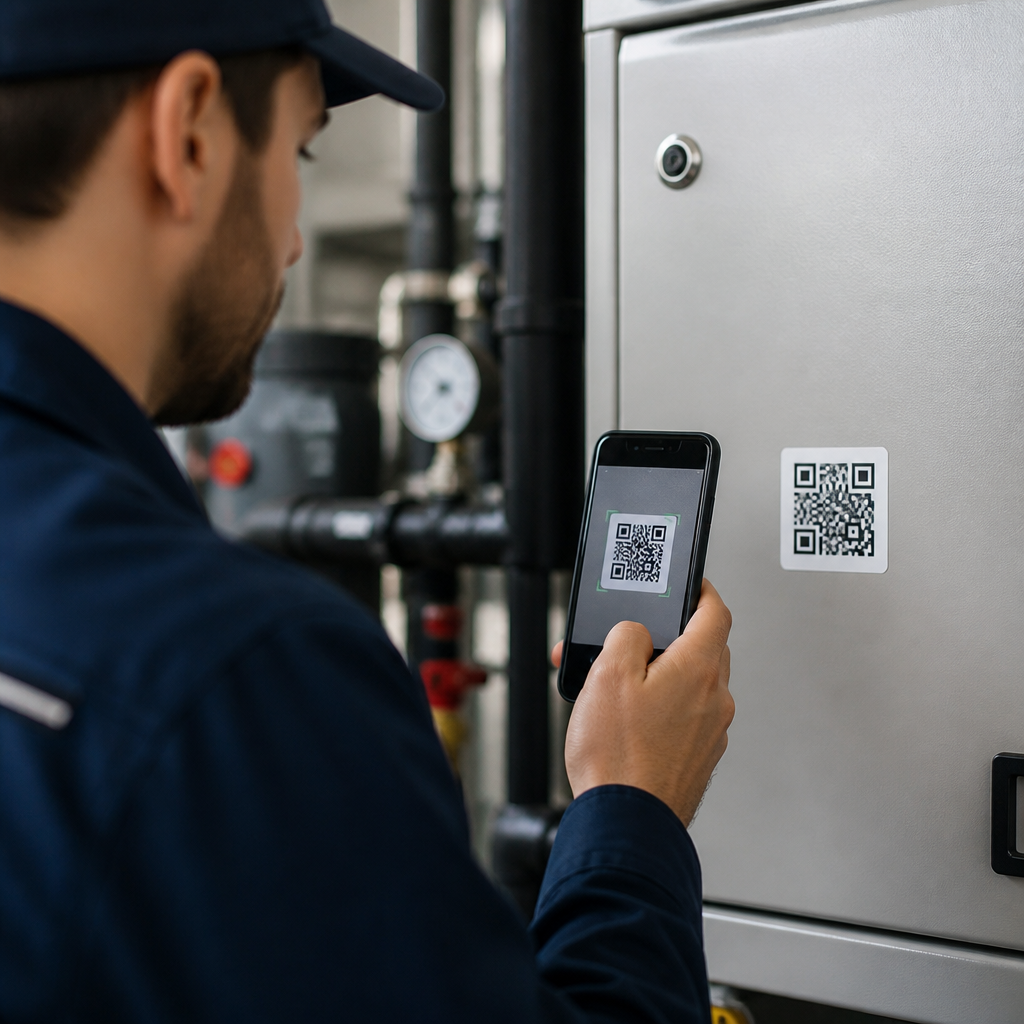
QR codes for service and maintenance reminders give automotive marketers, dealerships, repair shops, and fleet operators a practical way to connect a physical vehicle with timely digital follow-up. In simple terms, a QR code is a scannable two-dimensional barcode that opens a destination such as a booking page, service history portal, warranty form, maintenance checklist, or reminder workflow. In automotive settings, that scan can happen on a windshield sticker, dashboard hanger, owner packet, key tag, invoice, glovebox card, or direct-mail piece. I have implemented these systems for dealer groups and independent shops, and the reason they work is straightforward: they reduce friction at the exact moment a driver is deciding whether to schedule service now or forget about it again.
Service and maintenance reminders matter because routine care directly affects safety, customer retention, and revenue. Oil changes, tire rotations, brake inspections, battery checks, and manufacturer-recommended interval services are recurring events, yet many drivers miss them because the reminder arrives too late, lacks a fast booking option, or gets buried in email. QR codes solve the access problem. Instead of asking a customer to search for a phone number or log into a portal, the code sends them directly to the next action. For automotive marketing, this makes the code more than a convenience feature. It becomes a measurable bridge between offline touchpoints and repeat service business.
For a sub-pillar focused on automotive use cases, this topic sits at the center of the customer lifecycle. It supports new car delivery, used vehicle reconditioning follow-up, parts sales, recall communication, seasonal campaigns, and loyalty programs. It also links naturally to deeper articles on service stickers, fleet maintenance, dealer CRM integration, direct mail campaigns, and post-purchase retention. A strong hub page should therefore explain not only what QR codes for service reminders are, but how they fit dealership operations, independent repair workflows, and long-term customer value. When built correctly, they improve response rates, shorten booking paths, and create cleaner attribution than most print reminders alone.
How QR codes improve automotive service reminder performance
The main benefit of QR codes in service reminders is immediacy. A traditional reminder postcard may tell a driver that 30,000-mile service is due, but a QR code turns that message into a direct action: scan to see recommended work, available appointment times, pricing ranges, and the nearest location. This closes the gap between intent and conversion. In my experience, every extra step hurts response. Requiring a customer to type a long URL, search for the dealership, or call during business hours lowers appointment completion. A scan removes that friction.
Automotive businesses also gain operational clarity. Dynamic QR codes can be assigned by campaign, store, advisor, or service type, allowing marketers to measure scans, device type, time of day, and destination performance. If a tire rotation reminder on a mirror hanger outperforms an email blast, the data will show it. If winter battery-check reminders drive more bookings when linked to a mobile-first landing page instead of the homepage, that can be validated quickly. This level of attribution is valuable in fixed ops, where teams often struggle to connect print spend with booked repair orders.
Another advantage is content flexibility. A static printed sticker cannot change, but a dynamic code can redirect as conditions change. If labor capacity is full at one store, the destination can route to another location. If a manufacturer launches a seasonal service special, the same printed code can point to the updated offer. If a customer needs education rather than a hard sell, the code can open a maintenance interval explainer with OEM-based guidance. That flexibility makes QR-driven reminders useful across franchised dealers, quick lube operators, tire shops, collision centers handling post-repair inspections, and multi-site fleets.
Core automotive use cases across dealerships, repair shops, and fleets
Automotive service reminders are not one campaign; they are a system of touchpoints tied to ownership milestones. At delivery, a dealer can place a QR code in the owner folder linking to a first-service scheduler and a maintenance overview based on the make, model, year, and powertrain. After the first repair order closes, the invoice can include a code that opens recommended future services and a digital record of completed work. Windshield cling stickers can add a code for customers who prefer mobile scheduling over phone calls. These are simple deployments, but they consistently lift rebooking because the path back to the service lane stays visible.
Independent repair shops can use QR codes slightly differently. Because they often compete on trust and convenience rather than OEM affiliation, their reminders should connect scans to transparent service explanations, inspection photos, and estimate approval pages. For example, a shop performing a brake service can place a code on the receipt that links to a six-month brake check booking page, FAQs about pad wear, and a map for after-hours drop-off. The reminder feels helpful rather than promotional, which matters in local markets where repeat business depends heavily on reputation and review volume.
Fleet operators and commercial service centers benefit from QR codes because each vehicle has a maintenance schedule tied to uptime. A code placed inside the cab or on an asset tag can open a vehicle-specific checklist, DVIR support page, telematics-linked work order request, or preventive maintenance calendar. In fleet environments, the value is not only customer retention but reduced downtime. Missed service intervals increase breakdown risk, and breakdowns are expensive. A scannable reminder embedded in the vehicle creates a reliable access point for drivers and technicians without relying on memory or paper logs.
| Use Case | Where the QR Code Appears | Best Destination | Primary Benefit |
|---|---|---|---|
| Oil change reminder | Windshield sticker or invoice | Mobile booking page with available slots | Faster repeat appointments |
| Tire rotation campaign | Postcard or glovebox card | Seasonal service landing page | Improved campaign attribution |
| Brake inspection follow-up | Repair order summary | Inspection explanation and scheduler | Higher trust and approval rates |
| Fleet preventive maintenance | Cab label or asset tag | Vehicle-specific checklist or portal | Reduced downtime |
| Warranty maintenance reminder | Owner packet or email insert | Maintenance schedule by VIN or model | Better compliance with intervals |
What makes a high-converting QR reminder in automotive marketing
A high-converting automotive QR reminder has four elements: clear timing, a relevant destination, minimal form friction, and a strong service context. Timing means sending or displaying the code when the vehicle is due soon, not months after the interval has passed. Relevance means the destination should match the service need exactly. If the reminder concerns 60,000-mile maintenance, the code should not dump the customer onto the homepage. It should open a page that names the interval, outlines likely services, explains why they matter, and offers booking immediately.
Form friction is where many campaigns fail. I recommend limiting required fields on mobile booking flows to essentials: name, phone or email, vehicle information, preferred time, and requested service. If the shop already has the customer in a CRM or dealer management system, prefilled forms are even better. Platforms such as Tekion, Reynolds and Reynolds, CDK, Xtime, and DealerSocket can support varying degrees of service workflow integration, while marketing platforms like HubSpot or Salesforce can capture campaign source data when connected properly. The goal is not technical complexity for its own sake; it is reducing abandonment.
Service context is equally important. Drivers act when they understand the reason for the reminder. A battery service reminder should mention weather effects, testing time, and warning signs like slow cranking. A tire reminder should mention tread wear, rotation intervals, alignment symptoms, and seasonal conditions. A brake reminder should reference safety, noise, vibration, and pad thickness thresholds. Specificity builds confidence. Generic copy such as “your car may need service” underperforms because it does not answer the customer’s real question: what do I need, and why now?
Implementation: from print placement to scheduling integration
Placement determines whether the QR code gets scanned. In automotive environments, the best locations are points where drivers already pause: windshield stickers, service exit paperwork, pickup envelopes, dashboard hang tags, owner manuals, waiting area signage, and direct-mail reminders timed to mileage or season. The code should be large enough to scan quickly, with sufficient contrast, quiet space around the symbol, and a short call to action. “Scan to book your next oil change” is better than “learn more,” because it sets a precise expectation before the camera opens.
Landing page design matters as much as code placement. The destination should load fast, use responsive design, and place the booking action above the fold on mobile. It should also include trust signals such as business hours, certifications, OEM training where relevant, review ratings, financing or payment options, and explanations of what the service includes. For dealership service departments, I often recommend dedicated pages for major intervals, tires, brakes, batteries, and seasonal maintenance. These pages support reminder scans while also capturing organic searches for service-related queries.
Integration closes the loop. At minimum, the scan source should pass UTM parameters or equivalent campaign identifiers into analytics and appointment data. Better setups also tie the scan to customer segments, VIN records, advisor assignments, and post-visit follow-up. If a driver scans a 45,000-mile service reminder but does not book, a triggered email or SMS can continue the journey with the same offer and service explanation. If they do book, the campaign can suppress further reminders and move them into a retention sequence for the next interval. This is where QR codes shift from being a novelty on print to being an accountable part of fixed-operations marketing.
Measurement, compliance, and common mistakes to avoid
The metrics that matter most are scan rate, booking rate, show rate, average repair order value, and retained customer percentage over time. Scan rate tells you whether the placement and call to action work. Booking rate tells you whether the destination converts. Show rate matters because some campaigns generate intent without completed visits. Average repair order value reveals whether reminder-driven appointments are basic transactions or gateway visits that uncover additional maintenance needs. Retention is the long game. A reminder program is successful when it increases repeat service frequency across twelve to twenty-four months, not just one campaign cycle.
Automotive businesses should also respect privacy, consent, and data accuracy. If a QR code connects to SMS reminders, opt-in rules under TCPA-related practices must be handled carefully in the United States, and email follow-up should align with CAN-SPAM requirements. If service pages collect personal data or vehicle details, the business should disclose how that information is used. Accuracy matters too. Maintenance guidance should align with the owner’s manual, OEM schedules, warranty terms, and actual vehicle usage where possible. Overstating urgency damages trust, especially with informed customers who compare recommendations against manufacturer intervals.
Common mistakes are predictable. The first is linking every code to the homepage. The second is using a static destination when service capacity, promotions, or hours change regularly. The third is failing to test in real conditions, including glare on glass, dirty labels, weak mobile signals, and older phone cameras. The fourth is ignoring staff adoption. Service advisors need to explain what the code does, mention it at pickup, and reinforce the convenience. When the operational team understands the purpose, QR reminders become part of the service experience rather than an isolated marketing tactic.
Why this hub matters for the broader automotive QR strategy
QR codes for service and maintenance reminders are a foundational automotive use case because they connect retention, convenience, and measurable marketing performance in one workflow. They help dealerships bring sold customers back to the service drive, help independent shops deepen loyalty with transparent follow-up, and help fleets protect uptime through accessible preventive maintenance actions. Just as important, they create a framework for related articles in this subtopic: windshield service stickers, recall campaigns, multi-location scheduling, loyalty programs, seasonal tire promotions, inspection reports, and fleet asset tagging all build from the same principle of scan-to-action convenience.
The strongest programs are practical, not flashy. They place codes where drivers naturally look, send scanners to pages that answer the exact maintenance question, and integrate response data into scheduling and retention systems. They also acknowledge tradeoffs. A QR code cannot fix poor service operations, confusing pricing, or weak capacity planning. But when the underlying experience is solid, it removes friction at a critical decision point and makes repeat maintenance easier for the customer and easier to measure for the business.
If you are building an automotive QR code strategy under a broader marketing program, start with service reminders first. Map your highest-frequency maintenance events, create dedicated mobile landing pages, use dynamic codes for every print touchpoint, and track bookings back to source. Then expand into adjacent use cases across the ownership journey. Done well, QR codes for service and maintenance reminders turn routine follow-up into a reliable retention engine. Review your current reminder process, identify the points where customers drop off, and replace those friction points with a scan that leads directly to action.
Frequently Asked Questions
How do QR codes improve service and maintenance reminders for automotive businesses?
QR codes improve service and maintenance reminders by making it much easier for drivers to move from a physical reminder to a digital action in a single scan. Instead of asking a customer to type in a website, search for a dealership, call a service department, or remember a future appointment date, the QR code creates an immediate bridge between the vehicle and the next step. In practice, that next step could be an online booking page, a personalized service portal, a maintenance schedule, a recall information page, a digital warranty form, or a reminder workflow tied to the vehicle’s service history.
For dealerships, repair shops, and fleet operators, this creates a more efficient customer experience and a more measurable service process. A QR code placed on a windshield sticker, dashboard hanger, key tag, glovebox insert, or owner packet can direct the driver to the exact information they need at the moment they are most likely to act. That reduces friction, increases service retention, and helps businesses stay top of mind between visits. It also supports consistency, because the same scan experience can be used across multiple locations, teams, and vehicle types while still pointing customers to location-specific or VIN-specific destinations.
From a marketing and operational standpoint, QR codes also add useful tracking and optimization opportunities. Businesses can measure scans, identify which reminder formats perform best, test different calls to action, and refine the timing and destination of service reminders. That means QR codes are not just a convenience feature. They are also a practical tool for improving appointment conversion, customer engagement, and long-term maintenance follow-through.
Where should QR codes be placed for service and maintenance reminders?
The best placement for a service reminder QR code depends on when and where the customer is most likely to notice it and take action. In automotive environments, strong placement options include windshield service stickers, dashboard hangers, center console cards, owner manuals, service folders, glovebox inserts, and key envelopes. These placements work well because they keep the reminder physically connected to the vehicle, which helps reinforce relevance and timing. For example, a QR code on a windshield sticker can prompt a customer to schedule service when they notice their due date or mileage target, while a glovebox insert can serve as a durable reference point for maintenance information over time.
Repair shops and dealerships can also place QR codes on post-service paperwork, invoice summaries, inspection reports, and follow-up emails or printed mailers. This creates a multi-touch reminder system that supports different customer behaviors. Some people prefer scanning immediately during pickup, while others are more likely to act later from home or from inside the vehicle. Fleet operators may benefit from placing codes inside the vehicle cabin, on driver inspection sheets, or on internal maintenance logs so employees can quickly report issues or confirm service milestones without navigating multiple systems.
The most effective placements are visible, convenient, and paired with clear instructions. A QR code should not appear without context. It should include a short call to action such as “Scan to book your next service,” “View maintenance schedule,” or “Check service history.” Businesses should also make sure the printed code is large enough to scan easily, has strong contrast, and links to a mobile-friendly page. Good placement is not only about visibility. It is about aligning the scan opportunity with a realistic customer need and an easy digital next step.
What should a QR code link to in a vehicle service reminder campaign?
A QR code in a service reminder campaign should link to the most useful and conversion-focused destination for the driver’s immediate need. In many cases, that will be an online appointment scheduling page because booking service is the most direct next step. However, not every scan should lead to the same destination. Depending on the business model and the customer journey, the code may be more effective if it opens a service history portal, recommended maintenance checklist, mileage-based service guide, warranty registration form, recall information page, oil change reminder workflow, or a landing page tailored to the specific dealership or repair location.
The strongest QR code destinations reduce confusion and help the customer complete a task quickly on a mobile device. If the customer scans from inside the vehicle, they should not have to sort through unrelated offers or a general homepage. Ideally, the page should be simple, fast-loading, and closely connected to the reason the person scanned in the first place. For example, a windshield reminder sticker might link directly to a booking page with service type options already selected, while a QR code in an owner packet might direct the customer to a broader portal where they can view maintenance intervals, warranty details, and contact information.
Advanced use cases can also include dynamic QR codes that route different users to different experiences based on campaign, location, language, or vehicle segment. A fleet manager may want drivers to scan a code that opens a maintenance reporting form, while a dealership may want retail customers to reach a branded service scheduler. The key is to match the destination to user intent. A good QR code experience feels helpful and immediate, not generic. When businesses choose destinations strategically, they improve both customer satisfaction and service response rates.
Are QR codes for maintenance reminders effective for dealerships, repair shops, and fleets?
Yes, QR codes can be highly effective across dealerships, independent repair shops, and fleet operations because they solve a common problem: turning service intent into action with minimal friction. In each of these settings, customers or drivers often receive a physical reminder but delay taking the next step because scheduling or accessing information takes too much effort. A QR code removes that barrier by allowing the user to scan and immediately reach the right digital destination. That speed and convenience can improve appointment rates, support better compliance with maintenance schedules, and strengthen ongoing engagement.
For dealerships, QR codes help reinforce aftersales retention by keeping the service department connected to the vehicle long after delivery or a previous appointment. They can also support upsell and loyalty efforts by linking to maintenance bundles, prepaid service plans, or educational content about recommended intervals. Independent repair shops benefit from a simpler, lower-cost tool that helps them compete on convenience without requiring a large technology investment. A well-placed QR code can make it easier for customers to rebook, view inspection recommendations, or contact the shop directly.
In fleet settings, the value is often even more operational. QR codes can streamline maintenance reporting, driver checklists, service authorization flows, and asset-specific record access. Instead of relying on manual paperwork or long internal processes, drivers and managers can use scans to document issues, confirm service completion, or retrieve maintenance instructions tied to a specific vehicle. Effectiveness ultimately depends on execution, but when QR codes are easy to scan, clearly explained, and connected to a relevant mobile-friendly destination, they are a practical and scalable tool for service communication.
What are the best practices for creating QR codes for automotive service reminders?
The best practices start with clarity of purpose. Before generating a QR code, businesses should decide exactly what action they want the customer or driver to take. That might be scheduling service, checking maintenance history, reviewing warranty information, completing an inspection checklist, or joining a reminder program. When the goal is defined first, the QR code can be built around a focused destination and a stronger call to action. This leads to better scan engagement and a more useful customer experience.
It is also important to use high-quality, mobile-optimized destinations. Since most users will scan with a smartphone, the landing page should load quickly, display cleanly on small screens, and require as few steps as possible. Dynamic QR codes are often a smart choice because they allow businesses to update the destination later without reprinting materials, and they also provide scan tracking data. That flexibility is valuable for testing campaigns, managing multiple locations, and updating links as service programs change. Businesses should also make sure codes are printed at a scannable size, use strong contrast, and are not distorted by poor design choices or busy backgrounds.
Another best practice is to give the code context. Customers are more likely to scan when they understand what they will get in return. A short instruction such as “Scan to schedule your next oil change” or “Scan to view your vehicle’s maintenance schedule” performs far better than showing a QR code alone. It is equally important to consider security and trust. Use branded pages, secure URLs, and consistent messaging so users feel confident scanning. Finally, test the full experience before rollout. Scan the code on different devices, in different lighting conditions, and from every printed placement. A QR code is only effective when the entire journey—from physical label to digital action—works smoothly and reliably.