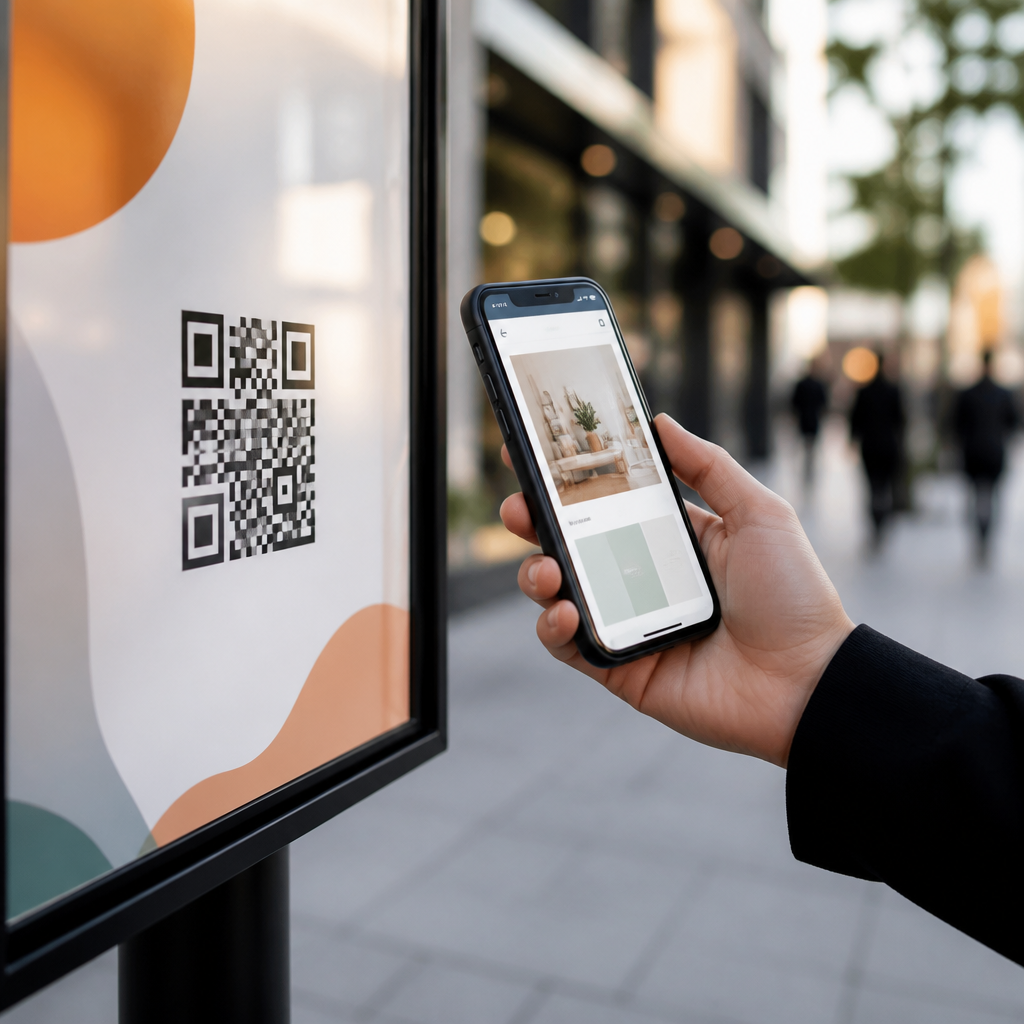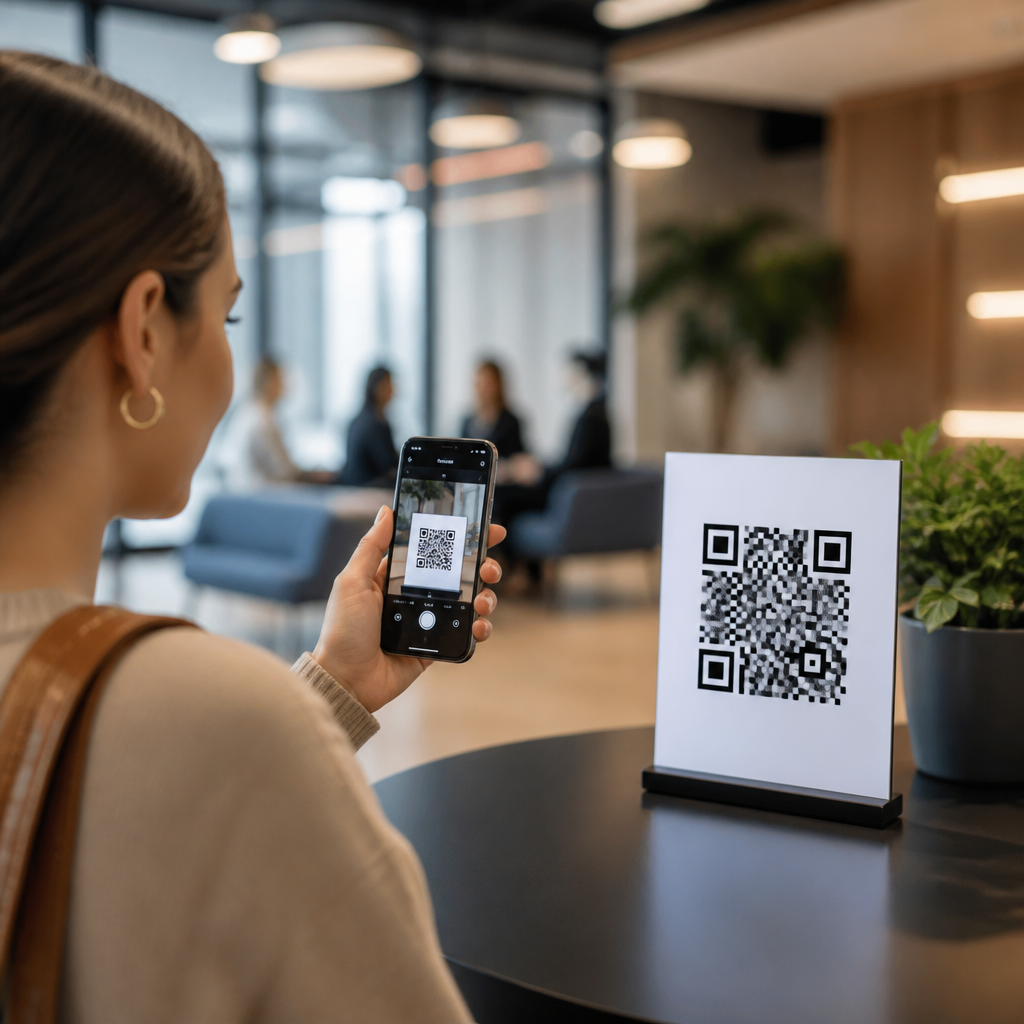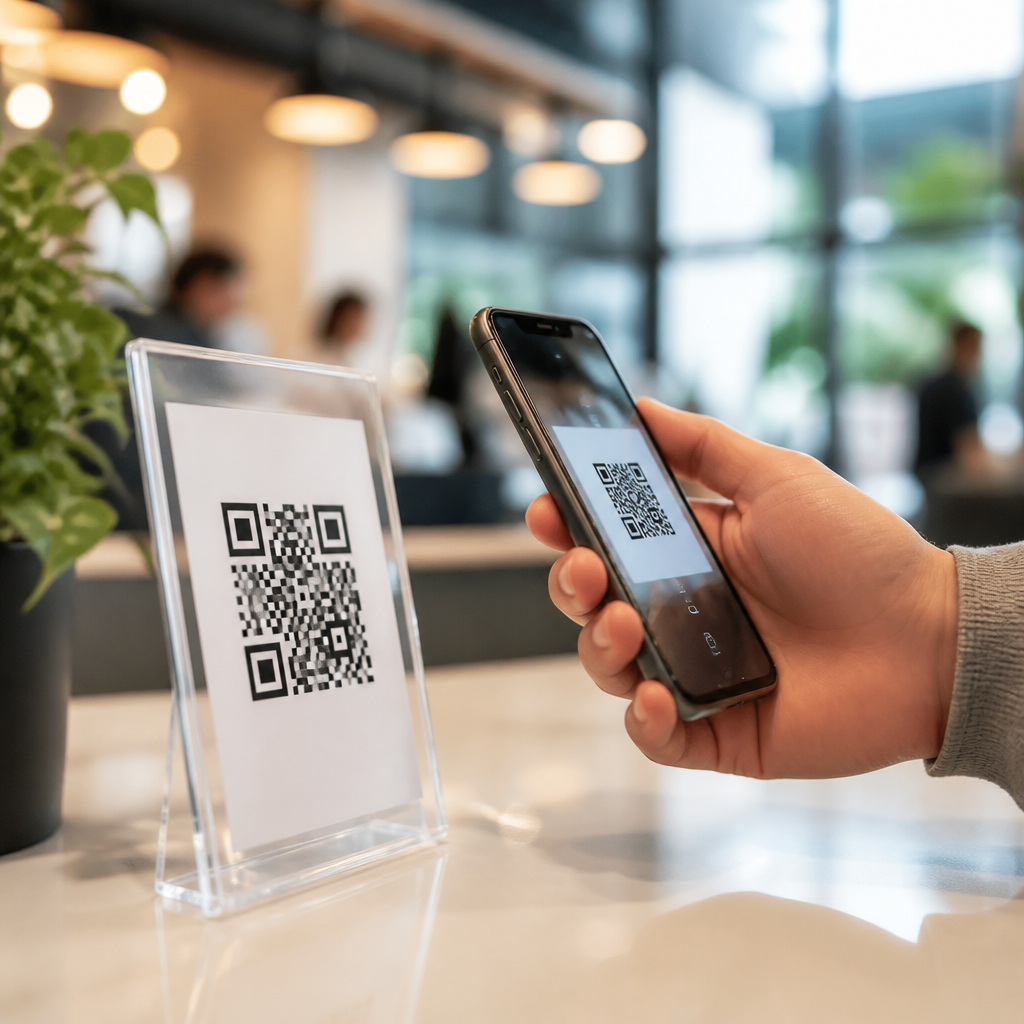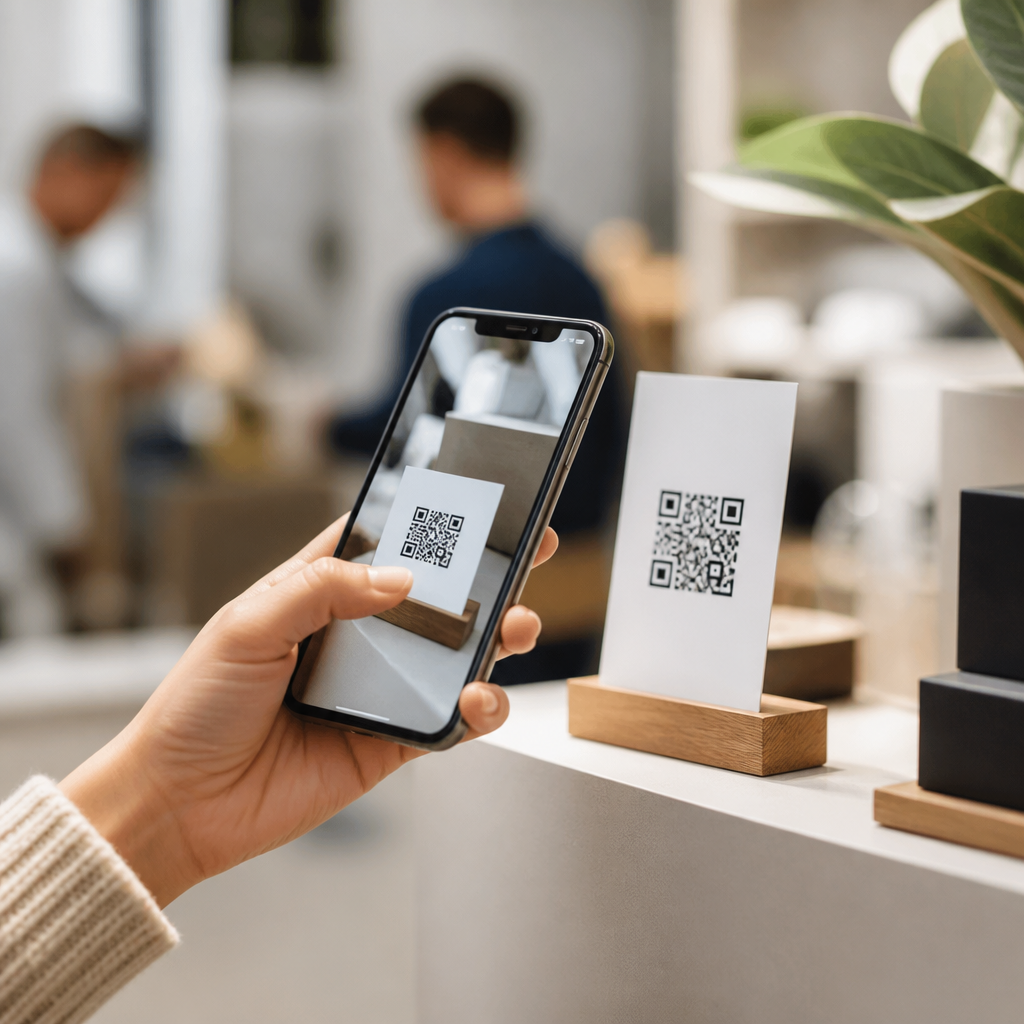
QR codes for email list building turn a smartphone camera into a fast bridge between offline attention and online permission. In practical terms, a QR code is a scannable matrix barcode that opens a landing page, form, app, or prefilled action when someone points a phone at it. Email list building is the process of earning consent to contact prospects and customers directly through newsletters, promotions, onboarding sequences, and lifecycle campaigns. Put together, the tactic lets brands capture leads from packaging, retail displays, events, direct mail, receipts, menus, out-of-home ads, and sales collateral without asking people to type a long URL or search later.
This matters because list growth is often constrained by friction, not demand. I have seen strong offers underperform simply because the signup path required too many taps, too much typing, or a login wall. QR codes reduce that friction at the precise moment of interest. A shopper holding a product can scan for a discount. A conference attendee can scan a booth sign for a resource. A restaurant guest can scan a table tent for VIP updates. In each case, the code captures intent when it is highest, before memory fades or distraction wins.
The strategy works best when marketers treat the QR code as a gateway rather than the campaign itself. The code must lead to a mobile-first experience with a clear value exchange: coupon, checklist, waitlist, demo, free sample, early access, loyalty points, or educational content. Consent language must be explicit. Form fields must be minimal. Tracking must be reliable. Follow-up emails must deliver what was promised immediately. When those elements line up, QR codes become a measurable lead generation channel that links physical media to digital conversion data.
As a hub within a broader marketing program, this topic connects to landing page optimization, event lead capture, retail activation, direct mail performance, customer acquisition cost, and lifecycle email automation. Marketers evaluating QR codes for lead generation typically ask the same questions: where should codes appear, what destination should they open, how do you measure results, which mistakes hurt scans, and when does this channel outperform short URLs or near-field alternatives? The sections below answer those questions directly, using field-tested practices and examples that show what converts.
How QR Codes Support Lead Generation Across Channels
QR codes support lead generation by compressing the path from curiosity to action. Instead of asking a person to remember a brand, search for it, navigate a site, and locate a form, the code takes them straight to the conversion point. That advantage is strongest in environments where attention is brief: trade show aisles, point-of-sale counters, print ads, delivery packaging, window signage, and live presentations. In these settings, even a small reduction in friction can lift opt-in rates meaningfully.
The most effective use cases share a common pattern. First, the audience has immediate context: they are already looking at a product, hearing a pitch, or reading a message. Second, the benefit is specific and time-relevant: “Get the buyer’s guide,” “Join the launch list,” or “Claim 10% off today.” Third, the destination is designed for mobile completion in under a minute. For example, a skincare brand can place a code on sample sachets that opens a quiz and email capture form for personalized routines. A B2B software company can place a code on booth graphics that opens a benchmark report with a two-field form. Both scenarios convert because the offer matches the moment.
Dynamic QR codes are usually the right choice for marketers. Unlike static codes, they let you change the destination URL without reprinting the code, and many platforms provide scan analytics such as total scans, unique scans, device type, time of day, and approximate location. Tools such as Bitly, Beaconstac, QR Code Generator PRO, and Uniqode are commonly used because they support campaign management, UTM tagging, and branded domains. Those capabilities matter when one code appears on thousands of mailers or dozens of store locations and performance needs to be compared accurately.
What Makes a QR Code Email Capture Campaign Convert
A QR code campaign converts when five components align: placement, promise, page, permission, and post-signup delivery. Placement means the code appears where people can scan comfortably, with enough size, contrast, and quiet space around it. Promise means the adjacent copy answers the question every prospect has: “Why should I scan this now?” Page means the landing experience loads quickly, looks trustworthy, and keeps the form short. Permission means legal compliance is clear, especially for promotional emails. Post-signup delivery means the reward or next step arrives instantly and predictably.
In practice, the landing page does most of the work. I recommend one primary call to action, one visible benefit statement, and two to four form fields at most for top-of-funnel offers. Email address is essential; first name can help personalization; phone number should be optional unless SMS is central to the offer. Longer forms can qualify leads better, but they usually cut volume sharply on mobile devices. If qualification matters, progressive profiling through later emails or a second-step survey is more efficient than asking for everything at the start.
Trust signals improve conversion rates, especially when the scan happens in a public or unfamiliar context. Useful signals include a recognizable brand domain, concise privacy language, proof of what subscribers receive, and a screenshot or sample of the promised asset. If the incentive is a coupon, show the terms. If the incentive is a guide, show the cover and key outcomes. If the incentive is a webinar, show the speaker and date. Specificity reduces hesitation because users know what happens next.
| Channel | Best Offer Type | Typical Form Length | Main Conversion Risk |
|---|---|---|---|
| Retail packaging | Discount, how-to guide, loyalty signup | 1–2 fields | Weak incentive after purchase |
| Trade shows | Report, demo request, giveaway entry | 2–4 fields | Slow follow-up from sales |
| Direct mail | Personalized offer, estimator, appointment | 1–3 fields | Generic landing page mismatch |
| In-store signage | VIP club, coupon, product finder | 1–2 fields | Poor scan distance or glare |
| Events and speaking | Slides, checklist, waitlist | 1–2 fields | Code shown too briefly |
Where to Place QR Codes for the Highest-Intent Subscribers
Placement determines subscriber quality as much as creative does. High-intent subscribers come from moments where the person is already evaluating a need. Product packaging works well because the audience has demonstrated purchase intent and may want onboarding content, refills, accessories, or insider offers. A coffee brand, for instance, can print a code inside the box flap linking to brewing tips and a refill reminder list. Those subscribers tend to engage because the content supports immediate product use.
Trade shows and field events are another strong source of qualified leads. Booth traffic is expensive, so every conversation should have a low-friction capture path. Rather than collecting business cards manually, sales teams can use tabletop signs, badges, one-pagers, and demo screens with a code linking to a lead form tied to a CRM. When integrated with HubSpot, Salesforce, or Marketo, those leads can be routed instantly to the right owner and enrolled in a relevant nurture sequence. Speed matters here; response delays often reduce contact rates dramatically.
Direct mail remains underrated for QR-driven lead generation because it combines physical presence with digital measurement. A postcard inviting homeowners to scan for an instant property valuation, seasonal maintenance checklist, or financing guide can produce a cleaner attribution trail than many awareness channels. Real estate, home services, insurance, education, and healthcare frequently benefit because the offer can be locally targeted and the landing page can personalize by neighborhood, campus, clinic, or service area. Personalized URLs can work too, but QR codes remove typing errors and shorten time to conversion.
In-store signage, receipts, menus, and window decals are ideal when customer traffic is high but staff attention is limited. The key is matching the code to the visitor’s stage. A queue-area sign can promote a first-purchase welcome series. A receipt can invite customers to register for care instructions or reorder alerts. A fitting-room poster can offer style guides in exchange for an email. These are not random placements; they connect a practical next step to a real customer task, which is why they convert better than generic “join our newsletter” messaging.
Tracking, Attribution, and Optimization for Better Results
You cannot manage QR code lead generation well without disciplined tracking. Every destination URL should use campaign parameters so analytics platforms can identify source, medium, campaign, content, and placement. A code on a trade show banner should not share the same tagged URL as a code on a takeaway flyer. In Google Analytics 4, this makes it possible to compare sessions, engaged sessions, conversions, and downstream revenue by placement. In a CRM, hidden fields can capture the same parameters so lifecycle reporting connects first scan to closed deal or repeat order.
Dynamic code platforms help, but scan counts alone are not enough. A scan is interest, not a lead. The metrics that matter are scan-to-landing-page load rate, form completion rate, confirmed opt-in rate where required, welcome email open rate, and the revenue or pipeline created by each source. If scans are high but conversions are low, the problem is usually weak message match, slow load speed, too many fields, or a poor mobile form experience. If conversions are high but engagement is low, the incentive may be attracting low-fit subscribers.
Testing should be structured, not improvised. Start with the strongest variable: the offer. A 15% discount may outperform a generic newsletter invitation by a large margin, but in B2B, a benchmark report often beats a coupon because the buyer is seeking insight, not savings. Then test the call-to-action language around the code, such as “Scan to get the guide” versus “Scan for instant access.” Next test the landing page headline, form length, and social proof. Finally test placement details including code size, height, lighting, and proximity to explanatory copy.
There are also technical baselines that should not be treated as optional. Use HTTPS destinations, fast hosting, and responsive pages. Keep contrast high, typically dark code on a light background, and avoid excessive styling that harms readability. Leave enough white space around the code for reliable scanning. Test on both iPhone and Android devices, using native camera apps and common scanning conditions. For print, verify how the code performs at final production size, not just on a desktop mockup. These basics prevent many avoidable failures.
Common Mistakes, Compliance Issues, and Long-Term Value
The most common mistake is treating the QR code as self-explanatory. People need a reason to scan, and they need that reason stated beside the code in plain language. “Scan to subscribe” is weaker than “Scan for weekly pricing alerts and a first-order coupon.” Another frequent mistake is sending all scans to a homepage. Homepages dilute intent and force extra navigation. The destination should be purpose-built for the exact audience and offer that prompted the scan.
Compliance is equally important. Promotional email consent rules vary by jurisdiction, and brands should align with requirements such as GDPR in Europe and CAN-SPAM in the United States. That means clear disclosure, honest sender identity, easy unsubscribe options, and careful handling of personal data. If double opt-in is used, the confirmation email must arrive immediately and explain the benefit of completing signup. For regulated sectors including healthcare and financial services, involve legal and security teams early because data collection language and storage practices may need additional controls.
Long-term value comes from what happens after capture. New subscribers should enter segmented automations based on source and intent. Someone who scanned on packaging may need onboarding tips and replenishment reminders. Someone who scanned at an event may need case studies, a sales follow-up, and a calendar link. Someone who scanned from direct mail may need localized proof and service availability. This is why QR codes for email list building are more than a tactic; they are an acquisition layer that improves when integrated with content strategy, CRM workflows, and retention marketing.
For marketers building a broader QR program, this lead generation hub should guide decisions across retail, events, print, and owned media. Focus on a compelling offer, mobile-first landing pages, reliable tracking, compliant consent, and fast follow-up. When those pieces are in place, QR codes consistently turn offline moments into measurable subscriber growth and revenue. Audit your current touchpoints, choose one high-intent placement, launch a tightly tracked test, and improve from real data.
Frequently Asked Questions
How do QR codes help with email list building?
QR codes simplify the path from offline interest to online subscription. Instead of asking someone to remember a website URL, type it manually, or search for your brand later, a QR code lets them scan and land directly on an email signup page in seconds. That speed matters because most list-building opportunities happen in moments of limited attention, such as at events, on product packaging, in stores, on printed flyers, at checkout counters, or during presentations. When the next step is immediate and friction-free, more people are likely to complete it.
They also help connect channels that are usually difficult to track. For example, if you place one QR code on retail signage and another on direct mail, you can send each audience to a distinct landing page and measure which source generates the most subscribers. This gives marketers clearer attribution and better insight into where high-intent signups are coming from. In practice, QR codes are not just a shortcut to a form; they are a practical bridge between physical touchpoints and permission-based digital marketing.
What should a QR code email signup landing page include to improve conversions?
A strong landing page should be designed for speed, clarity, and trust. First, it needs a clear value proposition that explains why someone should subscribe. That might be a discount, exclusive content, product updates, early access, a helpful newsletter, event follow-up materials, or entry into a loyalty program. People are far more likely to share their email address when the benefit is specific and immediate.
Second, keep the form short. In most cases, asking only for an email address is the best starting point. If you need more data, such as first name, preferences, or company role, make sure every field has a clear purpose. Too many required fields can reduce completion rates, especially on mobile devices. The page should also load quickly, display well on smartphones, and make the call to action prominent. Use a simple button, concise supporting copy, and minimal distractions.
Trust signals are equally important. Include a short privacy statement, mention what kind of emails subscribers will receive, and set expectations around frequency. If applicable, note that users can unsubscribe at any time. Brands that are transparent about consent usually earn better-quality signups and stronger long-term engagement. If your audience is in a regulated market, make sure the page supports your compliance requirements for opt-in and recordkeeping.
Where should businesses place QR codes to grow an email list effectively?
The best placements are the ones that align with high attention and clear intent. Product packaging is a strong option because it reaches people who have already bought from you and may be interested in tutorials, warranty registration, replenishment reminders, or loyalty offers. In-store displays and point-of-sale areas can also perform well because customers are already engaged with your brand in a buying mindset. Trade shows, conferences, and pop-up events are especially effective because visitors are often open to follow-up communication after an interaction.
Print media can work too, including catalogs, brochures, postcards, receipts, menus, posters, and window signage. The key is context. A QR code on a flyer should be paired with a compelling reason to scan, while a code on a booth display might offer access to a giveaway, demo, or downloadable resource. Good placement also means good usability. The code should be large enough to scan easily, positioned where people can stop safely, and supported by a short instruction such as “Scan to join and get 10% off” or “Scan for exclusive updates.” Without that context, even a visible QR code may be ignored.
How can you track the performance of QR codes used for email acquisition?
Tracking starts with assigning each QR code to a unique destination or campaign parameter. Many marketers use unique URLs, UTM tags, or dedicated landing pages for each placement so they can identify exactly where new subscribers originated. For example, you might create one code for packaging inserts, another for in-store signage, and another for an event handout. This allows you to compare scan volume, conversion rates, cost per subscriber, and downstream email engagement by source.
Beyond basic scans and signups, it is important to measure subscriber quality. A QR code campaign that generates a high number of opt-ins is not necessarily the best one if those subscribers rarely open emails, click links, or make purchases. Look at post-signup metrics such as welcome email open rate, click-through rate, unsubscribe rate, first purchase rate, and overall customer value. These metrics reveal whether your QR-based lead capture is attracting genuinely interested contacts or just low-intent entrants responding to an incentive.
It is also smart to test variables over time. You can compare different calls to action, offers, page layouts, field lengths, and placements to improve performance. In that sense, QR code list building should be treated like any other acquisition channel: measurable, testable, and continuously optimized.
What are the most common mistakes to avoid when using QR codes for email list building?
One of the biggest mistakes is sending people to a generic homepage instead of a focused signup experience. If someone scans a QR code expecting a specific benefit and lands on a cluttered website with no obvious next step, many will drop off immediately. Another common problem is offering too little motivation to subscribe. “Join our email list” is usually not as persuasive as “Scan to get member-only deals,” “Scan for a free guide,” or “Scan for launch updates and early access.”
Poor mobile experience is another major issue. Since QR scans happen on smartphones, the landing page and form must be mobile-first. Small text, slow load times, hard-to-tap buttons, and lengthy forms can quickly hurt conversions. Some brands also fail to explain what will happen after the scan. A short line of supporting text near the QR code can make a big difference by clarifying the value and setting expectations.
Finally, businesses often overlook permission and list quality. Buying traffic is one thing; earning consent is another. Make sure your process is transparent, compliant, and built for long-term trust. Avoid misleading incentives, hidden terms, or adding people to broader marketing streams than they agreed to receive. The most effective QR code email list building strategies are not just convenient; they are relevant, respectful, and designed to create lasting subscriber relationships.