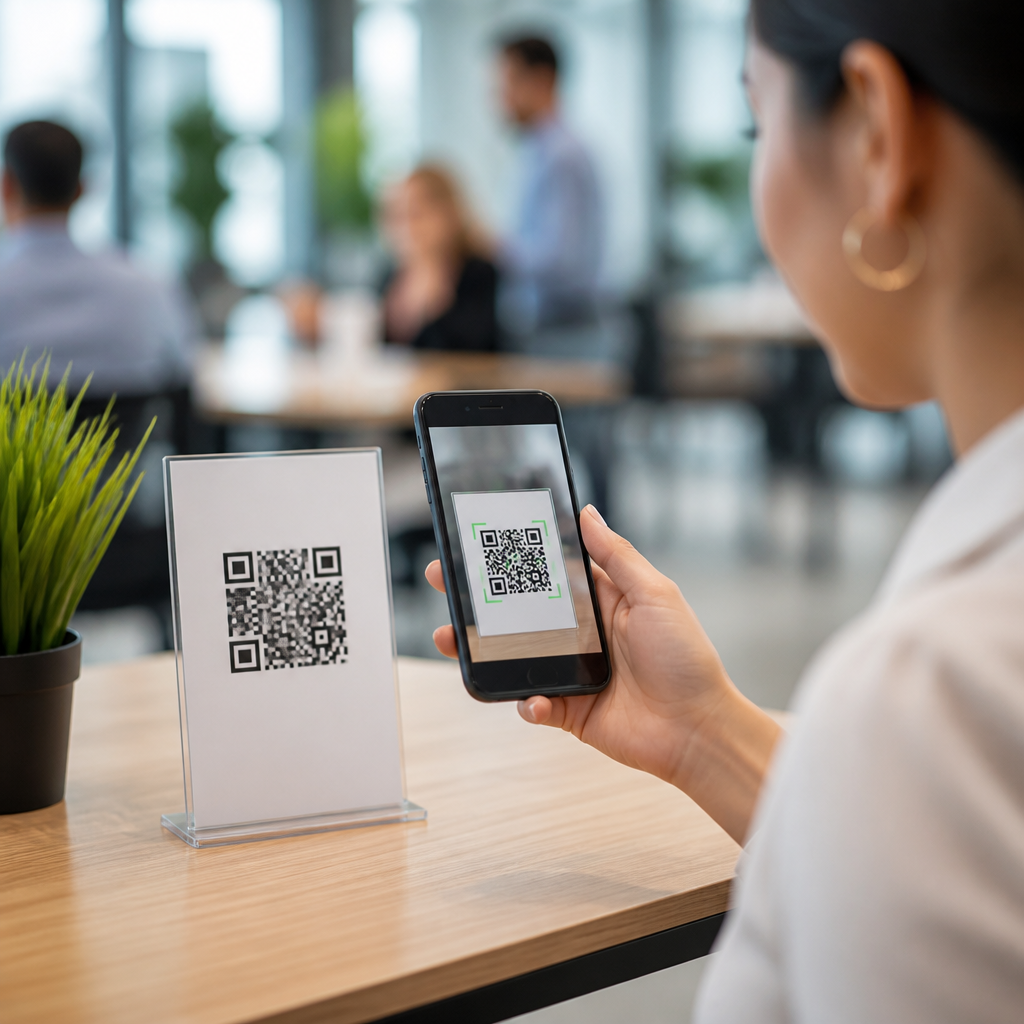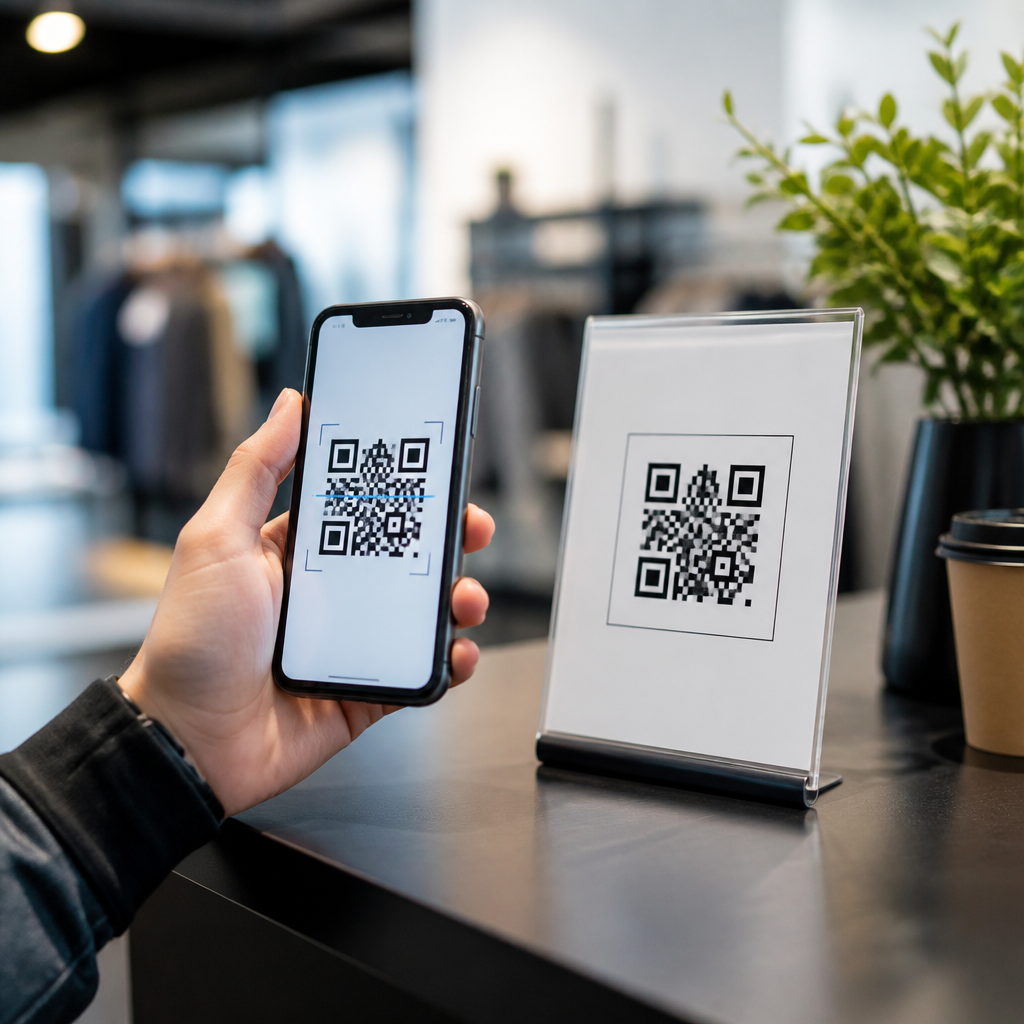
QR code campaign planning succeeds when teams treat the code as a conversion touchpoint, not a decoration. A QR code campaign planning template is a repeatable framework for defining the audience, message, placement, destination, tracking model, compliance checks, launch steps, and post-scan optimization before a single code is printed or published. That structure matters because QR codes now sit across packaging, direct mail, retail displays, events, menus, product manuals, and out-of-home media, where one weak decision can waste an entire print run. I have planned campaigns for stores, trade shows, and product inserts, and the same pattern always appears: teams rush to generate the code, then discover later that the landing page loads slowly, attribution is missing, or the call to action is too vague to motivate a scan. A practical planning template prevents those errors.
Within QR Code Tutorials, Guides & Resources, the Templates & Checklists subtopic serves a specific role. Tutorials explain how to make a code. Guides compare formats, tools, and best practices. Resources provide examples and standards. Templates and checklists turn that knowledge into execution. They help marketers, operations managers, designers, franchise teams, and small business owners move from idea to launch with fewer gaps. In plain terms, the template answers the questions every searcher has: What is this campaign trying to achieve? Who will scan it? Where will they encounter it? What happens after the scan? How will success be measured? What approvals are needed? When those answers are documented up front, campaign quality improves, timelines tighten, and reporting becomes defensible.
To use this hub well, think of a QR code campaign planning template as the master document that connects your brief, creative specs, analytics setup, and launch checklist. It is not just a worksheet for one campaign type. A strong template can be adapted for flyers, restaurant tables, shelf talkers, invoices, museum labels, vehicle wraps, real estate signs, and paid media. The sections below explain what to include, how to customize the template by channel, which metrics matter, and where supporting articles in this sub-pillar should branch next. If you need a reliable starting point for templates and checklists, this page is the foundation.
What a QR code campaign planning template should include
The best QR code campaign planning template begins with campaign fundamentals. Record the campaign name, owner, stakeholders, launch date, end date, budget, and version history. Then define the business objective in one sentence. Good objectives are concrete: increase app downloads by 15 percent from in-store posters, capture 500 qualified event leads, or drive warranty registration within seven days of purchase. Avoid vague objectives such as boost engagement. Next, specify the primary audience and scan context. A commuter scanning a subway ad has less time and bandwidth than a shopper standing in an aisle comparing products. Context determines copy length, destination choice, and page speed requirements.
After the objective and audience, include the offer and call to action. In campaigns I have reviewed, the largest performance gap often comes from copy, not code quality. “Scan to learn more” underperforms “Scan for today’s 20% coupon,” “Scan to view installation steps,” or “Scan to enter the giveaway.” The template should force a plain-language statement of user value. It should also record the destination URL, mobile fallback behavior, and any personalization logic. If the code leads to a form, list the required fields and why each one is necessary. If it opens a video, document hosting, autoplay behavior, subtitles, and average watch length target.
The technical block is equally important. Note whether the campaign will use a dynamic QR code or static QR code. Dynamic codes are usually better for campaigns because the destination can be updated, clicks can be tracked, and errors can be fixed without reprinting. Static codes are appropriate for permanent information with no expected changes, such as a stable product documentation link. Your template should also capture URL parameters, analytics platform, event naming conventions, and dashboard owner. Standard practice is to align campaign tags with Google Analytics 4, Adobe Analytics, or a CRM attribution model, then confirm that scans, sessions, conversions, and downstream actions reconcile correctly.
Design and production fields belong in the same template. Include size, quiet zone, error correction level, foreground and background contrast, file format, test device matrix, and final placement dimensions. ISO/IEC 18004 governs QR code symbology, and practical production rules still matter more than visual novelty. Do not invert colors unless testing confirms reliable scans. Do not crowd the quiet zone. Do not place a tiny code on a highway billboard and expect results. Record the expected scanning distance and use a size that matches it. A common field rule is roughly one inch of code size for every ten feet of scanning distance, then test in the real environment before release.
How to map campaign goals to the right QR code use case
Not every QR code campaign should send users to the same type of destination. The planning template should include a use-case selector that matches the goal to the action. If the goal is lead generation, the destination may be a mobile form with progressive profiling and CRM integration. If the goal is product education, a landing page with FAQs, video demonstrations, and downloadable manuals is often better. If the goal is foot traffic, use a location page with maps, hours, and a wallet-ready coupon. For app adoption, deep linking should route installed users into the app and everyone else to the appropriate app store. The template keeps teams from defaulting to a generic homepage.
Retail offers a clear example. A shelf-edge QR code for a premium coffee brand might target hesitant buyers who want sourcing details and tasting notes. In that case, the page should open fast, display sustainability certifications, compare roast profiles, and include a store locator or add-to-cart option. A restaurant table tent has a different purpose. It may route to a menu, loyalty sign-up, allergen details, or table-side ordering. An event badge QR code might support lead capture, session check-in, or digital collateral download. Each use case demands different copy, page architecture, privacy language, and success metrics. The template should force that decision early.
Another key mapping decision is whether the campaign is transactional, informational, or relational. Transactional campaigns seek immediate action, such as purchase, booking, sign-up, or redemption. Informational campaigns prioritize content consumption and trust building. Relational campaigns nurture an ongoing connection through loyalty enrollment, SMS opt-in, or community membership. These categories influence the post-scan experience. A transactional campaign needs fewer distractions and stronger urgency. An informational campaign needs credibility elements, navigation, and structured answers. A relational campaign needs clear consent management and a compelling reason to stay connected. Teams that identify the category before launch usually produce better conversion paths.
Because this page is the hub for Templates & Checklists, your internal workflow should branch from the master template into specialized versions. Examples include a print QR campaign checklist, event QR activation checklist, packaging insert template, restaurant table QR template, and retail display audit checklist. The master planning template gathers strategy. The specialized checklist confirms execution details in that environment. That hub-and-spoke approach keeps documentation manageable while improving consistency across campaigns.
Template fields that improve tracking, testing, and reporting
A QR code campaign is only as useful as its measurement plan. Many organizations still count scans and stop there, but scans are top-of-funnel interactions. The template should define the full measurement chain: impression estimate, scan rate, landing page engagement, conversion rate, assisted conversions, revenue or lead value, and cost per outcome. If the code appears in print where impression counts are estimated, document the methodology. For direct mail, use circulation. For in-store signage, use store traffic counts. For events, use attendee totals adjusted by placement visibility. The important point is consistency, not false precision.
Set up analytics with naming discipline. I recommend recording source, medium, campaign, creative, placement, location, and version in a standardized taxonomy. A poster in Window A should not use the same tags as a counter card near checkout if you want actionable data. The template should also include event definitions such as qr_scan, landing_view, form_start, form_submit, coupon_save, app_install_click, and purchase_complete. If you use a QR platform such as Bitly, QR Code Generator PRO, Uniqode, Flowcode, or Beaconstac, note which metrics come from the platform versus the analytics suite. This prevents reporting disputes later.
Testing belongs in the planning document, not as an afterthought. Require a prelaunch test matrix that covers iPhone and Android devices, different camera apps, low-light conditions, cracked screens, older operating systems, and varied network speeds. Test both the scan and the destination. I have seen perfectly readable codes fail commercially because the mobile page used a pop-up that covered the main call to action, or because consent banners blocked key content. Add an A/B testing field as well. You may want to test two CTAs, two landing page headlines, or two incentive levels. When that plan exists before launch, optimization becomes systematic instead of reactive.
| Template Section | What to Document | Why It Matters |
|---|---|---|
| Objective | Primary business goal, target metric, deadline | Keeps every asset tied to one measurable outcome |
| Audience | Persona, scan context, device assumptions | Shapes CTA, page design, and offer relevance |
| Destination | URL, deep link, fallback path, page owner | Prevents broken journeys after the scan |
| Tracking | UTM tags, event names, dashboard, attribution rules | Enables reliable reporting and optimization |
| Design Specs | Size, contrast, quiet zone, file format, placement | Improves scan success in real environments |
| Compliance | Privacy notice, consent, trademark, accessibility review | Reduces legal and usability risk |
| Launch Checklist | Approvals, printing, QA, monitoring owner | Prevents missed steps and last-minute failures |
Creative, placement, and user experience requirements
Creative choices determine whether people notice the code and trust the next step. A QR code should never appear without context. The template needs a field for the visible promise placed next to the code, plus a proof element if appropriate. For example, “Scan for setup in under 2 minutes” is stronger than “Scan here.” “Scan to see verified care instructions” works well on apparel packaging because it signals utility and credibility. If the campaign asks for contact information, mention the benefit and any data handling basics near the code. People scan more readily when the outcome is explicit and the perceived risk is low.
Placement should be documented with environmental details. Indoor retail lighting, reflective packaging, moving foot traffic, and weather exposure all affect performance. For posters behind glass, glare can reduce scanability. For curved bottles or cans, distortion may interfere with scanning if the code is too large or wrapped around the surface. For billboards, the user may be moving quickly and unable to scan safely, making a short URL more realistic than a QR-first approach. Good templates force teams to note viewing angle, dwell time, competing visual clutter, and whether a safe scanning moment actually exists. That simple discipline saves money.
The destination experience should meet mobile usability standards from the first second. Compress images, avoid intrusive interstitials, keep forms short, and place the primary action high on the page. If the page supports multiple languages, detect or present language options clearly. If accessibility matters, and it should, use readable type sizes, sufficient color contrast, logical heading structure, and descriptive button labels. On campaigns for product support, I have found that searchable FAQs outperform long video-only pages because users want fast answers, not forced viewing. The template should ask what the user most likely needs immediately after scanning, then prioritize that content.
Compliance, governance, and operational checklists
QR code campaigns often involve customer data, regulated claims, and third-party assets, so governance cannot be informal. The planning template should include an approval path covering brand, legal, privacy, analytics, and channel owners. If the destination collects personal data, document the lawful basis, retention policy, consent language, and CRM destination. If the campaign includes health, finance, sweepstakes, or age-restricted content, add regulatory review requirements. If you are using a dynamic code managed by a vendor, record account ownership, access controls, renewal dates, and what happens if the subscription lapses. Broken redirects after a contract change are more common than most teams expect.
Operational resilience matters too. Define who monitors the campaign after launch, how often dashboards are checked, what scan anomalies trigger an investigation, and who can pause or reroute the destination if something breaks. For large distributed organizations, such as restaurant chains or retail franchises, include a field for local adaptation rules. Can stores change the offer? Can they localize the landing page? Must they use a central domain? Governance works best when flexible areas and fixed standards are both explicit. That balance protects the brand while allowing local relevance. It also makes template-driven scale possible across markets, seasons, and product lines.
How this hub supports the full Templates & Checklists subtopic
This QR code campaign planning template hub should anchor every related asset in the Templates & Checklists cluster. Supporting articles should include a one-page campaign brief template, a QR landing page checklist, a print production checklist, a retail placement audit, an event activation runbook, a restaurant menu QR checklist, a packaging insert template, a QR analytics dashboard guide, and a post-campaign review template. Each spoke article can go deeper on one execution area while linking back here as the master framework. That structure helps readers find the exact tool they need without losing the strategic context that makes QR campaigns perform.
The central benefit of a planning template is simple: it turns QR codes from ad hoc assets into managed, measurable customer journeys. When objectives are defined, destinations are matched to intent, technical settings are documented, creative promises are explicit, and compliance is reviewed before launch, scan rates and conversion quality improve. Use this hub as your baseline document, then build specialized checklists for each channel you run. Start with one upcoming campaign, complete every section, test in the real environment, and keep the template updated after launch. That habit will produce better QR code campaigns, better reporting, and fewer preventable mistakes across your entire program.
Frequently Asked Questions
1. What is a QR code campaign planning template, and why is it important?
A QR code campaign planning template is a structured framework that helps a team plan every part of a QR-driven campaign before the code is ever printed, published, or distributed. Instead of treating the QR code as a visual add-on, the template positions it as a conversion touchpoint with a specific role in the customer journey. A strong template typically covers the target audience, campaign goal, value proposition, call to action, placement environment, scan destination, tracking setup, design requirements, compliance review, launch checklist, and optimization plan. By documenting these elements in advance, teams reduce avoidable mistakes and make the campaign easier to execute consistently across channels.
This matters because QR codes now appear in many real-world contexts, including packaging, direct mail, product inserts, retail displays, events, menus, manuals, and out-of-home media. Each placement creates different scanning conditions and user expectations. A code on product packaging may support onboarding or reordering, while a code at an event may be designed for instant registration or lead capture. Without a template, teams often jump straight to code generation and miss key strategic questions such as who will scan, why they would care, what happens after the scan, and how success will be measured. The result can be a technically functional code that performs poorly because the campaign was never designed around user intent.
In practical terms, a planning template improves alignment across marketing, design, web, analytics, legal, and operations. It creates a repeatable workflow that saves time, improves accountability, and helps campaigns scale without losing quality. It also supports better reporting because success metrics and tracking conventions are defined upfront rather than reconstructed after launch. For organizations running multiple QR code initiatives, a template becomes a reliable operating system for planning, launching, and improving campaigns over time.
2. What should be included in a QR code campaign planning template?
An effective QR code campaign planning template should include the core strategic, technical, creative, and operational elements needed to launch with confidence. At the strategic level, the template should define the campaign objective, such as driving purchases, collecting leads, increasing app downloads, delivering product information, supporting customer service, or encouraging repeat engagement. It should also identify the intended audience, their likely context when scanning, and the specific value exchange being offered. In other words, the template should answer a simple but essential question: why would someone stop and scan this code right now?
From there, the template should document the messaging and call to action. This includes the headline or nearby copy, the incentive if one exists, and the promise of what the user will receive after scanning. It should also specify the destination experience, such as a landing page, form, menu, video, product tutorial, registration page, discount page, or app deep link. The destination should be mobile-optimized, load quickly, and match the promise made at the scan point. A mismatch between the printed message and the landing experience is one of the most common causes of poor performance.
Operationally, the template should include placement details like channel, physical size, print material, lighting conditions, viewing distance, and expected scan environment. These factors affect whether the code is easy to notice and easy to scan. The template should also cover the QR code type, dynamic versus static, URL structure, UTM parameters, analytics platform, event naming conventions, dashboard owner, and reporting cadence. Compliance and risk review are equally important. Teams should include privacy considerations, consent requirements, promotional disclosures, accessibility standards, data collection practices, and brand approvals. Finally, the template should end with a pre-launch checklist and post-launch optimization plan so teams can validate code functionality, destination experience, attribution accuracy, and early scan behavior once the campaign goes live.
3. How do you choose the right destination and call to action for a QR code campaign?
The best destination and call to action come from matching user intent to campaign context. A person scanning a QR code on a restaurant table has a different mindset than someone scanning a code on product packaging at home or a display at a trade show. That is why the planning process should start with the moment of scan. Ask what the person is doing, what they need, how much time they have, and what would feel immediately useful. When teams answer those questions first, the destination becomes far more obvious and effective.
For example, if the code appears on packaging, the destination might be setup instructions, warranty registration, refill ordering, ingredient details, or loyalty enrollment. If the code appears in direct mail, the landing page might continue the specific offer featured in the mailer and remove friction by pre-populating campaign context. If the code appears at an event, the destination could be a lead capture form, speaker schedule, downloadable resource, or meeting request page. In each case, the call to action should be explicit and benefit-driven. Phrases like “Scan to register,” “Scan for setup instructions,” “Scan to save 15%,” or “Scan to view the full menu” perform better than vague prompts like “Learn more,” because they set clear expectations.
Just as important, the post-scan experience must be designed for speed and continuity. The landing page should open quickly on mobile, reflect the wording and design cues near the code, and make the next action obvious. Avoid sending scanners to a generic homepage unless that homepage is specifically configured for the campaign. Every extra click weakens conversion. A good planning template helps teams document this logic in advance so the QR code does not simply send traffic somewhere, but moves users into the next best action with minimal friction.
4. How should teams track and measure the success of a QR code campaign?
Measurement should be built into the campaign before launch, not added afterward. A QR code campaign planning template should define what success means, how it will be tracked, and which metrics matter most at each stage. Basic scan volume is useful, but it is only the starting point. A high number of scans does not automatically mean the campaign worked. Teams need to understand whether those scans came from the right audience, whether users reached the intended destination, and whether they completed the desired action.
Most campaigns should track a combination of exposure, engagement, and conversion metrics. Exposure-related metrics may include distribution quantity, placement count, or estimated impressions by environment. Engagement metrics include scan volume, unique scans, repeat scans, time by location, device type, and landing page behavior such as bounce rate or click-through rate. Conversion metrics depend on the objective and may include form completions, purchases, coupon redemptions, app installs, registrations, content downloads, account creations, or support deflection. Using dynamic QR codes, tagged URLs, and analytics integrations allows teams to segment results by source, placement, creative version, geography, or date range.
Strong tracking also depends on clean campaign governance. The template should define naming conventions, ownership of analytics setup, validation steps before launch, and the dashboard or reporting format stakeholders will use. It is also wise to plan for testing different placements, offers, or landing experiences so optimization is possible after launch. If one retail display drives more scans but fewer conversions than packaging inserts, that insight can guide budget and creative decisions. The goal is not just to count scans, but to connect scan behavior to business outcomes and use those findings to improve future campaigns.
5. What are the most common mistakes in QR code campaign planning, and how can they be avoided?
One of the most common mistakes is creating the QR code before the campaign strategy is defined. When that happens, teams often focus on generating the code itself rather than designing the experience around it. This leads to vague calls to action, poor placement decisions, generic landing pages, and weak tracking. Another frequent mistake is assuming that if a code is technically scannable, the campaign is ready. In reality, successful QR code campaigns depend on much more than scannability. They require a compelling reason to scan, a clear next step, and a destination that delivers immediate relevance on mobile.
Placement errors are also common. Codes may be printed too small, placed in low-visibility areas, positioned where lighting or glare interferes with scanning, or displayed in locations where users do not have the time or ability to act after scanning. Teams also often overlook the importance of surrounding copy. A QR code without context forces the user to guess what will happen next, and uncertainty reduces response rates. On the technical side, broken links, slow landing pages, inconsistent UTMs, lack of analytics validation, and non-mobile-friendly destinations can undermine performance even when interest is high.
The best way to avoid these issues is to use a repeatable planning template and a pre-launch checklist. Define the audience, objective, incentive, placement, destination, and measurement plan before code creation. Use dynamic codes where flexibility and tracking are needed. Test the code on multiple devices and in real-world conditions, not just on a desktop screen. Confirm that the landing experience loads fast, reflects the campaign promise, and captures data correctly. Finally, review privacy, accessibility, and brand compliance before launch. When teams approach QR codes as a planned conversion path rather than a decorative asset, campaign performance becomes more predictable, measurable, and easier to improve over time.