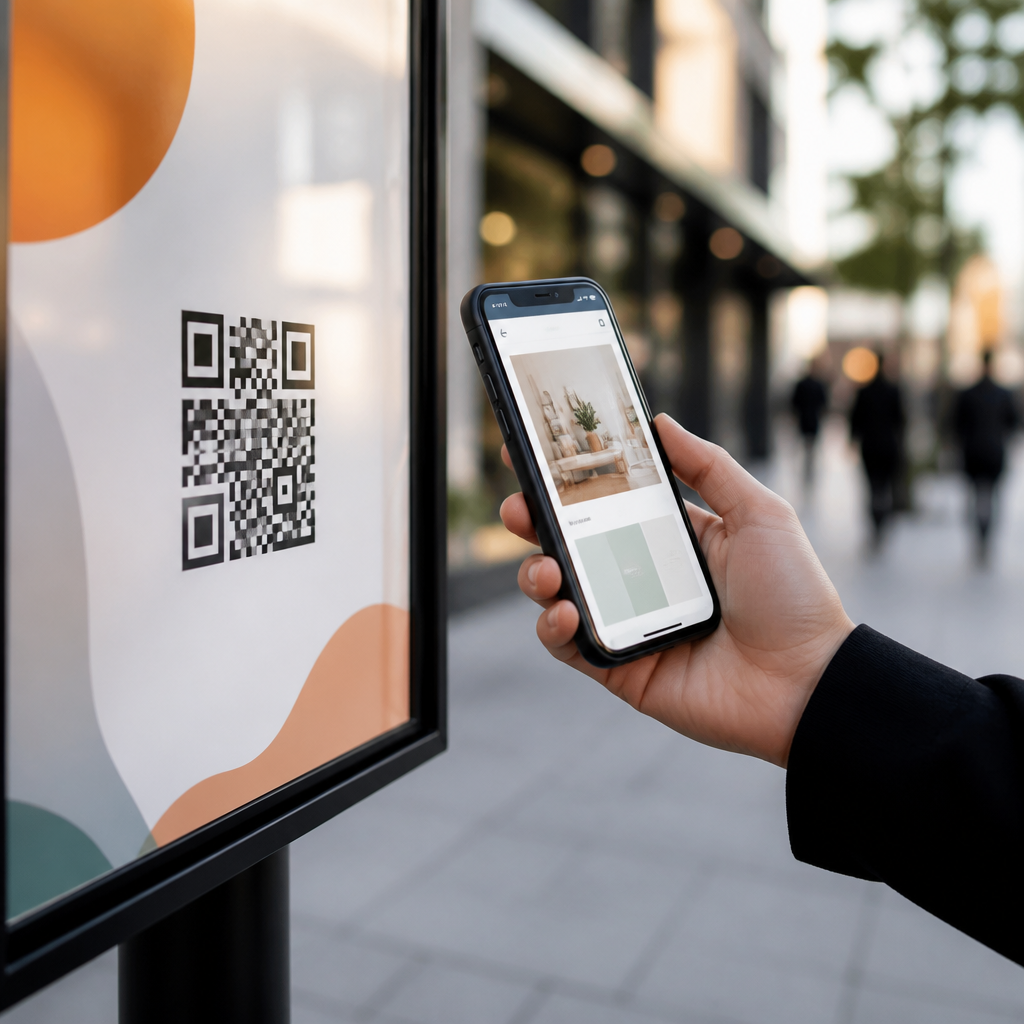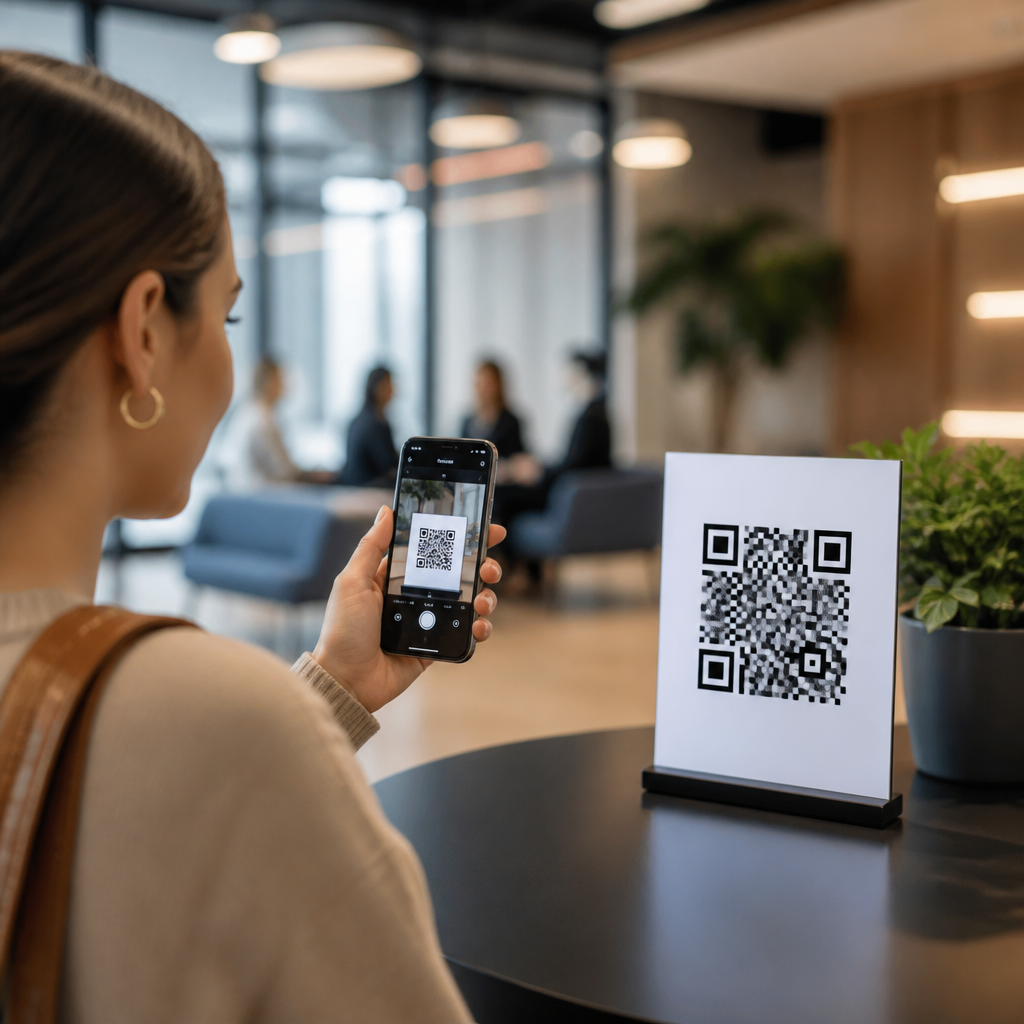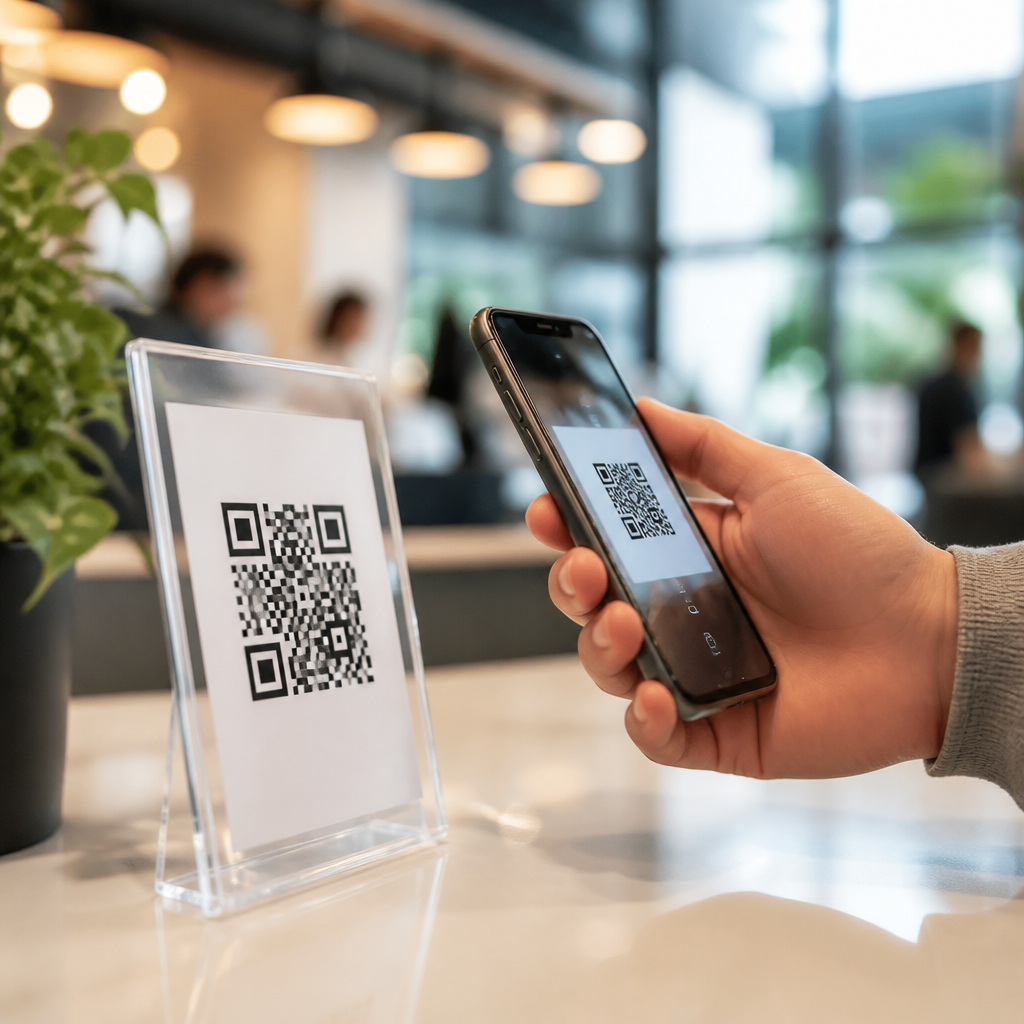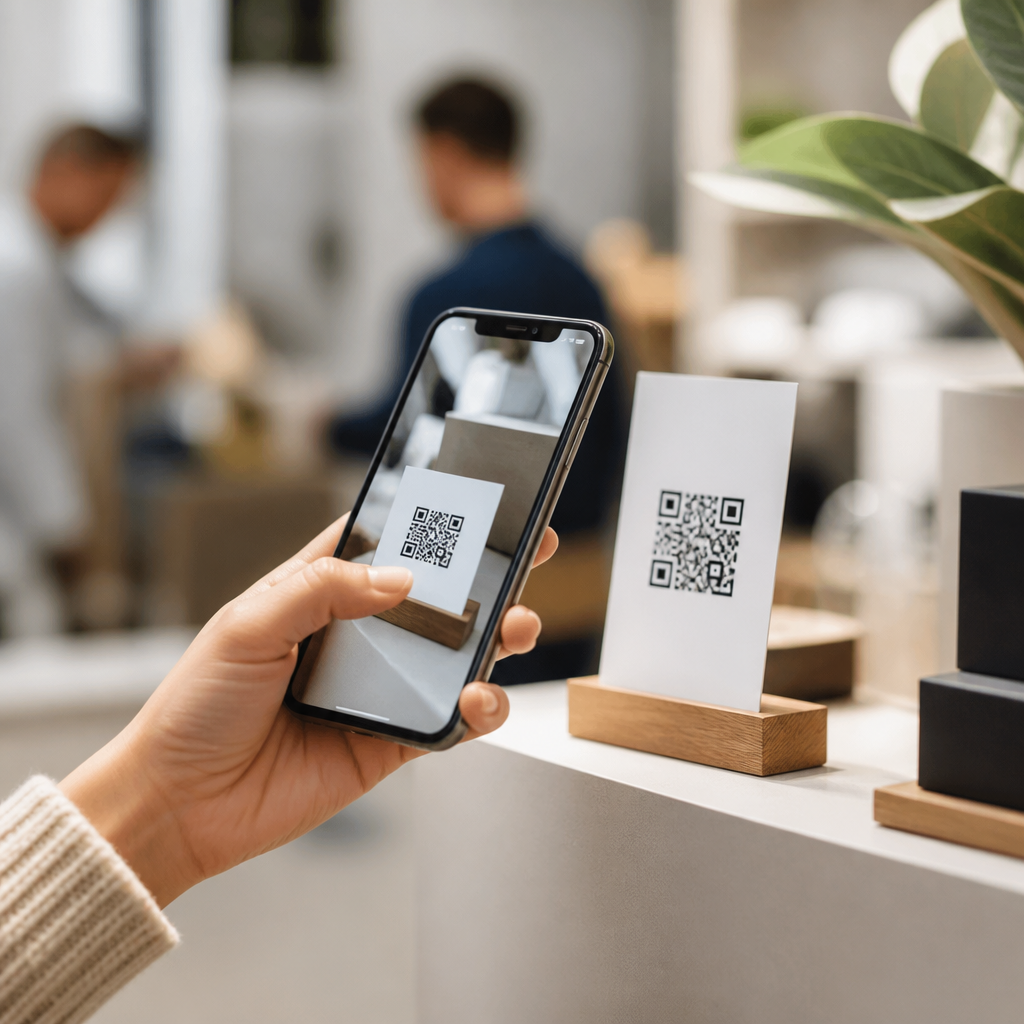
Personalized landing pages via QR codes let marketers route each scan to a page tailored to the scanner’s audience segment, campaign source, location, device, or stage in the buying journey. In practice, that means the same printed package, poster, mailer, event badge, or in-store display can trigger different experiences without changing the visible creative. I have used this approach across retail promotions, field events, restaurant menus, and B2B direct mail, and the pattern is consistent: relevance improves response. When the landing page matches the reason someone scanned, conversion friction drops because visitors do not have to hunt for the offer, product, language, or next step.
A personalized landing page is a destination designed for a defined audience rather than a generic campaign page. Personalization can be explicit, such as sending loyalty members to an offer page that references their membership tier, or implicit, such as detecting a mobile device and presenting a faster checkout flow with wallet payment buttons. Segmentation is the planning discipline behind that experience. It groups audiences by attributes that affect messaging or action: geography, purchase history, product interest, account type, store location, event attendance, or funnel stage. QR codes are the bridge between an offline touchpoint and a measurable digital experience, making them especially useful in omnichannel marketing.
This matters because QR scans happen in high-intent moments. A shopper scanning a shelf talker is close to purchase. An attendee scanning a booth sign is actively evaluating solutions. A recipient scanning a postcard has already engaged with physical media that cost money to print and distribute. If that scan leads to a generic homepage, the campaign wastes intent. If it leads to a page tuned to the context of the scan, the business can answer likely questions immediately, reduce bounce rate, and capture stronger first-party data. Personalized landing pages via QR codes also support operational flexibility: dynamic QR platforms allow destination updates after print, so teams can test offers, localize pages, or pause underperforming routes without reprinting assets.
At a strategic level, this subtopic sits at the center of modern marketing performance. It connects campaign planning, creative operations, analytics, CRM, consent management, and conversion optimization. It also forces discipline. To personalize responsibly, marketers need clear segmentation logic, a data collection plan, and a measurement model that distinguishes vanity scans from meaningful outcomes such as form fills, purchases, bookings, app installs, or qualified leads. The companies that do this well do not treat QR codes as decoration. They treat them as routing infrastructure for audience-specific experiences.
How personalized QR landing pages work
The core model is simple: a QR code encodes a URL, and that URL resolves to a landing page experience that changes based on rules. In the simplest setup, each audience segment gets its own static QR code and dedicated page, such as /retail-spring-offer or /vip-event-demo. In more advanced setups, a dynamic QR code points to a redirect service that reads parameters and passes them into a landing page platform, CRM, or personalization engine. Common parameters include campaign ID, asset ID, store ID, product SKU, rep ID, region, and creative variant. The redirect may also append UTM parameters for analytics and preserve timestamps, device type, or approximate location for reporting.
For example, a national retailer can place one QR code design on shelf signage but print different underlying dynamic destinations by store cluster. Urban stores send scanners to a page highlighting same-day pickup, while suburban stores emphasize bundled discounts and inventory availability. A B2B team can print account-specific mailers with individualized QR codes tied to Salesforce campaign members. When recipients scan, the page can greet them by company name, show the correct industry case study, and route the form to the assigned account executive. The visible action is one scan; the operational machinery behind it is audience routing.
In execution, the landing page should answer three questions within seconds: what is this, why is it relevant to me, and what should I do next? That means the hero section, offer, proof points, and call to action must align with the scan context. Restaurant marketers often get this right. A table tent QR code scanned during dinner should open to a mobile-first page with the current menu, waitlist, or loyalty offer, not the broad brand homepage. Event marketers should do the same. A QR code on a session slide should open to that speaker’s resources and a short form, not a generic resources library.
Segmentation strategies that produce better conversion rates
Effective personalization starts with usable segments, not endless micro-audiences. In most programs I have managed, five segmentation models deliver the majority of gains. The first is source-based segmentation: distinguish scans from packaging, direct mail, out-of-home, in-store signage, business cards, and events because scan intent differs sharply by source. The second is geographic segmentation: route by country, region, city, or store catchment area to localize language, pricing, inventory, and compliance disclosures. The third is lifecycle segmentation: send prospects, first-time buyers, repeat customers, and lapsed customers to different messages and offers. The fourth is product-interest segmentation: align pages to product category or use case. The fifth is account or persona segmentation for B2B: role, industry, company size, and account tier often predict what proof and next step will convert.
A skincare brand illustrates the value of disciplined segmentation. Codes on acne-treatment packaging can send scanners to education content and subscription refills, while codes on sunscreen packaging lead to seasonal usage tips and travel-size bundles. If the same brand runs a dermatologist sampling program, clinic-distributed QR codes should go to professional credibility content and consultation booking, not consumer promotion. The product is related, but the context and expectation are not. Good segmentation recognizes that difference and reflects it in the page architecture, offer structure, and form length.
Timing also matters. A holiday campaign and an evergreen campaign should rarely share the same destination. Dynamic QR systems make temporal segmentation practical: before a launch date, scans can go to a waitlist; during launch, to a purchase page; after stock runs low, to store locator or alternative products. The strongest teams build a decision matrix before assets go to print. They identify segment rules, required content blocks, fallback destinations, and ownership for updates. That preparation prevents the common failure mode where a promising QR campaign goes live but every scan still lands on a generic page because no one defined routing logic.
Data, privacy, and technical setup
Personalization depends on data, but the data should be purposeful and compliant. QR scans can provide campaign metadata directly from the URL structure, such as source, medium, asset, and variant. Device type, browser, timestamp, and coarse location may come from analytics tools or the redirect service. First-party enrichment can come from CRM records when a recipient has a unique code or authenticated session. The rule is straightforward: collect only what improves the experience or the measurement model, and communicate data use clearly when personal data is involved. For regions covered by GDPR, CPRA, and similar frameworks, teams need lawful basis, transparent notices, and vendor agreements that match actual processing.
On the technical side, a durable stack usually includes a dynamic QR platform, a tag manager, analytics, a landing page builder or CMS, and a CRM or marketing automation system. Common combinations include Bitly or QR Code Generator for dynamic links, Google Tag Manager, Google Analytics 4, HubSpot or Marketo, and Salesforce. Enterprise teams may add a customer data platform such as Segment or Tealium and a personalization layer such as Adobe Target or Optimizely. The exact tools matter less than the data flow. Campaign parameters must persist across redirects, events must be named consistently, and form submissions or purchases must tie back to the originating QR asset.
| Use case | Recommended segmentation key | Landing page focus | Primary KPI |
|---|---|---|---|
| Direct mail to existing customers | Customer ID or loyalty tier | Reorder, cross-sell, account sign-in | Revenue per scan |
| Retail shelf signage | Store ID and product category | Product details, reviews, pickup, coupon | Add-to-cart rate |
| Trade show booth | Event ID and persona | Demo booking, case study, rep routing | Qualified lead rate |
| Restaurant table tent | Location and daypart | Menu, loyalty, ordering, upsell | Order conversion rate |
| Packaging insert | SKU and post-purchase stage | Setup, education, refill, review request | Repeat purchase rate |
Implementation details determine whether reporting is credible. Use a naming convention that survives across channels, such as campaign_source, asset_id, store_id, audience_segment, and creative_version. Set up server-side or edge redirects when possible to reduce latency. Test iPhone and Android scanning behavior, because camera apps and in-app browsers can differ. Confirm that pages load fast on mobile networks; Core Web Vitals still matter when the entry point is a QR scan. And always create a fallback experience for unknown or broken conditions. If geolocation fails or a segment rule conflicts, the scanner should still reach a useful page with a clear next step.
Designing landing pages for mobile intent
Most QR scans happen on phones, often while the user is standing, walking, shopping, or talking to someone. That physical reality should shape page design. Keep the value proposition visible above the fold, use short sections, and prioritize tappable actions over dense navigation. In my campaigns, pages with one primary action and one secondary action usually outperform pages that offer four or five equally weighted paths. A retailer might present “Check nearby availability” as the primary action and “Read reviews” as the secondary. A B2B event page might prioritize “Book a 15-minute demo” and secondarily offer “Download the comparison guide.”
Copy should mirror scan motivation. When a shopper scans product packaging, they usually want one of four things: price clarity, ingredient or feature detail, instructions, or proof from other buyers. When an attendee scans a conference banner, they usually want slides, a product overview, or a direct way to speak with sales. The page should satisfy that probable intent immediately. Social proof helps, but it must be context-appropriate. For a healthcare or finance offer, compliance-friendly trust markers such as certifications, security standards, or clinician review often matter more than star ratings. For consumer products, concise reviews, user-generated images, and shipping clarity can be decisive.
Localization is another conversion lever. Personalized landing pages via QR codes are especially effective when language, currency, units, and store details match the scanner’s environment. A hotel chain can place QR codes in rooms that open to property-specific pages showing room service menus, spa promotions, and checkout options in the guest’s language. A franchise business can route scans by location so each page shows the right hours, map, inventory, and local offer. These details sound operational, but they shape trust. Generic pages imply generic service.
Measurement, testing, and common mistakes
The right measurement model goes beyond scan count. Scans indicate attention, not business impact. Track unique scans, engaged sessions, click-through to the primary action, form completion, purchase or booking conversion, average order value, lead qualification, and downstream revenue. If QR codes appear across stores or markets, normalize performance by impression estimates or distribution counts so high-traffic locations do not distort decision-making. For B2B, connect scans to pipeline stages. A booth QR code that generates fewer scans but more sales-qualified opportunities can be more valuable than a flashy giveaway code with high traffic and no progression.
Testing should focus on high-leverage variables: audience rule, headline relevance, offer type, form length, and primary CTA. In one direct mail program I worked on, changing the landing page from a broad product page to an industry-specific page with a two-field form reduced bounce and doubled qualified submissions. The QR code did not change; the destination logic did. Another frequent win comes from replacing PDFs with responsive pages. People scan expecting immediacy. Sending them to a slow, pinching-and-zooming document is a reliable way to lose momentum.
Common mistakes are predictable. The first is using static QR codes when the campaign needs flexibility. Static codes are fine for permanent destinations, but not for seasonal offers, localization, or testing. The second is overpersonalizing without enough data quality, which creates awkward experiences or misroutes users. The third is breaking trust with surprise data capture. If a scan opens a prefilled page that reveals too much personal detail, the experience can feel invasive. The fourth is poor governance: no owner for redirects, no expiry review, and no process to update offers after inventory or legal copy changes. The fifth is failing to connect the page to the broader customer journey. Personalized landing pages work best when they feed email nurture, SMS, retargeting suppression, loyalty, or sales follow-up rather than sitting as isolated microsites.
Personalized landing pages via QR codes turn offline attention into digital relevance. They work because they respect context: where the scan happened, who likely scanned, what that person needs next, and how quickly the page can deliver it. The strongest programs are not complicated for their own sake. They use clear segmentation, dynamic routing, mobile-first design, and reliable measurement to make every scan more useful. Whether the goal is retail conversion, event lead capture, restaurant ordering, or post-purchase education, the principle is the same: match the destination to the moment.
As a hub for personalization and segmentation strategies, this topic connects many tactical articles: segment design, dynamic QR infrastructure, CRM enrichment, local landing pages, compliance, mobile conversion design, and testing methodology. Start with a practical audit. List every current QR placement, define the audience behind each one, map the desired next action, and check whether the landing page truly fits that context. Then prioritize the highest-intent placements for personalization first. A few well-routed experiences usually outperform a large number of generic ones.
If you want better results from printed media, packaging, signage, and event assets, stop treating the QR code as the campaign. Treat it as the handoff. Build personalized landing pages via QR codes with deliberate segmentation and measurable goals, and the scan becomes more than a click surrogate. It becomes a precise entry point into the customer journey. Audit one campaign this week, redesign the destination around scan intent, and measure the lift.
Frequently Asked Questions
What are personalized landing pages via QR codes, and how do they work in real campaigns?
Personalized landing pages via QR codes are destination pages that change based on who scans, where they scan, how they arrived, or what campaign logic has been set behind the code. Instead of sending every person to the same generic URL, marketers use a dynamic QR code and routing rules to deliver a more relevant experience. That experience might vary by audience segment, traffic source, device type, geography, time of day, language, or stage in the buying journey. The printed QR code itself stays the same, but the destination can adapt in real time.
In actual campaigns, this gives teams far more flexibility than static print ever allowed. A product package can send first-time buyers to an educational page while repeat customers see a loyalty offer. A trade show badge scan can route prospects to an industry-specific solution page. A restaurant table tent can direct lunch traffic to one menu and dinner traffic to another. A direct mail piece can open a landing page customized for a named account, a regional office, or a specific sales motion. Because the visible creative does not need to change, brands can scale personalized experiences across packaging, retail displays, event signage, mailers, and in-store materials without constantly reprinting assets.
The key components are usually a dynamic QR platform, a rules engine or personalization layer, analytics tracking, and mobile-optimized landing pages. When someone scans, the system reads available signals such as campaign parameters, device, approximate location, language settings, or linked CRM data, then serves the best matching page. Done well, it feels seamless to the user and highly measurable to the marketer.
Why are personalized QR landing pages more effective than sending everyone to the same page?
The main advantage is relevance. People are far more likely to engage when the page they land on matches the context of their scan. Someone scanning from a retail shelf may need fast product benefits, pricing, reviews, or a coupon. Someone scanning from a conference booth may need case studies, a demo form, or technical specs. A generic landing page often forces all users through the same message, even though their intent is clearly different. Personalized QR experiences reduce that mismatch.
They also improve conversion efficiency. When the page reflects the user’s context, there are fewer unnecessary clicks, less confusion, and a stronger chance of moving the person toward the next step. That next step could be making a purchase, downloading a menu, booking an appointment, registering for a demo, joining a loyalty program, or contacting sales. In many campaigns, the gain does not come from flashy design but from shortening the path between scan intent and action.
Another important benefit is operational agility. Marketers can update destinations, offers, and messaging after print has already been distributed. If inventory changes, an event ends, regional promotions shift, or a new audience segment emerges, the QR routing can be updated without replacing the physical asset. That alone makes personalized QR strategies valuable in retail promotions, field marketing, B2B direct mail, and hospitality settings where timing and local context matter. Better relevance, better measurement, and better flexibility are why this approach tends to outperform one-size-fits-all QR destinations.
What kinds of personalization can be used on landing pages triggered by QR codes?
There are many practical personalization options, and the most effective setups usually combine several. Audience-based personalization is common, where different customer groups see different headlines, offers, products, or calls to action. Campaign-source personalization is another strong use case, letting one printed asset support multiple channels such as direct mail, in-store signage, packaging, events, or partner promotions while still delivering tailored messaging. Location-based personalization can adjust store information, currency, language, menu options, event schedules, or regional compliance details.
Device-based personalization is especially useful because QR scans happen on mobile devices. Brands can tailor page layouts, app prompts, click-to-call options, wallet passes, SMS signups, and tap-friendly forms based on the scanner’s device type. Journey-stage personalization is also powerful. A new prospect may need trust-building content and a low-friction introduction, while an existing customer may need reorder options, support resources, exclusive offers, or account-based messaging. Time-sensitive personalization can support seasonal menus, limited-time promotions, event agendas, and post-event follow-up.
More advanced programs may also use CRM or marketing automation data to personalize by account, sales territory, loyalty status, prior engagement, or product ownership. For example, the same QR code on a mailer could direct one account to a vertical-specific page and another to a page with a different case study and contact form. The important point is that personalization should support user intent, not just showcase technical capability. The best QR landing pages are clear, fast, useful, and tailored in ways that genuinely help the person who scanned.
What should marketers track to measure the success of personalized landing pages via QR codes?
Measurement should start with core scan performance and then move deeper into on-page behavior and business outcomes. At the top level, marketers should track total scans, unique scans, scan timing, scan location, device breakdown, and campaign or asset source. These metrics help answer basic questions such as which printed placements are getting attention, which markets are engaging, and which audience segments are most responsive. For campaigns using one visible QR code across multiple contexts, routing analytics become especially valuable because they reveal how the same code performs under different conditions.
Landing page engagement metrics are the next layer. That includes page load speed, bounce rate, scroll depth, time on page, clicks on primary calls to action, form starts, form completions, click-to-call usage, menu interactions, coupon saves, app downloads, and any micro-conversions relevant to the campaign. Because QR traffic is often mobile-first and intent-driven, small usability issues can quickly hurt performance, so these engagement signals matter a lot.
Ultimately, the most important metrics are outcome-based. For ecommerce, that may be add-to-cart rate, purchase conversion rate, average order value, or redemption rate. For B2B, it may be qualified leads, demo requests, meeting bookings, influenced pipeline, or account engagement. For restaurants or field events, it may be menu views, reservations, coupon usage, booth interactions, or follow-up conversions. The strongest reporting ties scan behavior to actual business results, not just traffic volume. Marketers should also compare personalized routes against generic experiences to quantify lift. That is often where the value becomes undeniable.
What are the biggest best practices and mistakes to avoid when creating personalized QR landing page experiences?
The first best practice is to keep the mobile experience frictionless. QR scans create a moment of immediate intent, and if the page is slow, cluttered, or confusing, that moment disappears quickly. Pages should load fast, present a clear headline, match the expectation set by the physical asset, and offer one obvious next step. Personalization should sharpen the experience, not complicate it. That means using the right amount of tailored content while keeping navigation, forms, and calls to action simple.
Another best practice is to align personalization logic with real campaign goals. Marketers sometimes create too many audience branches without enough difference in message or value. A better approach is to personalize around meaningful variables such as geography, store availability, language, stage in journey, product interest, or event context. It is also important to use dynamic QR codes, robust analytics, and a testing framework. Teams should validate redirects, check mobile rendering across devices, test forms, confirm tracking parameters, and monitor the full scan-to-conversion path before launch.
Common mistakes include sending users to generic homepages, failing to optimize for mobile, over-personalizing without clear benefit, and ignoring privacy and consent requirements when CRM or first-party data are involved. Another frequent issue is poor message continuity between the printed asset and the landing page. If the package, poster, mailer, or display promises one thing but the page shows another, trust drops immediately. Brands should also plan for fallback logic so that if a user does not match a known segment, they still receive a useful default experience. The best personalized QR campaigns feel natural, relevant, and easy to act on. The worst ones feel like clever routing attached to a weak page. The difference is usually strategy, testing, and disciplined execution.