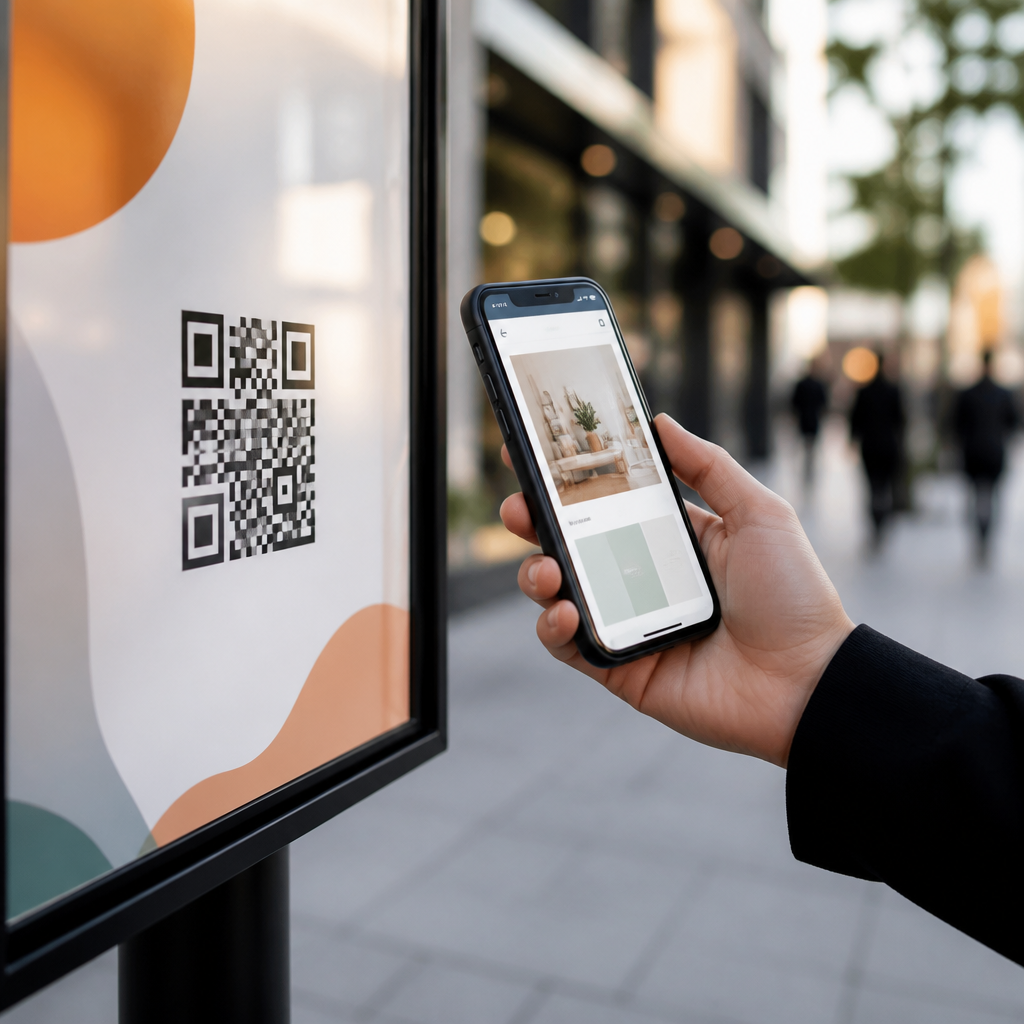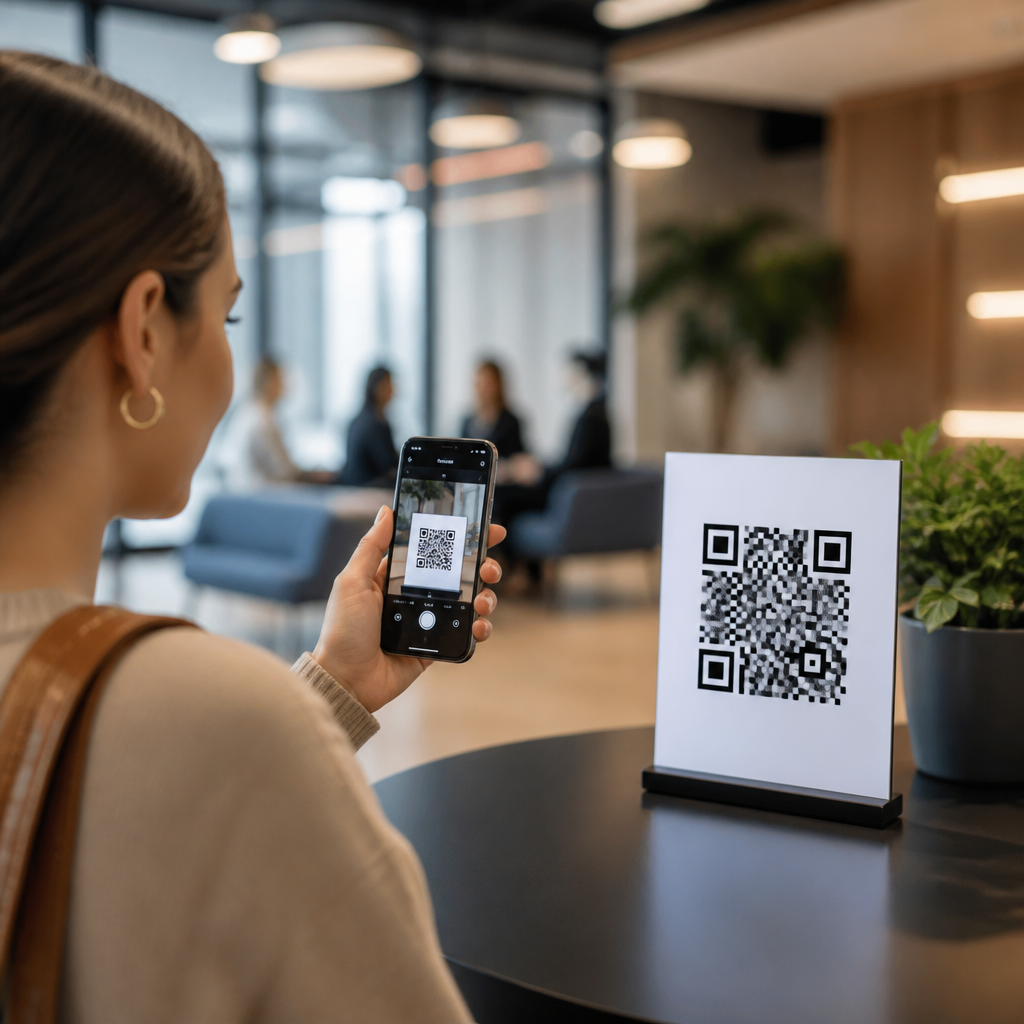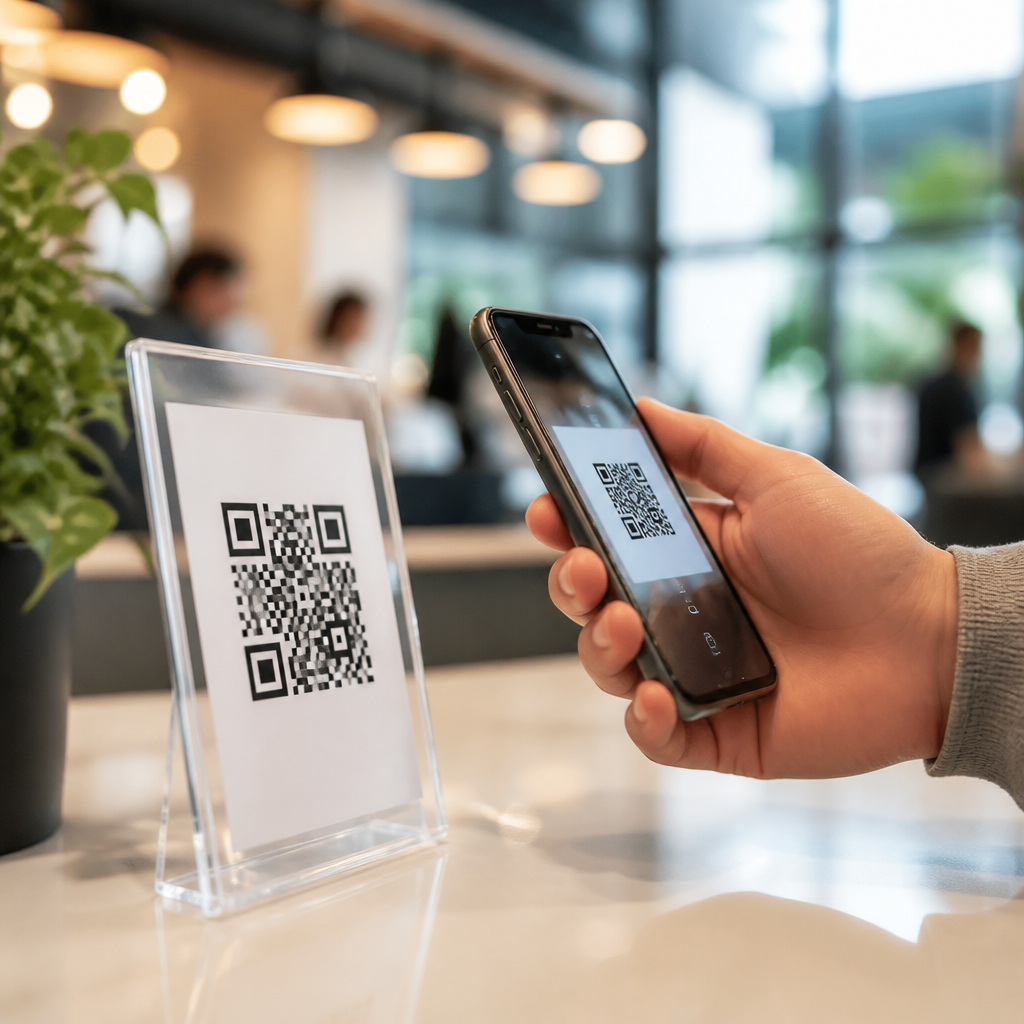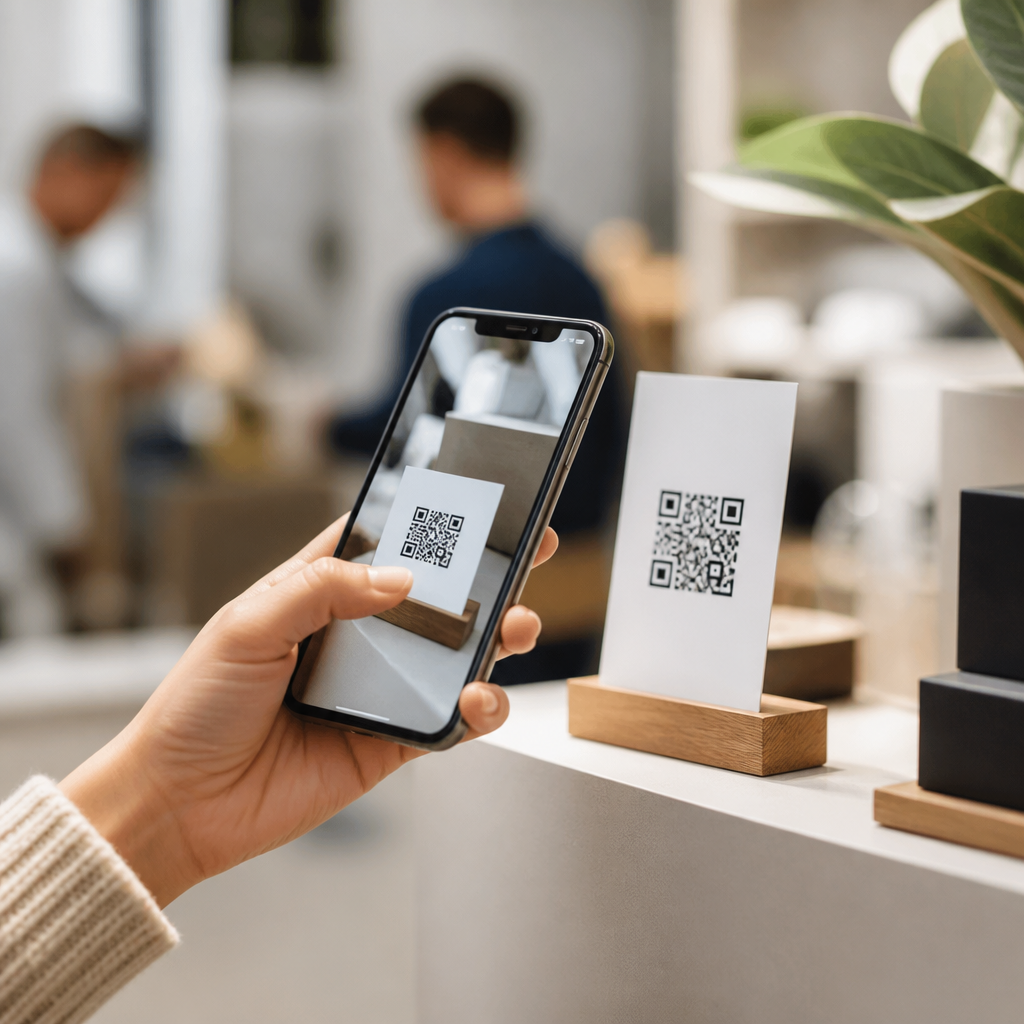
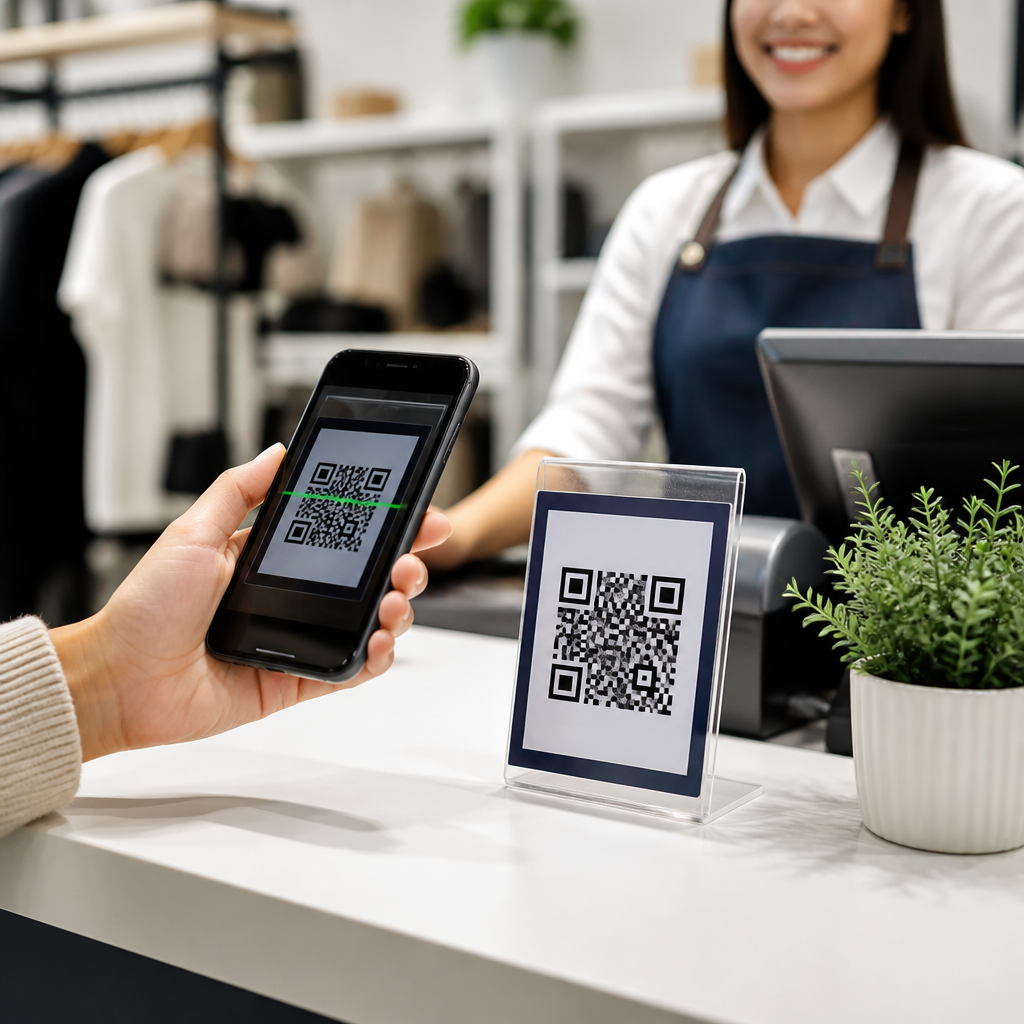
QR codes have moved far beyond simple links, and marketers now use them to deliver targeted promotions that match audience intent, location, timing, and purchase history. In practical terms, a targeted promotion is an offer designed for a defined segment rather than the entire market, while personalization tailors the message, destination, or incentive to an individual or tightly grouped audience. When those ideas are connected to QR codes, a printed square on packaging, signage, direct mail, receipts, or event materials becomes a measurable bridge between offline attention and digital conversion.
I have used QR codes in retail campaigns, restaurant promotions, trade show follow-up, and local service businesses, and the difference between generic and segmented execution is dramatic. A generic code usually sends every scanner to the same landing page. A targeted QR code campaign, by contrast, can route one customer to a loyalty reward, another to a new-customer discount, and a third to a product tutorial that removes purchase friction before presenting an offer. This matters because response rates rise when the promotion reflects the customer’s context. It also matters because printing and distribution costs in offline marketing are fixed; relevance is what improves return on that spend.
For a hub page on personalization and segmentation strategies, the core idea is straightforward: QR codes are not the strategy by themselves. They are a delivery mechanism tied to audience data, campaign structure, and landing-page logic. Effective campaigns begin with segmentation rules, continue with distinct calls to action and destinations, and end with measurement against clear business outcomes such as scan rate, redemption rate, average order value, lead quality, or repeat purchase. If you want QR codes for targeted promotions to produce real revenue, treat every code as an entry point into a planned customer journey, not just a shortcut to a homepage.
Build segmentation before you generate any QR code
The most common mistake I see is creating the code first and deciding the targeting later. That reverses the process. Start by defining segments based on data you can actually act on. Useful segments include geography, customer lifecycle stage, product interest, acquisition source, visit frequency, cart size, and channel behavior. A coffee chain, for example, might create separate promotions for commuters scanning at train stations, loyalty members scanning on cups, and first-time app users scanning a window decal. Each segment has different motivation, so each should receive a different offer and landing page.
Segmentation also needs a business rule behind it. Ask what you are trying to change: increase first purchase, reactivate lapsed buyers, raise basket size, move customers into a loyalty program, or drive attendance at a local event. Once that objective is clear, decide what audience is most likely to respond. In direct mail, household income bands or previous purchase categories often inform offer depth. In in-store signage, aisle placement and product adjacency can define interest. For B2B events, job title and account tier usually matter more than demographic traits. Good targeting is operational, not abstract.
Static and dynamic QR codes serve different segmentation needs. Static codes are fixed and best for simple evergreen uses, but they offer limited flexibility if the promotion changes. Dynamic QR codes are the standard choice for targeted promotions because the destination can be updated without reprinting the asset, and scan data can be captured through the platform. Tools such as Bitly, QR Code Generator, Beaconstac, Flowcode, and Uniqode support dynamic routing, UTM parameters, and campaign-level analytics. In mature programs, marketers pair these tools with Google Analytics 4, CRM records, and marketing automation platforms so scans can be tied to downstream actions rather than vanity metrics.
Choose personalization methods that match the channel
Not every level of personalization is appropriate in every environment. The best method depends on where the QR code appears and what data the customer has consented to share. On packaging, personalization often happens through product-based context: the code on a protein bar can lead to training plans and a bundle discount, while the code on a children’s cereal can lead to family recipes and a coupon. On receipts, the code can personalize based on the exact transaction, such as recommending complementary items or inviting a review before offering a next-visit incentive.
Direct mail supports deeper targeting because the audience list is preselected. A home improvement retailer can send different postcards by property type, recent purchase, or seasonality. Homeowners who bought patio furniture last spring might scan into a maintenance guide and weatherproof cover offer, while new movers receive a welcome package with room-by-room essentials. In-store signage typically relies on situational relevance rather than personal identity. A QR code near premium skincare can open a skin-type quiz, then present an offer matched to dry, oily, or sensitive skin segments. That is still personalization, but it is based on declared preference rather than personally identifiable data.
Location and time also create powerful targeted promotions. Restaurants use breakfast, lunch, and late-night QR offers with different menus and price points. A stadium sponsor can place separate codes at entrances, concession areas, and merchandise stands, then tailor offers to the fan’s stage in the venue journey. Geofenced landing pages, store-specific URLs, or code-level redirects make this manageable at scale. The key is to match the promotion to immediate intent. If someone scans from a shelf tag, answer the product question first; if they scan from a receipt, focus on retention or upsell.
Map each segment to a specific offer, landing page, and measurement plan
Once segments are defined, create a promotion architecture that connects each audience to one message, one action, and one measurement goal. Mixing too many goals into one QR experience reduces response. I recommend documenting every campaign in a simple matrix before launch.
| Segment | QR placement | Offer | Landing page goal | Primary KPI |
|---|---|---|---|---|
| New customers | Storefront decal | 15% first purchase discount | Email capture and product discovery | First-order conversion rate |
| Loyalty members | Receipt footer | Double points on next visit | Repeat visit activation | Redemption within 14 days |
| Lapsed buyers | Direct mail postcard | Win-back bundle offer | Reactivation purchase | Reactivated customer rate |
| High-intent browsers | Shelf talker | Comparison guide plus coupon | Decision support | Assisted conversion rate |
This structure prevents one of the biggest campaign failures: sending every scanner to the same generic page with a broad brand message. A landing page for a win-back audience should not look like a new-customer page. Keep the page tightly aligned with the scan context, headline, incentive, and next step. If the QR code promised a product comparison, the first screen should present that comparison immediately, not hide it under navigation. If it promised an exclusive offer, show the offer above the fold and define the expiration, exclusions, and redemption steps clearly.
Measurement should also be segment-specific. Scan volume alone tells you little. A code on a busy storefront may produce more scans than one on a package insert, yet the insert may convert at a much higher rate. Track scan-to-session rate, bounce rate, form completion, add-to-cart, purchase, coupon redemption, average order value, and assisted conversions. In omnichannel environments, connect promo codes, POS data, and CRM identifiers wherever possible. A retailer that ties a QR coupon to loyalty ID can learn not only who scanned, but whether targeted offers drive larger baskets or faster repeat visits than untargeted campaigns.
Create QR experiences that feel useful, fast, and trustworthy
Targeted promotions work only when the user experience respects the scanner’s time and expectations. In the field, I aim for a three-part sequence: instant relevance, minimal friction, and visible trust signals. Instant relevance means the landing page confirms why the person scanned. Minimal friction means reducing form fields, simplifying redemption, and optimizing for mobile speed. Visible trust signals include recognizable branding, HTTPS, privacy language where data is collected, and clear terms for any offer. If the code appears unofficial or leads to a cluttered page, response drops quickly.
Offer design deserves discipline. Discounts are useful, but not always the best promotion. For some segments, early access, exclusive content, consultations, samples, or loyalty bonuses outperform price cuts because they protect margin. A beauty brand might use a QR code on sample cards to deliver shade-matching guidance and an online consultation instead of an immediate discount. A software company at a conference may offer an industry benchmark report and personalized demo rather than a generic trial link. The promotion should solve a problem that the segment actually has, not simply dangle a coupon.
Security and privacy should be addressed directly because users are increasingly aware of fraudulent QR codes. Brand-owned domains help. So do short explanatory labels near the code, such as “Scan for members-only offer” or “Scan to compare models and save.” Avoid hiding the destination when possible, and monitor printed assets in public spaces to ensure malicious stickers have not been placed over them. If you are collecting customer data through the QR journey, comply with applicable privacy rules, obtain required consent, and store data in the systems your organization already governs. Trust is not a soft factor here; it directly affects scan willingness and completion rate.
Test, optimize, and connect this hub to broader marketing strategy
The best QR code campaigns for targeted promotions improve through structured testing. Start with one variable per test: headline, incentive type, landing-page layout, call-to-action button, or expiration window. In retail pilots, I have seen a plain “Scan to Save” message underperform against a more specific promise such as “Scan for your shade match and 10% off.” Specificity raises qualified scans because it tells the shopper what they will get. Similarly, moving from a general homepage to a segment-specific page often produces the largest gain because it removes decision friction at the moment of interest.
Optimization should include the physical asset, not just the page. Code size, contrast, placement height, surrounding whitespace, and instruction text all influence scanning. Industry practice generally favors at least a 10:1 ratio between viewing distance and code size, though real environments vary. A code on a shelf edge has different needs than one on a billboard or mailer. Test under actual lighting conditions, with common smartphone cameras, and on both iOS and Android devices. Also check page load speed on cellular networks. A beautifully targeted promotion fails if the page takes too long to render inside a store with weak signal.
As a hub under QR codes in marketing strategy, this topic should connect naturally to adjacent practices. Audience segmentation links to loyalty marketing, email capture, local store marketing, event activation, packaging strategy, and post-purchase retention. Personalization depends on good landing pages, disciplined analytics, and clear campaign governance. The strongest programs build reusable templates: one for acquisition offers, one for product education, one for loyalty activation, and one for win-back. That framework lets teams launch targeted QR code promotions quickly without losing strategic consistency across channels.
QR codes for targeted promotions work best when they are planned around audience segments, not added as decoration at the end of a campaign. Define the segment, decide the business goal, choose the right placement, and send each scanner to a page built for that context. Use dynamic codes for flexibility, tie campaigns to analytics and CRM data, and measure outcomes that reflect revenue or retention, not just scans. The practical lesson is simple: the more closely the QR experience matches customer intent, the more likely it is to convert.
For marketers building a personalization and segmentation program, start with one high-value use case instead of trying to personalize everything at once. A first-purchase offer for new visitors, a receipt-based upsell for current customers, or a win-back mailer for lapsed buyers can all prove the model quickly. Then expand with controlled testing, stronger data integration, and landing pages designed for each segment. If you want QR codes to become a reliable part of your marketing strategy, audit your current placements and redesign the next campaign around targeted promotions from the beginning.
Frequently Asked Questions
1. How can QR codes be used for targeted promotions instead of generic marketing offers?
QR codes become powerful targeting tools when each code is connected to a specific audience segment, campaign goal, or customer context rather than pointing every scanner to the same generic page. For example, a retailer can place different QR codes on in-store signage, product packaging, direct mail pieces, event materials, and window displays, then send each audience to a landing page built around their likely intent. Someone scanning a code on premium packaging may respond better to a loyalty reward or reorder offer, while someone scanning a poster in a high-traffic area may be more interested in a first-purchase discount or limited-time promotion.
The real advantage is that marketers can align the offer with factors like location, timing, product category, referral source, and even previous purchase behavior. A QR code on a receipt could unlock a cross-sell offer based on the product just purchased. A code in a local store could promote inventory available only at that branch. A code in a direct mail campaign could drive recipients to a page with messaging tailored to a household demographic or seasonal buying pattern. In this way, the QR code acts as the bridge between an offline touchpoint and a highly relevant digital experience.
To do this effectively, businesses usually create unique or trackable QR codes for different placements and segments, then route users to landing pages that match those segments. That setup makes it possible to test offers, compare response rates, and refine campaigns over time. Instead of treating QR as a simple shortcut to a homepage, marketers use it as a controlled entry point into a promotion designed for a defined audience. That is what turns a standard code into a targeted promotion tool.
2. What kinds of customer data or audience signals can improve QR code targeting?
Effective QR code targeting typically depends on a mix of explicit customer data and contextual signals. Explicit data may include purchase history, loyalty program activity, product preferences, subscription status, and past engagement with emails, SMS, or previous promotions. Contextual signals often include where the code was scanned, when it was scanned, what type of placement triggered the interaction, what device was used, and which campaign or channel the code belonged to. Together, these inputs help marketers understand both who the customer is and what they may want in that moment.
For example, if a customer has previously purchased skincare products, a QR code on a reorder reminder card can direct them to a replenishment bundle rather than a general product catalog. If someone scans a code from a weekend event, the promotion can emphasize urgency and event-specific incentives. If a code is placed in a college-area location, the message might highlight student-friendly pricing or local offers. Even without knowing the exact identity of every scanner, businesses can still create highly relevant promotions by designing the QR destination around the context of the scan.
It is also important to use data responsibly. Marketers should be transparent about data collection, respect privacy regulations, and avoid overpersonalization that feels intrusive. In many cases, segment-level relevance is more effective than trying to personalize every detail at the individual level. A strong approach is to combine practical segmentation with clear value for the user, such as faster access to a useful offer, a tailored recommendation, or exclusive content. When customer signals are used thoughtfully, QR-driven promotions feel helpful and timely instead of random or overly invasive.
3. What are the best practices for creating a QR code promotion that actually converts?
High-converting QR code promotions usually start with a clear offer and a well-defined audience. Before generating the code, marketers should decide exactly who the promotion is for, what action they want the user to take, and why that audience would find the offer valuable. A discount, loyalty bonus, product bundle, early access incentive, or location-based reward can all work well, but the key is relevance. A broad, vague promotion often underperforms because it does not reflect the motivation behind the scan.
The user experience after the scan matters just as much as the QR code itself. The destination page should load quickly, be mobile-friendly, and continue the message introduced at the scan point. If the code appears on shelf signage for a specific product, the landing page should immediately feature that product and the corresponding offer, not a generic homepage. Calls to action should be simple, visible, and easy to complete on a phone. The fewer steps between scan and redemption, the better. Requiring too many form fields, extra navigation, or unnecessary account creation can hurt conversion rates significantly.
Design and placement are also critical. The QR code should be easy to scan, printed at an appropriate size, and paired with a short explanation of what users will get by scanning. A code without context often gets ignored. Phrases like “Scan for your local offer,” “Unlock a members-only discount,” or “See today’s in-store bundle” help set expectations and increase participation. Finally, marketers should track performance by placement, audience segment, and offer type. Testing different incentives, messages, and landing pages allows teams to improve conversion over time instead of guessing what works.
4. How can businesses measure the success of targeted QR code promotions?
Success should be measured beyond simple scan counts. While scans are useful as an indicator of initial interest, they do not show whether the promotion actually influenced customer behavior. A more complete measurement framework includes scans, landing page visits, click-through rates, coupon redemptions, purchases, average order value, repeat purchases, and revenue attributed to the campaign. When possible, businesses should also compare results across audience segments, locations, and creative variations to understand where the strongest performance is coming from.
Using separate dynamic QR codes for different channels or placements is one of the most effective ways to gain useful data. For example, a brand can assign unique codes to direct mail, in-store displays, packaging inserts, and event signage. That setup reveals which touchpoints are generating not only scans, but also meaningful outcomes like sales or sign-ups. If one store location produces a high scan volume but low conversion, that may signal a mismatch between the offer and the audience. If packaging QR codes drive strong repeat purchases, that may point to a valuable retention strategy.
It is also smart to evaluate timing and user behavior after the scan. Marketers can look at when scans happen, how long users stay on the page, where they drop off, and whether they return later to complete a purchase. These details help identify friction in the experience and opportunities to improve targeting. The most mature programs connect QR activity to broader marketing analytics, CRM systems, or loyalty platforms, which makes it easier to tie promotions to customer value over time. In short, the best measurement approach focuses on business outcomes, not just interaction volume.
5. What are common mistakes to avoid when using QR codes for personalized or segmented promotions?
One of the most common mistakes is sending every scan to the same generic destination. This defeats the purpose of targeted promotion because it ignores the context that made the scan happen in the first place. If the code appears on a specific product, in a certain store, or within a campaign aimed at a known segment, the destination should reflect that context. Another frequent issue is offering something too broad or too weak to motivate action. A generic “learn more” page rarely performs as well as a clear, relevant incentive tied to customer intent.
Another mistake is creating friction after the scan. Even strong promotions can fail if the landing page is slow, cluttered, not optimized for mobile, or difficult to redeem. Businesses also sometimes overlook testing, assuming that one message or one offer will work across all audiences. In reality, targeted QR campaigns perform best when marketers test different variants and refine based on actual behavior. Poor code placement can also reduce results. If the QR code is too small, hard to reach, poorly lit, or lacks a compelling callout, many potential users will never scan it.
Finally, some brands overcomplicate personalization or misuse customer data. Personalization should make the offer more useful, not make the customer feel watched. If the message is too specific without clear value or consent, trust can erode. It is usually better to focus on practical relevance, such as local inventory, timing, loyalty status, or product interest, rather than trying to signal everything the brand knows about the user. The strongest targeted QR promotions are simple, relevant, measurable, and respectful. They guide the customer to an offer that feels timely and beneficial without adding confusion or privacy concerns.