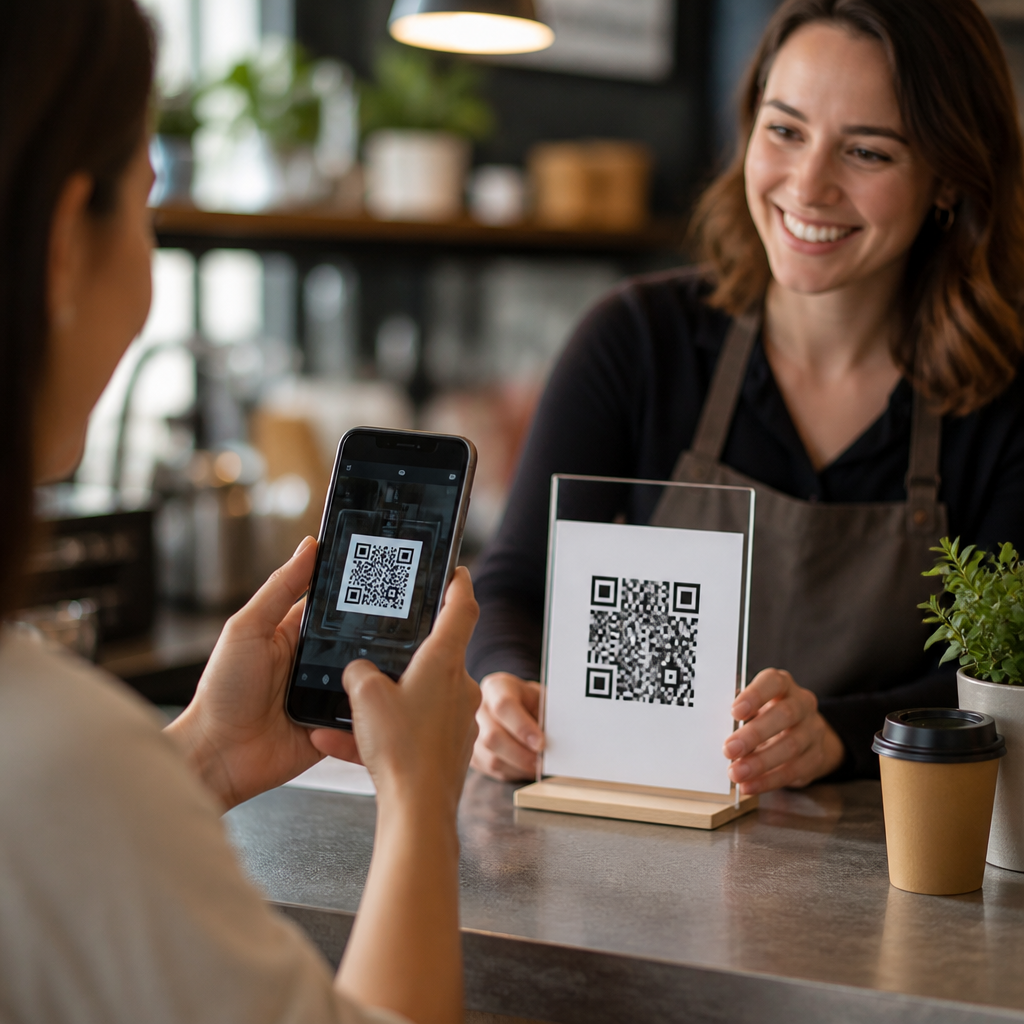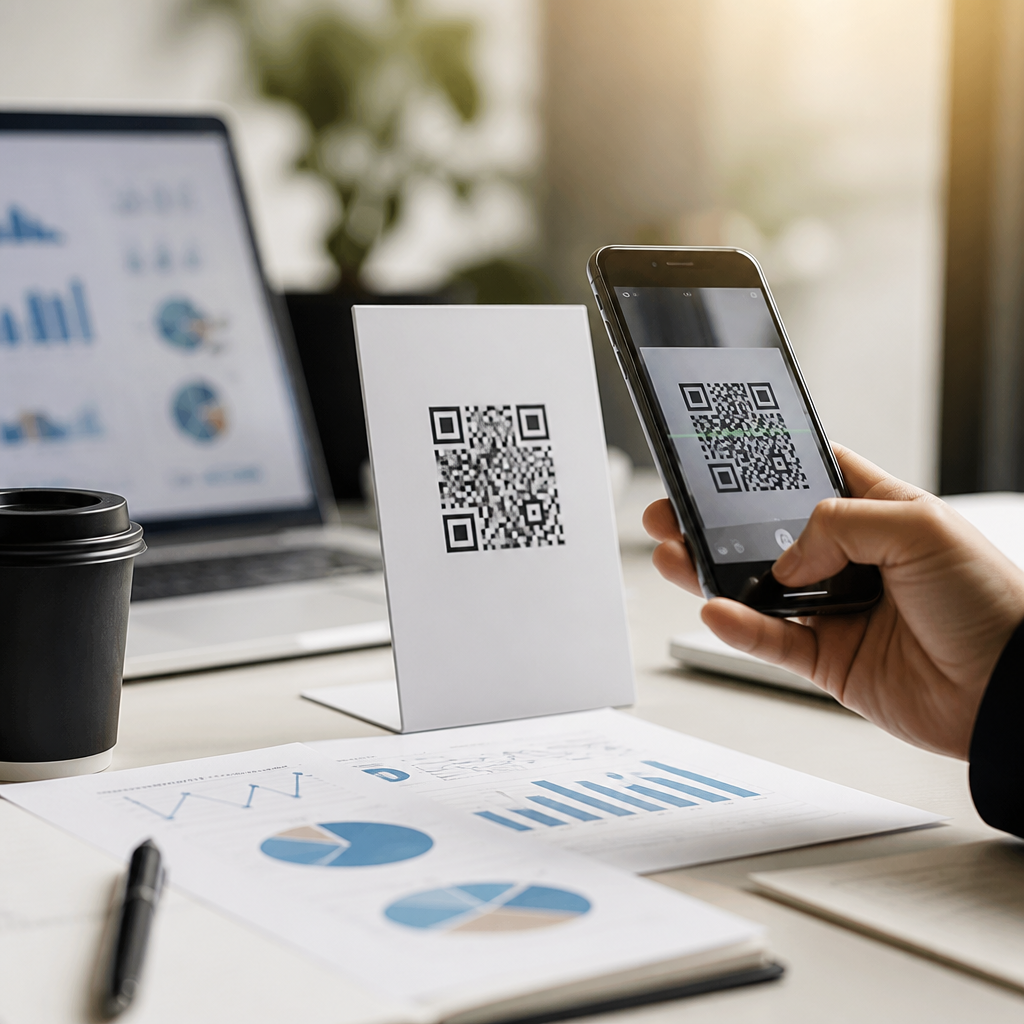
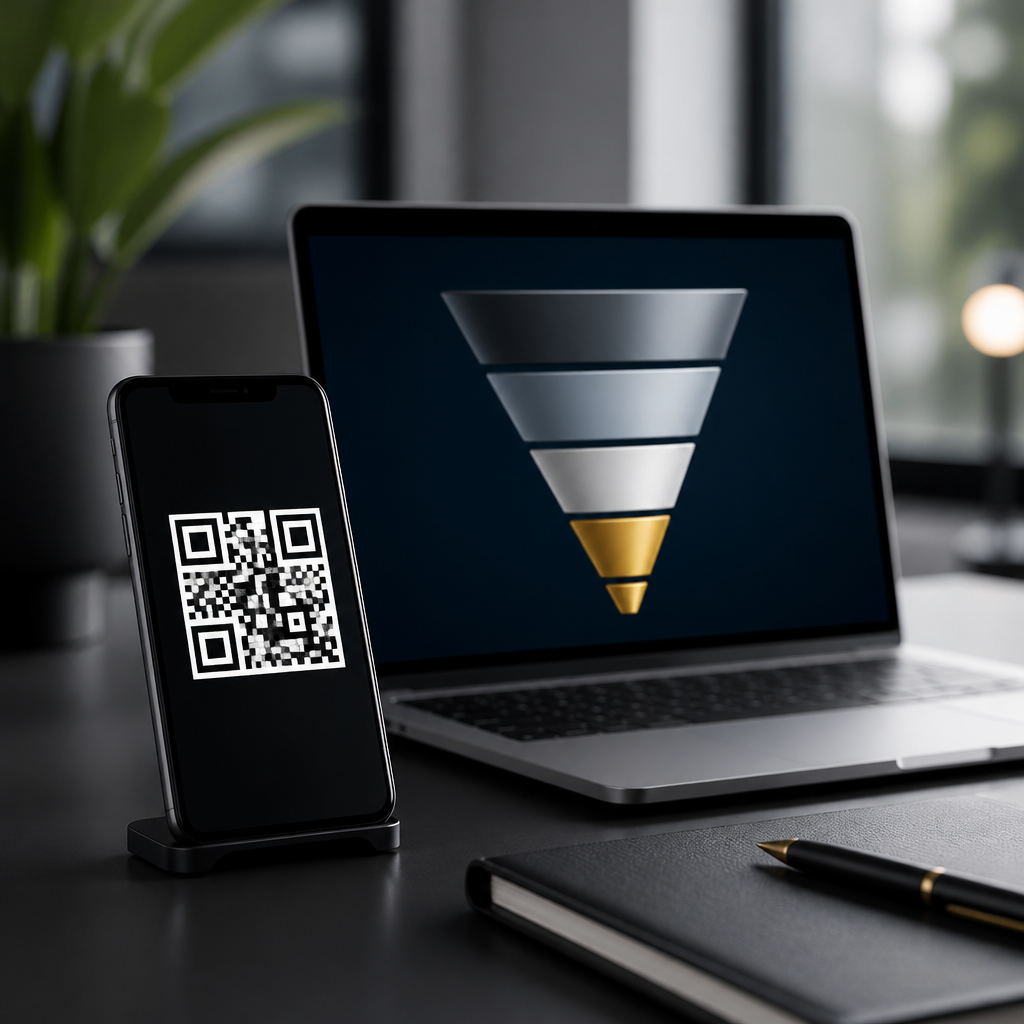
High-ticket services rarely sell from a single scan, yet a well-built QR code funnel can move strangers from offline attention to qualified consultation with remarkable efficiency. In this context, a QR code funnel is the sequence of touchpoints that begins when someone scans a code and continues through landing page engagement, lead capture, nurture, qualification, and booked sales conversation. High-ticket services include offers such as cosmetic dentistry, legal representation, wealth management, executive coaching, private medical procedures, commercial real estate brokerage, and enterprise consulting, where trust, timing, and buyer readiness matter far more than impulse. I have used QR campaigns for service businesses where each new client was worth thousands or even tens of thousands of dollars, and the pattern is consistent: the code itself is not the strategy; the funnel behind it is.
That distinction matters because many businesses treat QR codes as a convenience feature instead of a conversion asset. They place a code on a brochure, direct mail piece, event banner, vehicle wrap, or print ad, then send traffic to a generic homepage and wonder why scans do not become revenue. A homepage is designed to serve every visitor. A high-ticket funnel must serve one audience, one offer, and one next step. The advantage of QR codes is that they bridge physical intent and digital measurement. Unlike a vanity URL that someone may forget, a QR code reduces friction in the moment of curiosity. Unlike a broad social campaign, it can be tied to a specific placement, audience, and message. That makes QR codes especially useful in integrated marketing funnels where offline exposure creates online attribution.
For marketers building a sub-pillar strategy around integrating QR codes into marketing funnels, this topic deserves hub-page treatment because it connects channel execution, conversion design, lead qualification, and sales operations. A high-ticket purchase usually involves multiple stakeholders, risk assessment, social proof, and follow-up over days or weeks. The funnel must therefore answer practical questions immediately: What do you offer? Who is it for? Why trust you? What happens next? How long will it take? What will it cost, or at least what pricing range should someone expect? If the QR journey fails to answer those questions quickly, scan traffic leaks. If it answers them with precision and routes prospects into the right sequence, the funnel becomes a dependable acquisition system that can be optimized placement by placement.
This guide explains how to build that system comprehensively. You will learn how to map audience intent before generating a code, choose the right entry-point offer, structure landing pages for high-intent traffic, measure scan quality, qualify leads without adding unnecessary friction, and connect QR responses to CRM automation and sales follow-up. You will also see where QR funnels work best, where they underperform, and how to avoid the common mistakes that make expensive services look cheap or confusing. The goal is simple: use QR codes as a smart front door to a serious buying journey, not as a gimmick.
Start with audience intent, offer fit, and traffic context
The strongest QR code funnel begins before design. It starts with a clear understanding of who will scan, why they are scanning in that environment, and what level of commitment is realistic at that moment. Someone scanning a code from a conference booth has different intent from someone scanning a postcard at home or a code in a luxury condo lobby. In my campaigns, performance improved most when we stopped asking, “Where can we put a QR code?” and started asking, “What question is this person trying to answer right now?” That question determines the offer, page structure, and follow-up path.
For high-ticket services, the best QR entry points are rarely “Buy now.” They are low-friction, high-value next steps such as booking a consultation, completing an assessment, downloading a buyer’s guide, watching a short case-study video, or checking eligibility. A financial advisor may use “Scan to get the retirement tax checklist.” A med spa selling premium procedures may use “Scan to see if you are a candidate.” A B2B consultant may use “Scan for the audit framework used in $10M+ growth companies.” Each offer pre-qualifies through relevance. The person who scans for a generic brochure is curious. The person who scans for a diagnostic tool signals intent.
Traffic context also shapes expectations. Print pieces mailed to cold audiences usually need more education and stronger proof than QR codes shown after a speaking engagement, where authority has already been established. Event signage may produce many scans but lower immediate conversion because people are distracted. In-office materials often convert well because trust already exists. This is why dynamic QR codes are essential. They allow destination changes, UTM tagging, and placement-level reporting without reprinting assets. Static codes are acceptable for simple permanent uses, but they reduce your ability to test messaging and routing over time.
Design the landing page for one promise and one next action
Once someone scans, the landing page has seconds to confirm they are in the right place. The page should mirror the language and visual cues of the source material so the transition feels intentional. If the code appeared on a postcard offering a “private wealth strategy review,” the landing page headline should repeat that phrase or a very close variant. Message match is not cosmetic. It reduces cognitive friction and improves conversion rates because visitors do not have to reinterpret why they are there.
Effective high-ticket landing pages follow a simple hierarchy. First, restate the promise. Second, explain who the offer is for. Third, establish credibility with proof. Fourth, present the next step. Fifth, reduce risk by clarifying what happens after submission or booking. I prefer concise opening sections with a clear headline, a short explanatory paragraph, and a visible call to action above the fold. Then I add proof blocks: testimonials, case-study summaries, credentials, certifications, client logos if permitted, review scores, media mentions, or before-and-after evidence where compliant. For regulated industries such as law, healthcare, or financial services, all claims must align with advertising rules and privacy requirements.
The page should not ask for more than the prospect is ready to give. For a cold audience, a long intake form often suppresses submissions. For a warm audience with strong purchase intent, a structured qualification form can improve sales efficiency. The practical rule is this: collect only the information needed to route the lead correctly. Name, email, phone, and one qualifying field may be enough for a consultation request. Additional fields like budget range, service need, business size, timeline, or location can be added when they materially improve follow-up quality. Every extra field is a tradeoff between lead volume and lead clarity.
Use qualification steps that protect sales time without killing demand
High-ticket services depend on sales capacity, so a QR code funnel must filter serious prospects from casual scanners. The mistake is making that filter feel like homework. The better approach is progressive qualification: ask easy questions first, then gather deeper information after the visitor has committed to the next step. A cosmetic clinic might use a two-step flow: first, “Am I a candidate?” with three eligibility questions; second, after positive responses, a booking screen requesting contact details and preferred timing. An enterprise consultant may route prospects to a short diagnostic quiz, then direct qualified leads to schedule a discovery call while sending lower-fit leads to educational content.
Calendaring matters here. If you offer appointments directly, use tools such as Calendly, HubSpot Meetings, Chili Piper, or Salesforce scheduling integrations to reduce back-and-forth. But do not send every scanner straight to a calendar by default. That works best when the visitor already has strong trust signals. Otherwise, a short bridge page or brief explainer video can lift booked-call quality. I have repeatedly seen better show rates when the booking step is preceded by a ninety-second expectation-setting video explaining who the service helps, typical outcomes, and who is not a fit. Clarity discourages poor-fit leads and reassures serious buyers.
| Funnel Stage | Recommended QR Destination | Primary Metric | Best Use Case |
|---|---|---|---|
| Cold awareness | Educational landing page with guide or video | Opt-in rate | Direct mail, print ads, public signage |
| Warm consideration | Assessment or case-study page | Qualified lead rate | Events, referrals, speaking engagements |
| High intent | Consultation booking page | Booked appointments | In-office materials, follow-up mailers, sales collateral |
| Existing clients or patients | Upsell or referral page | Referral submissions | Receipts, welcome packets, waiting rooms |
Pricing transparency is another qualification lever. For many high-ticket services, hiding every pricing signal creates friction because buyers want to know whether your offer is even in range. Full public pricing is not always appropriate, especially for customized B2B engagements or medically variable treatment plans, but some form of anchoring helps. Examples include “engagements typically start at $7,500,” “most treatment plans range from X to Y,” or “minimum portfolio size applies.” This prevents wasted calls and signals confidence. Serious buyers do not require exact numbers immediately, but they do require honesty.
Connect the QR funnel to CRM, attribution, and follow-up automation
A QR code funnel is only as strong as the systems behind it. Every scan should be attributable by source, placement, campaign, and offer whenever possible. At minimum, use UTM parameters tied to each code variant and pass those values into your CRM. Platforms such as HubSpot, Salesforce, Zoho, GoHighLevel, and ActiveCampaign can capture source data, trigger automations, and segment leads by campaign. If ten different postcards, event signs, and brochures all point to one page, but you cannot distinguish which drove qualified appointments, optimization becomes guesswork.
Follow-up speed is critical. Research from lead management studies has long shown that fast response improves contact rates, and that principle applies strongly to QR traffic because intent is freshest immediately after the scan. For consultation requests, the ideal sequence includes an instant confirmation page, a confirmation email, optional SMS reminder if consented, and internal notification to the assigned sales or client services team. If the lead did not book a call but downloaded a resource, trigger a nurture sequence matched to the original offer. For example, someone who scanned for a “commercial lease audit checklist” should receive follow-up content about hidden lease costs, negotiation timelines, and case studies, not generic company newsletters.
This is also where offline and online funnel integration becomes powerful. A person may first scan from a print ad, then later return through branded search or direct traffic. Multi-touch attribution will never be perfect, but disciplined tagging, CRM notes, call tracking, and standardized sales-source reporting reveal patterns. In one service campaign, a direct mail QR code produced fewer total leads than paid search, but the booked-call-to-close rate was almost double because the mail piece framed the offer more clearly and attracted decision-makers. Without CRM-level tracking, that difference would have been invisible.
Optimize for scan rate, conversion rate, and sales quality together
Many teams optimize only for scans, which is like judging a seminar by registrations without checking attendance or sales. A high-performing QR code funnel balances three metrics: scan rate, landing page conversion rate, and downstream sales quality. Scan rate reflects creative effectiveness and placement visibility. Conversion rate reflects message match and page performance. Sales quality reflects audience fit, qualification design, and follow-up execution. Improving one while damaging the others is not success.
Practical testing starts with the physical asset. QR codes need adequate size, contrast, quiet space, and placement where a mobile camera can read them comfortably. The call to action near the code matters as much as the code itself. “Scan here” is weak. “Scan to see if you qualify,” “Scan to get the fee guide,” or “Scan to book a private consult” gives a reason. Then test landing page elements: headline, proof order, form length, video versus static hero, and booking flow. Use heatmaps and session recordings from tools like Hotjar or Microsoft Clarity to identify friction, especially on mobile.
Quality review should happen with sales, not just marketing. Listen to call recordings. Review no-show rates, close rates, average deal value, and sales-cycle length by QR source. A code on premium print collateral in a niche industry event may produce only a handful of leads each month, yet outperform broad placements on revenue per scan. That is normal for high-ticket services. The right benchmark is not always volume. It is profitable pipeline.
Common mistakes and the most effective real-world placements
The most common QR funnel mistakes are sending traffic to the homepage, using a generic call to action, failing to track source, asking for too much too early, and neglecting mobile page speed. Another frequent issue is poor offer alignment. A luxury home builder, for example, should not send magazine readers to a broad brand page when a “private design consultation” or “see available lots and pricing bands” page would better match buyer intent. Likewise, professional service firms often underuse proof. High-ticket buyers look for evidence, process clarity, and reassurance that they will not waste time.
As for placements, the best ones are usually materials that already signal seriousness: direct mail to a curated list, proposal leave-behinds, event programs, showroom signage, brochures used by referral partners, office displays, trade publication ads, premium packaging inserts, and post-consultation materials. Vehicle wraps and public posters can generate awareness, but they typically need broader educational offers. Referral channels are especially strong. A QR code on a partner’s handout, for example from a CPA referring to an estate attorney, carries transferred trust. In those cases, custom landing pages that acknowledge the partner relationship often outperform generic pages.
The core lesson is straightforward. QR codes do not shorten high-ticket buying journeys; they make the first transition easier and more measurable. When the scan leads to a focused page, a clear next step, thoughtful qualification, and disciplined follow-up, the funnel can create qualified appointments from offline attention at a cost many service businesses underestimate. Audit your current print, event, and in-person touchpoints, choose one audience and one offer, then build a dedicated QR code funnel that tracks outcomes from scan to sale.
Frequently Asked Questions
What is a QR code funnel for high-ticket services, and how is it different from a standard QR code campaign?
A QR code funnel for high-ticket services is not just a code that sends someone to a website. It is a structured sequence designed to turn offline interest into a qualified sales conversation. The funnel begins the moment a prospect scans the code and continues through the landing page, message positioning, lead capture, follow-up nurturing, qualification, and ultimately a scheduled consultation or strategy call. For premium services such as cosmetic dentistry, legal representation, wealth management, or other high-consideration offers, this sequence matters because most people will not make a major buying decision immediately after one interaction.
The main difference between a standard QR code campaign and a true QR code funnel is intent and depth. A basic campaign often focuses on generating a click or delivering quick information, such as a menu, brochure, or event page. A funnel, by contrast, is built to guide decision-making over time. It anticipates hesitation, addresses objections, builds trust, and qualifies the prospect before they reach your calendar. For high-ticket offers, that distinction is essential because buyers typically need more reassurance, more context, and more evidence before they are ready to engage.
A strong QR code funnel also aligns the offline source with the online experience. For example, someone scanning a code from a direct mail piece about premium dental veneers should land on a page that directly continues that conversation, not a generic homepage. The page should quickly confirm relevance, explain the value of the offer, present social proof, and invite the next best action. That next step might be downloading a guide, completing a short assessment, watching a short video, or booking a consultation, depending on where the prospect is in the buying journey.
In practice, the best QR code funnels for high-ticket services are less about instant conversion and more about controlled progression. They move a stranger from curiosity to confidence. When built correctly, they shorten the path from offline attention to meaningful sales opportunity while improving lead quality, follow-up efficiency, and conversion rates.
Why do high-ticket services need a funnel instead of sending scans directly to a booking page?
Sending every scanner directly to a booking page sounds efficient, but for high-ticket services it often creates friction rather than momentum. Most people who scan a QR code are still early in their decision process. They may be curious, interested, or even problem-aware, but they are not always ready to commit to a consultation with a premium provider. If the first online ask is too large, many will leave without taking any action at all.
A funnel works better because it respects the psychology of a high-consideration purchase. People evaluating expensive, trust-based services typically want answers before they want an appointment. They want to know whether you specialize in their issue, what makes your process different, what results others have experienced, what outcomes are realistic, and whether speaking with you is worth their time. A well-designed funnel addresses those questions in the right order and lowers resistance step by step.
There is also a qualification advantage. High-ticket consultations are valuable, and your calendar should be protected. If every scan goes straight to scheduling, you may end up with a mix of ideal prospects, poor fits, price shoppers, and uncommitted inquiries. A funnel helps filter this traffic before it reaches your sales process. You can use short forms, assessments, educational pages, or preference-based segmentation to determine who is serious, who needs more nurturing, and who is not a fit at all.
Another reason funnels outperform direct booking is follow-up control. If a prospect scans but does not book immediately, that does not mean the opportunity is lost. If the funnel captures contact information first, you can continue the conversation through email, text, retargeting, or a call sequence. This is especially important for services with longer decision cycles, where prospects may need days or weeks of reassurance before taking the next step.
In short, a booking page is often too abrupt for a cold or semi-warm prospect coming from an offline scan. A funnel creates trust, improves conversion efficiency, and helps ensure that the consultations you do book are more qualified and more likely to close.
What should the landing page include after someone scans a QR code for a high-ticket offer?
The landing page should feel like a direct continuation of whatever prompted the scan. That means the headline, visuals, and opening message should match the promise, pain point, or opportunity introduced offline. If the QR code appears on a print ad, seminar handout, brochure, office display, or direct mail piece, the prospect should immediately feel they landed in the right place. Relevance and clarity in the first few seconds are critical.
At a minimum, the page should include a strong headline, a concise explanation of the service or transformation, a credibility-building section, and one clear next action. For high-ticket services, it is also wise to include trust signals early. These can include testimonials, certifications, years of experience, media mentions, case examples, before-and-after outcomes where appropriate, or a brief authority statement from the provider. People are deciding not only whether the offer is interesting, but whether the provider is credible enough to justify further engagement.
The page should also answer the prospect’s immediate practical questions. Who is this for? What problem does it solve? What makes your approach different? What happens next? Why should someone trust you now? If the service is complex or emotionally charged, such as legal help or elective medical treatment, adding a short explainer video can be especially effective. Video builds familiarity quickly and can reduce anxiety around reaching out.
The call to action should match buyer readiness. In some cases, that will be a consultation booking button. In others, it may be smarter to offer a lower-friction step first, such as completing a short assessment, downloading a guide, requesting a pricing range, or submitting a qualification form. The page should not overwhelm the visitor with too many options. One primary action usually converts better than several competing paths.
Finally, the page must be mobile-first. Most QR scans happen on phones, so load speed, clean design, readable text, and simple forms are non-negotiable. If the page is slow, cluttered, or confusing on mobile, even strong offline interest can disappear instantly. For a high-ticket funnel, every detail on the landing page should work toward one goal: turning curiosity into enough trust and intent for the next qualified step.
How do you capture and nurture leads from a QR code funnel without being too aggressive?
The key is to make lead capture feel useful rather than intrusive. People are more willing to share contact information when they clearly understand what they will receive in return. In a high-ticket QR code funnel, that exchange should be tied to genuine value. Instead of asking for information with no context, offer something that helps the prospect make a better decision: a buyer’s guide, a cost planning resource, a case study collection, a checklist, a self-assessment, or access to a personalized next-step recommendation.
Once the lead is captured, the nurture process should be designed to build certainty, not pressure. High-ticket buyers often need repeated exposure before they act, but that exposure has to be strategic. Early follow-up should reinforce the problem you solve, clarify the outcome, and show why your process is trustworthy. This can happen through email sequences, text reminders, retargeting ads, or even a well-timed phone outreach if the lead has shown strong intent. The tone should be helpful and confident, not desperate or overly promotional.
Good nurture content usually includes proof, education, and expectation-setting. Proof can come from testimonials, client stories, reviews, and measurable outcomes. Education helps prospects understand the decision they are making, the options available, and the mistakes to avoid. Expectation-setting explains what working with you looks like, who is a good fit, and what happens during the consultation or onboarding process. When prospects know what to expect, they are more likely to move forward.
Segmentation also matters. Someone who watched a video, visited the pricing section, or started a booking form should not receive the same follow-up as someone who only downloaded a general guide. Behavior-based nurturing lets you tailor messaging to intent level. That makes the communication more relevant and less likely to feel pushy. You are responding to signals rather than blasting everyone with the same sequence.
The final principle is timing. Follow up soon after the scan while interest is fresh, but do not confuse frequency with effectiveness. A short, structured sequence usually outperforms constant reminders. The goal is to stay present, answer concerns, and make the next step easy when the prospect is ready. Done well, lead nurturing from a QR code funnel feels like professional guidance, not aggressive salesmanship.
How can you measure whether a QR code funnel is actually working for high-ticket services?
To measure a QR code funnel properly, you need to look beyond scans. A high scan count may look impressive, but if those scans do not turn into qualified consultations and closed business, the funnel is not doing its job. For high-ticket services, performance should be evaluated as a multi-stage process, with clear metrics at each point in the journey.
Start with top-of-funnel indicators such as scan volume, unique visitors, and landing page engagement. These numbers tell you whether the offline placement and message are