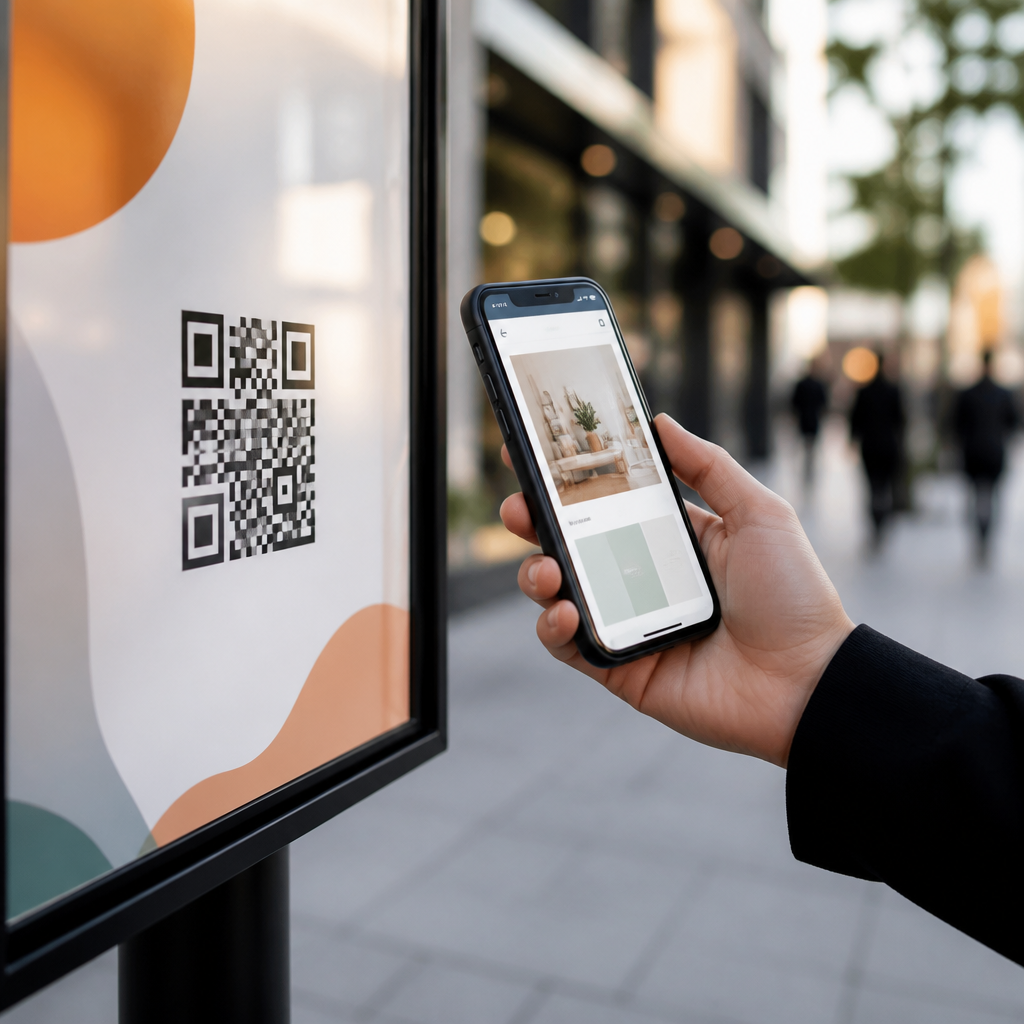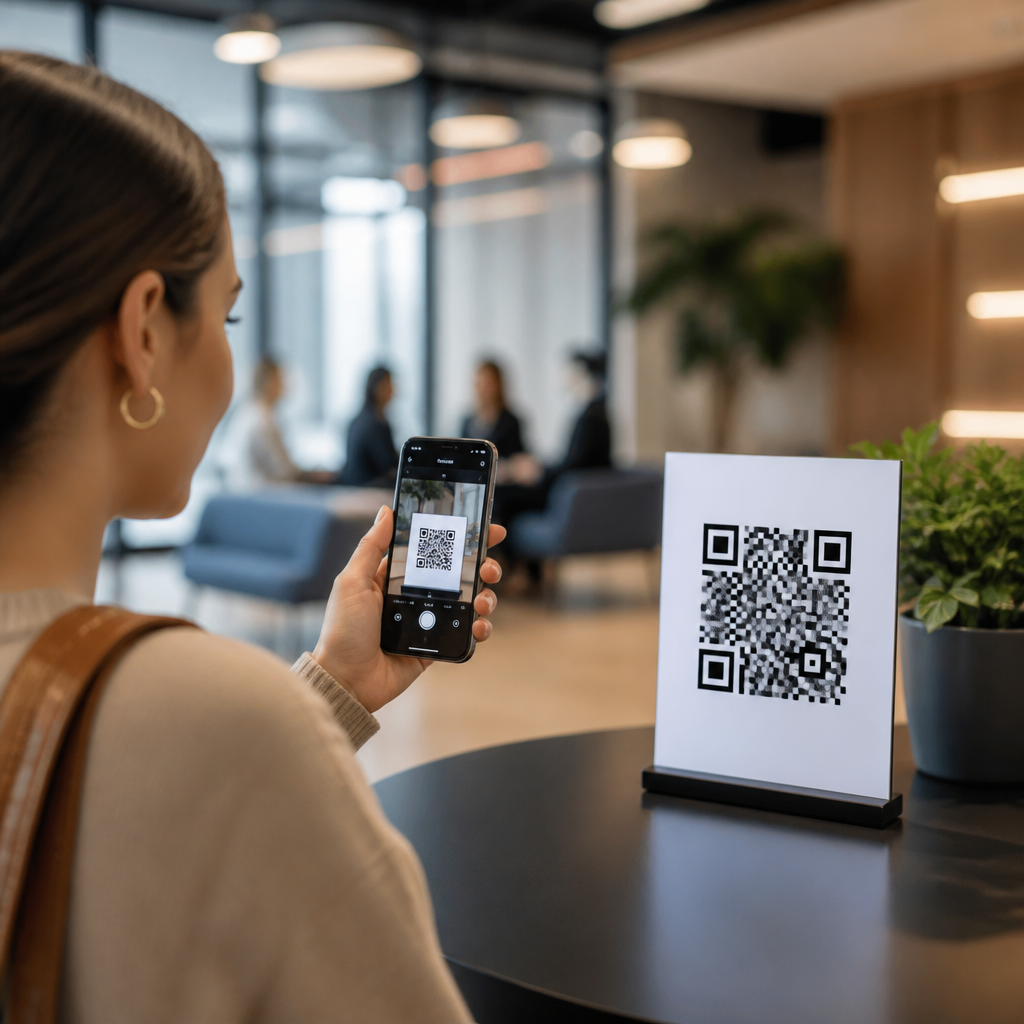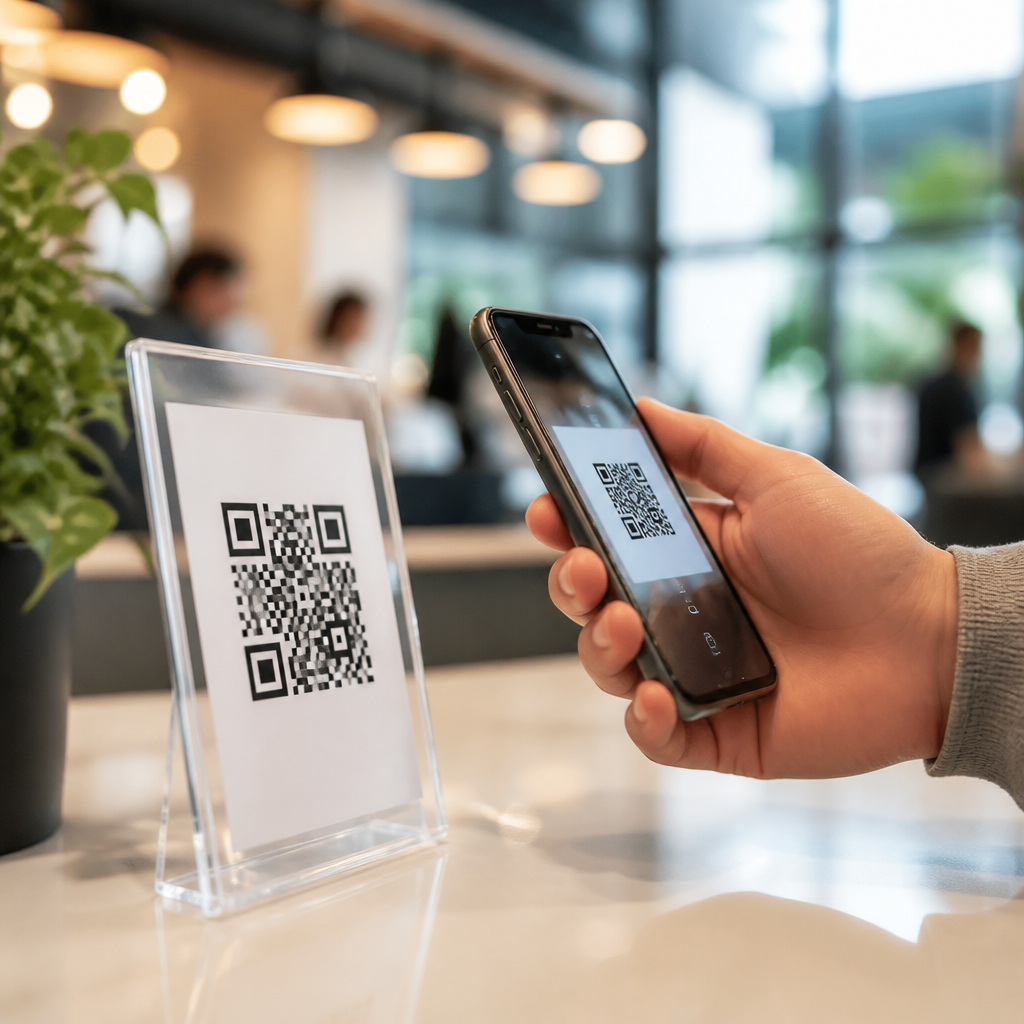

QR codes have become a durable marketing tool because they match how people actually discover, evaluate, and buy products across physical and digital touchpoints. A QR code, or quick response code, is a two-dimensional barcode that stores a URL, app action, contact card, payment link, coupon, video, or other machine-readable instruction. When a smartphone camera scans the code, the user moves from a poster, package, shelf tag, receipt, menu, direct mail piece, or in-store display to a digital experience in seconds. That simple bridge matters because modern consumer behavior is fragmented, mobile-first, impatient, and highly contextual.
I have seen this shift clearly in campaign work across retail, events, packaging, and local services. Customers rarely want extra steps. They do not want to type long web addresses, search for a product they are already holding, or wait for a sales associate to answer a basic question. They want immediate access to reviews, inventory, pricing, tutorials, loyalty offers, and checkout options at the exact moment intent appears. QR codes reduce friction at that moment of intent. That is the core reason QR codes work in marketing: they convert offline attention into measurable digital action.
The timing also explains the surge in QR code adoption. Smartphone camera integration removed the old need for separate scanner apps. Contactless behavior accelerated during the pandemic, but usage persisted afterward because the habit solved real convenience problems. Statista, GS1, and major payments providers have all documented growth in mobile commerce, digital payments, and connected packaging expectations. Consumers now assume that physical media should be interactive. For marketers, QR codes are no longer a novelty; they are infrastructure for linking channels, collecting first-party data, and improving campaign attribution.
To understand why QR codes work in marketing, it helps to define the behavioral forces behind them: convenience, speed, trust, relevance, and control. Consumers scan when the expected value is clear and the effort is low. They scan a restaurant menu to avoid waiting, a product package to verify ingredients, a poster to claim a limited offer, or a catalog to watch a demo before buying. Each action is small, but together they reveal a larger pattern. Consumer behavior is driving QR code adoption because the code fits how decisions now happen: in motion, on mobile, and across channels.
The behavioral shifts making QR codes effective
Consumer behavior has moved decisively toward immediate, self-directed interaction. In practical terms, that means buyers expect to answer their own questions with a phone before asking a brand for help. I regularly see higher engagement when a code resolves a clear information gap: Does this product fit my needs? Is there a discount? What do other customers think? Can I reorder fast? QR codes perform well because they meet micro-intent in the moment it appears.
Three shifts matter most. First, mobile has become the default decision device. Shoppers standing in an aisle compare prices, check ratings, and watch product videos before purchase. Second, trust is increasingly built through transparency rather than slogans. Ingredient sourcing, sustainability claims, assembly instructions, and authenticity verification all influence purchase confidence. Third, consumers are more comfortable moving between physical and digital environments without seeing them as separate channels. A shelf talker that opens reviews or a mailer that launches a booking page feels natural, not innovative.
This behavior changes campaign design. A QR code should not be treated as decoration. It needs a sharp value exchange and a destination that answers the next question immediately. When we moved a retail client from generic homepage QR links to product-specific landing pages with inventory status, ratings, and a store pickup button, scans were similar but conversions improved because the landing page matched intent. The code did its job as a friction remover, not as a gimmick.
Why QR codes work in marketing across the customer journey
QR codes are effective because they support every stage of the customer journey, from awareness to retention. In awareness campaigns, they turn passive impressions into active sessions. A transit ad can send commuters to a product teaser, giveaway, or store locator. In consideration, codes placed on packaging, shelf displays, and brochures can answer objections with comparisons, testimonials, FAQs, and demonstration videos. During conversion, a code can lead directly to checkout, coupon redemption, financing details, or a payment page. After purchase, the same mechanism supports onboarding, warranty registration, review requests, refill subscriptions, and loyalty enrollment.
That versatility is valuable because consumer behavior is rarely linear. People may notice a brand in one channel and convert in another days later. QR codes create continuity between those moments. A cosmetics brand can place a code on end-cap signage that opens shade-matching content, then retarget visitors who did not purchase. A B2B exhibitor can add codes to booth graphics that route visitors to segmented landing pages by industry, making post-event follow-up far more precise. The common thread is traceability. Unlike many traditional offline media, QR traffic can be tagged with UTM parameters, tied to campaign IDs, and analyzed in analytics platforms.
Marketers often ask whether QR codes work better than short URLs or near-field alternatives. The answer depends on context, but QR codes win when speed and visibility matter. A shopper can scan from a distance, in motion, without typing. The activation cue is visual, immediate, and familiar. That matters in environments where attention is scarce and abandonment is easy.
High-performing marketing uses and the consumer needs they address
The strongest QR code campaigns align a specific consumer need with a specific action. On product packaging, codes often support education and trust. Food brands use them to show nutritional detail, recipes, farm sourcing, or recall information. Beauty brands use them for tutorials and routine builders. Electronics brands use them for setup guides and troubleshooting. In each case, the code reduces uncertainty that might otherwise slow purchase or increase returns.
In retail stores, QR codes help consumers compare and decide without waiting for assistance. A furniture store can place codes on floor models that open dimensions, fabric options, delivery times, and augmented room previews. A hardware retailer can link shelf labels to installation videos. These experiences work because they respect the shopper’s pace. People want autonomy, especially for routine questions.
Direct mail is another strong channel. Physical mail gets attention, but response improves when the path to action is effortless. I have used QR codes on postcards for appointment booking, quote requests, and event registration, and the best results came when the offer was specific and time-bound. “Scan to schedule a free roof inspection this week” performs better than “Learn more” because the consumer instantly understands the benefit. Menus, receipts, window clings, event badges, and outdoor signage follow the same rule: clear promise, fast payoff.
| Marketing context | Typical consumer question | Best QR destination | Primary metric |
|---|---|---|---|
| Product packaging | What is this and can I trust it? | Ingredients, sourcing, tutorial, reviews | Engaged sessions |
| In-store display | Is this right for me right now? | Comparison page, inventory, coupon | Add-to-cart rate |
| Direct mail | Is this offer worth acting on? | Dedicated landing page or booking form | Conversion rate |
| Events and trade shows | How do I follow up fast? | Lead capture, demo booking, asset download | Qualified leads |
| Receipts and post-purchase inserts | What should I do next? | Review request, loyalty signup, support hub | Retention actions |
Trust, convenience, and the psychology behind scan behavior
Consumers do not scan blindly. They scan when the expected reward outweighs the perceived risk. That means trust signals matter. Branded QR codes, recognizable domains, concise instructions, and obvious relevance increase scan likelihood. So does physical placement. A code next to a product claim such as “See third-party test results” or “Watch 30-second setup” gives the user a concrete reason to engage. Generic prompts create hesitation because the consumer cannot predict the destination.
Convenience is equally important. The destination must load quickly, work on mobile, and continue the context of the scan. If a customer scans a code on a specific shoe display and lands on a generic homepage, the experience breaks. If that same code opens the exact product page with available sizes at the nearest store, the interaction feels useful. In campaigns I have audited, poor landing-page relevance is a more common failure point than low scan volume.
There is also a psychological ownership effect. When consumers choose to scan, they feel they are pulling information on their own terms rather than being pushed through an ad. That sense of control lowers resistance. It is one reason QR codes often outperform longer response paths in environments where users are skeptical of hard sells.
Measurement, optimization, and common mistakes
One reason QR codes matter strategically is measurement. Dynamic QR codes allow marketers to change destinations without reprinting creative, segment scans by location or asset, and monitor performance in near real time. Combined with analytics tools such as Google Analytics 4, campaign tagging, call tracking, and CRM integration, QR scans can reveal which offline placements generate traffic, leads, revenue, or repeat purchases. This is especially useful for out-of-home media, packaging, and print, where attribution has historically been weak.
Optimization starts with the basics: use a mobile-first landing page, keep copy specific, and match the destination to the exact context of the scan. Include one primary call to action. Test code size, contrast, placement height, and distance. ISO/IEC standards and generator best practices exist for a reason: low contrast, crowded designs, and distorted shapes can reduce readability. Error correction helps, but it does not rescue bad creative decisions.
Common mistakes are predictable. Marketers link to homepages, fail to explain why someone should scan, place codes where there is no signal or too little dwell time, or neglect privacy expectations when collecting data. Another mistake is treating every code the same. A packaging code meant for post-purchase education should not use the same landing experience as a top-of-funnel poster. Consumer intent differs, so content should differ too.
Accessibility and security also deserve attention. Add a nearby short URL for users who cannot scan. Use HTTPS destinations and avoid link shorteners that hide the domain if trust is critical. For regulated sectors such as healthcare, finance, and alcohol, review compliance language carefully before launching. Good QR marketing is not only easy to scan; it is safe, understandable, and aligned with the user’s context.
How this hub supports a stronger QR code marketing strategy
As a hub within a broader QR codes in marketing strategy program, this topic should guide marketers toward practical implementation decisions. The central lesson is straightforward: QR codes work because they align with consumer behavior better than many older response mechanisms. People want speed, relevance, transparency, and low effort. A well-placed code delivers all four while giving marketers measurable data and flexible campaign control.
From here, related topics naturally branch into deeper tactical articles: QR code landing page design, dynamic versus static QR codes, packaging use cases, retail signage best practices, direct mail optimization, analytics setup, and QR code security. That structure mirrors how teams actually plan campaigns. First they need the “why,” then the channel-specific “how.” This hub establishes the why with enough depth to support those next decisions.
The takeaway is simple. If you want to understand why QR codes work in marketing, look at consumer behavior first. Buyers move fluidly between offline and online, rely on smartphones during decision-making, and reward brands that remove friction at the moment of intent. Build QR experiences that answer immediate questions, match the scan context, and lead to a fast mobile action. Audit your current print, packaging, store, and event assets, identify where customers still face unnecessary effort, and add QR codes where they create a clear next step.
Frequently Asked Questions
Why are QR codes becoming more popular as consumer behavior changes?
QR codes are gaining traction because they align closely with how modern consumers prefer to interact with brands. People now move fluidly between physical and digital environments when researching products, comparing options, and making purchasing decisions. A shopper might notice a product on a shelf, read reviews on a phone, look for a discount, watch a demo video, and complete a purchase within minutes. QR codes support that behavior by reducing friction between offline discovery and online action.
Instead of asking consumers to remember a web address, search for a product manually, or download materials later, a QR code provides an immediate bridge. One quick scan can open a landing page, product guide, coupon, app download, loyalty program, payment screen, or customer support channel. That level of convenience matters because consumer expectations are now shaped by speed, relevance, and ease of access. The more effortless the journey feels, the more likely users are to engage.
Another major factor is smartphone normalization. Most consumers already carry devices with built-in cameras and native QR scanning capabilities, so the technology no longer feels unfamiliar or inconvenient. As a result, QR codes have evolved from a novelty into a practical response mechanism that meets consumers in the exact moment they want more information. Their popularity is not just about the code itself. It is about the way the code fits real buying habits.
How do QR codes improve the customer journey across physical and digital touchpoints?
QR codes improve the customer journey by connecting touchpoints that used to feel disconnected. In traditional marketing, a consumer might see an ad in a store, on packaging, or in direct mail, but then need to take several extra steps to continue the experience online. Each extra step creates a chance for attention to drop off. QR codes simplify that transition by turning a static object into an interactive entry point.
For example, a package can link to ingredient details, setup instructions, warranty registration, or a reorder page. A shelf tag can open customer reviews, product comparisons, or inventory availability. A restaurant menu can connect to ordering, allergen details, or loyalty rewards. A poster or event sign can direct users to ticket purchases, promotional videos, or sign-up forms. In each case, the QR code removes guesswork and gives consumers a direct next step that feels natural in the moment.
This matters because today’s customer journey is rarely linear. Consumers often research before buying, continue evaluating while in-store, and seek post-purchase support after the transaction. QR codes serve each of those stages by making information, actions, and services instantly accessible. When implemented well, they create continuity between brand channels, reduce friction, and support a more responsive and satisfying customer experience.
What makes QR codes effective for influencing purchase decisions?
QR codes are effective because they support the kind of information-rich, low-friction decision-making that consumers now expect. Many buyers do not make decisions based on packaging or signage alone. They want proof, context, reassurance, and sometimes an incentive before they commit. A QR code can deliver all of that immediately at the point of interest.
When someone scans a code, a brand can provide product specifications, how-to videos, testimonials, user-generated content, FAQs, price comparisons, social proof, or limited-time offers. This is especially valuable in categories where confidence matters, such as health products, electronics, beauty, food, home goods, and higher-consideration retail purchases. If a consumer is hesitating, the right digital content delivered through a QR code can answer objections and move the person closer to conversion.
QR codes also work well because they capture intent in real time. A person who scans is actively choosing to engage, which means the brand has a timely opportunity to present relevant content. That immediacy can have a meaningful effect on purchase behavior. Rather than relying on a consumer to come back later, the QR code allows the brand to support the decision right where curiosity begins. In practical terms, that can mean better engagement, stronger conversion rates, and a more measurable path from interest to action.
Are QR codes only useful for marketing, or do they support the full customer lifecycle?
QR codes are far more than a top-of-funnel marketing tool. While they are highly effective for driving awareness and engagement, their value extends across the full customer lifecycle, from discovery to post-purchase service and retention. That broad usefulness is one reason they have become a durable part of modern customer experience strategy.
At the awareness stage, QR codes can connect consumers to campaigns, promotions, product launches, and educational content. During evaluation, they can provide reviews, comparison charts, feature breakdowns, and buying guides. At the point of sale, they can activate mobile payments, digital coupons, or cart completion flows. After purchase, they can lead to setup videos, care instructions, registration forms, troubleshooting resources, support chat, and reorder options.
They are also valuable for retention and loyalty. Brands can place QR codes on receipts, inserts, packaging, or displays to encourage repeat purchases, collect feedback, enroll customers in rewards programs, or recommend complementary products. In that sense, QR codes help brands maintain a relationship beyond the initial transaction. They are effective because they are flexible, inexpensive to deploy, and capable of serving many different business goals with a single familiar action: scan and continue.
What are best practices for using QR codes in a way that matches consumer expectations?
To match consumer expectations, QR codes should be easy to find, simple to scan, and tied to a clear value exchange. People are far more likely to engage when they know exactly what will happen after scanning. That means brands should include a short call to action near the code, such as “View product details,” “Get 15% off,” “Watch the demo,” or “Pay now.” Clarity improves trust and increases scan rates.
Destination quality is just as important as code placement. The landing experience should be mobile-friendly, fast-loading, and directly relevant to the context in which the code appears. If a QR code is printed on packaging, the linked content should support product usage or repurchase. If it appears in-store, it should help shoppers evaluate or buy. Sending users to a generic homepage creates friction and weakens the experience.
Brands should also pay attention to design, size, contrast, and placement. A QR code must be large enough to scan comfortably and positioned where lighting, distance, and movement will not interfere. Dynamic QR codes can be especially useful because they allow marketers to update destinations and track performance without reprinting materials. That measurement capability helps brands understand scan behavior, test campaigns, and refine customer journeys over time.
Finally, the experience should respect consumer trust. Avoid sending users to confusing pages, requiring unnecessary steps, or collecting excessive information too early. The most effective QR code experiences feel helpful, immediate, and purposeful. When brands use QR codes to solve real consumer needs in the moment, adoption follows naturally.