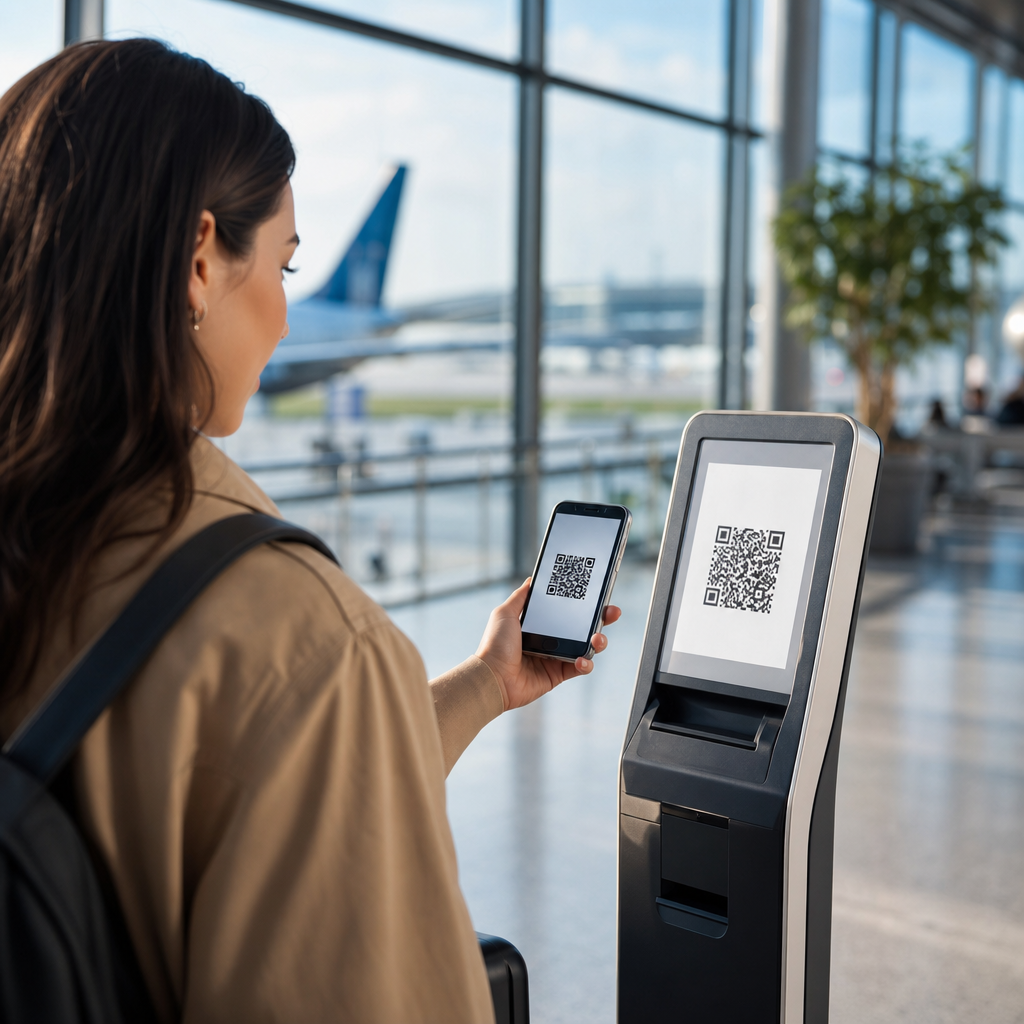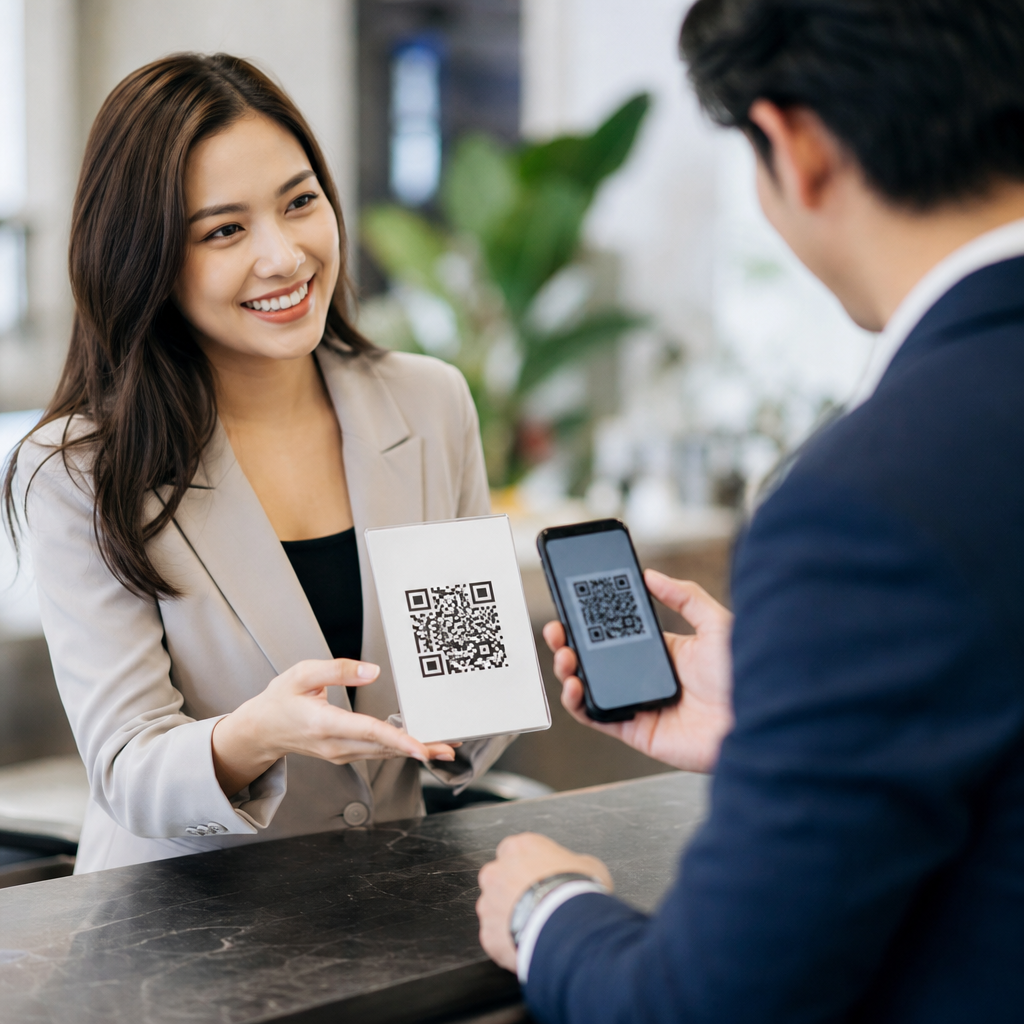
Entrepreneurs use QR codes for marketing because they turn any physical touchpoint into a measurable digital action, bridging packaging, signage, print, events, and in-store experiences with landing pages, coupons, menus, videos, reviews, and payments. A QR code, short for Quick Response code, is a two-dimensional barcode that a smartphone camera can scan instantly. For small businesses, that simple scan solves a persistent problem I have seen across retail counters, trade show booths, cafés, salons, and service businesses: interest is easy to spark, but hard to capture in the moment. When a potential customer has to type a long web address, search for a brand later, or remember an offer after leaving, conversions drop. QR codes remove that friction. They matter because they are low cost, fast to deploy, easy to update when generated dynamically, and highly trackable when linked to campaign-specific URLs. In practical terms, that means a neighborhood bakery can move customers from a window poster to an online preorder page, a real estate agent can connect yard signs to virtual tours, and a fitness studio can turn printed flyers into trial-pass signups. As smartphone scanning behavior has become routine, QR codes have shifted from novelty to infrastructure. Entrepreneurs now use them not just to share information, but to attribute offline marketing, personalize offers, collect first-party data, and improve customer experience without adding staff workload.
Small business QR code wins usually come from matching the code to a specific customer intent. Someone standing in front of a product wants details, proof, or a discount. Someone at a restaurant table wants a menu, ordering flow, or loyalty reward. Someone leaving a service appointment may be willing to post a review if the process takes ten seconds instead of two minutes. The strongest campaigns answer that immediate need clearly and give the customer one obvious next step. That is why QR code marketing works best when the destination is purpose-built, mobile optimized, and relevant to the exact place where the code appears. Entrepreneurs who treat QR codes as generic links often underperform; those who design the full scan journey see measurable gains in leads, sales, repeat visits, and review volume. This hub explains how small businesses use QR codes effectively, where they place them, what kinds of results are realistic, which tools and metrics matter, and what mistakes to avoid when building campaigns that connect offline attention to online action.
Why QR codes work for small business marketing
QR codes work because they compress the path between curiosity and action. In campaign audits I have run for local businesses, the biggest lift usually comes from eliminating small frictions rather than inventing a new offer. A customer may absolutely intend to join a loyalty program, book an estimate, or watch a product demo, but even ten extra seconds can interrupt that intention. Scanning is faster than typing, and speed matters most in transitional moments: waiting in line, sitting at a table, walking past a storefront, opening a package, or checking out after a service visit. For entrepreneurs with limited budgets, this makes QR codes disproportionately useful. They can improve existing materials rather than requiring a whole new ad channel.
Another reason QR codes perform well is that they support measurable offline attribution. By using UTM parameters, unique landing pages, or dynamic QR platforms such as Bitly, QR Code Generator Pro, Uniqode, or Beaconstac, a business can see which poster, package insert, postcard, table tent, or booth sign drove the scan. That visibility changes decision-making. Instead of asking whether print works in general, an owner can compare specific placements, messages, and offers. This is especially valuable for small businesses that need to allocate every marketing dollar carefully. Dynamic codes also allow destination URLs to change without reprinting the code, which is critical for seasonal promotions, limited inventory, rotating menus, or event-based campaigns.
Best QR code use cases with real small business wins
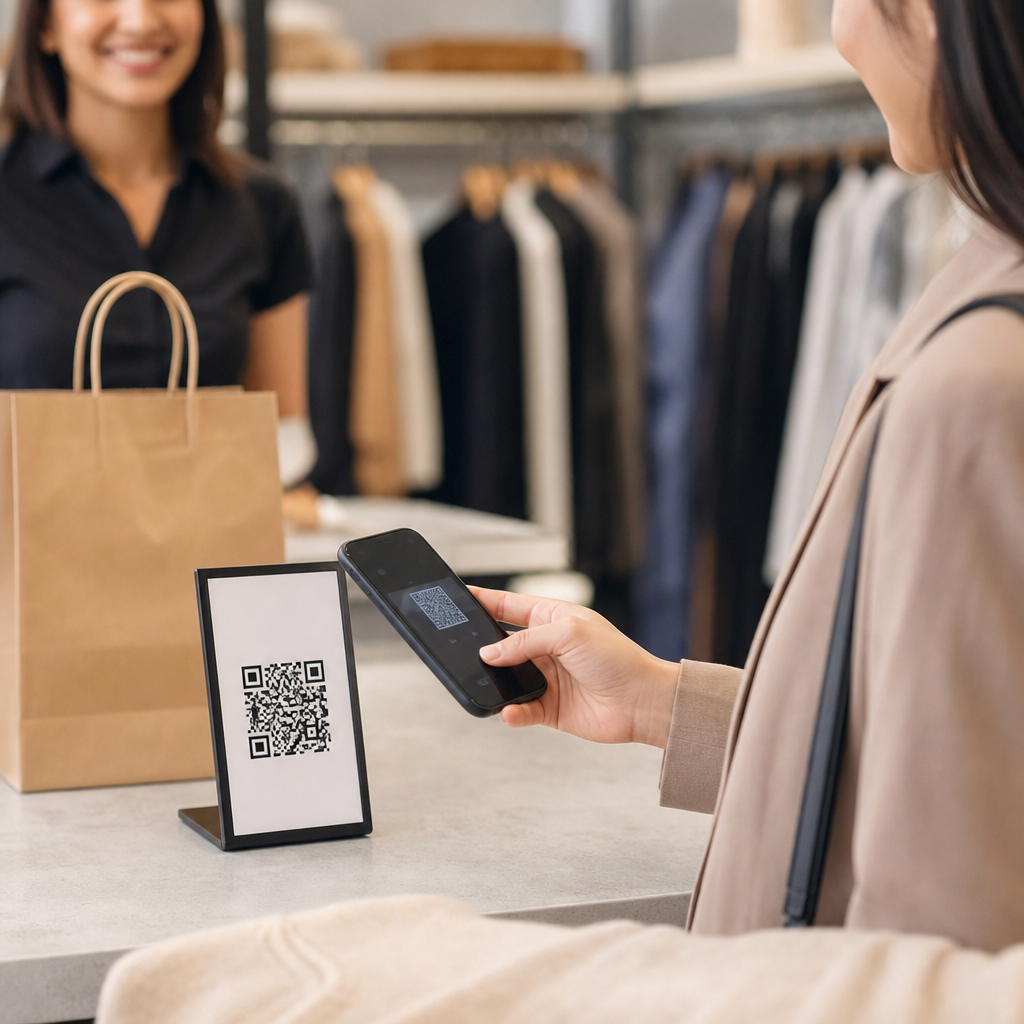
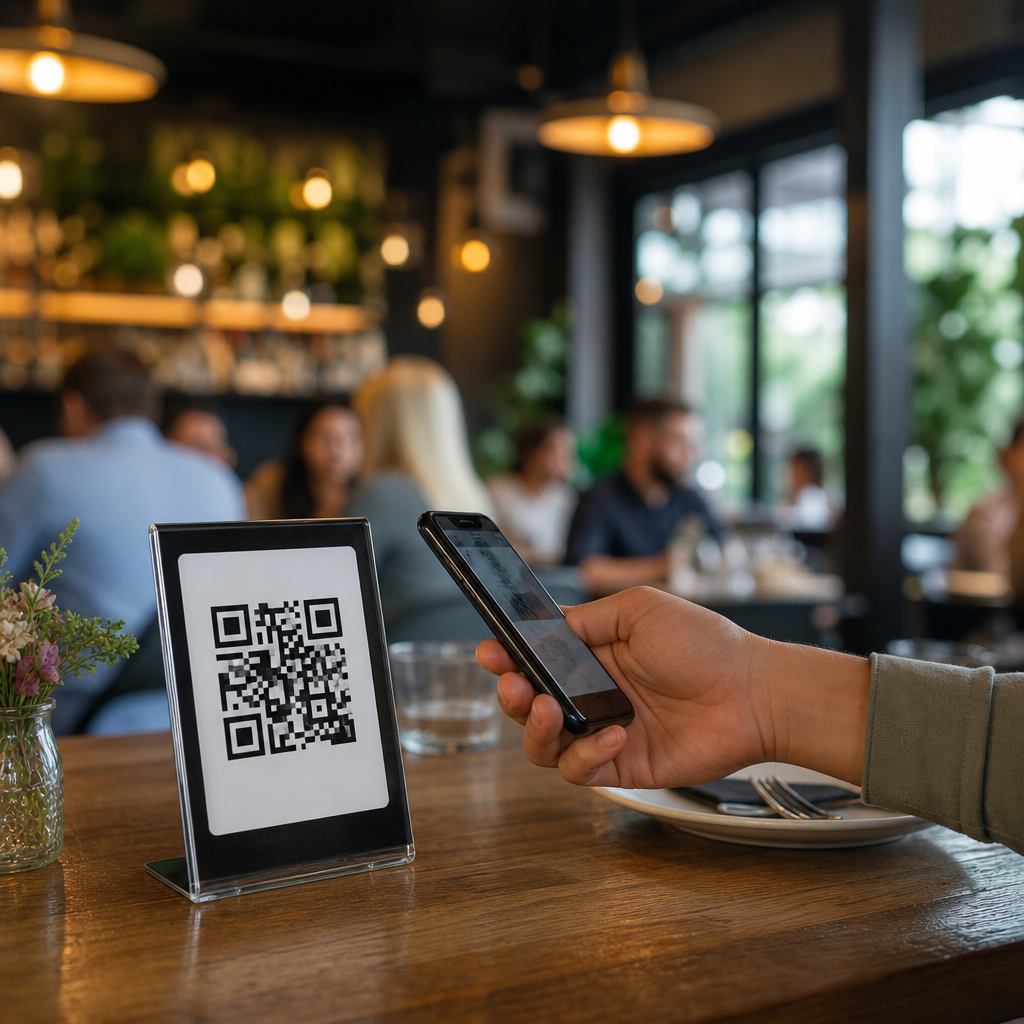
The most successful use cases align with customer context. Restaurants use QR codes for menus, ordering, waitlists, catering inquiries, and loyalty enrollment. Retail stores place them on shelf talkers, product packaging, receipts, and fitting room signage to deliver style guides, care instructions, reviews, and upsell offers. Home service companies add them to door hangers, invoices, vehicle wraps, and yard signs to drive estimate requests and before-and-after galleries. Professional services firms use them on brochures and event materials to route prospects to case studies, booking pages, or downloadable guides. Fitness studios, spas, and salons frequently place them at reception and mirrors for memberships, rebooking, referral incentives, and review requests.
Consider a café that wants to increase repeat visits. A QR code on the cup sleeve can send customers to a mobile loyalty landing page with a simple reward: buy five drinks, get one free. The code is timely because the customer is already consuming the product. A boutique retailer can print a QR code on garment tags linking to short videos showing fit, styling combinations, and washing instructions; this can reduce hesitation and returns. A contractor can place a code on a leave-behind card after an estimate that opens a page with project photos, financing information, testimonials, and a request-a-call form. These are small business QR code wins because they connect the next likely question to the next easy action.
| Business type | QR code placement | Destination | Primary goal |
|---|---|---|---|
| Café | Cup sleeve, counter sign | Loyalty signup page | Repeat purchases |
| Boutique retail | Product tag, shelf display | Product video and reviews | Conversion lift |
| Salon | Mirror decal, receipt | Rebooking and review page | Retention and reputation |
| Real estate | Yard sign, brochure | Virtual tour and lead form | Lead capture |
| Home services | Invoice, van wrap | Estimate request page | Qualified inquiries |
How entrepreneurs design QR code campaigns that convert
High-performing campaigns start with one goal, one audience, and one action. If a QR code tries to serve too many intents, it confuses the user. I advise owners to decide whether the code is for lead generation, direct sales, customer education, retention, reputation management, or event engagement. From there, build the mobile destination specifically for that purpose. A review QR code should open directly to the review prompt or a review-routing page, not a home page. A menu QR code should load fast, display readable text without pinching, and avoid forcing an app download. A product education QR code should answer obvious objections quickly, ideally above the fold.
The call to action beside the code matters as much as the code itself. “Scan to see this week’s lunch specials” outperforms “Scan me” because it tells the customer what they will get. Placement also affects response. Codes should appear where the user has a natural pause and adequate lighting, with enough white space around the symbol and a printed size that can be scanned from the intended distance. Error correction level, contrast, and destination speed all matter. A beautifully branded code still fails if it sits on reflective glass in dim light or opens a slow page with intrusive pop-ups. Strong campaigns reduce uncertainty at every step.
Tracking metrics, attribution, and campaign optimization
Entrepreneurs should treat QR codes as performance channels, not decorative assets. The baseline metrics are scans, unique scans, scan-to-visit rate, bounce rate, conversion rate, and downstream revenue. If the goal is lead generation, track completed forms, booked calls, or estimate requests. If the goal is retention, track repeat visits, loyalty enrollments, and customer lifetime value. Integrate QR campaigns with Google Analytics 4, CRM systems such as HubSpot or Zoho, and point-of-sale data where possible. UTM parameters should identify source, medium, campaign, and placement so an owner can separate scans from a package insert versus a sidewalk sign.
Optimization usually comes from testing message, placement, and destination rather than changing the QR code design itself. For example, a florist may test “Scan for same-day bouquet availability” against “Scan for today’s pickup specials.” A gym might compare front-desk signage to locker-room mirrors for trial-pass signups. A retailer can test a category page against a curated bundle page. Dynamic QR systems make these experiments practical because the printed code stays the same while the target changes. Over time, businesses can identify not just which campaigns generate scans, but which ones generate profitable customers. That distinction matters because high scan volume with low purchase intent can waste staff follow-up time.
Common mistakes that weaken QR code marketing results
The most common mistake is linking to a generic home page. That forces the user to do extra work and breaks the intent match that makes scanning effective. Another frequent problem is poor mobile experience: tiny text, slow load times, confusing navigation, cookie banners that block content, or forms with too many fields. I also see businesses place codes without context, assuming customers will scan out of curiosity alone. Most people need a reason, whether that is a discount, useful information, convenience, or a clear next step. Weak printing choices can hurt performance too, including low contrast colors, warped surfaces, glossy materials, or codes placed too high or too far away.
There are also strategic mistakes. Sending every audience to the same destination makes it impossible to learn what each touchpoint does. Using static codes for changing promotions creates operational headaches when offers expire. Failing to monitor scan data means broken links or underperforming placements can persist for weeks. Some businesses ask for too much too soon, such as requiring account creation before showing a menu or demanding a long form before sharing pricing guidance. Privacy and trust matter as well. Users should know what happens after the scan, especially when a code leads to payment, messaging apps, or data collection. Clear branding and secure pages build confidence.
Building a scalable hub of small business QR code wins
As a hub topic, small business QR code wins should connect strategy to practical examples across industries. The strongest content architecture usually branches into restaurant QR code ideas, retail packaging campaigns, event lead capture, service business review generation, real estate signage, nonprofit donation flows, and product education use cases. This structure helps readers find a case close to their own business model while preserving the bigger lesson: the best QR campaigns work because they reduce friction at the exact moment a customer is most likely to act. Internal links between these related case studies strengthen topical depth and help readers move from broad planning to specific execution.
Entrepreneurs who win with QR codes do not rely on the code itself as the strategy. They pair a clear promise, a relevant destination, strong measurement, and continuous testing. Start with one high-intent touchpoint, such as receipts, packaging, tables, or post-service follow-up. Use a dynamic code, a mobile-first landing page, and a concise call to action. Track scans and business outcomes, then refine the campaign based on real behavior. Small business QR code wins are rarely dramatic overnight breakthroughs; they are repeatable improvements that make marketing easier to measure and customer actions easier to complete. If you want better results from physical marketing, begin with one QR code campaign tied to one concrete business goal, and build from there.
Frequently Asked Questions
What is a QR code, and why is it so useful for entrepreneurs in marketing?
A QR code, or Quick Response code, is a two-dimensional barcode that a smartphone camera can scan instantly to open a digital destination such as a landing page, coupon, menu, video, review form, payment screen, or contact card. For entrepreneurs, that simple action is powerful because it connects offline attention to online action without asking customers to type a long web address, search for a brand manually, or download a separate app. In practical terms, a QR code turns physical touchpoints like packaging, storefront signs, flyers, receipts, table tents, event booths, and business cards into measurable marketing assets.
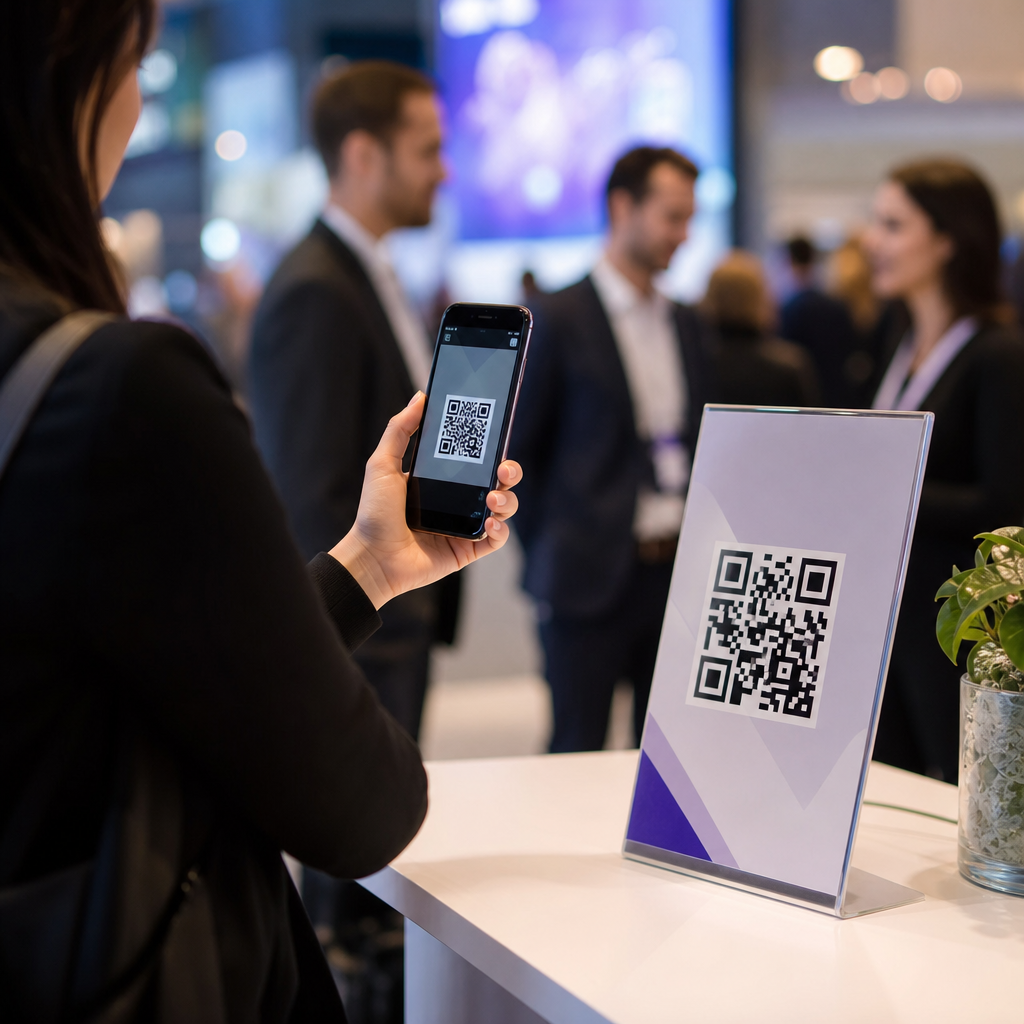
This matters because many small businesses struggle with one consistent problem: customer interest happens in the real world, but conversion often needs to happen digitally. QR codes bridge that gap. A person standing in a café can scan to view the menu, join a loyalty program, and leave a review. Someone at a trade show can scan a booth display to download a brochure, watch a product demo, or book a follow-up call. A retail customer can scan product packaging to see instructions, subscribe for offers, or unlock a discount on their next purchase. Instead of hoping people remember to act later, entrepreneurs can capture intent in the moment.
QR codes are also useful because they support speed, convenience, and tracking at the same time. Customers appreciate a frictionless experience, and business owners appreciate being able to measure scans, traffic sources, campaign timing, and engagement. That combination makes QR codes more than a trendy add-on. Used well, they become a low-cost, flexible marketing tool that helps entrepreneurs generate leads, increase sales, improve customer experience, and learn which offline placements are actually producing results.
How do entrepreneurs use QR codes across packaging, signage, print materials, and in-store marketing?
Entrepreneurs use QR codes anywhere a customer might have a moment of attention and a phone in hand. On product packaging, a QR code can link to setup instructions, care guides, ingredient sourcing, warranty registration, product videos, or cross-sell offers. This is especially valuable for brands that want packaging to do more than just identify the product. It can educate buyers, reinforce trust, and create an ongoing relationship after the purchase. For example, a skincare brand might place a QR code on the box that opens a usage tutorial and recommended product routine, while a food business might use one to share recipes or nutritional details.
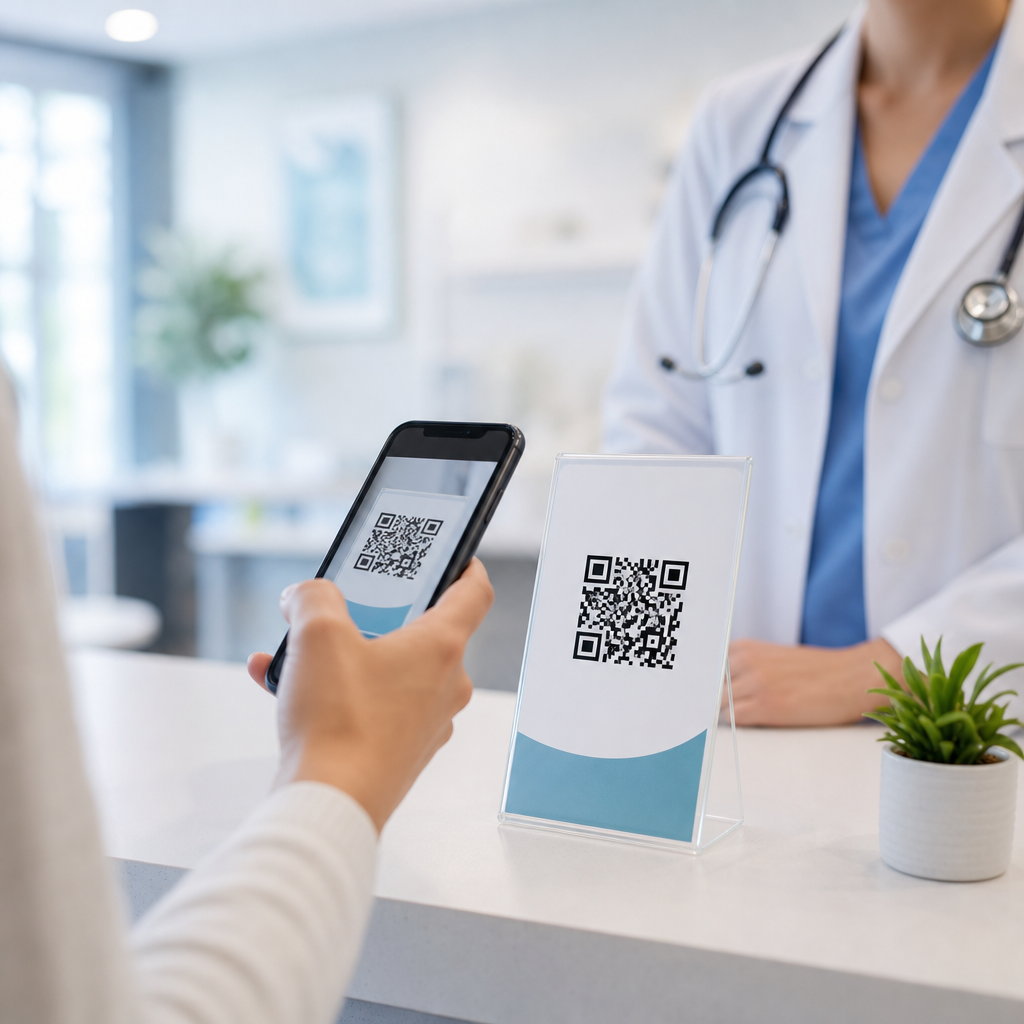
On signage, entrepreneurs often use QR codes in windows, counters, posters, shelf talkers, and point-of-sale displays. A storefront code can help people browse products after hours, claim a first-time visitor coupon, or get directions to another location. In a waiting area or checkout line, a code can encourage newsletter signups, app downloads, or loyalty enrollment. In restaurants and cafés, QR codes frequently connect customers to menus, seasonal specials, payment links, catering information, or review requests. In service businesses, a front-desk sign might send customers directly to booking pages, intake forms, or consultation offers.
Print marketing is another strong use case. Entrepreneurs place QR codes on flyers, brochures, postcards, catalogs, direct mail pieces, event handouts, business cards, and even vehicle wraps. This gives traditional print a direct response function. Instead of treating print as awareness only, business owners can send readers to a targeted landing page built for one campaign. That page might collect leads, distribute a limited-time discount, or deliver a downloadable guide. At trade shows and pop-up events, QR codes reduce friction dramatically by letting attendees access pitch decks, product sheets, booking forms, demo videos, and contact information in seconds. In-store, the same principle applies: every display can become interactive, measurable, and conversion-focused when the code leads to a clear next step.
What are the biggest marketing benefits of using QR codes for a small business?
The biggest benefit is convenience. QR codes make it easy for customers to act immediately, and that matters because marketing performance often depends on timing. If someone has to remember your offer, type your URL later, or search for your business after they leave, conversion rates usually drop. A QR code captures interest at the exact moment it exists. That can lead to more email signups, coupon redemptions, bookings, online orders, reviews, and purchases because the path from attention to action is shorter.
Another major benefit is measurability. Entrepreneurs can use QR codes to understand which physical assets are driving engagement. A code on product packaging may perform differently than one on a window sign, direct mail card, or event banner. With the right setup, business owners can compare scan volume, location performance, campaign timing, and follow-through on the landing page. That insight helps entrepreneurs allocate budget more intelligently and improve future campaigns. Instead of guessing whether print or in-person promotions are working, they can see real user behavior tied to specific placements.
QR codes are also cost-effective and versatile. They can support promotions, education, customer service, lead generation, and retention without requiring a large advertising budget. One code might power a holiday coupon campaign, while another supports product education or post-purchase onboarding. For lean businesses, that flexibility is valuable. QR codes can also improve customer experience by reducing friction, speeding up transactions, enabling touch-free interactions, and giving people instant access to useful information. When combined with a well-designed mobile landing page and a clear call to action, they become a practical tool for building trust, increasing engagement, and making offline marketing more accountable.
What should entrepreneurs link a marketing QR code to for the best results?
The best destination depends on the customer’s context and the goal of the campaign. A QR code should never lead to a generic homepage unless there is a very good reason. In most cases, entrepreneurs get better results by sending people to a focused mobile-friendly page that matches exactly what they expect after scanning. If the code is printed on a flyer promoting a discount, it should open directly to the offer. If it appears on restaurant signage, it should go straight to the menu or ordering page. If it is on event materials, it might link to a lead capture form, demo booking page, or downloadable brochure. Relevance is what makes QR campaigns convert.
Strong destinations include landing pages, limited-time coupons, restaurant menus, appointment booking pages, product demonstration videos, customer review forms, payment links, loyalty signup pages, email opt-in offers, app download pages, and digital contact cards. Post-purchase links can also work very well. For example, a QR code on packaging or receipts might lead to setup instructions, care tips, FAQs, referral incentives, or a review request. For service businesses, codes often perform best when they simplify one high-value action such as scheduling, requesting a quote, or starting a consultation.
Entrepreneurs should also think carefully about user intent. Someone scanning a code on a window after business hours may want quick information like hours, directions, availability, or online ordering. Someone scanning on product packaging may want support or education. Someone at a trade show may want more proof, pricing, or a fast way to share contact details. The landing experience should be fast, clear, and optimized for phones. A concise headline, minimal distractions, a strong call to action, and fast page load speed can make the difference between a scan that converts and one that gets abandoned.
What are the best practices entrepreneurs should follow to make QR code marketing successful?
First, always give people a reason to scan. A QR code by itself is not a strategy. It needs a clear call to action that explains the benefit, such as “Scan for 10% off,” “Scan to view the menu,” “Scan to book a free consultation,” or “Scan to watch the demo.” When the value is obvious, scan rates improve. Entrepreneurs should also make sure the code is easy to see, large enough to scan comfortably, and placed where people have both time and space to use their phones. A code on a moving vehicle or in a dim corner is far less effective than one positioned at eye level near a clear prompt.
Second, test the full experience before publishing. The code should scan quickly across different phones, and the destination page should load fast and display properly on mobile devices. If the landing page is slow, confusing, or not aligned with the promise near the code, users will drop off. It is also important to avoid overloading a page with too many choices. In QR marketing, clarity wins. One code, one message, one strong next step is usually the best formula.
Third, track and refine performance. Entrepreneurs should monitor scan data, page engagement, conversions, and the effectiveness of each placement. Using unique QR codes for different campaigns or locations makes it easier to see what is working. A business might discover that receipt-based codes drive more reviews, packaging codes drive more product education, and event booth codes generate more leads. That kind of insight helps improve both creative and placement decisions over time.
Finally, maintain trust and brand consistency. The destination should look professional, reflect the brand clearly, and reassure users that they are in the right place. If possible, use branded landing pages and concise URLs behind the code. Entrepreneurs should also keep content updated, especially for menus, promotions, event pages, and seasonal campaigns. A QR code becomes much more valuable when it stays relevant and useful. The businesses that get the