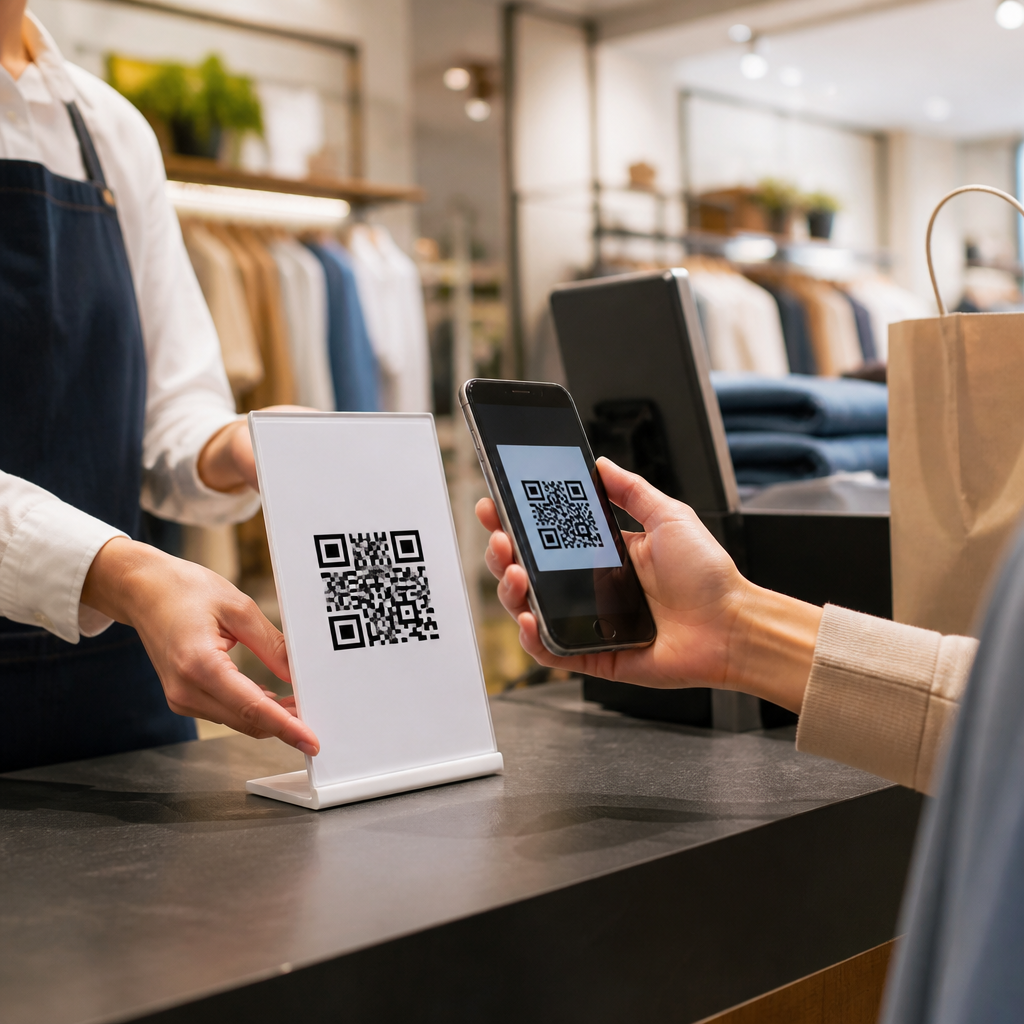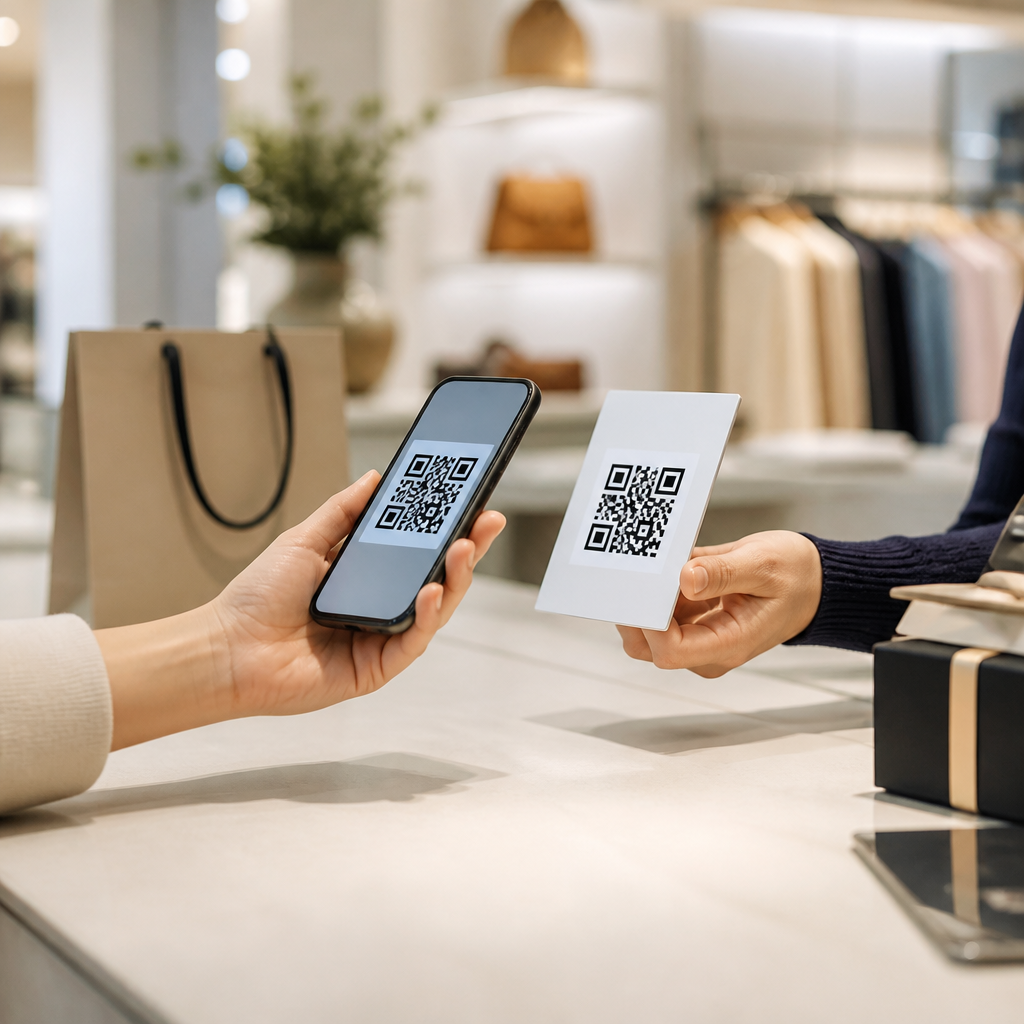
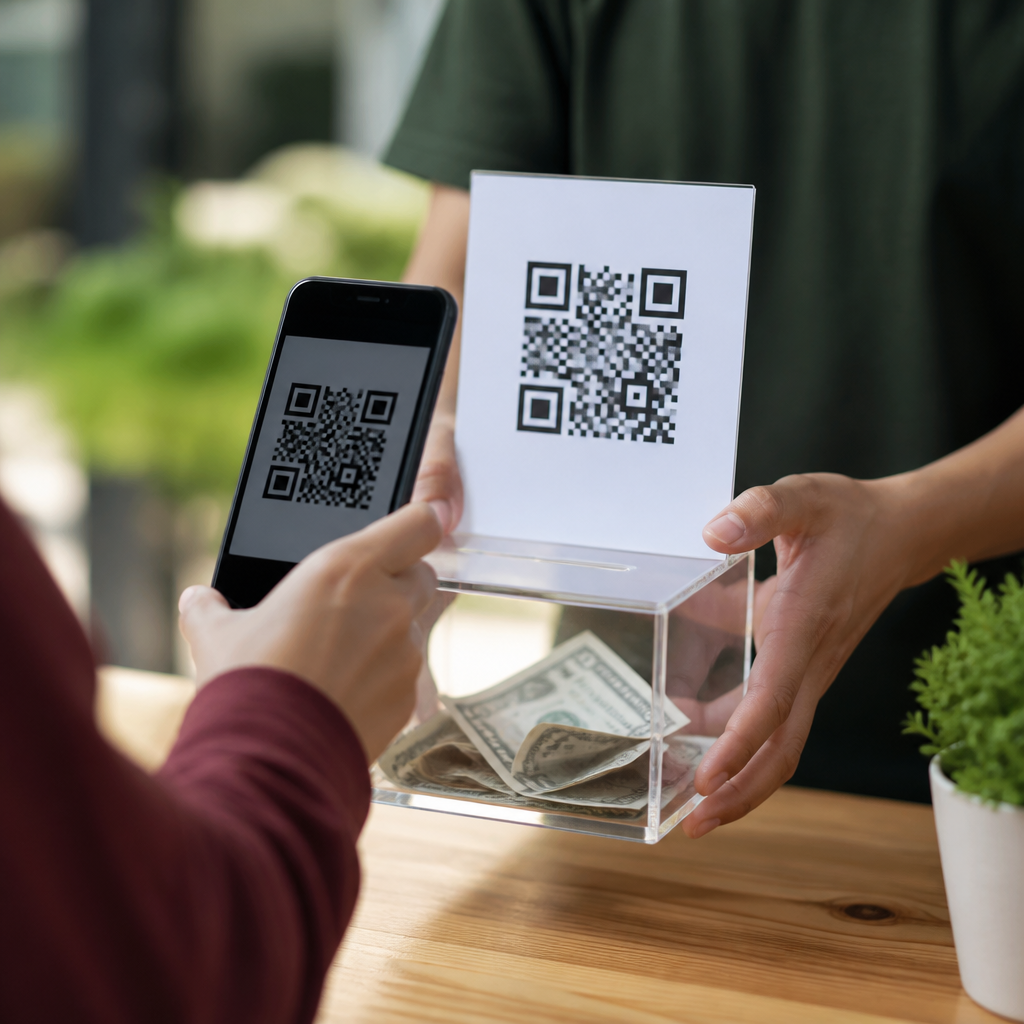
QR codes for fundraising campaigns have moved from a novelty on event posters to a dependable donation channel that nonprofits can measure, optimize, and scale. In practical terms, a QR code is a scannable image that sends a supporter to a digital destination, usually a donation form, campaign landing page, event registration page, volunteer sign-up, or impact report. For fundraising teams, that simple bridge between physical attention and online action matters because it removes friction at the exact moment a donor feels motivated to give. I have implemented QR-driven campaigns for annual appeals, gala tables, direct mail, storefront partnerships, and emergency response appeals, and the pattern is consistent: when the destination is relevant and the ask is clear, scan-to-donate outperforms generic “visit our website” instructions by a wide margin.
Nonprofits use QR codes in fundraising because they solve a specific problem: attention is often offline while conversion happens online. A person sees a poster in a hospital lobby, a sponsorship banner at a 5K, a church bulletin insert, or a rescue campaign flyer in a café window. If the only next step is typing a long URL, many prospects never complete it. A QR code shortens that path to seconds. Modern smartphone cameras scan natively, so no separate app is usually required. Dynamic QR codes add another layer of value because teams can update the destination URL without reprinting materials, track scans by location or asset, and run A/B tests on the pages behind the code. Those capabilities turn a static print piece into a measurable fundraising touchpoint.
The key terms matter. Static QR codes point permanently to one destination and cannot usually be edited after printing. Dynamic QR codes redirect through a short URL, which allows edits, analytics, and campaign management. Scan rate refers to how often people scan relative to impressions or distribution volume. Conversion rate measures how many scans become donations, registrations, or other desired actions. Attribution is the discipline of identifying which channel or asset produced a gift. Donation form completion rate, average gift size, recurring donor conversion, and cost per acquired donor are the metrics that determine whether a QR fundraising strategy is truly working.
For nonprofits, this topic matters beyond convenience. Donor acquisition costs continue to rise across paid social and search, while print, events, community partnerships, and out-of-home placements still generate trust and local visibility. QR codes let fundraising teams connect those offline investments to digital reporting. They also support accessibility and speed during time-sensitive campaigns, such as disaster relief, giving days, or matching gift challenges. Most important, they meet donors where they are. A first-time supporter may not remember an organization’s web address, but they will scan a well-placed code if the message is concrete: feed a family tonight, fund one student for a week, or sponsor veterinary care for a rescued animal. That clarity is what makes QR codes effective in nonprofit fundraising.
How QR Codes Fit Into a Nonprofit Fundraising Strategy
QR codes work best when they are treated as conversion tools, not decoration. The strategic question is not “Where can we place a code?” but “What donor intent exists at this moment, and what page should we send people to next?” In fundraising planning, I map QR codes to campaign stages: awareness, consideration, donation, follow-up, and retention. A code on a volunteer T-shirt at a community event may lead to a lightweight story page with a soft ask. A code on a gala paddle insert should usually lead directly to a mobile-optimized donation form preloaded with the event campaign designation. A code on a mailed appeal can route to a personalized landing page aligned with the letter’s message and ask amount.
The most effective campaigns pair the code with a single, specific action. “Scan to donate $25 and provide school supplies for one student” performs better than “Learn more about our mission.” Specificity reduces cognitive load. It also improves post-scan conversion because the landing page can repeat the exact promise made in the printed message. Message match is one of the most overlooked factors in QR fundraising results. If a donor scans a code on a holiday hunger appeal and lands on a generic homepage, the campaign loses momentum immediately.
Operationally, QR campaigns should sit inside the same systems that power other fundraising channels. That means integrating donation forms with a CRM such as Salesforce Nonprofit Cloud, Blackbaud Raiser’s Edge NXT, Neon CRM, Bloomerang, DonorPerfect, or HubSpot. It also means tagging URLs with campaign parameters for analytics in Google Analytics 4 and recording source details in the donor database. Without clean attribution, teams can see scans but not revenue, which limits optimization and board-level reporting.
Best Use Cases for QR Codes in Fundraising Campaigns
Industry-specific use cases for nonprofits and fundraising fall into a few reliable categories. Direct mail is one of the strongest. Adding a QR code to a letter, postcard, or annual report insert gives recipients an instant path to a mobile donation page. This is especially useful for older donors who increasingly use smartphones even when they prefer print communication. At events, QR codes streamline bidding registration, pledge fulfillment, raffle entries, text-to-give backups, and post-event donations. I have seen table-tent QR codes lift night-of giving simply because attendees could act during the emotional peak of the program instead of waiting to find the right webpage later.
Storefront and community partner fundraising is another high-performing use case. Restaurants, retailers, gyms, and libraries often agree to display nonprofit flyers, countertop cards, or window clings. A QR code lets those placements generate measurable traffic and gifts. Faith-based organizations also use codes effectively in bulletins, seat backs, welcome packets, and mission trip support campaigns. For museums, arts groups, and public media organizations, QR codes can appear on signage near exhibits or performance programs, connecting moments of appreciation to immediate patron support.
Emergency fundraising may be the clearest example of QR value. During a flood, wildfire, or local crisis, nonprofits need a fast path from awareness to contribution. A code on press handouts, mutual aid posters, or partner organization social graphics can direct donors to a crisis-specific form with preset giving amounts and transparent use-of-funds messaging. Because dynamic codes can be updated, the same printed assets can keep working even if the destination page changes during the response effort.
| Use Case | Best Placement | Ideal Destination | Primary Metric |
|---|---|---|---|
| Direct mail appeal | Letter, reply card, envelope insert | Campaign-specific donation page | Gifts per 1,000 pieces mailed |
| Fundraising event | Table tents, screens, programs, badges | Mobile donation or pledge form | Night-of conversion rate |
| Community partnership | Counter cards, posters, window decals | Partner-tracked landing page | Revenue by location |
| Emergency appeal | Flyers, press materials, field signage | Rapid-response donation page | Time-to-first-gift and total revenue |
| Volunteer activation | T-shirts, clipboards, training packets | Sign-up page with soft donation ask | Volunteer-to-donor conversion |
How to Design QR Codes That People Actually Scan
A fundraising QR code should be easy to notice, easy to trust, and easy to use. Start with size. For posters and flyers viewed at arm’s length, a code around 1 x 1 inch can work, but larger is safer. For signage viewed from several feet away, increase the size substantially. A common rule is a scanning distance ratio of roughly 10:1, meaning a code intended to be scanned from 10 feet away should be about 1 foot wide. Contrast is equally important. Dark code on a light background remains the most dependable option. Brand colors are fine if contrast remains high, but low-contrast palettes routinely reduce scan reliability.
Add a short call to action directly above or below the code. People should know what happens after the scan and why it is worth doing. “Scan to give a meal,” “Scan to sponsor one seat,” or “Scan for our gala donation page” is better than placing a code alone. Surrounding whitespace matters as well because crowded layouts interfere with scan recognition. If the code links to a donation page, include trust cues nearby: the organization name, a short campaign description, and when relevant, a note about secure payment processing through Stripe, PayPal, or another recognized provider.
Testing is nonnegotiable. Before printing, scan on iPhone and Android devices under varied lighting conditions, from different distances, and after exporting artwork to final production format. I also recommend printing a sample on the actual material, because glossy surfaces, fabric texture, curved signage, and outdoor glare can all affect usability. If a code fails in real conditions, the campaign fails with it.
Donation Page and Tracking Requirements
The page behind the QR code determines fundraising results more than the code itself. It must load quickly, display cleanly on mobile, and keep the form short. In most nonprofit campaigns, every extra field lowers completion. Ask only for what is necessary to process the donation and steward the donor properly. Apple Pay, Google Pay, PayPal, and autofill options can meaningfully improve mobile conversion because they reduce typing. Suggested giving amounts should align with the campaign promise and donor context. A local school fundraiser may perform well with options like $15, $35, and $75, while a capital campaign event may justify much higher anchors.
Tracking should be built before launch. Use unique dynamic QR codes for each placement, even when the landing page is the same. A poster in a coffee shop, a postcard, and an event table sign should not share one code if attribution matters. Apply UTM parameters consistently, then verify that your analytics platform and CRM capture source, medium, campaign, and content values. On the CRM side, map gifts from QR traffic to appeals or campaigns so finance and development teams can reconcile income accurately. If recurring giving is a goal, create a version of the page that foregrounds monthly support and compare its performance with a one-time giving default.
Data governance matters too. Nonprofits must handle donor data responsibly, maintain privacy disclosures, and follow payment security standards. A QR code should never send supporters to a page that looks improvised or insecure. Trust is fragile in fundraising, and poor digital hygiene can depress conversions even when donor intent is strong.
Common Mistakes and How to Avoid Them
The most common mistake is linking to a homepage instead of a campaign-specific landing page. That forces supporters to hunt for the right action and wastes intent. Another frequent error is using one code everywhere, which makes optimization impossible. Teams then know scans happened but cannot tell whether direct mail, event signage, or partner placements generated the gifts. A third problem is poor context. Codes placed on banners, posters, or handouts without a clear benefit rarely perform well because the user does not know what they will get after scanning.
I also see nonprofits overdesign codes with heavy logos, unusual shapes, or low-contrast color treatments. Brand consistency matters, but readability matters more. Similarly, some teams launch with no fallback URL printed nearby. While QR adoption is broad, providing a short memorable link is still smart for accessibility and edge cases. Finally, organizations often neglect stewardship after the donation. The thank-you page, email receipt, and follow-up sequence should reflect the campaign that triggered the gift. If someone scans a code to support animal rescue, the acknowledgment should mention that appeal specifically and show near-term impact.
Building a Hub of QR Fundraising Resources
As the central page for nonprofits and fundraising under a broader QR codes in marketing topic, this hub should connect related subtopics that answer the next questions teams naturally ask. Useful supporting articles include QR codes for fundraising events, QR codes in direct mail appeals, dynamic versus static QR codes for nonprofits, QR code donation page best practices, how to track offline fundraising attribution, and community partnership campaign examples. Internal links among those articles help readers move from strategy to execution while reinforcing the organization of the topic.
A strong resource hub also reflects how nonprofit teams actually work. Development directors care about revenue and donor retention. Marketing managers care about creative, placement, and campaign analytics. Advancement operations staff care about CRM mapping, reconciliation, and reporting. Executive directors and boards care about efficiency and evidence. QR fundraising content should address all four perspectives with practical guidance, not just design tips. When the strategy, technology, and donor experience are aligned, QR codes become more than a convenience feature. They become a measurable fundraising channel that supports acquisition, event revenue, community activation, and donor stewardship across the nonprofit lifecycle.
QR codes for fundraising campaigns work because they reduce friction at the moment generosity is highest. They connect offline attention to online action, give nonprofits better attribution across print and in-person channels, and make campaigns easier to optimize with dynamic destinations and analytics. The fundamentals are straightforward: match each code to a clear donor intent, send scans to a mobile-first landing page, track every placement separately, and test the full experience before launch. Nonprofits that follow those principles can use QR codes across direct mail, events, community partnerships, emergency appeals, and volunteer activation with confidence.
The biggest benefit is not the code itself. It is the ability to turn everyday fundraising surfaces into measurable conversion points. A program booklet, poster, receipt insert, sponsorship sign, bulletin, or postcard can all become part of a connected donor journey when the destination is relevant and the reporting is accurate. That matters in an environment where acquisition costs are rising and leadership expects stronger evidence from every campaign. QR codes provide that evidence when they are integrated into the CRM, analytics stack, and stewardship workflow rather than treated as a last-minute add-on.
If you manage nonprofit marketing or development, audit one active campaign this week and identify where a supporter currently has to remember a URL, type a web address, or search for the right page. Replace that friction with a tracked QR code and a purpose-built landing page. Start with one direct mail piece, one event asset, or one partner display, measure scans and gifts, then expand based on results. Done well, QR codes for fundraising campaigns create a faster path to giving and a clearer path to smarter fundraising decisions.
Frequently Asked Questions
How do QR codes improve fundraising campaign results?
QR codes improve fundraising campaign performance by reducing the number of steps between supporter interest and action. When someone sees a compelling appeal on a poster, direct mail piece, event sign, table tent, brochure, T-shirt, or social graphic, a QR code lets them move instantly to a donation page or campaign landing page without typing a URL. That convenience matters because every extra step creates opportunities for distraction, delay, or abandonment. In fundraising, less friction often means more completed donations, more event registrations, and more conversions overall.
They also help nonprofits connect offline outreach with digital measurement. A campaign team can place unique QR codes on different materials, locations, or audience segments and then compare results. For example, one code might be used on gala signage, another on direct mail, and another on community event banners. That makes it easier to identify which channels generate the most scans, conversions, average gift amounts, or follow-up actions. Instead of guessing which printed asset performed best, fundraisers can make decisions based on actual engagement data.
Beyond convenience and tracking, QR codes support campaign scalability. Once a nonprofit sees which messages, designs, placements, and landing pages perform well, it can repeat those winning elements across future campaigns. In that sense, QR codes are more than a simple scan tool. They become a dependable bridge between physical attention and measurable online action, helping organizations optimize donor journeys and improve fundraising efficiency over time.
Where should nonprofits use QR codes in a fundraising campaign?
Nonprofits should place QR codes anywhere supporters are likely to encounter a fundraising message and be ready to act immediately. Common placements include event posters, donation tables, printed programs, direct mail appeals, thank-you cards, church or community bulletin boards, storefront displays, flyers, annual reports, newsletters, and sponsorship materials. They are especially effective in environments where a supporter can pause briefly, scan with a phone, and complete a next step on the spot.
Events are one of the strongest use cases. A QR code can be displayed at registration desks, on presentation slides, near auction items, on table centerpieces, on badges, or during live appeals. In these moments, supporters are already engaged emotionally, which makes instant access to a donation form or pledge page especially valuable. For peer-to-peer fundraising, volunteers and ambassadors can also share personalized QR codes on handouts or signage to direct their communities to specific fundraising pages.
That said, placement should always match context. A code on a highway billboard may be visually striking but not practical or safe for scanning. A better approach is to put QR codes in locations where people have enough time and motivation to engage, such as waiting areas, event spaces, mail pieces, or community gatherings. Nonprofits should also pair the code with a clear call to action, such as “Donate in 30 seconds,” “See the impact of your gift,” or “Register to volunteer.” The best placements combine visibility, relevance, and immediate opportunity to respond.
What should a QR code link to for the highest fundraising impact?
For the strongest results, a fundraising QR code should link to a destination that is highly relevant to the specific message or moment in which the code appears. In many cases, that means a mobile-friendly donation form designed for speed and simplicity. If the printed message asks someone to support an emergency relief effort, the QR code should take them directly to that campaign’s donation page, not to a generic homepage where they have to search for the right information. Relevance keeps momentum high and minimizes drop-off.
Depending on the campaign, the best destination may not always be a donation form. Some QR codes are more effective when they point to an event registration page, volunteer sign-up form, impact story, matching gift information page, monthly giving page, text-to-give instructions, or a campaign explainer with video. For top-of-funnel audiences who need more context before donating, a landing page that explains the mission, urgency, and outcomes may convert better than a direct ask. For warm audiences, a direct path to giving may be the better choice.
Whatever the destination, it should be optimized for mobile devices, load quickly, and present a clear next step. Donation forms should ask only for essential information, support digital wallets when possible, and reassure donors with trust signals such as secure payment icons, nonprofit branding, and concise impact language. A strong QR code can attract the scan, but the destination page is what turns attention into action. If the landing experience is confusing or slow, even a well-placed code will underperform.
How can nonprofits track and measure QR code fundraising performance?
Nonprofits can track QR code performance by creating distinct codes for specific campaigns, channels, audiences, or placements and linking each one to a measurable digital destination. This allows fundraising teams to evaluate not only how many scans a code receives, but also what those scans produce. Metrics might include donation conversions, total revenue, average gift size, event registrations, volunteer sign-ups, page completion rate, and bounce rate. The more precisely each code is assigned, the easier it becomes to understand what is working.
Using trackable URLs, campaign parameters, shortened links, or dynamic QR code platforms can strengthen attribution. For instance, a nonprofit might use separate codes for direct mail, event signage, retail partnerships, and board member outreach. That structure makes it possible to compare outcomes across channels and refine future efforts. If one placement gets many scans but few donations, the issue may be the landing page or message match. If another code produces fewer scans but a higher average gift, that audience may be especially valuable and worth deeper investment.
Measurement should go beyond scan volume alone. A high scan count is encouraging, but it does not automatically mean a campaign is successful. Fundraisers should focus on downstream outcomes, such as completed gifts, recurring donor sign-ups, or meaningful engagement actions. Over time, these insights help organizations test call-to-action language, page design, placement strategy, and audience targeting. In practical terms, QR code tracking turns a printed fundraising asset from a static communication tool into a measurable, optimizable part of the donor acquisition and retention process.
What are the best practices for creating effective QR codes for fundraising campaigns?
Effective fundraising QR codes start with clarity of purpose. Before generating a code, nonprofits should decide exactly what action they want a supporter to take and what landing page best supports that action. A QR code linked to a confusing or overly broad destination will usually underperform. The ideal setup is simple: one clear appeal, one relevant destination, and one obvious next step. That strategic alignment matters more than visual novelty.
Design and usability are equally important. The code should be large enough to scan easily, displayed with sufficient contrast, and surrounded by enough white space to prevent scanning issues. It should be tested across different phone models and lighting conditions before public use. The landing page must also be mobile-optimized, fast-loading, and easy to complete. Supporters should never scan a code only to encounter a cluttered page, difficult form, or broken link. If a campaign expects immediate donations, the payment flow should be streamlined and ideally include convenient options like Apple Pay, Google Pay, or stored card processing.
Messaging around the code is what persuades people to scan in the first place. Nonprofits should not assume supporters will scan a code simply because it is visible. A strong call to action explains what the supporter will get or accomplish, such as “Give now to fund school meals,” “Scan to sponsor a family,” or “See how your gift changes lives.” It also helps to create a sense of urgency or relevance when appropriate. Finally, teams should use dynamic or editable QR codes when possible so they can update destinations, correct errors, and gather analytics without reprinting materials. Combined, these best practices make QR codes more reliable, more measurable, and far more effective as a fundraising channel.