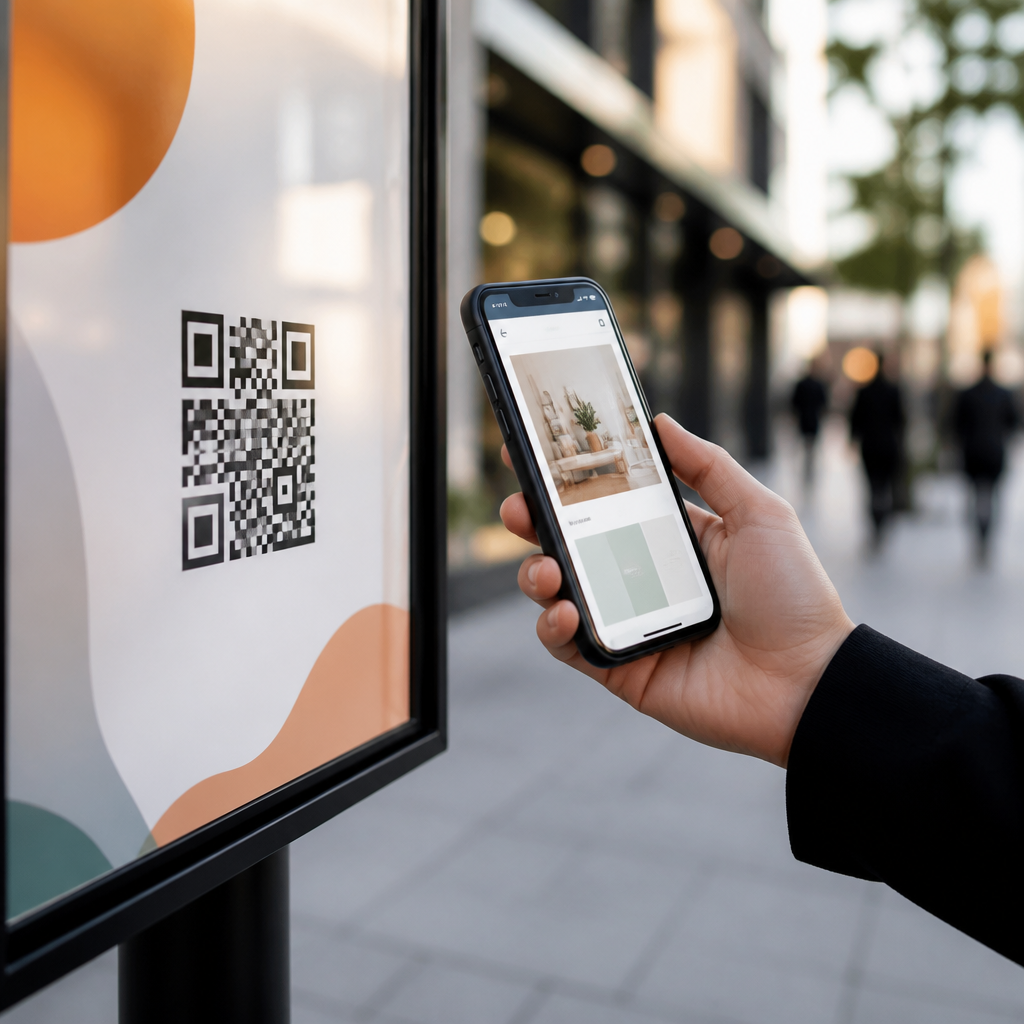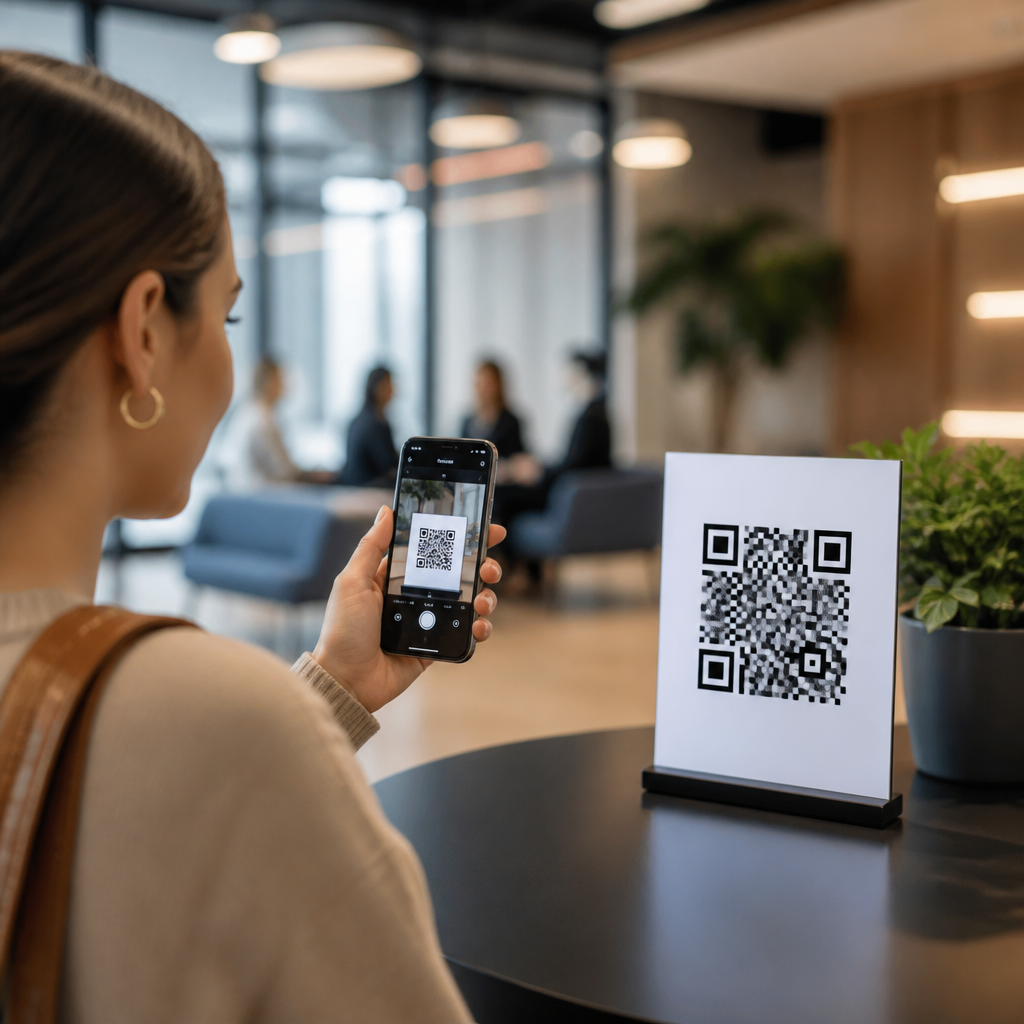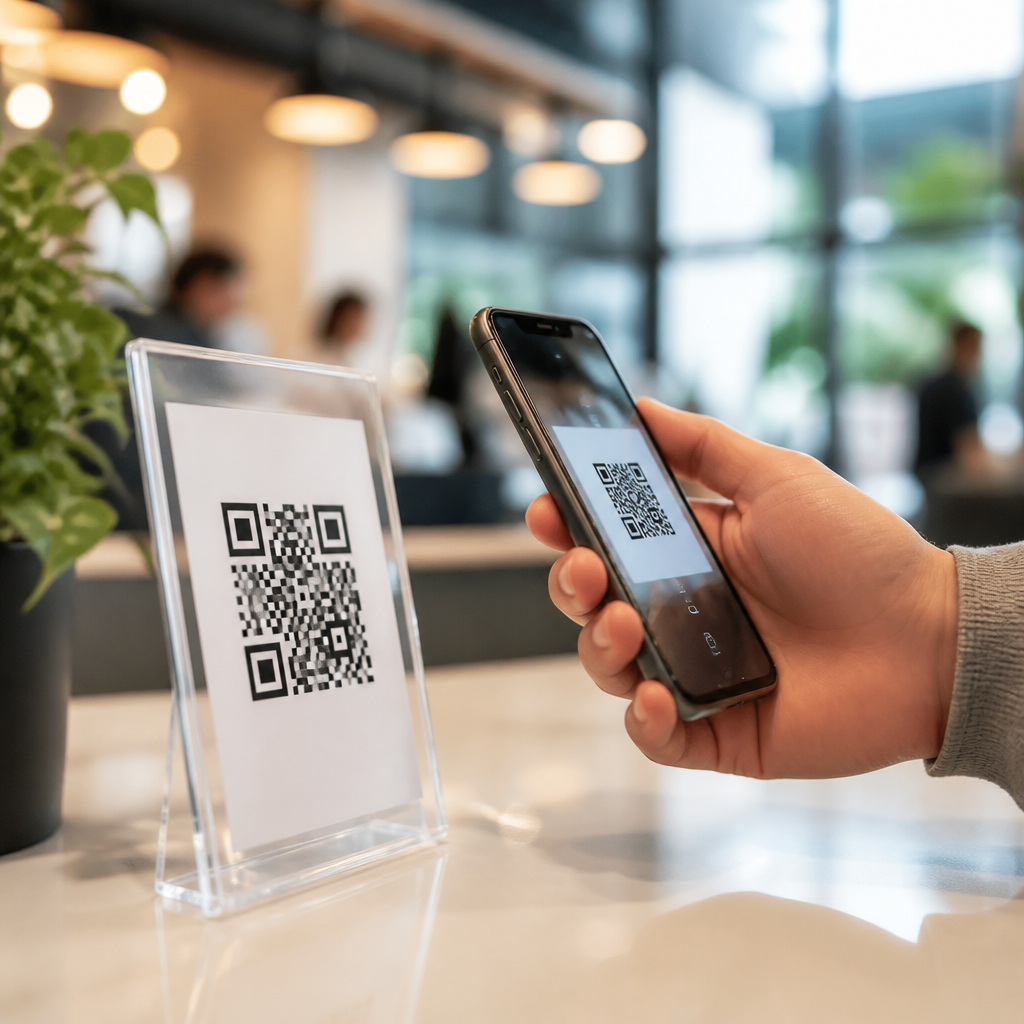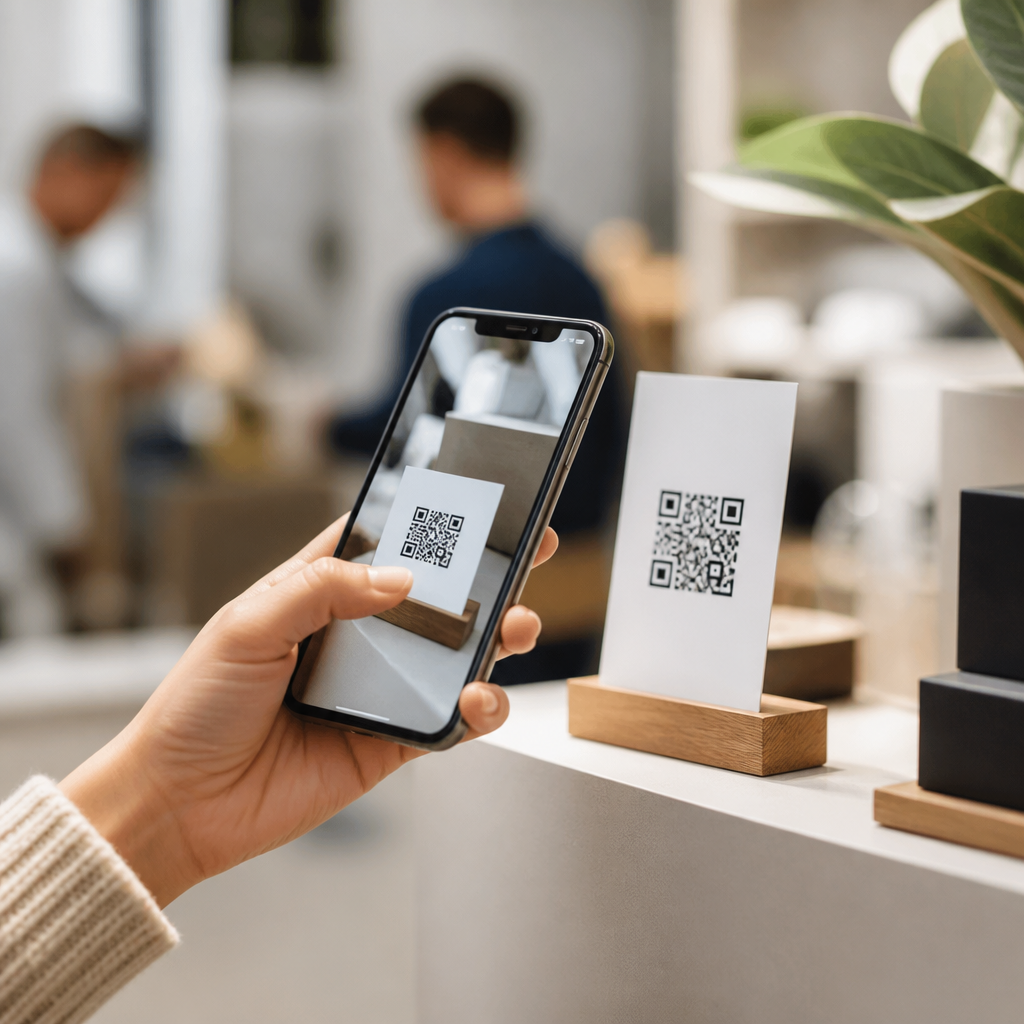
Personalized QR code campaigns turn a simple scan into a tailored marketing interaction. Instead of sending every customer to the same landing page, a personalized QR code campaign uses customer data, audience segments, context, or behavior to deliver different experiences after the scan. In practice, that might mean a loyalty member sees a coupon tied to past purchases, a first-time event attendee receives a welcome sequence, or a regional buyer lands on a page in the correct language with local inventory. This approach matters because QR codes sit at the point where offline attention becomes digital intent, and that handoff is too valuable to waste on generic messaging.
I have worked on QR programs for retail promotions, direct mail, packaging, and field events, and the pattern is consistent: response rates improve when the destination matches the person scanning. Personalization is the broad practice of adapting content to an individual or defined audience. Segmentation is the method behind it, grouping people by traits such as geography, lifecycle stage, product interest, account value, or channel source. Dynamic QR codes make this possible because the scan resolves through a managed URL, letting marketers change destinations, append tracking parameters, and route users based on rules without reprinting the code. The result is better relevance, cleaner attribution, and more useful customer data for the broader QR codes in marketing strategy framework.
To build effective examples of personalized QR code campaigns, marketers need to understand both the opportunity and the limits. A QR code can personalize by audience list, unique identifier, device language, time of day, store location, or a CRM field. It can also fail if the experience feels invasive, loads slowly, or asks for too much information too soon. Regulations such as GDPR and CCPA matter when scans are tied to identifiable profiles, and mobile usability matters even more because a scan usually happens in a distracted moment. The strongest campaigns keep the value exchange obvious: scan, get something useful, and move smoothly to the next step.
Direct mail and catalog QR code personalization examples
Direct mail is one of the clearest places to see personalized QR code campaigns work. A mailer already contains household-level or customer-level data, so the QR code can connect that record to a highly specific offer. In one retail campaign I helped structure, high-value lapsed buyers received a postcard with a dynamic QR code that resolved to a landing page showing products from categories they had purchased before, plus a stronger incentive than active customers saw. New subscribers from the same region scanned into a simpler first-purchase offer. Because each segment used a different redirect rule and UTM structure, the team could compare response rate, average order value, and reactivation separately.
Catalogs create another strong example. A home goods brand can place QR codes next to room collections and route scanners based on prior browsing behavior. Someone who abandoned a cart containing dining chairs can scan a catalog QR code and arrive on a page featuring the matching table set, available finishes, financing terms, and nearby showroom information. A prospect with no known history may be sent to a broader collection page with a style quiz. This kind of segmentation works best when the print piece and destination page share the same promise, because continuity reduces friction and raises the chance that the scan turns into a session with measurable intent.
For direct mail, unique codes are not always necessary. Many brands can reach practical personalization by using the same printed code with server-side routing based on campaign parameters, postal region, or an optional prefilled identifier in the URL. The critical requirement is measurement discipline. Teams should track scan-through rate, landing page engagement, form completion, purchase conversion, and unsubscribe or opt-out behavior. Tools such as Bitly, QR Code Generator PRO, HubSpot, Salesforce Marketing Cloud, and Google Analytics 4 make this manageable when naming conventions are consistent from print vendor through reporting dashboard.
Retail, packaging, and in-store segmentation strategies
Retail environments give marketers multiple personalization signals at the moment of scan: store location, shelf placement, product SKU, loyalty status, and stock levels. A personalized QR code campaign on packaging can direct a first-time buyer to onboarding content, while a repeat buyer who signs in can see refill reminders, cross-sell bundles, or loyalty rewards. Beauty brands use this especially well. A skincare product QR code can open a mobile page that asks one short question about skin concern, then routes the user into routines for acne, dryness, or sensitivity, each with product education, ingredient explanations, and replenishment options.
In-store signage can also segment by intent rather than identity. A QR code near a premium display may send shoppers to comparison content that justifies the higher price, while a code in the clearance section can highlight urgency, markdown depth, and store pickup timing. Grocery chains have used QR codes for recipe journeys tied to seasonal promotions. Scan a code on asparagus in spring and the user sees a recipe page with nearby complementary items, digital coupons, and a shopping list that reflects store inventory. The personalization comes from context and location, not necessarily from known personal data, which often makes privacy management simpler.
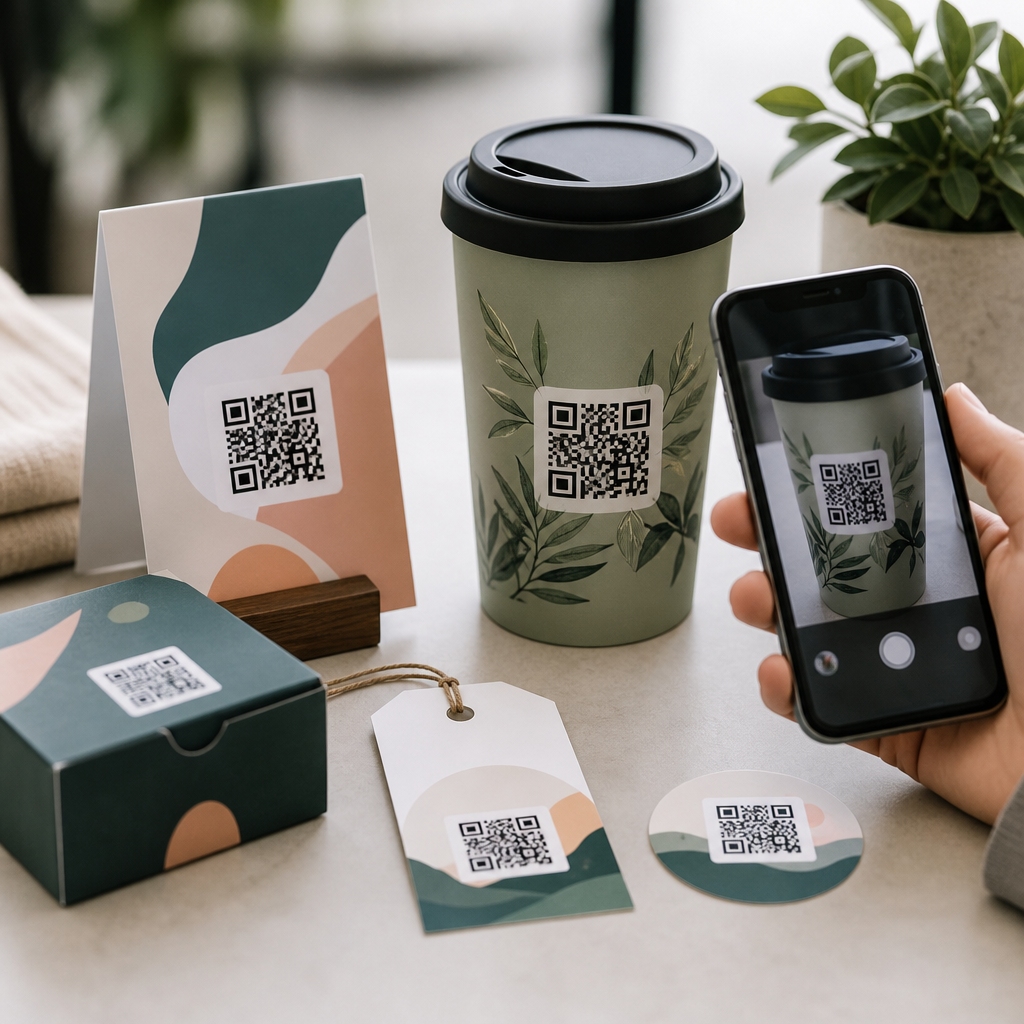
Packaging adds lifecycle value because the customer can scan long after purchase. A coffee brand, for example, can place a dynamic QR code on bags that initially routes to brew instructions, then later redirects to a subscription offer or flavor survey once the launch period ends. If the customer authenticates through an account, the brand can recognize repeat scans and show different messages over time: first education, then review request, then replenishment. This staged experience is often more effective than asking for a sale immediately because it respects the sequence of needs after purchase.
Events, hospitality, and location-based personalization
Events are fertile ground for examples of personalized QR code campaigns because attendees move through physical spaces with distinct needs at each stage. Before the event, a QR code on an invitation can route VIP guests to concierge booking and general attendees to standard registration. At check-in, badge-level segmentation can unlock different agendas, sponsor offers, or networking groups. During the event, session-room QR codes can adapt by role. A procurement leader scanning after an enterprise software talk might get a pricing consultation form, while a practitioner receives implementation checklists and product documentation. The same printed sign can serve both paths if the scan is associated with registration data.
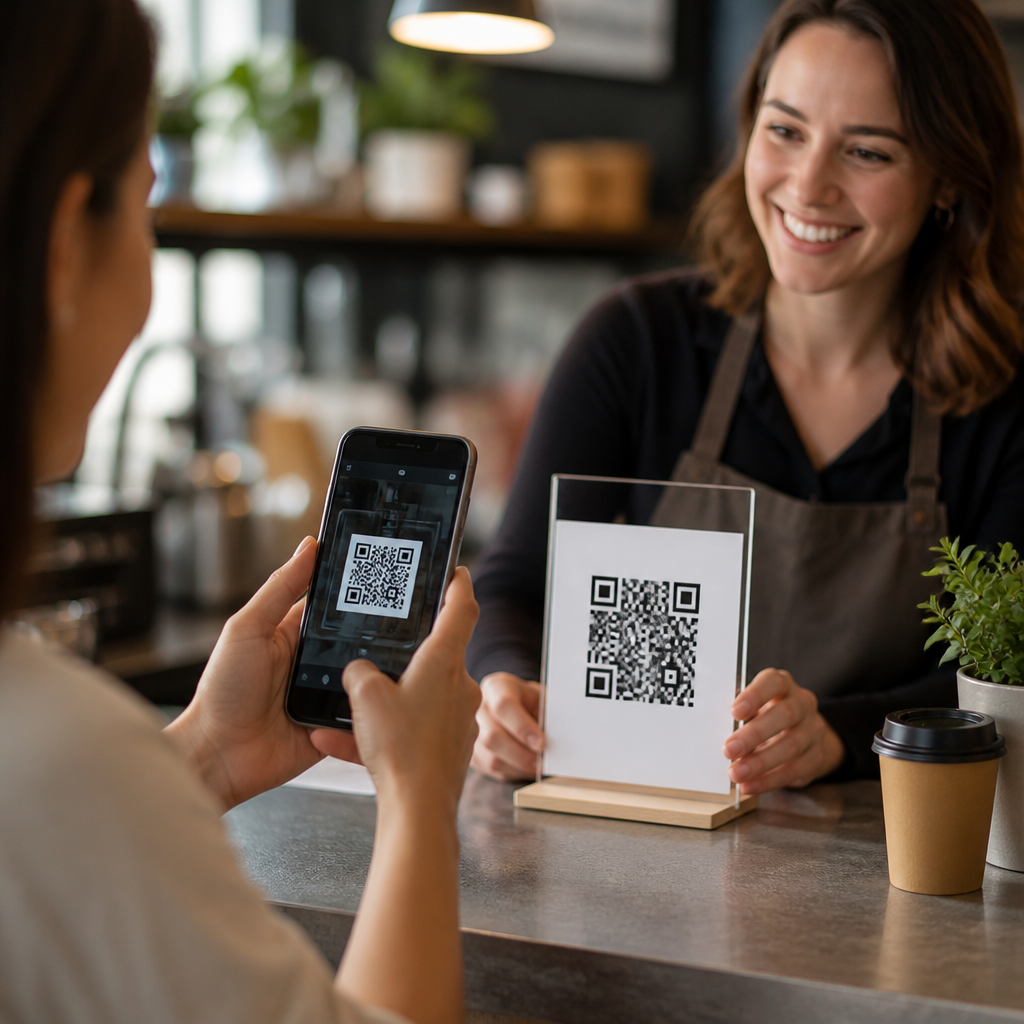
Hotels and restaurants use similar logic. A lobby QR code can detect device language and present local recommendations in the guest’s preferred language. A restaurant table tent may send loyalty members to a bonus dessert offer while first-time diners see a review prompt after the meal. In stadiums, seat-zone-based QR codes can connect fans to merchandise relevant to the team, the player featured in that section, or even weather conditions affecting game-day apparel demand. These are not gimmicks. They are context engines that convert attention when the customer is already present and motivated.
| Campaign setting | Personalization signal | Post-scan experience | Primary metric |
|---|---|---|---|
| Direct mail postcard | Customer value tier | Tier-specific offer and product set | Reactivation rate |
| Retail packaging | Purchase stage | Onboarding, review, or refill prompt | Repeat purchase rate |
| Conference badge | Registrant role | Role-based content and meeting CTA | Qualified lead volume |
| Restaurant table tent | Loyalty membership | Member reward or first-visit offer | Offer redemption |
Location-based personalization should be used carefully. GPS permissions, Wi-Fi triangulation, or venue app data can improve relevance, but they must be transparent and proportionate. If the customer cannot understand why they are seeing a certain experience, trust drops. The best implementations state the benefit plainly, such as showing menus for this location, inventory near you, or offers valid in your store today. That explanation reduces surprise and increases completion rates.
B2B sales enablement and account-based QR campaigns
In B2B marketing, personalized QR code campaigns often support account-based programs. A sales team can place QR codes in dimensional mailers, printed leave-behinds, booth signage, or executive briefing materials, then direct target accounts to content designed for their industry, maturity level, or active opportunity stage. For example, a manufacturing prospect may scan a code that opens a microsite with sector-specific case studies, ROI benchmarks, and a demo request tied to the assigned account executive. A healthcare prospect from the same campaign might see compliance documentation, integration architecture, and a meeting scheduler instead.
I have seen QR codes work especially well after trade show conversations, where context is fresh but follow-up usually becomes generic. If the rep scans a lead badge and then hands over a card with a dynamic QR code linked to that lead source and conversation topic, the prospect can continue with highly relevant material. This reduces the lag between interest and education. It also improves attribution because marketing automation platforms can pass the scan event into lead scoring models. Systems like Marketo, Pardot Account Engagement, HubSpot, and Salesforce can map scan data to contacts or accounts when consent and identity resolution are handled correctly.
Account-based QR programs should focus on useful specificity, not novelty. The destination should answer the next real question an account has: implementation effort, business case, security review, stakeholder alignment, or timeline. Metrics should go beyond scans to include influenced pipeline, meeting conversion, opportunity acceleration, and content consumption by buying committee role. When the QR interaction shortens the path to a productive sales conversation, it is doing its job.
How to design, measure, and govern personalized QR code campaigns
Effective personalization and segmentation strategies start with a clear decision tree. Define the audience segments, the signals available at scan time, the content or offer for each branch, and the measurement plan before generating the QR code. Keep the number of branches realistic. Many teams overengineer rules and then cannot maintain them. In my experience, three to five meaningful segments usually outperform fifteen weakly differentiated ones because the creative and analytics stay coherent. Every destination should load fast, be mobile-first, and preserve message match with the physical asset that triggered the scan.
Measurement needs a hierarchy. Start with operational metrics such as scan volume, unique scans, device type, geolocation at a broad level, and load time. Then track engagement metrics: bounce rate, dwell time, clicks, form starts, video completion, coupon saves, and add-to-cart actions. Finally, connect business outcomes such as revenue per scan, qualified leads, repeat purchase, or retention lift. Use dynamic URLs, campaign parameters, and event naming standards inside GA4 or your analytics stack so results can be compared across channels. If a code lives on packaging for months, set a review cadence to refresh content and prevent stale destinations.
Governance is the last piece and often the one that protects long-term performance. Personalized QR code campaigns should have documented consent rules, data retention limits, and fallback experiences for unknown users. If personalization fails, the customer still needs a useful destination. Accessibility also matters. QR codes should have enough quiet zone, adequate contrast, and placement that supports easy scanning. Landing pages should follow mobile accessibility basics, including readable text, clear tap targets, and alt text where relevant. When marketers balance relevance, privacy, and usability, personalized QR code campaigns become dependable growth assets rather than one-off experiments.
Examples of personalized QR code campaigns show one core principle: the scan should feel like the start of a conversation, not a generic redirect. Whether the channel is direct mail, retail packaging, an event badge, or a B2B leave-behind, the best campaigns use segmentation to answer the immediate question the customer has in that moment. They connect offline context to digital relevance, which improves conversion, sharpens attribution, and creates better customer experiences across the wider QR codes in marketing strategy ecosystem.
The most effective personalization and segmentation strategies are practical. Use dynamic QR codes, limit segments to meaningful differences, align each printed asset with a mobile-first destination, and measure outcomes beyond simple scan counts. Context-based personalization can deliver strong gains even when you do not know the individual scanner, while known-customer personalization should be transparent and permission-aware. Brands that treat QR codes as flexible routing tools rather than static links consistently create more value from the same physical media.
If you are building this subtopic into your broader marketing program, start with one high-intent use case: a segmented direct mail test, a packaging onboarding flow, or an event follow-up path. Document the segments, define the destination logic, and track the business result. Then expand from what works. Personalized QR code campaigns reward discipline, and the payoff is a marketing system that feels more helpful to customers and more measurable to your team.
Frequently Asked Questions
What is a personalized QR code campaign, and how is it different from a standard QR code campaign?
A personalized QR code campaign is a marketing approach where the experience after the scan changes based on who is scanning, where they are scanning from, what segment they belong to, or how they have interacted with a brand before. In a standard QR code campaign, every user is typically sent to the exact same destination, such as one landing page, one product page, or one general signup form. With personalization, the QR code becomes a gateway to a more relevant interaction. For example, a returning customer might see product recommendations based on previous purchases, while a new prospect sees an introductory offer and brand overview. A customer in one city might receive local store details and regional promotions, while someone in another country lands on a translated version of the page with market-specific pricing or availability.
This matters because relevance improves performance. When the destination matches the scanner’s interests, purchase history, membership status, or context, engagement usually increases. People are more likely to click, convert, register, redeem an offer, or continue through a customer journey if the content feels designed for them. Personalized QR code campaigns are commonly used in retail, events, hospitality, direct mail, packaging, and loyalty programs because they allow brands to move beyond a one-size-fits-all experience and deliver something timely, useful, and much more effective.
What are some strong examples of personalized QR code campaigns in real-world marketing?
There are many practical examples of personalized QR code campaigns across industries. In retail, a brand might place QR codes on receipts, in email, or on product packaging that identify loyalty members and send them to offers based on categories they buy most often. A beauty customer who frequently purchases skincare might scan and receive a replenishment reminder, a discount on complementary products, and tutorial content specific to that routine. In contrast, a first-time buyer might get a welcome offer, product education, and an invitation to join the loyalty program.
At events, organizers often use personalized QR codes on badges, invitations, or follow-up materials. A VIP attendee might scan and access priority check-in, exclusive session schedules, or private networking opportunities, while a general attendee sees a standard agenda and exhibitor map. Personalized post-event follow-up is another effective example. After scanning, attendees can be directed to content based on the sessions they attended, the products they showed interest in, or the role they selected during registration.
In restaurants and hospitality, personalized QR code campaigns can connect guests to menus, upsells, and rewards that reflect their preferences or visit history. A returning hotel guest might scan an in-room QR code and receive targeted dining offers, spa promotions, or local recommendations based on previous stays. In direct mail, brands often print QR codes tied to audience segments, allowing households in different regions or customer tiers to land on pages with tailored messages, products, or pricing. These examples work well because they combine convenience with relevance, turning a scan into a useful experience instead of a generic redirect.
What data can be used to personalize the experience after someone scans a QR code?
Personalization can be driven by several types of data, depending on the campaign setup and the level of consent the user has provided. One of the most common inputs is audience segmentation. Brands may group customers by loyalty status, lifecycle stage, industry, region, purchase history, or engagement level. That allows one campaign to serve different destinations or messages without creating a disconnected experience. For example, active customers can be sent to upsell offers, inactive customers to re-engagement content, and new leads to an introductory landing page.
Contextual data is also widely used. This includes scan location, device type, time of day, operating system, and even the placement of the QR code itself. A scan from a store shelf may trigger a product comparison page, while the same campaign scanned from packaging at home could trigger setup instructions, care tips, or reorder options. Geographic personalization is especially useful for multilingual campaigns, local inventory pages, region-specific promotions, and nearby store recommendations.
Behavioral data can make personalization even stronger. If the QR code is connected to a CRM, email platform, event system, or customer database, brands may tailor the destination based on prior purchases, event attendance, abandoned carts, content downloads, or subscription history. However, effective use of data depends on transparency and compliance. Businesses should make sure they collect and use customer information responsibly, follow privacy regulations, and provide a clear value exchange. The best personalized campaigns do not feel invasive. They feel helpful, timely, and aligned with what the user already expects from the brand.
How do you create a successful personalized QR code campaign without making it overly complicated?
The best way to build a successful personalized QR code campaign is to start with one clear use case and one measurable goal. Instead of trying to personalize everything at once, define the business objective first. That could be increasing coupon redemptions, improving event engagement, boosting repeat purchases, or driving more localized conversions. Once the goal is clear, choose one or two meaningful personalization variables, such as loyalty status, customer segment, language, or scan location. Keeping the first campaign focused makes execution cleaner and performance easier to evaluate.
From there, map the scan journey carefully. Ask what happens immediately after the scan, what page or experience each audience should see, and what action you want them to take next. A personalized QR campaign is only effective if the landing experience is fast, mobile-friendly, and directly aligned with the user’s intent. If someone scans expecting an offer, they should not have to hunt for it. If they scan for event access, the page should prioritize the schedule, check-in, or badge information they need right away.
Operationally, dynamic QR codes are usually the most practical option because they allow brands to update destinations, route traffic by rules, and track performance without reprinting the code. Integration with CRM, marketing automation, or analytics systems can improve personalization, but it is not always necessary at the start. Even basic segmentation can produce meaningful results. The key is to make the personalized experience feel seamless, not complicated. When the destination is relevant, the instructions are clear, and the user sees immediate value, the campaign is much more likely to succeed.
How do you measure the performance of a personalized QR code campaign?
Measuring performance starts with looking beyond scan volume alone. Total scans are useful, but they only tell part of the story. A personalized QR code campaign should be evaluated based on what happens after the scan. Important metrics often include unique scans, repeat scans, click-through rate, landing page engagement, coupon redemptions, form completions, registrations, purchases, and revenue influenced by the campaign. If the campaign is segmented, performance should also be compared across audience groups to see whether personalization is actually improving outcomes for each segment.
It is also valuable to measure contextual performance. Brands can analyze which scan locations, times, devices, regions, or campaign placements produce the strongest results. For example, a personalized QR code on packaging may generate more repeat purchases than the same code on a flyer, or event attendees in one segment may engage more deeply with personalized follow-up content than others. This kind of analysis helps marketers refine both the message and the channel placement over time.
To get the clearest picture, campaign data should ideally connect with broader marketing systems such as analytics platforms, CRM records, e-commerce reporting, or event software. That makes it possible to attribute downstream actions and understand whether personalization is increasing conversion quality, not just interaction volume. In practice, the most successful teams measure three things together: reach, engagement, and conversion. If the scans are high but conversions are low, the landing experience may not be relevant enough. If conversions are strong for one segment and weak for another, the personalization rules may need adjustment. The real value of personalized QR code campaigns is not simply that people scan them, but that they receive a more relevant experience that drives better business results.