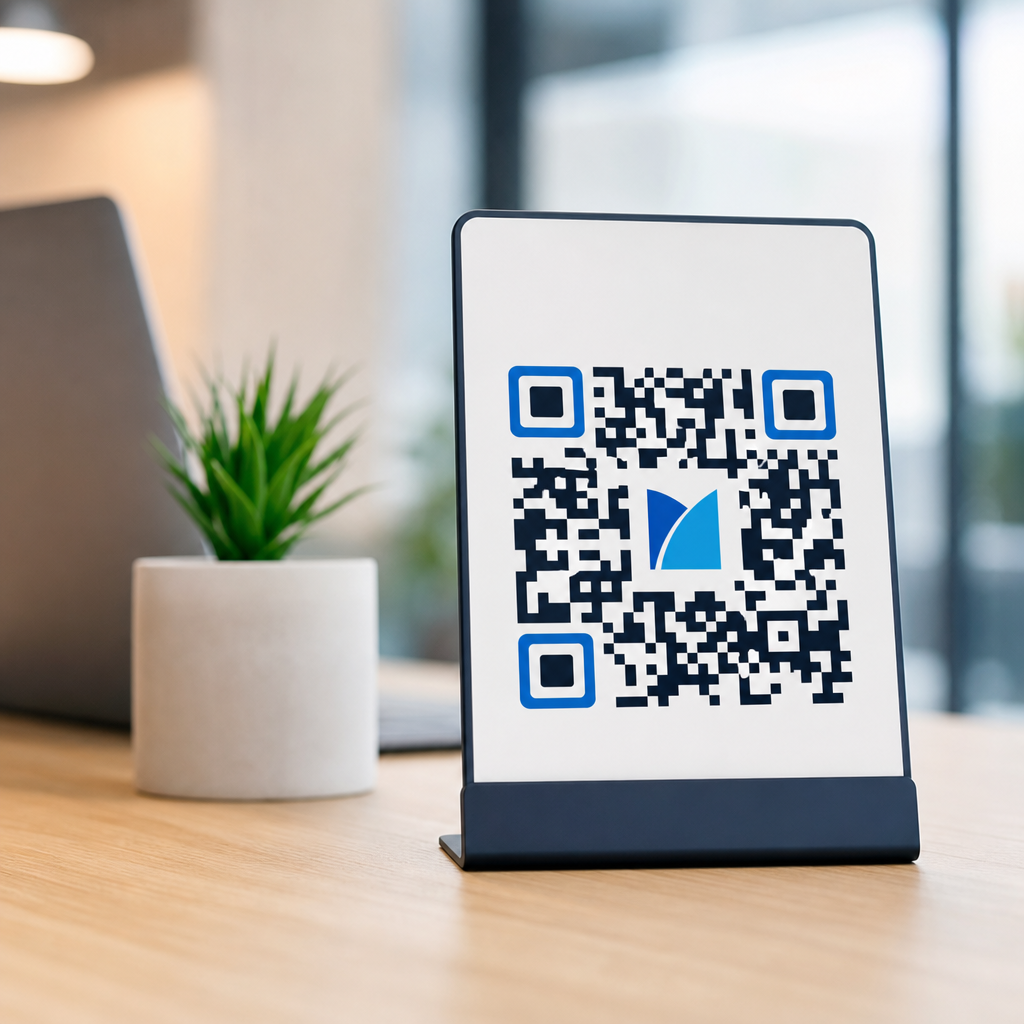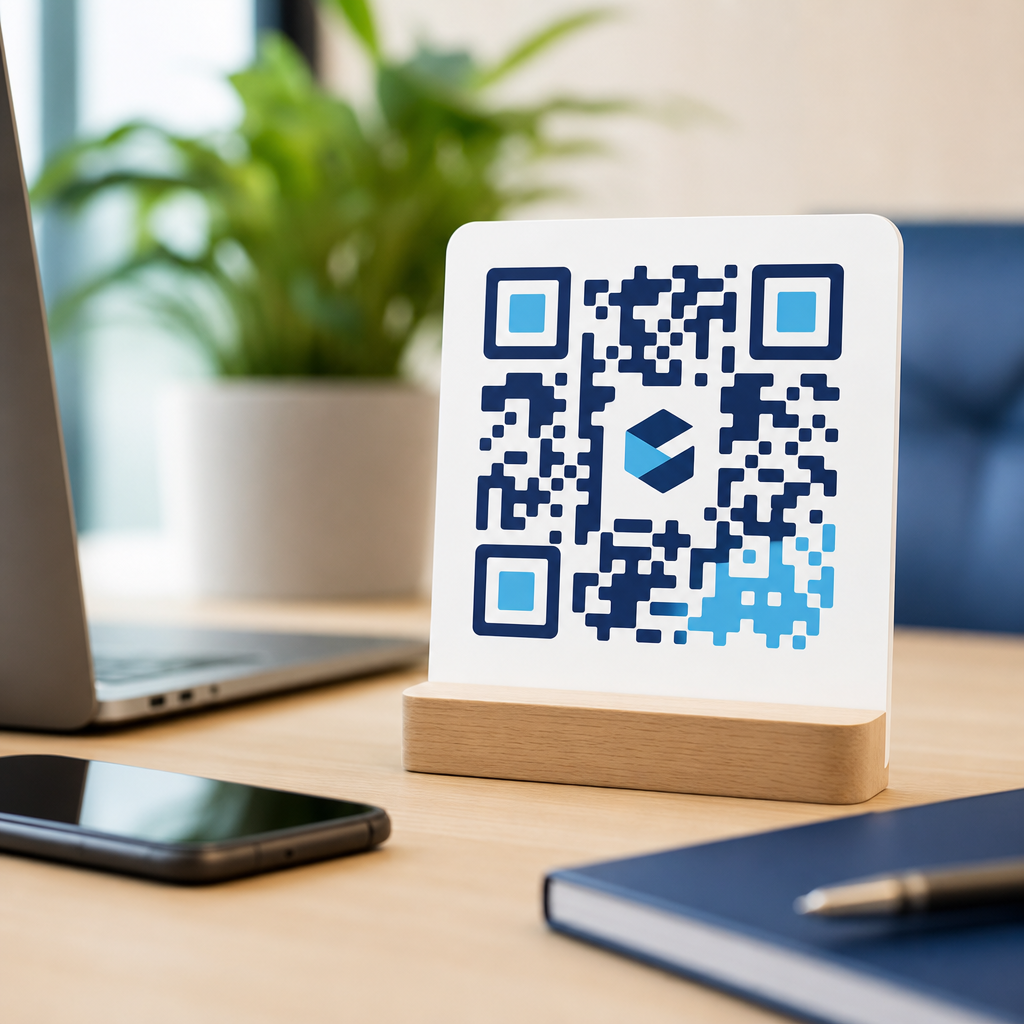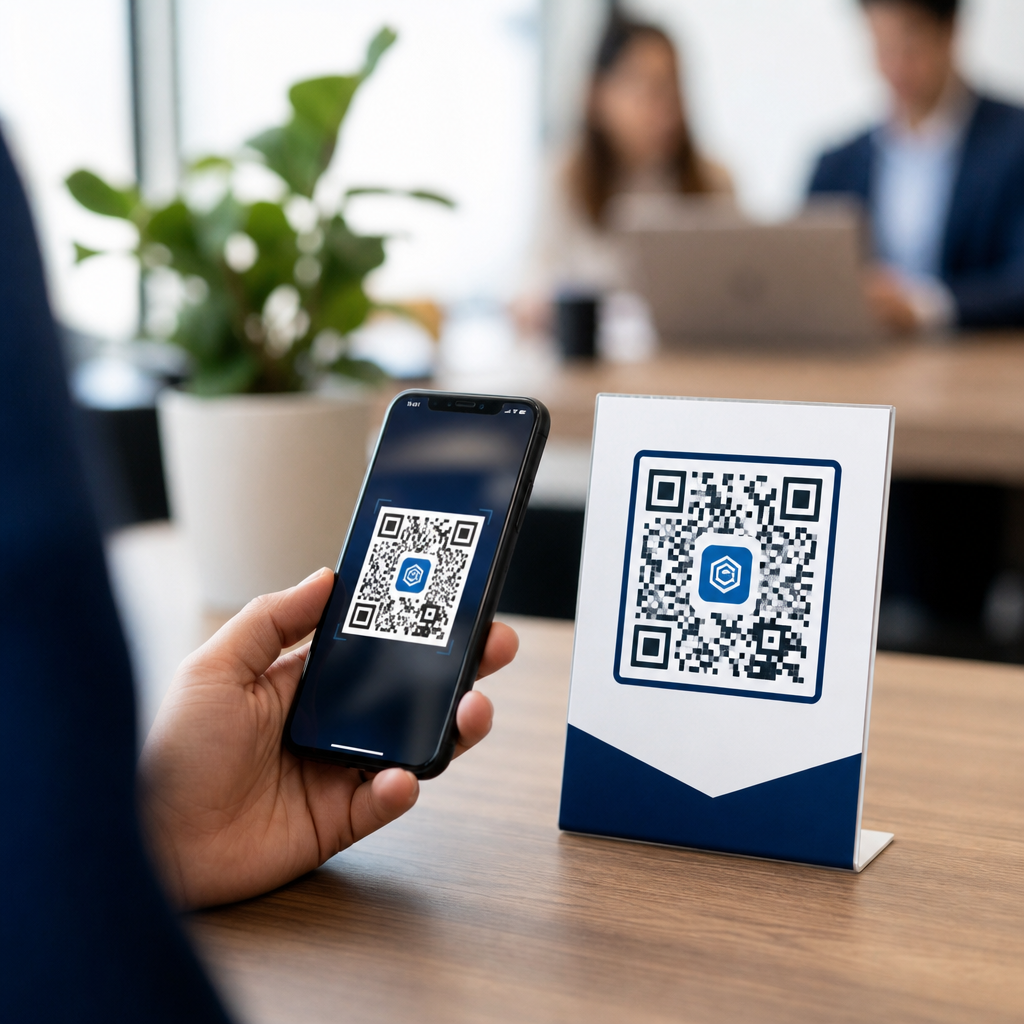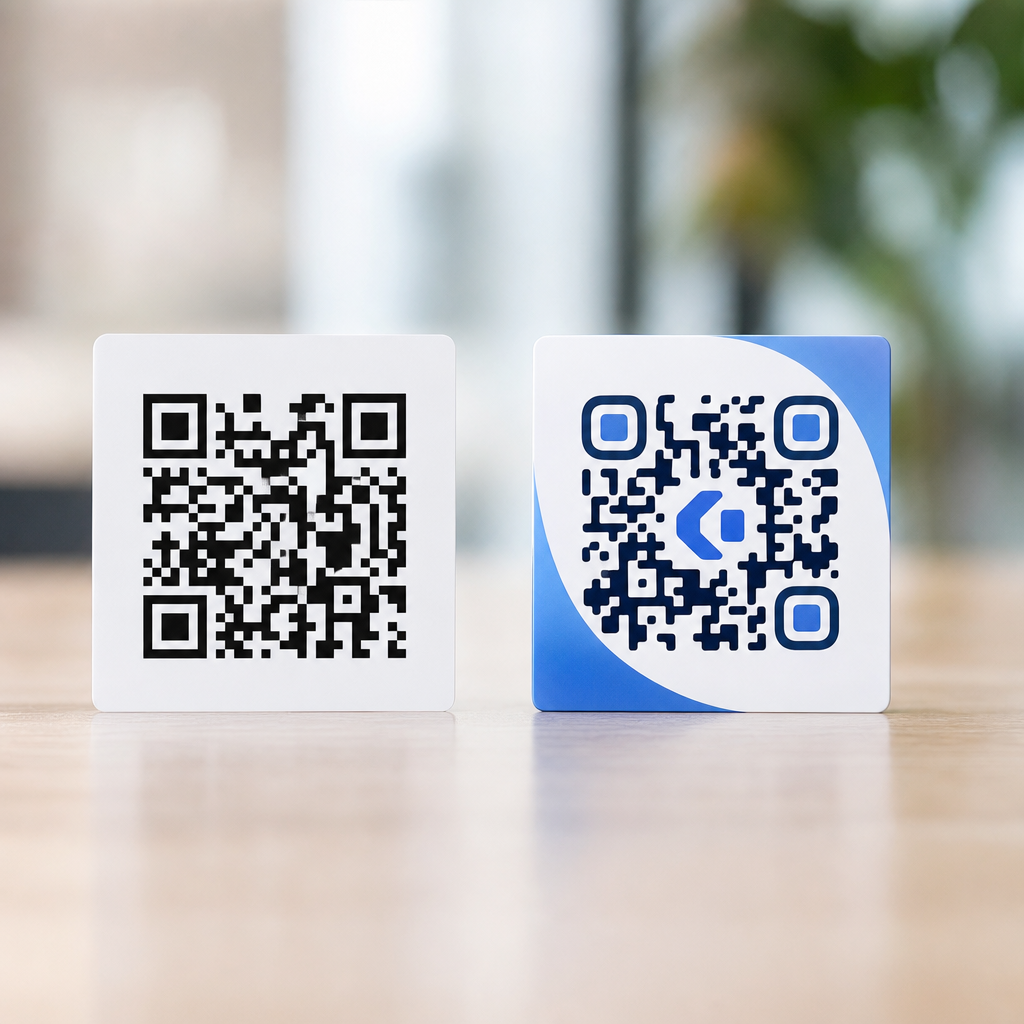
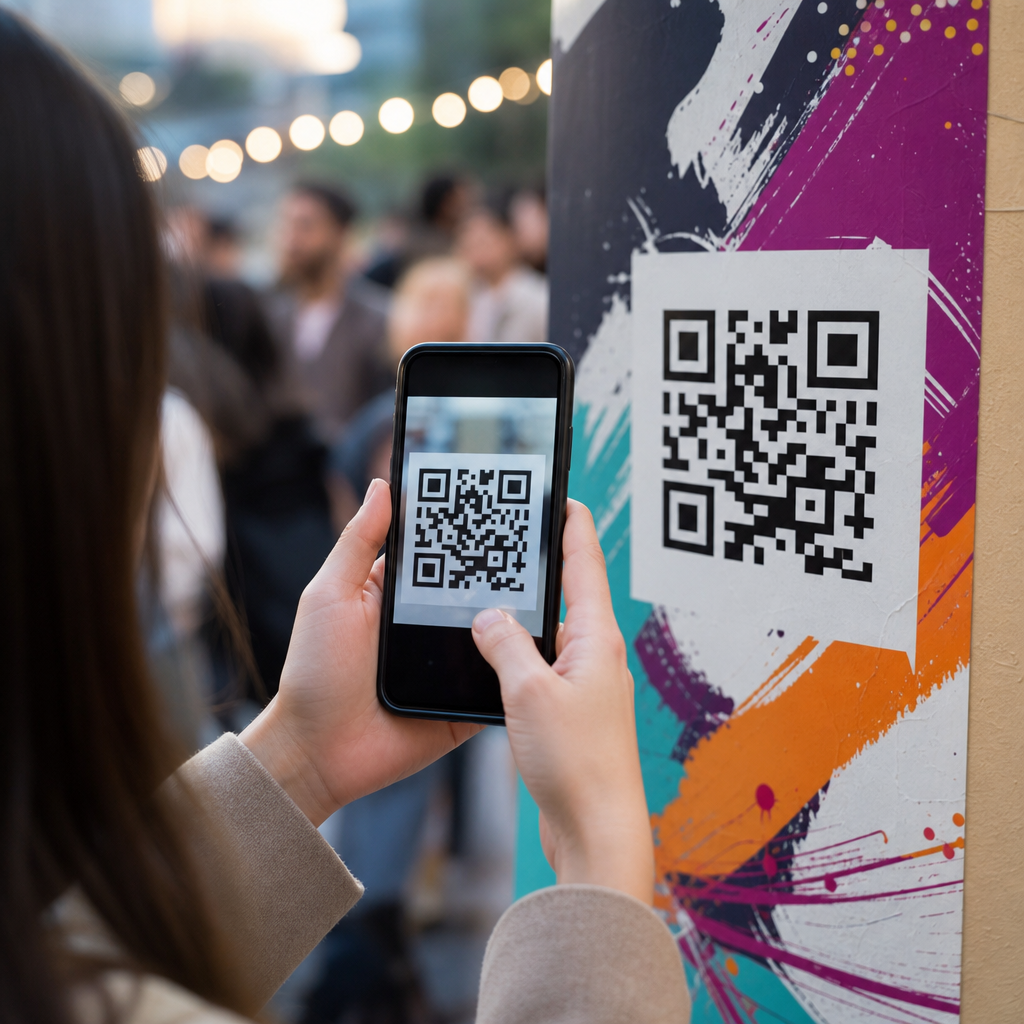
What makes a QR code campaign go viral is not the code itself, but the mix of design, timing, value, and shareability built around it. In practice, the strongest creative QR code campaigns give people an immediate reason to scan, a satisfying experience after the scan, and a social trigger that makes them want to tell someone else. That combination turns a simple black-and-white square into a distribution engine for attention, traffic, and brand recall.
Within QR Code Design & Branding, creative QR code campaigns sit at the point where visual identity meets measurable customer action. A QR code campaign is any coordinated marketing effort that uses one or more QR codes to move an audience from a physical or visual touchpoint into a digital experience. Viral, in this context, does not only mean millions of views. It means the campaign spreads beyond paid placement because people voluntarily share, record, discuss, remix, or revisit it. I have worked on retail packaging launches, event activations, and restaurant table campaigns where scan rates were ordinary until the concept gave users a story. Once that happened, the same media placement suddenly outperformed expectations.
Understanding why this matters is straightforward. QR codes remove friction between attention and action. Smartphone camera support on iOS and Android, widespread mobile payment behavior, and consumer comfort with scanning after the pandemic have made codes a standard bridge between offline and online channels. According to industry reporting from vendors such as QR TIGER and Bitly, dynamic QR adoption and scan volume have grown across packaging, out-of-home advertising, hospitality, and events. Yet most campaigns still underperform because they treat the code as the idea instead of the delivery mechanism. If your goal is awareness, lead generation, product education, app installs, community growth, or user-generated content, the campaign must answer one question instantly: why should anyone scan this right now?
This hub article explains the mechanics behind creative QR code campaigns that spread. It covers the strategic elements that increase scans, the design choices that improve trust and recognition, the content patterns that make people share, and the measurement framework that separates a novelty stunt from a repeatable playbook. If you are planning packaging, posters, menus, direct mail, product drops, experiential activations, or retail signage, these principles will help you build a QR code campaign that earns attention instead of begging for it.
The core ingredients of a viral QR code campaign
A viral QR code campaign usually combines six ingredients: a strong hook, clear utility, visual prominence, low-friction landing experience, emotional payoff, and built-in sharing behavior. Remove one or two of these, and performance often drops sharply. The hook is what stops the audience. It might be curiosity, scarcity, humor, status, surprise, or an obvious personal benefit. Utility is what justifies the scan, such as unlocking a discount, revealing exclusive content, joining a waitlist, entering a giveaway, checking authenticity, or seeing a product demonstration.
Visual prominence matters because people need to notice the code before they can decide to trust it. In packaging audits I have run, many brands place the code near legal copy or low-contrast backgrounds, which reduces scans even when the offer is good. The landing experience matters just as much. A campaign can win the scan and still fail if it sends users to a generic homepage, loads slowly, or asks for too much too soon. Emotional payoff is what makes the experience memorable. Built-in sharing behavior is what allows a campaign to travel beyond the original placement, whether through social posting, messaging, referral incentives, or visible participation in public spaces.
The best campaigns also align the physical context with the digital reward. A code on a bus shelter should deliver something usable in seconds because the viewer may be standing outside in motion-heavy conditions. A code on a wine bottle can support a richer story because the customer likely has more time. Context affects creative, copy, and conversion path. That is why creative QR code campaigns are not one-size-fits-all. They are environment-specific systems.
Why people scan: psychology, motivation, and timing
People scan QR codes for one of four reasons: they expect value, they feel curiosity, they fear missing out, or they want convenience. Successful campaigns often blend at least two. A cosmetics brand might promise a shade-matching tool and add a limited-time sample offer. A museum may use curiosity by teasing hidden stories behind an exhibit. A concert promoter may trigger urgency with a countdown to a surprise lineup reveal. In every case, the copy around the code does the heavy lifting. “Scan to learn more” is weak because it asks for action without defining benefit. “Scan to unlock the secret menu” is specific, immediate, and easy to understand.
Timing amplifies motivation. Seasonal campaigns perform better when the post-scan reward fits the moment. During holiday retail periods, codes that reveal gift guides, bundle discounts, or stock alerts tend to outperform generic product pages. At events, scans spike before keynote starts, during intermissions, and at exits, so campaign design should reflect those windows. I have seen event organizers double lead capture by changing on-screen prompts from passive logos to timed calls to action displayed during transition moments when attendees naturally reached for their phones.
Trust also shapes scan behavior. Branded QR codes with recognizable colors, logos, and adjacent explanatory copy generally convert better than anonymous default designs, provided contrast and scannability remain strong. Users are more willing to scan when the destination is obvious. Stating the reward, naming the brand, and using a custom short domain can reduce hesitation significantly.
Design choices that increase scan rate and brand recall
Good QR code design balances aesthetics with technical reliability. Brand teams often want elaborate shapes, gradients, and embedded logos, but every visual modification reduces error tolerance. The code must still scan quickly across lighting conditions, camera qualities, and viewing angles. In production, I recommend testing every variant on multiple devices, at multiple sizes, and from realistic distances before launch. Follow ISO/IEC 18004 principles, maintain strong foreground-background contrast, preserve quiet zones, and avoid placing codes over busy imagery.
Size and placement affect performance more than many marketers expect. For print, minimum size depends on scanning distance, but a common rule is roughly one inch for close-range materials, increasing proportionally for posters and billboards. On product packaging, near-panel placement with concise instruction copy works better than hiding the code on the underside or near regulatory text. On restaurant tables, upright display cards usually outperform flat placements because they remain visible even when plates, drinks, or hands block the surface.
Brand recall improves when the QR code is visually integrated into the campaign concept instead of floating as an afterthought. If the campaign theme is music discovery, the frame around the code can carry concise copy such as “Scan to hear the unreleased track.” If the theme is sustainability, the code can lead to sourcing proof, recycling instructions, and impact data. The visual system should signal what kind of experience follows, not merely decorate the square.
| Campaign element | Weak execution | Strong execution | Why it matters |
|---|---|---|---|
| Call to action | Scan here | Scan to unlock 20% off today | Specific benefit raises intent |
| Destination | Homepage | Dedicated mobile landing page | Reduces friction and drop-off |
| Branding | Generic black code | Branded code with visible logo | Improves trust and recognition |
| Placement | Hidden near fine print | High-visibility area at eye level | Increases noticeability |
| Reward | Vague information | Exclusive content or instant utility | Creates motivation to scan |
| Sharing | No follow-up prompt | Built-in share, save, or refer action | Extends reach beyond placement |
Creative QR code campaign formats that actually spread
Some formats are consistently more shareable than others. Gamified campaigns work because they turn scanning into progress. Think citywide scavenger hunts, collectible rewards, or tiered unlocks printed across packaging variations. Limited-edition product drops also perform well, especially when codes reveal exclusive videos, artist collaborations, or behind-the-scenes content tied to ownership. In beauty and fashion, try-on experiences, waitlist access, and authenticity verification can generate both utility and social proof.
Experiential activations are another strong format. A mural, storefront window, or event installation with a QR code can invite participation rather than just consumption. For example, a code might let visitors vote on a live outcome, project their message on a display wall, or trigger an augmented reality layer. These mechanics work because bystanders can see others engaging, which creates social momentum. Outdoor examples often go viral when the installation itself is photogenic enough to appear in user posts even before someone explains the scan destination.
User-generated content campaigns are especially effective when the post-scan action is simple. A beverage brand can place codes on cans that lead to a branded video filter and contest entry. A sports team can use seatback codes for fan chants, photo overlays, or instant replays. A publisher can add codes to print articles that open bonus interviews and make sharing excerpts easy. The common trait is that the scan leads directly to something users can do, not just something they can read.
Hub planning matters here because each format can lead to deeper supporting content. A subtopic page on packaging QR campaigns, restaurant QR promotions, event QR activations, or QR-driven contests should connect back to this hub and to one another through clear thematic relevance. That structure helps readers and search systems understand the breadth of your coverage.
The post-scan experience: where virality is won or lost
The scan is the beginning, not the conversion. A high-performing post-scan experience is mobile-first, fast-loading, single-purpose, and emotionally coherent with the promise made before the scan. If the sign says “Scan for early access,” the landing page should open directly into early access. If the package says “Scan for recipe ideas,” do not force account creation before showing the recipes. Match promise and outcome exactly.
When I audit underperforming campaigns, the most common issues are slow pages, cluttered interfaces, and too many decisions. Every extra field, click, or redirect reduces completion rate. A dedicated landing page with one primary action usually beats a general site page. For lead generation, keep forms short and defer nonessential questions. For commerce, pre-apply promo codes and surface key product details above the fold. For content campaigns, front-load the reward before asking for subscription or sharing.
Sharing prompts should feel natural, not forced. Instead of immediately demanding a social post, give users something worth sharing first: a personalized result, a downloadable asset, a limited offer, a leaderboard rank, or a surprising reveal. Then add lightweight mechanisms such as copyable links, native share buttons, or referral rewards. Viral spread follows satisfaction.
Measurement, testing, and the metrics that matter
A QR code campaign is only as good as its data model. Dynamic QR codes are essential because they allow destination changes, scan tracking, and segmentation by placement, time, or creative variation. Use UTM parameters, analytics events, and platform-side conversion tracking to connect offline exposure to online outcomes. Important metrics include scan rate by impression source, unique versus repeat scans, landing page engagement, conversion rate, assisted revenue, and share rate.
Not every high-scan campaign is successful. If scans spike but bounce rate is high, the hook may be strong while the landing experience is weak. If conversion is good but volume is low, placement or visibility may be the constraint. A/B testing should focus on the variables that most influence behavior: call-to-action wording, reward framing, code placement, landing page type, and timing. In retail pilots, even small copy changes such as replacing “learn more” with “get your free sample” can materially increase scans because the value proposition becomes concrete.
Use recognized tools where appropriate: Google Analytics 4 for engagement and event mapping, Bitly or a dynamic QR platform for link management, heatmapping tools for landing page behavior, and CRM integration for downstream revenue attribution. Privacy and consent still apply. If you collect personal data, disclose it clearly and follow applicable regulations.
Common mistakes that prevent QR campaigns from taking off
Most failed campaigns are not failures of technology. They fail because the concept is thin, the reward is unclear, or execution breaks trust. Common mistakes include using a static code when the destination may need updates, placing codes where there is poor connectivity, sending users to non-mobile pages, relying on vague calls to action, and overdesigning the code until it scans unreliably. Another frequent problem is forgetting accessibility. Tiny placement, low contrast, and insufficient instruction copy exclude users who might otherwise engage.
There is also a strategic mistake: assuming novelty is enough. QR codes are no longer novel. People will not scan simply because a code exists. They scan because they believe the next step will be worth their time. Brands that remember this build better offers, clearer creative, and stronger results.
Viral QR code campaigns succeed when they connect a clear human motive to a seamless digital payoff. The pattern is consistent across packaging, retail, hospitality, events, and out-of-home media: stop attention with a compelling hook, make the reward obvious, design the code for visibility and trust, deliver a fast mobile experience, and give users an easy reason to share. When those pieces work together, the campaign can spread far beyond its original placement and generate measurable business value instead of vanity scans.
As the hub for creative QR code campaigns within QR Code Design & Branding, this page should guide your next steps. Explore adjacent topics such as branded QR code design, packaging implementation, event activation strategy, landing page optimization, and QR analytics frameworks. Then apply these principles to one focused test. Start with a single audience, one strong offer, and a dedicated post-scan journey, measure the result, and improve from there.
Frequently Asked Questions
1. What actually makes a QR code campaign go viral?
A QR code campaign goes viral when the experience around the code is compelling enough that people not only scan it, but also feel motivated to share it. The QR code itself is simply the access point. What creates momentum is the combination of strong visual design, clear placement, immediate value, and a post-scan experience that feels rewarding. If people instantly understand why they should scan, receive something useful or entertaining right away, and then have a built-in reason to talk about it, the campaign has the ingredients needed to spread.
In high-performing campaigns, the value exchange is obvious. That value might be exclusive content, a discount, a limited-time drop, a game, an augmented reality moment, early access, or something socially relevant and emotionally resonant. Viral performance often comes from reducing friction and increasing surprise. The best campaigns make scanning feel effortless and worthwhile, then layer in novelty and emotional payoff. When people feel they discovered something fun, helpful, scarce, or impressive, they are much more likely to mention it to friends, post it on social media, or encourage others to try it too.
Timing also matters. A QR campaign is more likely to take off when it appears in the right context, such as during a live event, product launch, seasonal moment, trend wave, or public activation. Relevance amplifies curiosity. If the campaign feels connected to what people are already paying attention to, it has a better chance of gaining organic traction. In other words, viral QR code campaigns succeed because they align design, audience psychology, and distribution strategy around a simple action: scan now, get something worth sharing.
2. How important is QR code design and branding in a viral campaign?
QR code design and branding are extremely important because they influence whether people notice the code, trust it, and feel intrigued enough to scan it. A plain, generic QR code can work in some settings, but in a crowded environment, custom design often improves performance. When the code visually aligns with the brand through color, shape treatment, logo integration, and surrounding creative, it looks intentional rather than random. That visual cohesion can make a campaign feel more premium, memorable, and credible.
That said, effective branded QR code design is not just about aesthetics. Functionality comes first. The code must remain easy to scan across devices, lighting conditions, and distances. A beautifully styled code that scans poorly will hurt the campaign no matter how clever the concept is. The strongest creative QR code campaigns find the balance between visual distinctiveness and technical reliability. They use contrast, quiet zones, and testing across print and digital surfaces to ensure the code performs in the real world.
Branding also matters after the scan. The landing experience should feel like a seamless continuation of the design people saw before scanning. If the QR code promises a polished, engaging experience but leads to a generic, slow, or confusing page, trust drops immediately. Viral potential increases when the visual identity, message, and tone remain consistent from first impression to final action. That continuity reinforces brand recall and makes the campaign easier for people to recognize and talk about later. In short, design and branding do more than make a QR code look better; they help turn it into a recognizable, trustworthy invitation that people are more willing to engage with and share.
3. What kind of offer or experience gives people a real reason to scan a QR code?
People scan QR codes when the benefit is clear, immediate, and relevant to their situation. The most effective campaigns answer the question “What do I get?” before the user even takes out their phone. A strong incentive can be practical, emotional, or social. Practical value includes discounts, free samples, loyalty rewards, event details, faster checkout, or access to useful information. Emotional value includes surprise, humor, storytelling, exclusivity, or interactive entertainment. Social value comes from giving people something they want to show others, such as a clever filter, personalized result, collectible experience, or insider access.
In campaigns that go viral, the post-scan destination usually feels frictionless and satisfying. The user should not have to work hard to claim the benefit. If there are too many steps, long forms, weak mobile optimization, or confusing navigation, drop-off increases quickly. A great QR campaign respects the moment. Someone scanning from a poster, product package, storefront, or event display is often acting on impulse. That means the reward needs to appear fast and the interface needs to work perfectly on mobile.
The experience should also match the context in which the code appears. At a concert, a QR code might unlock backstage content, a voting experience, or event-exclusive merchandise. On product packaging, it could reveal recipes, tutorials, authenticity verification, or a limited community perk. In retail, it might trigger a style guide, product comparison, or instant offer. The best campaigns do not rely on the QR code as a gimmick. They use it to deliver something timely and context-aware. When users feel the experience was tailored to the moment and worth their attention, they are far more likely to share it, which is a key step in creating viral lift.
4. Why does shareability matter so much in a QR code campaign?
Shareability is what turns a one-to-one interaction into one-to-many exposure. A person scans a QR code, but a viral campaign needs that person to do more than consume the experience privately. It needs them to spread it. That is why the best QR campaigns include a social trigger built into the idea itself. The trigger might be humor, surprise, exclusivity, competition, status, utility, or emotional resonance. If the experience gives people a story to tell or something visually interesting to post, the campaign can travel beyond its original placement.
Shareability works best when it feels natural, not forced. Users are unlikely to share a campaign just because a brand asks them to. They are more likely to share when the content helps them express identity, entertain others, or provide something useful. For example, if scanning unlocks a personalized result, an unusual interactive experience, a limited-time reveal, or a clever branded moment, people may post it because it reflects well on them socially. That is a much stronger driver than generic prompts alone.
Good campaign architecture supports this behavior. Brands can include easy social sharing tools, referral loops, leaderboard mechanics, user-generated content prompts, or incentives for inviting friends. Even simple touches, such as a memorable landing page visual, a strong call to action, or a built-in screenshot moment, can improve organic spread. The key is to design the campaign so that sharing feels like an extension of the experience rather than an extra task. In viral QR code campaigns, the scan is only the beginning; the real growth comes from what users feel compelled to do next.
5. How can brands measure whether a QR code campaign is successful and scalable?
Success should be measured well beyond raw scan volume. Scans are important because they show initial curiosity, but they do not tell the full story. Brands should also track scan-through rate by placement, unique users, repeat scans, bounce rate, time on landing page, conversion rate, share rate, and downstream outcomes such as purchases, sign-ups, app installs, coupon redemptions, or event participation. These metrics reveal whether the campaign generated meaningful engagement or just momentary attention.
To understand viral potential, brands should pay close attention to what happens after the scan. If users are sharing the experience, returning to it, or bringing in new participants through social or referral traffic, that is a strong sign the campaign has built-in momentum. Segmenting performance by audience, location, device type, and creative variation can also uncover what is driving results. For example, one branded QR design might earn more scans, while another landing page might produce better conversions. Testing these variables helps refine the campaign and improve scale.
Scalability also depends on operational readiness. If a QR campaign starts performing well, the landing pages, inventory, support systems, and analytics setup must be ready to handle increased traffic. A campaign cannot sustain viral growth if the destination loads slowly, the offer runs out without messaging, or the user journey breaks under demand. Brands that treat QR codes as part of a broader performance system tend to get better long-term results. They connect creative strategy, mobile experience, data tracking, and optimization so each scan becomes measurable and actionable. That is ultimately what turns a QR code campaign from a novelty into a repeatable marketing engine.