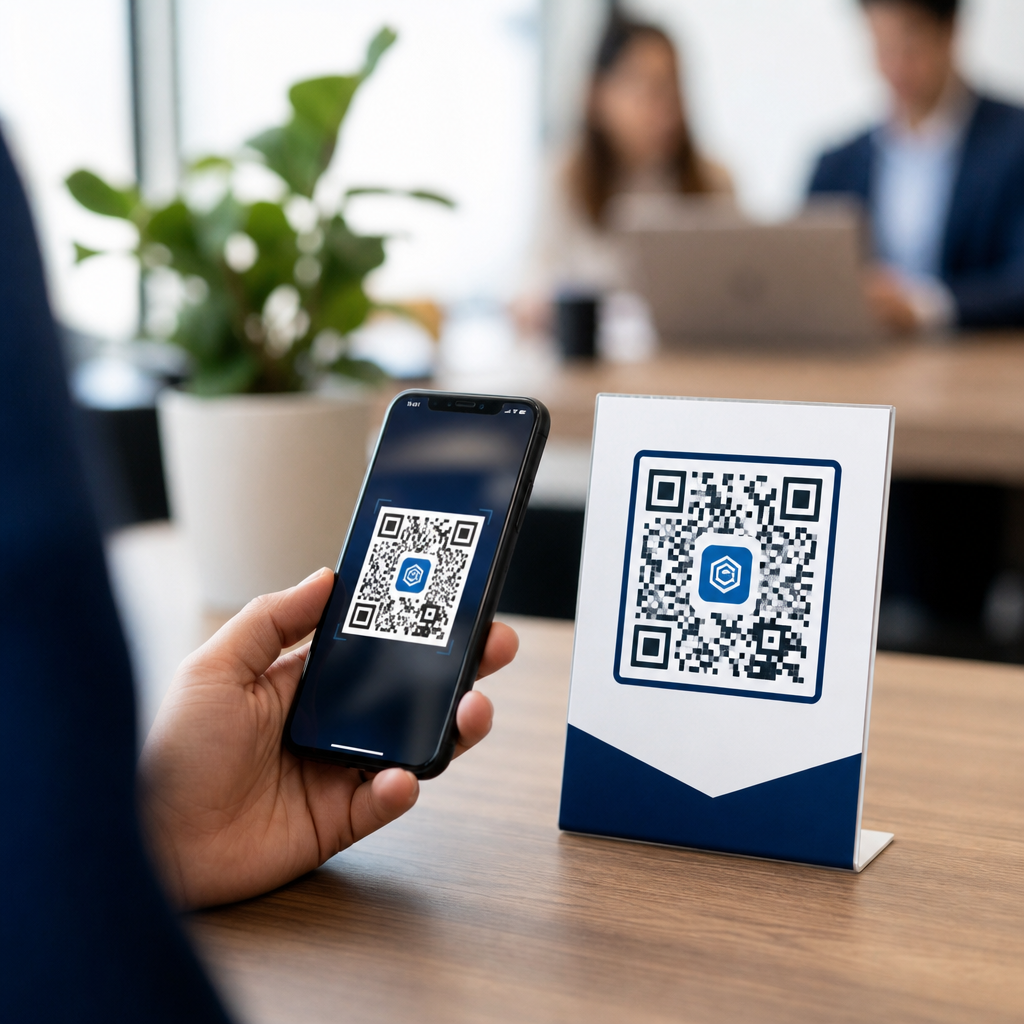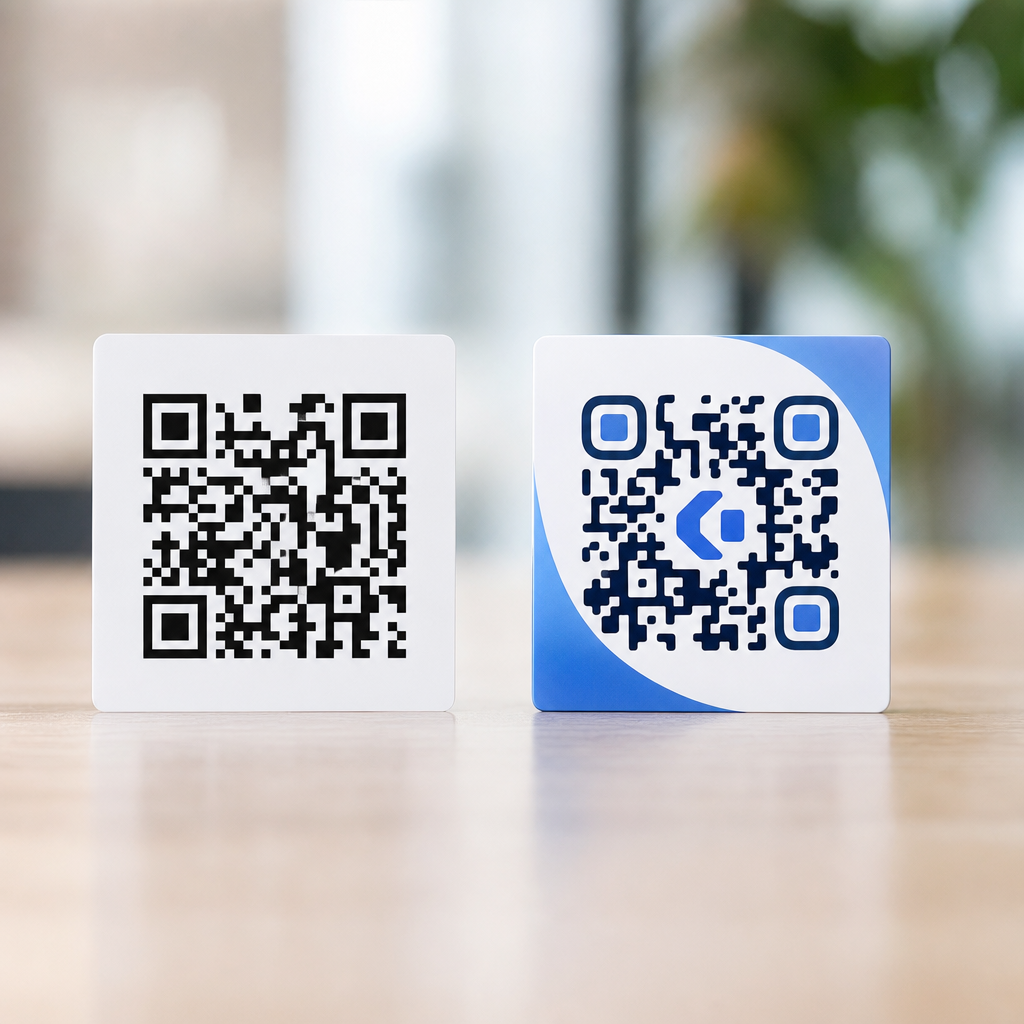

QR codes started as functional black-and-white squares built for fast machine reading, but in modern marketing they also serve as branded touchpoints that influence trust, recognition, and conversion. A branded QR code is a scannable code intentionally customized to reflect a company’s visual identity through color, shape, logo placement, framing, destination design, and campaign context while still preserving reliable scan performance. That balance matters because the code itself is often the first interaction a customer has with a product package, poster, menu, mailer, storefront display, event badge, or social ad. If it looks generic, it can feel disposable. If it looks off-brand or untrustworthy, people hesitate to scan. If it is overdesigned, it may fail technically.
In practice, aligning QR codes with brand identity means treating them as part of the brand system rather than as an afterthought added at the end of production. I have seen campaigns improve scan rates simply by replacing plain codes with versions framed by a clear call to action, matched to the brand palette, and linked to a landing page that continued the same visual language. The opposite is also common: teams spend heavily on packaging design, then drop in a default QR code that clashes with typography, uses an unrelated URL shortener, and sends users to an unoptimized page. That break in continuity weakens confidence at the exact moment a user is deciding whether to engage.
This topic matters because QR codes now sit at the intersection of offline and digital marketing. They connect physical media to analytics, first-party data collection, app downloads, loyalty programs, product education, payments, and support flows. A strong branded QR code can reinforce recognition, increase scan intent, and improve attribution. A weak one can damage usability and brand perception at once. The key is understanding which design elements shape identity, which technical constraints protect scanability, and how to build a repeatable system that works across channels, vendors, and campaign types.
What Branded QR Codes Include and Why They Work
Branded QR codes combine visual customization with a strategic destination. The visual side typically includes approved brand colors, a logo or icon in the center area, custom eye shapes, a frame, and a short instruction such as “Scan to view sizing” or “Scan for setup guide.” The strategic side includes the target URL, redirect logic, UTM tagging, mobile landing page design, and analytics. The reason branded QR codes work is simple: people scan when they understand the value and trust the source. Branding improves both signals when used correctly.
Customization should never be random decoration. Every visual choice needs a job. Color should support recognition while maintaining contrast. A logo should identify the source without covering too much data area. A frame should make the code stand out from surrounding content. The destination should fulfill the promise made next to the code. For example, a cosmetics brand on shelf talkers might use blush and charcoal brand colors, a centered monogram, and the instruction “Scan for shade match.” That code should lead to a fast mobile tool for shade comparison, not a generic homepage. Consistency between code, message, and landing page is what turns design into performance.
Different QR use cases call for different branding intensity. On product packaging, subtle integration often works best because the package itself already carries strong identity. On event signage viewed from several feet away, a framed code with high contrast and a larger quiet zone is usually more effective than a heavily stylized one. On restaurant menus, the brand can come through in the frame, accent color, and destination page, while the matrix itself remains relatively simple for low-light scanning. Alignment is not sameness. It is choosing the right level of customization for the context.
Core Brand Elements to Translate into QR Code Design
Most companies already have a brand system, even if it is spread across a style guide, Figma library, packaging files, and paid media templates. The task is to decide which elements can move into QR codes without hurting readability. Start with color. The safest route is a dark foreground on a light background, using approved primary or secondary brand colors. Deep navy on white, forest green on cream, or black on a pale brand tint usually scan well. Problems appear when teams use low-contrast combinations such as yellow on white, pastel on gray, or metallic inks that reflect light unevenly.
Next are shape and geometry. Many QR generators allow rounded modules, custom corner eyes, and softer patterns. These can support a brand known for friendliness or premium aesthetics, but they must be tested across devices. In my experience, slight rounding is usually fine, while aggressive distortion creates intermittent failures, especially on older Android cameras. Typography also matters, although not inside the code. The surrounding call to action, label, and placement should use the same type hierarchy as the rest of the asset. A luxury brand may pair a minimal code with refined serif headlines, while a sports brand may use bold sans serif instructions and energetic framing.
Logo use requires discipline. A centered logo can increase trust because it instantly signals ownership, but it consumes error-correction capacity. QR codes use Reed-Solomon error correction, commonly at L, M, Q, or H levels, allowing portions of the symbol to be obscured while remaining readable. When a logo is added, higher correction is often necessary, but that increases symbol density. The practical solution is to keep the logo modest, leave breathing room, and increase code size rather than trying to force a large mark into a small print area. Brand alignment succeeds when the code still scans quickly under normal conditions.
Design Rules That Protect Scan Performance
The most important rule is contrast. Scanners detect differences in luminance more reliably than subtle color relationships, so the foreground should be significantly darker than the background. Industry guidance from printer vendors and major code platforms consistently favors dark-on-light combinations. Reversing the scheme can work in some cases, but it raises risk, especially in poor lighting or on glossy materials. The second rule is maintaining a proper quiet zone, the empty margin around the code. Remove that border and nearby graphics can interfere with detection.
Size depends on scanning distance, environment, and use case. A common rule of thumb is a scanning distance to code size ratio of about 10:1, meaning a code intended to scan from 10 inches away should be roughly 1 inch wide. For posters or window clings viewed from several feet away, the code must scale accordingly. Print production variables also matter. On corrugated packaging, fine details can fill in. On curved bottles, distortion affects readability. On digital screens, pixel density and brightness influence results. I always test final artwork on the actual substrate or display, not just in a generator preview.
Dynamic QR codes are often the better choice for branded campaigns because they allow destination changes without reprinting the symbol. They also support analytics such as scans by date, device, and location. Static codes have value when permanence and simplicity matter, but branded marketing usually benefits from the flexibility of dynamic management. Security is another performance factor in the broader sense. Use a branded short domain or recognizable redirect domain when possible. Consumers are more likely to scan a code tied to a familiar brand URL than one associated with an unknown generic shortener.
| Design factor | Best practice | Brand benefit | Main risk if ignored |
|---|---|---|---|
| Color contrast | Dark foreground, light background, tested in print and on screen | Supports palette recognition without hurting usability | Failed or delayed scans |
| Logo placement | Keep logo small and centered with higher error correction if needed | Improves source recognition and trust | Data obstruction and dense symbol patterns |
| Quiet zone | Preserve clear margin on all sides | Makes the code look intentional and premium | Scanner detection errors |
| Call to action | State the benefit clearly near the code | Raises scan intent and campaign relevance | Low engagement despite visibility |
| Destination page | Match branding and message continuity after the scan | Creates a seamless brand experience | Bounce after scan and trust loss |
Matching QR Codes to Packaging, Retail, Events, and Print
Packaging is one of the strongest use cases for branded QR codes because the code can deepen the product story at the point of consideration or after purchase. Consumer packaged goods brands use them for recipes, tutorials, traceability, warranty registration, loyalty, and ingredient transparency. A coffee roaster, for example, can place a branded code on the side panel that leads to farm origin details, brew ratios, and tasting notes. Here the design should harmonize with label architecture, but the code must stay distinct enough to scan under kitchen lighting and on curved bags.
In retail displays, visibility and instruction become more important. A freestanding display for skincare may feature a code that says “Scan for dermatologist tips” beside product testers. Because shoppers are moving quickly, the promise must be immediate and specific. Event environments create another set of constraints. Badges, booth graphics, and lanyards need codes that scan at angles and under uneven lighting. For lead capture, the safest approach is often a high-contrast branded frame around a comparatively standard code. Overstyling an event code is rarely worth the lost reliability during busy traffic.
Direct mail, catalogs, and out-of-home advertising benefit when the code is integrated into campaign creative rather than floating as a disconnected utility element. A travel brand can place a code inside a postcard image with a clear frame and the instruction “Scan to see room views and rates.” The landing page should open to a mobile booking experience preloaded with campaign parameters. In each of these channels, brand alignment is not only about appearance. It is about connecting the context of the physical asset to the digital action that follows, with as little friction as possible.
Creating a Consistent Post-Scan Experience
The landing page is where many branded QR campaigns fail. The code looks polished, but the destination is a slow, generic page that ignores the offer implied by the scan. Alignment requires message match. If the code says “Scan for assembly video,” the page should open directly to that video or to a support page with the video above the fold. If it says “Scan to claim your welcome drink,” the page should present a redemption flow immediately. Every extra step reduces the value created by the branded code itself.
Visual continuity matters just as much. Use the same logo treatment, colors, photography style, and tone of voice that appeared around the code. Mobile usability is essential because most scans happen on phones. Pages should load quickly, avoid intrusive pop-ups, and present one clear action. Analytics should also be built in from the start. Add UTM parameters, define conversion events in Google Analytics 4 or an equivalent platform, and separate scans by placement when multiple assets use similar creative. Once measurement is in place, teams can compare which call to action, code position, or creative treatment drives the highest completion rate.
Governance is the final piece. For a sub-pillar topic like branded QR codes, companies benefit from a reusable playbook: approved color combinations, minimum sizes, logo rules, recommended error correction, testing steps, and destination templates. Tools such as Adobe Illustrator, Figma component libraries, QR Code Generator Pro, Bitly, Beaconstac, Flowcode, and Canva can support execution, but standards prevent inconsistency. When a team treats QR codes as branded system components, not one-off graphics, every campaign becomes easier to launch and easier to optimize.
Common Mistakes and How to Avoid Them
The most common mistake is prioritizing decoration over function. Teams add gradients, low-contrast palettes, oversized logos, or busy backgrounds because the code needs to “feel branded,” then wonder why scans drop. Another frequent issue is omitting the value proposition. People do not scan simply because a code exists; they scan because the reward is clear. “Scan me” is weak. “Scan for installation steps” or “Scan to unlock 15% off” gives a reason. A third mistake is using an unbranded redirect URL that looks suspicious when phones preview the destination.
There are also operational mistakes. Marketers sometimes export a low-resolution raster file, place it in print at an incorrect size, or stretch it disproportionately in layout software. Others skip live testing and rely on desktop previews. I have seen beautifully designed product labels fail because the code sat across a fold, a metallic varnish reduced contrast, or a store display mounted the code too high for natural scanning distance. These are avoidable errors. Test with current iPhone and Android devices, under realistic lighting, from realistic distances, and after production finishes have been applied.
Finally, avoid thinking of branded QR codes as a novelty feature. Their value comes from disciplined execution across the full experience: code design, context, CTA, destination, and measurement. When those elements align, branded QR codes become one of the most efficient bridges between physical attention and digital action. Audit your existing QR placements, document brand-safe design rules, and build templates that your team can use repeatedly. That approach protects scanability, strengthens recognition, and turns every code into a more credible brand interaction.
Frequently Asked Questions
1. What does it really mean to align a QR code with your brand identity?
Aligning a QR code with your brand identity means turning it from a purely functional scanning tool into a recognizable extension of your visual and marketing system. Instead of using a generic black-and-white code with no context, a branded QR code reflects the same design language people already associate with your business, including your colors, logo, typography style, packaging aesthetic, campaign messaging, and overall tone. The goal is not decoration for its own sake. It is to make the code feel intentional, trustworthy, and unmistakably connected to your brand wherever it appears, whether that is on product packaging, in-store signage, direct mail, event materials, menus, or digital ads.
In practice, brand alignment usually includes choices such as using brand-approved colors with strong contrast, adding a logo in the center without interfering with scan reliability, selecting corner shapes or patterns that support your visual style, and placing the code inside a frame with a clear call to action. Just as important, the landing page after the scan should match the look and message of the code itself. If a customer scans a polished, premium-looking QR code and lands on a generic or outdated page, the experience feels disconnected. True alignment happens across the full journey: the code design, its placement, the surrounding copy, and the destination content all work together to reinforce recognition and confidence.
2. How can you customize a QR code without hurting scan performance?
The key is understanding that a branded QR code still has one non-negotiable job: it must scan quickly and reliably under real-world conditions. Customization should always support usability, not compete with it. The safest approach is to preserve the fundamental structure of the code while making controlled visual adjustments. High contrast remains essential, even if you move beyond black and white. Dark foreground elements on a light background tend to perform best. Brand colors can work very well, but low-contrast combinations, metallic finishes, glossy reflections, or overly busy backgrounds often create scanning problems.
Logo placement is another common area where brands go too far. A small, centered logo is usually fine if the QR code uses an appropriate error correction level and enough quiet space remains around the data pattern. However, an oversized logo, excessive masking, or decorative overlays can make the code unreadable. The same caution applies to changing module shapes, adding gradients, or heavily stylizing the corners. These design choices can be effective, but they must be tested across multiple devices, lighting conditions, distances, and print sizes. A QR code that scans perfectly on a designer’s phone in ideal lighting may fail on an older device, from a storefront window, or on textured packaging.
Best practice is to design conservatively, then test aggressively. Print prototypes at intended sizes, scan them on both iPhone and Android devices, check performance indoors and outdoors, and verify that the destination loads quickly. Also leave adequate margin, known as quiet space, around the code so phone cameras can distinguish it from surrounding artwork. In short, strong branded QR design is less about pushing customization to the limit and more about finding the point where brand expression and scan reliability reinforce each other.
3. Which branding elements matter most when designing a branded QR code?
The most important branding elements are the ones that create instant recognition without reducing clarity. Color is usually the first and most obvious lever. If your brand has a strong visual palette, using one or two signature colors can immediately make the QR code feel owned rather than generic. That said, the colors still need enough contrast to remain machine-readable. After color, logo integration is often the most powerful signal, especially when the logo is familiar and placed in a way that feels deliberate rather than crowded. A well-sized logo can increase trust because users can see at a glance who is behind the code before they scan it.
Shape and framing also play a major role. Rounded modules, customized eye patterns, or a branded border can help the QR code visually fit a more modern, playful, premium, or minimalist design system. A frame is especially valuable because it gives you room for instructions or a call to action such as “Scan to view the collection,” “Scan for setup help,” or “Scan to unlock rewards.” This surrounding context matters because many people are more likely to engage when they understand what they will get from scanning. The frame can also visually separate the code from the rest of the design, making it easier to locate and scan.
Finally, the destination experience is one of the most overlooked branding elements. A QR code should not be treated as a stand-alone visual object. If it leads to a mobile page, app download, coupon, video, registration form, or product detail page, that destination should mirror the campaign’s design and messaging. Brand identity is not only what the code looks like; it is what the code promises and what the user experiences immediately after the scan. The strongest branded QR codes are part of a complete system, not just a customized graphic.
4. Why do branded QR codes improve trust, recognition, and conversions in marketing?
Branded QR codes can improve results because they reduce uncertainty at the exact moment a customer is deciding whether to engage. Generic QR codes often provide no visual reassurance about who created them or where they will lead. In contrast, a QR code that clearly reflects your brand identity signals legitimacy and intent. When users recognize your logo, colors, or campaign styling, they are more likely to believe the code is safe, relevant, and worth scanning. That trust is especially important in an environment where consumers are increasingly cautious about unfamiliar links and digital scams.
Recognition also plays a major role in performance. Marketing works better when each touchpoint reinforces memory. If someone sees your ad, your packaging, your event booth, and your QR code all using the same visual identity, the repetition strengthens recall. The QR code stops being an anonymous utility and becomes a branded interaction point. This consistency can make campaigns feel more polished and professional, which in turn affects how audiences perceive product quality, credibility, and attention to detail.
Conversions improve when trust and clarity are combined with a strong value proposition. A branded QR code framed with a clear benefit-driven call to action gives users both confidence and motivation. For example, “Scan to see the full shade range,” “Scan for installation instructions,” or “Scan to claim your member discount” sets expectations and reduces friction. Once the user scans, a fast-loading, mobile-optimized destination that visually matches the original code helps complete the experience. In other words, branded QR codes do not increase conversions simply because they look better. They perform better because they make the interaction clearer, safer, and more cohesive from first impression to final action.
5. What are the biggest mistakes brands make when trying to match QR codes to their visual identity?
One of the biggest mistakes is prioritizing appearance over function. Brands sometimes push customization so far that the QR code becomes difficult to scan. Common examples include weak color contrast, transparent or patterned backgrounds, excessive logo size, overly artistic module shapes, and placing the code on reflective, curved, or textured surfaces without testing. These choices may look impressive in a mockup but fail in practical use. If the code does not scan consistently, the branding effort has backfired because the customer experience breaks at the first step.
Another major mistake is ignoring context. A QR code should not be dropped into a design without explaining why someone should scan it. Even a beautifully branded code may be overlooked if there is no call to action, no visible benefit, or no indication of what happens next. Placement matters too. A code on packaging may need to survive folds, shadows, and shelf distance, while a code on a poster may need to scan from several feet away. The brand-aligned solution for one environment may not work in another, so design decisions should reflect where and how the code will be used.
A third mistake is creating a branded code experience that stops at the scan. If the code looks premium but leads to a generic homepage, a desktop-only page, or content unrelated to the campaign, users experience a disconnect. That inconsistency can lower trust rather than build it. Finally, many brands fail to test and measure performance. The best QR codes are not only attractive; they are optimized. Track scan rates, compare versions, review device performance, and refine the design over time. The most effective approach is to treat the QR code as a strategic brand asset, not a last-minute graphic element.