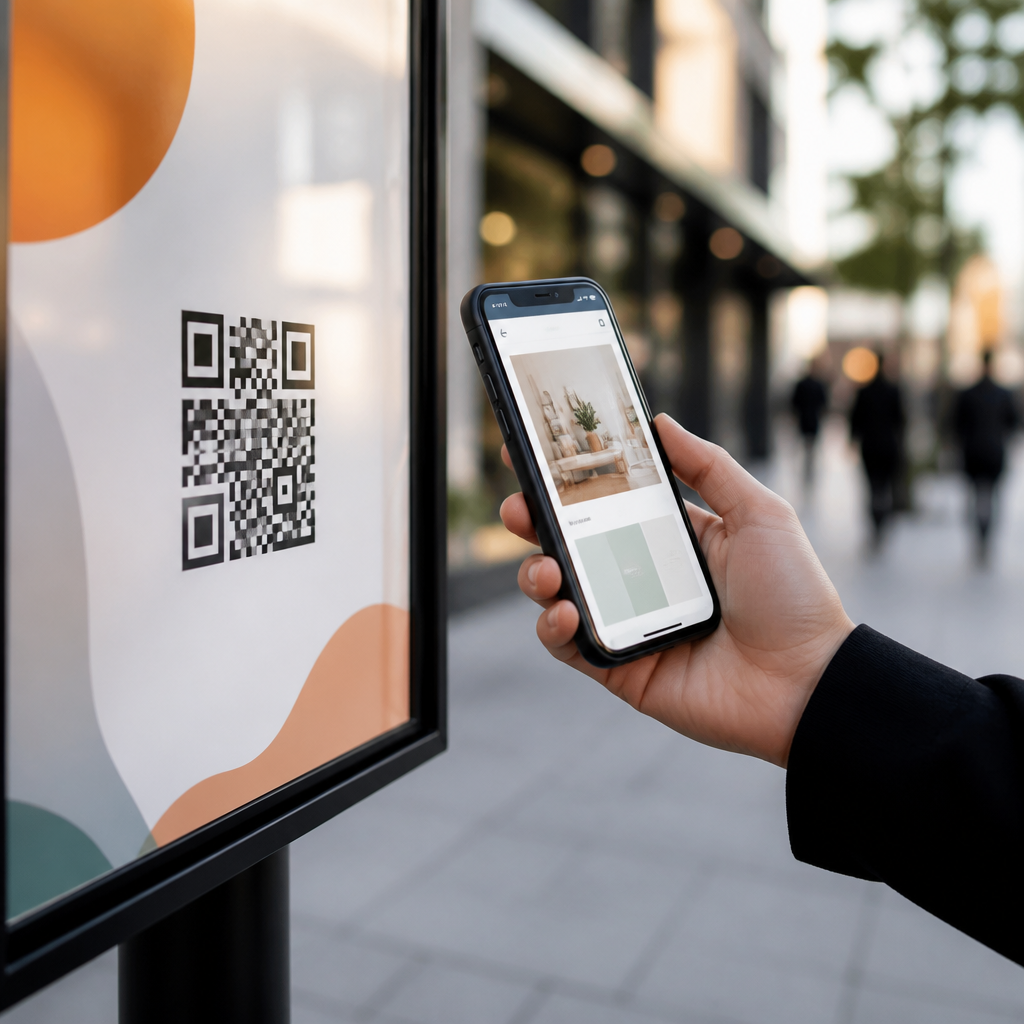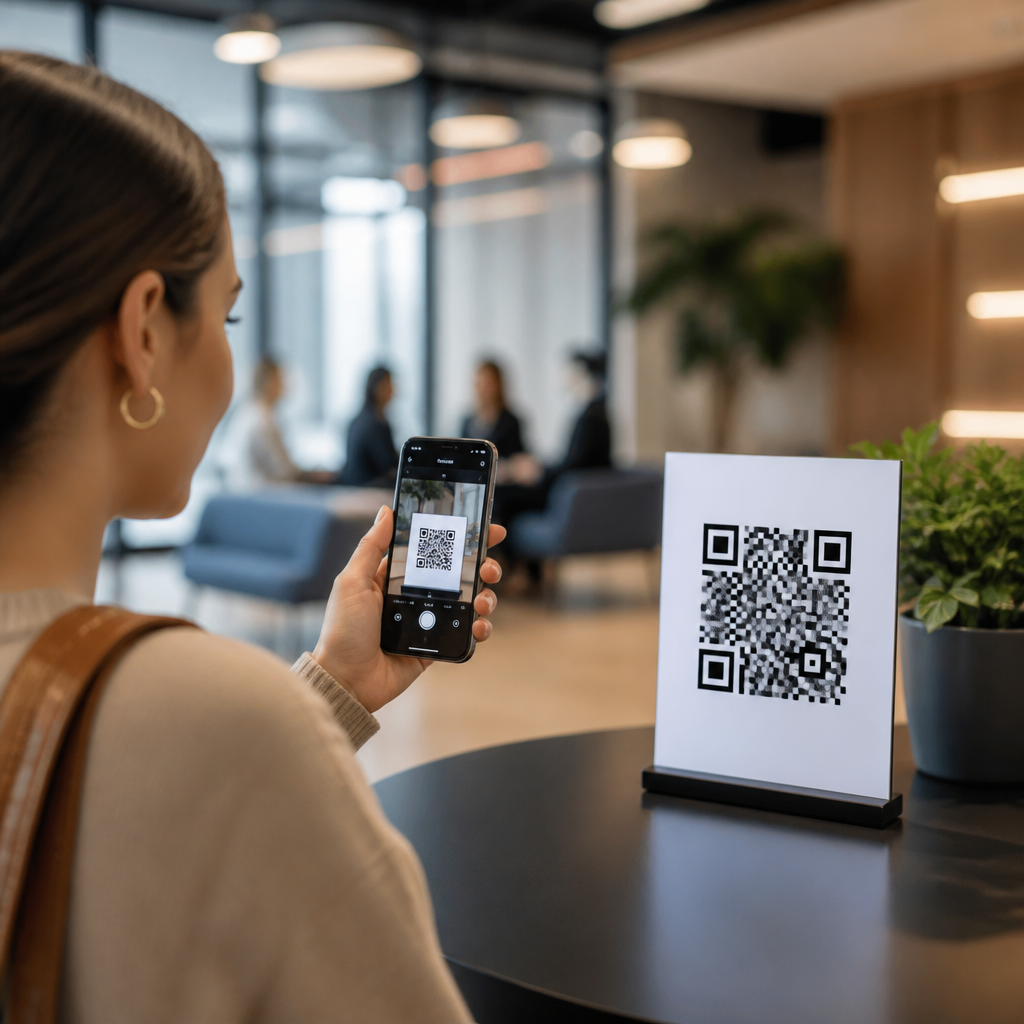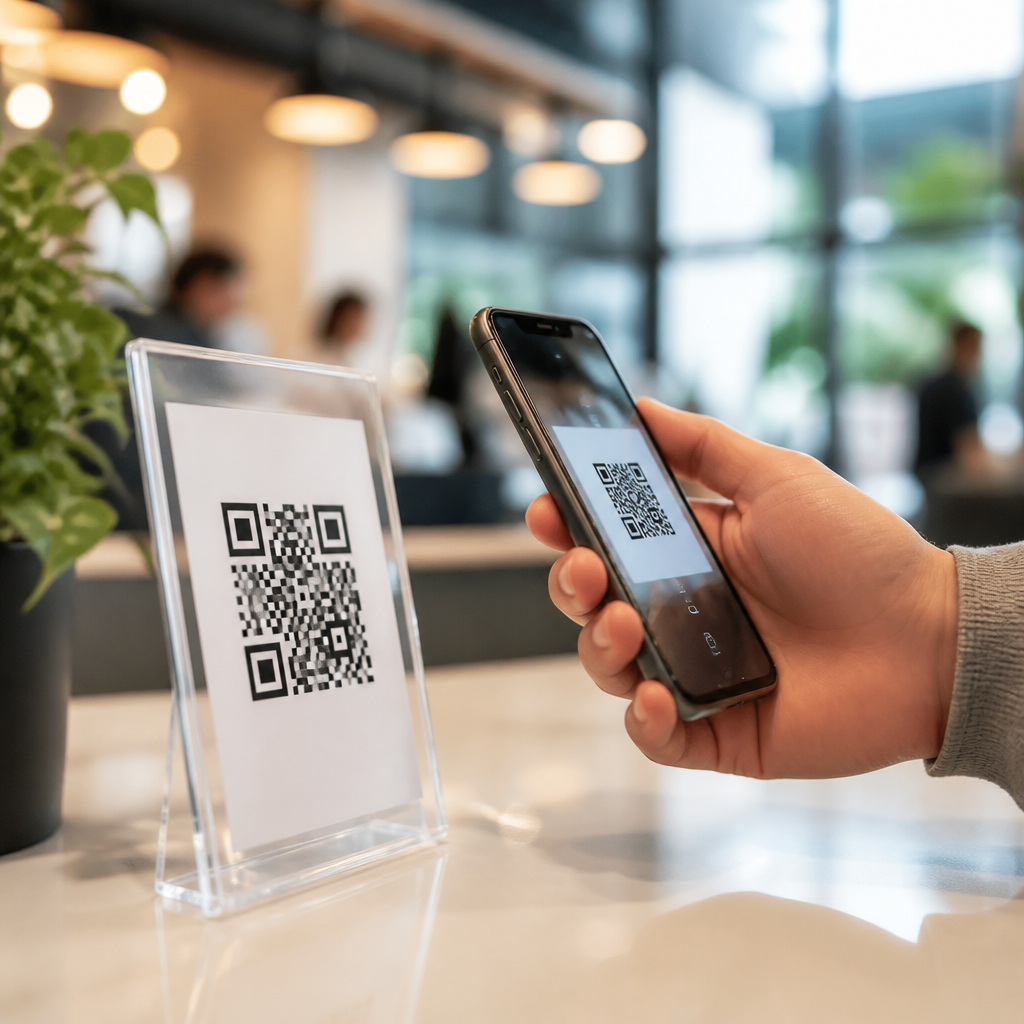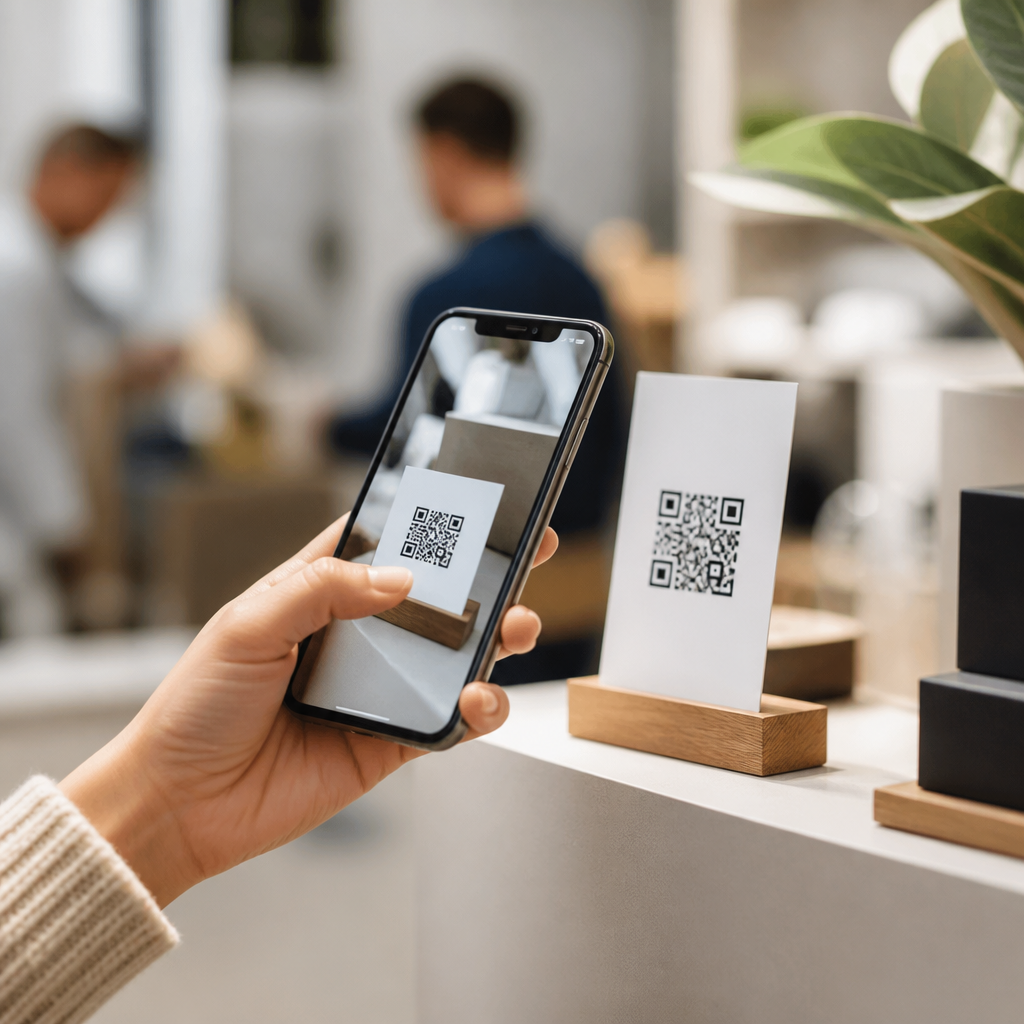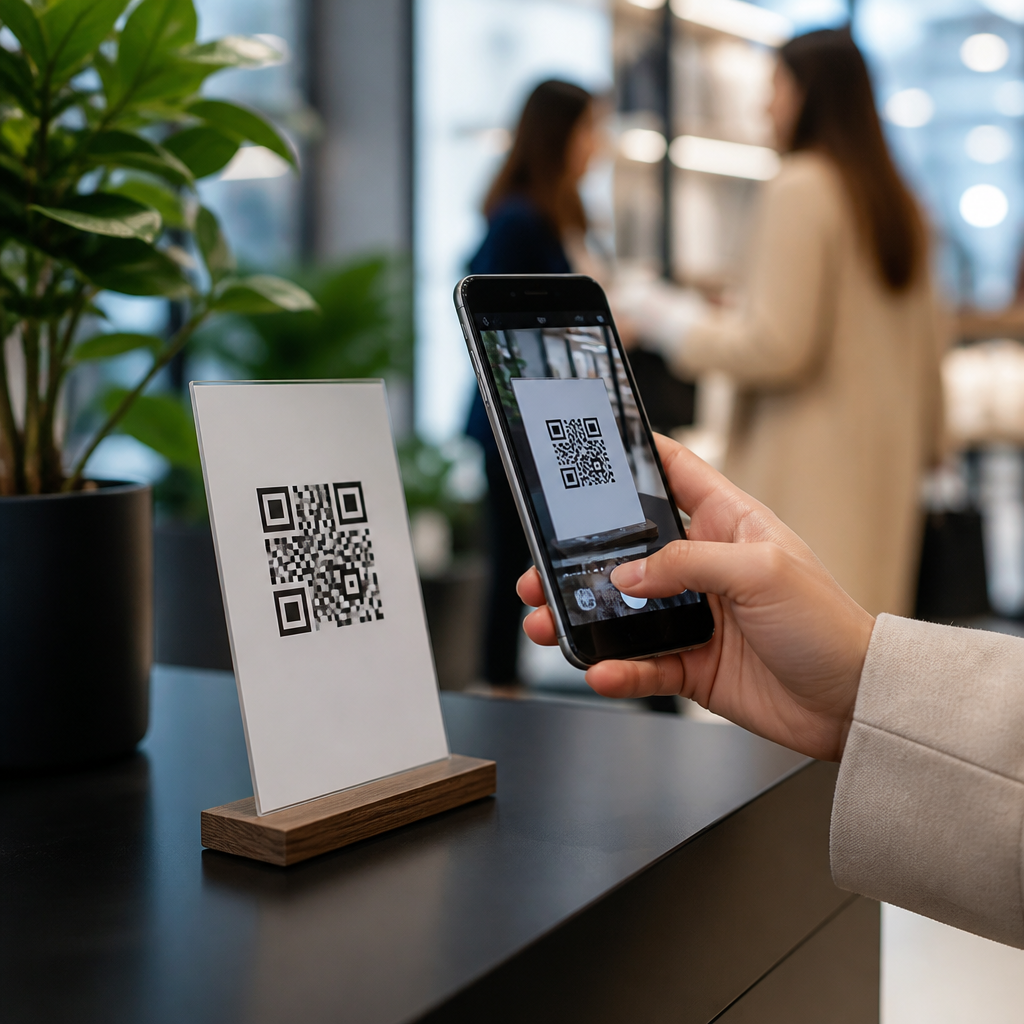
QR codes have become one of the most practical tools in modern marketing because they connect physical touchpoints to digital actions in a single scan. A QR code, short for quick response code, is a two-dimensional barcode that stores information such as a website URL, app download link, coupon, contact card, payment request, or event registration page. When a customer points a smartphone camera at the code, the phone interprets the pattern and opens the intended destination almost instantly. That speed matters in marketing, where every extra click, search, or form field reduces response rates and creates friction.
The top benefits of using QR codes in marketing campaigns come from this ability to reduce effort while improving measurability. Brands can place a code on packaging, direct mail, shelf signage, receipts, menus, business cards, trade show booths, posters, outdoor ads, product inserts, and even television screens. Instead of asking people to remember a URL or type a promotional code later, marketers can move them directly from attention to action in the same moment. I have seen campaigns improve landing page visits simply by replacing long printed addresses with a clear scan prompt and a mobile-optimized page.
Why do QR codes work in marketing? They work because they match current consumer behavior. Most shoppers carry smartphones, are comfortable scanning codes, and expect immediate access to information. Camera apps on iPhone and Android devices now recognize QR codes natively, removing the app-download barrier that limited adoption years ago. During the pandemic, many consumers learned to use QR codes for menus, payments, check-ins, and health forms. That behavioral shift persisted. Today, the code itself is familiar, but the strategic value lies in how marketers use it to shorten the path between message and conversion.
For a sub-pillar within a broader QR codes in marketing strategy topic, this article explains the central reasons QR codes deserve a place in campaign planning. It covers convenience, attribution, personalization, omnichannel integration, cost efficiency, engagement, and data collection. It also addresses tradeoffs, because QR codes do not fix weak offers, poor creative, or slow websites. Used well, they make strong campaigns easier to act on and easier to measure. Used poorly, they lead users to dead ends or generic pages. The difference is in strategy, execution, and follow-through.
QR codes reduce friction and increase response rates
The most immediate benefit of QR codes in marketing campaigns is lower friction. Marketing performance often rises or falls on how much effort a user must invest before reaching the offer. A printed ad that asks someone to type a 40-character URL into a browser creates avoidable resistance. A QR code turns that same interaction into one motion. In direct mail, this can mean the difference between a card being discarded and a prospect reaching a quote form. In retail, it can move a shopper from packaging to product comparison content while the item is still in hand.
This matters because attention is fragile. People see promotions in transitional moments: waiting in line, walking past a poster, skimming a brochure, watching an in-store display. A scan captures intent immediately, before it fades. I have used QR codes on event signage to drive same-day registrations and on sales collateral to open demo booking pages without forcing prospects to search later. The principle is simple: when the action is easier, more people complete it. That is why QR codes work especially well for mobile-first campaigns, impulse offers, and time-sensitive promotions.
Lower friction also improves the quality of the user journey. A marketer can send each scan to a mobile landing page tailored to the context in which the code appeared. A code on packaging can lead to setup instructions, warranty registration, or upsell bundles. A code on a restaurant table can open the menu, loyalty signup, and review request. A code on a real estate sign can launch a property page with photos, virtual tour, and agent contact details. Customers get relevant content fast, and brands avoid the drop-off that happens when users must navigate from a generic homepage.
QR codes make offline marketing measurable
One reason marketers continue investing in QR codes is attribution. Offline channels such as print ads, packaging, flyers, billboards, and point-of-sale displays have historically been difficult to measure with precision. QR codes create a trackable bridge. By assigning unique dynamic codes to each channel, placement, or audience segment, marketers can see which assets generate scans, visits, conversions, and revenue. This transforms print from a visibility play into a measurable acquisition or engagement channel.
Dynamic QR codes are especially important here. Unlike static codes, which permanently encode one destination, dynamic codes route through a short URL that can be updated without reprinting the code. That allows marketers to change landing pages, correct errors, A/B test offers, and capture analytics. Common metrics include total scans, unique scans, time of scan, location by IP approximation, device type, bounce rate, form completions, and downstream purchases when integrated with analytics platforms. Tools such as Google Analytics 4, Bitly, HubSpot, Adobe Analytics, and QR platform dashboards make this reporting accessible.
The practical value is campaign optimization. If a retailer places different QR codes on window clings, shelf talkers, and receipts, the data can reveal where customers are most willing to act. If a B2B company uses separate codes on trade show banners, booth handouts, and speaker slides, it can compare lead volume and lead quality by touchpoint. If a restaurant chain tests two table-tent offers, scans and redemption rates identify the stronger message. Better measurement leads to better media allocation, stronger creative decisions, and more defensible reporting to stakeholders.
QR codes support richer customer experiences across channels
QR codes are effective because they blend physical and digital experiences rather than treating them as separate worlds. Many purchase journeys begin offline and continue online. A shopper notices a package on a shelf, scans for ingredient details, reads reviews, watches a product demonstration, then buys in store or later online. A visitor at a museum scans a placard to hear audio commentary. An attendee at a conference scans a booth code to download a case study and schedule a meeting. In each case, the code turns a static object into an interactive touchpoint.
That capability is valuable for omnichannel marketing. Brands can use QR codes to connect direct mail with personalized landing pages, in-store displays with loyalty enrollment, product packaging with onboarding tutorials, and print catalogs with shoppable product pages. Because the destination can be customized, the brand does not need to choose between awareness and action. The same code can educate, capture leads, encourage app downloads, deepen product usage, or request referrals depending on the campaign objective.
Richer experiences also improve brand perception when they solve real customer problems. Consider cosmetics packaging that links to shade-matching guides, furniture tags that open assembly videos, or food labels that provide sourcing details and recipes. Consumers increasingly expect transparency and self-service information. QR codes deliver both without overloading physical materials with tiny text. They are especially useful when regulatory information, product variants, or localized content would be difficult to present in print alone. The result is a cleaner design in the physical environment and deeper content online.
QR codes enable personalization, segmentation, and faster testing
Another major benefit of using QR codes in marketing campaigns is flexibility. Because dynamic codes can redirect to different destinations, marketers can personalize experiences by location, product line, campaign source, language, or audience segment. A national retailer can print one code design on regional flyers but route users to store-specific pages with inventory and local promotions. A manufacturer can place language-specific experiences behind packaging codes based on scan geography. A membership organization can use different codes for prospects, current members, and lapsed members to present the right message at the right stage.
Segmentation becomes more powerful when QR code data is connected to customer relationship management systems and marketing automation tools. A user who scans a brochure code and fills out a form can enter a nurture sequence tied to that exact campaign. A repeat buyer who scans a packaging insert can be offered accessories rather than introductory education. These are not abstract possibilities; they are standard workflows in platforms such as HubSpot, Salesforce Marketing Cloud, Klaviyo, and Marketo when UTM parameters, events, and forms are set up correctly.
Testing is faster as well. Marketers can compare calls to action, landing page layouts, incentives, and creative placements without changing the printed code itself, provided the destination is dynamic. In practice, this allows teams to improve campaigns while they are live. A code on a poster can first direct users to a contest page, then to a waitlist, then to a product launch page as the campaign evolves. That agility is one reason QR codes are useful not only for large brands but also for smaller businesses that need affordable experimentation.
| Marketing use case | QR code destination | Main benefit |
|---|---|---|
| Product packaging | Setup guide, warranty form, upsell page | Improves post-purchase experience and retention |
| Direct mail | Personalized landing page or quote form | Raises response by removing typing friction |
| Retail signage | Product comparison, reviews, loyalty signup | Supports in-store decision making |
| Events and trade shows | Lead capture form, demo booking, brochure download | Captures intent in real time |
| Restaurant tables and receipts | Menu, feedback form, rewards program | Adds convenience and drives repeat visits |
QR codes are cost-effective and accessible for businesses of any size
QR codes offer a rare mix of low implementation cost and broad utility. Creating a code is inexpensive, and many platforms provide dynamic management, analytics, and bulk generation at modest subscription levels. Compared with custom apps, dedicated hardware, or heavily revised print runs, QR codes are lightweight. A small local business can add one to a storefront sign or postcard campaign with minimal budget, while an enterprise can deploy thousands across packaging, retail displays, field marketing, and service documentation.
Cost efficiency is not only about production. It also comes from extending the value of existing assets. A brochure can stay concise because deeper product details live online. A package can link to updated instructions without redesigning the label. A trade show banner can continue generating leads after an event if the same code routes to evergreen content. In operations, teams save time because they can update destinations centrally. That means fewer wasted materials and less dependence on long revision cycles.
Accessibility has improved too, though execution matters. Most smartphones scan codes natively, and users do not need specialized technical knowledge. Still, marketers should support accessibility by pairing the code with a clear text call to action, a readable fallback URL, strong color contrast, sufficient white space, and an obvious explanation of what the user will get after scanning. A code that says “Scan for product manual in Spanish” performs better than an unlabeled square. The technology is simple; the communication around it determines whether people trust it enough to engage.
Best practices, limitations, and why strategy still matters
QR codes work in marketing when the surrounding campaign is well designed. Best practices are straightforward. Use dynamic codes whenever measurement or flexibility matters. Send traffic to fast, mobile-optimized landing pages. Match the destination to the context of the scan. Keep the call to action explicit, such as “Scan to compare plans” or “Scan for 15% off today.” Test the printed size and placement at realistic distances. Follow ISO/IEC 18004 standards through a reliable generator, and maintain adequate contrast and quiet zone spacing so cameras can read the pattern consistently.
There are also limitations. A QR code cannot rescue a weak offer or poor user experience. If the landing page loads slowly, asks for too much information, or fails to match the promise in the ad, scans will not convert. Overuse can also create clutter, especially when every surface carries a code without a compelling reason. Security concerns matter as well; consumers may hesitate if the destination is unclear, so branded short domains and transparent labeling help. In some environments, lighting, glare, distance, or bad cellular service can reduce scan rates.
The larger point is that QR codes are not a gimmick. They are a response mechanism. Their value comes from connecting intent to a relevant digital action at the exact moment interest exists. That is why they perform well in product packaging, retail, direct mail, out-of-home advertising, hospitality, events, healthcare communications, and B2B sales enablement. If your broader marketing strategy already includes physical touchpoints, QR codes are one of the fastest ways to make those touchpoints interactive, measurable, and conversion friendly.
The benefits of using QR codes in marketing campaigns are clear: less friction, better attribution, stronger customer experiences, flexible personalization, and efficient deployment across channels. They work because they fit how people behave today, moving from offline attention to mobile action in seconds. For marketers, that means more trackable engagement from assets that were once difficult to measure. For customers, it means faster access to useful content, offers, and support without extra steps.
As the hub page for why QR codes work in marketing, the core lesson is simple. A good QR code strategy starts with intent, context, and destination. Put the code where motivation already exists. Offer something genuinely useful. Make the next step fast and relevant. Then measure what happens and improve it over time. Brands that follow this discipline consistently turn packaging, print, signage, and in-person experiences into digital growth opportunities.
If you are building a QR code marketing strategy, start with one high-intent touchpoint such as product packaging, direct mail, or in-store signage. Use a dynamic code, connect it to analytics, and send visitors to a mobile page built for that exact audience and moment. From there, expand to additional channels based on performance. Done well, QR codes do not just decorate a campaign. They make the campaign easier to act on, easier to optimize, and more valuable to the business.
Frequently Asked Questions
1. Why are QR codes so effective in marketing campaigns?
QR codes are effective because they remove friction between customer interest and customer action. Instead of asking someone to type a long web address, search for a product, download an app manually, or fill out information later, a QR code lets them move from seeing a message to acting on it in seconds. That speed matters in marketing. The easier it is for a customer to respond, the more likely they are to do it. QR codes also work across a wide range of touchpoints, including product packaging, posters, direct mail, business cards, receipts, in-store signage, menus, and event materials, which makes them highly flexible for both digital and offline campaigns.
Another reason they perform so well is that they bridge the physical and digital worlds in a measurable way. A print ad or in-store display can suddenly become interactive when it includes a code linked to a landing page, product video, discount offer, form, or payment page. This creates a more engaging experience while giving marketers better visibility into customer behavior. In practical terms, QR codes help brands increase convenience, improve engagement, and shorten the path to conversion, all of which contribute to stronger campaign results.
2. What are the main benefits of using QR codes instead of traditional links or printed calls to action?
The biggest advantage is convenience. Traditional calls to action often rely on memory and extra effort. A customer might see a printed URL, promise themselves they will visit it later, and then never follow through. QR codes reduce that drop-off by making the next step immediate. A single scan can send someone directly to a product page, registration form, coupon, app store listing, survey, or contact card without requiring any manual input. That convenience can significantly improve response rates, especially in fast-moving environments where attention spans are short.
QR codes also make campaigns more versatile and easier to track. Unlike a generic printed message, a QR code can be tied to a specific asset, audience segment, location, or promotion, helping marketers understand which materials are driving action. They can also support richer customer experiences than a basic printed call to action. For example, instead of simply saying “Visit our website,” a campaign can direct users to a personalized landing page, a limited-time offer, a how-to video, or an exclusive mobile experience. In short, QR codes do more than replace a link. They improve accessibility, increase engagement opportunities, and make offline marketing far more interactive and data-informed.
3. How can businesses use QR codes in different types of marketing campaigns?
QR codes are extremely adaptable, which is one of their strongest advantages. In retail, they can be placed on packaging, shelf displays, or window signage to link shoppers to product details, customer reviews, loyalty programs, or special discounts. In direct mail campaigns, they can connect recipients to a custom landing page or booking form, making it easier to measure response and personalize the experience. At events and trade shows, they can simplify registration, provide digital brochures, collect leads, share presentation materials, or direct attendees to social media channels. Restaurants often use them for digital menus, ordering, promotions, and feedback collection, while service-based businesses can use them for appointment booking, testimonials, or instant contact sharing.
They are equally valuable in post-purchase and retention marketing. A QR code on a receipt or package insert can encourage repeat business by offering product tutorials, referral rewards, reorder links, or customer support resources. For brand awareness campaigns, QR codes on billboards, posters, and transit ads can turn passive impressions into measurable interactions. Even simple uses, such as linking to a payment page or app download, can help streamline the customer journey. The key is to match the code’s destination to the customer’s intent at that moment. When the experience feels relevant and useful, QR codes become a practical tool for attracting leads, increasing conversions, and strengthening ongoing customer relationships.
4. Are QR codes useful for tracking and measuring marketing performance?
Yes, and that is one of the reasons marketers continue to invest in them. QR codes can provide valuable performance data that traditional offline materials often cannot. When a customer scans a code, businesses can track metrics such as the number of scans, the time of day scans occur, the type of device used, and, depending on the platform and setup, the general location of engagement. If each campaign, channel, or placement uses a unique code, marketers can compare performance across direct mail pieces, in-store displays, product packaging, print ads, and event signage. That level of attribution helps identify which efforts are generating the most interest and conversions.
Beyond scan activity, the destination page can be connected to analytics tools to measure what happens after the scan. For example, marketers can track sign-ups, purchases, form submissions, downloads, and other conversion actions. This turns QR codes into more than a convenience feature; they become a practical source of campaign intelligence. Businesses can use that data to refine messaging, improve landing pages, test offers, and allocate budget more effectively. In an environment where marketers are expected to show measurable results, QR codes offer a simple but powerful way to make offline engagement easier to analyze and optimize.
5. What are the best practices for using QR codes successfully in marketing?
Successful QR code marketing starts with a clear purpose. Every code should lead to a destination that is relevant, mobile-friendly, and immediately useful to the audience. If someone scans a code on a product label, they should not land on a generic homepage and be forced to search for the right information. They should go directly to the specific content promised, whether that is a coupon, video demo, event registration page, order form, or product guide. It is also important to include a strong call to action near the code so people know why they should scan it. Phrases like “Scan to get 20% off,” “Scan to watch the demo,” or “Scan to register now” make the value clear and increase participation.
Design and placement also matter. The code should be large enough to scan easily, placed where lighting and distance make scanning practical, and printed with strong contrast for reliability. Marketers should test the code on multiple devices before launching any campaign to ensure it opens quickly and works as expected. Using dynamic QR codes can be especially helpful because they allow the destination to be updated without reprinting the code, adding flexibility for ongoing campaigns. Finally, businesses should monitor performance data and adjust based on results. When paired with a good user experience, clear messaging, and consistent testing, QR codes can become a highly effective tool for improving engagement, conversions, and overall campaign efficiency.