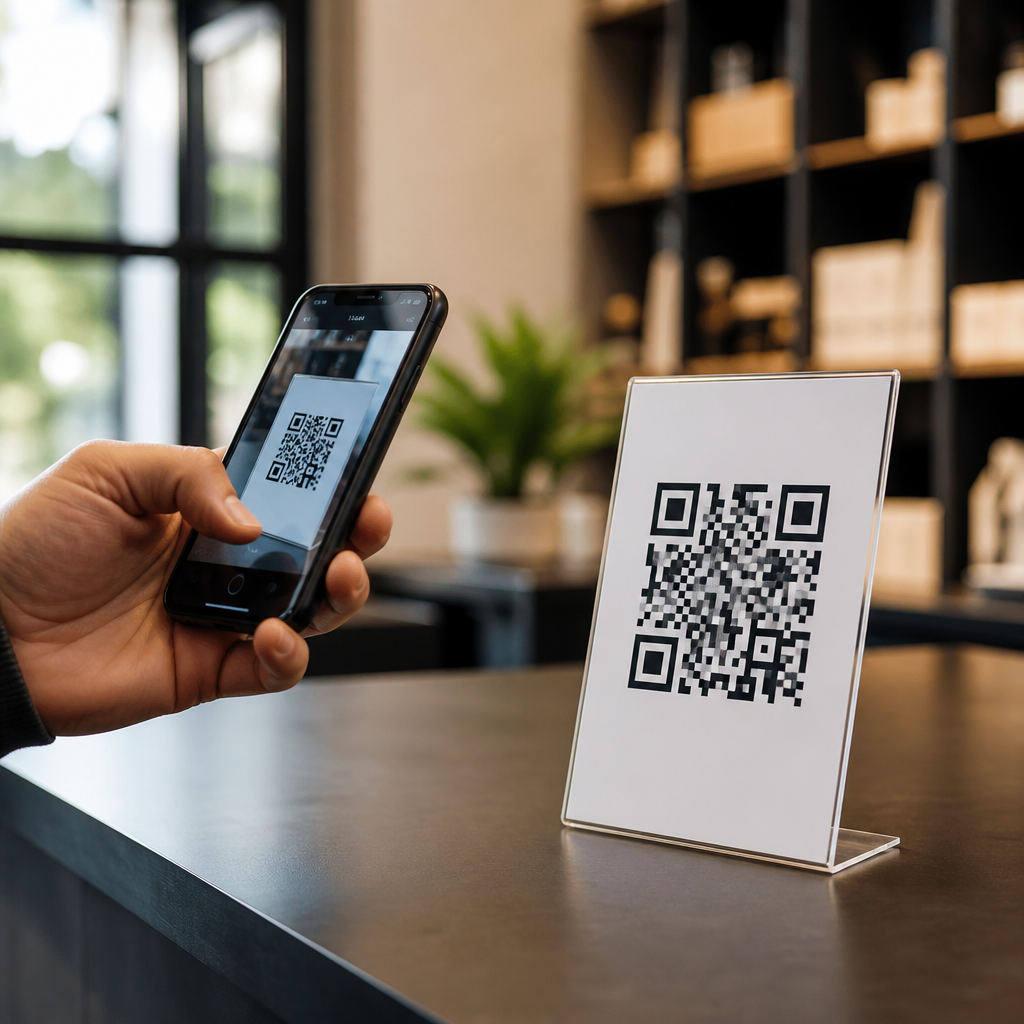
QR code marketing has moved from novelty to practical growth channel because it connects offline attention with digital action in one scan. For beginners, a QR code is a two dimensional barcode that opens a link, file, payment screen, app download, menu, form, or message when scanned with a smartphone camera. For experienced marketers, QR code marketing is the disciplined use of those codes across print, packaging, events, retail, direct mail, and product education to drive measurable conversions. I have used QR campaigns for store launches, field events, restaurant menus, and packaging inserts, and the difference between mediocre results and strong results almost always comes down to strategy, tracking, and placement.
This topic matters because customer journeys are no longer neatly split between physical and digital channels. A shopper sees a poster on a train platform, a customer opens a shipped box at home, a conference attendee wears a badge, and a restaurant guest reads a table tent. In each case, a QR code can remove friction by sending that person directly to the next best action. Instead of asking people to type a long URL, search for a product, or download a file later, the code creates an immediate bridge. That immediacy improves response rates, shortens time to conversion, and makes previously hard to measure touchpoints easier to attribute.
As a sub pillar hub for QR Code Tutorials, Guides and Resources, this guide covers beginner to advanced guides in one place. You will learn what QR code marketing includes, where it works best, how to build campaigns, how to measure performance, and what separates a reliable implementation from a wasteful one. Whether you need a simple flyer code or an enterprise level program across packaging, retail, and field sales, the principles are consistent: match the destination to the context, make the benefit obvious, and track every scan with discipline. Master those basics first, then scale with segmentation, testing, governance, and long term optimization.
What QR code marketing includes and when to use it
QR code marketing includes any campaign in which a scannable code acts as the gateway to content, commerce, or customer service. Common destinations include landing pages, app deep links, coupon offers, PDF guides, video demos, product registration forms, feedback surveys, social follow pages, and digital business cards. In practical use, static codes point to a fixed destination, while dynamic codes redirect through a managed URL so marketers can update the target later without reprinting materials. Dynamic implementation is usually the better choice for campaigns because it supports analytics, link changes, and segmentation by source.
The best use cases are situations where users are already physically engaged but need a low friction digital next step. Retail shelf talkers can link to reviews or buying guides. Packaging inserts can trigger setup instructions or warranty registration. Event signage can open agendas, booth demos, or lead forms. Restaurants can direct guests to menus and loyalty signups. Real estate signs can launch listing tours. Healthcare waiting rooms can provide intake forms. Manufacturing catalogs can connect to specification sheets. These examples work because the code meets users at a moment of intent rather than interrupting them.
Not every situation benefits equally. If the environment has poor lighting, weak connectivity, moving foot traffic, or little time to pause, scan rates may drop. A bus shelter ad with a tiny code above eye level is a common failure. So is a code printed on glossy curved packaging where camera focus struggles. A good rule is simple: use a QR code when scanning is faster than every alternative. If opening the camera and aiming takes more effort than tapping a button or typing a short URL, the code is not the right lead interaction.
How to build a beginner friendly QR campaign that actually converts
Beginners should start with a single campaign objective and one audience. The objective might be collect email signups, drive purchases, deliver a coupon, or explain product setup. The audience might be event attendees, in store shoppers, direct mail recipients, or new customers opening a package. Once that is set, build one dedicated landing page for that context. Do not send every scan to the homepage. Homepages are too broad and force users to hunt. A campaign specific page with one clear action routinely outperforms generic destinations because it preserves the context that motivated the scan.
Creative execution matters more than many first time users expect. Every code needs a plain language call to action that states the benefit, such as “Scan for 10% off today,” “Scan to watch the 60 second setup guide,” or “Scan to see available floor plans.” The code should have enough quiet zone around it, strong contrast, and a tested size. In print, around 2 by 2 centimeters can work at close range, but larger is safer for posters or packaging viewed from farther away. I usually test from the expected distance with multiple phones before approving production.
Tracking should be added from day one. At minimum, use campaign tagged URLs so analytics platforms can attribute visits by source, medium, and campaign. Google Analytics 4 can capture sessions and conversions, while tools such as Bitly, Beaconstac, QR Code Generator Pro, Flowcode, or Scanova can report scans, device type, and location trends. This is also the stage to define success metrics. For some campaigns, scan rate is enough. For most, the meaningful metrics are conversion rate, assisted revenue, registrations completed, coupon redemptions, or support deflection after setup instructions are viewed.
Core campaign types from print to packaging
Most QR code marketing programs fall into a handful of campaign types, and each has different success criteria. Print advertising focuses on driving immediate traffic from posters, brochures, flyers, magazine placements, and direct mail. Retail campaigns support consideration at the shelf through reviews, product comparisons, demo videos, and limited time offers. Packaging campaigns improve post purchase experience with onboarding videos, reorder links, registration pages, referral offers, and cross sell recommendations. Events use QR codes for lead capture, schedules, speaker materials, networking, and prize entries. Service businesses often use them for booking, reviews, and account access.
Direct mail remains one of the most effective uses because the code creates a measurable bridge from physical mail to a personalized page. A home services brand can mail seasonal maintenance reminders with a code that opens a booking page prefilled for that neighborhood campaign. Restaurants can place codes on takeout packaging that invite reorder, feedback, or loyalty enrollment. Consumer electronics brands often add setup guides inside the box, reducing returns caused by confusion. In several packaging programs I have run, a short setup video linked from the insert lowered repetitive support questions and increased accessory attach rate.
Business cards and networking materials are another practical category. A code can open a digital profile, save contact details in vCard format, or launch a personalized portfolio. For field sales teams, this shortens the lag between meeting and follow up. Codes on invoices, receipts, and service reports can support customer education, payment, or review collection. For internal operations, companies also use QR codes in warehouses, facilities, and training. Those uses are not classic marketing, but they rely on the same discipline: clear destination, durable placement, and analytics tied to a business outcome.
Best practices, mistakes to avoid, and advanced optimization
Once basic campaigns are working, optimization becomes the difference between average and excellent performance. The strongest programs segment by channel and intent. Use separate dynamic codes for window signage, shelf tags, package inserts, event booths, and direct mail versions, even if the landing page is similar. That preserves attribution and supports better testing. Advanced teams also use geotargeting, time based redirects, and device aware destinations. For example, an app install code can route iPhone users to the App Store and Android users to Google Play, while event signage can switch from registration to live agenda after doors open.
Landing page optimization is often overlooked. A code that scans perfectly can still fail if the page loads slowly, lacks message match, or asks for too much too soon. Keep mobile speed high by compressing images, limiting scripts, and prioritizing one conversion action. If the print piece promises a discount, show the discount immediately above the fold. If the package insert offers setup help, lead with the video, not a brand story. Form fields should be minimal. On many campaigns, reducing a form from six fields to three produces a meaningful jump in completion rate without hurting lead quality.
Compliance and reliability deserve equal attention. Use HTTPS destinations, maintain redirects carefully, and avoid sending users to expired forms or removed pages. If personal data is collected, follow applicable privacy requirements and disclose how the information will be used. Branded short domains improve trust and scan confidence more than generic redirect domains. Error correction settings can help readability when codes include logos or face light wear, but overdesign is risky. I have seen attractive custom codes underperform because contrast was too low or the finder patterns were altered beyond practical tolerance.
| Campaign scenario | Recommended destination | Primary metric | Common mistake |
|---|---|---|---|
| Retail shelf tag | Comparison page or review summary | Product page views to purchase rate | Sending scans to homepage |
| Product packaging insert | Setup video or registration page | Registrations or support deflection | Using a dead link after packaging is printed |
| Event booth signage | Lead form with demo booking | Qualified leads captured | Long form that attendees abandon |
| Direct mail postcard | Personalized landing page with offer | Response rate and revenue | No campaign level tracking |
| Restaurant table tent | Menu, loyalty signup, or reorder page | Orders or enrollments | Poor code placement under glare |
Testing should be ongoing, not occasional. Compare code placement, call to action wording, incentive strength, destination type, and page layout. Print a proof and test under realistic lighting, distance, and movement. Monitor scan to session gaps because some tools count scans while analytics records sessions only after the page loads and consent settings are applied. Finally, build a governance checklist for brand teams, agencies, and printers. Include URL ownership, redirect rules, analytics tags, destination approvals, code contrast, minimum size, and post launch QA. That operational rigor prevents expensive failures at scale.
How this beginner to advanced hub supports your next steps
A strong hub page should help readers move from basic understanding to specialized execution, and that is the role of this guide within the broader QR Code Tutorials, Guides and Resources topic. Beginners need starter explanations such as static versus dynamic QR codes, ideal sizes, how to create a code, and where to place one on flyers, menus, or posters. Intermediate readers usually need implementation help: campaign tagging, landing page design, analytics setup, and conversion tracking in platforms like Google Analytics 4. Advanced readers look for packaging workflows, enterprise governance, CRM integration, A/B testing methods, and multi location deployment standards.
As you expand from one off scans to a repeatable program, think in article clusters and operational playbooks. Useful companion guides under this subtopic include how to create dynamic QR codes, QR code design rules that preserve scanability, packaging QR code best practices, event QR code lead capture setups, direct mail QR tracking, restaurant QR menu strategy, retail shelf QR conversion tactics, and QR analytics troubleshooting. A well structured internal linking system helps readers find those guides quickly and helps search engines understand the relationship between broad hub content and detailed tutorials. Each article should answer one intent clearly, then point back to this hub.
The main benefit of QR code marketing is simple: it turns physical attention into measurable digital action with less friction than almost any other bridge technology. When done well, it improves convenience for customers and visibility for marketers at the same time. Start with one objective, one audience, one dedicated landing page, and one tracked dynamic code. Test in real conditions, fix weak points quickly, and expand only after you can explain performance with confidence. If you are building your QR resource library now, use this hub as your starting map, then create or explore the next guide that matches your immediate campaign need today.
Frequently Asked Questions
What is QR code marketing, and why has it become so important?
QR code marketing is the use of scannable two-dimensional codes to move people from a physical touchpoint into a digital experience with as little friction as possible. When someone scans a QR code with a smartphone camera, they can be taken to a landing page, product page, app download, menu, payment screen, lead form, video, coupon, review page, or customer support resource. That simple action is what makes QR code marketing so effective: it turns offline attention into immediate digital action.
Its importance has grown because modern buyers move constantly between physical and digital environments. A person may discover a brand on product packaging, a poster, a trade show booth, a direct mail piece, or an in-store display, but the next step they want to take often happens online. QR codes remove the need to type a URL, search for a brand, or remember an offer later. That reduction in effort improves response rates and makes campaigns more measurable.
For beginners, QR codes are an easy entry point into omnichannel marketing. For more advanced marketers, they become a structured conversion tool that can be deployed across retail, events, hospitality, packaging, out-of-home ads, and customer education. The real value is not the code itself, but the system behind it: the destination, the offer, the call to action, the tracking, and the customer journey after the scan.
How do beginners get started with QR code marketing the right way?
The best way to start is to focus on one clear goal per QR code. A common mistake is creating a code first and deciding what to do with it later. Instead, define the action you want from the user: sign up for a list, claim a discount, watch a demo, download an app, leave a review, view a menu, or buy a product. Once the goal is clear, build a mobile-friendly destination that matches the user’s context and intent.
Beginners should use short, clean landing pages that load quickly and make the next step obvious. If someone scans from packaging, they may want setup instructions, ingredients, product education, or reorder options. If they scan from a flyer or poster, they may be looking for an offer, event registration, or location details. The destination should feel like a natural continuation of what the user just saw offline.
It is also important to include a strong call to action near the code itself. Do not assume people will scan just because the code exists. Phrases like “Scan to get 15% off,” “Scan to watch a 30-second demo,” or “Scan to book your appointment” tell users exactly what they will receive. Finally, test the code in real conditions before launch. Check scan distance, print quality, lighting, landing page speed, and how the experience looks on multiple phones. A beginner campaign succeeds when the code is easy to scan, the value is clear, and the digital path is simple.
Where should QR codes be used for the best marketing results?
QR codes perform best where there is already attention and a logical reason to continue the interaction digitally. Strong placements include product packaging, shelf talkers, in-store signage, restaurant tables, event booths, brochures, direct mail, business cards, posters, window displays, receipts, and print ads. In each case, the code should serve the moment. Packaging can lead to tutorials, warranties, loyalty offers, ingredient sourcing, or refill and reorder flows. Retail signage can connect shoppers to reviews, product comparisons, coupons, or out-of-stock alternatives. Direct mail can send recipients to a personalized landing page that extends the message and captures attribution.
Events are another high-performing channel. A QR code at a booth can collect leads, deliver a downloadable guide, start a product demo, or book a follow-up meeting without requiring visitors to fill out a paper form. In hospitality and food service, QR codes can improve both convenience and conversion by linking to menus, specials, reservations, waitlists, or feedback forms. For service businesses, they can simplify quote requests, scheduling, and customer support access.
The best placements are not just visible; they are contextually relevant. A code on a bus stop ad should solve for speed and immediate engagement. A code on premium packaging can support education and retention. A code on a post-purchase insert can encourage reviews, referrals, or onboarding. Results improve when the scan feels like the obvious next step, not an extra task the user has to figure out on their own.
How do professional marketers track and optimize QR code campaigns?
Experienced marketers treat QR codes like measurable conversion assets, not static graphics. That means using trackable destinations, campaign parameters, analytics dashboards, and segmented landing pages. A dynamic QR code is especially useful because it lets you update the destination URL without reprinting the code, making it easier to test offers, fix issues, localize content, or redirect traffic as campaigns evolve. Dynamic codes also typically support scan analytics such as total scans, time of scan, device type, and approximate location.
To optimize performance, marketers look beyond raw scan count. Useful metrics include unique scans, landing page conversion rate, bounce rate, time on page, form completion rate, revenue per scan, assisted conversions, and repeat engagement. If a code gets many scans but few conversions, the issue may be the landing page, the offer, the speed of the page, or a mismatch between the offline message and the digital destination. If scans are low, the problem may be visibility, placement, incentives, or weak call-to-action copy.
A/B testing is highly effective in QR code marketing. You can test different calls to action near the code, different incentives, different landing page layouts, and different placements in-store or on printed materials. You can also create separate QR codes for each channel, location, product line, or audience segment so attribution is cleaner. The most mature QR code programs integrate scan data into broader marketing systems such as CRM, email automation, paid retargeting, and lifecycle campaigns. That is when QR codes move from a convenient tool to a disciplined, scalable growth channel.
What are the most common QR code marketing mistakes, and how can they be avoided?
One of the biggest mistakes is sending users to a generic homepage. If someone scans a code, they should land on a destination designed specifically for that moment and message. Another common mistake is failing to explain why someone should scan. A QR code without a benefit statement often gets ignored. Clear value, such as access to a discount, guide, registration page, or product tutorial, increases scan intent significantly.
Poor usability is another issue. Codes that are too small, distorted, low contrast, placed in awkward locations, or printed on reflective or curved surfaces can be difficult to scan. Marketers should also avoid placing QR codes where users lack time or connectivity to complete the action, unless the destination is extremely lightweight. A slow or non-mobile-friendly landing page can destroy performance even if the code itself scans perfectly.
Advanced mistakes include weak tracking, overcomplicated user flows, and lack of follow-through after the scan. If you cannot measure what happened, it is difficult to improve the campaign. If the user has to click through several pages before reaching the intended action, drop-off rises. And if the scan leads to a one-time interaction with no retention strategy, long-term value is lost. The best way to avoid these problems is to design the full journey: visible placement, compelling call to action, fast mobile destination, single clear next step, and reliable analytics. QR code marketing works best when every part of the experience is intentional.