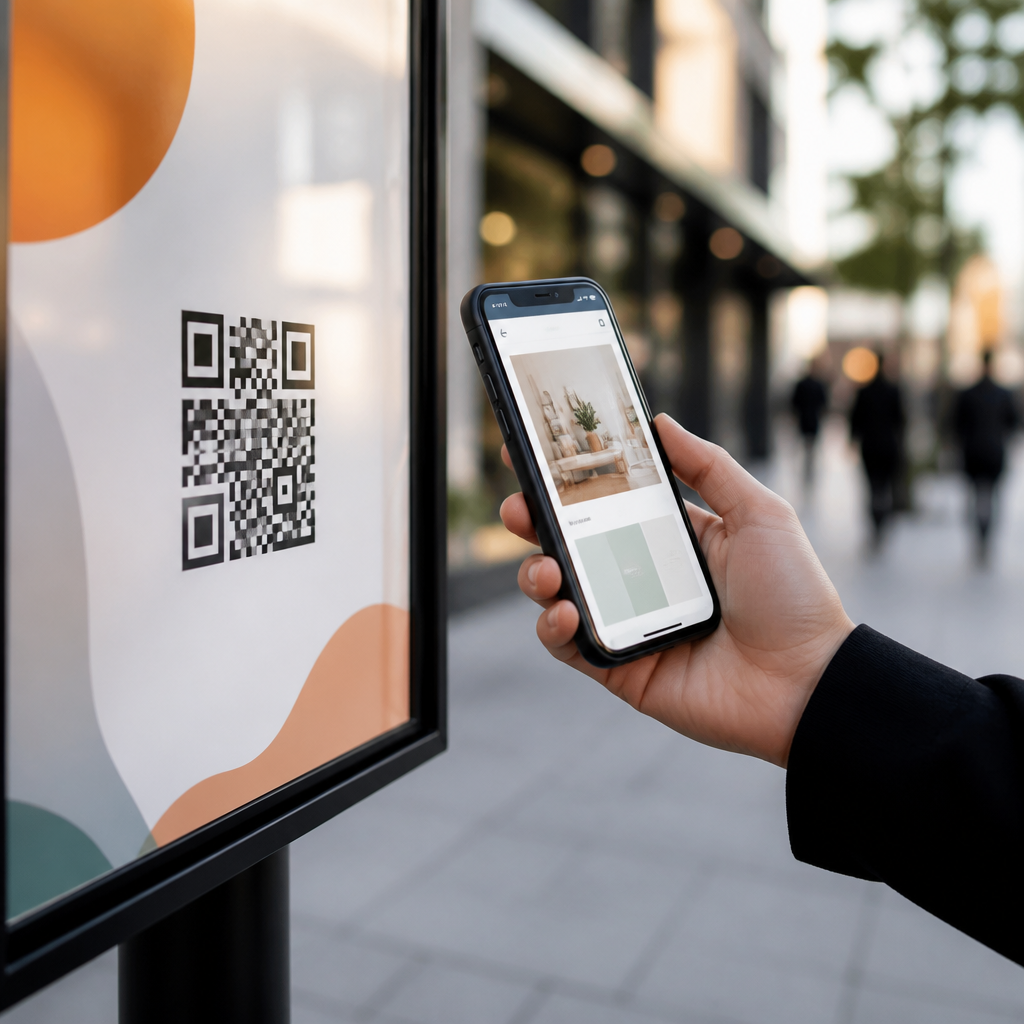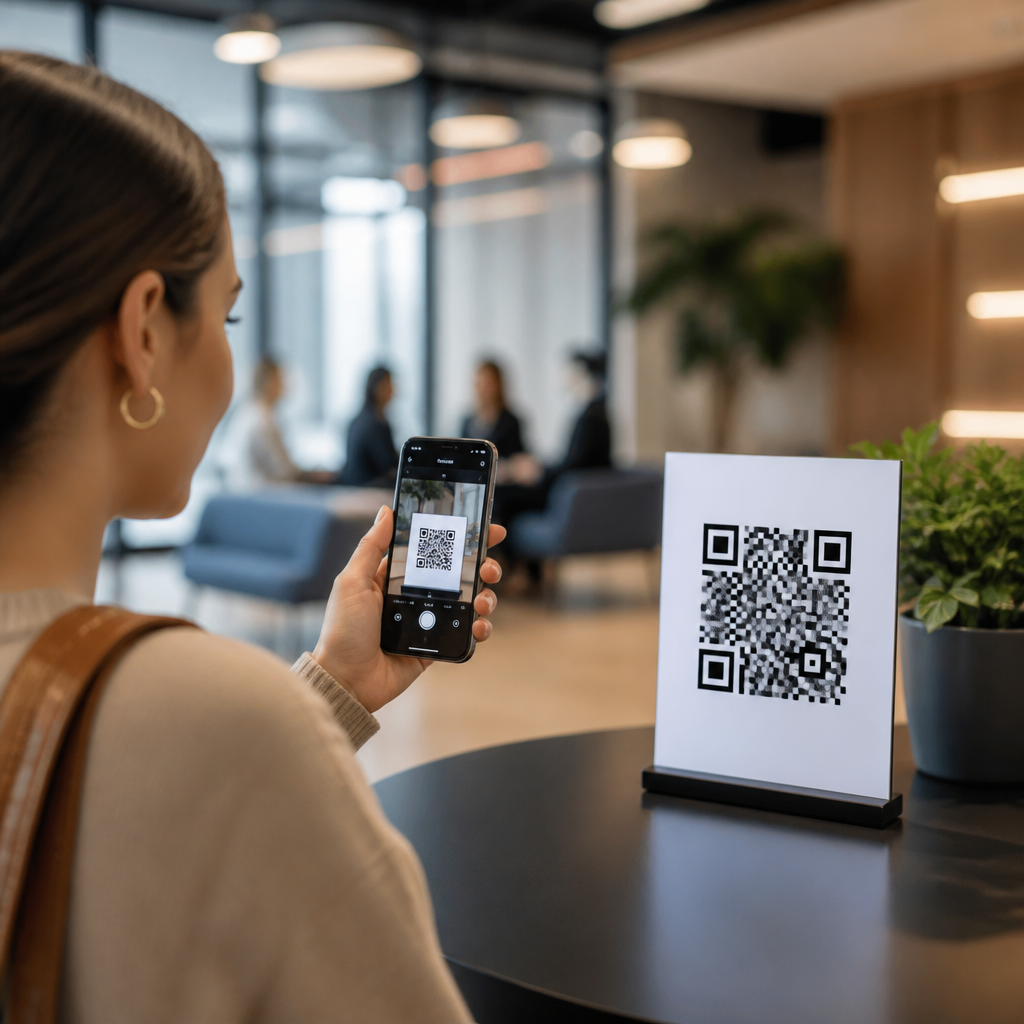

Personalized marketing used to mean adding a first name to an email subject line. Today, it means shaping the entire customer journey around context, intent, channel, and timing. QR codes have become one of the most practical tools for doing that at scale because they bridge physical touchpoints and digital experiences with almost no friction. When I build campaigns for retail, events, packaging, and direct mail, QR codes consistently outperform generic links because they let marketers direct different audiences to different destinations, collect response data fast, and refine messaging in real time.
To personalize marketing campaigns with QR codes, you need more than a scannable square. You need a segmentation model, dynamic destination logic, analytics, creative testing, and a clear privacy standard. In plain terms, personalization means showing the most relevant offer or content to a specific person or audience segment. Segmentation means grouping people based on shared traits such as location, purchase history, device type, campaign source, or stage in the buying process. A QR code becomes the trigger that identifies context: where the person scanned, what asset they scanned from, when they scanned, and what should happen next.
This matters because customer expectations are higher and attention is shorter. According to McKinsey, consumers increasingly expect relevant interactions, and companies that get personalization right often see stronger conversion and retention outcomes. QR codes help because they work across offline and online channels: product packaging, storefronts, print ads, menus, receipts, business cards, trade show booths, and out-of-home media. Unlike a static printed URL, a dynamic QR code can change its destination without reprinting the asset, making it a flexible hub for personalized marketing strategy.
As a sub-pillar in QR codes in marketing strategy, this article explains how to use QR codes for personalization and segmentation in a way that is measurable, technically sound, and useful across channels. It covers audience design, campaign architecture, creative execution, data collection, optimization, and governance so you can treat QR codes not as a novelty, but as an operational part of customer acquisition and lifecycle marketing.
Build personalization around segments, not assumptions
The most effective QR code campaigns start with a segmentation framework before any code is generated. I usually define segments using four layers: demographic, behavioral, contextual, and lifecycle. Demographic signals include age bracket, household type, or business role. Behavioral signals include past purchases, content consumption, or cart abandonment. Contextual signals come from the scan event itself, such as store location, poster placement, event day, or device operating system. Lifecycle signals track whether the person is a prospect, first-time buyer, repeat customer, subscriber, or lapsed account.
Each segment should have a clear hypothesis tied to value. For example, a cosmetics brand can place one QR code on in-store shelf talkers and another on post-purchase packaging. The shelf code sends first-time shoppers to a shade finder and beginner tutorial. The packaging code sends existing buyers to refill bundles, loyalty rewards, and usage tips. Same product line, different audience intent. That is personalization driven by placement and stage, not guesswork.
A common mistake is trying to personalize at the individual level before the data and traffic volume justify it. Segment-first planning is more realistic. A restaurant chain, for instance, may start with breakfast commuters, weekend families, and delivery customers rather than building one-to-one experiences immediately. Each segment gets its own QR entry point, landing page message, offer, and measurement goal. Once enough data accumulates, the brand can test more granular rules, such as returning scanner versus new scanner or premium item buyer versus value menu buyer.
Good segmentation also keeps campaign operations manageable. If every printed asset routes to a different page without a naming convention, analytics become messy fast. Use a taxonomy that reflects channel, placement, audience, and offer. A code name like spring_mailer_nyc_vip_20off is much easier to analyze than qr_final_new. Clean structure is what turns QR personalization from a creative idea into a repeatable system.
Use dynamic QR codes to deliver the right destination
Dynamic QR codes are essential for personalized marketing campaigns because they let you edit the destination URL after the code is printed. That single capability changes campaign economics. You can place a code on packaging for six months and still update the landing page by region, inventory status, season, or promotion window. Static QR codes lock the URL permanently, which is acceptable for evergreen information but limiting for segmented campaigns.
In practice, dynamic routing supports several personalization methods. The simplest is asset-based routing: each flyer, display, or package version has its own code and points to a segment-specific landing page. A more advanced approach is rule-based redirection. For example, scans from a conference booth during event hours may lead to a product demo scheduler, while the same code scanned afterward routes to a recorded webinar. Retailers often use geolocation to send users to the nearest store page, local inventory lookup, or region-specific legal terms. Device-based routing can send iPhone users to the App Store and Android users to Google Play.
Most enterprise QR platforms and link management tools support these workflows, including Bitly, QR Code Generator PRO, Beaconstac, and Uniqode. The key is not the platform alone but the destination logic behind it. If the redirect rules are too complex, response times slow down and reporting becomes hard to trust. Keep the routing logic understandable: source, location, time, device, and known audience tag are usually enough.
Landing pages must match the promise of the scan. If a direct mail piece says, “Scan for your member upgrade offer,” the page should open with that exact benefit above the fold. Relevance is the conversion lever. When message match is tight, scan-through traffic behaves more like qualified intent traffic than cold discovery traffic.
Match QR code placement to customer intent
Personalization with QR codes works best when placement reflects what the customer is trying to do in that moment. Intent differs across channels, and the code should respect that. On product packaging, people often want setup help, warranty registration, recipes, care instructions, or reorder options. In a store aisle, they want comparison details, reviews, demos, sizing, or instant discounts. At an event, they want agendas, booth details, lead capture, or follow-up content. On direct mail, they want a fast path to the specific offer mentioned in the piece.
I have seen large differences in conversion simply by changing the page destination to align with expected intent. A home fitness brand once linked a box insert QR code to its general homepage. Scans were decent, conversions were poor. After redirecting to a quick-start setup page with optional accessory recommendations, support contacts dropped and accessory revenue improved. The audience had already bought; they did not need broad brand discovery.
Placement also affects scan conditions. Outdoor posters require larger codes, stronger contrast, shorter scanning distance assumptions, and mobile-first landing pages that load quickly on cellular networks. A QR code on a restaurant receipt can support a more detailed experience because the user is seated and has time. Context shapes both design and personalization depth.
When mapping placements, define three things for each one: likely user intent, primary conversion goal, and fallback action if the user does not convert immediately. That fallback might be email signup, SMS opt-in, wallet pass, or a saved coupon. This is how QR codes support not only instant response but also future remarketing.
Connect QR codes to CRM and analytics for real segmentation
Without connected data, a personalized QR campaign is just a set of separate landing pages. To make segmentation meaningful, tie scan behavior into your analytics stack and customer database. At minimum, every QR destination should use UTM parameters so sessions flow into Google Analytics 4 with consistent source, medium, campaign, and content labels. If you use a customer data platform or CRM such as HubSpot, Salesforce, Klaviyo, or Braze, pass the campaign metadata into forms, lead records, or event streams.
This is where QR codes become powerful for lifecycle marketing. A prospect who scans a trade show code and downloads a buyer guide can enter a nurture sequence different from someone who scans product packaging after purchase. A loyalty member who scans from a receipt can be tagged for post-purchase upsell. A lapsed customer who scans a win-back postcard can be treated differently from a new household responding to the same regional drop.
| Segment trigger | QR code placement | Personalized destination | Primary metric |
|---|---|---|---|
| New prospect | Trade show booth | Demo booking page with industry case studies | Meetings booked |
| First-time buyer | Package insert | Onboarding guide plus accessory bundle | Setup completion |
| Repeat customer | Receipt | Loyalty rewards and referral offer | Repeat purchase rate |
| Lapsed customer | Direct mail postcard | Win-back landing page with limited-time incentive | Reactivation rate |
Use event tracking beyond pageviews. Track scan, redirect, landing page engagement, form starts, purchases, coupon saves, store locator clicks, and assisted conversions. In GA4, define custom events and conversions clearly. In your CRM, stamp each contact with the QR campaign identifier and segment source. This lets sales and retention teams tailor follow-up based on where the relationship began.
Create personalized offers, content, and follow-up journeys
Once the infrastructure is in place, the next step is tailoring the experience itself. Personalized QR campaigns usually perform through one of three levers: customized offer, customized content, or customized next action. A customized offer might be 10 percent off for new buyers, double points for existing members, or a premium consultation for high-value leads. Customized content might be beginner instructions, advanced product specs, local event details, or account-specific renewal information. Customized next action might be booking a call, starting a trial, joining SMS, or downloading an app.
The best campaigns combine these levers without overcomplicating the experience. For a B2B software company, a QR code on industry-specific brochures can route manufacturing prospects to a landing page with plant operations case studies, while healthcare prospects see compliance-focused proof points and a different call to action. For consumer packaged goods, one code on family-size packaging might lead to recipes and bundle coupons, while a single-serve product code leads to convenience-focused reorder options. The packaging looks similar, but the destination logic reflects who is most likely to buy and why.
Follow-up matters as much as the landing page. If someone scans and submits a form, the email or SMS sequence should continue the same message thread. A person who scanned for setup help should not receive a generic brand newsletter first. They should receive onboarding content, usage education, and only then cross-sell recommendations. Relevance compounds over time when the campaign path is coherent from scan to conversion to retention.
Test, govern, and improve performance over time
Personalizing marketing campaigns with QR codes is an ongoing optimization process, not a one-time launch. Start with controlled tests. Compare segment-specific pages against a generic destination. Test one variable at a time when possible: headline, incentive, form length, creative framing, or redirect rule. For print and packaging, where revisions cost money, use dynamic destinations to test landing page variations before changing the physical asset.
Measure success against the right benchmark. High scan volume alone is not enough. A code on a high-traffic poster may generate many scans but few meaningful actions. Evaluate scan rate, engaged sessions, conversion rate, assisted revenue, and downstream retention. In retail and direct mail, match QR response to redemption or store visit data when available. In events, compare scans to qualified pipeline, not just badge captures.
Governance is equally important. Personalized QR campaigns involve data collection, so privacy standards must be explicit. If you are collecting personal data, present clear consent language and follow applicable rules such as GDPR, CCPA, and sector-specific requirements. Avoid personalization that feels invasive. Most campaigns do not need sensitive data to be effective. Contextual relevance often performs well without crossing that line.
Operationally, keep a central inventory of all live codes, destination URLs, owners, expiration dates, and tracking conventions. Broken redirects, expired offers, and duplicate campaign names are common failure points. A quarterly audit prevents outdated experiences from hurting trust. When teams treat QR codes as governed marketing assets rather than disposable graphics, personalization becomes reliable and scalable.
QR codes are one of the most versatile tools for personalized marketing because they connect offline moments to digital experiences that can change by audience, context, and timing. The strongest programs begin with a clear segmentation model, use dynamic QR codes for flexible routing, align placement with customer intent, connect scan data to analytics and CRM systems, and continue personalization through offers, content, and follow-up journeys. That approach turns a simple scan into a measurable path from discovery to conversion to loyalty.
The main benefit is relevance at scale. Instead of sending every scanner to the same generic page, you can guide different segments to experiences that fit where they are in the journey and what they need next. That improves usability for customers and efficiency for marketing teams because campaigns become easier to test, update, and attribute. It also strengthens broader marketing strategy by making print, packaging, in-store media, and events fully accountable digital channels.
If you are building out the personalization and segmentation side of QR codes in marketing strategy, start with three assets you already control: one direct mail piece, one packaging insert, and one in-store or event placement. Assign each a distinct audience segment, create a dynamic QR code, route to a message-matched landing page, and track the full journey in your analytics stack. Then expand what works. That is the fastest way to turn QR codes into a dependable personalization engine.
Frequently Asked Questions
1. How do QR codes make marketing campaigns more personalized?
QR codes make personalization practical because they connect offline moments to digital experiences in real time. Instead of sending every customer to the same generic landing page, marketers can use QR codes to route people to content based on where the code was scanned, when it was scanned, what campaign it came from, and even which audience segment received it. That means a QR code on product packaging can open a different experience than one on an in-store display, direct mail piece, event badge, or flyer, even if the campaign theme is the same.
This matters because real personalization is not just about inserting a name into a message. It is about shaping the next step in the customer journey around context and intent. For example, a first-time prospect scanning a code from a postcard may need an introductory offer or educational content, while a loyal customer scanning from packaging may be better served with reorder options, tutorials, loyalty rewards, or cross-sell recommendations. QR codes let you create those pathways without adding friction, and that simplicity is one of the biggest reasons they perform so well.
They also support dynamic campaign management. With dynamic QR codes, you can update the destination URL without changing the printed code itself. That allows marketers to refine personalized experiences over time, test different landing pages, rotate promotions, and respond to live campaign data. In practice, this gives brands a scalable way to deliver more relevant experiences across retail, events, direct mail, and packaging while still keeping execution efficient.
2. What are the best ways to use QR codes for personalized customer journeys?
The most effective approach is to match the QR code experience to the specific stage of the customer journey and the physical context in which the scan happens. In retail, a QR code near a shelf can direct shoppers to product comparisons, reviews, demo videos, or limited-time offers tailored to that location or product line. On packaging, the code can unlock onboarding instructions, usage tips, warranty registration, replenishment reminders, or loyalty enrollment. In direct mail, it can take a recipient to a personalized offer page tied to the campaign source, geographic region, or household segment.
Events are another strong use case. QR codes on signage, badges, handouts, or booth displays can guide attendees to customized schedules, speaker resources, product demos, lead capture forms, or follow-up offers based on their interests. Because the scan is immediate and mobile-friendly, the transition from physical interaction to digital engagement feels natural. That is exactly what makes QR-based personalization effective: it reduces the gap between attention and action.
To build strong personalized journeys, start by identifying the audience, the environment, and the most likely intent behind the scan. Then create a landing experience that answers the question the customer probably has in that moment. A person scanning a code on a store display may want proof and urgency. A person scanning after purchase may want support and next steps. A person scanning from direct mail may want a simple incentive and an easy conversion path. When the page experience aligns closely with scan intent, engagement and conversion rates usually improve.
3. What data can marketers use with QR codes to improve personalization?
QR codes can support personalization by capturing and connecting several valuable signals. At a basic level, marketers can track scan volume, scan time, device type, and location data, depending on the platform and privacy setup. More importantly, each QR code can be uniquely assigned to a campaign, channel, audience segment, product line, store, event, or printed asset. That makes it easier to understand not just that someone scanned, but what message, placement, or experience influenced that action.
When QR code performance is integrated with broader marketing systems such as CRM platforms, marketing automation tools, CDPs, and analytics platforms, personalization becomes much more powerful. A scan can trigger follow-up actions like sending tailored emails, assigning leads to the right sales flow, retargeting visitors with relevant ads, or updating customer profiles with new behavioral data. For example, if someone scans a code tied to a premium product category, that action can inform future messaging, recommendations, and offer strategy.
The key is to use data thoughtfully and transparently. Marketers should focus on collecting signals that help improve relevance, not just volume. Source attribution, product interest, scan timing, and conversion behavior are often more useful than vanity metrics. It is also important to follow privacy standards, clearly explain data use where required, and avoid making the experience feel intrusive. The best QR-based personalization feels helpful and timely, not overengineered.
4. What should a personalized QR code landing page include to increase conversions?
A high-converting personalized QR code landing page should feel like a direct continuation of the physical asset that drove the scan. The headline, imagery, offer, and call to action should align closely with the product, placement, or campaign context. If someone scans a code on packaging, the page should immediately reflect that product and offer useful next steps such as setup guidance, accessories, refill options, or membership benefits. If the scan comes from direct mail, the landing page should reinforce the mailed offer and make redemption simple.
Clarity and speed are essential. Most QR scans happen on mobile devices, so the page should load quickly, display cleanly on small screens, and make the next action obvious. Avoid forcing users to search for relevance after they scan. Instead, bring the most likely intent to the surface right away. Personalized product recommendations, location-aware content, limited-time discounts, event-specific resources, or segmented messaging can all improve performance when they are used appropriately.
It is also smart to keep the conversion path short. If the goal is a purchase, make checkout easy. If the goal is lead capture, ask only for necessary information. If the goal is education, lead with concise, useful content and then present the next action naturally. Strong social proof, customer ratings, FAQs, and trust elements can further increase results. In short, the page should reward the scan immediately by being relevant, fast, and easy to act on.
5. How can you measure the success of personalized marketing campaigns with QR codes?
Success should be measured beyond raw scan counts. Scans are important because they indicate engagement, but the real value comes from what happens after the scan. Marketers should evaluate downstream metrics such as landing page engagement, click-through rate, form completion rate, redemption rate, purchase conversion rate, average order value, repeat purchase behavior, and customer retention. If the campaign goal is awareness, time on page and content interaction may matter most. If the goal is sales, revenue and conversion efficiency should lead the analysis.
It is especially useful to compare performance across audience segments, placements, and creative versions. For example, you can test whether packaging QR codes generate more repeat purchases than in-store display codes, or whether one direct mail segment responds better to educational content while another responds better to a discount. Dynamic QR codes make this easier because marketers can update destinations, run A/B tests, and optimize based on real campaign feedback without replacing printed materials.
Attribution is another major advantage. QR codes create a clear bridge between a physical touchpoint and a digital result, which helps marketers understand which offline assets actually drive action. When combined with CRM and analytics tools, this can reveal which campaigns generate high-value customers, not just high scan volume. The most successful personalized QR code campaigns are measured by relevance, progression, and business outcomes: did the scan lead the right person to the right experience at the right time, and did that move them further along the customer journey?