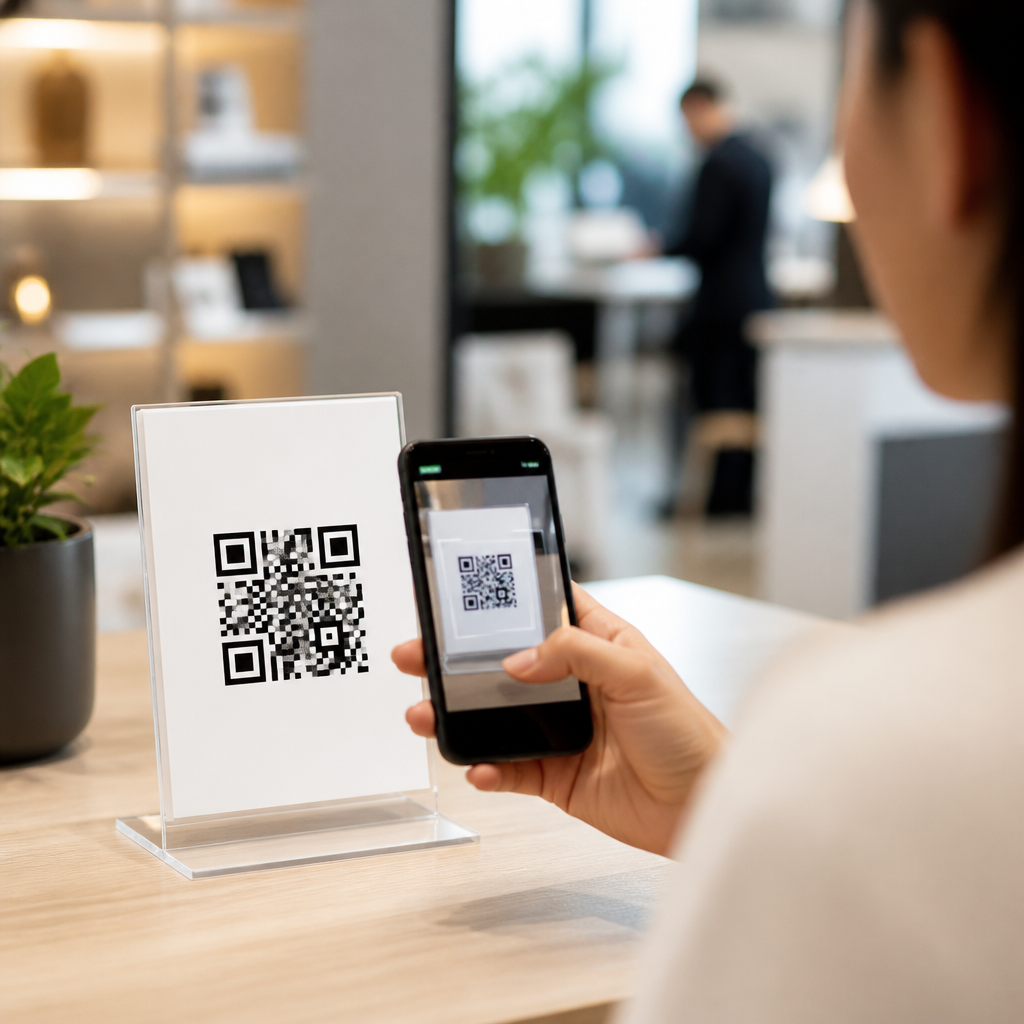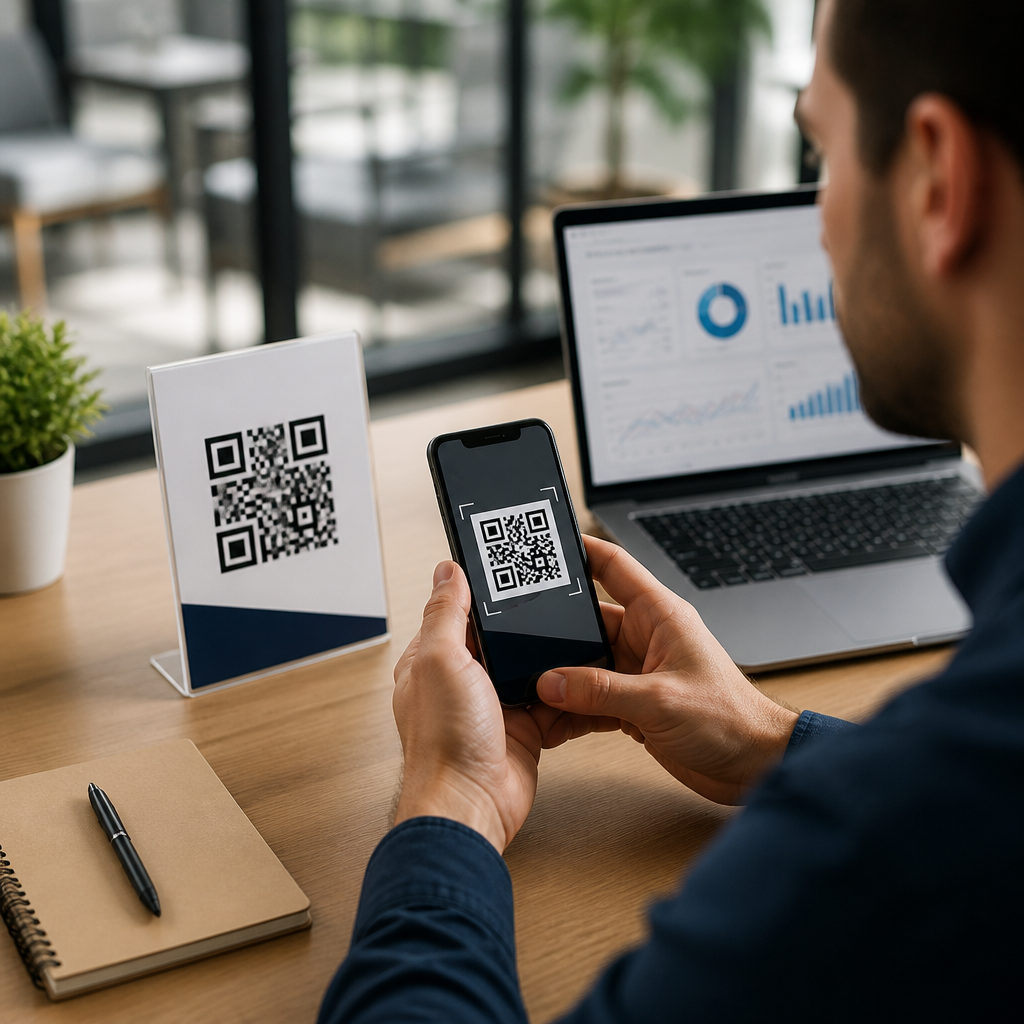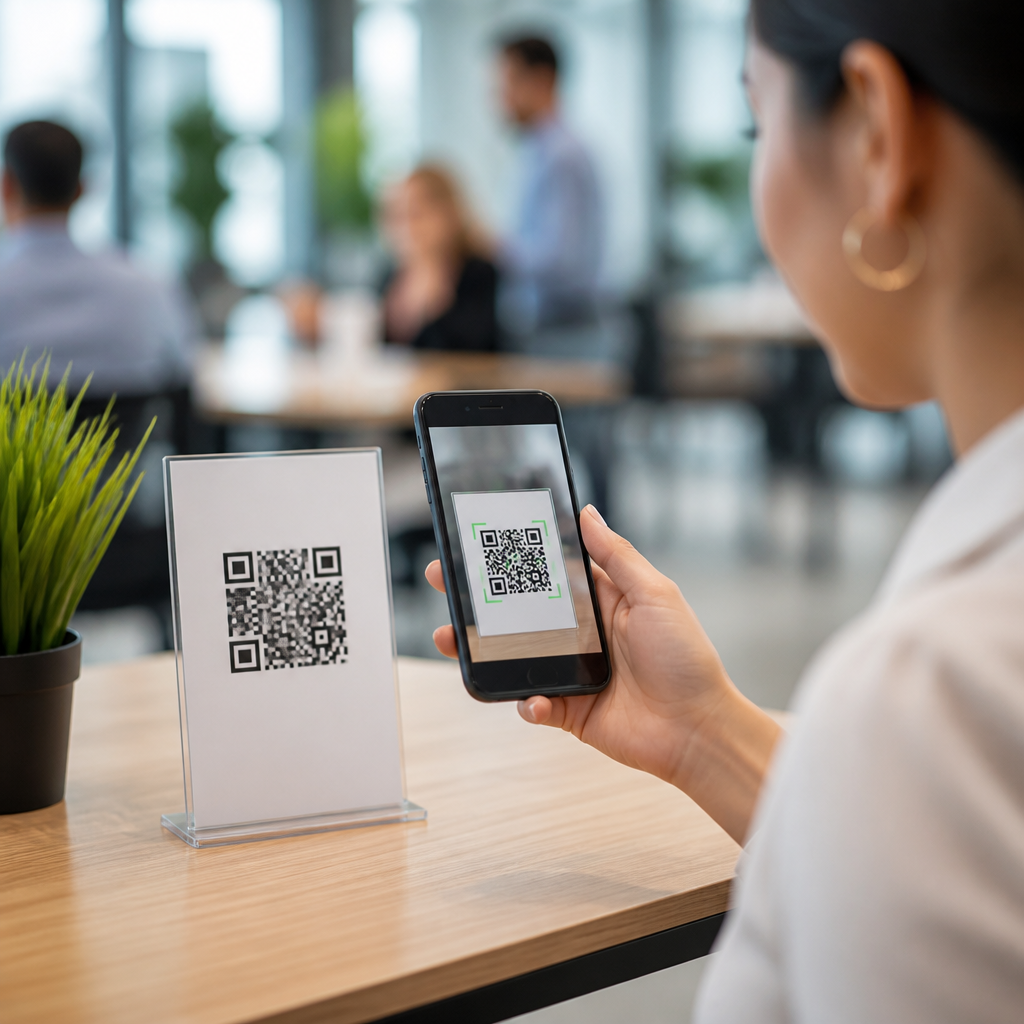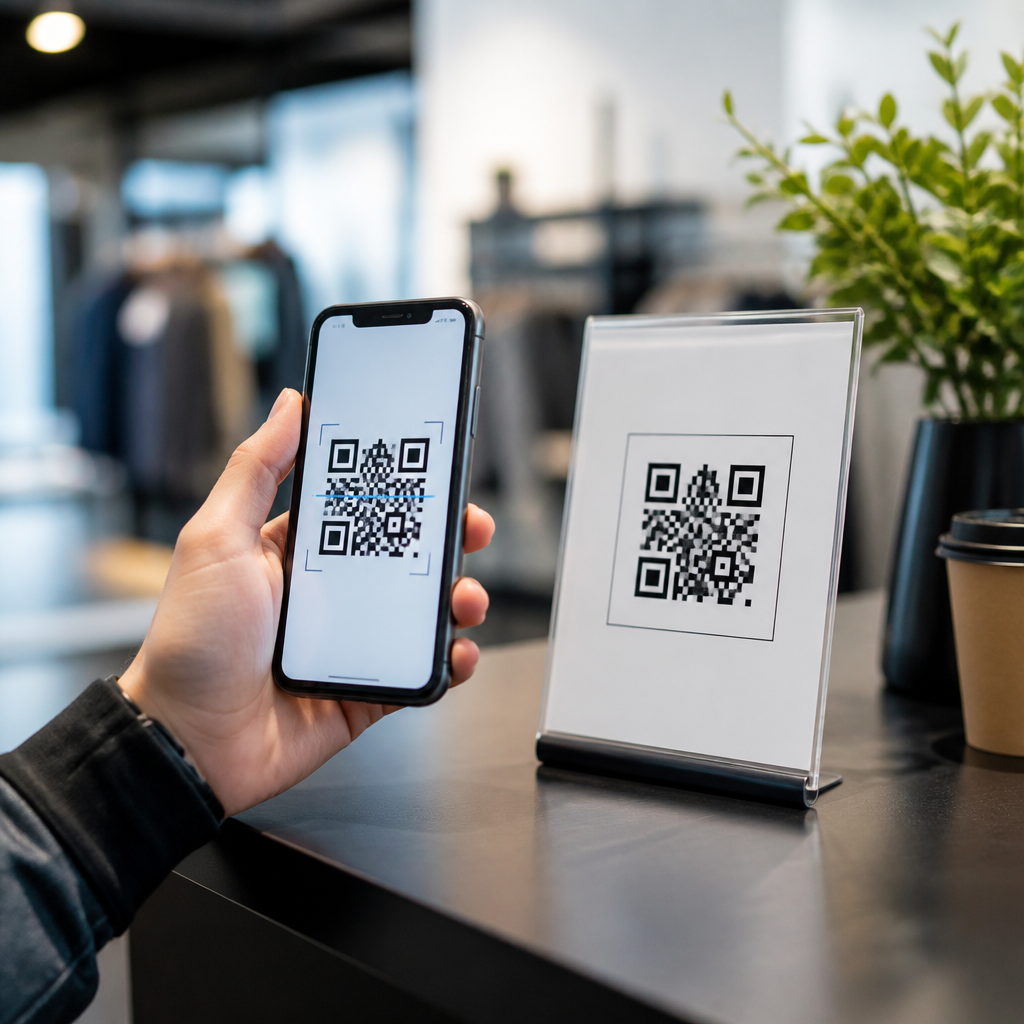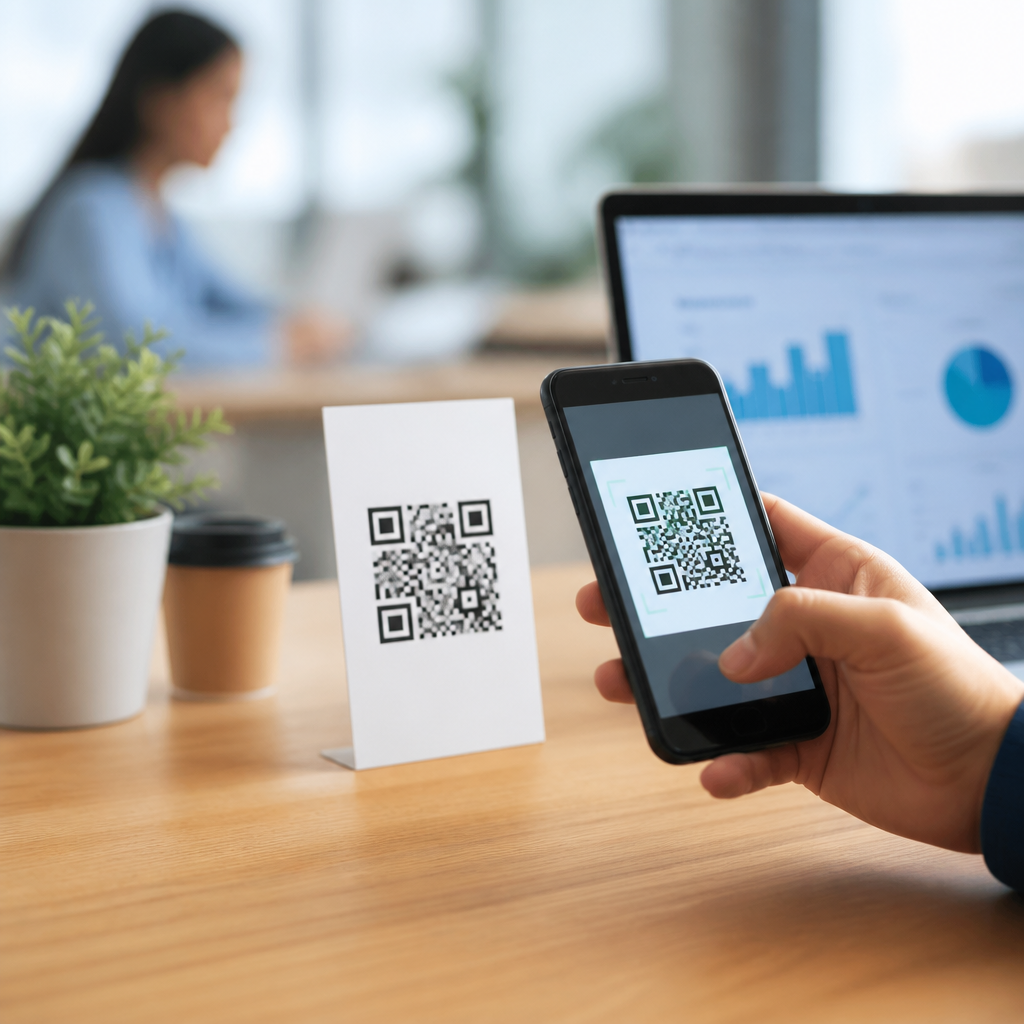
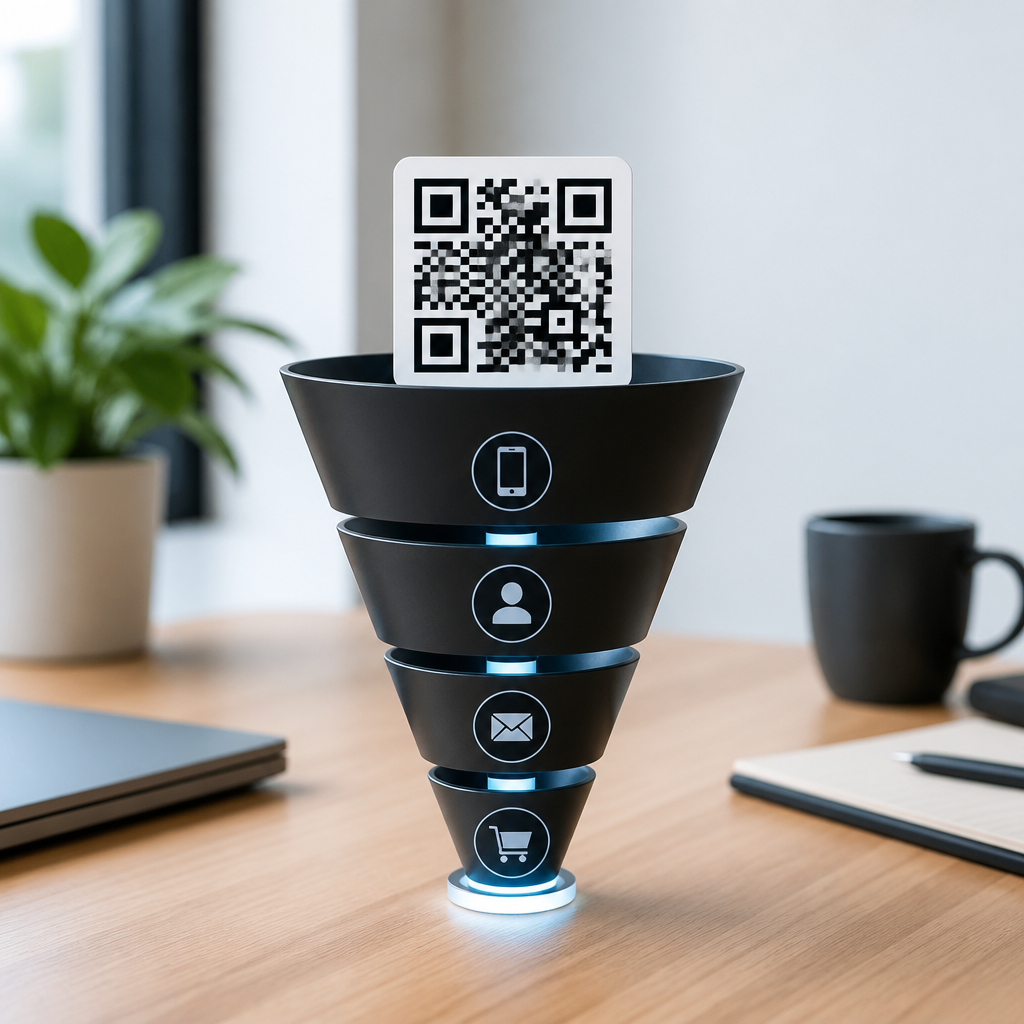
A QR code funnel turns a simple scan into a measurable customer journey, guiding someone from offline attention to online action through a sequence of pages, offers, and follow-up steps. In practice, it combines a scannable code, a destination page, tracking links, conversion goals, and a planned next step such as a lead form, checkout, booking page, or download. I have built QR campaigns for retail counters, event booths, direct mail, restaurant tables, and product packaging, and the pattern is always the same: the code itself is only the entry point. The real performance comes from the funnel behind it.
For beginners, the phrase QR code funnel can sound technical, but the concept is straightforward. A person scans a code with a smartphone camera. That scan opens a landing page designed for a single action. The visitor either converts immediately or moves into a follow-up path through retargeting, email capture, SMS enrollment, or a thank-you page with a second offer. Because modern QR platforms support dynamic redirects, analytics, UTM parameters, and device-aware behavior, marketers can optimize each stage rather than treating the scan as a dead-end link.
This matters because QR codes bridge offline and online channels better than almost any other tool. A flyer can generate trackable web traffic. A poster can book appointments. Product packaging can start loyalty journeys. A restaurant tent card can build an email list while promoting specials. According to industry reporting from Statista and mobile commerce researchers, smartphone QR scanning adoption has become mainstream across age groups, especially after contactless habits accelerated globally. That means businesses no longer need to teach people how to scan; they need to give people a reason to do it.
As a sub-pillar hub for step-by-step tutorials, this guide explains the full process from strategy to setup, testing, launch, and optimization. It also clarifies key terms you will see across deeper tutorials in a QR code tutorials, guides and resources library: static versus dynamic QR codes, landing page conversion rate, scan-through rate, UTMs, first-party data, and attribution window. If you understand those building blocks and follow a repeatable setup process, you can create a QR code funnel from scratch that is trackable, fast, compliant, and built to improve over time.
Start with the funnel goal, audience, and conversion path
The first step is deciding what success looks like. A QR code funnel should have one primary conversion goal. Common goals include collecting email leads, selling a low-ticket product, booking a demo, redeeming a coupon, downloading an app, registering for an event, or driving in-store traffic with a map link. When teams skip this step, the landing page usually tries to do too much, and scan traffic leaks away. One code, one audience, one action is the discipline that makes the funnel work.
Define the audience in plain terms. Are you targeting trade show attendees who need a fast brochure download, restaurant guests waiting for food, gym members at the front desk, or passersby seeing a window decal? Their intent changes everything. A cold prospect scanning a direct mail postcard needs context and trust elements immediately. A warm buyer scanning product packaging after purchase is ready for onboarding, warranty registration, or cross-sell offers. In campaigns I have managed, the highest-performing funnels were not the prettiest; they were the most specific about who was scanning and why.
Map the conversion path before generating any code. The path usually looks like this: scan, landing page, primary action, confirmation page, optional follow-up. If your primary action is lead capture, the confirmation page should not simply say thanks. It should deliver the promised asset and present the next step, such as scheduling a consultation or joining SMS updates. If your primary action is a purchase, consider an order bump or referral request on the thank-you page. This is where a funnel differs from a basic QR destination link.
Also choose how you will measure performance. At minimum, track scans, unique visitors, bounce rate, conversion rate, and cost per conversion if media spend is involved. If the QR code appears in multiple locations, create separate destination URLs or parameter sets so each placement can be attributed accurately. A code on packaging performs differently from one on a shelf talker. Without segmentation, you lose the insight needed to improve.
Choose the right QR code type, platform, and tracking structure
For almost every business use case, choose a dynamic QR code rather than a static QR code. A static code permanently stores the destination and cannot be edited after printing. A dynamic code points to a short redirect URL managed by a platform, allowing you to change the final destination, pause campaigns, add tracking, and review analytics without reprinting the code. Static codes still have value for permanent, low-risk uses such as linking to a homepage, but they are a poor choice for a funnel that will evolve.
Select a platform based on analytics depth, redirect reliability, branding options, and export quality. Well-known tools include QR Code Generator PRO, Bitly, Beaconstac, Flowcode, Uniqode, and Canva for basic creation. If you need enterprise governance, look for audit logs, custom domains, role-based access, and integrations with Google Analytics 4, HubSpot, Salesforce, or Zapier. If you need local control, you can also generate QR images with libraries while handling redirects on your own domain, though that approach requires careful server configuration and monitoring.
Tracking structure matters as much as the code platform. Use UTM parameters consistently so analytics tools can identify source, medium, campaign, and content. For example, a mailer campaign might use utm_source=direct_mail, utm_medium=qr, utm_campaign=spring_offer, and utm_content=postcard_a. In GA4, create events for important actions such as form_submit, add_to_cart, purchase, and click_to_call. If your CRM supports hidden fields, pass campaign parameters into the form so sales teams can see exactly which printed asset produced the lead.
Custom domains improve trust and brand consistency. A scan that opens a familiar branded short link tends to feel safer than an unfamiliar redirect string. It also gives you more control if you switch platforms later. Whatever you choose, verify that the redirect resolves quickly over HTTPS, because mobile visitors will abandon a slow or suspicious experience fast.
Build the landing page that converts scan traffic
A QR landing page should load fast, explain the offer instantly, and ask for one clear action above the fold. Scan traffic is impatient because it usually starts in a real-world environment full of distractions. On a table tent, the user may be eating. At an event, they may be standing in a crowded aisle. On packaging, they may have one hand occupied. This is why long menus, cluttered navigation, and generic homepage redirects underperform. Send people to a purpose-built page, not the front door of your website.
The page structure should answer five questions immediately: What is this? Why should I care? What do I do next? Is this trustworthy? What happens after I act? A strong landing page includes a benefit-led headline, supporting copy, a visible CTA button or short form, and trust elements such as product images, customer counts, review snippets, security indicators, or recognizable partner logos. If the offer is time-sensitive, include a deadline. If the scan came from a physical product, echo that context with matching visuals and language.
Keep forms short. In most QR funnels, every extra field reduces conversion rate. Ask only for the information needed to complete the next step. For newsletter signup, email may be enough. For a quote request, name, phone, and one qualifying field may be appropriate. If you need more detail, collect it later through progressive profiling. I have repeatedly seen short mobile forms outperform desktop-style forms by a wide margin, especially when scan traffic comes from outdoor signage or in-store displays.
Mobile usability is non-negotiable. Use large tap targets, compressed images, legible text, and clear contrast. Test on both iPhone and Android devices. Confirm that autofill works, phone numbers are clickable, and the keyboard does not obscure form fields. If the page contains video, do not let it delay the primary CTA. The job of the page is conversion, not decoration.
Create the assets, CTA, and print placement for real-world scanning
The code design and the surrounding call to action determine whether people scan at all. A QR code without context often gets ignored. Tell users exactly what they will get: “Scan to book a free fitting,” “Scan for the menu and today’s specials,” or “Scan to claim 10% off your first order.” Specificity increases scan intent because the value exchange is obvious. If possible, add a micro-incentive such as a coupon, downloadable guide, contest entry, or quick-start checklist.
Size and placement matter. A common rule is a minimum 10:1 distance-to-size ratio, meaning a code viewed from ten feet away should be about one foot wide, though design environments vary. For handheld materials like business cards or packaging inserts, smaller sizes can work if contrast is high and printing is sharp. Maintain a clear quiet zone around the code, usually four modules wide, and avoid placing it on reflective surfaces, curved folds, or visually noisy backgrounds. Black on white remains the most reliable option.
Use error correction carefully. QR codes support L, M, Q, and H error correction levels. Higher correction tolerates more damage or design overlays but increases density, which can reduce scan ease at smaller sizes. Branded codes with logos should still be tested extensively before printing. Avoid inverting colors unless you have verified compatibility across common camera apps.
| Element | Best practice | Why it matters |
|---|---|---|
| CTA text | State the benefit clearly | People scan when the outcome is obvious |
| Code type | Use dynamic QR | Lets you edit destination and track analytics |
| Landing page | Match the printed offer | Reduces confusion and bounce rate |
| Placement | Keep flat, visible, and accessible | Improves scan success in real conditions |
| Tracking | Add UTMs and conversion events | Shows which assets drive revenue or leads |
Real-world examples show how placement changes results. A salon mirror decal can drive appointment bookings if the CTA promises a first-visit discount. A real estate yard sign can route prospects to a mobile property page with a contact form and mortgage calculator. A retail shelf tag can send shoppers to comparison charts or loyalty signup. In each case, the printed asset starts curiosity, but the funnel converts it.
Test, launch, and optimize the funnel after go-live
Before launch, test every part of the experience. Scan with multiple devices, under bright and dim lighting, from expected distances, and with both Wi-Fi and cellular connections. Confirm redirect speed, page rendering, form submission, analytics events, and thank-you page behavior. If you are using geotargeting, language redirects, app deep links, or conditional routing, test each rule separately. Broken redirects and missing event tags are common failure points, and they are expensive once materials are printed.
Launch with a documented naming convention and dashboard. In GA4, review session source and conversion events. In your QR platform, compare total scans, unique scans, time of day, and location data if available. In your CRM, validate lead quality and downstream revenue. Early optimization usually focuses on three levers: the CTA near the code, the landing page headline, and the form or checkout friction. If scans are low, the printed message or placement is the problem. If scans are healthy but conversions are weak, the landing page needs work.
Run controlled experiments. Test one offer against another, such as “free sample” versus “10% off.” Test a shorter form against a longer one. Test a simple product page against a quiz-driven recommendation flow. For offline materials, version your codes by placement so you can compare outcomes cleanly. In one packaging campaign, changing the CTA from “Learn more” to “Activate your warranty in 30 seconds” increased scans because the action felt concrete and urgent.
Optimization should also address privacy, compliance, and maintenance. If you collect personal data, publish an accessible privacy policy and honor consent requirements under laws such as GDPR or CCPA where applicable. Review destination links periodically, especially for campaigns embedded in packaging or signage that may remain in market for months. A QR code funnel is not a one-time asset. It is a measurable conversion pathway that improves with ongoing iteration.
Creating a QR code funnel from scratch is less about generating a graphic and more about designing a complete user journey that starts with a scan and ends with a measurable result. The essentials are simple: define one goal, understand the scanning context, use a dynamic code, build a mobile-first landing page, track every step, and test before anything goes to print. When those fundamentals are in place, QR codes become reliable acquisition and conversion tools instead of decorative add-ons.
The strongest funnels connect the offline moment to the online promise without friction. A person who scans from packaging expects onboarding or support. A person who scans from a poster expects a fast offer or signup path. A person who scans at an event expects immediate value, not a generic homepage. Matching intent, message, and destination is what lifts scan rates and conversion rates together. That principle should guide every tutorial beneath this hub, whether the topic is restaurant QR menus, real estate lead capture, product packaging campaigns, or event registration workflows.
Use this guide as your starting framework, then build deeper step-by-step processes for your specific use case. Audit your current printed assets, identify one high-intent scan opportunity, and launch a small, trackable pilot this week. The fastest way to learn QR funnel strategy is to put one into the market, measure what happens, and improve from real user behavior.
Frequently Asked Questions
What is a QR code funnel, and how is it different from using a regular QR code?
A regular QR code usually does one simple job: it sends someone to a single webpage. A QR code funnel is much more strategic. It is built to guide a person from that first scan into a structured, trackable customer journey. Instead of treating the scan as the finish line, the funnel treats it as the starting point. After scanning, the user lands on a page designed for a specific goal, such as joining a list, claiming an offer, booking an appointment, making a purchase, downloading a resource, or moving to another step in a sequence.
The key difference is planning and measurement. A QR code funnel includes the code itself, the destination page, clear calls to action, tracking links, conversion goals, and a follow-up action. In many cases, it also includes retargeting, email or SMS capture, thank-you pages, and split testing. That means you can see how many people scanned, what they did next, where they dropped off, and which offline placements produced the best results.
For example, a QR code placed on product packaging may send customers to a landing page with a short value proposition, a discount offer, and a lead form. After the form is submitted, they might be redirected to a coupon page or a product recommendation page. At an event booth, the code might lead to a giveaway entry page, followed by a booking page for demos. In a restaurant, a table tent QR code might first open a limited-time menu page and then push users toward a loyalty signup. In all of these cases, the funnel is designed intentionally so that each step leads naturally to the next.
That is why a QR code funnel is so effective. It connects offline attention with online action and makes the path measurable. Rather than hoping people scan and somehow convert later, you create a direct, purposeful route that supports both user experience and business outcomes.
What are the essential steps to create a QR code funnel from scratch?
The most reliable way to build a QR code funnel is to start with the end goal and work backward. First, define the conversion you want. That could be a lead submission, a purchase, an appointment booking, an app download, a coupon claim, or a content download. If the goal is vague, the funnel usually becomes cluttered and underperforms. A single primary conversion makes the rest of the setup much easier.
Next, identify the audience and the context in which they will scan. Someone scanning from product packaging behaves differently from someone scanning at a trade show or from a direct mail postcard. The environment matters because it influences attention span, urgency, and intent. A person standing at a retail counter may need a quick offer with minimal friction, while someone at an event booth may be willing to provide more information in exchange for a useful resource or giveaway.
Once that is clear, build the destination page. This page should match the reason for the scan immediately. The headline, visuals, and call to action should make it obvious that the user is in the right place. Mobile optimization is critical because nearly all QR scans happen on phones. Keep the page fast, simple, and focused. Remove unnecessary navigation if possible, and make the next step easy to complete with one thumb and minimal typing.
After the landing page is ready, add tracking. Use trackable URLs, campaign parameters, analytics events, and conversion goals so you can measure scans, clicks, form submissions, purchases, and downstream actions. If you are using multiple placements, such as packaging, booth signage, table cards, and mailers, give each one its own tracking setup. That allows you to compare performance by channel and location instead of lumping everything together.
Then create the follow-up step. This is where many basic campaigns fall short. The best QR code funnels do not end at the first click. If someone fills out a form, send them to a thank-you page with the next action. If they claim an offer, guide them to checkout. If they download a guide, invite them to book a call. If they browse but do not convert, consider retargeting them later. The follow-up step is what turns interest into momentum.
Finally, generate the QR code itself and test the full experience in real-world conditions. Check scan speed, code size, print quality, link behavior, page load time, and form completion on different devices. Test from the exact distances and lighting conditions where the code will actually be used. A funnel may look perfect in a desktop preview and still fail on a crowded countertop, dim trade show floor, or glossy mailer. Build the funnel, test it end to end, and refine it based on actual user behavior.
What should I include on the landing page to make a QR code funnel convert better?
The landing page should answer three questions immediately: What is this, why should I care, and what should I do next? People who scan QR codes are often acting on a quick impulse, so clarity matters more than creativity. Start with a headline that matches the promise near the QR code. If the sign says “Scan for 15% off,” the landing page should lead with that exact benefit rather than forcing the visitor to search for it. Strong message match reduces confusion and increases trust.
You should also include a concise explanation of the value. This can be a short paragraph or a few supporting bullet points. Focus on benefits, not just features. For example, instead of saying “Download our restaurant rewards app,” say “Join our rewards program to get member-only offers, birthday perks, and faster repeat ordering.” The more obvious the payoff, the more likely the user is to continue.
A clear call to action is essential. Use one primary action per page whenever possible. If the page asks users to watch a video, read a long explanation, compare options, and fill out a form all at once, conversion rates usually drop. Make the next step prominent with a button or short form. If you need form fields, ask only for what is truly necessary. Reducing friction is especially important on mobile devices.
Trust elements can also improve performance. Depending on the offer, that might include reviews, testimonials, security indicators, privacy reassurance, product photos, event branding, or a brief explanation of what happens after submission. If users are giving contact information, tell them what they will receive and how often. If they are making a purchase, reinforce checkout confidence with recognizable payment and security cues.
Good landing pages also anticipate the next step. After someone opts in, where do they go? After they book, what do they see? After they claim an offer, how is it redeemed? A high-converting QR code funnel feels seamless from first scan to final action. That means the landing page should not be treated as an isolated asset. It should function as one intentional step in a connected customer journey.
How do I track and measure the performance of a QR code funnel?
Tracking starts with assigning a measurable purpose to the funnel. Before launching, decide what counts as success. Depending on the campaign, that may be scans, landing page visits, form completions, coupon redemptions, purchases, booked appointments, app installs, or repeat visits. Once the goal is defined, configure analytics so each meaningful action is recorded. Without that setup, you may know that people scanned the code, but you will not know whether the funnel actually produced business results.
A strong setup usually includes campaign-tagged URLs, web analytics, conversion events, and distinct destination links for each offline placement. If you are running the same offer across retail counters, event booths, direct mail, restaurant tables, and product packaging, use separate tracking links or parameters for each one. That way, you can identify not just total traffic, but the exact source of the best-performing scans. This is where QR code funnels become especially powerful: they let you measure offline media with far more precision than many traditional tactics.
Beyond scan volume, pay attention to behavior metrics. Look at bounce rate, time on page, button clicks, form starts, form completions, checkout completion rate, and drop-off points between pages. If a location generates a high number of scans but poor conversions, the issue may be the landing page, the offer, the audience match, or the context of the placement. For instance, a booth sign might generate curiosity scans with lower buying intent, while packaging scans may produce stronger post-purchase engagement.
You should also compare conversion by device, traffic source, offer type, and creative variation. Small differences in CTA wording, page design, incentive structure, or the printed instruction next to the QR code can produce meaningful changes in performance. This is why A/B testing matters. Test one major variable at a time, measure the result, and continue iterating. Over time, those improvements can dramatically raise the value of the campaign.
The most important principle is to connect metrics to outcomes, not vanity numbers. A QR code that gets many scans but few conversions is not necessarily effective. A code with fewer scans but higher booking, purchase, or lead rates may be far more profitable. Measure the full funnel, not just the top. That is how you learn what is working, what needs fixing, and where to scale.