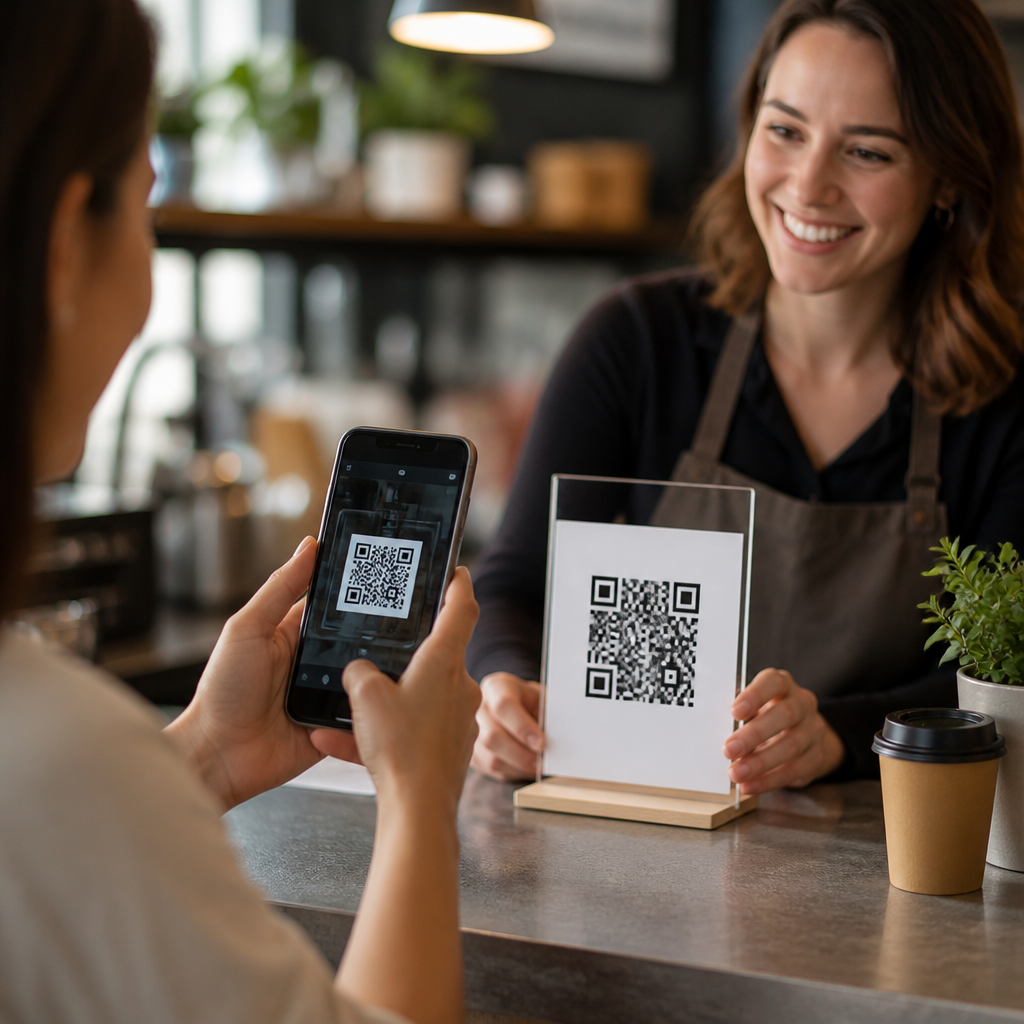
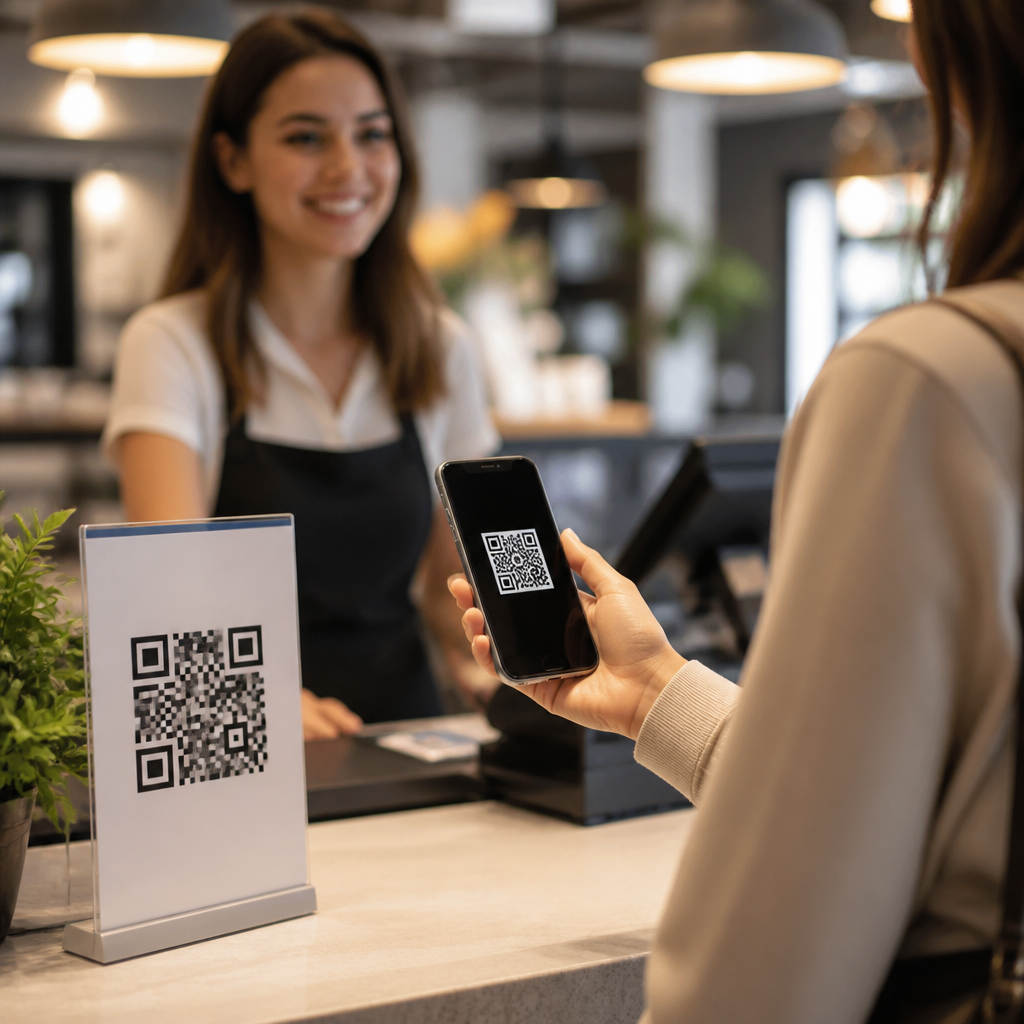
Examples of successful omnichannel QR code campaigns show how a simple scannable square can connect physical spaces, digital channels, and measurable customer action. In marketing, omnichannel means creating one consistent customer journey across touchpoints such as packaging, stores, social media, email, direct mail, events, apps, and support channels. A QR code is the bridge: it turns an offline moment into an online interaction instantly, without forcing a customer to type a URL or search for a brand. When used well, QR codes reduce friction, improve attribution, and make campaigns easier to personalize at scale.
I have worked on QR code programs for retail launches, event activations, and packaging refreshes, and the pattern is consistent: campaigns succeed when the scan leads to something genuinely useful. That might be a coupon, product education, loyalty enrollment, AR try-on, how-to video, appointment booking, or post-purchase support page. Success does not come from placing codes everywhere. It comes from matching context to intent. A customer standing in a store aisle needs different information from someone scanning a postcard at home or a sign at a transit stop during a commute.
This matters because customers no longer move through channels in a neat line. They discover products on TikTok, compare prices on mobile, visit a store, read reviews, join loyalty programs, and contact support after purchase. Marketers need tools that maintain continuity across those moments. QR codes do that especially well because they are low-cost, fast to deploy, compatible with most smartphone cameras, and easy to track through UTM parameters, dynamic redirects, and analytics dashboards. Since the pandemic, scan behavior has become mainstream, making QR codes a practical part of modern omnichannel marketing strategy rather than a novelty.
In this hub article, you will see what successful omnichannel QR code campaigns look like, why they worked, and how to apply the same principles in your own programs. The examples span retail, food and beverage, beauty, events, out-of-home advertising, direct mail, and post-purchase lifecycle marketing. Along the way, this guide explains campaign architecture, metrics, creative decisions, and operational details that separate effective QR code marketing from dead-end scans and wasted media spend.
What makes an omnichannel QR code campaign successful
A successful omnichannel QR code campaign has four traits: clear intent, channel continuity, a strong landing experience, and measurable outcomes. Clear intent means the customer immediately understands why to scan. A shelf talker that says “Scan for ingredients and reviews” outperforms a code with no explanation because it answers the customer’s question before they ask it. Channel continuity means the message stays consistent across touchpoints. If an email promotes a limited-edition product and the in-store display, social ad, and package insert all use the same offer, visual identity, and landing page logic, the customer feels one journey rather than separate campaigns.
The landing experience is where most QR programs win or fail. I have seen brands pay for premium packaging, endcaps, and transit placements only to send traffic to a generic homepage. That wastes intent. The best campaigns use mobile-first landing pages with fast load times, prominent calls to action, and content that reflects the scanning context. A code on product packaging might open usage instructions, refill options, and loyalty prompts. A code in a restaurant window might open ordering, store hours, and location services. Dynamic QR codes are especially useful because they let marketers change destinations without reprinting physical materials.
Measurement closes the loop. Marketers should track scan rate by placement, unique users, bounce rate, conversion rate, revenue per scan, assisted conversions, and downstream retention. Tools such as Google Analytics 4, Adobe Analytics, Bitly, QR Code Generator PRO, Flowcode, and first-party CDPs help connect scan activity to customer profiles and campaigns. The strongest teams also run holdout tests by geography, store cluster, or creative variation. That is how you learn whether the code itself drove incremental action or simply captured demand that would have happened anyway.
Retail and in-store examples that connect browsing to buying
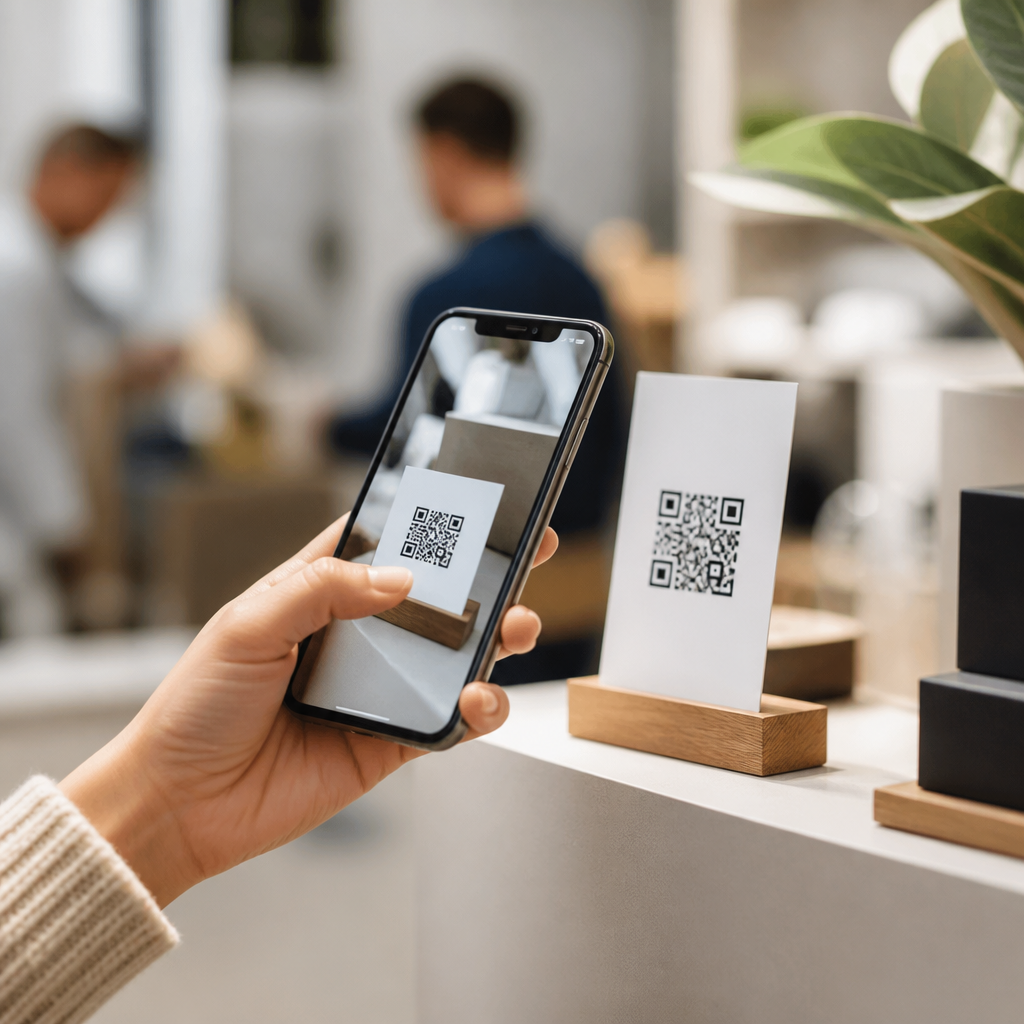
Retail offers some of the clearest examples of successful omnichannel QR code campaigns because customers often need more information than shelf space can provide. Apparel brands have used fitting-room signage and garment tags with QR codes that open size guides, available colors, customer reviews, and nearby inventory. This works because it removes a common point of friction at the exact decision moment. In one apparel rollout I supported, scans were highest in fitting rooms rather than aisle displays because customers were already evaluating fit and alternatives. The lesson was simple: place the code where uncertainty peaks.
Beauty retailers have also used QR codes effectively on testers, shelf strips, and endcap displays to deliver shade matching tools, tutorials, and user-generated before-and-after content. A cosmetics shopper often wants proof: how a foundation looks in real lighting, whether a serum layers well under makeup, or which routine order is recommended. A scan can answer that faster than waiting for staff availability. Sephora and L’Oréal have both invested in linking physical product discovery to mobile content, virtual try-on experiences, and loyalty ecosystems, showing how codes can support both conversion and customer education.
Home improvement is another strong category. Lowe’s and similar retailers have used scannable product pages and in-aisle education to support complex purchases such as power tools, paint systems, lighting, and smart home devices. These purchases benefit from specs, compatibility charts, and installation videos. A code beside a thermostat or faucet can reduce returns by helping the buyer confirm fit before checkout. That is an important omnichannel outcome: not just more sales, but better sales that lead to lower support costs and higher satisfaction after purchase.
Packaging campaigns that extend the customer journey after purchase
Packaging is one of the most underused omnichannel QR code surfaces because it reaches customers after they have already chosen the product. At that stage, the goal is no longer pure acquisition. It is onboarding, retention, cross-sell, review generation, and lifecycle engagement. Food and beverage brands have used package QR codes to provide recipes, sourcing stories, nutritional details, and sweepstakes entries. A cereal box can send a family to games and loyalty registration. A coffee bag can open brew guides and subscription replenishment. A wine bottle can link to tasting notes and food pairings.
Consumer packaged goods brands increasingly use dynamic codes to support regional campaigns, seasonal promotions, and serialization. Coca-Cola has repeatedly linked packaging to digital experiences, loyalty activations, and music or entertainment content, turning a static product into a media touchpoint. The reason these programs work is that packaging is persistent. Unlike an ad impression that disappears, the product sits in a kitchen, bathroom, or backpack and can be scanned multiple times by multiple household members. That gives marketers more chances to deepen engagement over the product’s usage period.
For post-purchase support, QR codes can dramatically reduce service friction. Electronics brands often place a code on the box, quick-start guide, or device itself that opens setup instructions, warranty registration, troubleshooting, and accessory recommendations. This is superior to a printed manual alone because content can be updated as firmware changes or FAQs evolve. It also helps customer support teams because scan pathways reveal where users drop off or seek help most often. In practice, successful packaging campaigns blend utility and business goals: help the customer first, then ask for the registration, review, reorder, or referral.
Direct mail, out-of-home, and event campaigns that drive digital action
QR codes are especially effective in channels that used to suffer from weak attribution. Direct mail is a prime example. Catalogs, postcards, and dimensional mailers can now route each audience segment to a personalized landing page with prefilled forms, localized offers, or appointment booking. Real estate, healthcare, education, and financial services use this heavily because the next action often requires more detail than print can contain. A postcard about a mortgage seminar can send first-time buyers to a calculator, RSVP form, and advisor scheduling page, all while preserving campaign-level attribution.
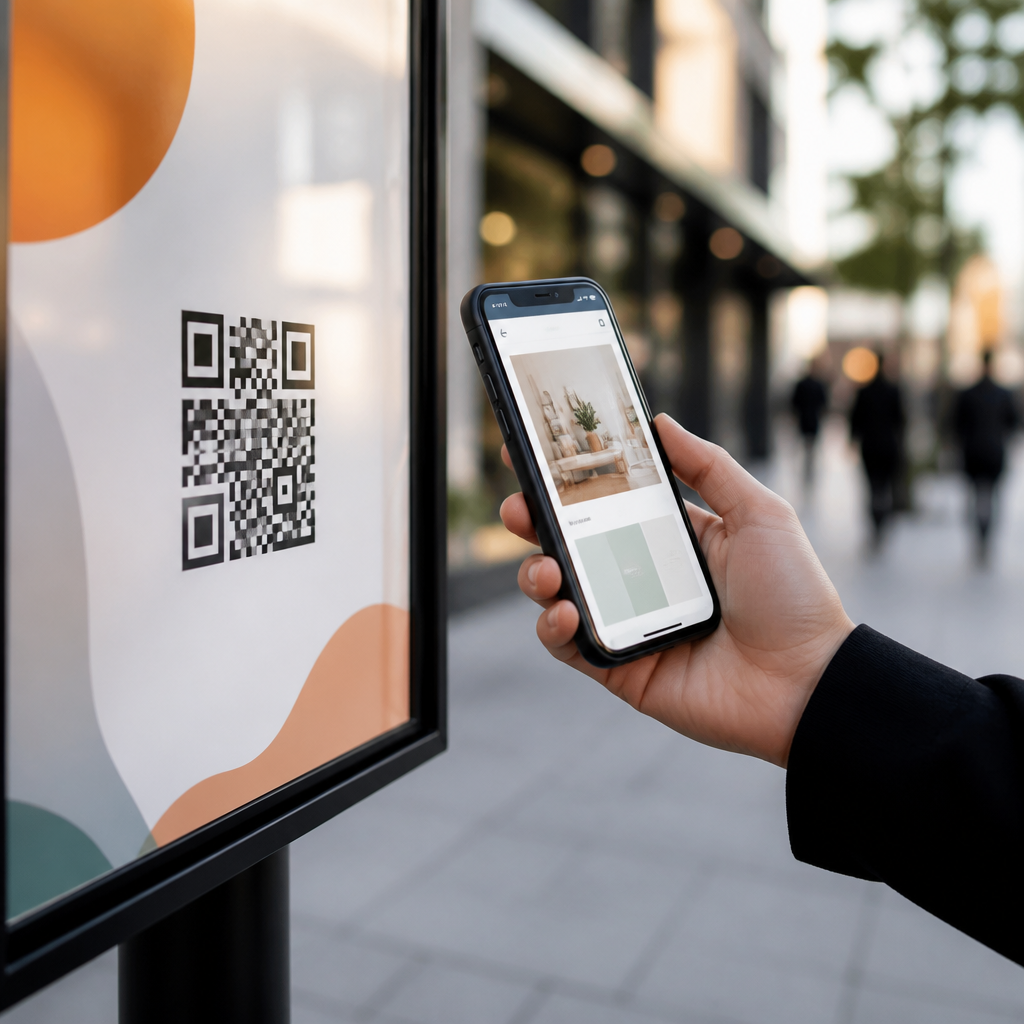
Out-of-home advertising has also become more measurable with QR integrations. A transit poster, billboard near a retail district, or airport display can drive app downloads, product demos, limited-time offers, or store directions. The best examples respect context. Commuters have seconds, so the call to action must be immediate and the page lightweight. During one location-based test I observed, a short message offering “Scan for today’s lunch pickup deal” significantly outperformed a broader brand story because it matched the passerby’s likely intent and time constraint.
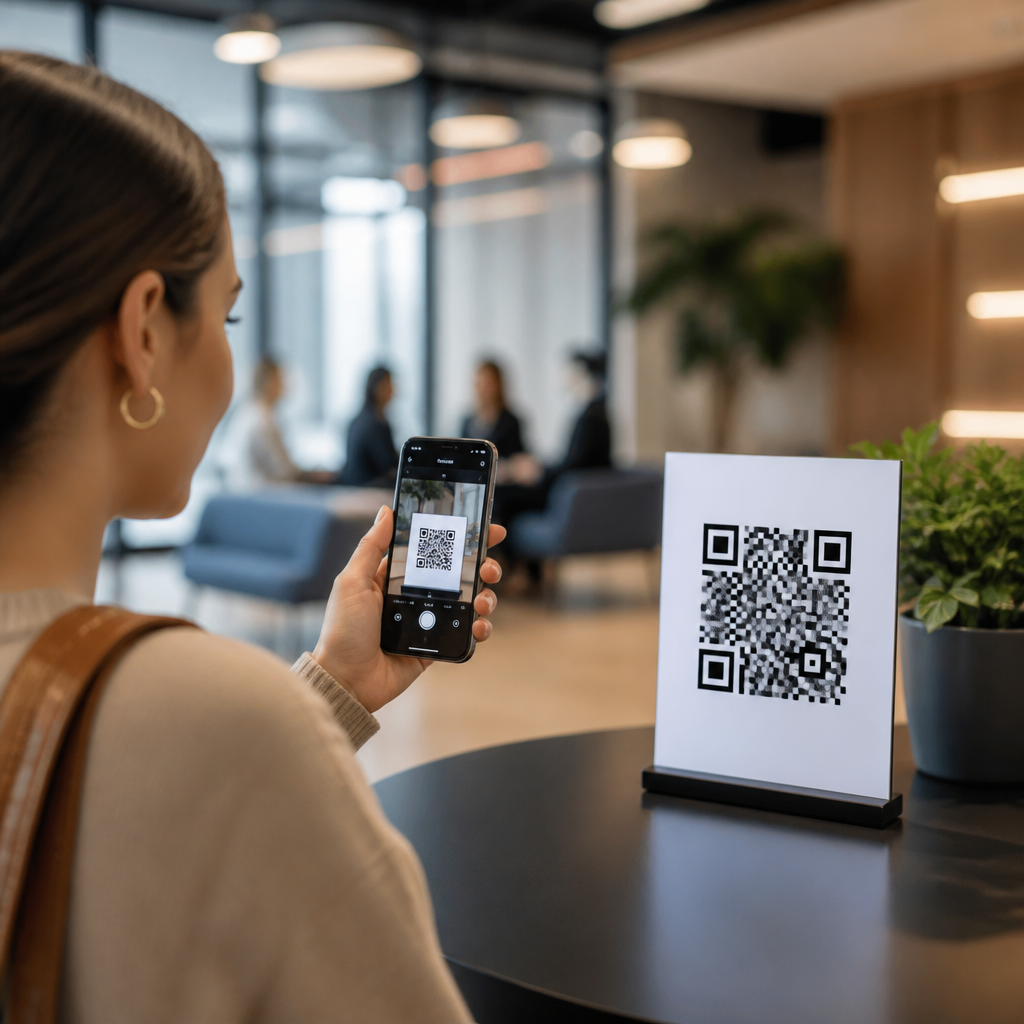
Events are where omnichannel QR code campaigns often deliver the clearest end-to-end journey. A registration email contains a code for check-in. On-site signage uses codes for agendas, speaker bios, lead capture, product demos, and session feedback. Booth staff scan attendee badges while attendees scan product displays, creating two-way data collection. After the event, the same campaign can trigger follow-up emails, retargeting audiences, and sales outreach based on pages viewed or assets downloaded.
| Channel | Typical QR use | Main customer benefit | Primary KPI |
|---|---|---|---|
| In-store retail | Reviews, inventory, tutorials | Faster purchase decisions | Conversion rate |
| Packaging | Instructions, loyalty, reorders | Better post-purchase support | Repeat purchase rate |
| Direct mail | Personalized offers, booking | Easy response path | Lead rate |
| Out-of-home | Offers, app downloads, maps | Instant mobile action | Scan-through rate |
| Events | Check-in, demos, lead capture | Smoother experience | Qualified leads |
Why some well-known campaigns worked while others failed
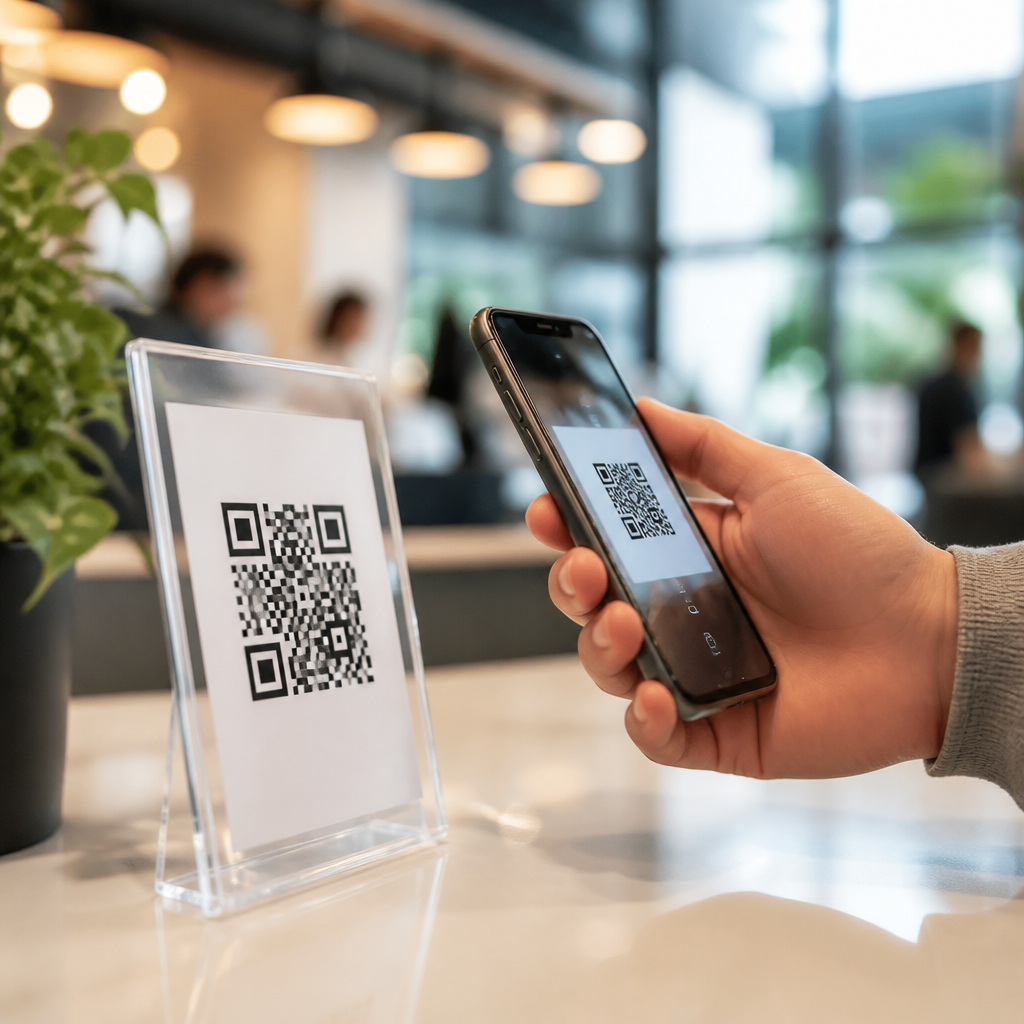
Successful omnichannel QR code campaigns usually share a few recognizable traits visible in major brand executions. Starbucks has connected in-store prompts, packaging, loyalty, and mobile ordering into one behavior loop: scan, save, order, earn, repeat. Restaurant brands have used table tents, windows, tray liners, and receipts to move customers into ordering and rewards journeys. Nike and Adidas have used scannable retail experiences to blend product storytelling with app ecosystems and member benefits. In each case, the QR code is not the campaign by itself. It is an access point into a broader customer system that already has a clear value exchange.
Failures tend to come from three mistakes. First, the destination is generic or broken. A code that opens a homepage, PDF, or desktop-unfriendly page wastes the scan. Second, the offer is weak or unclear. “Scan me” is not a strategy; “Scan to compare shades” or “Scan for assembly video” is. Third, the campaign is isolated from the rest of the marketing stack. If scans are not tagged, fed into CRM records, or connected to remarketing audiences, the brand loses most of the value. I have seen teams celebrate scan volume while missing that no one could tie those scans to sales or retention.
Another common problem is ignoring operational details. Poor print contrast, reflective surfaces, low placement, small code size, and weak cell coverage can crush performance even when the idea is solid. Best practice is to test scanability across devices, distances, and lighting conditions. ISO guidance on two-dimensional codes and standard mobile usability principles both matter here. Creative ambition should never come at the expense of function. Stylized QR codes can support branding, but only if error correction, quiet zones, and contrast remain strong enough for reliable scanning.
How to build a hub-level omnichannel QR code strategy
As the central resource for omnichannel marketing with QR codes, this topic should connect strategy, execution, measurement, and governance. Start by mapping the customer journey: discovery, consideration, purchase, onboarding, use, support, advocacy, and repurchase. Then identify where a scan can remove friction. In discovery, that may be out-of-home to app download. In consideration, shelf signage to reviews. In onboarding, packaging to setup content. In advocacy, event signage or inserts to referral programs. Every placement should have one primary intent, one audience, and one measurable business outcome.
Next, standardize campaign architecture. Use dynamic QR codes, consistent UTM naming conventions, mobile-first pages, and a redirect logic that can vary by geography, device, language, or inventory status. Build dashboards that compare placements and creative versions. Connect scans to CRM or CDP profiles where privacy rules allow, and disclose data practices clearly. Governance matters too: teams need ownership over destination changes, expired offers, creative approvals, and QA procedures. Without this, omnichannel QR code marketing becomes a patchwork of disconnected assets that age badly.
Finally, create supporting content around the hub: best practices for QR code landing pages, packaging use cases, in-store deployment, event lead capture, direct mail personalization, analytics setup, and compliance considerations. That structure helps marketers move from inspiration to implementation. The most successful campaigns are practical, not flashy. They answer a customer question in the moment, connect that interaction to a wider brand journey, and produce data the business can use. If you are planning omnichannel marketing with QR codes, audit your current touchpoints, define the value behind each scan, and build from there with discipline.
Examples of successful omnichannel QR code campaigns prove that the technology works best when it solves a real customer problem across channels, not when it is treated as decoration. Retail uses QR codes to answer buying questions at the shelf. Packaging uses them to extend onboarding, support, and loyalty after purchase. Direct mail, out-of-home, and events use them to turn historically hard-to-measure media into trackable digital journeys. In every case, the core principle is the same: reduce friction, respect context, and deliver a destination that matches intent.
The strongest programs also treat QR codes as part of a system rather than a one-off tactic. That means dynamic links, strong mobile landing pages, analytics, CRM integration, and governance over testing and updates. It also means accepting tradeoffs. Not every audience will scan, not every placement has equal value, and not every branded code will remain readable at distance. Brands that acknowledge those realities and optimize carefully outperform brands that simply add codes everywhere and hope for engagement.
For marketers building a broader QR Codes in Marketing Strategy program, omnichannel execution should be a priority because it creates continuity between physical and digital touchpoints while improving attribution. Start with a few high-intent moments, measure rigorously, and expand only after you know what customers actually find useful. Audit your current channels, identify friction points, and launch one QR campaign that gives people a clear reason to scan today.
Frequently Asked Questions
What makes an omnichannel QR code campaign successful?
A successful omnichannel QR code campaign does more than place a code on a product, poster, or email. It creates a connected experience in which every customer touchpoint feels intentional and consistent. The QR code serves as the handoff between offline and online channels, allowing someone to move from a shelf display, package, direct mail piece, in-store sign, event booth, or printed ad directly into a digital destination that matches the message they just saw. The strongest campaigns remove friction, keep branding consistent, and guide the user toward one clear next step, whether that is watching a demo, unlocking an offer, joining a loyalty program, leaving feedback, or making a purchase.
Examples of successful omnichannel QR code campaigns usually share a few traits. First, they provide immediate value to the customer. That value might be convenience, exclusive content, a discount, product education, faster service, or a more personalized experience. Second, they connect cleanly with the rest of the customer journey. For example, someone scans from packaging, lands on a mobile page, signs up for email, receives a follow-up offer, and later redeems it in-store or online. Third, they are measurable. Brands can track scan volume, time, location, conversion behavior, and downstream engagement to understand which physical and digital channels are working together best.
In practice, success is not just about scan count. A QR code campaign may be considered highly effective if it improves store-to-web traffic, increases product registration, boosts event engagement, shortens the path to purchase, or helps customer support resolve issues faster. The best omnichannel campaigns use QR codes as part of a larger strategy, not as a novelty. They make the customer journey easier, more cohesive, and more actionable from beginning to end.
What are some real-world examples of successful omnichannel QR code campaigns?
Some of the clearest examples come from retail, food and beverage, live events, and consumer packaged goods. In retail, brands often place QR codes on in-store signage or product tags that lead shoppers to product reviews, style guides, inventory availability, or app-based checkout options. This works especially well when customers want more information than a shelf label can provide. The scan bridges the physical store with digital product content, and if the customer does not buy immediately, the brand can continue the journey through email, app notifications, or retargeting after the interaction.
In food and beverage, a strong omnichannel QR campaign might start on packaging. A customer scans a code on a bottle, can, or box and lands on a recipe hub, a sustainability story, a rewards program, or a contest entry page. From there, the brand can invite the user to follow on social media, subscribe for future offers, or locate nearby retailers. What makes this omnichannel is that the package is not acting alone. It is connected to social content, customer data collection, email nurturing, and future purchase behavior across channels.
Events offer another strong example. A QR code on event signage, badges, handouts, or presentation screens can send attendees to speaker materials, schedules, lead capture forms, demos, or follow-up booking pages. After the event, those scans feed into email campaigns, sales outreach, and content remarketing. The QR code becomes the central bridge between the in-person experience and the brand’s digital ecosystem. Similarly, direct mail campaigns often use QR codes to connect a printed postcard or catalog to a personalized landing page, making it possible to track who responded and continue the conversation online. These examples succeed because the QR code is not isolated; it is part of a coordinated flow that moves the customer naturally from one channel to the next.
Why are QR codes especially effective in omnichannel marketing?
QR codes are effective because they reduce effort at exactly the moment a customer is most interested. Instead of expecting someone to remember a brand name, type a long web address, search for a product, or download an app first, a QR code offers instant access with a quick scan. That speed matters. In omnichannel marketing, momentum is everything. The easier it is for a customer to move from a physical environment into a digital one, the more likely they are to continue the journey rather than abandon it.
They are also flexible enough to work across many touchpoints. A single campaign can include QR codes on packaging, point-of-sale displays, receipts, print ads, outdoor signage, event materials, product manuals, and customer support inserts. Each scan can lead to a different destination based on campaign goals, audience segment, device type, or location. This makes QR codes useful for connecting channels that often feel disconnected, such as retail and email, direct mail and ecommerce, or product packaging and post-purchase support.
Another reason they are so effective is measurability. Marketers can see which locations, assets, and channels generate scans and what people do after scanning. That data helps brands improve creative, placement, messaging, and follow-up automation. It also supports better attribution, which is often a challenge in offline marketing. In short, QR codes are powerful in omnichannel strategy because they are simple for customers, adaptable for marketers, and easy to track across the full customer journey.
How can brands measure the performance of an omnichannel QR code campaign?
Measurement should begin with campaign objectives. If the goal is awareness, brands may focus on scan volume, reach by location, and time-based engagement patterns. If the goal is conversion, more important metrics might include landing page completion rate, purchases, coupon redemptions, app downloads, registrations, bookings, or lead submissions. For retention or support campaigns, success may be measured through repeat scans, account sign-ins, loyalty enrollments, reduced service friction, or improved customer satisfaction scores.
The most effective approach is to track both the immediate scan event and the actions that happen afterward. A scan on packaging might lead to a product tutorial, but the real value may come later when that user joins an email list, returns through a campaign message, and completes a purchase. That is why successful omnichannel campaigns rely on analytics that connect QR scans with web behavior, CRM records, ecommerce transactions, app engagement, and in-store redemption where possible. Using unique QR codes by channel, placement, product line, or audience segment makes it easier to compare performance and understand which touchpoints are moving people forward.
Brands should also evaluate customer experience metrics, not just hard conversions. For example, do scans from store signage reduce decision time? Do support-related QR codes lower service calls by directing customers to setup guides or FAQs? Do direct mail QR codes improve response rates versus mail without a code? By combining behavioral data with campaign outcomes, marketers can see whether the QR code is simply being noticed or actually improving the connected customer journey. That deeper view is what turns a basic scan metric into meaningful omnichannel insight.
What best practices should marketers follow when creating omnichannel QR code campaigns?
The first best practice is to give users a compelling reason to scan. “Scan me” is rarely enough on its own. Customers respond better when the value is clear and immediate, such as “Scan to unlock 15% off,” “Scan to see how it works,” “Scan for exclusive event content,” or “Scan to reorder in seconds.” The message should match the context. Someone in a store may want product details or reviews, while someone opening direct mail may respond better to a personalized offer or quick booking page. Relevance is what turns visibility into action.
The second best practice is to create a seamless mobile experience after the scan. The landing page should load quickly, feel consistent with the original touchpoint, and make the next action obvious. Broken links, generic homepages, or pages that are difficult to use on a phone will weaken results immediately. Strong campaigns use destination pages tailored to the source, so packaging scans might go to usage tips and loyalty signup, while event scans might go to a schedule, demo request, or presentation download. The more closely the post-scan experience aligns with user intent, the more effective the campaign will be.
Finally, marketers should treat QR codes as part of a full journey rather than a one-time interaction. That means connecting scans to email follow-up, CRM segmentation, retargeting, customer support flows, app engagement, and purchase data when appropriate. It also means testing placement, design, calls to action, and destination content over time. Successful omnichannel QR code campaigns are rarely accidental. They are planned around customer behavior, integrated across channels, and refined using real performance data. When done well, a small scannable code can become one of the most practical tools for linking physical attention to digital action and measurable business results.