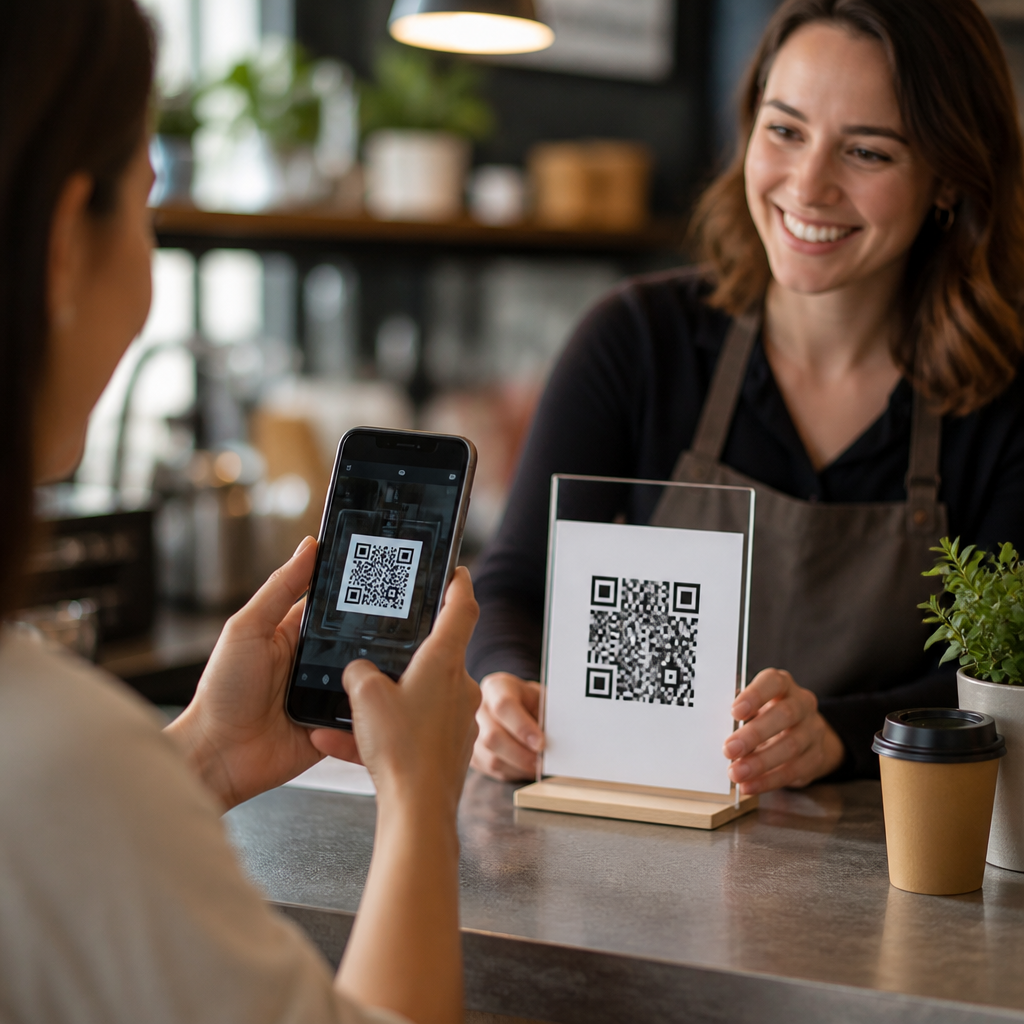
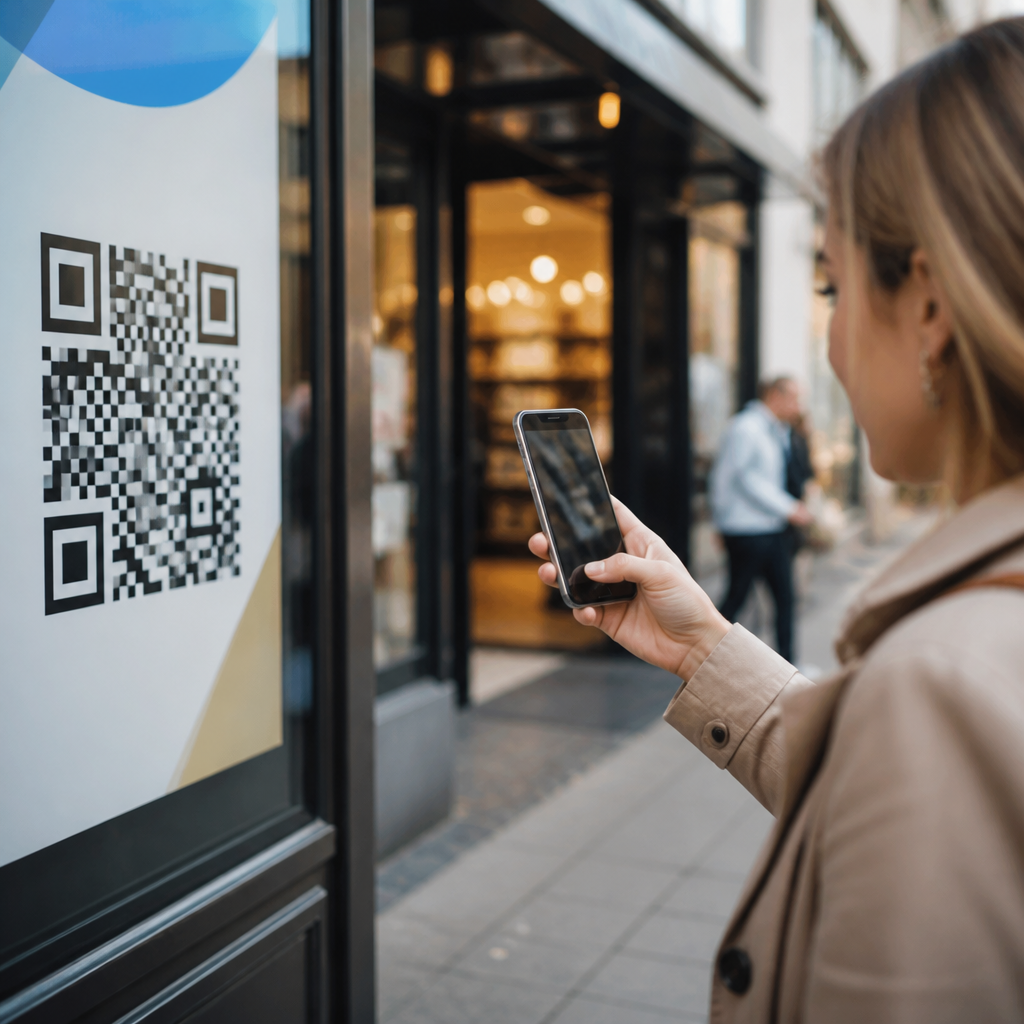
Can QR codes increase store visits from traditional advertising? Yes—when they are tied to a clear offer, placed where people can scan them easily, and routed to a mobile-friendly experience, QR codes can turn passive print, mail, outdoor, and in-store media into measurable traffic drivers. In marketing, a QR code is a scannable two-dimensional barcode that opens a digital destination, usually a landing page, map listing, coupon, menu, app deep link, or event page. For brands investing in traditional media, that bridge matters because offline attention is still powerful, but offline attribution is often weak.
I have used QR codes in direct mail, retail signage, trade show collateral, and out-of-home campaigns, and the pattern is consistent: they work best when they remove friction. A customer sees a postcard, window cling, flyer, shelf talker, or transit ad, scans once, and lands on the next step without typing a URL or searching manually. That small reduction in effort can materially improve response rates, especially on mobile devices, where speed and convenience shape behavior. The code itself is not the strategy; the strategy is the promise behind the scan.
Why does this matter for store visits? Because most traditional advertising creates awareness but leaves a gap between interest and action. A newspaper insert may communicate an offer, but a QR code can open directions to the nearest location. A catalog can inspire purchase intent, but a QR code can reserve inventory at a local branch. A restaurant menu board can build appetite, but a QR code can launch online ordering or loyalty signup. In each case, the code compresses the path from message to movement.
QR codes also improve measurement. With dynamic QR platforms such as Bitly, QR Code Generator PRO, Flowcode, Beaconstac, and Uniqode, marketers can change destinations without reprinting creative, attach UTM parameters, segment scans by asset, and compare location-level performance. That means a retailer can test whether a bus shelter ad drives more in-store redemptions than a magazine spread, or whether a coupon on product packaging lifts repeat visits more effectively than a receipt insert. Traditional advertising becomes less of a black box and more of a channel that can be optimized.
Why QR codes work in marketing
QR codes work in marketing because they shorten the distance between attention and action. That is the core principle. Every additional step—remembering an offer, typing a URL, opening maps, searching a store name, printing a coupon—reduces response. A well-placed code bundles those steps into one scan. It supports the way people actually behave: they notice something offline, pull out a phone, and want immediate relevance. The code succeeds when it satisfies intent in that moment.
There is also a trust component. Smartphone cameras now recognize QR codes natively on iPhone and Android, so scanning feels routine rather than novel. During the pandemic, consumers became even more comfortable using codes for menus, payments, check-ins, and product information. That widespread habit changed the economics of traditional advertising. Marketers no longer need to educate most audiences on how to scan; they need to give them a reason to do it.
Another reason QR codes work is contextual targeting. Traditional media often reaches people in place: on a storefront, at a bus stop near a shopping district, inside a mall, at a stadium, in a doctor’s office, or in a mailed piece read at home. The code can match that context precisely. A home services brand can use a direct mail QR code to book a local estimate. A retailer can use a window poster code after hours to show live inventory and tomorrow’s opening time. A CPG brand can put a code on packaging that leads to recipes, loyalty enrollment, and nearby stockists. Relevance increases scan likelihood.
Finally, QR codes support full-funnel behavior. The same mechanism can educate, capture leads, activate offers, and drive store traffic. One campaign might send first-time scanners to a store locator; another might trigger a wallet pass with a redeemable barcode; another might invite an appointment booking. Because the destination changes while the user behavior stays simple, QR codes fit many marketing objectives without changing the creative language of the ad.
How QR codes drive store visits from traditional advertising
The clearest path from a traditional ad to a store visit is utility. If the landing page answers “Where is the nearest location?” “Is this item in stock?” or “What do I get if I come in today?” the scan can produce immediate foot traffic. Retailers often overcomplicate this step by sending users to a generic homepage. In practice, generic destinations underperform because they force navigation after the scan. A store locator with geolocation, directions, hours, and inventory status is more effective.
Offers also matter. In my campaigns, scan rates rise when the ad gives a specific reason to act now: “Scan for 15% off today,” “Scan to claim a free sample in store,” or “Scan to unlock this weekend’s bundle.” The best incentives are simple, local, and easy to redeem. If a customer must complete a long form before receiving a coupon, many abandon. If the scan opens a barcode coupon or wallet pass instantly, redemption improves because the value is visible and portable.
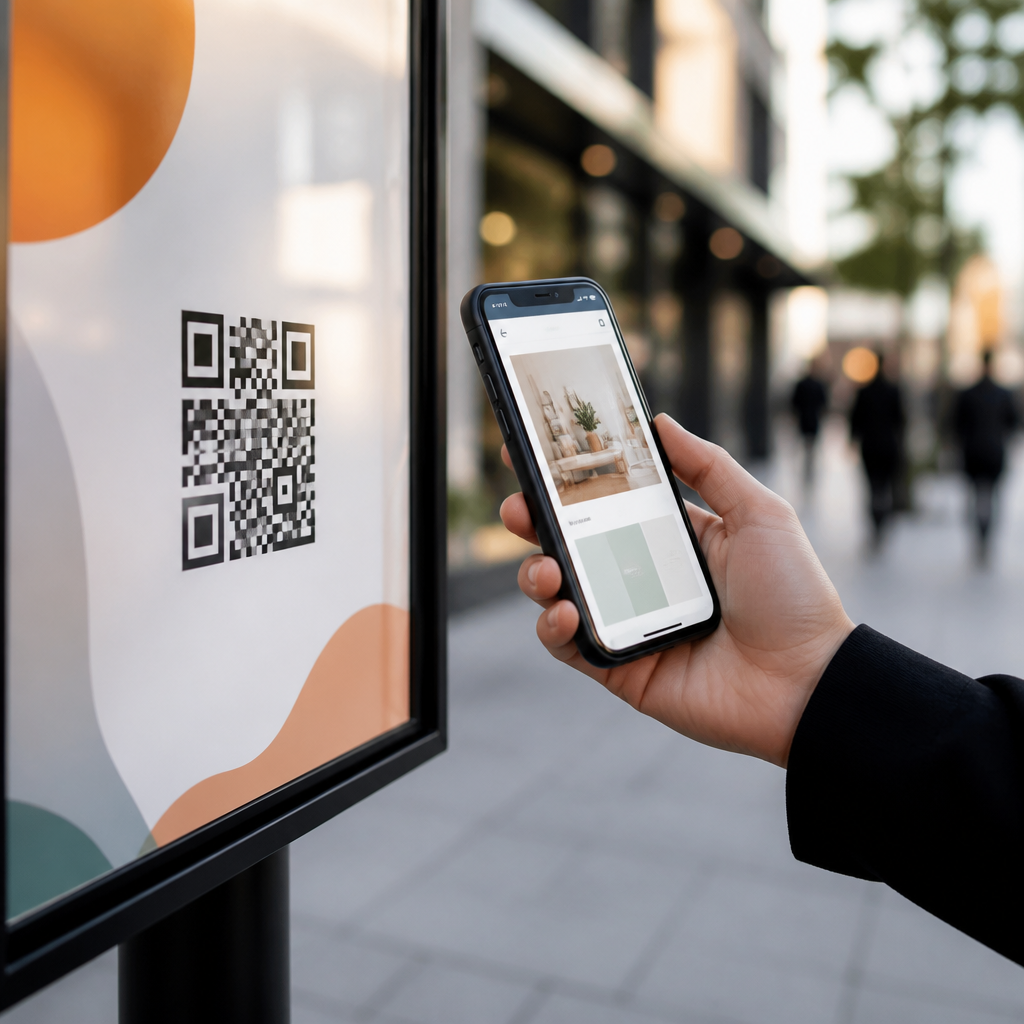
Traditional formats each create different opportunities. Direct mail works well for personalized offers and neighborhood targeting. Out-of-home excels when the destination is fast, such as directions, event registration, or a nearby store finder. Print ads can support considered purchases by linking to reviews, comparison tools, or product demos before a store trip. In-store signage can increase repeat visits by encouraging loyalty signup, app downloads, or future appointment scheduling. The same technology serves different moments, but the principle remains: align the scan destination with the user’s immediate intent.
| Traditional channel | Best QR destination | Primary goal | Example |
|---|---|---|---|
| Direct mail | Local landing page with coupon and map | Drive first visit | Furniture store postcard offering a weekend discount by ZIP code |
| Out-of-home | Store locator with one-tap directions | Capture nearby intent | Quick-service restaurant billboard near an exit ramp |
| Print magazine | Product explainer or appointment booking | Support consideration | Eyewear brand linking to in-store eye exam scheduling |
| Packaging | Loyalty signup and stockist finder | Increase repeat visits | Beverage brand rewarding repeat purchases at local retailers |
| Window signage | Hours, inventory, and reserve online pickup | Convert after-hours interest | Boutique storefront with “scan to shop and collect tomorrow” |
What makes people scan a QR code
People scan QR codes for three main reasons: convenience, value, and curiosity. Convenience means the scan saves time or effort. Value means there is a clear reward, such as savings, exclusive access, or useful information. Curiosity means the creative invites discovery without creating confusion. Effective campaigns usually combine at least two of the three. “Scan for directions and today’s in-store offer” is stronger than “Scan me,” because it explains both the action and the benefit.
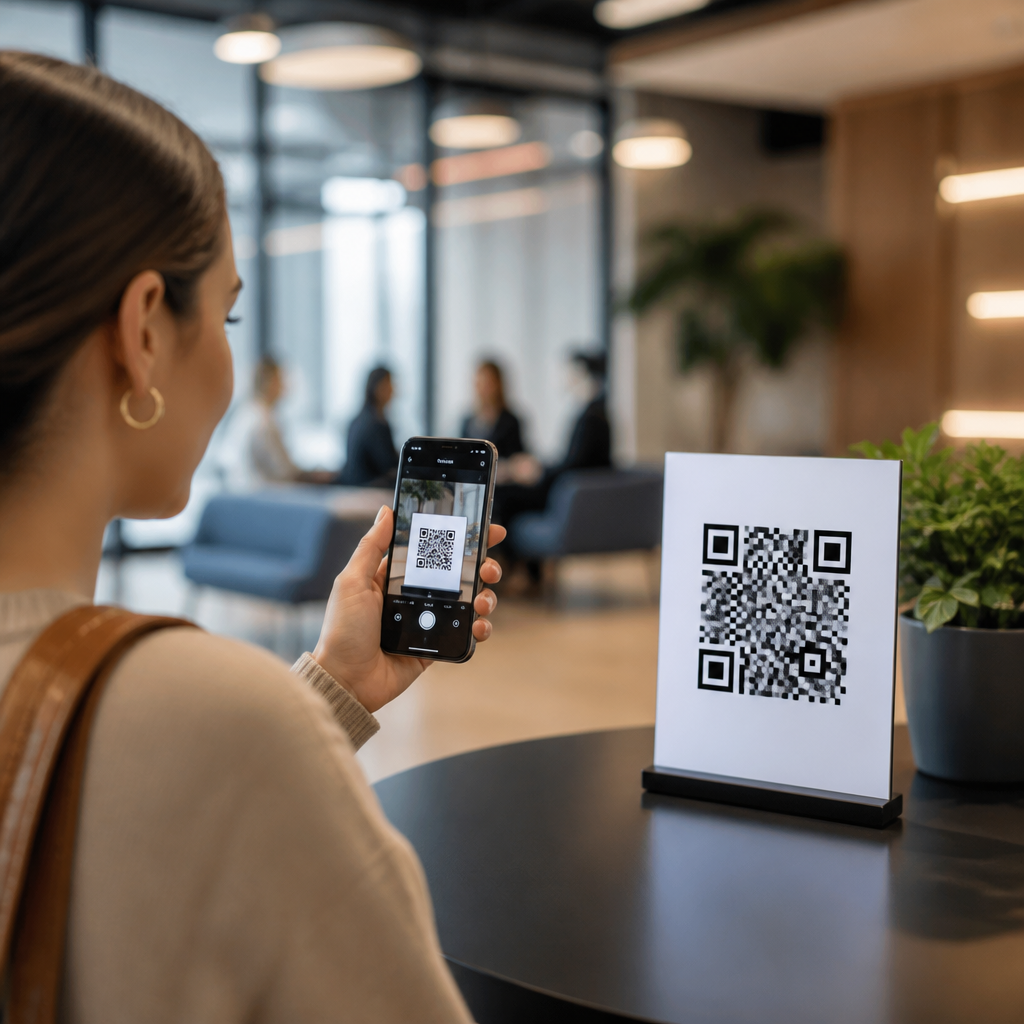
Placement and design influence results more than many marketers expect. The code must be large enough to scan comfortably from the expected distance, with strong contrast and a quiet zone around it. A code on a highway billboard is rarely practical unless traffic is stopped or the board targets pedestrians; a code on a platform poster, checkout counter display, or mailed brochure is far more realistic. Testing under real conditions matters. I have seen codes approved in a conference room fail in sunlight on glossy stock because reflections interfered with scanning.
Instruction copy matters too. A short call to action should tell users what happens next, not merely what to do. “Scan to find your nearest store” outperforms “Scan here.” So does “Scan to save this coupon to Apple Wallet or Google Wallet.” Explicit language sets expectations and reduces hesitation. Adding a fallback short URL is also wise for accessibility and edge cases, even if most users scan successfully.
Brand trust shapes response. Consumers are more likely to scan when the surrounding creative looks legitimate, the offer is coherent, and the destination domain is recognizable. Dynamic QR tools often allow custom domains and branded frames, which can improve confidence. Security concerns are real; people know malicious codes exist. Marketers should avoid bait-and-switch tactics, use HTTPS, and keep destination pages tightly aligned with the promise on the ad.
Best practices for increasing store visits with QR campaigns
Start with the destination, not the code. Before generating anything, define the exact conversion event: map click, coupon save, appointment booking, reserve online pickup, loyalty enrollment, or scanned redemption at point of sale. Then build a page optimized for that event. Mobile page speed is critical. According to Google’s long-standing research on mobile behavior, delays increase abandonment, and that principle applies sharply to QR traffic because scan intent is immediate. If the page stalls, the moment is lost.
Use dynamic QR codes whenever possible. Static codes are acceptable for permanent evergreen destinations, but dynamic codes provide flexibility and measurement. You can swap a seasonal landing page, pause a broken offer, localize by market, and append campaign parameters. This is essential for a hub strategy around QR codes in marketing because it lets teams learn across campaigns instead of treating each printed asset as fixed forever.
Match the offer to the physical setting. If someone scans in a parking lot, a map and same-day offer make sense. If someone scans from a magazine at home, they may prefer browsing, reviews, or appointment booking before visiting. If someone scans packaging after purchase, the opportunity is repeat behavior: replenishment reminders, rewards, how-to content, or nearby stockists for other flavors or sizes. Context determines whether a code drives immediate store traffic or nurtures a later visit.
Operational readiness matters. Do not run a QR promotion that front-line staff cannot recognize. If the code promises a free sample, the sample must be in stock and the cashier must know the redemption process. I have seen good campaigns fail because stores were not briefed, promo barcodes did not scan at POS, or geotargeted pages sent users to locations that had already closed. Marketing, operations, and analytics must be aligned before launch.
How to measure whether QR codes increase store visits
The simplest measurement is scans, but scans alone do not prove store visits. A stronger framework includes scan rate by placement, landing-page engagement, store locator clicks, direction requests, coupon saves, offer redemptions, and location-level lift. If the campaign is tied to POS systems, use unique barcodes or promo codes by asset. If the goal is appointments, connect the QR source to booking data. If the goal is foot traffic, compare exposed markets with control markets when possible.
Advanced teams use incrementality methods. A retailer might distribute QR-enabled mailers to matched ZIP codes and compare redemption and sales against similar non-mailed areas. A restaurant chain can test two poster versions in comparable stores and measure differences in map opens, wallet saves, and in-store redemptions. Location analytics providers can add directional evidence, though privacy-safe, aggregated methods should be used carefully and transparently.
Interpretation requires nuance. High scans with low visits may indicate curiosity but weak offer fit. Low scans with high redemption may mean the audience was small but highly qualified. A campaign placed in commuter rail stations may generate morning scans and evening visits, while a lunch promotion may require immediate action. Time lag, audience context, and in-store execution all shape outcomes. Good marketers do not ask whether QR codes work in the abstract; they ask under which conditions they work best.
Common mistakes and limitations
The most common mistake is using a QR code without a compelling reason to scan. The second is sending traffic to a homepage. Others include poor sizing, low contrast, weak mobile performance, and destinations blocked by app interstitials or age gates. Another frequent issue is missing analytics hygiene—no UTM structure, no campaign naming convention, and no distinction between assets. Without disciplined tracking, teams cannot learn which traditional advertising placements actually move store traffic.
There are limitations. Not every audience is equally likely to scan, and not every environment supports safe use. Drivers should never be expected to scan moving roadside ads. Some consumers remain cautious about unknown codes. Rural connectivity can affect landing-page performance. In luxury or high-consideration categories, an instant discount may cheapen the brand, so the destination may need to emphasize appointments, craftsmanship, or concierge service instead of coupons. The code must fit the brand and the context.
QR codes increase store visits from traditional advertising when they turn offline interest into immediate, useful action. They work because they reduce friction, fit mobile behavior, and make old media measurable. For marketers building a stronger QR code strategy, the essentials are straightforward: give people a clear reason to scan, send them to a fast mobile destination tailored to their context, track the right downstream actions, and prepare stores to fulfill the promise. Start with one high-intent channel—direct mail, window signage, or in-store collateral—test dynamic codes and localized offers, and refine from real performance data. Done well, QR codes do not replace traditional advertising; they unlock more value from it and convert attention into visits.
Frequently Asked Questions
Can QR codes really increase store visits from traditional advertising?
Yes, QR codes can absolutely increase store visits from traditional advertising when they are used strategically. Traditional media such as direct mail, flyers, posters, print ads, product packaging, billboards, and in-store signage often create awareness, but they do not always make it easy for someone to take immediate action. A QR code closes that gap by giving people a fast, low-friction way to move from seeing an ad to engaging with a digital experience that encourages an in-person visit. Instead of asking a customer to remember a website, search for a location later, or manually enter a coupon code, the scan can take them directly to a map, store locator, limited-time offer, appointment page, event registration, or mobile coupon.
The biggest reason QR codes can drive foot traffic is convenience. If someone is interested in an offer while reading a mailer at home or walking past a poster, the code lets them act in the moment. That immediacy matters. The path from curiosity to action becomes much shorter, and shorter paths generally lead to better response rates. QR codes also add measurement to channels that are otherwise harder to track. Businesses can see how many scans came from a specific campaign, location, or piece of creative, then compare those results with in-store redemptions, check-ins, or sales activity. In that sense, QR codes do more than modernize traditional advertising. They help make it both actionable and measurable, which is exactly what brands need when the goal is increasing store visits.
What makes a QR code campaign effective at driving in-store traffic?
The most effective QR code campaigns combine three essentials: a clear reason to scan, easy physical placement, and a strong mobile experience after the scan. First, the customer needs a compelling incentive. A QR code by itself is not persuasive. People are much more likely to scan when they know what they will get, such as “Save 15% in-store today,” “Get directions to the nearest location,” “Claim your free sample,” or “See this week’s in-store event schedule.” The offer should be specific, relevant, and tied to a benefit that supports a store visit rather than just online browsing.
Second, placement matters more than many advertisers realize. The code should appear where people can comfortably scan it with a phone, with enough lighting, sufficient size, and minimal visual clutter. A code on a bus shelter, checkout counter display, magazine ad, takeout menu, or window poster can work well if it is easy to access. A code placed too high, too far away, or on a fast-moving or low-visibility surface will usually underperform. It also helps to include a simple call to action near the code so the customer knows exactly what will happen after scanning.
Third, the destination has to be mobile-friendly and aligned with the ad. If the QR code leads to a slow-loading page, a generic homepage, or a desktop-formatted experience, the opportunity is often lost. Instead, it should lead to a focused landing page that matches the message in the traditional ad and quickly helps the user take the next step. That might mean showing store hours, inventory highlights, a coupon barcode, directions, a map listing, or an appointment booking form. When these elements work together, QR codes become a practical tool for turning offline attention into real-world foot traffic.
Where should businesses use QR codes in traditional advertising for the best results?
Businesses tend to get the best results when QR codes are placed in traditional formats that naturally support immediate response. Direct mail is one of the strongest examples because the customer has time and physical proximity to scan. A postcard offering an in-store discount, a catalog directing customers to a nearby showroom, or a neighborhood flyer promoting a grand opening can all drive visits effectively. Print ads in local newspapers and magazines can also work well, especially when the offer is timely and location-based.
Out-of-home advertising can perform strongly too, but only when the scan environment is realistic. Posters, transit shelter ads, mall displays, and storefront signage are often better choices than large roadside billboards, because people are more likely to be standing still or moving slowly enough to scan safely. In-store signage is another powerful but sometimes overlooked channel. QR codes near product displays, service counters, receipts, or packaging can encourage return visits, loyalty sign-ups, event participation, or cross-location shopping. Restaurants, retailers, medical offices, and service businesses can all use them to bridge the physical location with a digital action that supports another visit.
The best placement depends on customer behavior. Businesses should think about when and where someone would realistically want more information, directions, or an offer. If a person can notice the ad, understand the value, and scan without effort, the format is likely a good candidate. If they must stop in an unsafe place, zoom in from a distance, or guess what happens next, results will suffer. In other words, the best-performing placements are usually the ones that respect both attention span and real-world context.
What should happen after someone scans the QR code to increase the chance of a store visit?
After the scan, the experience should be immediate, relevant, and designed around one primary action that supports an in-person visit. In most cases, the ideal destination is not a homepage. It is a dedicated landing page tailored to the campaign. If the traditional ad promotes a local sale, the page should feature that sale clearly, identify the nearest location, and make it easy to get directions or save the offer. If the ad promotes a specific service, the page might offer appointment booking, store hours, and a click-to-call option. Every extra step creates friction, so the goal is to help the customer move from interest to visit as quickly as possible.
Mobile usability is critical. The landing page should load fast, display properly on a phone, and put the most important information above the fold. Useful post-scan elements often include a map, one-tap navigation, location-specific inventory or menu details, redeemable coupons, event confirmations, loyalty enrollment, and clear expiration dates for any promotional offer. It can also help to personalize the experience by location, campaign source, or time of day. For example, a code on a neighborhood mailer can open a page for the nearest branch rather than asking the customer to search for it.
Measurement should also be built into the post-scan experience. Marketers can track scans, landing page behavior, coupon activations, bookings, and store-visit signals to understand what is actually driving results. If possible, the in-store conversion should connect back to the campaign through a redeemable code, POS offer, or location-specific promotion. That way, the business is not just generating curiosity. It is creating a measurable path from offline media to in-store action.
How can businesses measure whether QR codes from traditional advertising are actually driving store visits?
Measuring impact starts with treating each QR code placement as a trackable campaign asset rather than a generic shortcut. Businesses should use unique QR codes for different channels, locations, creative versions, or audience segments. That makes it possible to compare a direct mail piece against a window poster, or one neighborhood campaign against another. The scan data itself provides a first layer of insight, including total scans, time of day, device type, and sometimes general location. While scans alone do not prove foot traffic, they show which traditional ads are generating interest and engagement.
To understand store visits, businesses should connect scans to downstream actions. One common approach is to deliver an in-store coupon or offer that is redeemed at the point of sale. Another is to send users to a landing page with a “Get Directions” button, appointment scheduler, event check-in form, or location-specific call button. These actions serve as stronger indicators of in-person intent. Retailers and local businesses can also compare scan activity with store traffic patterns, redemption data, POS sales, or campaign-period lift by location. If a print campaign with a QR code launches in one market and store visits increase alongside tracked scans and redemptions, that is strong evidence the campaign is working.
For even better analysis, businesses can run controlled tests. For example, they might use one version of a mailer with a QR-linked offer and another without it, or test different calls to action and landing pages. Over time, this reveals not just whether QR codes work, but what specific messages, incentives, and placements produce the highest store-visit rate. The real value of QR codes in traditional advertising is that they help transform offline media from something difficult to attribute into something much more measurable. That visibility allows marketers to optimize campaigns with far more confidence.