Building a scan-to-subscription journey for consumable products means designing a customer path that begins when someone scans a QR code and ends with a predictable reorder relationship. Consumable products include anything used up and replenished on a recurring basis, such as coffee, pet food, vitamins, skincare, detergent, water filters, and printer ink. A scan-to-subscription journey connects packaging, printed media, retail displays, direct mail, and digital touchpoints so a simple scan can move a buyer from curiosity to repeat purchase. For brands working on QR codes in marketing strategy, this is one of the most practical funnel applications because the product itself creates natural reorder intent.
I have implemented QR-led retention programs for packaged goods and direct-to-consumer brands, and the biggest lesson is straightforward: the code is never the strategy. The strategy is the sequence behind it. A QR code can trigger a landing page, collect first-party data, deliver education, verify authenticity, register a purchase, unlock a welcome offer, and start a subscription flow. When those pieces are disconnected, scan rates may look acceptable while conversion remains weak. When they are aligned to timing, device context, and customer motivation, even a small code printed on a label can become a high-performing acquisition and retention channel.
This matters because customer acquisition costs are high, shelf competition is intense, and many consumable categories depend on lifetime value more than single-order margin. Subscription programs improve revenue visibility, increase repeat purchase rates, and reduce the friction of remembering to reorder. QR codes help bridge the offline and online gap at exactly the moment a customer is handling a product or seeing it in-store. That moment is valuable. It is often closer to intent than a social impression or display ad click, especially for categories where replenishment timing can be estimated from package size and typical usage.
To build this journey well, marketers need clear definitions. A marketing funnel maps stages from awareness to conversion and retention. A QR code is a scannable matrix barcode that sends a user to a digital destination, usually a URL. A subscription is an automatically recurring order scheduled at a chosen frequency. Integrating QR codes into marketing funnels means assigning each code a job within the journey, measuring its contribution, and tailoring the destination to the customer’s stage. For a consumable brand, the strongest programs do not ask every scanner to subscribe immediately. They guide prospects and existing buyers through relevant next steps, then make subscription the easiest logical outcome.
Why consumable products are ideal for QR-led subscription funnels
Consumables are uniquely suited to QR-driven funnels because they combine physical usage, finite inventory, and recurring need. A customer can understand the value of convenience quickly: if coffee beans run out every three weeks, an auto-ship plan solves a real problem. That repeat demand gives marketers a reliable basis for message timing, offer design, and lifecycle automation. In practice, categories with stable consumption patterns usually outperform irregular-purchase categories when QR codes are tied to replenishment flows.
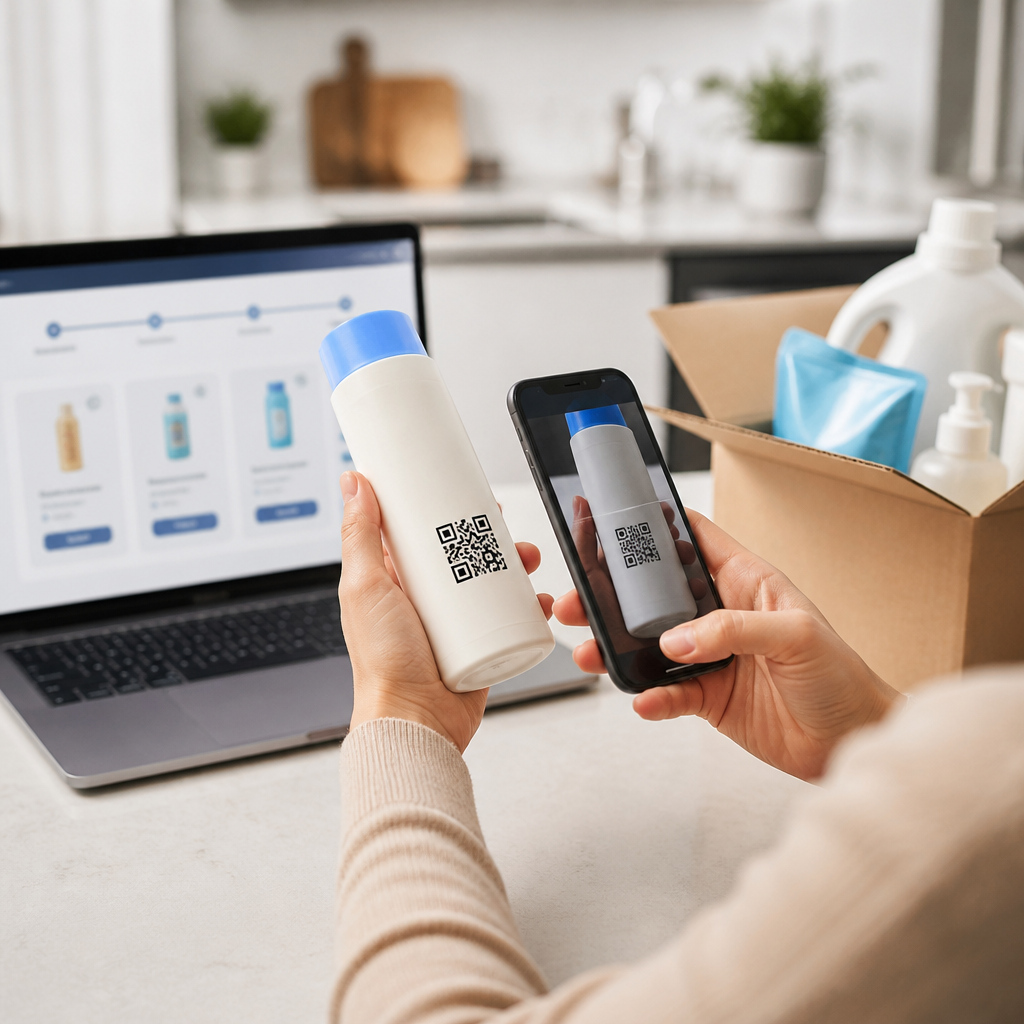
Physical packaging creates always-on media inventory. Every box, pouch, bottle, carton, insert, shelf talker, and shipping label can carry a code with a distinct role. A code on front-of-pack may focus on product education for first-time buyers. A code inside the box may support onboarding and usage tips. A code near the empty marker on the package can drive replenishment. A code on a refill pouch can invite customers to subscribe after the trial period. This approach turns the product into a persistent customer interface rather than a one-time transaction artifact.
Retail and omnichannel brands gain another advantage: QR codes create measurable links from offline exposure to digital behavior. With dynamic QR platforms such as Bitly, QR Code Generator PRO, Flowcode, or Beaconstac, teams can swap destinations without reprinting codes, assign campaign parameters, and compare scan activity by location, packaging version, or retailer. That makes it possible to test whether a ten percent first-subscription discount, a free sample in the second shipment, or a sustainability message generates higher conversion among store purchasers. The code itself stays the same while the funnel evolves based on data.
Mapping the scan-to-subscription funnel from first scan to recurring revenue
The highest-converting funnel starts with user intent, not channel preference. Ask what the scanner wants at that moment. Someone in an aisle may want proof, reviews, ingredients, or a price incentive. Someone who already purchased may want setup help, dosage guidance, brewing instructions, or reorder timing. Someone holding an empty package wants speed. The destination page must answer the immediate question first, then move the user to the next action. This principle is why generic home-page redirects almost always underperform purpose-built landing pages.
A practical funnel for consumables usually has five stages: attract the scan, satisfy the immediate need, capture permission, prompt the first online order or account creation, and convert to subscription at the right moment. The prompt can happen on the first visit, after product registration, after educational content, at checkout, or in post-purchase email and SMS. The timing depends on purchase context. For a premium supplement brand, many users need trust-building before subscribing. For dish soap refills, convenience may be enough to ask sooner.
| Funnel Stage | Primary Customer Question | Best QR Destination | Key Metric |
|---|---|---|---|
| Awareness | What is this product and why should I care? | Mobile landing page with benefits, proof, and retailer options | Scan-through rate to product view |
| Consideration | Will this work for me? | FAQ, reviews, ingredients, demos, comparison content | Engaged sessions and account starts |
| Purchase | How do I buy now? | Store locator, retailer links, direct checkout | Click to buy and completed orders |
| Post-purchase | How do I use it correctly? | Onboarding, registration, support, loyalty enrollment | Registrations and repeat visits |
| Retention | How do I avoid running out? | Reorder page with subscription preselected | Subscription conversion rate |
That structure supports internal content connections across the broader QR codes in marketing strategy topic. Supporting articles can dive deeper into packaging QR placement, retail QR analytics, dynamic code governance, SMS capture, landing page optimization, and post-purchase automation. The hub page should anchor those subtopics while giving teams an end-to-end blueprint they can act on immediately.
Designing QR touchpoints that match context, packaging, and buyer intent
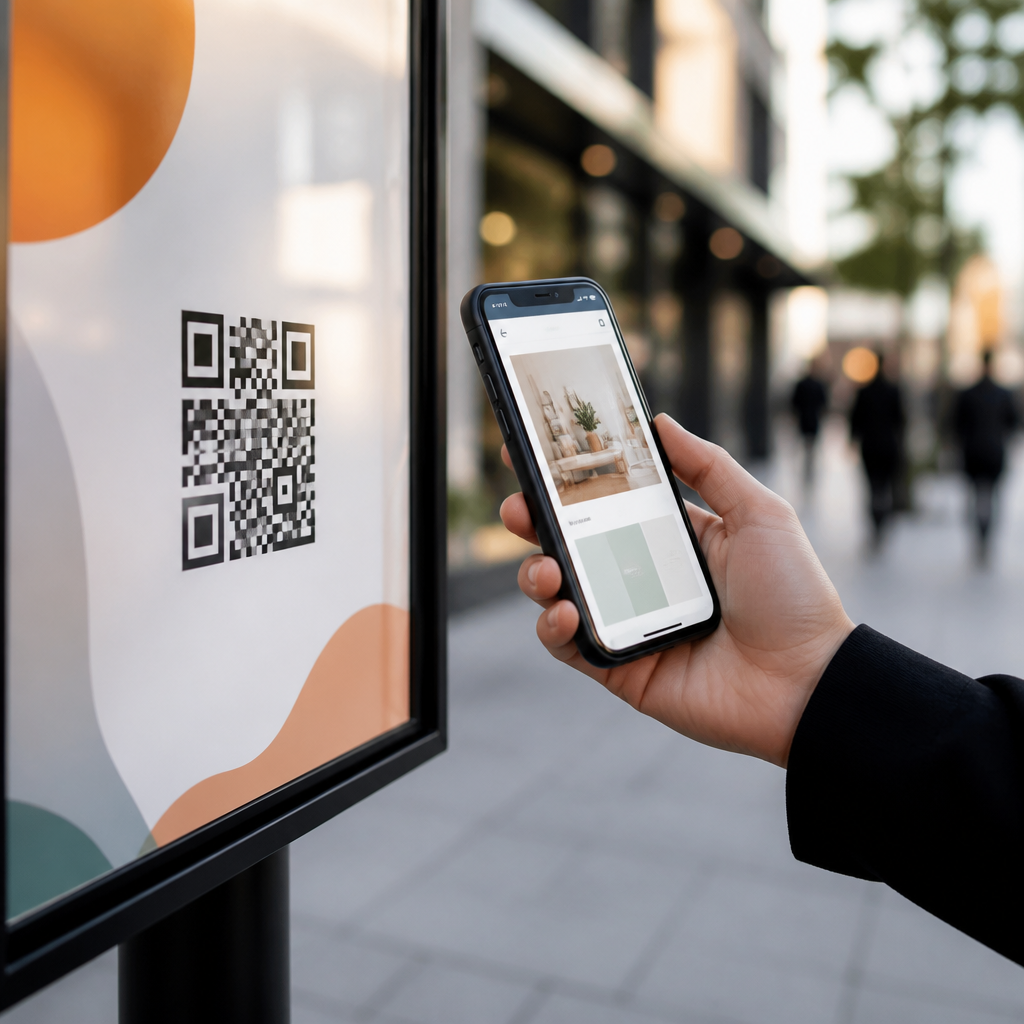
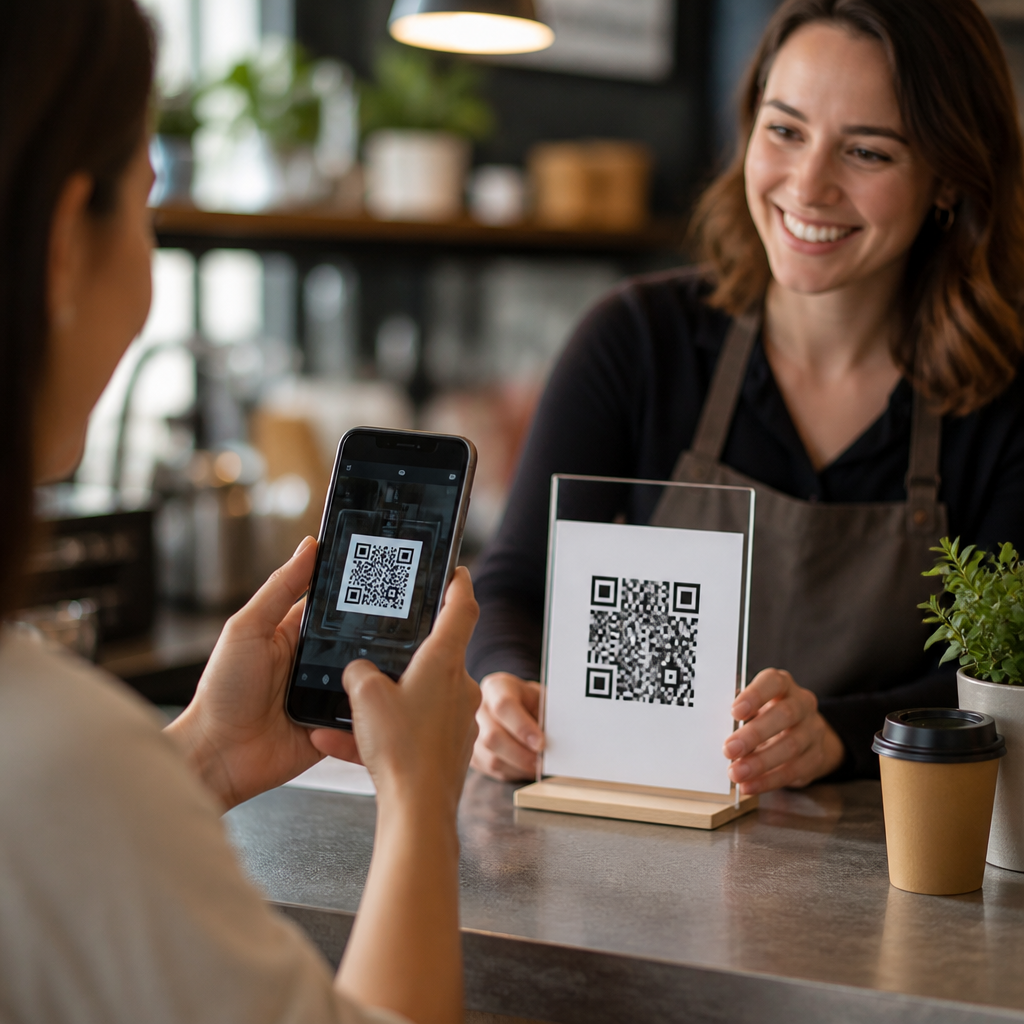
Placement changes performance more than many teams expect. In-store codes must be visible, high-contrast, and paired with a reason to scan. “Scan to subscribe” is often too early for shelf shoppers. “Scan for ingredients, reviews, and 15% off your first online order” is stronger because it bundles information and value. On-pack codes can work at purchase, but post-purchase placements usually produce better subscription rates because the buyer has already crossed the trust threshold. I have seen inside-flap and usage-area codes outperform front-label codes for retention campaigns simply because they appear during real product interaction rather than at the point of distraction.
Packaging architecture also matters. Single-serve formats may need an educational sequence that later introduces multi-pack subscriptions. Large-format household goods can move directly to replenishment calculators because the customer immediately understands usage duration. For skincare, a code on the outer carton might lead to ingredient education, while a code on the bottle after two weeks can drive regimen completion and recurring delivery. For pet food, bag size, pet weight, and feeding frequency can feed a personalized reorder estimate that prepopulates subscription cadence.
Every QR touchpoint needs a clear call to action and a single dominant outcome. Avoid sending scanners to cluttered pages with competing modules, pop-ups, and navigation overload. Mobile page speed should meet Core Web Vitals standards as closely as possible because scans happen on phones, often with inconsistent connectivity. Compress assets, limit scripts, and use responsive forms. If the code appears on packaging inside a kitchen, bathroom, or garage, assume one-handed use and limited patience. The best pages answer the first question above the fold and delay secondary asks until after value is demonstrated.
Turning scans into subscribers with landing pages, offers, and first-party data
Subscription conversion depends on reducing uncertainty. A landing page should explain what arrives, how often, how billing works, whether plans can be skipped or changed, and when reminders are sent. For many consumables, flexible cadence options are essential. Monthly is not enough. Let customers choose frequency by days or weeks and adjust quantities. This reflects real usage patterns and reduces churn caused by oversupply. If your commerce platform supports it, show an estimated next-run-out date based on package size and reported household usage.
Offer structure should match margin and customer motivation. Percentage discounts are common, but they are not always optimal. In categories with healthy second-order economics, a free gift in shipment two can improve retention because it rewards staying subscribed rather than merely starting. For eco-friendly cleaning products, a bundle of refill concentrates may beat a discount because it deepens routine adoption. For vitamins, an educational lead magnet plus a short quiz can raise confidence before presenting a subscribe-and-save option. The point is not to bribe every scanner; it is to remove the most relevant conversion barrier.
First-party data collection must be deliberate and minimal. Collect only what helps you personalize timing, cadence, or content: email, SMS consent where appropriate, product variant, household size, pet profile, skin concern, or purchase channel. Explain why you are asking. If someone scans a coffee bag, asking roast preference and brew method is useful because it informs future recommendations. Asking for excessive demographic data before showing value hurts completion rates. Consent language should meet privacy requirements, and data should flow into your CRM or customer data platform with campaign source attached.
Named tools help operationalize this stack. Shopify and Recharge are common for subscriptions. Klaviyo and Braze handle lifecycle messaging. Segment or RudderStack can route event data. Google Analytics 4, server-side tagging, and UTM conventions help attribute scans and downstream revenue. A QR platform with dynamic redirects and scan analytics is nonnegotiable if you are running tests across retailers, package versions, and geographies. Without dynamic infrastructure, teams end up reprinting packaging for simple destination changes, which is slow and expensive.
Measuring performance, avoiding common mistakes, and scaling the program
The core metrics are not just scans and click-throughs. Measure scan rate by exposure source, landing page engagement, account creation, checkout starts, subscription conversion, opt-in quality, churn, skip rate, and net revenue per subscriber. For retail programs, compare stores or regions with different shelf materials or packaging prompts. For direct-to-consumer shipments, track whether insert codes increase second-order subscription uptake relative to control groups. Holdout testing matters because some customers would have subscribed anyway, and inflated attribution can lead to bad budget decisions.
Several mistakes appear repeatedly. The first is using one QR destination for every audience. New prospects, loyal buyers, and lapsed customers need different paths. The second is ignoring the post-purchase moment, even though it is often the most fertile point for subscription conversion. The third is overemphasizing the code graphic while neglecting offer clarity, page speed, and checkout friction. Another common error is failing to coordinate packaging, paid media, CRM, and customer support. If support agents cannot explain the subscription terms shown on the landing page, trust drops quickly.
Scaling requires governance. Create a taxonomy for code naming, campaign parameters, package versions, and redirect rules. Document who owns creative, destination content, analytics, QA, and retailer approvals. Use quality assurance checklists that verify mobile rendering, redirect behavior, consent capture, inventory status, and subscription logic before launch. Review scan and retention data on a predictable cadence, then iterate. Over time, you can expand from simple reorder prompts to loyalty-linked subscriptions, product registration flows, warranty or authenticity checks, and replenishment reminders powered by actual usage data from connected devices or declared preferences.
Building a scan-to-subscription journey for consumable products works because it meets customers in the physical moments that signal real intent. Instead of treating QR codes as novelty add-ons, effective brands use them as connectors between packaging, education, commerce, and retention. The result is a funnel that turns anonymous product interactions into measurable, permission-based relationships and recurring revenue.
The most important takeaway is that subscription success comes from context. Put the right code in the right place, answer the immediate question, collect only useful data, and present a flexible recurring offer when convenience is obvious. Consumable brands that do this well gain stronger first-party data, better reorder rates, and more resilient lifetime value than brands that rely only on one-time promotions or broad retargeting.
If you are building out QR codes in marketing strategy, use this page as your hub for integrating QR codes into marketing funnels. Audit every physical touchpoint, map each one to a funnel stage, and launch one measurable scan-to-subscription pilot on a high-repeat product first. Then refine the journey with data and scale what proves profitable.
Frequently Asked Questions
What is a scan-to-subscription journey for consumable products?
A scan-to-subscription journey is a customer experience designed to turn a simple QR code scan into an ongoing replenishment relationship. For consumable products, that means a person sees a code on packaging, an insert, a retail display, direct mail, or another offline touchpoint, scans it with their phone, and is guided to a digital experience that makes reordering easy and recurring. Instead of asking customers to remember when they are running low, search for the product later, or manually reorder every time, the brand creates a direct path from product discovery or usage to a subscription offer that fits actual consumption behavior.
This model works especially well for products that get used up on a predictable cycle, such as coffee, vitamins, pet food, skincare, detergent, water filters, and printer ink. The key is connecting the physical product experience to a mobile-first landing page that identifies the product, presents the right subscription cadence, reduces friction in checkout, and clearly communicates the value of subscribing. A strong scan-to-subscription journey does not just collect a purchase; it builds retention by making replenishment timely, convenient, and personalized.
Why are consumable products especially well suited for scan-to-subscription strategies?
Consumable products naturally lend themselves to subscriptions because customers need them again and again. Unlike one-time purchases, these items have repeat demand built into their usage pattern. When a product runs out on a somewhat predictable schedule, the brand has a real opportunity to remove friction from the reorder process. A scan-to-subscription strategy meets customers at the exact moment they are most likely to need a refill, whether that moment happens at home while holding the package, in a store aisle comparing options, or after receiving a printed reminder in the mail.
What makes this approach powerful is timing and context. A customer scanning the bottom of an empty vitamin bottle or a nearly finished bag of coffee is already signaling intent. They are not casually browsing; they are much closer to replenishment. By sending that person to a streamlined subscription page tailored to the product they scanned, brands can improve conversion rates and create a more predictable revenue model. It also benefits the customer by reducing the risk of stockouts, saving time, and often providing perks such as discounts, flexible delivery intervals, loyalty rewards, or exclusive offers. For products people rely on regularly, convenience is often the deciding factor, and scan-to-subscription is built around convenience.
What are the most important elements of an effective scan-to-subscription journey?
An effective scan-to-subscription journey starts with a clear and compelling scan trigger. The QR code must be easy to find, easy to scan, and supported by a strong call to action that explains what the customer gets by scanning. Vague prompts usually underperform. Specific messaging like “Scan to reorder in seconds,” “Scan to subscribe and save,” or “Scan for your next delivery” sets expectations and improves engagement. Placement also matters. Codes should appear where customer intent is strongest, such as on primary packaging, refill reminders, inserts, shelf talkers, and post-purchase materials.
Once scanned, the landing experience should be fast, mobile-optimized, and directly relevant to the item scanned. Ideally, the page already knows the product or product family and immediately presents subscription options without forcing the customer to search. Strong journeys also recommend an appropriate delivery cadence based on typical usage, while still allowing flexibility. A customer buying water filters may need a different reorder interval than someone subscribing to skincare or pet food, so the subscription setup should feel helpful rather than rigid.
Other critical elements include minimal checkout friction, transparent pricing, visible subscription benefits, easy account management, and trust-building details such as cancellation flexibility and delivery control. The best journeys also connect data across touchpoints so brands can understand which scan sources convert best, when customers tend to subscribe, and where drop-off occurs. In other words, the journey must combine physical design, conversion-focused UX, and lifecycle thinking. It is not just about generating a scan; it is about creating a reliable bridge from offline interaction to long-term recurring revenue.
Where should brands place QR codes and scan prompts to drive subscription sign-ups?
The most effective placements are usually the ones closest to the replenishment moment. Product packaging is often the strongest channel because it reaches existing users who already know the product and may be nearing their next purchase decision. A QR code printed on the outer box, inside flap, label, cap insert, or refill reminder panel can turn packaging into a direct subscription gateway. For consumables, this is especially valuable because the package remains with the customer during the usage cycle, making it a natural re-engagement tool.
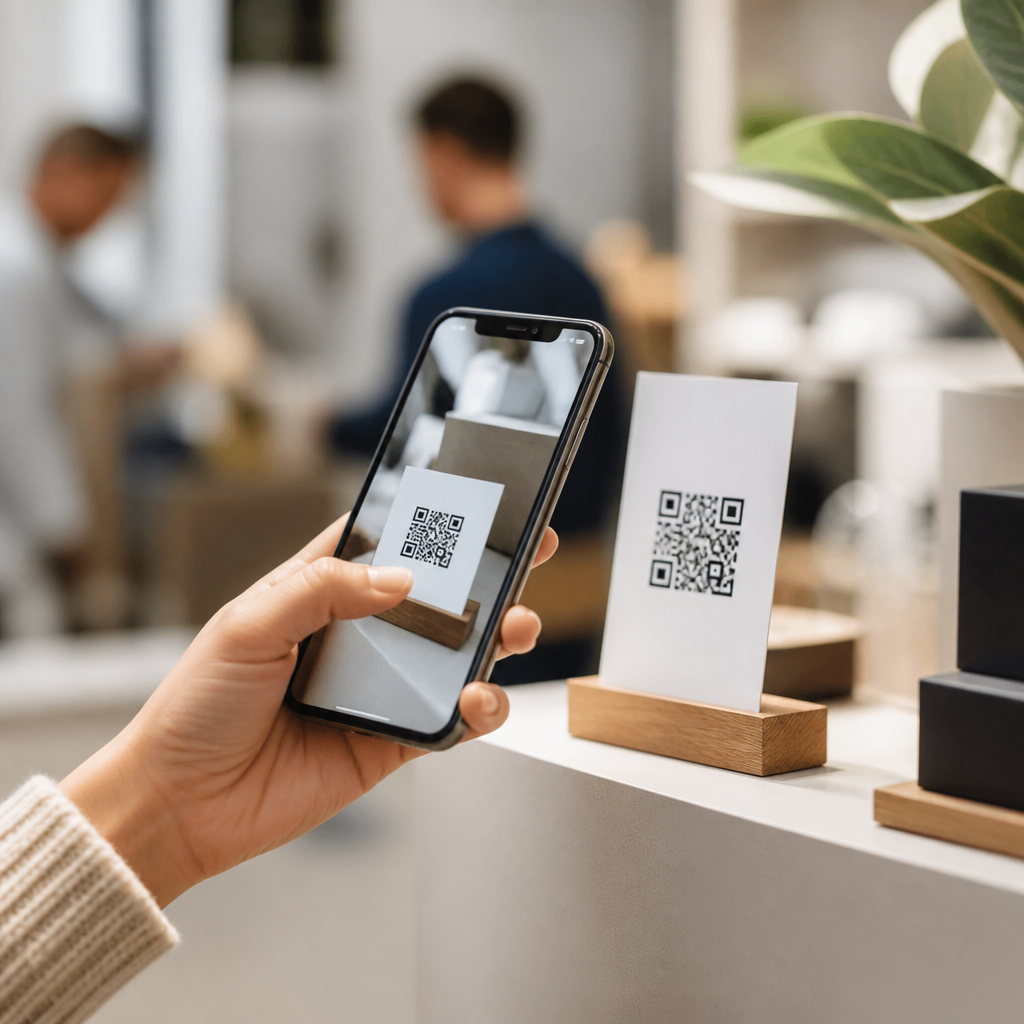
Retail displays can also play a major role, especially for first-time buyers who are evaluating whether to purchase in-store or start a direct subscription relationship. Shelf signage, end caps, countertop displays, and demo materials can encourage shoppers to scan for subscription savings, bundle offers, or replenishment plans. Printed inserts in ecommerce orders are another high-performing option because they reach customers after a successful purchase, when trust is higher and the product is already in hand.
Direct mail and loyalty communications can support reactivation and reorder timing as well. For example, a postcard timed to arrive near the average depletion date can remind customers to scan and subscribe before they run out. Brands should also think beyond simple placement and focus on message clarity. The code should be paired with a reason to act now, such as convenience, savings, bonus products, or personalized delivery timing. Good placement gets the scan; strong value messaging gets the subscription.
How can brands measure and improve the performance of a scan-to-subscription journey?
Brands should measure performance across the full path, not just at the scan level. A high scan rate is useful, but it does not automatically mean the journey is working. The more important metrics include scan-to-landing-page load rate, landing-page engagement, subscription conversion rate, checkout completion, selected delivery cadence, retention after the first renewal, churn rate, and customer lifetime value. These data points help identify whether the issue is awareness, page relevance, offer strength, checkout friction, or long-term subscription fit.
Segmentation is also important. Brands should compare performance by scan source, product type, campaign, geography, customer status, and timing in the product lifecycle. A QR code on packaging may produce different results than one on a retail display or direct-mail piece, and a first-time buyer may need different messaging than a repeat purchaser. Tracking these differences helps brands tailor experiences more precisely. Dynamic QR codes and campaign-level analytics can make it easier to test landing pages, creative messaging, cadence recommendations, and promotional offers without reprinting every asset.
To improve results, brands should continuously optimize the experience. That may include shortening the path to checkout, preselecting recommended subscription intervals, clarifying savings, adding social proof, improving page speed, or offering a one-time purchase alternative alongside the subscription option. It is also wise to monitor post-subscription behavior. If customers frequently pause, skip, or cancel early, the cadence may be wrong or the value proposition may not be strong enough. The best scan-to-subscription programs are iterative. They use customer behavior data to refine each step so the journey becomes easier, more relevant, and more profitable over time.