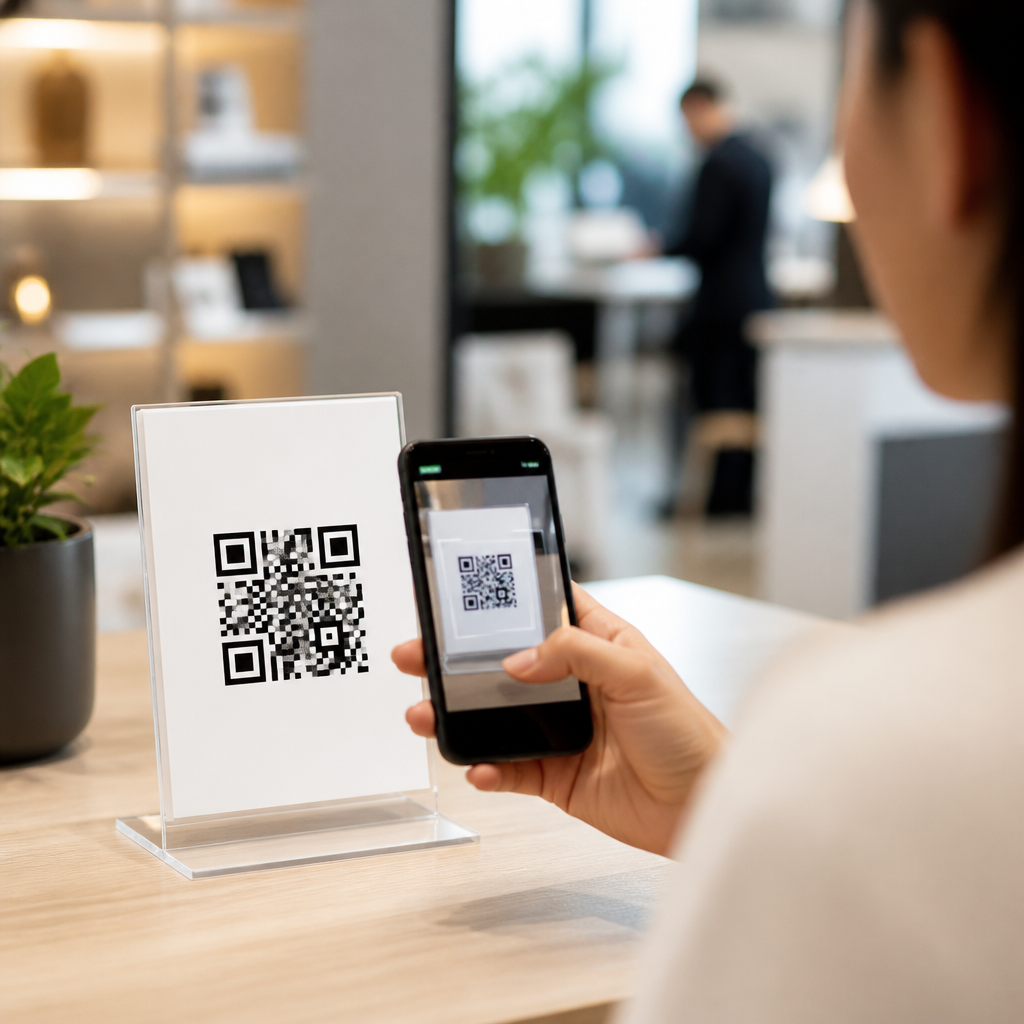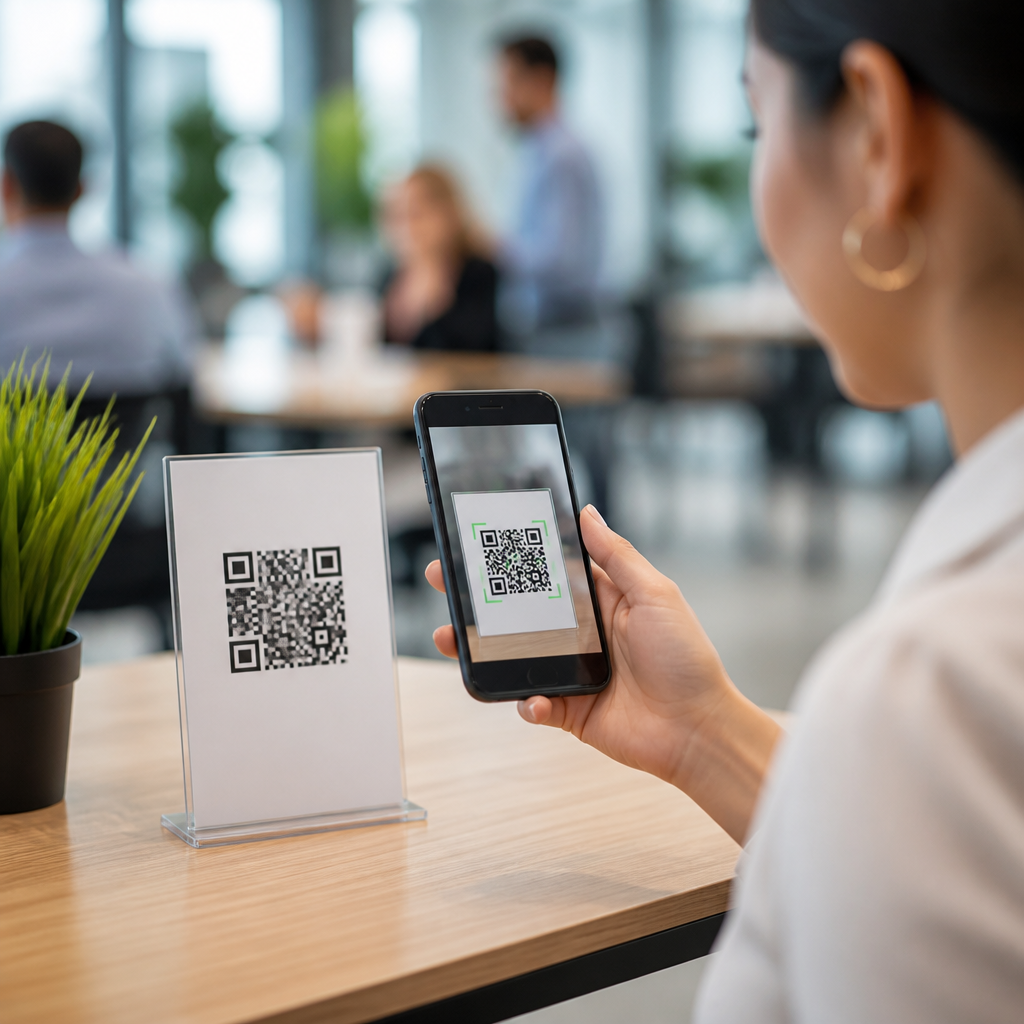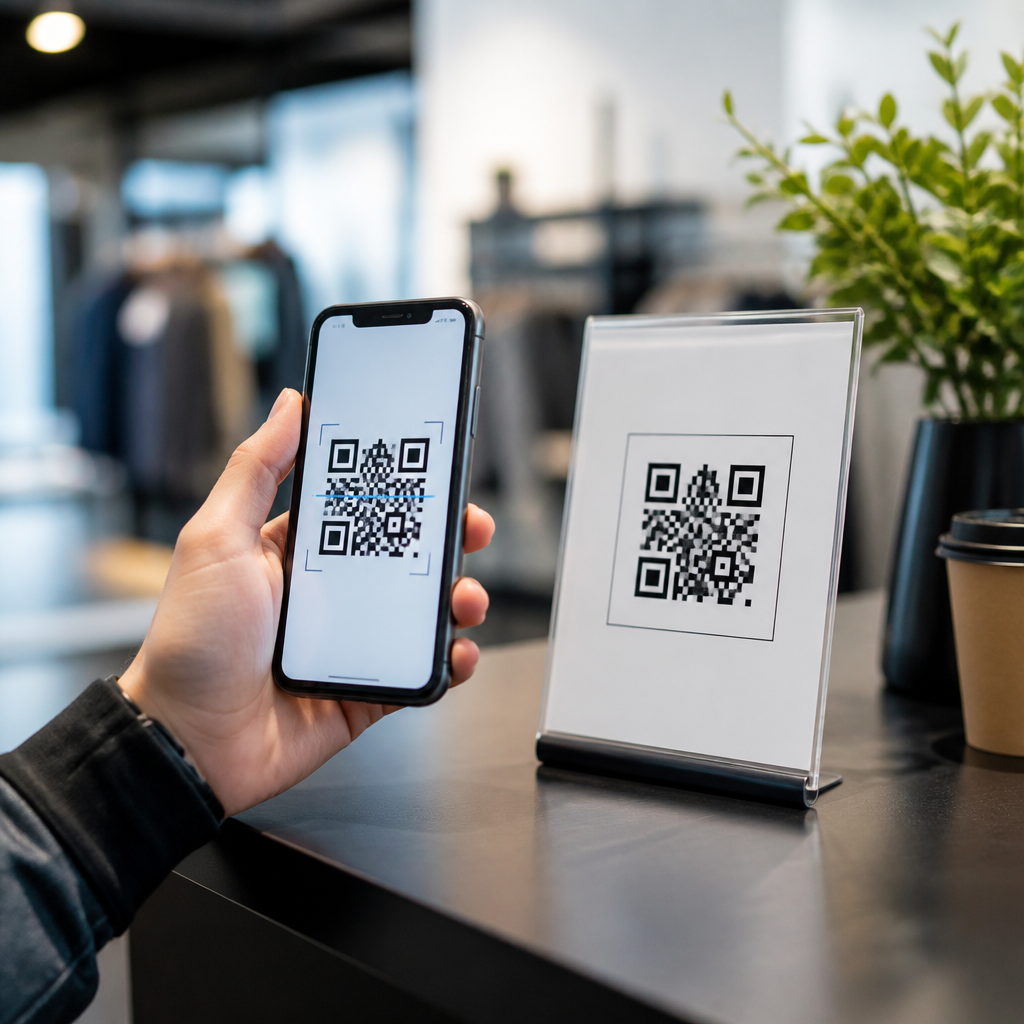
QR code conversion optimization turns a scannable square into a measurable path from attention to action. In practice, it means improving every factor that influences whether someone notices a QR code, trusts it, scans it, lands on a useful page, and completes a desired step such as buying, booking, downloading, calling, or subscribing. I have used QR codes in retail displays, trade show booths, restaurant menus, direct mail, product packaging, and field sales collateral, and the same lesson holds across channels: a code alone does not convert. The conversion comes from message fit, placement, design, technical setup, landing-page relevance, analytics, and disciplined testing.
For teams building a resource hub around templates and checklists, this topic matters because QR campaigns often fail in predictable ways. The call to action is vague, the code is too small, the destination is slow, or no tracking exists to show what happened after the scan. Those mistakes waste print budget and mislead stakeholders about channel performance. A strong QR code conversion optimization checklist prevents that. It creates a repeatable review process before launch and a measurement framework after launch, which is exactly what scalable marketing operations need.
Key terms are straightforward. A static QR code points to a fixed destination that cannot be changed after printing. A dynamic QR code uses a short redirect URL, allowing edits, scan analytics, and campaign-level governance without reprinting the asset. Scan rate measures how often people scan relative to impressions or estimated views. Conversion rate measures how many scanners complete the target action. Completion rate can track multi-step outcomes such as form finish, purchase, or app install after the initial scan. In serious programs, these are not vanity metrics; they inform design, media placement, and budget decisions.
This hub article covers the full checklist logic behind high-performing QR campaigns and connects the subtopic of templates and checklists into one practical reference. If you need a launch template, a print-production checklist, an event checklist, a retail signage checklist, or an analytics QA list, the sections below show what each should include and why. The goal is simple: help you produce QR codes that scan easily, lead to a trustworthy destination, and convert at a higher rate with fewer preventable errors.
Start With the Conversion Goal and Audience Context
The first item on any QR code conversion optimization checklist is defining the exact outcome. “Drive engagement” is not a goal. “Get mobile visitors to claim a 15 percent welcome offer,” “capture email signups for a webinar,” or “send support seekers to a troubleshooting article” are goals. When I audit underperforming QR campaigns, unclear objectives are usually the root issue because every downstream choice depends on the desired action. A packaging insert aimed at first-time customers needs onboarding content. A window decal for walk-by traffic needs a fast, friction-light mobile page. A B2B trade show badge sign may justify a longer form because intent is higher.
Audience context matters just as much as the objective. Ask where the scan happens, how much time the user has, and what device conditions are likely. A commuter scanning a transit poster may have one hand free, poor connectivity, and ten seconds of attention. A diner scanning a table tent wants immediate menu or ordering access. A shopper scanning shelf signage may compare prices while standing in an aisle. These conditions should shape the call to action, destination length, page weight, and form complexity. Good checklists force teams to write down the scanning environment before they discuss colors or logo placement.
Offer relevance is the strongest conversion lever after visibility. A plain “Scan me” underperforms specific value statements because people need a reason to act now. “Scan to see ingredients,” “Scan for video setup help,” and “Scan for today’s event schedule” each frame a clear payoff. In my experience, specific utility beats clever copy almost every time. If the scan leads to a discount, state the discount. If it leads to exclusive content, name the content. If it saves time, say how. Strong QR performance is usually a message problem solved before it becomes a design problem.
Checklist for QR Code Design, Placement, and Scannability
The design phase should protect function first. QR codes need sufficient contrast, a quiet zone around the code, and enough size for the expected scanning distance. As a practical rule, the farther the viewer stands, the larger the code must be. On product packaging, a small code may work because the user holds the item. On posters, trade show walls, and billboards, undersized codes are a common failure. ISO/IEC 18004 defines the QR Code standard, and while marketers do not need to memorize the specification, they should respect the basics: maintain finder patterns, preserve error correction integrity, and avoid excessive styling that interferes with camera recognition.
Branding can improve trust, but only when applied carefully. Adding a centered logo, changing module shapes, or using brand colors is acceptable if contrast remains strong and scan testing passes across iPhone and Android devices in different lighting conditions. Dark code on a light background remains the safest option. Inverted or low-contrast combinations may look polished in a design comp and fail in the real world. I recommend testing every production variant in print, not just on screen, because coated stock, glare, and outdoor shadows change performance significantly.
Placement determines whether people even notice the code. Put the code where the eye naturally lands after reading the value proposition. On packaging, that may be near setup instructions or product benefits. On direct mail, it usually performs best near the offer and response copy, not buried near legal text. At events, place codes at decision points such as registration, session rooms, demos, and exits. Avoid locations that require awkward body movement or where crowds block access. A code behind glass, below knee height, or next to reflective metal surfaces often scans poorly even if the artwork is technically correct.
| Checklist Item | Best Practice | Why It Affects Conversions |
|---|---|---|
| Call to action | Name the benefit: “Scan for setup video” | Clear value increases scan intent |
| Code size | Match size to viewing distance and placement | Small codes reduce successful scans |
| Contrast | Dark foreground on light background | Improves camera recognition |
| Quiet zone | Leave clean space around the code | Prevents recognition errors |
| Destination URL | Use dynamic redirects with tracking | Enables edits and analytics |
| Landing page | Mobile-first, fast, single purpose | Reduces post-scan drop-off |
| QA testing | Test printed assets on multiple devices | Catches real-world failures before launch |
Landing Page Optimization After the Scan
The landing page is where conversion optimization becomes visible in analytics. If scans are healthy but outcomes are weak, the destination is usually the problem. The page should match the promise made next to the QR code in wording, design cues, and intent. Message match lowers cognitive friction. If the sign says “Scan for a 15 percent welcome offer,” the landing page headline should repeat that offer clearly and immediately. Users should not have to search, pinch-zoom, dismiss intrusive pop-ups, or navigate a generic homepage. Deep links, campaign-specific pages, and app-routing logic matter because the shortest path usually converts best.
Speed is not optional. Mobile users abandon slow pages quickly, especially in physical environments where attention is fragmented. Use PageSpeed Insights, Lighthouse, and WebPageTest to check load time, Core Web Vitals, and heavy scripts. Compress images, reduce third-party tags, and avoid auto-playing media unless it directly supports the conversion. For forms, remove unnecessary fields. A restaurant menu QR code should open instantly without requiring account creation. A B2B lead form can ask for more detail, but only if the offer justifies the friction. This is the tradeoff every checklist should force teams to review explicitly.
Trust elements become more important with QR traffic because users cannot preview the destination as easily as they can with a normal link. Secure HTTPS delivery is mandatory. So are visible branding, concise copy, and obvious next steps. If a code triggers app download, explain platform options and data usage. If payment is involved, use recognized processors and clear security language. For regulated industries such as healthcare and finance, legal review and privacy disclosures must be part of pre-launch QA. Conversion optimization is not only about removing friction; it is also about giving users enough certainty to proceed.
Tracking, Attribution, and Testing Frameworks
A QR code checklist without analytics is incomplete. Dynamic QR platforms, UTM parameters, first-party analytics, and event tracking should be configured before printing. At minimum, track scans by asset, location, date, and campaign. Then track landing-page sessions, bounce behavior, clicks, form starts, form completions, purchases, calls, or downloads depending on the goal. Google Analytics 4 can capture post-scan events, while CRM integrations can connect scans to pipeline or revenue. In offline-heavy programs, unique dynamic codes by placement are essential because one generic code hides performance differences that matter for optimization.
Testing should happen in stages. First, verify scan reliability across devices, camera apps, and operating systems. Second, test destination routing, including redirects, app deep links, fallback pages, and region-specific variants. Third, test the on-page conversion path: buttons, forms, coupon logic, and thank-you pages. Fourth, run field tests in real conditions such as daylight, low light, crowded booths, glossy packaging, and weak cellular service. I have seen campaigns pass office QA and fail on-site because venue Wi-Fi captive portals interrupted the flow. A useful checklist anticipates that level of operational detail.
Optimization should continue after launch. Compare scan rate and conversion rate separately. If scan rate is low, improve visibility, incentive, placement, or design. If scan rate is high but conversion is low, fix the landing page, offer, or follow-up journey. A/B testing can compare headlines, button copy, offer framing, and page layout. In print channels, testing often means rotating versions across locations or time periods rather than changing one live asset. Document learnings in a reusable template so each campaign starts with evidence, not assumptions. That is how a hub page for templates and checklists becomes operationally valuable.
Use-Case Checklists for Retail, Events, Packaging, and Direct Mail
Different channels require different checklist emphasis. In retail, visibility and speed dominate. Shelf talkers, endcaps, and window signage must compete with visual clutter, so benefit-led copy and strong contrast are critical. Track by store or region, and use mobile pages that support store intent such as product details, reviews, inventory, or coupons. For events, queue management and lead capture matter more. Session schedules, speaker bios, demo booking, and contact exchange all benefit from QR codes, but only if forms are short and booth staff can help when scans fail.
On packaging, the user relationship continues after purchase, which opens high-value conversion goals beyond immediate sales. Good packaging QR templates include onboarding, warranty registration, ingredient or sourcing information, assembly video, cross-sell recommendations, and support escalation. Because the package remains in the home, dynamic codes are especially useful; you can update the destination after inventory changes or support content improves. In direct mail, the challenge is bridging physical attention to digital action. Personalized URLs and QR codes can work together, but the mail piece must make the benefit unmistakable and the landing page must continue the same narrative.
For restaurant and hospitality use, menu access, ordering, loyalty enrollment, and review generation are common goals. Here, the checklist should emphasize sanitation perception, low-light performance, multilingual support, and quick-loading menus. For service businesses, vehicle wraps, yard signs, invoices, and leave-behind materials often generate local intent. Add click-to-call options, maps, service-area proof, and testimonials. Across all use cases, the hub principle is the same: start from a proven checklist template, adapt for environment and intent, and keep a post-campaign review section so future assets improve with each iteration.
Common Mistakes and the Master Checklist for Ongoing Governance
The most common mistakes are avoidable. Teams launch static codes for campaigns that clearly need edits later. They print without device testing. They link to a desktop page, a generic homepage, or a file download that stalls on mobile data. They omit a call to action, fail to explain the value, or place the code where glare ruins scans. They also forget ownership. Someone must be responsible for redirect management, expired offers, analytics audits, and periodic destination review. A QR code left in market is not finished work; it is a live entry point into your brand experience.
A master checklist should include governance fields alongside creative and technical ones: campaign owner, destination owner, analytics owner, print approval date, redirect expiration rules, privacy review, accessibility review, and revalidation schedule. Accessibility deserves special attention. The code itself is visual, but surrounding text should explain the action for people using assistive technology or those unable to scan. Printed alternatives such as short URLs can help in some contexts. Strong programs also maintain a template library for recurring assets, with standard naming conventions, parameter rules, and QA sign-off steps that reduce preventable variance.
The best QR code conversion optimization checklist is not just a one-time document. It is a working system that aligns strategy, design, mobile UX, analytics, and operations. If you manage the “QR Code Tutorials, Guides & Resources” hub, use this page as the foundation for your subtopic on templates and checklists. Build channel-specific templates from it, require pre-launch QA, and review post-launch data with the same discipline. Do that consistently, and your QR codes will stop being decorative squares and start becoming reliable conversion paths. Start by auditing one live QR asset this week, then turn the findings into your standard checklist.
Frequently Asked Questions
What does QR code conversion optimization actually include?
QR code conversion optimization covers the entire user journey, not just the code itself. The goal is to improve every step between someone noticing a QR code and completing a meaningful action such as making a purchase, booking an appointment, downloading a file, placing a call, subscribing to a list, or requesting more information. That means you need to look at visibility, placement, sizing, design contrast, scanability, surrounding copy, offer clarity, landing page quality, page speed, mobile usability, form length, trust signals, analytics, and follow-up measurement.
In real-world campaigns, a QR code only performs well when all of those pieces work together. A perfectly printed code can still underperform if it is hard to notice, if there is no reason to scan it, or if the destination page is slow and confusing. On the other hand, a simple black-and-white code can produce excellent results when it is paired with strong messaging, an obvious incentive, a fast-loading mobile page, and a clear call to action. That is why optimization should be treated as a system rather than a single design task.
A practical checklist usually starts with a few core questions: Is the code easy to see? Is the value of scanning immediately clear? Can most modern phones scan it without friction? Does the landing page match the promise made next to the code? Is the next action simple and relevant? Can you track scans, visits, and completed conversions? When you answer those questions consistently across channels like retail displays, direct mail, packaging, restaurant menus, trade show booths, and field sales materials, QR codes become much more measurable and much more profitable.
What are the most important design and placement best practices for increasing QR code scans?
The first priority is making the QR code easy to notice and easy to scan. Size matters. A code that is too small for the viewing distance will get ignored or fail to scan. Contrast matters too. Dark code on a light background is still the safest choice because it gives phone cameras the clearest possible reading conditions. Quiet space around the code is essential, since crowded graphics, borders, or text pressed too close to the edges can interfere with recognition.
Placement should match the physical context. If people are standing and moving quickly, such as in a retail aisle or at a trade show, the code should be placed at a comfortable eye or chest level with enough room for someone to stop and scan without blocking traffic. If the code is on packaging, a mailer, or a menu, it should be in a location where the phone can be held steadily without awkward angles or glare. Avoid placing QR codes on curved surfaces, reflective materials, dark transparent packaging, or folds and seams that can distort the pattern.
The copy around the code is often what determines whether anyone scans at all. Never assume the code explains itself. Add a clear prompt such as “Scan to see pricing,” “Scan for the full menu,” “Scan to book in 30 seconds,” or “Scan for setup instructions and support.” Specificity increases trust because people know what will happen next. If there is a benefit, state it directly. If there is urgency, make it credible. If there is a discount, preview it. Good design gets attention, but strong intent-driven messaging earns the scan.
Finally, test the code in the real environment where it will be used. Lighting conditions, print quality, material finish, viewing angle, and distance all affect scan performance. A code that works on a designer’s screen proof may behave differently on glossy signage under overhead lights or on textured packaging in a store. In optimization work, physical testing is just as important as digital analytics.
How do I improve the landing page experience after someone scans a QR code?
The post-scan experience is where conversion optimization either succeeds or fails. Once a person scans, they should land on a page that feels like a direct continuation of the promise made near the QR code. If the code said “Scan to claim 15% off,” the landing page should immediately confirm that offer. If it said “Scan to watch installation instructions,” the video or guide should be front and center. Message match is critical because any confusion in the first few seconds creates drop-off.
Speed is another major factor. QR scans happen on mobile devices, often in low-attention environments. People may be standing in a store, walking a trade show floor, sitting in a restaurant, or opening a direct mail piece while multitasking. If the page is slow, cluttered, or difficult to navigate, conversions will suffer. Prioritize fast load times, simple mobile layouts, large tap targets, readable text, and a single obvious next step. Remove distractions that do not support the immediate goal.
Conversion-focused landing pages also reduce effort. If the desired action is calling, use a click-to-call button. If the goal is a booking, open a short mobile-friendly booking flow. If the objective is email sign-up, ask only for the fields you truly need. If the page supports ecommerce, pre-filter the product or bring users directly to the promoted item instead of dropping them onto a generic homepage. Every extra step adds friction, and friction lowers conversion rates.
Trust signals help a great deal, especially when users are scanning a code in public or from printed materials. Include recognizable branding, concise supporting copy, customer reviews where appropriate, secure checkout indicators, privacy reassurance for forms, and clear contact options. People are more likely to complete an action when they feel confident that the destination is legitimate, useful, and aligned with the brand they expected to see after scanning.
How can I track QR code performance and measure conversions accurately?
To measure QR code performance properly, you need visibility into more than just scan counts. Scans are useful, but they only describe the top of the funnel. A complete measurement setup should track the number of scans, unique visitors, landing page engagement, clicks on primary calls to action, form submissions, purchases, bookings, calls, downloads, and any other meaningful completion event tied to the campaign goal. That is how you evaluate actual conversion efficiency instead of surface-level activity.
A common best practice is to use dynamic QR codes connected to trackable URLs. This allows you to update destinations without reprinting materials and gives you access to scan data by date, time, device, and sometimes location. Pair that with analytics tags such as UTM parameters so web analytics platforms can attribute sessions and conversions correctly. When possible, create dedicated landing pages or campaign-specific URL structures for each placement, such as separate codes for product packaging, trade show signage, direct mail versions, retail displays, or field sales leave-behinds. That separation makes optimization decisions much easier because you can compare performance by channel and context.
You should also define success before launching. For one campaign, success may be menu views. For another, it may be coupon redemptions, demo requests, or subscription revenue. Once the primary conversion is defined, monitor supporting metrics that reveal where friction appears. For example, high scans but low page engagement may point to message mismatch. Good engagement but low form completion may suggest too many fields. Strong add-to-cart activity but poor checkout completion may indicate payment friction or weak trust signals. Data becomes actionable when you connect each drop-off point to a possible fix.
Finally, use testing as part of measurement. Compare different calls to action, offers, page layouts, incentive structures, code placements, and destination experiences. Even small changes can materially improve results. The best QR code programs are iterative: launch, measure, diagnose, improve, and repeat. That approach turns QR codes from a static print feature into an accountable conversion channel.
What are the most common reasons QR codes fail to convert, and how can I fix them?
The most common failure is that the QR code gives people no compelling reason to scan. Many codes appear without context, with no explanation of what users will get in return. When that happens, even a technically perfect code gets ignored. The fix is simple but important: add a clear value proposition and a direct call to action. Tell users exactly what happens after the scan and why it is worth their time right now.
Another frequent problem is poor scanability. Codes can fail because they are too small, low contrast, visually distorted, crowded by surrounding graphics, printed on reflective surfaces, or placed in awkward physical positions. These issues are especially common on packaging, window signage, event materials, and menus. The solution is to follow established print and spacing standards, preserve a clean quiet zone, maintain strong contrast, and test on multiple devices under real lighting conditions before distributing at scale.
A third issue is landing page friction. Users scan with intent, but the destination page is slow, irrelevant, generic, or difficult to use on mobile. Sending traffic to a homepage instead of a purpose-built page is a classic conversion killer. So is asking for too much information too early. If your QR code campaign is underperforming, review whether the destination page is tightly aligned with the scan context, whether the page loads quickly, and whether the action can be completed in as few steps as possible.
Trust can also be a hidden barrier. Some users hesitate to scan codes if they are unsure where the link goes or whether it is safe. Branding, concise explanatory text, professional design, and a clear statement of outcome all help reduce that concern. If the