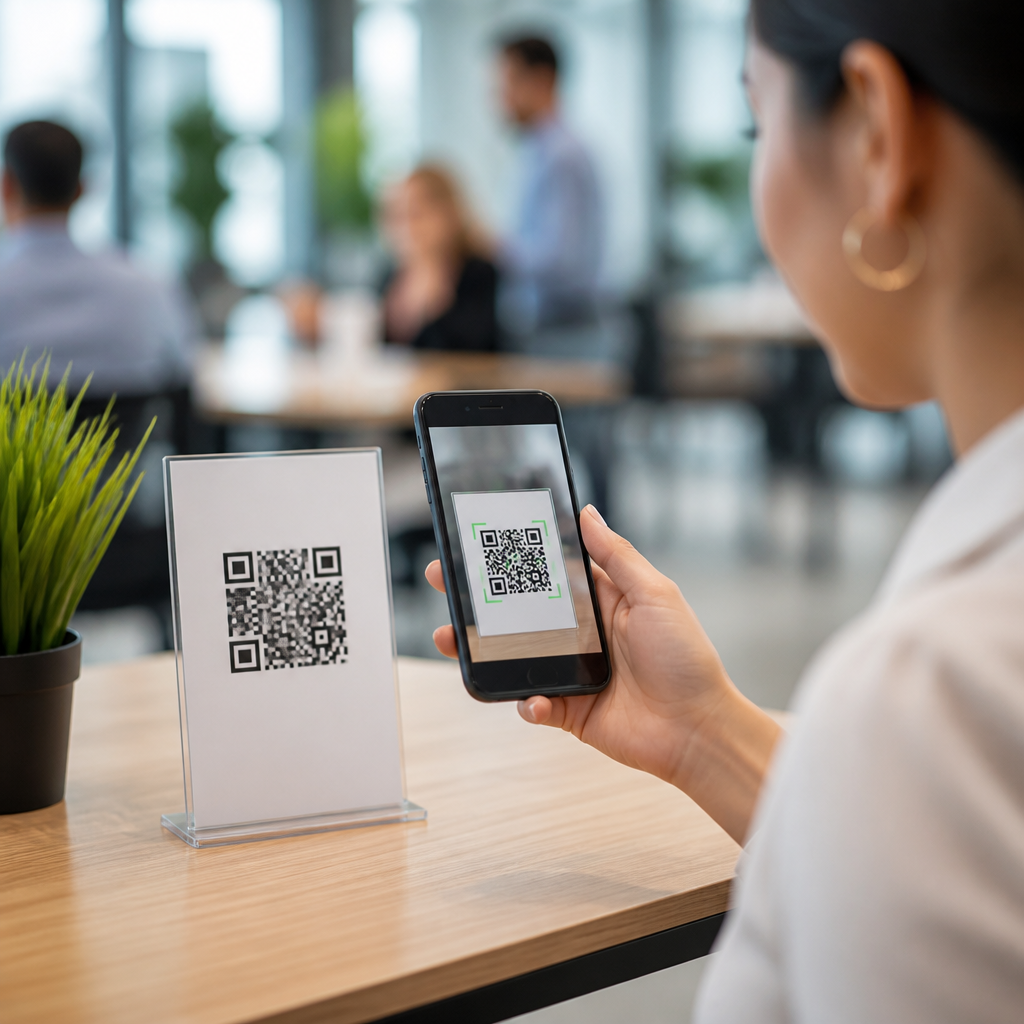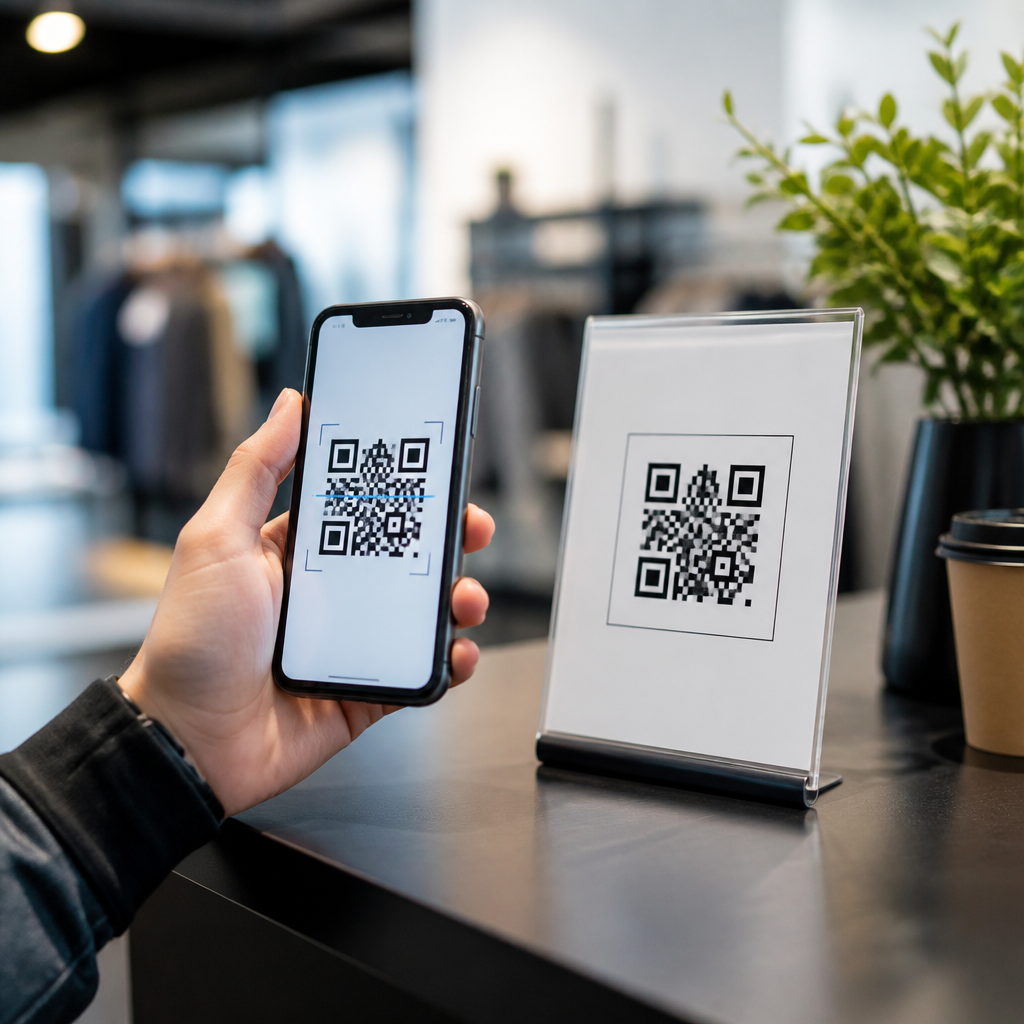
Dynamic QR codes let marketers change a destination URL, file, or campaign setting after printing, which makes them one of the most flexible tools in modern offline-to-online marketing. Unlike static QR codes, which permanently encode one destination, dynamic QR codes use a short redirect link managed through a platform dashboard, so the scan experience can be updated without replacing signs, packaging, mailers, or event materials. That distinction matters because marketing campaigns rarely stay fixed: landing pages change, promotions expire, inventory shifts, and regional offers need different routing. I have set up dynamic QR campaigns for retail displays, restaurant menus, direct mail, trade show booths, and product packaging, and the difference in measurable performance versus static codes is substantial when the campaign needs testing, attribution, or ongoing optimization.
For a practical definition, a dynamic QR code is a scannable matrix barcode that points first to a managed redirect and then sends the user to the current destination selected in a QR management platform. Because the redirect is editable, marketers can update URLs, pause campaigns, add UTM parameters, gate by location, track scans by date and device, and in some systems trigger rules such as language-based routing. This article serves as the central step-by-step hub for setting up dynamic QR codes for marketing, from choosing a platform to testing, printing, governance, and measurement. It also connects the technical setup to real marketing outcomes: cleaner attribution, lower reprint costs, faster experimentation, and better user journeys across channels.
Why does this matter now? Smartphone camera scanning is standard behavior, print remains valuable in packaging, out-of-home, and in-store media, and teams are under pressure to prove offline ROI with the same rigor used in paid search and email. A dynamic QR code bridges that gap. Done well, it creates a direct path from physical touchpoint to digital conversion while preserving flexibility. Done poorly, it breaks trust through slow redirects, dead pages, tiny print sizes, or unreadable contrast. The setup process therefore deserves precision. The rest of this guide explains exactly how to configure dynamic QR codes for marketing campaigns that are reliable, measurable, and easy to scale across a broader QR code tutorials, guides, and resources program.
Start with campaign goals, destinations, and measurement rules
The most effective dynamic QR setup begins before you generate anything. First, define the campaign objective in one sentence. Examples include driving coupon redemptions from in-store posters, collecting leads at a conference booth, moving package buyers to an onboarding video, or routing restaurant guests to a digital menu. Your objective determines the destination type, success metric, and tracking structure. If the goal is lead generation, send users to a mobile-optimized form with minimal fields. If the goal is education, route to a fast-loading page with a clear explainer video. If the goal is app acquisition, use a smart link that detects iOS or Android and forwards accordingly.
Next, choose the final destination asset and make sure it is mobile ready. A QR code can only perform as well as the page or file behind it. In practice, I review page load speed, tap targets, form length, and analytics tagging before publishing a code. Use PageSpeed Insights, Lighthouse, or WebPageTest to check performance. Confirm that HTTPS is enabled and that any consent banner does not block the primary action. If you are linking to a PDF, remember that many mobile users prefer a responsive landing page over a large downloadable file. For marketing campaigns, a short page with one decision is usually better than a generic website homepage.
Then define your measurement rules. At minimum, decide which parameters you will apply to the destination URL, how scans will map into analytics, and what counts as a successful conversion. Standard UTM parameters remain useful: source can be qr, medium can reflect the medium such as print or packaging, and campaign should match your reporting taxonomy. If multiple placements share one creative theme, create separate dynamic codes for each location rather than one universal code. That gives you placement-level attribution and cleaner comparisons. For example, a retailer might use distinct codes for shelf talkers, endcaps, window decals, and receipts even when all traffic lands on the same offer page.
Choose the right dynamic QR code platform
Your platform choice shapes reliability, security, reporting depth, and workflow efficiency. Look for editable destinations, scan analytics, custom domains, bulk creation, folder organization, user permissions, and exportable reporting. Established platforms often include campaign templates, password protection, file hosting, expiry controls, API access, and integrations with Google Analytics, Zapier, or CRM systems. The most important technical point is that the platform should support a stable redirect infrastructure with minimal latency. Every extra second between scan and landing page increases drop-off, especially in low-signal environments like stores, transit stations, or event halls.
Branding and trust matter too. If possible, use a custom short domain rather than a generic platform domain. Branded links improve confidence because users can preview a recognizable domain during the redirect chain, and your team maintains stronger ownership if you later change vendors. Security features are equally important. Verify support for HTTPS, access controls, activity logs, and account roles for creators, editors, and viewers. For regulated industries such as healthcare or finance, review data retention and geographic hosting options with legal and IT stakeholders before launch. Dynamic QR systems are not just creative tools; they are part of your martech stack and should be vetted accordingly.
Cost should be evaluated against reprint savings and reporting value, not just subscription price. A low-cost tool that lacks uptime, analytics, or export controls can become expensive when campaign data is incomplete or a code fails in market. I have seen teams save thousands in reprint costs simply by updating destinations inside one active code after promotions changed. That flexibility is the core business case. Before you commit, run a short pilot with two or three placements and confirm that scans, redirects, and downstream conversions are recorded correctly in your analytics environment.
Step-by-step setup process for a marketing-ready dynamic QR code
Once goals, destination, and platform are set, the build itself is straightforward, but each decision affects scan performance. Create a new dynamic QR code in your platform and select the destination type, usually a URL. Paste the tagged destination link, assign an internal naming convention, and place the code in a folder tied to the campaign, market, or client. Good naming prevents reporting chaos later. A format like Brand_Channel_Location_Offer_Date works well because it is searchable and immediately understandable. Add notes on intended print size, owner, and expiry date so another team member can manage the asset without guesswork.
Customize carefully. Most platforms let you change the pattern, eye shape, colors, frame, and call-to-action. Use restraint. The best-performing marketing QR codes usually keep a dark foreground on a light background with high contrast and moderate branding. Avoid low-contrast color pairs, glossy finishes, busy backgrounds, and excessive logo size, all of which can reduce readability. If you add a logo, keep adequate quiet zone space around the code and test under real lighting. Error correction can help preserve scanability when a logo covers part of the pattern, but high error correction does not excuse poor design. Functional reliability must come before visual novelty.
Set campaign options before download. Depending on your platform, you may configure scan notifications, expiry rules, geolocation routing, language redirects, password protection, or retargeting pixels on the intermediate page. Use advanced features selectively. Geolocation is useful for franchise or multi-country campaigns, but only if the final pages are actually localized. Expiry is useful for time-limited promotions, but expired codes should route to a fallback page rather than a dead end. Download the final asset as SVG, EPS, or high-resolution PNG based on production needs. For professional print, vector formats are preferred because they scale without quality loss.
| Setup Step | What to Do | Why It Matters |
|---|---|---|
| Define objective | Choose one primary goal such as lead capture, redemption, or product education | Prevents weak landing pages and mixed measurement |
| Tag destination | Add consistent UTM parameters and campaign naming | Enables clean attribution in analytics tools |
| Create dynamic code | Use an editable redirect in a vetted platform | Lets you update destinations without reprinting |
| Design for contrast | Keep dark code, light background, quiet zone, modest logo use | Improves scan success across devices and lighting |
| Test in context | Scan on multiple phones at intended size and distance | Finds print and usability issues before launch |
| Monitor and optimize | Review scans, conversion rate, and destination performance weekly | Turns a QR code into an iterative marketing channel |
Design, printing, and placement best practices that improve scans
Most QR code failures are not software problems; they are execution problems in design and placement. Size must match scanning distance. A common field rule is about one inch of code for every ten inches of scanning distance, though conditions vary by camera quality and lighting. A code on product packaging may scan well at around 0.8 to 1 inch square, while a poster viewed from several feet away needs to be much larger. Keep the quiet zone intact on all sides, avoid placing the code near folds or curved bottle edges, and do not distort the aspect ratio. A stretched code may still render, but scan reliability often drops.
Material and finish influence performance more than many teams expect. Matte surfaces usually scan better than glossy ones because they reduce glare from store lighting or sunlight. If the code appears on outdoor signage, test at different times of day to account for reflections. Contrast should be strong enough for older cameras and lower-light environments. Black on white remains the safest standard, though dark blue or green can also work on very light backgrounds. If brand guidelines demand custom colors, insist on physical proofs. On-screen approval is not sufficient because print production can shift tones enough to harm readability.
Placement should answer a simple user question: why should I scan this right now? Always pair the code with a concise call-to-action that explains the benefit, such as “Scan to see ingredients,” “Scan for 15% off,” or “Scan to book a demo.” Context matters. On direct mail, place the code near the offer and not on the back beside legal copy. At events, position it where people can pause without blocking traffic. On restaurant tables, angle tent cards so overhead lights do not wash out the code. Small environmental fixes like these often produce larger gains than cosmetic redesigns.
Testing, analytics, and optimization after launch
Testing should happen in three phases: prelaunch functional testing, live validation, and ongoing optimization. Before launch, scan the code with multiple devices and camera apps, including both iPhone and Android models, at realistic distances and lighting conditions. Confirm that the redirect resolves quickly, the tagged URL remains intact, and the landing page renders correctly in common mobile browsers. If the code is embedded in packaging or signage, test from the actual printed material rather than a desktop mockup. This is where issues like glare, low contrast, and insufficient size reveal themselves. A successful screen test does not guarantee a successful field test.
Once live, validate data flow across every reporting layer. Your QR platform should record raw scan events, but you also need destination analytics to confirm sessions, engagement, and conversions. Compare scan counts with landing page sessions to identify losses caused by slow loads, privacy restrictions, or redirect breaks. In GA4, build reports that segment traffic from QR campaigns by source, medium, and campaign name. If you use CRM or ecommerce systems, map form submissions, purchases, or coupon redemptions back to the same taxonomy. Dynamic QR codes are especially useful because they let you fix issues without replacing physical materials. If a landing page underperforms, update the destination and test a stronger page immediately.
Optimization should be systematic. Evaluate scan-through rate by placement, conversion rate by landing page, and cost per outcome by channel. A conference booth code may generate fewer scans than a product insert but much higher lead quality. A packaging code may produce many scans but low revenue if it leads to a broad category page instead of a targeted how-to page with upsell recommendations. Use A/B testing where your platform or landing page system supports it, but keep variables controlled. Change one major factor at a time: CTA wording, offer, page layout, or route destination. Over several weeks, these adjustments can turn a passive code into a measurable acquisition and retention asset.
Common mistakes, governance, and how this hub supports deeper tutorials
The most common mistake is treating a dynamic QR code as a graphic rather than a managed marketing asset. When ownership is unclear, codes outlive campaigns, route to obsolete pages, or become impossible to audit. Establish governance from the start: assign an owner, define review dates, document naming conventions, and maintain an inventory that includes where each code appears physically. I recommend a simple spreadsheet or database with fields for code ID, platform URL, final destination, UTM structure, asset location, print quantity, launch date, and retirement plan. This becomes essential when your program expands across stores, products, sales teams, and regional campaigns.
Other mistakes are equally preventable. Do not send all scans to the homepage. Do not hide the value proposition. Do not use one code for every placement if attribution matters. Do not rely only on platform analytics when business outcomes live in web analytics, CRM, or POS systems. Do not let printed campaigns continue indefinitely without destination reviews, especially for seasonal offers, pricing, and compliance-sensitive content. Dynamic QR codes reduce reprint risk, but they also create a maintenance obligation. The more editable the destination, the more disciplined the governance needs to be.
This page is the hub for step-by-step tutorials within the broader QR Code Tutorials, Guides & Resources topic, so use it as your operational baseline. From here, your next guides should go deeper into specific workflows: creating UTM conventions for QR campaigns, printing QR codes for packaging, setting up event lead capture, using custom domains, building QR destination pages, troubleshooting scan failures, and measuring offline-to-online attribution. Start with one campaign, document the process, and turn that playbook into a repeatable standard. Dynamic QR codes work best when setup, testing, reporting, and maintenance are handled with the same rigor as any other performance marketing channel.
Dynamic QR codes are not complicated, but they do demand discipline. Set a clear goal, choose a reliable platform, build a fast mobile destination, apply consistent tracking, design for scanability, and test in the real world before launch. Once the code is live, treat it like an active campaign asset: monitor scans, compare conversions, update destinations when performance drops, and retire codes deliberately when the campaign ends. That approach protects user experience and makes offline marketing measurable in a way static print alone cannot.
The core benefit is flexibility without waste. You can print once, improve later, and keep campaigns aligned with changing offers, markets, and customer needs. For teams managing packaging, retail displays, direct mail, events, or field sales materials, that translates into lower reprint costs, faster experimentation, and better attribution. Use this hub as your starting framework, then build deeper operating procedures for your channels and stakeholders. If you are launching your first program, create one dynamic QR campaign this week, document every step, and use the results to establish a scalable standard for future marketing efforts.
Frequently Asked Questions
What is a dynamic QR code, and how is it different from a static QR code for marketing?
A dynamic QR code is a QR code that points to a managed short URL or redirect link instead of permanently embedding the final destination itself. That means the code printed on your flyer, product packaging, poster, direct mail piece, table tent, or event sign can stay the same while you change what happens after someone scans it. You can update the destination URL, swap in a new landing page, change a PDF or video asset, pause a campaign, correct an error, or redirect traffic by audience, location, or timeframe depending on the platform you use.
By contrast, a static QR code permanently stores one destination. If that destination changes, the code must be regenerated and all printed materials usually need to be replaced. For marketers, that limitation can create waste, added cost, and slower campaign execution. Dynamic QR codes are more useful because campaigns evolve. Landing pages get revised, promotions end, tracking requirements change, and audience segmentation becomes more sophisticated over time. A dynamic setup gives you flexibility after production, which is especially valuable in offline marketing where reprinting can be expensive and slow.
Dynamic QR codes also typically come with analytics. Most platforms let you track scans, timestamps, approximate location, device type, and campaign performance. That makes them not just editable, but measurable. In practical terms, dynamic QR codes are usually the better choice for marketing because they support optimization, testing, and long-term campaign management rather than locking you into a single destination from day one.
How do you set up a dynamic QR code for a marketing campaign?
Setting up a dynamic QR code starts with choosing a reliable QR code management platform that supports editable destinations, analytics, and campaign controls. Once you create an account, you typically select the type of destination you want the code to lead to, such as a website URL, landing page, file download, video, app store page, form, coupon, or contact card. Instead of encoding that final destination directly into the QR image, the platform creates a dynamic redirect that sits between the scan and the destination.
Next, define the campaign goal before generating the code. For example, are you trying to drive product purchases, event registrations, email signups, brochure downloads, menu views, or in-store traffic? Your objective should shape the destination experience. It is best practice to send people to a mobile-friendly landing page that matches the context of the printed piece. Someone scanning from a storefront window may need different messaging than someone scanning from packaging or a trade show booth.
After that, configure tracking parameters. Many marketers add UTM tags so scans can be measured inside analytics platforms like Google Analytics alongside other channels. Then customize the QR code design carefully. You can usually adjust colors, add a logo, and change the frame style, but readability should come first. Keep strong contrast, preserve the quiet zone, and avoid over-stylizing the code to the point where scanning reliability drops.
Before printing, test the code repeatedly across different phones, lighting conditions, camera apps, and distances. Confirm that the redirect works, the landing page loads quickly, and the content is relevant to the real-world placement. Once the code is live, monitor scan data and make updates through the dashboard as needed. The real advantage of dynamic QR codes is that setup is not a one-time task. It is the foundation for ongoing optimization.
What should marketers include on the destination page after someone scans a dynamic QR code?
The destination page should feel like a natural continuation of the physical marketing experience. When someone scans a dynamic QR code, they are taking immediate action, so the landing page should reward that intent with clarity and relevance. The headline, visuals, and offer should match whatever the person saw before scanning, whether that was a product box, restaurant table card, retail display, postcard, or event banner. Message continuity helps reduce confusion and improves conversion rates.
In most cases, the page should be mobile-first, fast-loading, and built around one clear next step. That might be making a purchase, signing up for an offer, downloading a guide, watching a demo, claiming a coupon, viewing a menu, or getting directions. Avoid sending QR traffic to a generic homepage unless there is a strong reason to do so. Dedicated landing pages usually perform better because they remove distractions and support more precise measurement.
You should also include practical trust signals and conversion elements. Depending on the campaign, that may mean product details, pricing, testimonials, event information, brand credentials, FAQs, or a simple form. If your QR code appears in a low-attention environment, like transit ads or outdoor signage, the page should be especially concise. If it appears on packaging or print collateral where users may be more engaged, you can include richer content such as tutorials, manuals, videos, or product recommendations.
Finally, make sure the destination can be updated as the campaign evolves. One of the biggest strengths of dynamic QR codes is the ability to change the scan experience after launch. Marketers often rotate seasonal promotions, switch between A/B test variants, localize by region, or redirect expired campaigns to evergreen content. The best landing page strategy is one that balances immediate clarity with long-term flexibility.
Can you change a dynamic QR code after it has been printed, and what kinds of updates are possible?
Yes, that is the core benefit of a dynamic QR code. After the code has been printed and distributed, you can usually log into the management platform and change the destination without altering the visual code itself. That means the same printed QR code can continue to function even if the original promotion changes. For marketers, this dramatically reduces reprint costs and makes campaigns far more adaptable.
Common updates include changing the destination URL, replacing a downloadable file, updating a promotional page, redirecting users to a new offer, correcting broken or outdated links, and shifting traffic from one campaign asset to another. More advanced platforms may allow scheduling, geographic routing, device-based redirection, password protection, scan limits, retargeting integrations, or temporary pauses. For example, a retailer might use the same QR code on packaging but point holiday shoppers to a gift guide in December and a loyalty program in January.
This flexibility is especially important because real-world marketing materials often outlive the first version of a campaign. A sign may stay in a store for months. Product packaging may circulate for a year. Event handouts may continue to be scanned long after the event ends. With a dynamic QR code, you can keep those touchpoints useful instead of letting them lead to expired pages or dead ends.
That said, marketers should still govern updates carefully. If too many changes are made without documentation, reporting can become messy and the customer experience can feel inconsistent. It is wise to name campaigns clearly, keep a record of destination changes, and align updates with overall messaging and analytics. Dynamic does not mean random. It means controlled flexibility.
What are the best practices for using dynamic QR codes successfully in marketing campaigns?
The most important best practice is to start with strategy, not the code itself. A dynamic QR code should support a defined campaign objective such as lead generation, product education, coupon redemption, app downloads, event engagement, customer support, or post-purchase retention. Once the goal is clear, choose the placement, destination, and call to action accordingly. A QR code printed without a compelling reason to scan is unlikely to perform well.
Clear instructions matter. Many brands still assume the code alone is enough, but conversion improves when you tell people what they will get. Phrases like “Scan to get 15% off,” “Scan to view the demo,” or “Scan to download the event guide” set expectations and increase motivation. Placement matters too. The code should be easy to spot, easy to reach, and easy to scan under real conditions. Consider distance, lighting, print size, surface curvature, and the amount of time someone has to interact with it.
Design should always favor usability. Maintain strong contrast between foreground and background, leave enough white space around the code, and test branded variations extensively. Make sure the destination page loads quickly on mobile networks and does not require unnecessary steps. If a campaign targets multiple audience segments, use dynamic routing or multiple codes so the post-scan experience stays relevant.
Measurement is another major best practice. Use platform analytics, UTM parameters, and conversion tracking so you can compare placements, creatives, time periods, and outcomes. This data helps you understand not just how many people scanned, but which offline assets actually contributed to business results. Finally, plan for ongoing management. Since dynamic QR codes can be updated after printing, assign ownership, review performance regularly, and refresh destinations before promotions expire. The brands that get the most value from dynamic QR codes treat them as living campaign assets rather than one-time graphics.