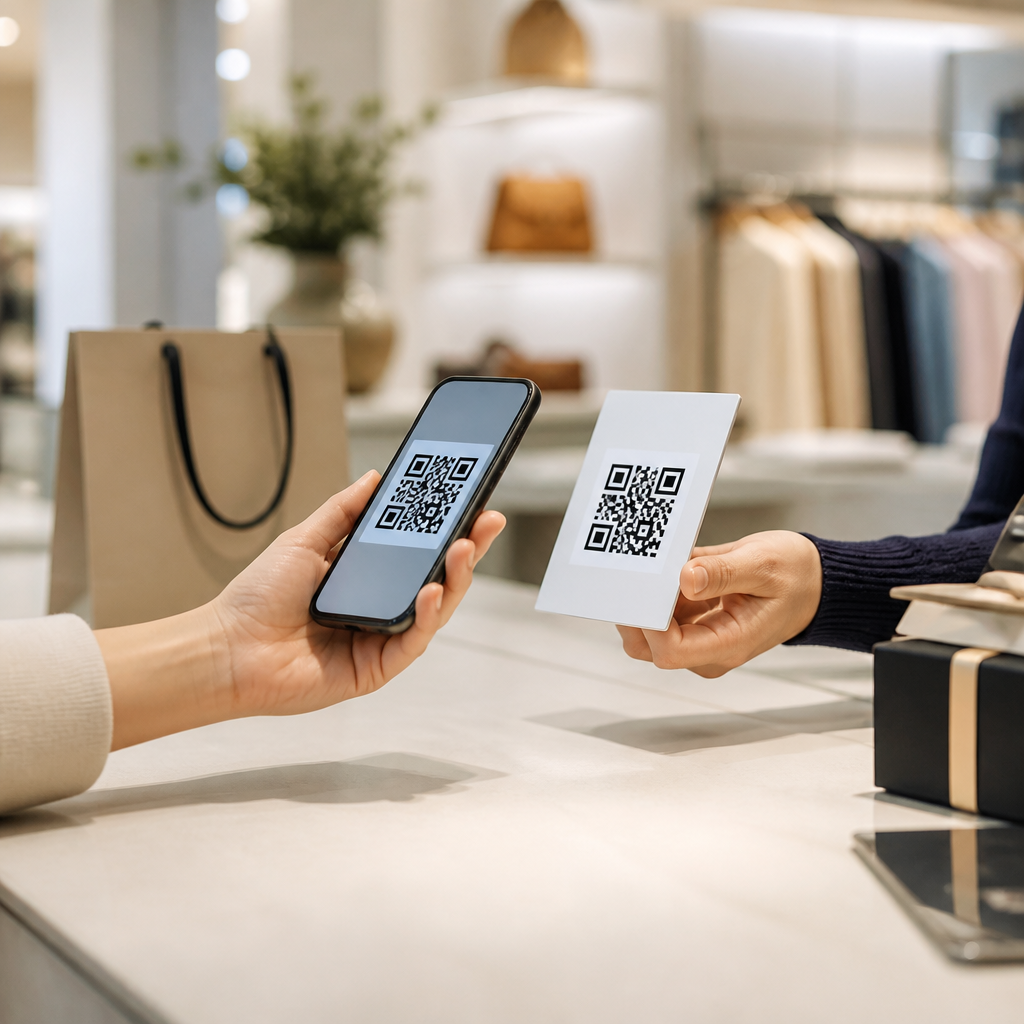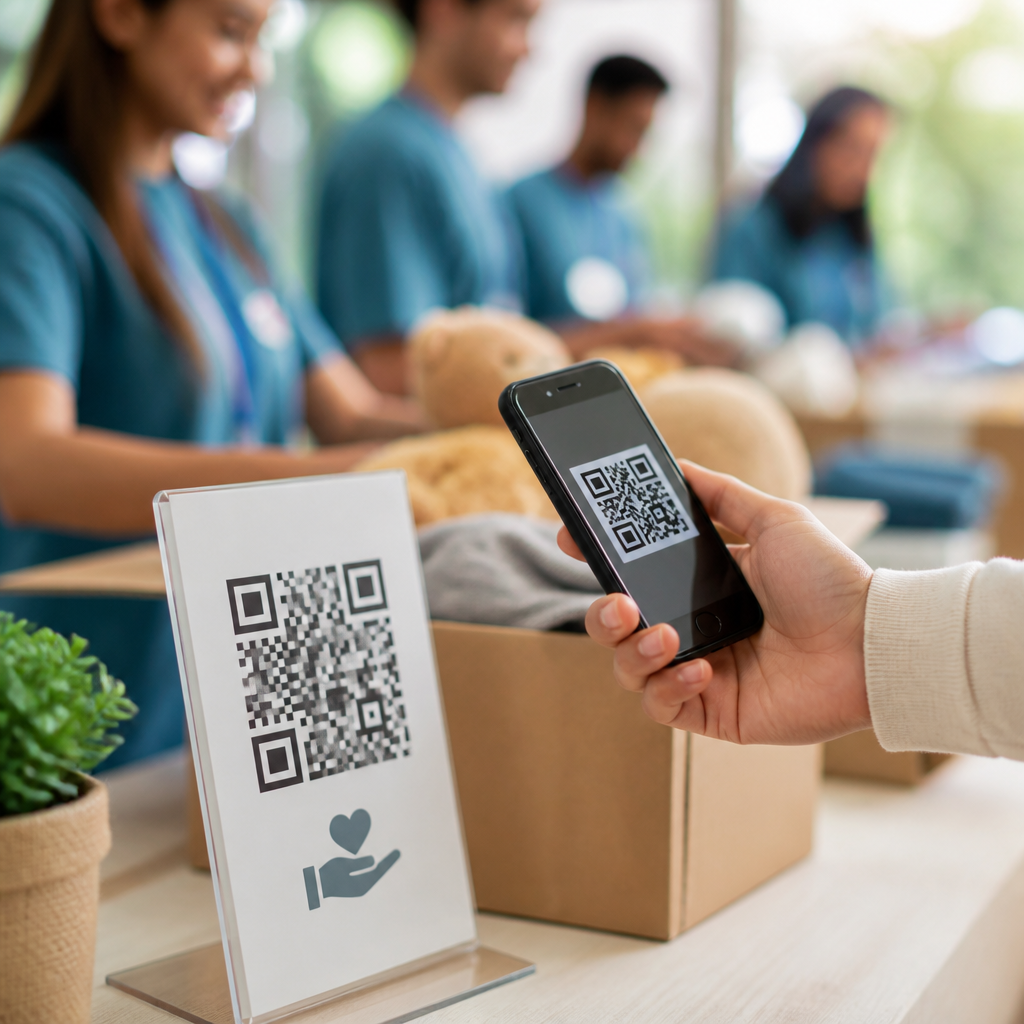
Nonprofits use QR codes to increase donations by removing friction at the exact moment a supporter feels motivated to give. A QR code is a scannable image that opens a donation page, payment app, form, video, or campaign landing page on a smartphone. In fundraising, that small technical shortcut matters because every extra step between interest and payment reduces conversion. I have seen campaigns lift response simply by replacing long URLs and paper pledge forms with a scan that took donors straight to a mobile-optimized giving page. For organizations working with tight budgets, lean teams, and mixed online-offline audiences, QR codes create a practical bridge between physical outreach and digital payment.
The appeal is not novelty. It is accessibility, speed, and measurable attribution. A donor at a gala, fun run, worship service, museum exhibit, community clinic, thrift store, or direct mail touchpoint can scan immediately instead of promising to “give later.” Later often never happens. QR codes preserve intent in real time. They also support modern donor behavior. According to Blackbaud and other fundraising platforms, mobile giving has become a standard expectation, especially among younger donors who complete payments through digital wallets, saved cards, and simplified checkout. If a giving process is slow, unclear, or difficult to trust on a phone, abandonment rises quickly.
For nonprofits, the key terms are simple. A static QR code points to one fixed destination and cannot be edited after printing. A dynamic QR code routes through a managed short link, so the destination can change without reprinting the code. Dynamic codes are usually the better choice for fundraising because they support analytics, campaign segmentation, error correction, and destination updates. A donation landing page is the page the donor sees after scanning; it should be mobile friendly, fast, branded, secure, and focused on one action. Conversion rate is the percentage of scanners who complete a donation. Attribution is the method used to connect a gift to the campaign, channel, event, or appeal that generated it.
This matters because fundraising now happens across channels, not just on a website. A nonprofit may run direct mail, events, volunteer programs, street teams, retail partnerships, and social awareness campaigns at the same time. QR codes unify those efforts. They help organizations connect printed posters to donor data, physical spaces to recurring giving, and storytelling to immediate action. They also work for more than cash gifts. A single scan can collect email leads, start peer-to-peer registration, open a pledge form, trigger a text-to-give option, deliver a campaign explainer, or direct supporters to a monthly donor page. Used well, QR codes are not a gimmick. They are a measurable fundraising tool that supports donor intent wherever it appears.
Why QR codes work in nonprofit fundraising
QR codes increase donations because they reduce cognitive and technical friction. Traditional print fundraising asks supporters to remember a URL, type it accurately, wait for a page to load, find the correct form, and enter payment details. Every step introduces drop-off. A scan removes most of that burden. In campaign reviews I have run, the best-performing codes appeared where motivation was already high: immediately after a beneficiary story, beside an impact statistic, on auction tables, on volunteer shirts, and in direct mail asks with a specific suggested amount. The code itself does not persuade people to care. It captures intent after the message has done its job.
Trust also plays a role. Supporters are more willing to give when the scan opens a clearly branded page with the nonprofit’s name, secure URL, recognizable payment processor, and concise impact copy. That is why the destination matters as much as the code. A generic homepage usually underperforms a campaign-specific donation page because it forces donors to navigate. The best pages answer immediate questions: What am I supporting, how will funds be used, is this secure, can I make this monthly, and will I receive a receipt? If those answers are visible above the fold on mobile, conversion usually improves.
QR codes are effective because they are inherently trackable. By assigning different dynamic codes to a gala program, storefront sign, annual report, church bulletin, and mailer, a nonprofit can identify which offline assets actually generate scans, gifts, and average donation value. That level of measurement was historically difficult in print-led fundraising. With proper UTM parameters, CRM tagging, and payment platform integration, teams can compare channels with the same discipline used in digital advertising. The result is not just more donations, but better fundraising decisions.
High-value nonprofit use cases across campaigns and channels
The strongest nonprofit QR code programs are built around real donor moments. Events are the most obvious use case. At galas and benefit dinners, QR codes on table cards, slide decks, bid sheets, and printed programs can lead guests to a live donation form, auction checkout, pledge drive, or match campaign page. During a paddle raise, speed matters; guests should be able to scan and complete a gift before the emotional momentum fades. Museums and performing arts groups often place codes near exhibits or playbills, connecting appreciation with patron support. Religious organizations use them in bulletins, pew cards, and entrance signage for tithes, mission appeals, or holiday giving.
Direct mail is another high-performing area when execution is disciplined. A printed appeal letter with a code can connect older, loyal donors to a simple mobile page that mirrors the letter’s message and ask string. Healthcare charities often include codes on one-page impact inserts featuring a patient story and a clear suggested gift ladder. Animal rescues place codes on kennel cards, adoption event signage, and thank-you postcards, turning emotional engagement into immediate support. Community nonprofits use them on posters at local businesses, transit shelters, and partner locations, often linking to emergency relief appeals or neighborhood campaigns.
Peer-to-peer and grassroots fundraising benefit as well. Volunteers can wear badges or shirts with campaign-specific codes. Walkathon participants can share personal fundraising pages through printed cards. Food banks may place codes on collection bins so people can donate cash when they do not have canned goods on hand. Education nonprofits use codes in alumni magazines, campus event flyers, reunion packets, and scholarship campaigns. Environmental organizations deploy them at trailheads, clean-up days, farmers markets, and interpretive signs where the mission is physically visible. In each case, the pattern is consistent: the code works best when the ask matches the context and the landing page continues the same story.
Choosing the right QR code strategy, tools, and destinations
Most nonprofits should use dynamic QR codes tied to distinct campaign URLs. Static codes are acceptable for one-off evergreen destinations, but they limit optimization and reporting. Dynamic platforms such as Bitly, QR Code Generator, Beaconstac, Scanova, and Uniqode let teams edit destinations, monitor scans, set expiration rules, and export analytics. If the nonprofit already uses HubSpot, Mailchimp, Salesforce, Blackbaud, Classy, Donorbox, Givebutter, Neon CRM, Bloomerang, or Funraise, the QR code strategy should align with existing campaign tracking so donor records stay clean. The technical goal is straightforward: every scan should map to a source, medium, campaign, and asset name that the fundraising team can understand later.
The destination page deserves careful design. It should load quickly over mobile data, use HTTPS, display the nonprofit name immediately, and keep the donation form short. Suggested giving amounts, monthly giving defaults, Apple Pay, Google Pay, PayPal, Venmo where available, and autofill support all improve completion rates. In my experience, pages with one primary call to action outperform mixed-purpose pages that ask donors to donate, volunteer, subscribe, and read a long report at the same time. If the campaign has a match, deadline, or concrete impact statement, place it near the top. “Your $25 provides school supplies for one student” is stronger than a broad generic mission statement.
| Use Case | Best Destination | Primary Metric | Common Mistake |
|---|---|---|---|
| Gala or live event | Fast mobile donation page with preset amounts | Scan-to-donation conversion rate | Sending guests to the homepage |
| Direct mail appeal | Campaign page matching letter copy and imagery | Average gift and completed gifts | Using a code too small to scan easily |
| Retail or venue signage | Simple giving page with digital wallet options | Unique scans by location | No explanation of why to give now |
| Peer-to-peer fundraiser | Individual fundraiser page | Donations per participant | Using one generic code for everyone |
| Volunteer recruitment touchpoint | Email capture or volunteer form plus soft ask | Lead conversion rate | Requesting a full donation before trust is built |
Design, placement, and messaging that improve scan rates
A QR code must be easy to notice, easy to trust, and easy to scan. Size matters. On print pieces, many practitioners use a minimum of roughly 0.8 by 0.8 inches, but larger is safer when viewing distance increases. Contrast matters too: dark code on a light background remains the most reliable option. Over-stylized codes with poor quiet zones, low contrast, or logo overlays can fail in real conditions. Before launch, test on multiple phone models, under indoor lighting, outdoors in glare, and from realistic distances. A code that scans perfectly from a designer’s desktop printout may fail on a laminated sign in a crowded lobby.
Placement should follow attention and intent. Put the code near the emotional peak of the message, not buried in a footer. On a poster, pair it with a direct instruction such as “Scan to feed a family tonight” or “Scan to support the scholarship fund.” Clear command language consistently outperforms unlabeled codes because donors need immediate context. If the user is expected to stand back from the sign, increase size and reduce surrounding clutter. At events, duplicate the code in multiple locations instead of relying on one screen at the front of the room. For accessibility, always include a short URL beneath the code so supporters who cannot scan still have a path to give.
Brand continuity is equally important. The text beside the code, the visual identity of the print piece, and the donation page should feel like one campaign. When supporters scan a code from a shelter appeal and land on a generic website with unrelated navigation, confidence drops. I advise nonprofits to create campaign-specific page titles, matching hero images, and concise impact copy that confirms the donor is in the right place. Even small details, such as showing tax-deductibility language where relevant and explaining receipt delivery, can increase trust at the point of payment.
Measurement, testing, and compliance for sustainable results
Successful fundraising teams treat QR codes as measurable assets, not decorative add-ons. At a minimum, track scans, unique scans, device type, location where lawful, donation conversions, average gift, recurring gift rate, and abandonment. Use UTM parameters consistently and pass source data into the CRM or donation platform. If multiple codes point to one page, preserve distinct tracking links behind each code so attribution remains useful. Compare outcomes by audience and placement. A code on a volunteer handout may drive many scans but few gifts, while a smaller direct mail segment may produce fewer scans but much higher revenue per recipient.
Testing improves results quickly. Nonprofits can A/B test suggested amounts, monthly giving defaults, page headlines, code placement on printed materials, and call-to-action wording. For example, “Scan to give now” may underperform “Scan to provide meals today” because the second phrase links action to impact. Testing should be disciplined: change one meaningful variable at a time and use enough volume to avoid false conclusions. Campaign reviews should examine not only gross revenue but also net return after print, event, platform, and staffing costs. A QR code strategy is only valuable if it improves efficient fundraising.
Compliance and donor respect cannot be an afterthought. Donation pages should use secure processing, clear privacy language, and consent practices that match applicable laws and platform standards. If a scan leads to SMS enrollment, email capture, or recurring billing, the disclosure must be explicit. Accessibility matters as well. Color contrast, readable font sizes, keyboard-friendly forms, and alt-path options support more donors and reduce exclusion. Finally, remember the limitation: QR codes do not fix weak messaging, poor mobile forms, or low audience trust. They amplify the experience already in place. Audit that experience, improve it, then deploy codes where motivation is strongest.
QR codes have become one of the most practical tools nonprofits can use to increase donations across events, print, community outreach, and everyday donor touchpoints. Their value is simple: they turn interest into action without asking supporters to remember a link, search later, or complete extra steps. When paired with strong storytelling, a clear ask, and a fast mobile donation page, they preserve donor intent at the exact moment people are ready to help. That is why they work so well in fundraising environments where timing, emotion, and convenience directly affect conversion.
The most effective programs share the same discipline. They use dynamic codes, campaign-specific landing pages, wallet-friendly payment options, and clear attribution standards. They place codes where motivation is highest, label them with direct action language, and test performance across channels such as direct mail, galas, signage, volunteer outreach, and peer-to-peer campaigns. They also respect trust requirements by keeping branding consistent, disclosures clear, and forms secure. Nonprofits that follow these practices gain more than a scanning feature. They gain a measurable bridge between offline engagement and digital giving.
If you are building a nonprofit fundraising hub under a broader QR codes in marketing strategy, start with one high-intent use case and measure it carefully. A year-end mailer, an event pledge drive, or a monthly giving appeal is usually the best place to begin. Create a dedicated donation page, generate a dynamic QR code, test the experience on several phones, and track scan-to-donation conversion from day one. Once the data is clear, expand into additional channels and refine the program. The organizations that do this well do not treat QR codes as decoration. They treat them as infrastructure for modern donor response.
Frequently Asked Questions
How do QR codes help nonprofits increase donations?
QR codes help nonprofits increase donations by making the giving process faster, easier, and more convenient at the exact moment a supporter is ready to act. Instead of asking someone to remember a website address, type in a long donation URL, fill out a paper pledge card, or search for a campaign later, a nonprofit can offer a simple scan that takes the donor directly to the next step. That next step might be a donation form, a mobile payment page, a peer-to-peer fundraising campaign, a text-to-give prompt, or even a short video that builds trust before asking for support.
This matters because friction reduces conversion. Every extra action between interest and payment creates a new opportunity for hesitation, distraction, or drop-off. QR codes remove those barriers by shortening the path from motivation to donation. For example, when a supporter sees a compelling story at an event, on a direct mail piece, in a church bulletin, on a poster, or in a storefront window, they can respond immediately with their phone. That immediacy often leads to stronger results because the emotional momentum is still present.
QR codes also let nonprofits connect offline outreach with digital fundraising. Printed materials, event signage, volunteer handouts, and even thank-you cards can become interactive donation touchpoints. In practical terms, that means one campaign can reach supporters in multiple environments while driving all of them to measurable online actions. When used strategically, QR codes do not just add convenience; they create more opportunities to capture donor intent before it fades.
Where should nonprofits place QR codes to get the best fundraising results?
The best placements are the ones that match moments of high attention and strong donor intent. For many nonprofits, effective QR code locations include direct mail appeals, event programs, gala tables, silent auction displays, posters, flyers, brochures, donation jars, volunteer shirts, church bulletins, annual reports, newsletters, storefront windows, vehicle wraps, and presentation slides. A QR code can also work well on business cards, email signatures, social graphics, and printed leave-behinds after community meetings or speaking engagements.
Placement should always be tied to context. If someone is attending a live fundraising event, the QR code should be visible during emotional storytelling, pledge drives, matching gift announcements, or live impact updates. If the code appears on a mailed appeal, it should sit near the call to action and be paired with a clear reason to scan, such as “Give now,” “Sponsor a family today,” or “See how your donation helps.” In public spaces, the code should be large enough to scan easily, placed at a comfortable viewing height, and supported with brief text that explains what happens after scanning.
The strongest results usually come from combining visibility with relevance. A QR code placed on a random flyer may underperform, while a code placed next to a compelling beneficiary story or urgent campaign message can perform much better. Nonprofits should also make sure the destination page matches the source. For example, a QR code on event signage should lead to an event-specific giving page, while a code in a disaster relief mailing should lead directly to that emergency campaign. Relevance improves trust, and trust improves conversions.
What should a nonprofit link a QR code to for the highest donation conversion rate?
For the highest conversion rate, a nonprofit should usually link a QR code directly to a mobile-optimized donation page that is simple, fast, and highly relevant to the campaign. In many cases, the best destination is not the organization’s homepage. A homepage can create unnecessary choices and distractions. A dedicated landing page focused on one cause, one appeal, and one clear call to action is often more effective because it keeps supporters moving toward completion.
The donation page should load quickly, display well on smartphones, and ask for only the information needed to complete the gift. Features such as pre-set giving amounts, digital wallet options, recurring donation prompts, and a brief explanation of impact can further improve performance. For example, instead of sending supporters to a general page, a nonprofit might direct them to a form that says, “Your $25 provides school supplies for one student,” with Apple Pay, Google Pay, PayPal, or card payment available immediately.
That said, the ideal destination depends on the donor journey. In some cases, it may make sense to link to a campaign video, a volunteer sign-up form, a peer-to-peer fundraising page, or a text-to-donate experience first, especially if the audience needs more context before giving. The key is alignment. If the supporter scans after hearing an urgent appeal, the destination should make it easy to donate right away. If they scan from an awareness piece, the destination may need to educate and inspire before asking for money. High-performing QR code campaigns are built around matching the link destination to donor readiness.
How can nonprofits track the performance of QR code donation campaigns?
Nonprofits can track QR code performance by using unique codes for different channels, campaigns, locations, and audience segments. Rather than using one universal code everywhere, it is smarter to create separate QR codes for a direct mail appeal, fundraising event signage, volunteer materials, annual report, and outdoor posters. Each code can point to a unique URL or a URL with tracking parameters, allowing the organization to see which placements generate scans, visits, completed donations, and average gift size.
Analytics can reveal much more than scan volume. A nonprofit can measure conversion rate, bounce rate, device type, time of day, recurring gift selection, and the total revenue generated by each source. This makes it easier to understand which messages, designs, and placements actually influence donor behavior. For example, an organization may discover that event table cards produce a high number of scans but low completion rates, while a direct mail QR code results in fewer scans but a much higher average donation. That kind of insight supports better decision-making in future campaigns.
To improve reporting, nonprofits should connect QR code traffic to their donation platform, CRM, and web analytics tools whenever possible. Consistent naming conventions and campaign tagging help teams compare results over time. It is also useful to test variables such as button text, landing page copy, suggested donation amounts, and visual design. QR codes should not be treated as static tools; they should be treated as measurable fundraising assets. When nonprofits track them carefully, they can refine campaigns, allocate budget more effectively, and steadily increase return on effort.
What are the best practices for creating QR codes that donors will actually use?
The best QR code campaigns combine technical reliability, clear messaging, and a strong donor experience after the scan. First, the QR code itself must be easy to scan. That means using a high-contrast design, adequate size, clean spacing around the code, and a tested destination link. If a code is too small, distorted, printed on a reflective surface, or placed in poor lighting, potential donors may give up. Reliability is essential because even minor friction can reduce participation.
Second, donors need a reason to scan. A QR code without a call to action often gets ignored. Nonprofits should tell supporters exactly what will happen and why it matters. Phrases like “Scan to donate now,” “Scan to feed a family,” “Scan to support this student,” or “Scan to unlock matching gifts” give people both clarity and motivation. Pairing the code with impact-focused language, a compelling image, or a brief success story can increase response significantly because it connects the action to a meaningful outcome.
Third, the experience after the scan must be seamless. The landing page should be mobile-friendly, secure, fast-loading, and designed for completion. It should not force users to pinch and zoom, navigate through multiple menus, or fill out an overly long form. Trust signals such as branding consistency, secure payment icons, and concise impact messaging are also important. Finally, nonprofits should test everything before launch on multiple devices and in real-world conditions. The most effective QR code is not just attractive; it is easy to notice, easy to scan, and easy to convert into a completed donation.