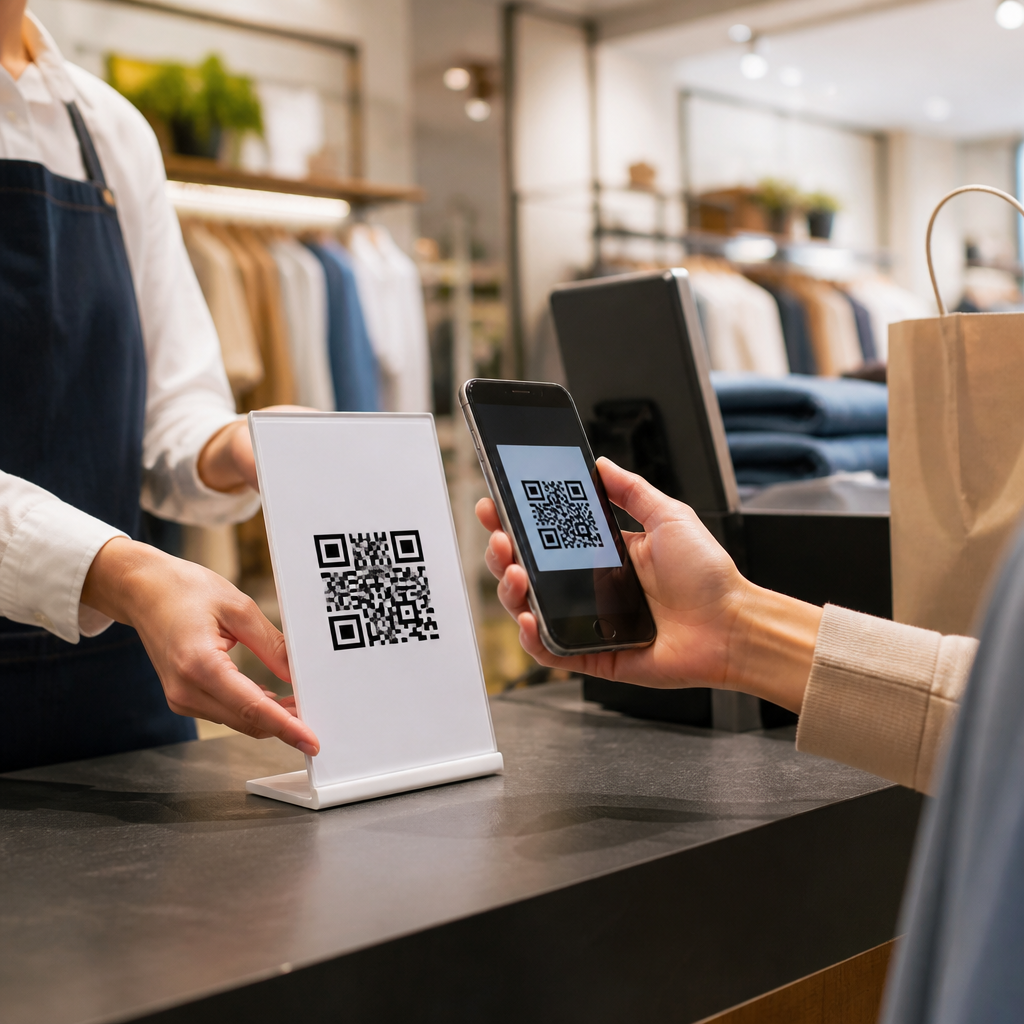
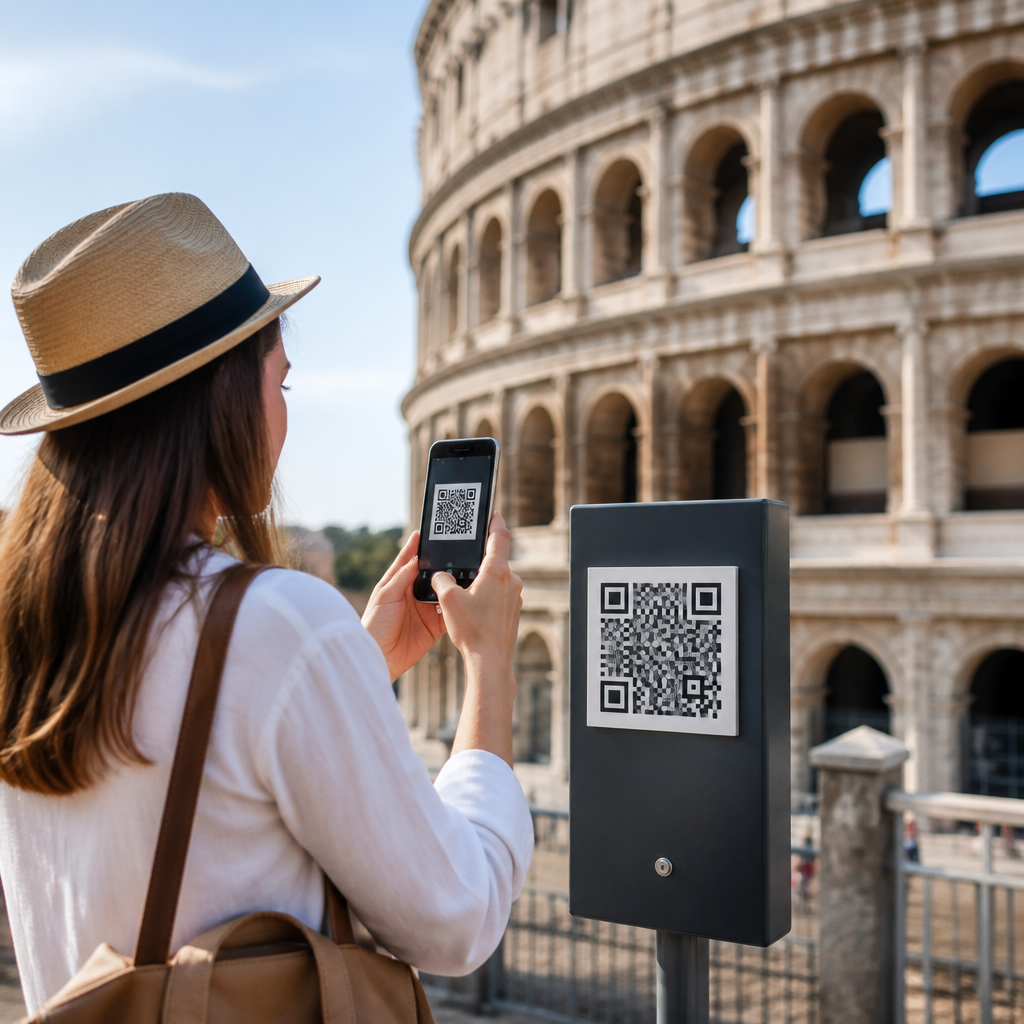
QR codes for tourist attractions and guides have moved from novelty to core visitor infrastructure, giving destinations a fast, low-cost way to connect physical places with digital information that travelers actually use. In travel and tourism, a QR code is a scannable matrix barcode that opens a web page, audio guide, map, ticket, form, or app action through a smartphone camera. For attractions, museums, walking tours, parks, heritage sites, transport hubs, and destination marketing organizations, that simple interaction solves a persistent problem: visitors need timely information in the right language, at the exact place where a decision is made. I have implemented QR programs for venue maps, multilingual exhibits, timed-entry communications, and guest feedback loops, and the pattern is consistent. When codes are clearly placed, mobile pages load quickly, and content matches visitor intent, scan rates rise and operational friction drops. This matters because travelers are mobile-first, staff time is limited, printed material becomes outdated quickly, and visitor expectations for self-service have changed permanently. A well-planned QR strategy improves wayfinding, reduces repetitive questions, increases secondary spend, supports accessibility, and creates measurable engagement data. As a hub topic within QR codes in marketing, travel and tourism deserves special treatment because the customer journey is unusually physical, multilingual, seasonal, and context dependent. A code at a lookout point serves a different purpose than a code at a hotel lobby, ticket gate, trailhead, or restaurant district. The strongest programs map codes to moments: inspiration before arrival, orientation at entry, interpretation on site, conversion at the gift shop, and loyalty after departure.
Tourism organizations also need to think beyond the scan itself. Static codes point to fixed destinations and work well for permanent information, while dynamic codes allow the destination URL to be changed later, making them better for campaigns, seasonal events, emergency notices, and performance tracking. The distinction matters operationally. If a printed sign sits on a cliff walk or in a UNESCO-listed building, replacing it is expensive or restricted; dynamic management prevents waste and shortens update cycles. Security matters too. Visitors trust official signage, so destination pages should use branded domains, HTTPS, concise URLs, and pages optimized for weak connectivity. Accessibility is equally important. A QR code should never be the only way to access essential information; it should complement visible text, tactile signage, and staff support. The best tourism use cases blend convenience with resilience. In practice, that means pairing each code with a short label such as “Audio guide in 8 languages” or “Live shuttle times,” so users know what they will get before scanning. Clarity raises scan intent. Across attractions and guides, QR codes work best when they answer practical questions immediately: Where am I, what am I looking at, what should I do next, how long will it take, and how can I book, buy, donate, share, or return?
How QR Codes Improve the Visitor Journey
The visitor journey in tourism is not one interaction; it is a sequence of micro-decisions made across websites, transport, queues, exhibits, viewpoints, and service desks. QR codes are effective because they compress each step. Before arrival, codes in brochures, print ads, event posters, and airline seatback magazines can send travelers to itinerary planners, visa guidance, opening hours, or book-now pages. During arrival, the same mechanism can deliver parking maps, queue updates, digital tickets, or self-guided route choices. On site, codes turn static environments into responsive ones by opening layered content without requiring app installation. I have seen this work especially well at mixed-audience attractions where families want short explanations, enthusiasts want deeper interpretation, and international visitors need translation. One sign can serve all three audiences through different landing page options.
For operators, the operational value is just as important as the marketing value. Staff at busy attractions repeatedly answer the same questions about restroom locations, tour start times, weather closures, photography rules, accessibility routes, and food options. Codes placed at the ticketing area, entry gate, and key junctions can reduce those repetitive inquiries. In parks and outdoor attractions, QR-linked safety notices can provide live updates about trail conditions, fire alerts, tide windows, or shuttle changes. Because tourism demand fluctuates by season and weather, dynamic updates matter more here than in many other sectors. A city walking tour provider, for example, can place one code on partner hotel desks that points to summer routes in June, indoor alternatives during storms, and holiday routes in December without reprinting materials.
Visitor satisfaction also benefits when QR experiences are designed for the setting. A code next to a painting should not open a cluttered homepage. It should open the exact exhibit page with an image, concise context, optional audio, and nearby related works. At a zoo, a code near an enclosure should answer species facts, feeding times, conservation programs, and sponsor opportunities. At a scenic lookout, it should show what peaks or landmarks are visible, preferably with an annotated panorama. The lesson is simple: context drives relevance, and relevance drives scans. Destinations that treat QR codes as gateways to task-specific content see better engagement than those that use generic links.
Industry-Specific Use Cases Across Travel and Tourism
Travel and tourism is broad, so QR code use cases should be organized by venue type and service objective. Museums and heritage sites use codes for exhibit interpretation, multilingual captions, curator audio, archival media, donations, and school resources. Theme parks and family attractions use them for wait-time displays, mobile food ordering, photo retrieval, character schedules, and upsell offers for fast access or bundled tickets. Guided tour operators use them for route starts, waiver forms, review requests, and digital tipping. Hotels and resorts rely on codes for digital compendiums, spa menus, room service, Wi-Fi onboarding, local recommendations, and checkout surveys. Airports, rail stations, cruise terminals, and visitor centers use them for terminal maps, transfer guidance, emergency alerts, and destination discovery.
Outdoor tourism presents a distinct set of requirements. National parks, trails, botanical gardens, and eco-tourism sites often have staffing gaps, poor connectivity, and safety obligations. Here, QR codes are especially valuable when paired with lightweight pages and downloadable content. A trailhead code can provide route difficulty, elevation, estimated time, Leave No Trace guidance, weather risks, and an offline map file. A marine tourism operator can use codes on boarding passes to distribute safety briefings and seasickness guidance before departure. A winery trail can use codes at each stop to tell vineyard stories, explain tasting notes, and promote shipping or club signups after the trip. In each case, the code bridges place-based storytelling with measurable actions.
| Tourism setting | Best QR code use case | Primary visitor benefit | Primary operator benefit |
|---|---|---|---|
| Museum or heritage site | Multilingual audio guide and exhibit detail | Deeper understanding at own pace | Lower printing costs and richer analytics |
| Theme park or attraction | Queue updates, food ordering, photo access | Less waiting and smoother planning | Higher per-cap spending and fewer service bottlenecks |
| City walking tour | Route map, stop descriptions, review prompt | Easy navigation and clearer storytelling | Better reviews and easier route updates |
| Hotel or resort | Digital guest directory and local guide | Fast answers without calling reception | Reduced front-desk load and upsell opportunities |
| Park or trail network | Safety alerts, maps, accessibility notes | Safer route choices | Fewer avoidable incidents and clearer compliance messaging |
Destination marketing organizations can also use QR codes as connective tissue across partner businesses. A printed city map can include codes for district guides, restaurant trails, event calendars, and public transport planners. A conference bureau can use them for attendee city passes, sponsor activations, and post-event lead capture. Because tourism ecosystems are collaborative, hub pages should support internal linking to deeper resources on museum QR strategies, hotel QR experiences, travel brochure QR campaigns, digital menus, smart signage, and review generation. That structure helps users find niche guidance while keeping the main page focused on the full landscape.
Best Practices for Content, Placement, and Measurement
Most QR failures in tourism are not technical; they are contextual. The code scans, but the page disappoints. Effective programs start with content design. Each landing page should answer one primary intent, load in under three seconds on mobile, support major languages relevant to the destination, and include a clear next step. If the code promotes an audio guide, do not ask the user to hunt through a menu. If it promises current shuttle times, show them above the fold. I recommend building mobile pages with compressed images, embedded map snippets, schema-supported location details, and click targets large enough for one-handed use. Tools such as Google Analytics 4, Matomo, Bitly, and QR platform dashboards can track scans, page views, completion events, and conversion by location.
Placement determines whether a code is ignored or useful. Size should reflect scanning distance; a common rule is roughly one inch of code size for every ten inches of scanning distance, though field testing matters more than formulas. Contrast should be high, surfaces matte when possible, and installation height comfortable for standing adults and wheelchair users. Signage copy should be explicit: “Scan for trail map and difficulty,” “Scan for today’s feeding times,” or “Scan for audio guide in English, Spanish, French, and Mandarin.” Generic prompts such as “Scan me” underperform because they hide the value proposition. In low-light venues, backlit signs or reflective materials can help, but glare should be tested. In outdoor environments, weatherproofing, vandal resistance, and maintenance schedules are non-negotiable.
Measurement should tie visitor engagement to business outcomes. Useful metrics include scan-through rate per sign location, bounce rate, language selection, audio completion, add-to-cart actions, donation conversion, review submission, average time on guide pages, and assisted revenue from linked bookings. A heritage attraction might discover that codes near the entrance generate many scans but short sessions, while codes at signature exhibits produce fewer scans but longer engagement and stronger donation rates. That insight guides sign redesign and content investment. A hotel may learn that room compendium scans peak between 6 p.m. and 9 p.m., supporting timed spa offers or dining promotions. Good QR strategy is iterative: launch, observe, refine wording, update destinations, and test again.
Accessibility, Privacy, and Common Pitfalls
Accessibility should be built in from the start because tourism serves broad age ranges, languages, and abilities. Every QR touchpoint needs adjacent plain-language text, and critical instructions such as safety warnings, closures, and emergency contacts should remain visible without scanning. Landing pages should support screen readers, high contrast, logical heading structure, captions for audio or video, and transcripts for spoken content. For multilingual audiences, use language selectors with autonym labels such as Español or Deutsch rather than only flags, which can be ambiguous. At historic sites with older demographics, staff should still be able to provide printed alternatives or direct assistance.
Privacy and trust need equal attention. If a code leads to a form for Wi-Fi access, lead generation, or contest entry, state what data is collected and why. Use secure forms, minimal fields, and transparent consent language, especially when remarketing or newsletter opt-ins are involved. Public-sector attractions and museums may need to align with GDPR, CCPA, or local public records rules depending on location and ownership. Branded URLs and consistent visual identity reduce phishing concerns, which are increasingly relevant as travelers become more cautious about unknown codes in public spaces. Some destinations now add a short human-readable URL below the code for visitors who prefer typing.
Common mistakes are easy to avoid once recognized. Do not link to PDFs that are unreadable on phones. Do not place codes where there is no mobile signal unless content can be cached or downloaded nearby. Do not send users to homepages, expired promotions, or app store listings unless app installation is truly necessary. Avoid using too many codes in one small area, which creates choice overload. Finally, do not treat QR codes as set-and-forget assets. Tourism content changes constantly: seasonal hours, access restrictions, exhibit rotations, transportation works, and local events all require maintenance. The destinations that benefit most are the ones that govern QR content with the same discipline they apply to websites, signage, and guest communications.
QR codes for tourist attractions and guides work because they connect place, timing, and visitor intent better than almost any other low-friction digital tool. They help travelers navigate, learn, book, buy, and share without forcing downloads or long searches. They help operators cut printing waste, reduce repetitive staff questions, update information quickly, and measure what visitors actually engage with. The strongest travel and tourism programs use dynamic codes, focused landing pages, clear signage, accessibility safeguards, and consistent analytics. They also respect the realities of the sector: multilingual audiences, seasonal operations, uneven connectivity, and high expectations for self-service. As a hub within QR codes in marketing, this topic opens into many specialized applications, from museums and hotels to trails, tours, transport, and destination campaigns. The main takeaway is practical: a QR code is not the strategy; the visitor task behind it is. Start by mapping high-friction moments in the guest journey, assign one clear purpose to each code, and build mobile content that answers the next question immediately. Then measure results, refine placements, and expand to the use cases that prove value. If you manage a destination, attraction, or travel brand, audit your current visitor touchpoints and identify three places where a well-designed QR experience can improve service this season.
Frequently Asked Questions
What are QR codes used for at tourist attractions and in travel guides?
QR codes are used to connect physical places with useful digital content in a way that is fast, familiar, and easy for travelers to access on their phones. At tourist attractions, a single scan can open practical information such as opening hours, entry rules, accessibility details, safety guidance, multilingual descriptions, interactive maps, ticketing pages, and real-time updates. In museums, galleries, heritage sites, and cultural landmarks, QR codes are often placed beside exhibits, buildings, or points of interest so visitors can instantly read deeper context, listen to an audio guide, or watch short interpretive videos without needing printed materials or dedicated devices.
They are also widely used in self-guided tours, city trails, nature parks, and destination marketing campaigns. For example, a walking tour can place QR codes at each stop to deliver route directions, historical background, or local stories in multiple languages. Transport hubs may use them for schedules, wayfinding, and service alerts. Restaurants, hotels, and visitor centers can use them to point travelers toward curated itineraries, attraction passes, local event calendars, or feedback forms. Because the same format can support education, navigation, customer service, and promotion, QR codes have become a practical part of modern visitor infrastructure rather than just a marketing add-on.
Why are QR codes effective for museums, heritage sites, parks, and walking tours?
QR codes are effective because they solve a common challenge in tourism: how to deliver rich, up-to-date information at the exact place and moment a visitor needs it. Traditional signage has limited space, can be expensive to replace, and usually cannot serve all audiences equally. A QR code extends the sign into a digital layer, allowing attractions to offer more content without adding visual clutter. A small marker can open long-form historical interpretation, image galleries, oral histories, conservation messages, or themed routes that would never fit on a plaque or printed brochure.
They are especially valuable in settings where visitors move at their own pace. In parks and outdoor trails, QR codes can provide maps, wildlife identification, trail conditions, weather advisories, and leave-no-trace guidance. In heritage environments, they can support preservation by reducing the need for excessive physical signage while still improving interpretation. In museums and galleries, they let visitors choose how deep they want to go, whether that means reading a short caption, hearing an expert narration, or exploring related works. For walking tours, they create a low-cost self-guided experience that can be updated any time, making them ideal for destinations that want flexibility, multilingual access, and scalable visitor engagement without relying entirely on staff-led tours.
How do tourist attractions create a good QR code experience for visitors?
A good QR code experience starts with relevance, clarity, and speed. The content behind the code should match the visitor’s immediate context and answer a clear need, such as “What am I looking at?”, “Where do I go next?”, or “How do I book or listen?” If a traveler scans a code beside a landmark, the destination page should open quickly and deliver content designed for mobile screens, not a generic homepage. Simple navigation, readable text, strong contrast, and concise calls to action make a major difference. Visitors are often standing outdoors, walking, or managing limited battery and mobile data, so the experience needs to be frictionless.
Placement is equally important. QR codes should be easy to spot, mounted at a comfortable scanning height, and accompanied by a short instruction that explains what the visitor will get from scanning. Phrases like “Scan for audio guide,” “Scan for trail map,” or “Scan for translations” consistently perform better than unlabeled codes. Attractions should also consider language options, accessibility features such as screen-reader-friendly pages and captions, and reliable connectivity in the surrounding area. Testing matters: codes should be scanned in real visitor conditions, including bright sunlight, poor weather, and varying phone models. The most successful implementations treat QR codes as part of the visitor journey, not just a printed graphic added at the end.
Are QR codes a cost-effective solution for destination marketing and visitor services?
Yes, QR codes are one of the most cost-effective digital tools available to tourism organizations because they are inexpensive to produce, easy to deploy, and highly versatile. Compared with building custom hardware or constantly reprinting detailed brochures, a QR code can extend existing signage, posters, tickets, menus, trail markers, or guidebooks with dynamic digital information at a fraction of the cost. This is particularly useful for attractions and destination marketing organizations that need to update seasonal campaigns, special events, temporary exhibits, route changes, or emergency notices without replacing every physical asset.
They also support measurable performance. When linked to trackable landing pages, QR codes can show which attractions, locations, or campaigns generate the most scans and what visitors do next. That gives tourism teams valuable insight into traveler behavior, content demand, and conversion paths for bookings, donations, app downloads, or itinerary planning. Because they work across many use cases, the return on investment can be broad rather than tied to a single function. One QR code strategy can simultaneously improve visitor information, reduce print dependency, support accessibility, expand multilingual communication, and increase engagement with local businesses and experiences. For organizations balancing limited budgets with rising visitor expectations, that combination is hard to ignore.
What are the best practices for using QR codes at tourist attractions without frustrating visitors?
The best practice is to treat QR codes as a helpful option, not a barrier. Visitors should never be forced to scan a code just to access essential information that should already be visible, such as safety instructions, emergency contacts, or basic wayfinding. QR codes work best when they enhance the experience with extra depth, convenience, or personalization. Clear labeling is essential, because people are more likely to scan when they know exactly what they will get. Good examples include “Scan for 2-minute audio story,” “Scan for live shuttle times,” or “Scan for family trail activities.”
Technical quality matters too. Use high-contrast designs, adequate sizing, and enough white space for reliable scanning. Avoid placing codes on reflective surfaces, curved objects, dark backgrounds, or locations with poor lighting. Make sure the linked page is mobile-friendly, fast-loading, secure, and does not require unnecessary downloads or long forms. It is also wise to provide alternatives for visitors who prefer not to scan, such as short URLs, printed summaries, staffed assistance, or traditional guide materials. Finally, attractions should maintain the system over time by checking that links still work, content remains current, and analytics are reviewed for weak points in the visitor journey. When QR codes are thoughtfully implemented, they feel like seamless digital signposts; when they are poorly planned, they quickly become ignored or frustrating.