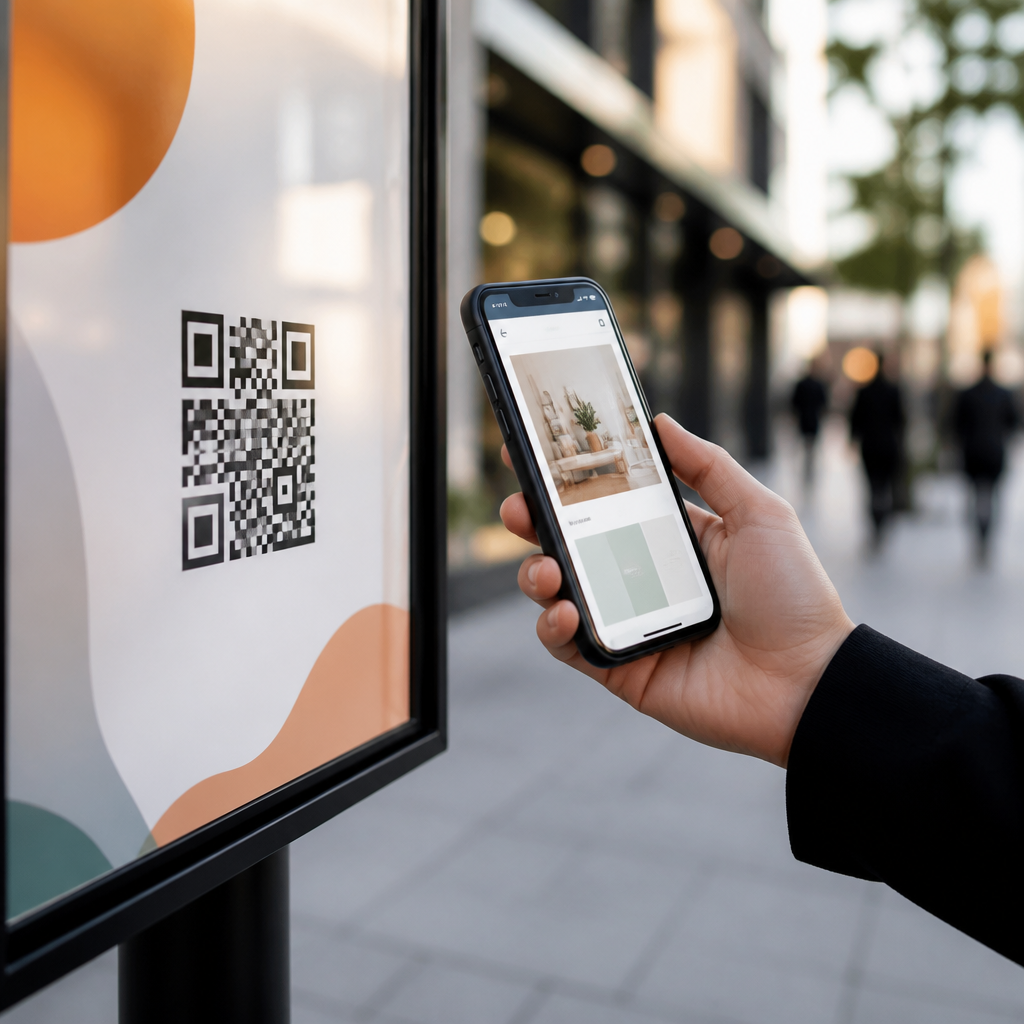
Behavior-based marketing with QR codes turns a simple scan into a measurable customer signal, letting brands personalize offers, segment audiences, and improve campaign timing with far more precision than static print or generic landing pages. In practical terms, behavior-based marketing means tailoring messages according to what people do: where they scan, when they scan, what device they use, which page they visit next, and whether they convert, return, or ignore the follow-up. QR codes are the bridge between offline attention and digital intent. They matter because they connect packaging, direct mail, retail displays, events, and out-of-home media to analytics, automation, and customer profiles. I have used QR-led campaigns for store promotions, B2B events, and product packaging, and the pattern is consistent: when the scan experience reflects context, response rates rise and wasted spend falls. This sub-pillar article explains the core concepts behind personalization and segmentation strategies, the data points QR campaigns can capture, and the operational rules that keep campaigns useful, compliant, and scalable across channels.
At a strategic level, QR codes support personalization by identifying intent at the moment it is expressed. A shopper scanning a shelf tag is signaling something different from a conference attendee scanning a booth sign or a homeowner scanning a postcard. Those signals can route each person to a different landing page, form, coupon, product set, or support workflow. Segmentation then organizes those signals into actionable groups such as new prospects, loyal customers, price-sensitive buyers, store visitors, event attendees, or high-value repeat purchasers. The goal is not personalization for its own sake. The goal is relevance that improves conversion, customer experience, and reporting accuracy. Because this article serves as a hub within a broader QR codes in marketing strategy topic, it covers the foundational decisions every related page should connect back to: campaign design, audience logic, data collection, technology setup, measurement, and governance. When these parts work together, QR codes become a durable performance channel rather than a novelty.
How behavior-based marketing with QR codes works
Behavior-based marketing with QR codes starts with dynamic code infrastructure. A dynamic QR code points to a short redirect URL controlled by a QR platform, customer engagement tool, or web server rule. When someone scans, the system can log metadata such as timestamp, approximate geolocation derived from IP address, device type, operating system, and referral parameters. It can then route the user to a destination selected by rules. Those rules may be simple, such as sending iPhone users to an App Store page and Android users to Google Play, or more advanced, such as showing returning scanners a loyalty offer while first-time scanners see an educational product page. Because the destination can be changed without reprinting the code, marketers can test and refine experiences over time.
Three building blocks make the model effective. First, the scan must correspond to a meaningful context. For example, codes on product packaging often indicate post-purchase interest, while codes in prospecting mail usually indicate top-of-funnel curiosity. Second, the destination must fit that context with minimal friction. A code on a restaurant table should open instantly to a menu or reordering flow, not a generic homepage. Third, the scan data must feed a system that can act on it, such as a CRM, marketing automation platform, customer data platform, or analytics stack. In campaigns I have managed, the strongest gains came not from the QR image itself but from matching the scan context to the next step. A retail endcap code linked to a buying guide and in-stock locator outperformed a generic promotion because it answered the shopper’s immediate question.
Personalization strategies that increase relevance
Personalization with QR codes should be rule-based, observable, and tied to a conversion objective. The most common strategy is context-aware landing pages. A single creative concept can use multiple QR codes, each mapped to a segment-specific page. A cosmetics brand, for instance, can place one code on in-store shelf talkers for first-time buyers and another inside packaging for repeat purchasers. The shelf code can emphasize shade matching, reviews, and a welcome discount. The in-box code can emphasize refill options, tutorials, and loyalty enrollment. The product is the same, but the intent differs.
Another effective strategy is progressive profiling. Instead of forcing a long form after the first scan, the campaign asks for only one useful detail at a time. The first interaction might ask for email in exchange for a guide. The second might request product preference or store location. The third can trigger a personalized bundle or consultation booking. This staged approach usually converts better because it respects attention and builds trust gradually. Personalization can also be temporal. A morning scan at a coffee chain can surface breakfast combinations, while an afternoon scan promotes cold drinks or snack bundles. Event campaigns benefit from agenda-based personalization, routing attendees to session recaps, speaker resources, or booth demos depending on where they scanned.
Creative personalization does not require invasive data use. It can rely on declared preferences, campaign source, page behavior, and on-site actions. If a user scans from a direct mail piece promoting enterprise software, downloads a security checklist, and revisits pricing, the follow-up should reflect those actions with a case study from a similar industry and a demo invitation. If a user scans a package insert for setup help, the follow-up should prioritize support videos and accessory recommendations. Good personalization feels like continuity, not surveillance.
Segmentation models for QR code campaigns
Segmentation turns raw scan activity into groups that marketing and sales teams can target consistently. The most useful model combines four dimensions: source, behavior, value, and stage. Source segmentation groups users by touchpoint such as packaging, point of sale, direct mail, trade show, print ad, window display, or influencer insert. Behavior segmentation groups them by actions such as first scan, repeat scan, page depth, video completion, coupon redemption, cart add, or form completion. Value segmentation estimates commercial importance using metrics like average order value, product category, subscription tier, or lead score. Stage segmentation places users in lifecycle buckets such as awareness, consideration, purchase, onboarding, retention, or reactivation.
These dimensions are most powerful when combined. A first-time scanner from an urban retail location who watches a how-to video may belong in a “high-intent new customer” segment. A repeat scanner from packaging who visits support pages may belong in an “owner education” segment. A trade show attendee who scans a booth code, opens pricing twice, and shares business details may qualify as sales-ready. The logic should be explicit and documented. Hidden or inconsistent segment rules create reporting chaos, duplicate outreach, and poor customer experience. Teams should define naming conventions, event taxonomy, and threshold rules before launch.
| Segmentation dimension | What the QR scan reveals | Example segment | Recommended follow-up |
|---|---|---|---|
| Source | Where the user encountered the code | In-store shelf scanner | Local inventory, reviews, mobile coupon |
| Behavior | What the user did after scanning | Video completer | Product demo CTA, comparison guide |
| Value | Estimated revenue potential | High-AOV category browser | Premium bundle, concierge support |
| Lifecycle stage | Where the user sits in the journey | Recent purchaser | Onboarding content, accessories, loyalty invite |
Simple segmentation can still produce strong results. A restaurant chain can segment by store location and time of day to offer relevant menu items. A university can segment event prospects by campus visit scans versus brochure scans, then serve different admissions content. A manufacturer can segment distributors by trade show scans and route them to portal registration rather than consumer product pages. The key is to avoid over-segmentation. If a segment cannot be activated, measured, and maintained, it is not useful.
Data collection, technology, and compliance essentials
Effective QR personalization depends on reliable data capture and a clean technology stack. At minimum, use dynamic QR codes, UTM parameters, analytics events, and dedicated landing pages. Google Analytics 4 can track session source, engagement, and conversions, while a CRM such as HubSpot or Salesforce can store leads and attribute downstream outcomes. A customer data platform can unify QR interactions with email, web, and purchase events, but many teams can start without one if they maintain disciplined naming and routing. Server-side redirects are valuable because they centralize logic and reduce reliance on brittle page-level scripts. Link shorteners alone are not enough if they cannot pass data cleanly into analytics and automation workflows.
Data quality issues are common. The same poster may be scanned by staff during setup, by customers from screenshots, or by automated tools testing links. Filtering internal traffic, validating parameters, and monitoring anomalies are basic requirements. So is destination speed. Mobile landing pages must load quickly, display the key action above the fold, and avoid clutter. Every additional field or click lowers completion rates. Accessibility matters too: the destination should work with screen readers, clear font sizing, and color contrast standards. Scannability matters before analytics ever begin, so print size, contrast, quiet zone, and placement should be tested across distances and lighting conditions.
Compliance cannot be an afterthought. If the campaign collects personal data, consent and disclosure rules apply according to jurisdiction and channel. Approximate geolocation from IP is not the same as GPS permission, and marketers should not treat it as exact. Privacy notices must accurately describe what is collected and why. If scans trigger SMS or email nurturing, explicit opt-in language is necessary. A balanced approach builds trust: collect the least data required, retain it only as long as needed, and give users a clear value exchange for sharing it.
Measurement frameworks and optimization tactics
The best way to measure behavior-based marketing with QR codes is to separate interaction metrics from business outcomes. Interaction metrics include scan rate, unique scanners, repeat scans, landing-page engagement, bounce rate, and content completion. Business outcomes include coupon redemption, lead qualification, add-to-cart rate, purchase, subscription, appointment booking, retention, or reduced support cost. Both matter. A campaign with many scans but weak conversion may have strong creative and weak landing-page relevance. A campaign with modest scans and high conversion may justify broader distribution because the intent quality is high.
Attribution should reflect the role of the scan in the journey. For some campaigns, the QR code is the primary acquisition source. For others, it is an assist touchpoint between store exposure and later purchase. Multi-touch models, media mix interpretation, and controlled tests can help, but even a disciplined last-non-direct view is better than no model at all. In practice, I recommend setting campaign-specific benchmarks before launch: expected scan rate by placement, target conversion rate by segment, acceptable cost per lead or acquisition, and a test plan. Common tests include CTA wording, incentive type, landing-page format, form length, and offer timing.
Optimization usually follows a predictable sequence. First improve scanability and placement. Then improve message match between creative and landing page. Next refine segmentation rules and offers. Finally, automate follow-up based on outcomes. A home-improvement retailer I worked with increased appointment bookings by changing a packaging QR destination from a general product page to a store-specific installation scheduler with prefilled product context. The scan volume stayed similar, but the path fit the customer’s task better, so conversion rose. That is the core discipline: optimize for intent, not vanity metrics.
Use cases across retail, events, B2B, and lifecycle marketing
Retail is the most visible use case because QR codes naturally sit near products, shelves, packaging, and receipts. In-store codes can segment by location and product category, then personalize content with inventory, comparisons, reviews, or mobile coupons. On packaging, codes can distinguish recent buyers from prospects and shift the objective from acquisition to onboarding, education, replenishment, and cross-sell. Quick-service restaurants use table tents and tray liners to segment dine-in traffic from drive-through or delivery customers, then promote loyalty or feedback flows accordingly.
Events offer rich behavioral signals because each scan reflects a precise physical context. Entrance signage, booth displays, badge handouts, and session screens can each represent a different level of intent. A scanner at a keynote may need thought leadership and newsletter signup. A scanner at a product demo may need pricing, implementation details, and a calendar link. In B2B programs, QR behavior can strengthen lead scoring when paired with firmographic data and sales activity. A scan alone should rarely determine qualification, but repeated high-intent actions after a scan can justify faster follow-up from account teams.
Lifecycle marketing is where QR strategy becomes durable. Inserts inside shipped orders can route customers into onboarding journeys, how-to libraries, community programs, or refill subscriptions. Warranty cards can trigger service reminders. Catalogs can reactivate dormant customers with category-specific offers. The common thread is continuity: the QR code should move a person to the next best action for their stage, not merely push a generic campaign page. That discipline is what makes personalization and segmentation sustainable at scale.
Behavior-based marketing with QR codes works because it transforms physical touchpoints into intent signals that marketers can actually use. The scan is not the goal; the goal is a better next step for the customer and clearer evidence for the business. Across personalization and segmentation strategies, the most reliable pattern is straightforward: define the context of each code, map that context to a useful destination, capture only the data needed, and feed the result into a system that can respond consistently. When teams follow those rules, QR codes support acquisition, conversion, onboarding, retention, and reactivation without adding unnecessary friction.
As a hub within QR codes in marketing strategy, this article establishes the foundation for every deeper topic in this sub-pillar: segment design, dynamic landing pages, automation workflows, analytics, privacy, retail deployment, event capture, and post-purchase journeys. The practical takeaway is simple. Start with one high-intent touchpoint, use dynamic codes, create a segment-specific landing page, define success metrics before launch, and test the follow-up experience relentlessly. Done well, behavior-based marketing with QR codes gives customers more relevant interactions and gives your team sharper insight into what moves people to act. Audit your current QR placements, identify the behaviors they signal, and build one personalized path that clearly answers the user’s next question.
Frequently Asked Questions
What is behavior-based marketing with QR codes, and how is it different from using a standard QR code?
Behavior-based marketing with QR codes is the practice of using scan data and follow-up actions to personalize marketing based on what a customer actually does, rather than sending every scanner to the same generic experience. A standard QR code usually acts like a simple shortcut to a fixed URL. By contrast, a behavior-based approach treats the scan as a signal. It can factor in where the scan happened, what time it occurred, what device was used, which content the visitor viewed, whether they clicked through to another page, and whether they completed a desired action such as signing up, purchasing, booking, or returning later.
This matters because customer behavior often reveals intent more clearly than broad demographic assumptions alone. Someone scanning a QR code on in-store signage may have a very different mindset than someone scanning from direct mail, product packaging, an event booth, or a restaurant table tent. Behavior-based marketing lets brands respond to those differences with more relevant landing pages, stronger calls to action, localized messaging, product recommendations, or time-sensitive offers. Instead of hoping a printed campaign works, marketers can measure what happened after the scan and refine future experiences accordingly.
In practical use, behavior-based QR campaigns often rely on dynamic QR codes, analytics tools, and segmented landing pages. Dynamic codes allow the destination to be updated without reprinting the code, which is essential for testing and optimization. Once the scan happens, marketers can track engagement patterns and build audiences based on actions taken. That means QR codes stop being passive print utilities and become active data collection and personalization tools within a broader digital strategy.
What kinds of customer behaviors can marketers track after a QR code scan?
After a QR code scan, marketers can track a wide range of behaviors that help explain interest, intent, and campaign effectiveness. At the first level, they can capture scan-based signals such as the date and time of the scan, approximate location, device type, operating system, and in some cases the referring campaign asset or placement. These details are useful for understanding when and where engagement happens, which printed materials perform best, and which audience segments are more likely to respond.
Beyond the scan itself, the most valuable insights come from what happens next. Marketers can measure which landing page a user visits, how long they stay, what links they click, whether they watch a video, fill out a form, browse products, add items to a cart, redeem a coupon, or complete a purchase. They can also identify drop-off points, such as users who scan but bounce quickly or abandon a checkout process. Those actions help reveal whether the campaign is attracting curiosity, purchase intent, repeat interest, or low-quality traffic.
More advanced setups can connect QR code interactions to return visits, repeat scans, and downstream conversion events in a CRM or marketing automation platform. For example, a retailer may discover that users who scan packaging QR codes often return later from email, while event attendees who scan booth signage are more likely to request demos the same day. This kind of behavioral visibility gives brands a more complete picture of the customer journey and allows them to optimize both the QR experience and the follow-up sequence with much greater precision.
How do QR codes help personalize offers and segment audiences more effectively?
QR codes improve personalization by linking physical-world engagement to digital intent signals in real time. When someone scans a code, that action can trigger a landing page or workflow tailored to the specific context of the scan. A customer scanning in a store might see a product comparison or instant discount, while someone scanning from a catalog might see a curated collection, buying guide, or request-a-quote form. Because the scan environment provides clues about where the customer is in the decision process, marketers can make the next message more relevant and useful.
Segmentation becomes more effective because it is based on observed behavior rather than guesswork. Instead of grouping people only by age, geography, or broad customer type, brands can build segments around actions such as scanned at lunch hours, scanned from product packaging, viewed premium product pages, redeemed a first-time offer, or returned within seven days without converting. These behavioral segments are often stronger predictors of future action because they reflect real engagement. A person who scans a QR code on a product label and then visits pricing information is typically more sales-ready than someone who merely saw a display ad.
This also improves follow-up marketing across channels. Once behavior-based segments are created, brands can send more targeted emails, ads, SMS messages, or retargeting content aligned to actual interest. For example, scanners who visited a features page but did not buy might receive educational content, while those who added products to a cart may receive a limited-time incentive. The result is a better customer experience and better campaign efficiency, because messages feel timely and relevant instead of generic and repetitive.
What are the best practices for building a successful behavior-based QR code campaign?
A successful behavior-based QR code campaign starts with a clear goal. Before generating the code, marketers should decide what they want the scan to achieve: email signups, coupon redemptions, appointment bookings, product education, app downloads, purchases, or lead generation. That objective determines the landing page design, the data points to track, and the follow-up actions to automate. Without a defined conversion goal, it becomes much harder to interpret behavior and optimize performance.
The next best practice is to use dynamic QR codes and dedicated landing pages tailored to each campaign context. Dynamic codes make it possible to update destinations, run A/B tests, and track results over time without replacing printed materials. Dedicated landing pages should match the user’s likely intent and reduce friction. That means fast load speed, mobile-friendly design, a clear headline, a focused call to action, and messaging that reflects where the code was found. A QR code on packaging should not necessarily lead to the same experience as one on a trade show banner or direct mail piece.
Marketers should also pay close attention to placement, incentive, and measurement. The code needs to be easy to scan, visually noticeable, and paired with a compelling reason to act, such as “Scan for setup tips,” “Scan for exclusive pricing,” or “Scan to unlock today’s offer.” On the analytics side, teams should track not only scans but also quality metrics like bounce rate, click depth, conversion rate, repeat visits, and assisted conversions. Finally, privacy and consent should be handled carefully, especially if scan behavior is connected to personally identifiable information or remarketing workflows. The strongest campaigns combine relevance, usability, analytics, and compliance in one coordinated system.
How can businesses measure the ROI of behavior-based marketing with QR codes?
Measuring ROI starts by connecting QR code activity to meaningful business outcomes, not just scan volume. A high number of scans can look impressive, but it does not necessarily translate into revenue or qualified leads. Businesses should define success metrics that align with campaign goals, such as cost per lead, conversion rate, average order value, coupon redemption rate, appointment completions, pipeline contribution, or repeat purchase behavior. Once those outcomes are tracked, marketers can compare performance across placements, audience segments, and creative formats.
Behavior-based analysis improves ROI measurement because it shows which scans are productive and which are not. For example, two print campaigns might generate a similar number of scans, but one may produce far more purchases because users stayed longer, viewed more pages, and converted at a higher rate. That difference becomes visible when marketers track post-scan behavior instead of stopping at top-line engagement. Over time, this helps teams invest more confidently in the channels, messages, and contexts that produce the highest-value actions.
To calculate ROI more accurately, businesses should integrate QR campaign data with analytics platforms, e-commerce systems, CRM records, and marketing automation tools whenever possible. This creates a clearer attribution path from scan to sale or lead to revenue. It also allows marketers to evaluate lifetime value and repeat engagement, which is especially important when a QR code serves as the entry point to a longer customer journey. When used this way, behavior-based QR marketing becomes measurable in the same disciplined way as other digital channels, making it easier to justify spend, optimize campaigns, and scale what works.