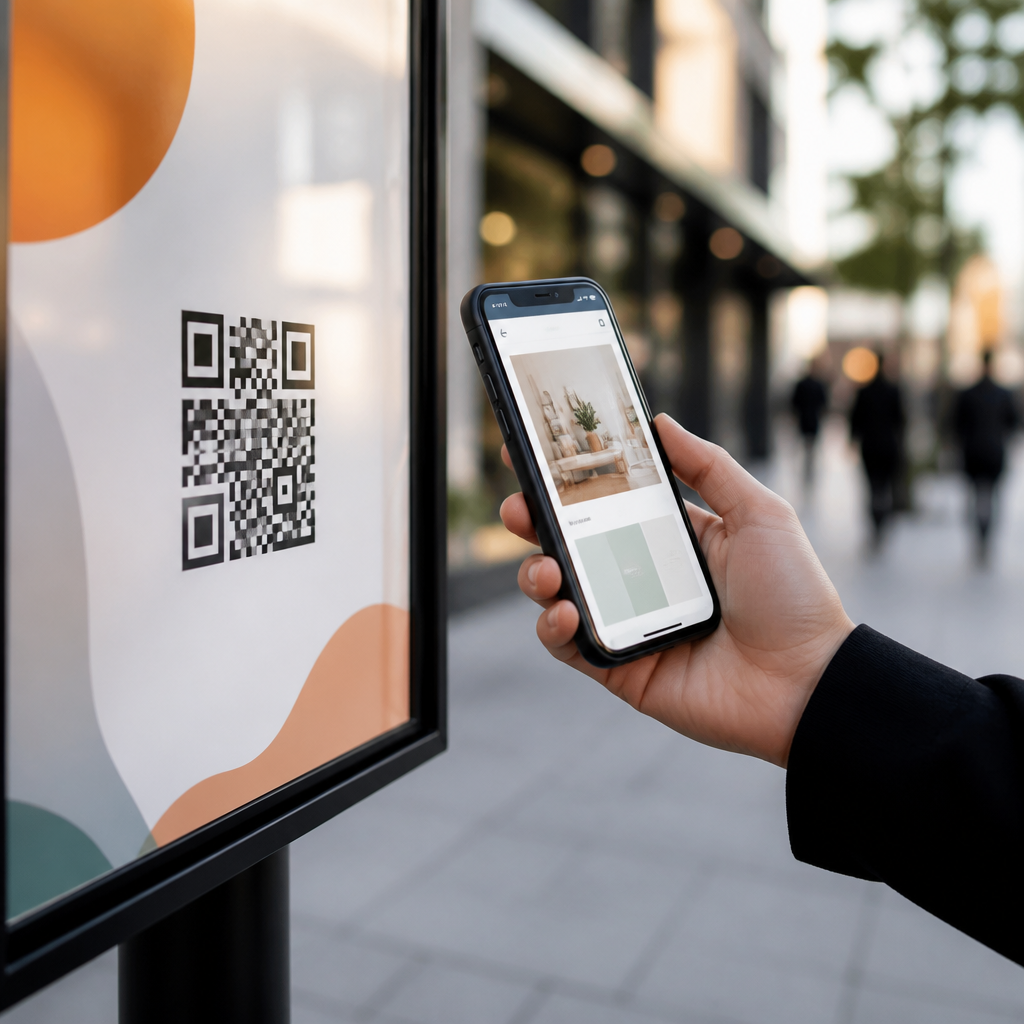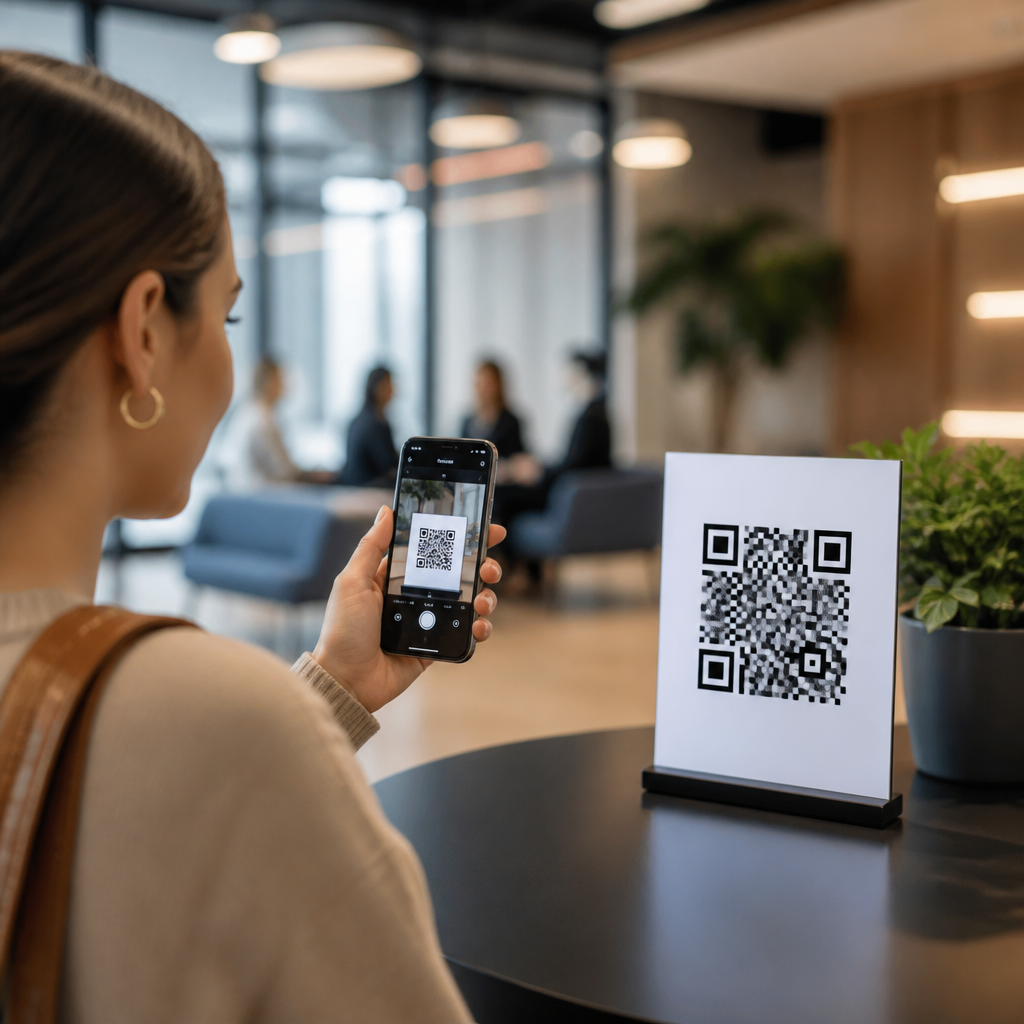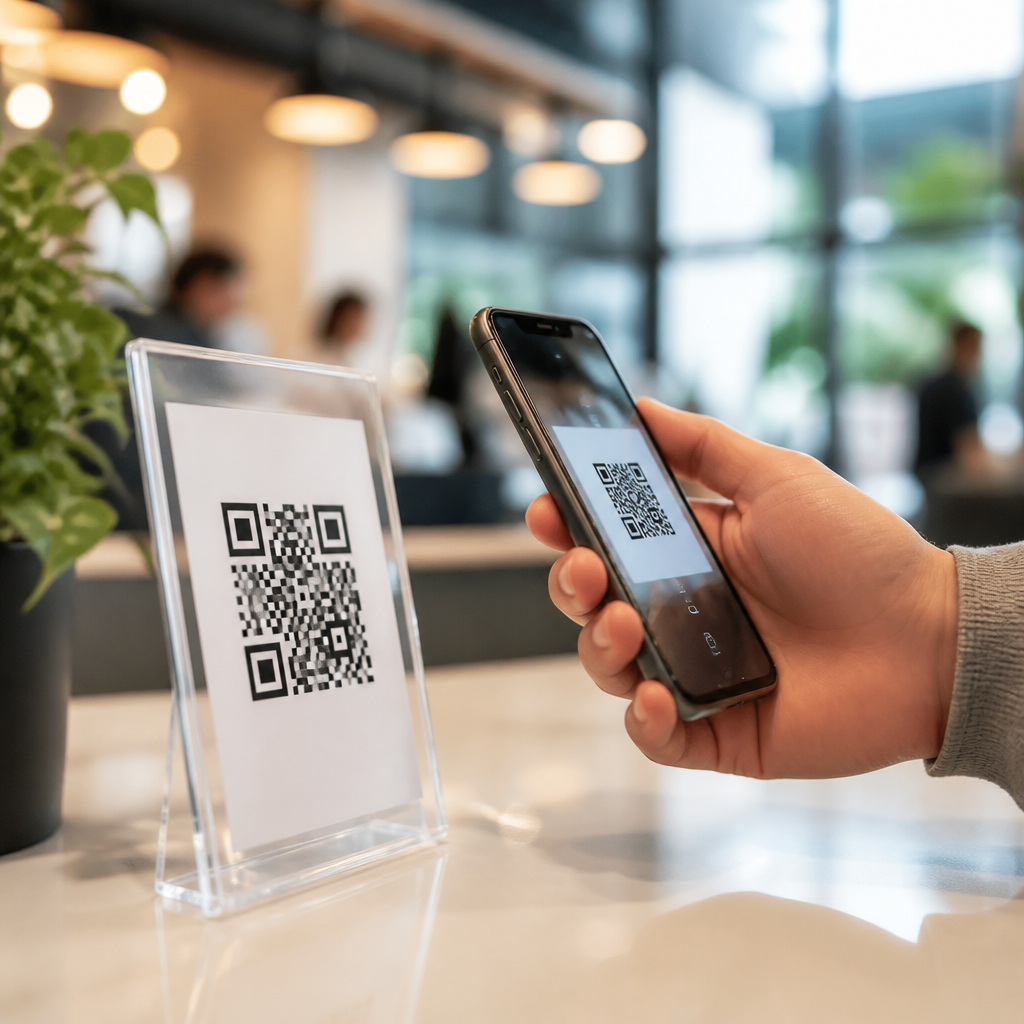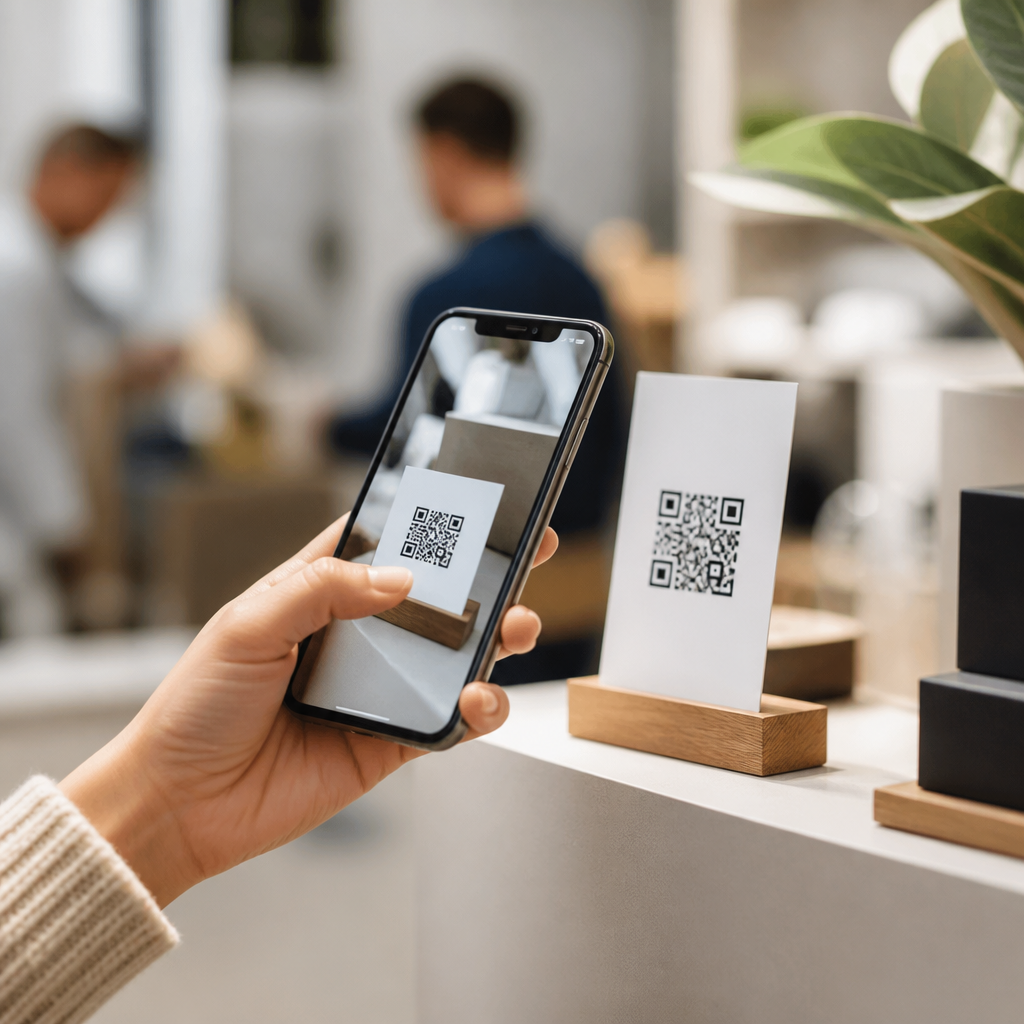
QR codes have moved far beyond simple link sharing and now play a central role in one-to-one marketing by connecting physical touchpoints to personalized digital experiences. In practical terms, one-to-one marketing means tailoring messages, offers, and journeys to an individual based on identity, behavior, context, or stage in the customer lifecycle. When a QR code is paired with dynamic routing, customer data, and thoughtful segmentation, a single scan can open a landing page built for one person, one audience segment, or one precise moment.
This matters because modern customers expect relevance. Generic campaigns waste media spend, reduce conversion rates, and make attribution harder. By contrast, QR code personalization creates a measurable bridge between offline intent and online action. I have seen this firsthand in retail packaging, direct mail, field events, and restaurant programs: the same printed surface becomes far more valuable when each scan reveals who engaged, where they were, what asset drove the action, and what content they should see next. That combination improves response rates and sharpens campaign learning.
To understand how QR codes enable one-to-one marketing, it helps to define three key ideas. Personalization is the practice of adapting content or offers for an individual or small audience. Segmentation is grouping people by shared traits such as geography, purchase history, account status, or product interest. Dynamic QR codes are editable codes that point to a short URL or redirect layer, allowing marketers to change destinations, append tracking parameters, and trigger different experiences without reprinting the code. Those capabilities turn a static symbol into a flexible marketing instrument.
As a hub within the broader QR codes in marketing strategy topic, this article covers the full framework for personalization and segmentation strategies. It explains the mechanics behind personalized QR campaigns, the data infrastructure required, the segmentation models that work best, and the operational limits teams must respect, especially around consent and privacy. It also serves as the parent guide for related articles on variable QR codes, CRM integrations, personalized packaging, direct mail targeting, event activation, loyalty programs, and performance measurement. If a team wants to use QR codes to make campaigns more relevant instead of merely clickable, this is the foundation.
Why QR codes are effective for personalized marketing
QR codes are effective because they collapse the distance between attention and action. A customer sees a package, flyer, receipt, display, badge, or product insert and can move immediately into a digital experience without typing a URL or searching manually. That speed matters in one-to-one marketing because the strongest personalization often depends on context. The person scanning a code on a shipment box has different intent from the person scanning at a trade show booth or on a store shelf. The scan captures that moment.
Unlike a broad homepage link, a QR code can carry campaign-specific identifiers and route traffic based on rules. Marketers commonly use dynamic QR platforms such as Bitly, QR Code Generator Pro, Flowcode, Beaconstac, or Uniqode to assign metadata to each code. A single campaign can include unique codes by store, sales rep, audience list, region, product variant, or creative version. Once scanned, the redirect can pass UTM parameters into Google Analytics 4, trigger events through Google Tag Manager, and feed lead or customer records in HubSpot, Salesforce, Marketo, Klaviyo, or Braze. That makes offline segmentation operational instead of theoretical.
QR codes also support personalization at different levels of sophistication. At the simplest level, a code can send one audience to a dedicated landing page with tailored copy. At the next level, the landing page can adapt in real time based on location, device type, language, or referral source. At the most advanced level, authenticated users can scan a code tied to a CRM record, loyalty ID, or tokenized URL and receive individualized recommendations, account-specific pricing, replenishment prompts, or support instructions. Each layer increases relevance while preserving a familiar action for the customer: scan and continue.
Core segmentation models for QR code campaigns
The best segmentation models start with a business question, not with the code itself. If the goal is to increase repeat purchases, segment by recency, frequency, and monetary value. If the goal is retail sell-through, segment by store, region, and product line. If the goal is lead qualification from field marketing, segment by event, industry, job function, and account tier. QR codes become powerful when they encode these distinctions into campaign structure from the beginning.
Behavioral segmentation is often the strongest model because it reflects actual actions. A QR code on an onboarding insert can route first-time buyers to setup tutorials, while a code on refill packaging can route repeat buyers to subscription options. Lifecycle segmentation works similarly: prospect, first purchase, active customer, at-risk customer, and advocate each need different prompts. Geographic segmentation is useful when offers vary by store inventory, distributor network, or regulatory environment. Demographic or firmographic segmentation can matter in healthcare, education, SaaS, and B2B manufacturing, where decision criteria differ by role or institution type.
Channel segmentation is another overlooked advantage. A QR code from direct mail should rarely mirror a QR code from in-store signage because the user mindset is different. Mail recipients may need trust-building and identity confirmation. In-store shoppers often need speed, social proof, and stock visibility. Event attendees may need a lightweight lead capture flow rather than a long form. In campaigns I have managed, the biggest performance gains often came not from changing the creative but from separating these channel-specific journeys and measuring them independently.
| Segmentation model | How the QR code is assigned | Personalized experience after scan | Typical use case |
|---|---|---|---|
| Lifecycle stage | Different code on welcome insert, reorder card, or loyalty message | Setup help, replenishment reminder, or VIP reward | Consumer goods and subscription programs |
| Geography | Code varies by market, store, or distributor | Local language, location page, inventory, or store event | Retail chains and franchise systems |
| Audience list | Variable codes mapped to CRM or mailing list segments | Segment-specific offer, content, or lead form | Direct mail and account-based marketing |
| Product interest | Code printed on category page, shelf talker, or packaging variant | Relevant demo, comparison guide, or bundle offer | Electronics, beauty, and home goods |
How to build personalized QR code journeys
A personalized QR code journey begins with the destination architecture. Teams should decide whether the scan leads to a single landing page, a rules-based redirect, or an app deep link. Rules-based routing is usually the most flexible because it lets marketers change content without replacing the printed asset. For example, the same code on product packaging can first lead to setup content, then later to cross-sell content, then later to a review request once adoption is likely. This sequencing is especially effective when connected to purchase date or known activation milestones.
The next step is identity and context capture. Not every QR campaign can identify an individual immediately, and that is fine. Anonymous personalization can still use source, device, time, language, and location. Known-user personalization becomes possible when the code includes a token tied to a customer record, when the user signs in, or when they arrive through a personalized short URL in direct mail or email. In practice, tokenization should avoid exposing personal data directly in the URL. Secure identifiers, expiring links, and server-side lookups are standard safeguards.
Landing page design must match the promise of the scan. If a code is presented as “Your custom offer,” the page should not open on a generic homepage. Message match is essential. Strong QR landing pages load quickly, place the primary action above the fold, keep forms short, and explain why the user is seeing that experience. Retail examples include a beauty brand showing shade-specific tutorials from product packaging, or a beverage company sending loyalty members to flavor recommendations based on prior purchases. B2B examples include event badges routing different industries to role-specific case studies and demo requests.
Finally, teams should define what happens after the first scan. One-to-one marketing is a sequence, not a single click. The scan can add a contact to a nurture track, trigger SMS opt-in, create a sales task, update a lead score, or enroll a customer in a post-purchase flow. This is where QR codes become part of a lifecycle system rather than a campaign novelty. Without downstream automation, personalization remains shallow and measurement remains incomplete.
Data, CRM integration, and measurement
Reliable one-to-one marketing depends on clean data flows. At minimum, each QR code should have a unique campaign ID, source naming convention, destination rule, and success event definition. In Google Analytics 4, that usually means standardized UTM parameters and conversion events such as form_submit, sign_up, purchase, store_locator_use, or video_complete. In CRM systems such as Salesforce or HubSpot, scans can be associated with contacts, campaigns, opportunities, or accounts, depending on the sales model. Clear taxonomy matters because personalization without measurement produces stories, not evidence.
In offline-to-online campaigns, marketers should separate scan metrics from business outcomes. A high scan rate may indicate strong creative or placement, but it does not guarantee qualified leads or revenue. The better framework tracks exposure, scan-through rate, landing page engagement, identified visitor rate, conversion rate, assisted revenue, and retention effects. For direct mail, matchback analysis can help estimate incremental impact when not every recipient scans. For retail, store-level lift and repeat purchase rates are often more meaningful than raw scan totals.
Integration depth determines how personalized the program can become. Basic integrations send scan data to analytics dashboards. Intermediate setups pass hidden fields into forms and synchronize campaign membership in marketing automation platforms. Advanced setups use webhooks, customer data platforms, and API connections to update profiles in near real time. A team might connect a QR platform to Segment, mParticle, or Tealium, then distribute that event stream into downstream tools. That enables suppression logic, frequency controls, and next-best-action recommendations based on actual scan behavior.
Measurement should also account for testing. Personalized QR programs improve fastest when teams run disciplined experiments on offer type, landing page layout, code placement, and segmentation logic. A packaging insert for new customers can test warranty registration against educational content. A restaurant table tent can test loyalty enrollment against a limited-time discount. The winning approach is rarely universal; it depends on margin structure, customer motivation, and friction in the conversion path. Good teams document these learnings and reuse them across channels.
Privacy, consent, and operational constraints
Personalized QR marketing works best when it is transparent and respectful. Privacy laws such as GDPR and CCPA do not ban personalization, but they do require lawful processing, clear disclosures, data minimization, and responsible retention practices. If a scan leads to tracking, profiling, or follow-up communication, the user should understand what data is being collected and why. Consent is especially important for SMS enrollment, email subscriptions, healthcare contexts, and children’s products. Legal review is not a hurdle to creativity; it is part of making the program durable.
There are also practical constraints. Printing unique QR codes at scale requires version control and QA. Dynamic redirects can fail if destination rules are not tested across devices. Poor mobile pages erase the value of personalization because the scan experience feels broken. Store environments can introduce lighting, distance, and connectivity issues. In B2B, sales teams may resist new workflows if scan data does not enter the CRM cleanly. I have seen strong concepts underperform simply because no one defined ownership for redirects, analytics, and post-scan automation.
Another limitation is over-personalization. Customers appreciate relevance, but they can find ultra-specific messaging unsettling if it reveals more knowledge than expected. A better approach is progressive personalization: start with segment-level relevance, then increase specificity as trust and consent deepen. For example, “Recommended for your product line” usually feels safer than “We know exactly what you bought last Thursday.” Good marketers calibrate familiarity carefully. The objective is usefulness, not surprise.
Best practices for scaling a QR personalization hub
To scale this subtopic across a broader marketing strategy, build a repeatable operating model. Start with a central taxonomy for campaigns, segments, and destinations. Use naming standards that align print assets, QR IDs, analytics tags, and CRM records. Create landing page templates for common scenarios such as direct mail offers, packaging education, event follow-up, loyalty enrollment, and regional store experiences. Standardization reduces production time while preserving room for tailored messaging.
Next, map supporting content around the major use cases. This hub should connect naturally to deeper articles on variable QR codes, first-party data capture, CRM-triggered redirects, personalized packaging, segmented direct mail, event badge scans, loyalty and retention campaigns, multilingual QR experiences, and QR analytics. Those supporting pages should answer specific implementation questions and link back to this core guide. That structure helps teams research the topic in stages and strengthens topical authority across the full cluster.
The main benefit of QR code one-to-one marketing is simple: it makes offline media as measurable and adaptable as digital media while preserving the immediacy of a physical interaction. When the code, destination, data layer, and follow-up workflow are designed together, personalization stops being a vague ambition and becomes an operational capability. Start with one high-intent use case, define the segment clearly, connect the scan to analytics and CRM, and test the post-scan journey carefully. Then expand from there with confidence.
Frequently Asked Questions
What does one-to-one marketing mean in the context of QR codes?
In the context of QR codes, one-to-one marketing means using a scan as the starting point for a personalized customer experience rather than sending every person to the same generic destination. Instead of treating a QR code as a static shortcut to a website, brands can use it as an intelligent bridge between a physical touchpoint and a digital journey tailored to the individual. That personalization can be based on known customer identity, prior purchases, product ownership, location, device type, campaign source, loyalty status, or where the customer sits in the buying lifecycle.
For example, two people can scan what appears to be the same QR code on product packaging, direct mail, or in-store signage and still receive different experiences. A new prospect might see an introductory offer, while an existing customer might be directed to onboarding resources, reorder options, or a loyalty reward. This is possible when the QR code is connected to dynamic routing rules and customer data systems that determine what content is most relevant at the moment of scan.
The real value is that QR codes connect offline engagement with digital personalization in a measurable way. They make it easier to turn packaging, print, events, and retail displays into responsive marketing channels that adapt to the person interacting with them. That is what makes QR codes so powerful in one-to-one marketing: they allow a single scan to become a personalized, timely, and context-aware interaction.
How do QR codes deliver personalized experiences from a single scan?
QR codes deliver personalized experiences by acting as an entry point into a dynamic decisioning system. The code itself does not need to contain all the personalized content. Instead, it typically points to a smart URL or dynamic destination that evaluates data at the time of the scan and decides what experience to serve. That decision can be influenced by multiple factors, including campaign metadata, geolocation, time of day, device type, referral source, language preference, and any known information about the customer in a connected CRM or marketing automation platform.
In practice, this means the same QR code can support many possible outcomes. A customer who has already purchased may be routed to setup instructions or cross-sell recommendations, while someone in an earlier stage of the funnel may see an educational landing page or a first-time discount. A loyalty member may receive exclusive content, and a lapsed customer may be shown a win-back offer. If the QR code is associated with a specific mail piece, product SKU, event badge, or store location, the experience can become even more precise.
This personalization works best when businesses combine dynamic QR code technology with strong audience segmentation and well-designed landing pages. The scan should trigger a journey that feels relevant, useful, and frictionless. Instead of asking users to search for the next step, the brand can anticipate intent and guide them directly to the most appropriate action. That is what turns a basic QR interaction into a true one-to-one marketing moment.
What types of customer data can be used to personalize QR code campaigns?
A wide range of customer and contextual data can be used to personalize QR code campaigns, provided it is collected and handled responsibly. Common inputs include customer ID, email-based audience membership, loyalty tier, purchase history, browsing behavior, subscription status, location, language, product ownership, and engagement history across channels. Marketers can also use contextual signals such as the physical placement of the QR code, time of scan, device operating system, or whether the scan came from packaging, direct mail, an event booth, or a retail display.
Behavioral and lifecycle data are especially valuable because they help determine what the customer is likely to need next. A first-time buyer may need education and trust-building content, while a repeat buyer may respond better to replenishment reminders or premium upgrades. A customer who recently abandoned a cart might be shown a simplified purchase path, while a long-term subscriber could receive early access to a new launch. The most effective QR campaigns do not personalize for the sake of novelty; they personalize to reduce friction and increase relevance.
That said, good one-to-one marketing also requires disciplined data governance. Businesses should be transparent about data usage, honor consent preferences, and avoid overly intrusive experiences. Personalization should feel helpful, not invasive. When used thoughtfully, customer data enables QR codes to deliver better timing, better messaging, and better conversion opportunities while strengthening the overall customer experience.
Why are dynamic QR codes more effective than static QR codes for one-to-one marketing?
Dynamic QR codes are far more effective for one-to-one marketing because they allow the destination and user experience to change without reprinting the code. A static QR code always points to a fixed URL, which makes it useful for basic link sharing but limited for personalization, optimization, and lifecycle marketing. A dynamic QR code, by contrast, routes the user through a management layer where marketers can apply logic, update content, test experiences, and track performance over time.
This flexibility is essential for personalized campaigns. If audience segments change, offers expire, products go out of stock, or a customer moves from one lifecycle stage to another, the destination can be updated instantly. Dynamic QR codes also support advanced use cases such as A/B testing, geo-targeting, device-based routing, and individualized landing pages. That means marketers can continually refine campaigns based on real-world engagement data rather than being locked into a one-time setup.
Another major advantage is measurement. Dynamic QR platforms typically provide scan analytics that reveal when, where, and how people engage. When connected to downstream conversion tracking, this data helps marketers understand which physical placements, audience segments, and creative treatments produce the best results. In a one-to-one marketing strategy, that feedback loop is critical. It allows brands to learn from every scan and improve personalization, messaging, and customer journeys over time.
What are the best practices for using QR codes in a one-to-one marketing strategy?
The best QR code strategies start with a clear purpose. Before creating the code, define the audience, the moment of interaction, and the desired next step. A QR code on packaging should likely serve a different intent than one on direct mail, at a live event, or in a storefront window. The experience after the scan should match the customer’s context and expectations. If someone scans from a product label, they may want setup help, authenticity verification, ingredient details, or a reorder path. If they scan from a personalized postcard, they may expect a tailored offer or account-specific message.
It is also important to build dedicated landing experiences rather than sending users to a generic homepage. The page should load quickly, be optimized for mobile, and continue the story introduced by the physical touchpoint. Dynamic routing, segmentation rules, and CRM integration should work behind the scenes to ensure the content feels relevant to the individual. Strong calls to action, minimal friction, and clear value exchange all improve results. If data capture is involved, keep forms short and purposeful.
Finally, measure everything and iterate continuously. Track scan rates, destination engagement, conversions, repeat behavior, and segment-level performance. Test different placements, messaging, incentives, and personalized offers. At the same time, maintain privacy standards and be transparent about how customer data is used. The most successful one-to-one QR campaigns are not just technically sophisticated; they are strategically aligned, customer-centric, and designed to deliver real value at every stage of the relationship.