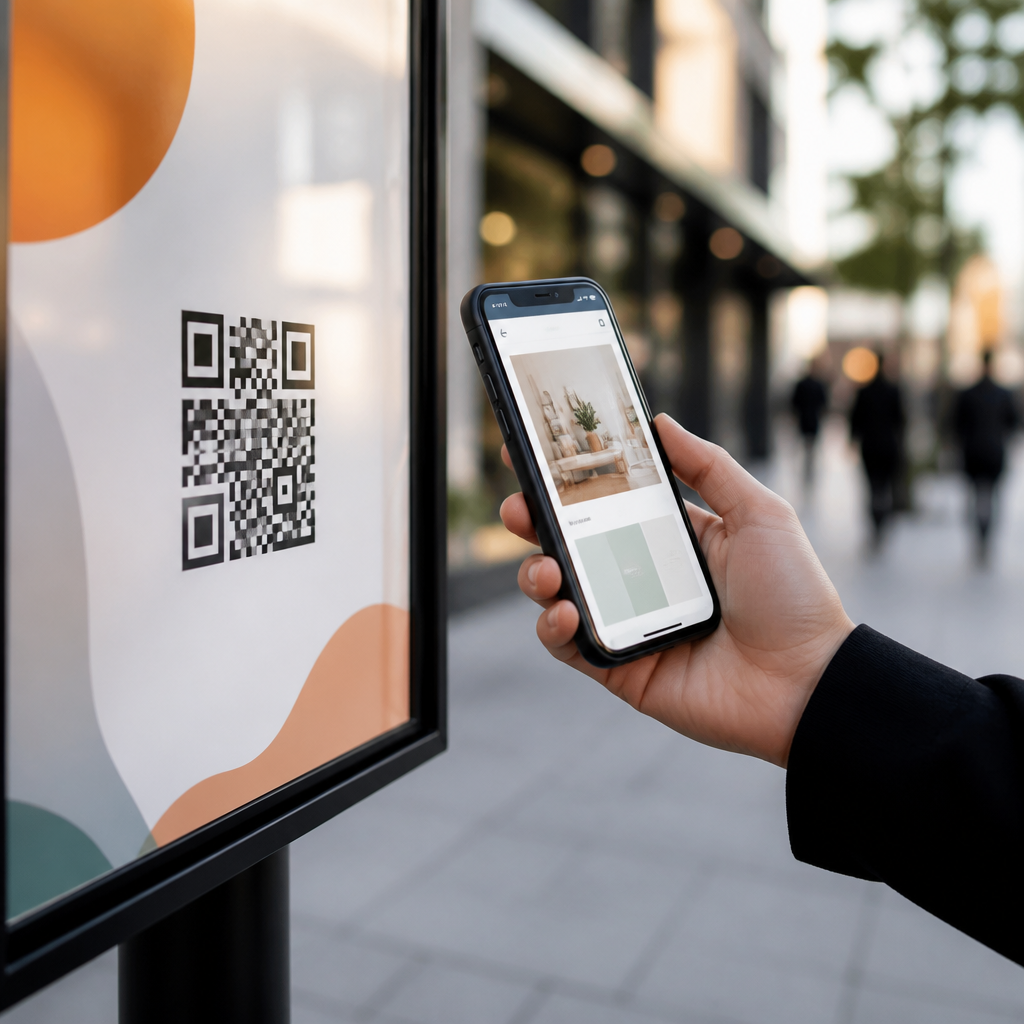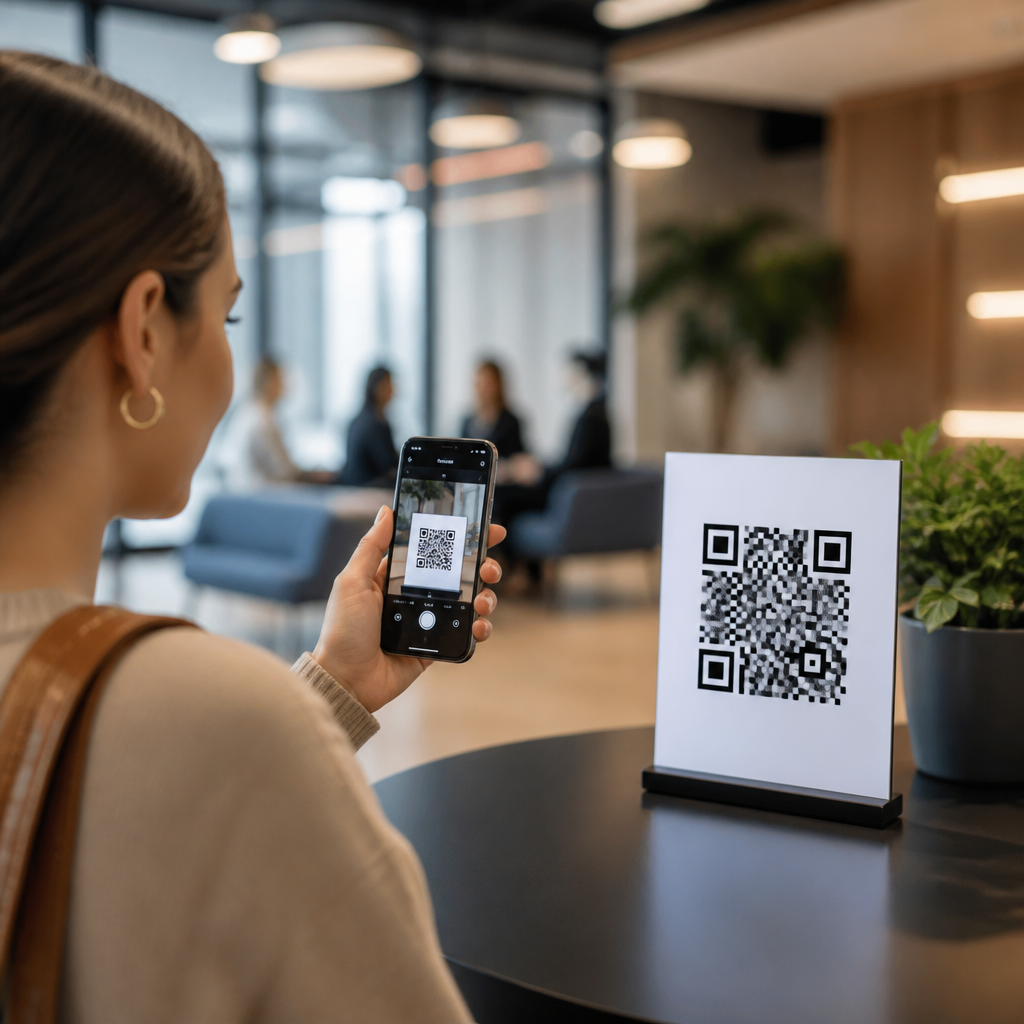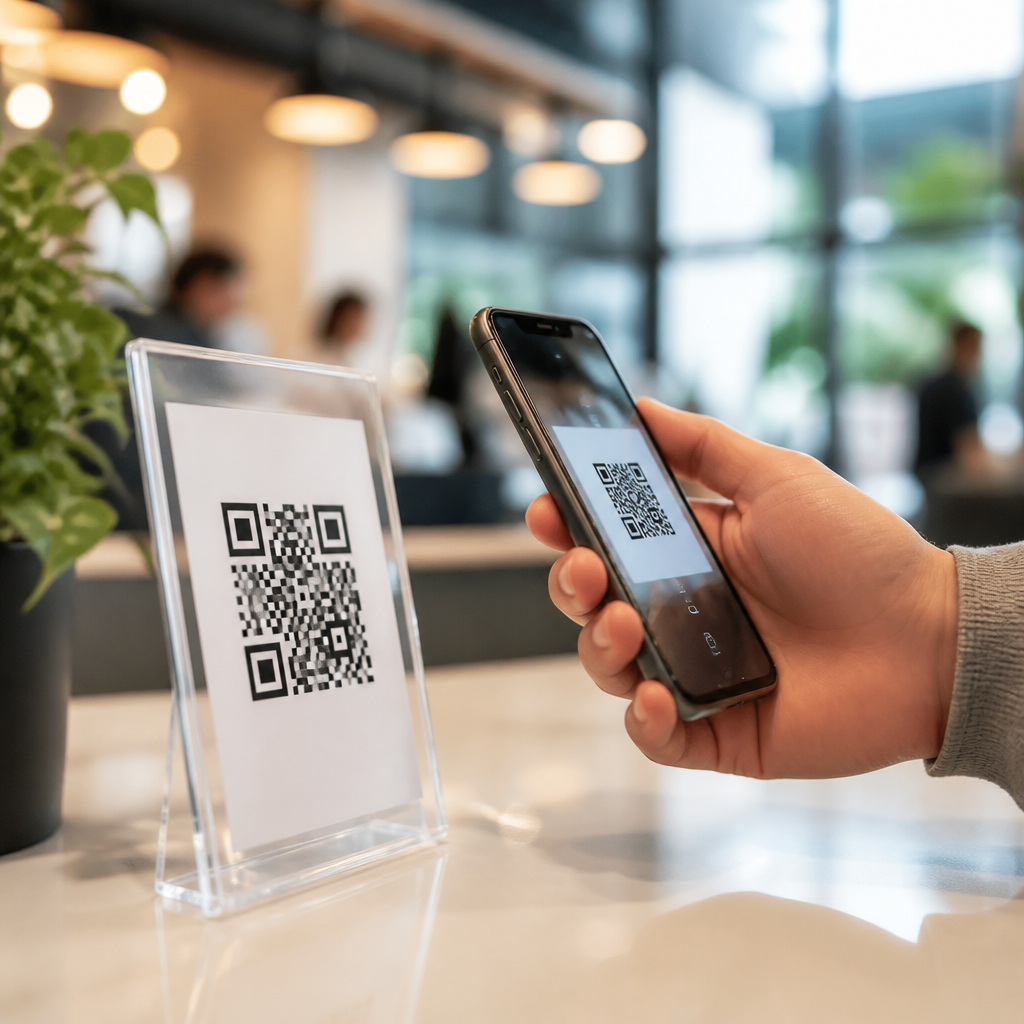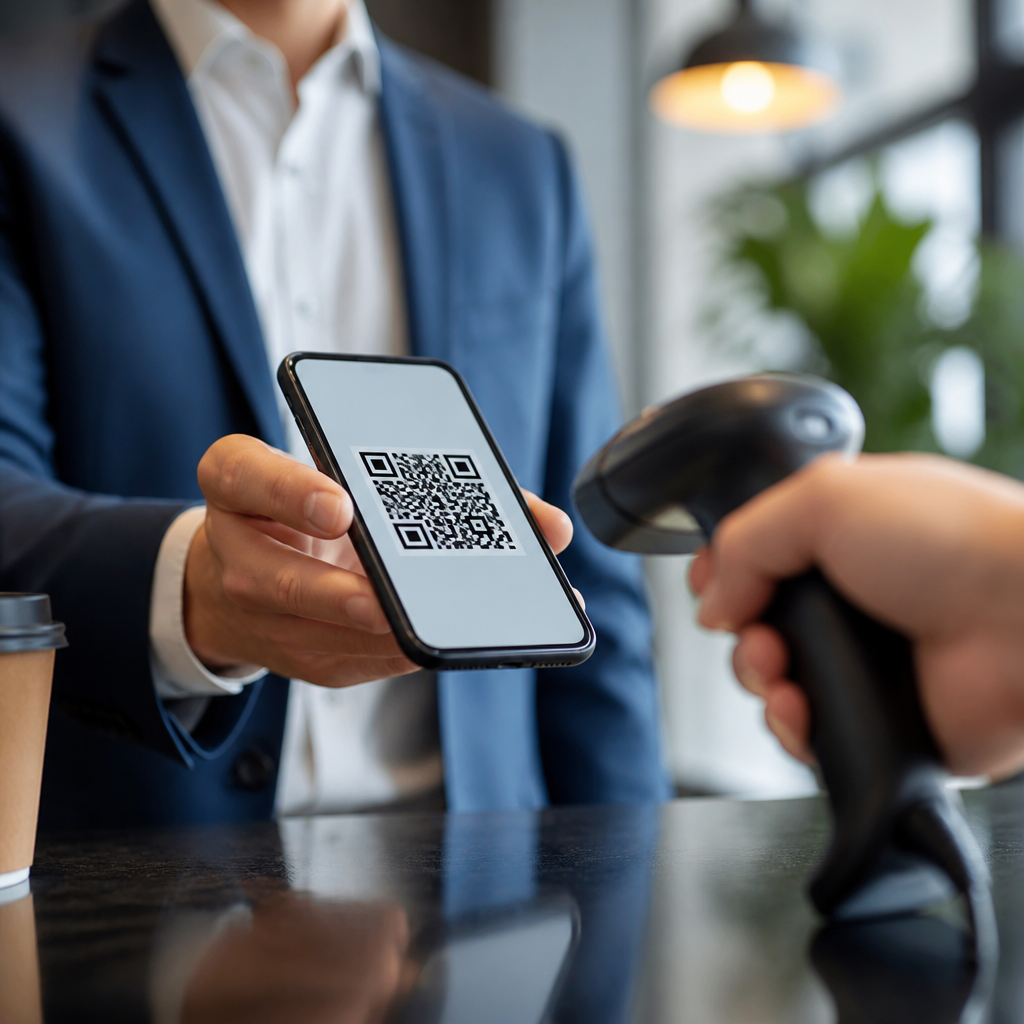
Bottom-of-funnel conversions with QR codes depend on one simple principle: reduce the distance between intent and action. In marketing funnels, the bottom of the funnel is the stage where prospects are ready to buy, book, subscribe, donate, or request a proposal. They already know the brand, understand the offer, and need a fast, trustworthy path to complete the next step. A QR code is a scannable bridge that moves someone from an offline or physical touchpoint to a digital destination without typing a URL, searching a brand name, or waiting to act later. When used well, QR codes compress friction, preserve buying intent, and improve measurable conversion rates across retail, events, direct mail, packaging, field sales, and local service marketing.
I have used QR codes in campaigns tied to product launches, sales enablement, customer onboarding, and post-event follow-up, and the pattern is consistent. QR codes rarely create demand by themselves. Their value is operational: they capture demand at the moment it peaks. A prospect standing in front of a shelf, reading a brochure, wearing a conference badge, opening a catalog, or holding a delivery package is often much closer to conversion than a casual website visitor. If the path from interest to action is instant, completion rates rise. If the path requires remembering a URL, re-searching later, or filling in redundant information, intent leaks away.
This hub article explains how to integrate QR codes into marketing funnels with a focus on bottom-of-funnel outcomes. It defines where QR codes fit, how to map them to conversion goals, which destinations convert best, what metrics matter, how to design and govern campaigns, and where common failures occur. It also serves as a central reference point for deeper pages on landing pages, attribution, direct mail, retail activation, event conversion, packaging, and sales operations. The core idea is practical: every QR code should exist to help a qualified prospect complete a specific action faster, with less uncertainty, on a mobile device.
To use QR codes effectively at this stage, marketers need to think beyond the code image itself. The real system includes the trigger, context, incentive, destination, analytics, compliance, and follow-up workflow. A code on a product box might lead to a reorder page. A code on a proposal can open a prefilled booking form. A code on a point-of-sale display can launch a mobile wallet offer. A code on event signage can move an attendee directly to checkout. In each case, the same technology serves a different funnel role because the audience, intent level, and conversion barrier differ. That is why integrating QR codes into marketing funnels must be approached as conversion architecture, not just creative production.
Where QR codes fit in the marketing funnel
QR codes can support awareness, consideration, and retention, but they are strongest when paired with existing intent signals. At the top of the funnel, a scan may simply educate. At the middle, it may compare options or capture a lead. At the bottom, it should remove the final obstacles to conversion. This makes QR codes especially effective in channels where the prospect is physically present and already engaged: store aisles, trade shows, mailed offers, menus, packaging, service visits, window displays, print ads with strong offers, and sales collateral used in one-to-one outreach. The job is not to persuade from zero. The job is to make saying yes easy.
In funnel planning, I map QR code placements to four bottom-of-funnel objectives: purchase completion, appointment scheduling, application submission, and account activation. Purchase completion includes ecommerce checkout, retail coupon redemption, add-to-cart handoff, and repeat order flows. Appointment scheduling covers demos, consultations, classes, tours, and service bookings. Application submission includes insurance forms, financing inquiries, memberships, and B2B request-for-proposal actions. Account activation includes app download plus login, warranty registration, loyalty enrollment, and onboarding setup. These are all decisive actions, and each benefits from a direct mobile handoff that avoids unnecessary navigation.
The strongest use cases share three traits. First, the value proposition is already understood. Second, the user can act in under two minutes. Third, the destination reflects the physical context of the scan. A restaurant table code should not lead to a generic homepage; it should open menu ordering or bill payment. A direct mail renewal code should not send users to a broad website; it should open the exact renewal page with customer context preserved. A field rep’s leave-behind should not dump buyers into a top-level navigation tree; it should open a configured quote request or calendar page. Relevance is the conversion multiplier.
Designing QR destinations for bottom-of-funnel conversion
The landing experience determines whether the scan becomes revenue. For bottom-of-funnel conversion, the destination should be mobile-first, fast, and singular in purpose. I recommend one primary call to action, one supporting proof element, and as few form fields as possible. If payment is the goal, use express checkout options such as Apple Pay, Google Pay, Shop Pay, or saved card flows. If booking is the goal, use live calendar availability and timezone handling. If lead qualification is necessary, progressive profiling is better than forcing a long form at the moment of intent.
Personalization matters when it can be done without creating confusion. Dynamic QR platforms such as Bitly, QR Code Generator PRO, Beaconstac, and Uniqode allow destination updates, UTM tagging, and scan analytics, but the destination page still needs continuity. If a mail piece mentions a spring upgrade offer for existing customers, the landing page must show that exact offer headline, not a generic campaign banner. Matching copy and visual cues reduces bounce because users instantly know they are in the right place. In retail and hospitality, adding location-aware logic can route scans to the nearest store inventory page, local booking calendar, or region-specific pricing page.
Trust signals are essential at the point of conversion. Include secure payment badges only when relevant, but more importantly, display recognizable brand assets, a clear privacy statement, visible contact options, and concise policy information. For higher-consideration actions such as financing or service contracts, add short credibility elements: verified reviews, warranty terms, implementation timelines, or named integrations. On mobile, clutter destroys momentum, so proof should support the action rather than compete with it. The page should answer the final practical question in seconds: what happens if I complete this now?
Channel strategies and examples that convert
Bottom-of-funnel QR code performance varies by channel because context shapes intent. In direct mail, codes work best when the offer is concrete, time-bound, and personalized. A renewal notice, membership upgrade, or abandoned quote reminder can send recipients to a page with preloaded account details. In one campaign I worked on for a subscription business, a QR code on a printed renewal insert outperformed the typed vanity URL because customers scanned while holding the invoice. The convenience was not minor; it changed response timing from later consideration to immediate completion.
Retail environments produce another strong use case. Shelf talkers, endcap displays, and packaging inserts can move shoppers from interest to transaction by unlocking richer product content or digital incentives. A beauty brand might use a code near a premium serum to open shade matching, dermatologist FAQs, and a one-tap discount bundle. A hardware retailer can link a code on a power tool display to compatibility charts and financing checkout. The code becomes a silent sales assistant, especially where staff availability is limited. The key is to support purchase confidence, not divert shoppers into broad educational content.
Events and field sales are often overlooked, yet they are ideal bottom-of-funnel environments because conversations create warm intent. Booth signage should route by intent level: demo booking, price sheet download, or instant trial activation. Sales reps can place QR codes on proposal covers, tabletop cards, and follow-up leave-behinds that open a tailored calendar, contract summary, or payment portal. Service businesses use van decals, counter displays, and after-visit paperwork to capture the moment when trust is highest. Healthcare, home services, education, and automotive aftercare all benefit when a code closes the gap between verbal agreement and completed action.
| Channel | Best bottom-of-funnel goal | Ideal destination | Main metric |
|---|---|---|---|
| Direct mail | Renewal or purchase | Prefilled checkout or account page | Conversion rate per recipient |
| Retail display | Add-to-cart or coupon redemption | Product page with wallet offer | Scan-to-sale rate |
| Event signage | Demo booking or trial activation | Calendar or onboarding page | Qualified meetings booked |
| Packaging insert | Reorder or loyalty enrollment | Repeat purchase page | Repeat conversion rate |
| Sales collateral | Proposal acceptance | Payment, contract, or booking page | Opportunity close rate |
Measurement, attribution, and operational setup
If a QR code cannot be measured, it cannot be improved. The basic stack should include dynamic QR management, web analytics, campaign tagging, and destination-level conversion tracking. Every code needs a unique identifier tied to source, placement, offer, audience, and date range. UTM parameters remain useful, but they are not enough on their own because scans often happen across mixed environments and can involve redirects, app handoffs, or later session continuation. Pair UTM tagging with event tracking in Google Analytics 4, server-side capture where possible, and CRM attribution for downstream revenue.
Scan count is not the success metric. Bottom-of-funnel performance should be judged by scan-to-conversion rate, conversion value, assisted revenue, time to conversion, and fallout point. For example, a package insert may generate fewer scans than a store sign but produce a higher average order value because the audience consists of existing customers. Likewise, an event badge QR code may drive many opens but low completion if the booking form asks for too much information. Looking at stepwise drop-off reveals whether the issue is the code placement, the offer, the landing page, or the checkout itself.
Operational discipline matters because QR campaigns often break in avoidable ways. Teams print static codes, then discover the destination changed. They launch on a page blocked by weak mobile performance. They fail to test iOS and Android camera behavior, app deep links, or in-store connectivity. They print codes too small, with low contrast, or on reflective surfaces. They omit fallback text for users who hesitate to scan. The fix is a standardized workflow: destination QA, redirect testing, analytics validation, creative specifications, and post-launch monitoring. In enterprise settings, a QR code should be governed like any other conversion asset, with ownership, version control, and deprecation rules.
Common mistakes and the integration playbook
The most common mistake is treating the QR code as the campaign rather than the access point. A code does not compensate for weak offers, slow pages, or unclear next steps. Another mistake is sending every audience to the homepage. Homepages are navigation hubs; bottom-of-funnel users need decision pages. I also see brands overload the destination with educational content when the user is ready to act. At this stage, information should answer final objections, not restart the journey. Finally, many marketers ignore post-conversion follow-up. If the scan leads to a quote request or trial signup, automated email, SMS, or sales routing must continue the funnel immediately.
A practical integration playbook starts with intent mapping. Identify physical touchpoints where high-intent prospects pause: invoice mailers, packaging, shelf displays, proposal documents, trade show counters, service receipts, and local signage. Next, assign one conversion goal to each placement and build a dedicated mobile destination. Then create dynamic codes with campaign-level tagging, test the full path on real devices, and define ownership for reporting and optimization. After launch, compare placements by scan-to-conversion rate, not raw scans, and iterate on three levers: offer clarity, destination friction, and contextual relevance. This method turns QR codes from generic add-ons into reliable conversion infrastructure.
As the hub for integrating QR codes into marketing funnels, this page establishes the rule that matters most: place codes where intent is already present, then remove every barrier between scan and action. Bottom-of-funnel conversions improve when the destination is specific, mobile-ready, measurable, and aligned with the physical moment that triggered the scan. Brands that do this well do not chase novelty. They use QR codes to shorten checkout, speed bookings, improve renewals, support sales teams, and capture repeat purchases from existing customers.
The lasting benefit is efficiency. QR codes let marketing, sales, retail, and service teams convert demand where it appears instead of hoping people return later. They also create cleaner attribution for offline touchpoints that used to be difficult to measure. If you are building a stronger QR codes in marketing strategy program, start with your highest-intent moments, map each one to a single conversion action, and launch testable destinations that make completion immediate. That is how QR codes move from decorative tactic to dependable bottom-of-funnel growth channel.
Frequently Asked Questions
What makes QR codes especially effective for bottom-of-funnel conversions?
QR codes work particularly well at the bottom of the funnel because they remove friction at the exact moment someone is ready to act. At this stage, a prospect usually does not need more brand education or broad awareness messaging. They already know who you are, what you offer, and why it matters. What they need is a fast, reliable way to complete the next step, whether that means making a purchase, booking an appointment, requesting a quote, signing up, or donating. A QR code closes the gap between interest and action by turning a physical touchpoint into an immediate digital pathway.
Instead of asking someone to remember a website, type a long URL, search for a landing page, or navigate through multiple menus, a QR code lets them scan and arrive directly at the action page. That small reduction in effort can have a major impact on conversion rates. In bottom-of-funnel scenarios, even minor barriers can cause hesitation or abandonment. A clear QR code linked to a focused destination helps preserve momentum and capitalize on existing intent.
QR codes also perform well because they can be placed exactly where buying intent is strongest. That might be on product packaging, direct mail, event signage, brochures, point-of-sale displays, invoices, or sales collateral. In each case, the code connects offline decision-making with online conversion infrastructure. When the destination is aligned with user intent and the experience feels seamless, QR codes become one of the simplest tools for moving ready-to-convert prospects over the finish line.
Where should a bottom-of-funnel QR code send people after they scan it?
A bottom-of-funnel QR code should send people to the most direct, conversion-focused destination possible. In most cases, that is not your homepage. It should be a page built specifically for the next action you want the user to take. If the goal is a purchase, send them to a product checkout page or a preloaded cart. If the goal is scheduling, send them to a booking page. If the goal is lead capture, send them to a short form for a quote, consultation, or demo request. The destination should match the user’s intent with minimal distractions.
The key is relevance and immediacy. Someone scanning a QR code near the bottom of the funnel is not looking to explore your entire website. They are looking to finish something. A general landing page with too many links, competing calls to action, or unnecessary information can slow them down. A high-converting QR destination should be mobile-friendly, load quickly, display trust signals, and make the next step obvious within seconds. That often means a strong headline, concise supporting copy, one primary call to action, and as few form fields as possible.
It is also smart to tailor the destination based on context. For example, a QR code on a printed quote can lead to an approval or payment page. A code on a retail display can lead to a “buy now” page with local inventory details. A code on an event handout can lead to a proposal request form or a limited-time offer. The more closely the scan destination reflects the user’s environment, mindset, and likely intent, the stronger your bottom-of-funnel performance will be.
How can businesses optimize QR codes to increase conversions instead of just scans?
Getting scans is only the first step. To generate conversions, businesses need to optimize the entire journey around the QR code, not just the code itself. Start with a clear offer and a strong reason to scan. People respond better when they know exactly what will happen next, such as “Scan to book your consultation,” “Scan to complete your order,” or “Scan to claim your discount.” Vague prompts tend to underperform because they create uncertainty. At the bottom of the funnel, specificity builds confidence and action.
Design and placement matter as well. The QR code should be easy to see, large enough to scan comfortably, and positioned where action naturally occurs. It should not compete with cluttered visuals or weak messaging. Pairing the code with concise copy, a compelling call to action, and visual trust cues can significantly improve performance. If the code appears in a physical environment, make sure lighting, print quality, and surrounding context support easy scanning. A technically functional QR code can still fail if the real-world experience is awkward.
Just as important is the landing experience after the scan. The destination should be mobile-optimized, fast, secure, and tightly aligned with the promise made before the scan. If the QR code offers a fast checkout, the page should not force users through a long navigation path. If the code promises a quote request, the form should not ask for excessive information. Strong bottom-of-funnel optimization also includes testing. Businesses should experiment with different calls to action, landing pages, page lengths, form fields, incentives, and placements. The best-performing QR strategies are usually the result of careful alignment between message, medium, destination, and user intent.
How do you measure the success of QR codes in bottom-of-funnel marketing?
Success should be measured by completed actions, not just scan volume. While scans can tell you that people are engaging with the code, bottom-of-funnel performance is really about outcomes such as purchases, bookings, subscriptions, donations, proposal requests, or qualified leads. The most useful approach is to track the full conversion path from scan to final action. That means connecting your QR code analytics with landing page metrics, CRM data, ecommerce reporting, or scheduling tools so you can see what happened after the initial scan.
Important metrics often include total scans, unique scans, conversion rate, cost per conversion, bounce rate, form completion rate, checkout completion rate, revenue per scan, and time to conversion. Context matters here. A QR code on direct mail may produce fewer scans than one on in-store signage, but if those scans convert at a higher rate or generate larger deal sizes, it may be more valuable. Looking at performance by channel, placement, campaign, audience segment, and destination page can reveal which QR touchpoints are truly moving prospects across the finish line.
It is also helpful to use campaign-specific URLs, UTM parameters, dynamic QR codes, and dedicated landing pages so attribution is clearer. This lets marketers compare versions, identify drop-off points, and refine underperforming assets. If people are scanning but not converting, the issue may not be the QR code at all. It could be a weak offer, a slow landing page, a poor mobile experience, or an overly complicated form. Measuring success properly allows you to diagnose where friction exists and improve the entire bottom-of-funnel conversion process.
What are the most common mistakes to avoid when using QR codes for bottom-of-funnel actions?
One of the biggest mistakes is sending users to a generic homepage or an unfocused landing page. Bottom-of-funnel users need a direct path to a clear outcome. If they scan a code and land on a page that forces them to search for the next step, many will leave. Another common error is creating a mismatch between the physical call to action and the digital destination. If a printed sign says “Scan to buy now” but the link opens a category page or informational article, trust drops immediately and conversion potential suffers.
Poor mobile experience is another major issue. Since most QR scans happen on smartphones, the destination page must be fast, responsive, and easy to use on a small screen. Long forms, tiny buttons, confusing layouts, intrusive pop-ups, or slow load times can easily derail an otherwise high-intent visitor. Businesses also sometimes overlook practical usability details such as QR code size, placement, contrast, and print quality. If the code is hard to scan in a real environment, it will not matter how good the offer is.
Finally, many organizations fail to build trust into the experience. At the bottom of the funnel, users are often close to a purchase or commitment, but they still want reassurance. Secure checkout indicators, recognizable branding, concise explanations, transparent pricing, testimonials, guarantees, and privacy signals can all strengthen confidence. Another avoidable mistake is failing to track results. Without proper analytics, it is difficult to know whether a QR code is contributing to revenue or simply generating curiosity. The most effective bottom-of-funnel QR campaigns are intentional, measurable, mobile-first, and tightly focused on making the desired action feel immediate and safe.