QR codes have become a standard bridge between physical touchpoints and digital experiences, and choosing the best QR code generators for marketing campaigns now affects far more than simple link sharing. A QR code generator is the platform that creates, manages, tracks, and often customizes scannable codes that send a user to a URL, app store listing, video, menu, coupon, form, payment page, or downloadable file. In modern marketing, the difference between a basic static code and a managed dynamic code can determine whether a campaign is measurable, editable, and scalable after launch.
I have used QR codes across retail displays, event signage, direct mail, packaging, restaurant menus, field sales collateral, and paid out-of-home placements, and the same lesson repeats: the generator matters as much as the design. Teams often start by asking which tool makes a code fastest. The better question is which platform fits campaign goals, analytics needs, brand standards, compliance requirements, and budget. A free tool may be enough for a one-off flyer, but a national campaign usually needs editable destinations, scan tracking, UTM discipline, access controls, and print-safe export formats.
The reason this topic matters is simple. QR adoption is mainstream, smartphone cameras scan natively, and marketers are under pressure to connect offline engagement to online outcomes. Well-built QR campaigns can improve attribution, reduce friction, personalize landing pages, and extend the value of printed assets. Poorly managed campaigns create broken links, unreadable artwork, weak reporting, and inconsistent branding. The best QR code generators solve those operational problems while supporting campaign creativity. This guide explains what separates leading platforms, which tools suit different marketing scenarios, and how to choose software that will still work when your campaign moves from a single poster to a multi-channel program.
What Makes a QR Code Generator Good for Marketing
The best QR code generators for marketing campaigns share a common foundation. They support dynamic QR codes, which let you change the destination after printing without changing the code itself. That single feature protects media spend. If a landing page URL changes, a promotion expires, or regional routing needs adjustment, a dynamic code prevents waste. Static QR codes still have uses for permanent information such as Wi-Fi credentials or fixed product documentation, but they are usually limiting for active campaigns.
In practice, marketers also need analytics. A strong platform reports total scans, unique scans, time of scan, approximate location, device type, and referral context where possible. Most serious teams pair QR data with Google Analytics 4, UTM parameters, CRM events, and conversion tracking. Good tools make that straightforward. They also support branded short domains or white-label redirects, because scan trust increases when the destination looks familiar and the redirect chain is clean.
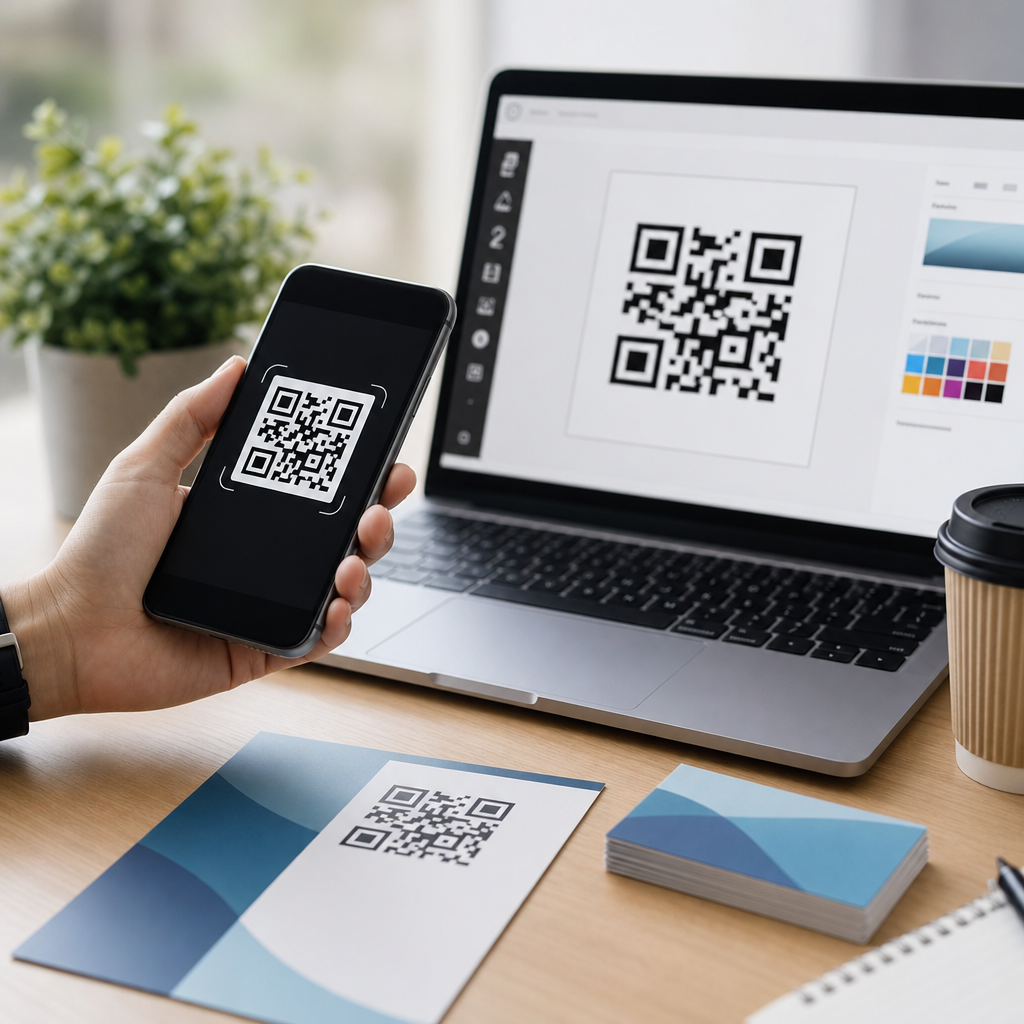
Design controls matter more than many teams expect. QR codes can include brand colors, logos, eye shapes, frames, and calls to action, but readability must remain intact. Reliable platforms test error correction, quiet zone spacing, contrast, and export quality. For print campaigns, vector formats such as SVG, EPS, or PDF are essential. A PNG that looks fine on a laptop can fail on a storefront window. The best generators also handle campaign management features such as folders, tags, bulk creation, role permissions, API access, and expiry rules.
Security and governance should not be treated as enterprise extras. If codes redirect through a vendor domain, that vendor becomes part of your customer journey. I look for SSL support, password protection where relevant, data retention clarity, GDPR readiness, SSO on higher plans, and a credible uptime record. Marketing software is not just about creating a code image; it is infrastructure for customer access.
Top QR Code Generators Marketers Commonly Choose
Several platforms consistently appear on serious shortlists. QR Code Generator Pro is popular because it combines dynamic codes, campaign analytics, design controls, and team features in a polished interface. It is a practical fit for mid-market teams that need reliable workflows without heavy technical setup. Bitly is also important, especially for organizations already standardizing link management. Its QR capabilities integrate naturally with branded links and campaign tracking, which makes it useful when QR codes are just one part of a broader attribution system.
Beaconstac has earned attention for enterprise use cases. It offers dynamic codes, bulk management, strong design options, API support, and integrations that suit larger distributed campaigns. For teams deploying codes across franchises, retail networks, packaging variants, or sales territories, those controls matter. Uniqode, previously known as Beaconstac’s strong competitor in many comparisons, is another platform widely used for dynamic campaigns, analytics, and branded experiences. Marketers often evaluate the two side by side because both aim at business users rather than casual creators.
QR.io and Flowcode are often considered by smaller businesses and agencies that want visually attractive codes with straightforward dashboards. Flowcode in particular has positioned itself around design, fast launch, and campaign insight, and it is common in creator, event, and consumer brand contexts. Canva also deserves mention, though it is not a dedicated QR management suite. It is helpful when a team needs quick code creation inside existing design workflows, but it is usually better for simple use cases than for analytics-heavy campaign management.
| Tool | Best for | Key strengths | Main limitation |
|---|---|---|---|
| QR Code Generator Pro | Mid-market campaigns | Dynamic codes, analytics, easy team use | Advanced enterprise controls may require higher tiers |
| Bitly | Link-centric marketing teams | Branded links, QR plus URL management, attribution consistency | Design customization is less central than in specialist tools |
| Beaconstac | Enterprise and distributed programs | Bulk creation, API, governance, integrations | Can be more than small teams need |
| Uniqode | Data-driven brand campaigns | Dynamic routing, analytics, strong business feature set | Learning curve is higher than free tools |
| Flowcode | Events and consumer campaigns | Visual polish, quick deployment, accessible reporting | Enterprise workflow depth varies by plan |
| Canva | Simple design-led projects | Fast creation inside creative workflow | Limited campaign management and tracking depth |
If you need a simple answer, the best QR code generator depends on campaign complexity. For one brand, one team, and modest reporting needs, QR Code Generator Pro or Flowcode can be excellent choices. For link governance and branded short domains, Bitly stands out. For enterprise deployment, Beaconstac and Uniqode are usually stronger candidates.
How to Match the Tool to the Campaign Type
Different campaign formats demand different generator features. In direct mail, dynamic editing is critical because offer pages, inventory status, and testing variants can change after printing. I have seen postcard campaigns rescued by swapping the destination from a slow generic homepage to a mobile-first landing page without reprinting a single piece. In that scenario, analytics by geography and unique scan trends are more valuable than decorative code styling.
For retail and out-of-home advertising, scan speed and destination performance matter most. A person scanning a window cling or transit ad has seconds of attention. The generator should support short redirect chains, reliable uptime, and a landing page built for mobile. Platforms with branded domains and clear reporting help compare placements, especially when each location uses a distinct dynamic code. That allows true offline attribution instead of guessing which store poster drove traffic.
Packaging introduces a different requirement set. Codes may remain in market for months, so long-term redirect stability is essential. The best QR code generators for packaging support evergreen management, batch creation for SKUs, and rules for country-specific routing. Food, beauty, and consumer electronics brands often use this for manuals, authenticity checks, loyalty offers, ingredient details, and post-purchase education. In these programs, governance matters more than novelty.
Events and experiential campaigns benefit from customization and rapid iteration. Registration links, agendas, speaker bios, lead forms, and social follow prompts often change close to show time. A generator with live editing, fast duplication, and per-code performance tracking helps event teams adjust on the fly. Restaurant menus, meanwhile, still rely heavily on QR access, but the best choice there is often a dependable dynamic code platform with simple update controls rather than the most feature-rich enterprise system.
Features That Separate Average Tools from Excellent Ones
Not every QR code generator marketed to businesses deserves a place in a real campaign stack. The strongest platforms combine code creation with operational control. Bulk generation is one example. If you are launching a promotion across hundreds of stores or creating unique codes for sales reps, products, tables, or territories, manual creation becomes error-prone fast. An API or CSV upload can reduce hours of work and prevent naming mistakes that later ruin reporting.
Destination logic is another advanced differentiator. Some platforms allow conditional redirects based on device, time, geography, or language. That means one printed code can send iPhone users to the App Store, Android users to Google Play, and desktop users to a product page. International brands use location-aware routing to keep packaging consistent while directing scanners to local content. This is a powerful way to simplify operations without compromising relevance.
Analytics quality varies widely. Basic tools may show only scan counts. Better tools distinguish total from unique scans, support date ranges, show temporal patterns, export data cleanly, and integrate with analytics platforms. The most useful dashboards help answer business questions, not just traffic questions. Did store A outperform store B? Did the weekend footfall translate into scans? Did the packaging code drive repeat purchases or support visits? A generator becomes far more valuable when its data can connect to revenue and customer behavior.
Finally, testing support is non-negotiable. Before approving any generator, I test scans on multiple devices, lighting conditions, print sizes, and surfaces. Glossy materials, curved packaging, tinted windows, and low-contrast brand palettes all introduce risk. The best vendors provide practical guidance on quiet zones, minimum size, error correction levels, and logo placement. That guidance saves campaigns.
Common Mistakes When Choosing a QR Code Generator
The most common mistake is choosing on price alone. Free tools are attractive, but many free QR code generators provide only static codes or place limits on edits, analytics, export quality, or scan volume. A campaign with paid media behind it should not depend on a tool that cannot preserve destination control. The software cost is usually tiny compared with the media cost of a failed code.
Another mistake is overvaluing visual customization and undervaluing scan reliability. A branded code that matches campaign colors but scans inconsistently is a poor asset. High contrast, adequate quiet zones, and sensible logo usage should always outrank aesthetic ambition. I have had to reject attractive creative because the code failed from a distance on low-end Android devices under store lighting. Function comes first.
Teams also forget governance. If multiple departments generate codes in different tools, reporting becomes fragmented and dormant redirects accumulate. A better approach is to choose one approved platform, define naming conventions, standardize UTM structures, and assign ownership for destination updates. This is especially important for franchises, universities, healthcare systems, and multi-brand portfolios where codes can persist long after the campaign owner changes roles.
One more issue is weak landing page alignment. Even the best QR code generator cannot fix a slow, confusing destination. Scan intent is usually high. If the page loads slowly, asks for too much, or is not mobile optimized, performance drops. The generator should be selected as part of a complete campaign experience, not as an isolated design tool.
How to Evaluate the Best QR Code Generators Before You Buy
The most reliable way to compare platforms is through a short pilot. Start with three campaign scenarios: a direct mail code, a retail sign code, and a product packaging code. Build each in your shortlisted tools. Test dynamic editing, scan speed, export quality, dashboard clarity, and integration with Google Analytics 4 or your CRM. Have design, marketing operations, and analytics stakeholders review the same trial because each team notices different risks.
Ask vendors specific questions. Can redirects be edited instantly? Is there a scan cap? Are historical analytics retained if a subscription changes? Which export formats are included? Is a branded domain supported? How are duplicate scans defined? Is approximate location based on IP and therefore limited? Can codes expire automatically or redirect to fallback pages? Clear answers reveal platform maturity quickly.
It is also worth reviewing support quality. In real campaigns, deadlines are tight and print windows close fast. When I evaluate QR platforms, I send a technical question before buying to see how precise and practical the response is. Good vendors answer with implementation detail, not sales language. That responsiveness becomes valuable when a packaging run is already at the printer and the marketing team needs confirmation on minimum code size or error correction.
In the end, the best QR code generators are the ones that reduce campaign risk while improving measurement and flexibility. Choose the platform that matches your scale, supports dynamic management, delivers credible analytics, and preserves brand trust from scan to landing page. If you are building a stronger QR code creation and tools stack, shortlist two or three platforms, run a controlled test, and standardize on the one your team can use confidently across every campaign.
Frequently Asked Questions
What should marketers look for when choosing the best QR code generator for a campaign?
The best QR code generator for a marketing campaign should do much more than create a scannable square that points to a link. Marketers should start by evaluating whether the platform supports dynamic QR codes, because dynamic codes let you change the destination URL or content after printing without having to replace the code itself. That flexibility is extremely important for campaigns running across flyers, product packaging, direct mail, event signage, in-store displays, and outdoor advertising, where reprinting can be expensive and slow.
Tracking and analytics are also essential. A strong platform should show scan volume, time of scan, device type, operating system, and often approximate location data. These insights help marketers understand which placements are working, compare performance across channels, and optimize future creative and media spend. If a QR code appears on multiple campaign assets, analytics can reveal where engagement is strongest and where messaging may need improvement.
Branding and design customization matter too, especially in competitive environments where users need a reason to scan. Look for generators that allow custom colors, logo insertion, frame design, branded calls to action, and error correction strong enough to preserve scan reliability even after visual customization. The ideal tool balances creative control with technical performance, because an attractive code is only effective if it scans quickly and consistently.
Other important factors include ease of use, team collaboration features, bulk generation, folder organization, download formats, landing page options, integrations with marketing tools, and reliability at scale. For larger teams, access controls and campaign management capabilities are especially helpful. In short, the best QR code generator is one that supports flexibility, analytics, branding, scalability, and dependable scan performance rather than just basic code creation.
Why are dynamic QR codes usually better than static QR codes for marketing campaigns?
Dynamic QR codes are generally better for marketing because they give you control after launch. With a static QR code, the destination is fixed at the moment the code is created. If the landing page changes, the promotion ends, the product URL moves, or a tracking setup needs adjustment, the printed code becomes outdated and often unusable. That creates avoidable waste and limits campaign agility.
By contrast, a dynamic QR code acts as a managed redirect. You can update the final destination without changing the printed code itself. That means a code on packaging can point to a seasonal offer today, a loyalty program next month, and a product education page later on. For marketing teams, this is a major advantage because campaigns often evolve after launch based on performance, inventory, regional needs, or promotional timing.
Dynamic QR codes also typically include analytics, which is one of their biggest benefits. Instead of simply hoping people scanned, marketers can measure scans and study behavior trends over time. This makes dynamic codes particularly useful for attribution, A/B testing, localized campaigns, event activations, and omnichannel measurement. If one creative version outperforms another, the data helps prove it.
Static QR codes still have a place in simple use cases, especially when the destination will never change and no tracking is required. However, for most professional marketing campaigns, dynamic QR codes provide the flexibility, visibility, and operational efficiency needed to support real optimization. That is why they are usually the preferred option for brands that want QR codes to function as measurable campaign assets rather than one-time links.
How important are analytics and tracking features in a QR code generator?
Analytics and tracking features are critical because they turn QR codes from passive tools into measurable marketing channels. Without analytics, a team may know that a QR code exists on a poster, package, or mailer, but it will not know how many people scanned it, when they scanned it, what devices they used, or which placements drove the strongest response. That missing visibility makes it much harder to justify spend, improve campaign performance, or understand audience behavior.
A quality QR code generator should provide scan metrics in a dashboard that is easy to interpret and useful in decision-making. Common data points include total scans, unique scans, scan timing, device type, browser or operating system, and approximate geographic location. Some platforms also support UTM parameters, integration with analytics suites, or exportable reports for campaign analysis. These capabilities allow marketers to connect QR performance to broader traffic, lead generation, and conversion reporting.
Tracking becomes especially valuable when QR codes are used across multiple physical touchpoints. For example, a brand may place different codes on product shelves, trade show booths, restaurant tables, postcards, and window displays. With proper reporting, marketers can compare results across placements and identify which environments create the most engagement. That insight informs smarter budget allocation and stronger creative strategy.
Analytics also help detect practical issues. A sudden decline in scans could signal that a landing page is no longer relevant, a campaign offer has expired, or a code is placed where users cannot easily access it. In this way, tracking supports not just reporting but ongoing campaign maintenance. For serious marketing use, analytics are not a bonus feature; they are a core requirement.
Can customized QR codes with logos and brand colors still scan reliably?
Yes, customized QR codes can still scan reliably when they are designed correctly. In fact, branded QR codes often perform better from a marketing perspective because they look more intentional, more trustworthy, and more aligned with the campaign creative. Adding a logo, changing colors, or using a branded frame can increase attention and improve scan rates, especially when paired with a clear call to action such as “Scan for 20% Off” or “Scan to Watch the Demo.”
That said, customization has to be handled carefully. QR codes depend on contrast, quiet space, and structural integrity to remain readable. If the colors are too light, the pattern is heavily distorted, the logo covers too much of the code, or the surrounding margin is reduced, scan performance can suffer. This is why the best QR code generators include design tools that preserve technical standards while allowing visual branding. Many also use error correction settings that help the code remain readable even when part of the pattern is covered by a logo.
Testing is essential before launching a campaign. Marketers should scan the code on multiple devices, in different lighting conditions, at realistic distances, and on the actual printed material whenever possible. A code that scans perfectly on a laptop screen may behave differently on glossy packaging, textured labels, storefront windows, or large-format signage. Reputable platforms often include scan testing guidance or previews to reduce these risks.
The practical takeaway is that customization is a strength, not a weakness, when supported by a capable platform and proper testing. A well-branded QR code can enhance campaign consistency and improve user trust, but it should never sacrifice usability for style. The best generators make it easier to achieve both strong branding and reliable performance.
Are free QR code generators good enough for marketing campaigns, or is a paid platform worth it?
Free QR code generators can be useful for basic needs, but they are often limited for real marketing campaigns. If a business only needs a one-time static QR code for a simple, permanent destination, a free tool may be sufficient. However, once the campaign requires analytics, editable destinations, branding, team management, or large-scale deployment, free tools usually fall short. In many cases, they also come with restrictions on scan limits, file formats, customization, or ongoing access to data.
A paid platform is often worth it because it supports the operational realities of marketing. Campaigns change, landing pages get updated, offers expire, and teams need reporting. Paid QR code generators typically provide dynamic codes, scan analytics, folder management, advanced design options, downloadable high-resolution files, and customer support. Those features can save time, reduce reprint costs, and improve campaign performance enough to justify the subscription.
There is also a reliability and governance factor to consider. Some free platforms may not clearly explain how long codes remain active, whether they insert branding, or what happens if usage exceeds certain limits. For a brand investing in printed materials, packaging, events, or paid media, that uncertainty can create unnecessary risk. Paid providers are generally better positioned to offer stable infrastructure, stronger security, and more predictable long-term management.
For most serious marketers, the question is not simply whether a free generator can create a QR code, but whether the platform can support campaign agility, measurement, and professionalism over time. In that context, a paid QR code generator is often the smarter choice because it turns QR codes into manageable, data-driven assets rather than disposable shortcuts.