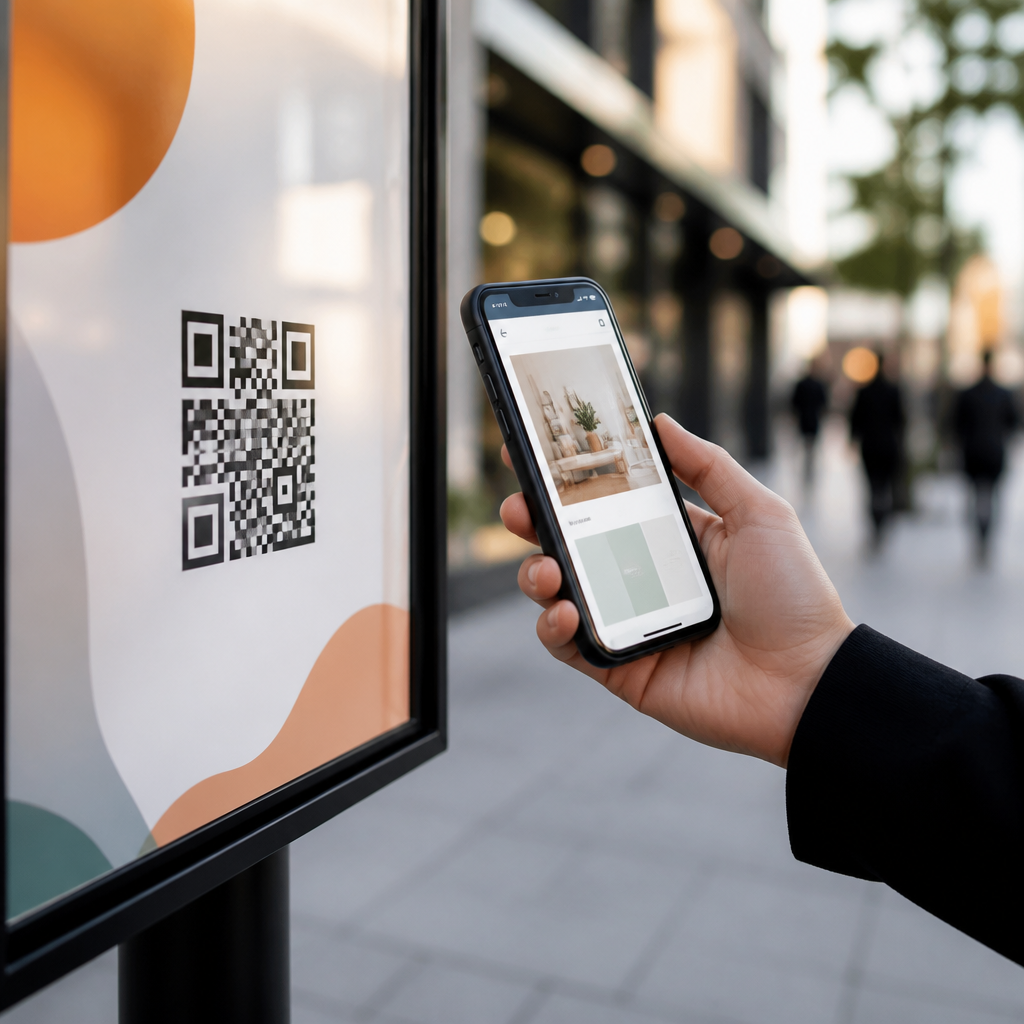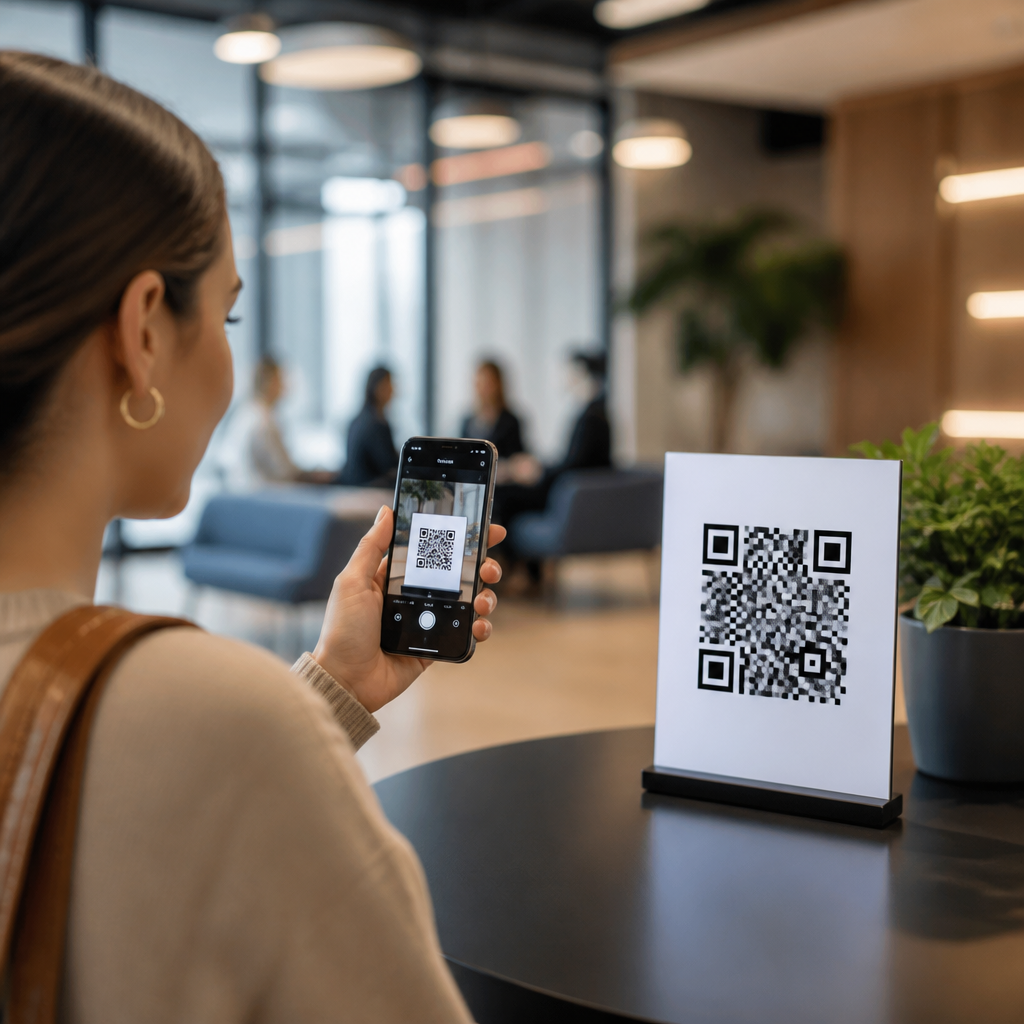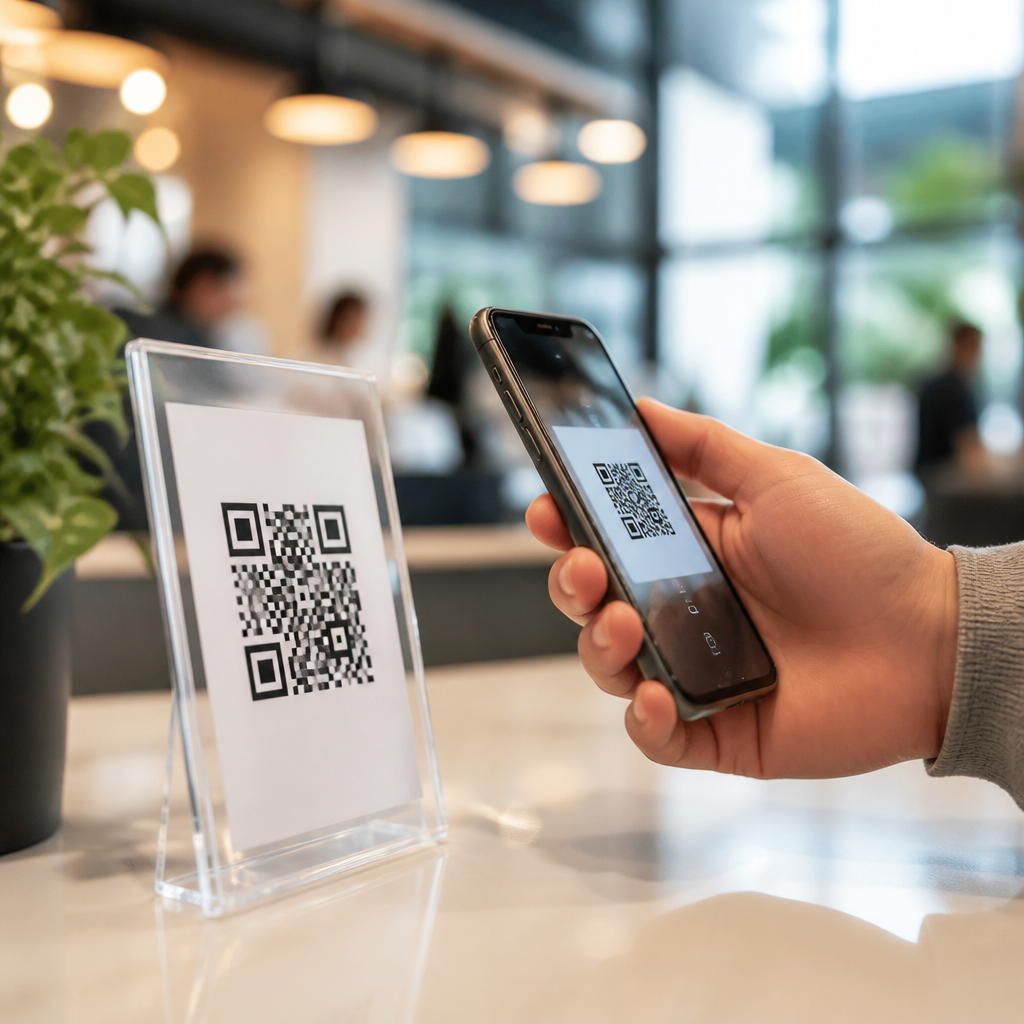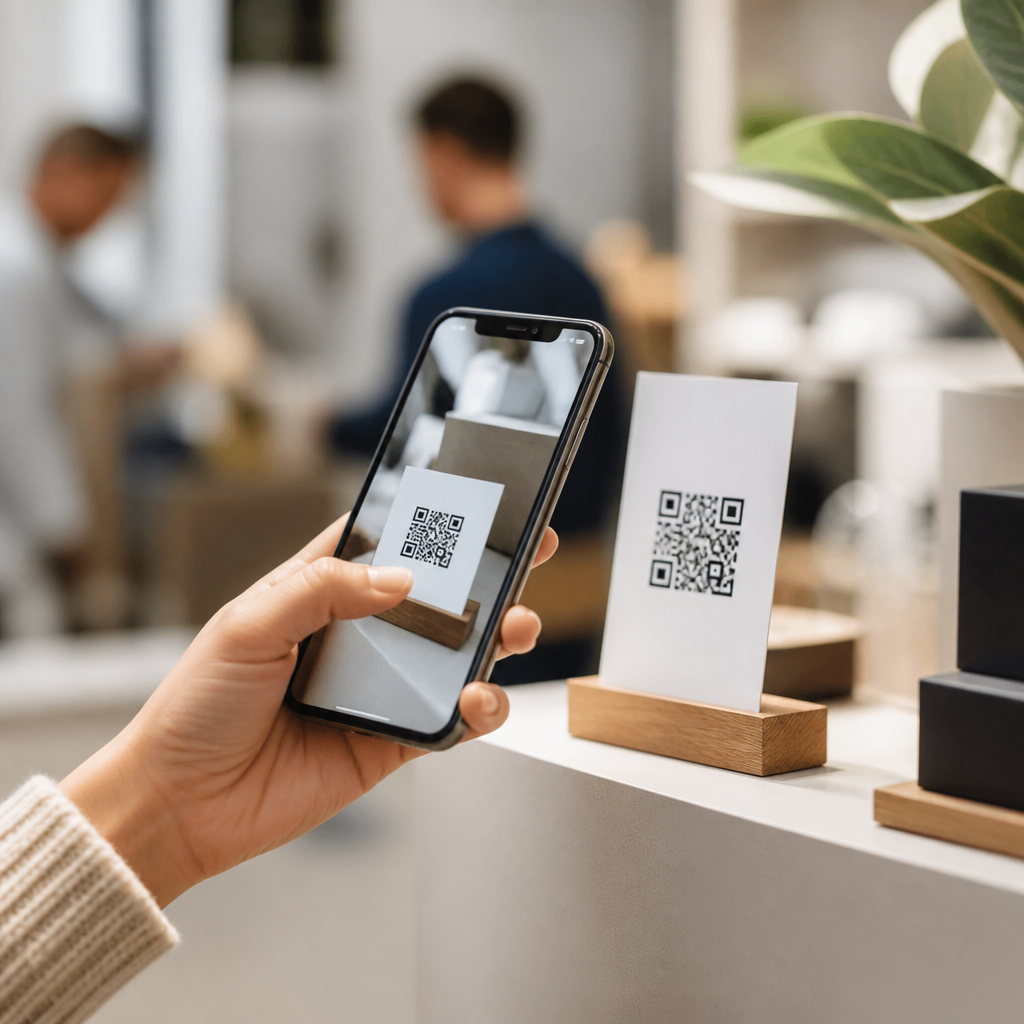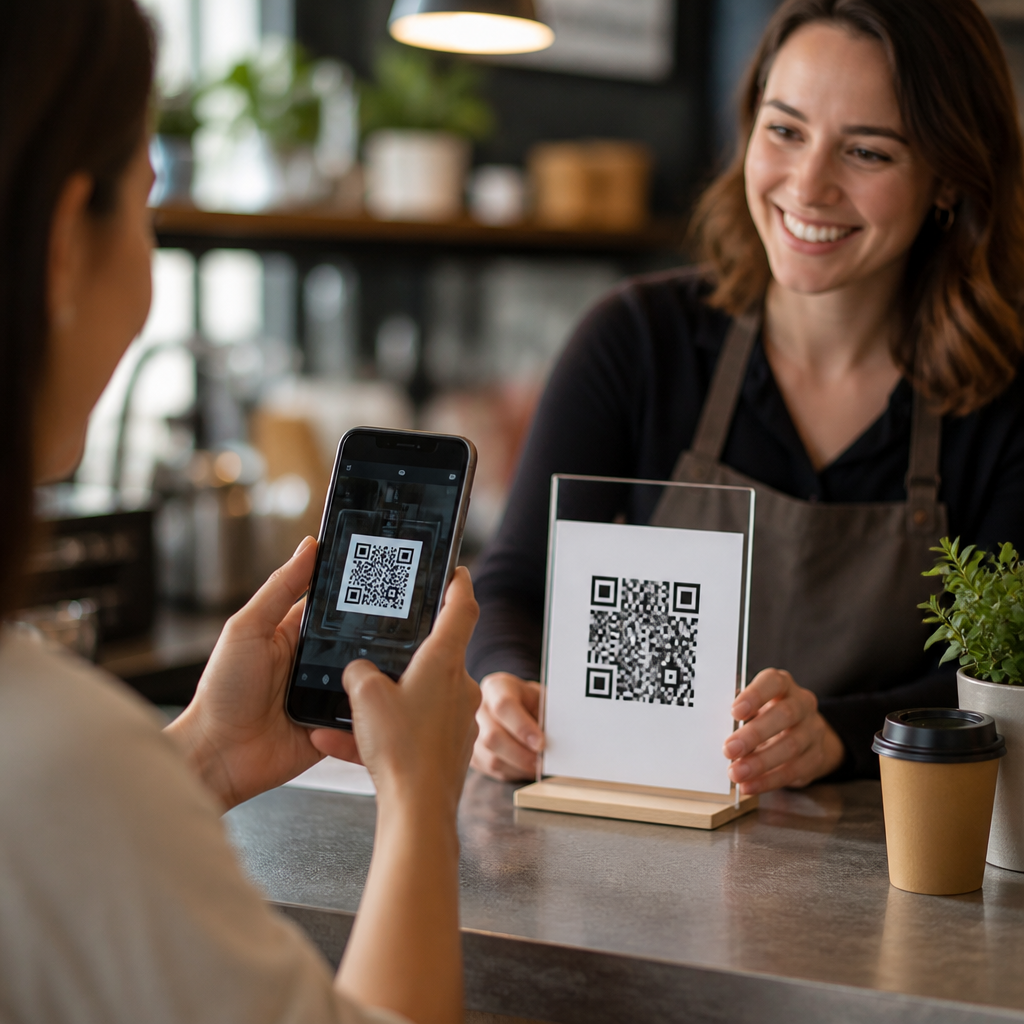
QR codes and SMS marketing work best when they are connected by permission, context, and timing. In omnichannel marketing, a QR code is the bridge between an offline moment and a mobile action, while SMS is the channel that continues the conversation after a customer has clearly agreed to hear from a brand. I have built these flows for retail launches, restaurant loyalty programs, event registration, and packaging campaigns, and the pattern is consistent: the strongest results come from designing every scan, form, message, and follow-up around explicit consent and a useful next step. That is what permission-based omnichannel flows mean in practice.
At a basic level, a QR code is a machine-readable code that opens a digital destination, usually a landing page, app deep link, form, video, or wallet pass. SMS marketing is the practice of sending promotional or transactional text messages to opted-in subscribers on mobile devices. Omnichannel marketing coordinates those touchpoints with email, paid media, point of sale, customer support, social content, and physical locations so the customer experiences one connected journey rather than disconnected campaigns. When these elements are aligned, QR codes do not just generate scans; they create attributable entry points into compliant, measurable mobile-first customer journeys.
This matters because mobile attention is immediate, but trust is fragile. People scan QR codes in stores, on packaging, at trade shows, on direct mail, and in out-of-home placements because they expect speed and relevance. They subscribe to SMS only when the value is obvious and the terms are clear. Regulations such as the Telephone Consumer Protection Act in the United States, CTIA messaging principles, GDPR in Europe, and carrier filtering rules have made casual list building ineffective and risky. Permission is not a formality. It is the operational requirement that protects deliverability, supports brand credibility, and improves downstream conversion rates.
For marketers building a hub strategy around omnichannel marketing with QR codes, this topic sits at the center of acquisition, retention, and attribution. A well-designed hub page should answer the core questions readers have: where QR codes fit in the customer journey, how SMS opt-in should work, which tools support compliant flows, what metrics matter, and how to connect campaigns across channels. The rest of this guide covers those questions directly, using field-tested patterns that turn scans into subscribers, subscribers into customers, and customer responses into measurable revenue.
How QR Codes and SMS Marketing Fit Together in Omnichannel Strategy
QR codes solve an access problem. SMS solves a continuity problem. A scan can happen anywhere a person sees a code: storefront window, shelf talker, receipt, product insert, event badge, table tent, or flyer. But a scan alone is transient. If the landing page is not memorable or the visitor leaves, the brand loses the moment. SMS extends that moment into a durable channel on the customer’s most frequently checked device. The reason the pairing works is simple: QR codes lower the friction of entry, and SMS creates a direct, high-visibility path for follow-up.
In practice, that means the QR code should rarely point straight to a generic homepage. It should open a purpose-built mobile landing page with one clear action, such as joining a text list for early access, claiming a bounce-back offer, registering for replenishment reminders, or unlocking post-purchase support. I have seen packaging QR campaigns underperform when they dumped scanners into a broad navigation experience. The same products produced stronger opt-in rates when the code opened a page tailored to the exact product in hand, with concise copy, a compliant checkbox or keyword flow, and a visible explanation of message frequency and value.
Omnichannel strategy also depends on continuity of identity. When someone scans from direct mail, in-store signage, or event collateral, the source should be captured with UTM parameters, first-party cookies where appropriate, hidden form fields, or platform-level campaign tags. That source data lets a marketer send a different welcome series to a trade show lead than to a repeat retail buyer. It also supports smarter budget allocation. If scan-to-opt-in conversion is high on packaging and low on window signage, the issue may not be creative quality alone. It may indicate differences in audience intent, placement visibility, or offer relevance.
Building Permission-Based Flows That Meet Compliance Requirements
Permission-based SMS marketing starts with informed consent. A customer must understand what they are signing up for, who is sending messages, what kinds of messages they will receive, how often messages may arrive, and how to opt out. This disclosure should appear on the QR landing page or at the point of keyword submission, along with links to terms and privacy policy. In the United States, brands commonly use compliant language that includes recurring automated promotional messages, consent not being a condition of purchase, message and data rates may apply, and instructions such as reply STOP to cancel and HELP for help.
There is a strategic reason to make consent language clear rather than tiny and hidden. Clear expectations improve list quality. People who understand the exchange are less likely to ignore messages, complain, or trigger carrier filtering through negative engagement. Double opt-in is not mandatory in every jurisdiction, but it is often a strong operational choice, especially for higher-risk acquisition sources. A scan can lead to a form where the user enters a phone number, then receives a confirmation text asking them to verify the subscription. That second action creates a strong consent record and reduces mistyped numbers.
Consent records should be stored with timestamp, source URL, campaign identifier, device details where permitted, and the exact disclosure shown at sign-up. Leading SMS platforms such as Attentive, Klaviyo, Postscript, EZ Texting, and Tatango provide consent logging, segmentation, and API integrations, but the marketer still owns the process design. If the QR destination changes over time through a dynamic QR code, the compliance record should still reflect the exact version seen by the subscriber. That archival discipline becomes critical during audits, carrier reviews, or internal investigations into complaint spikes.
Permission also has limits. Transactional messages about order status or appointment reminders follow different rules than promotional campaigns. Mixing the two without clear separation causes both legal and customer experience problems. A customer who scanned a service QR code to receive installation updates did not necessarily agree to weekly discounts. The best flows treat consent as specific, contextual, and revocable. That approach is not only safer. It produces better engagement because each text message matches the reason the customer joined in the first place.
Core Omnichannel Flow Patterns for Acquisition, Conversion, and Retention
The most effective QR code and SMS programs rely on repeatable flow patterns. For acquisition, the common model is scan, land, consent, confirm, welcome, and convert. A retailer might place a QR code on window signage promoting “Text for first access to Saturday drops.” The landing page captures mobile number and optional email, confirms consent, then triggers a welcome text with a unique offer code and a link to the featured collection. If the visitor does not purchase, a reminder text can follow within the disclosed cadence. Email may support the same offer with richer visuals, while paid social retargets non-buyers from the landing page audience.
For conversion, post-scan experiences should answer intent immediately. Event marketers often use QR codes on booth graphics that lead to “book a demo” flows. The SMS component confirms the appointment, sends calendar details, and delivers a reminder an hour before the meeting. Restaurant brands use table tents or receipts to invite guests to text in for loyalty perks, then follow with birthday rewards, lapsed-visit prompts, and limited-time menu alerts. Consumer packaged goods brands use on-pack QR codes to drive recipe content or setup guidance first, then request SMS consent for replenishment reminders or product education. The sequence matters because utility creates the trust needed for subscription.
Retention flows depend on timing and segment logic rather than volume. A customer who scans a QR code after purchase is in a very different state than a prospect scanning a poster in public. Post-purchase SMS can support onboarding, usage tips, registration, warranty activation, review requests, and refill reminders. If connected to CRM and commerce systems, those messages can reference product category, order timing, or support status. A skincare brand, for example, can trigger a replenishment text around the product’s normal usage window, while suppressing that prompt for anyone who already repurchased through another channel.
| Use Case | QR Placement | Primary SMS Goal | Key Metric |
|---|---|---|---|
| Retail launch | Window sign, shelf display | Early-access opt-in | Scan-to-subscriber rate |
| Restaurant loyalty | Receipt, table tent | Repeat visit activation | 30-day return rate |
| Packaging campaign | Box, insert, label | Education then replenishment | Subscriber-to-reorder rate |
| Trade show | Booth banner, badge card | Demo scheduling and reminders | Show-up rate |
| Service business | Direct mail, door hanger | Estimate request follow-up | Lead-to-booking rate |
Designing QR Code Experiences That Increase SMS Opt-In Rates
Good QR performance starts before the scan. Contrast, quiet zone, code size, placement height, lighting, and surrounding copy all affect response. Dynamic QR codes are usually the right choice for marketing because they allow destination changes, analytics, and campaign governance without reprinting the code. Platforms such as Bitly, QR Code Generator Pro, Beaconstac, Flowcode, and Uniqode can support scan tracking, but analytics only become useful when naming conventions and destination structures are consistent. A campaign code like retail-spring-window-nyc performs much better in reporting than vague labels like qr1.
The landing page should load quickly, present a single clear value proposition, and minimize input friction. On mobile, every unnecessary field reduces completion. If SMS is the primary goal, collect only the phone number and perhaps zip code or product preference if segmentation genuinely depends on it. Autofill support, large tap targets, and visible trust signals matter. I have repeatedly seen opt-in rates improve when brands move disclosures closer to the submit button, not farther away, because users stop wondering whether there is a hidden catch. A strong page also mirrors the exact promise near the QR code, preserving scent from physical media to mobile screen.
Copy should be concrete. “Get updates” is weak. “Text for 15% off today and restock alerts next month” is stronger because it defines immediate and future value. Creative should also account for environment. A shopper in an aisle will not read a paragraph. An event attendee standing in line might. Testing should therefore vary both the offer and the context. In-store, urgency and utility often win. On packaging, education and support usually outperform discounts, especially for premium products where the buyer has already converted.
Measurement, Attribution, and Optimization Across Channels
Omnichannel flows succeed when teams measure beyond top-of-funnel scans. The essential progression is scans, unique visitors, consent completions, confirmed subscriptions, message delivery, clicks, conversions, revenue, opt-outs, and complaints. Each stage reveals different problems. High scans with low landings may signal slow page load or broken redirects. Strong landings with weak opt-in may point to poor offer framing or excessive fields. Good subscription rates with low message response often indicate weak segmentation, bad timing, or list fatigue.
Attribution should combine QR campaign metadata with SMS platform performance and downstream business outcomes from commerce, CRM, or POS systems. UTM parameters remain useful for web analytics, but they are not enough on their own. Coupon code redemption, matched phone numbers, loyalty IDs, and customer data platform profiles provide stronger links between scan source and purchase behavior. For retailers, POS integration is particularly important because many QR-driven journeys influence in-store purchases that web-only analytics miss. For B2B teams, CRM stage progression and pipeline value matter more than click-through rate alone.
Optimization should be systematic. Test one variable at a time when possible: QR call-to-action, placement, destination layout, incentive, message cadence, or welcome copy. Review carrier deliverability and filtering trends, not just campaign revenue. A list that grows fast but produces elevated complaints will underperform over time as carrier trust erodes. Suppression logic is equally important. If a subscriber clicks but does not buy, the next message should reflect that behavior. If they purchase, the acquisition sequence should stop and the post-purchase journey should begin. The best omnichannel programs feel responsive because the underlying rules are disciplined.
Common Mistakes and Practical Best Practices
The biggest mistake is treating a QR code like a shortcut instead of a strategy. Brands print codes everywhere without clarifying why someone should scan right now. The second mistake is asking for SMS consent before providing any immediate value. People need a reason. The third is weak operational alignment: marketing launches a scan campaign, legal approves only part of the disclosure, support is unaware of the promotion, and store staff cannot explain the offer. Omnichannel performance drops quickly when internal execution is fragmented.
Best practice is to map flows to customer intent, document consent language, use dynamic QR governance, connect scan source to segmentation, and define suppression rules before launch. Keep creative and operations tightly linked. Make the benefit obvious at the point of scan. Send fewer, better-timed messages. Audit every live code regularly, especially on packaging and static signage with long shelf life. If you are building a broader QR Codes in Marketing Strategy content hub, use this page as the central framework, then branch into detailed guides on packaging QR codes, retail signage, event QR activation, direct mail integration, SMS compliance, and QR analytics implementation.
QR codes and SMS marketing deliver real omnichannel value when permission comes first and every touchpoint has a job. The QR code captures intent in the moment. SMS extends that intent into a direct, measurable relationship. Together they connect physical media, mobile action, and downstream conversion more effectively than either channel can alone. Build flows around clear consent, contextual relevance, fast mobile experiences, and disciplined measurement, and the results compound across acquisition, retention, and attribution. Start by auditing one existing QR touchpoint, adding a compliant SMS path, and measuring the full journey from scan to revenue.
Frequently Asked Questions
How do QR codes and SMS marketing work together in a permission-based omnichannel flow?
QR codes and SMS marketing complement each other when each channel is used for what it does best. A QR code captures attention in a physical environment such as a store display, product package, menu, event sign, direct mail piece, or checkout counter. It gives someone an immediate path from an offline moment to a digital action on their phone. SMS then becomes the follow-up channel, but only after the customer has knowingly and clearly opted in. That sequence is what makes the flow permission-based rather than intrusive.
In practice, the strongest flow usually starts with context. The person sees a QR code next to a specific offer, product benefit, loyalty program, event update, or service action. When they scan, the landing experience should match that context exactly and explain what happens next. If the page asks for a mobile number, it should also explain what kinds of texts the person will receive, how often, and how to unsubscribe. Once consent is captured, SMS can continue the conversation with confirmation messages, reminders, incentives, personalized offers, or post-purchase engagement. The QR code creates the bridge, and SMS extends the relationship over time.
This matters because omnichannel performance improves when the customer journey feels connected instead of fragmented. A retail launch might use an in-store QR code to unlock early access alerts. A restaurant might place a QR code on a table tent that invites guests into a loyalty club with text-based rewards. An event brand might use printed signage to move attendees into an SMS stream for schedule updates and exclusive content. In every case, the value exchange is clear, the timing makes sense, and the customer stays in control. That is the foundation of a high-performing permission-based flow.
What makes a QR-to-SMS campaign compliant and trustworthy for customers?
A compliant and trustworthy campaign starts with explicit consent. If a QR code leads to an SMS sign-up experience, the page should clearly state that the customer is agreeing to receive text messages from the brand. It should also disclose the expected message type, possible frequency, and any required legal language such as recurring message notice, message and data rates disclaimer, links to terms and privacy policy, and opt-out instructions. The customer should never feel surprised that a scan turned into a text subscription.
Trust also depends on the intent behind the placement and wording. The QR code should not disguise the action or hide the outcome. If the code is promoted as “Scan for 10% off and text updates,” the landing page and subsequent messages need to reflect that promise precisely. If it is used on packaging for reorder reminders, product tips, or warranty registration, that purpose should be visible before the user submits a number. Clear expectations reduce abandonment, improve list quality, and lead to better long-term engagement because subscribers know why they joined.
Operational discipline matters too. Brands should keep records of consent, use confirmed opt-in processes where appropriate, honor opt-out requests immediately, and avoid sending irrelevant or overly frequent messages. Segmentation is part of compliance in a practical sense because it helps ensure the content remains aligned with the reason the customer subscribed. Someone who joined through an event QR code may want event reminders, while someone who scanned product packaging may be more interested in education, replenishment, or support. Trust grows when the brand remembers the context of the opt-in and respects it in every message that follows.
Where should brands place QR codes to drive the highest SMS opt-in rates?
The best QR code placements are the ones where customer intent is already high and the next step feels natural. That usually means putting the code where people are making a decision, waiting for service, exploring a product, or looking for a benefit. In retail, strong placements include shelf talkers, endcaps, fitting rooms, checkout areas, shopping bags, and window displays. In restaurants, table tents, takeout packaging, receipts, and counter signage often perform well. At events, badges, banners, booth displays, seat backs, printed programs, and registration desks can all be effective. On product packaging, QR codes work best when they connect to something immediately valuable such as setup help, exclusive offers, loyalty enrollment, how-to content, or reorder reminders.
Placement alone is not enough. The surrounding message has to answer the customer’s silent question: “Why should I scan this right now?” Strong calls to action are concrete, benefit-led, and specific to the moment. “Scan to join and get launch alerts” is better than “Scan for more information.” “Scan for a free dessert reward by text” is stronger than a generic loyalty prompt. “Scan for event schedule changes and VIP reminders” performs better than vague engagement language. The physical environment provides context, so the offer should feel like a continuation of that moment rather than a separate campaign dropped into it.
Design and usability also affect opt-in rates. The code must be easy to scan, large enough for the setting, and paired with a mobile-friendly landing page that loads quickly. The experience should minimize friction by asking only for the information truly needed. If the page is cluttered, slow, or disconnected from the promise on the sign, conversion rates fall quickly. The highest-performing placements combine relevance, visibility, strong incentive, and a seamless mobile experience. In other words, they meet the customer where they already are and make the next step feel obvious.
What should happen immediately after someone scans a QR code and joins an SMS list?
The post-scan experience is where many campaigns either build momentum or lose it. Immediately after the scan, the landing page should reinforce the exact value proposition that prompted the action. If the customer is joining for launch updates, the page should say so. If the incentive is a discount, loyalty reward, event reminder, or product education series, that benefit should be front and center. The sign-up form should be simple, transparent, and optimized for mobile completion in just a few taps. Any unnecessary friction at this stage can sharply reduce conversion.
After the opt-in is completed, the first SMS message should arrive quickly and deliver on the promise. That message often serves as both confirmation and the first moment of brand trust. It can include a coupon code, registration confirmation, loyalty welcome message, event details, or a link to a useful next step. The tone should be clear and helpful, not overloaded with multiple asks. If a double opt-in or confirmation step is part of the program, it should be easy to complete and framed as part of protecting the customer’s preferences.
From there, the sequence should continue based on context and timing. A retail flow might send early access reminders leading up to a product drop, then follow with a purchase-related offer. A restaurant flow might send a welcome reward, then a reminder before the reward expires, followed by tailored loyalty nudges. An event flow might send logistical updates before the event and recaps afterward. A packaging flow might begin with setup or usage tips, then move into replenishment or cross-sell messaging later. The key is that the first few messages should feel like a coherent continuation of why the person scanned in the first place. When the follow-up matches the original intent, customers stay engaged and conversion rates improve.
How can brands measure the success of a QR code and SMS omnichannel campaign?
Success should be measured across the full journey, not just at the scan level. Scans are a useful top-of-funnel metric, but by themselves they do not reveal whether the campaign is generating qualified permission-based engagement. A stronger measurement framework looks at scan rate by placement, landing page conversion rate, SMS opt-in rate, confirmation completion if used, first-message engagement, and downstream actions such as redemptions, purchases, reservations, registrations, repeat visits, or reorder behavior. These metrics show whether the offline trigger is creating real business outcomes, not just curiosity clicks.
Attribution improves when brands use distinct QR codes for different environments, creative variations, or audience segments. For example, a retailer can compare window signage against in-aisle signage, or a restaurant can compare table tents against takeout packaging. Event marketers can distinguish registrations driven by booth signage from those driven by printed agendas. Packaging teams can compare different product lines or insert placements. When each code maps to a specific context, marketers can see which moments create the highest-quality subscribers and the best revenue performance over time.
It is also important to evaluate subscriber quality, not only volume. A smaller list built from clear intent often outperforms a larger list built from weak incentives or unclear consent. Useful indicators include click-through rates, offer redemption rates, opt-out rates, time to first purchase, repeat purchase frequency, and engagement over 30, 60, or 90 days. If people scan, subscribe, and then quickly disengage, the issue is usually not the technology. It is more often a mismatch in message, expectation, or timing. The best omnichannel campaigns are measured by how well they connect the original offline moment to sustained mobile engagement and customer action.