
QR codes have moved far beyond their early use as simple shortcuts to websites; they now function as measurable touchpoints across the entire buying cycle. In marketing strategy, customer journey mapping with QR codes means identifying where a person first notices a product, how they evaluate it, what helps them buy, and what keeps them engaged afterward, then placing scannable experiences at those moments. This matters because the customer journey is rarely linear. A shopper may see packaging in a store, read reviews on a phone, compare prices later, and only purchase after a retargeting email or an in-store visit. QR codes connect those fragmented actions into a trackable path.
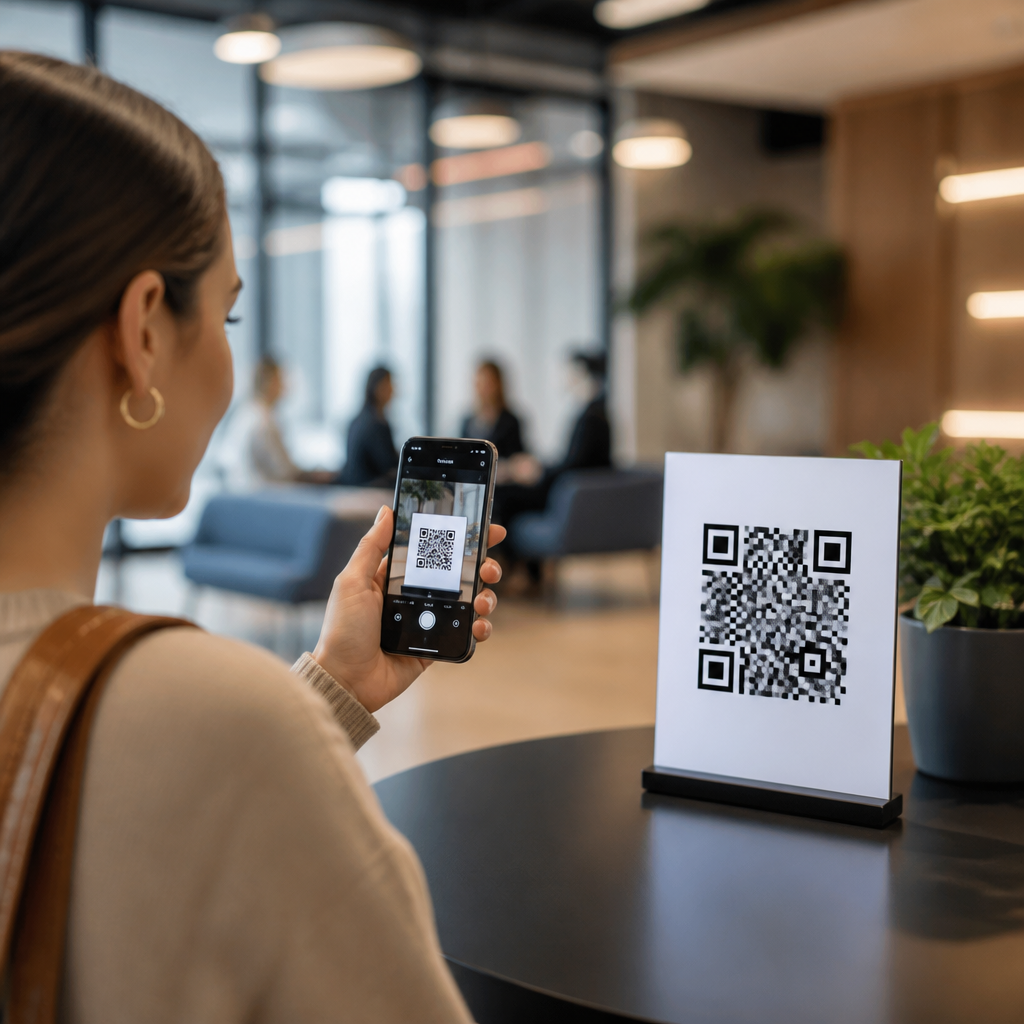
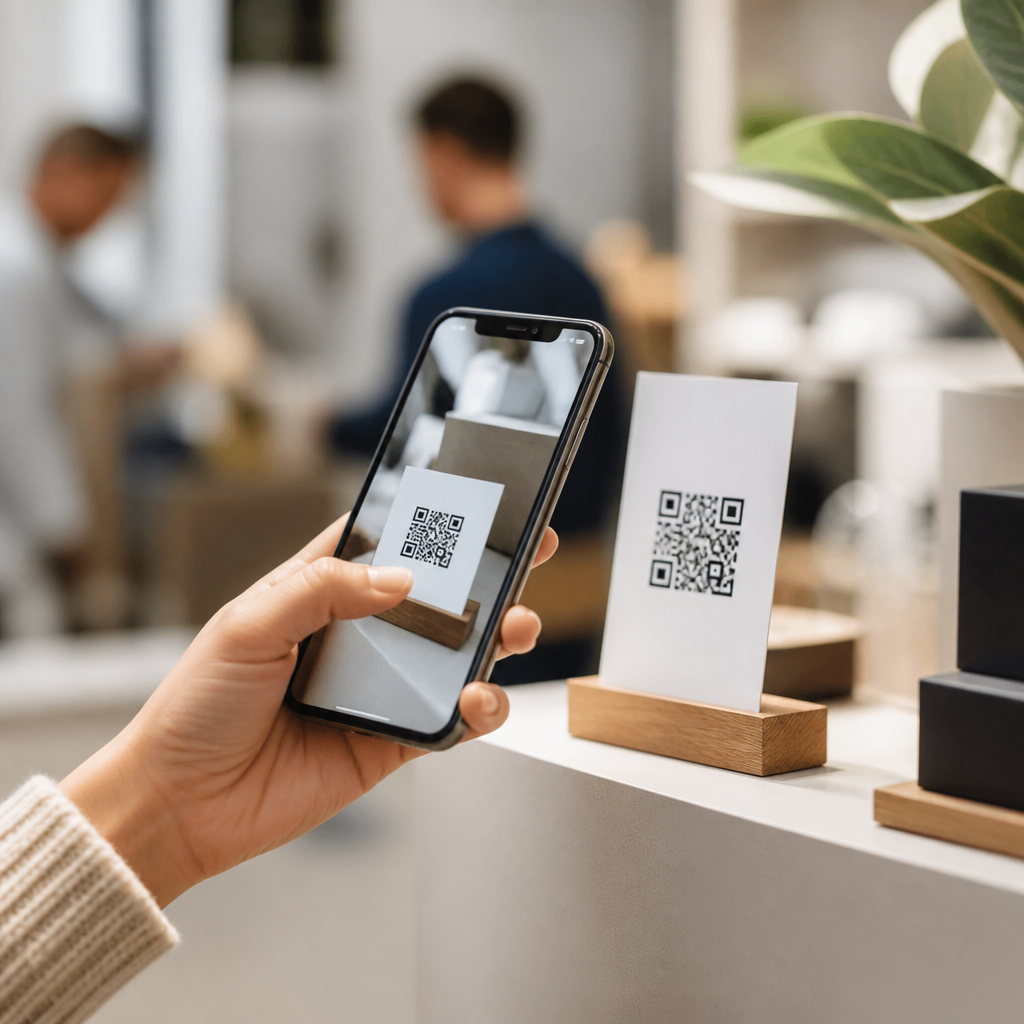
When I build campaigns around QR codes, I treat each scan as evidence of intent. A code on a poster captures curiosity. A code on a shelf talker signals comparison behavior. A code on packaging after delivery often means setup, support, or loyalty potential. That distinction is important because not every scan should lead to the same destination. Effective customer journey mapping with QR codes aligns the landing page, offer, message, and measurement plan to the stage of the journey rather than using one generic URL everywhere.
The practical value is significant. QR codes are low-cost to deploy, easy to update through dynamic routing, and compatible with analytics platforms such as Google Analytics 4, Adobe Analytics, HubSpot, and Salesforce. They can tie physical media to digital behavior in ways cookies alone cannot. Retailers use them to reduce friction on shelves. Restaurants use them to educate, upsell, and collect feedback. Consumer brands use them to deliver how-to videos, warranty registration, subscription replenishment, and membership benefits. In each case, the code is not the strategy. The mapped customer moment is the strategy, and the code is the bridge.
For a hub article, the key idea is simple: every meaningful QR campaign should answer three questions. What question does the customer have right now? What action do you want next? How will you measure whether the scan moved the relationship forward? If those answers are clear before launch, QR codes can improve discovery, support conversion, and extend lifetime value with precision.
What customer journey mapping with QR codes really means
Customer journey mapping with QR codes is the process of assigning a distinct scan experience to each stage of the buyer journey: awareness, consideration, purchase, onboarding, retention, and advocacy. The mapping starts with intent. At the awareness stage, people usually need orientation, not a hard sell. During consideration, they need proof, detail, and comparison support. At purchase, they need confidence and speed. After purchase, they need help, reassurance, and reasons to return. One code can technically serve all these audiences, but doing so usually lowers relevance and conversion.
A strong map documents touchpoint, audience mindset, trigger, destination, and KPI. For example, a QR code on an event booth banner may target visitors who want a product demo; the destination could be a short explainer video and lead form; the KPI could be qualified demo requests. A code printed on product packaging might target new buyers who need setup guidance; the destination could be a registration page followed by an onboarding sequence; the KPI could be completed activation and reduced support tickets. This structure turns QR deployment from a design add-on into an operational part of the funnel.
Dynamic QR codes are especially useful because they allow marketers to change destinations without reprinting creative. That matters when campaigns evolve, inventory shifts, or compliance requirements change. I have seen brands rescue underperforming retail displays simply by changing a QR destination from a homepage to a store-specific product comparison page. The code stayed the same, but the journey improved because the landing experience matched what shoppers needed in that aisle.
Before purchase: using QR codes to create awareness and informed consideration
Before purchase, the main job of a QR code is to reduce uncertainty and reward curiosity. People scanning at this stage often ask: What is this product, why should I care, and can I trust it? The best destinations answer those questions immediately. Short videos, use-case pages, ingredient or materials explainers, third-party certifications, customer reviews, store locators, and limited-time offers all fit well here, depending on context.
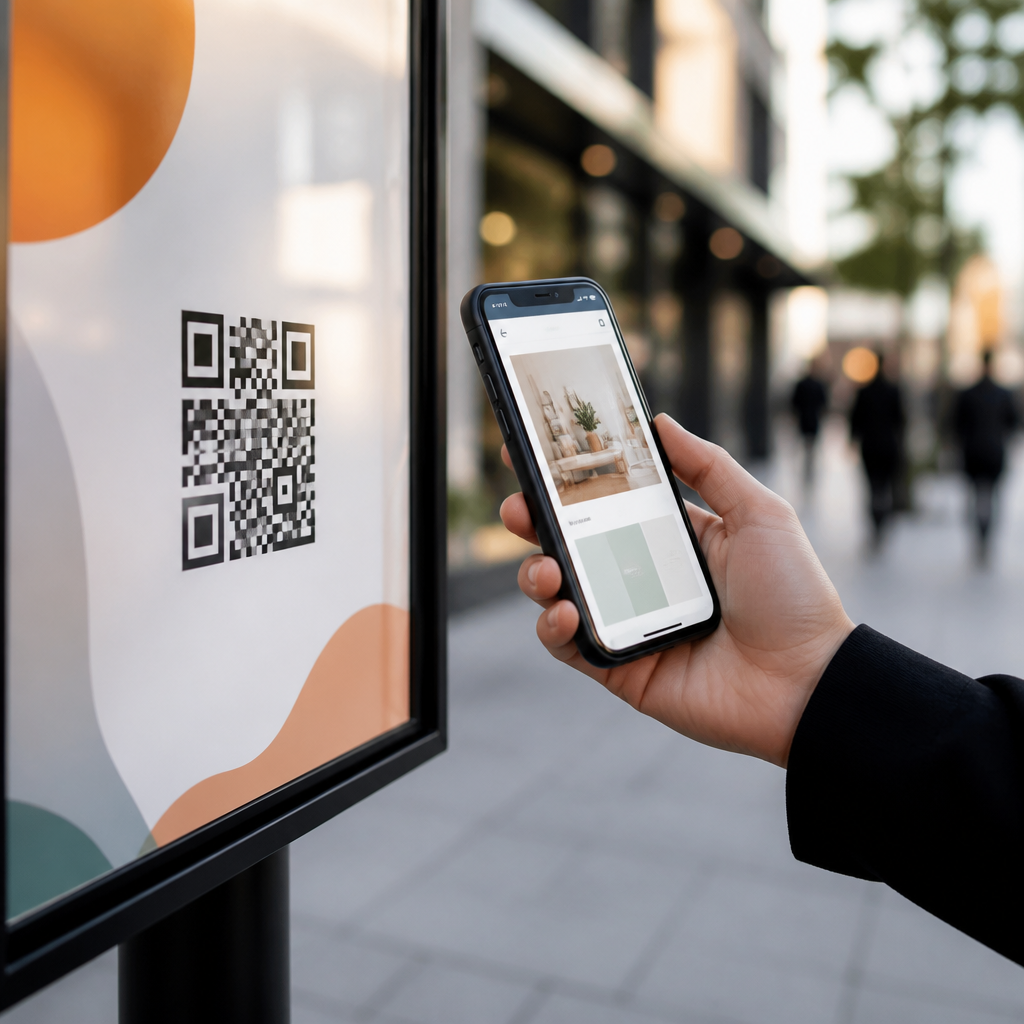
Placement determines performance. On out-of-home media such as transit ads or window posters, users need a fast mobile page with one primary action because attention is brief. On shelf displays, shoppers typically want richer comparison content: size guides, compatibility details, review snippets, or promotional bundles. For high-consideration products such as electronics, beauty devices, supplements, or home improvement items, a QR code can route to FAQ content that addresses common objections before they stall the sale.
Consider a coffee brand entering premium grocery stores. A QR code on a shelf blade can link to sourcing information, roast notes, and a thirty-second brewing tip video. That content does more than tell a story; it justifies price and differentiates the product from lower-cost alternatives nearby. A skincare brand can place a QR code on a tester display that opens a skin concern quiz and recommends products based on dryness, sensitivity, or acne risk. In both cases, the scan captures active interest at the exact moment the shopper is deciding whether to continue evaluating the brand.
Measurement before purchase should focus on quality, not just volume. Useful metrics include scan-through rate by location, engaged sessions, product page views, add-to-cart rate, store locator usage, coupon saves, and assisted conversions. If one poster placement drives many scans but low engagement, the problem may be audience mismatch or weak message continuity. If fewer scans from shelf signage generate strong product detail views and purchases, that placement is likely more valuable. Journey mapping makes those distinctions visible.
During purchase: reducing friction at the conversion moment
During purchase, QR codes should remove barriers that delay commitment. Shoppers at this stage commonly need confirmation, payment convenience, or last-mile information such as stock status, return terms, or setup effort. A QR code can send them directly to mobile checkout, a store-specific inventory page, a financing explainer, a coupon that applies automatically, or a concise product comparison chart. The principle is speed with reassurance.
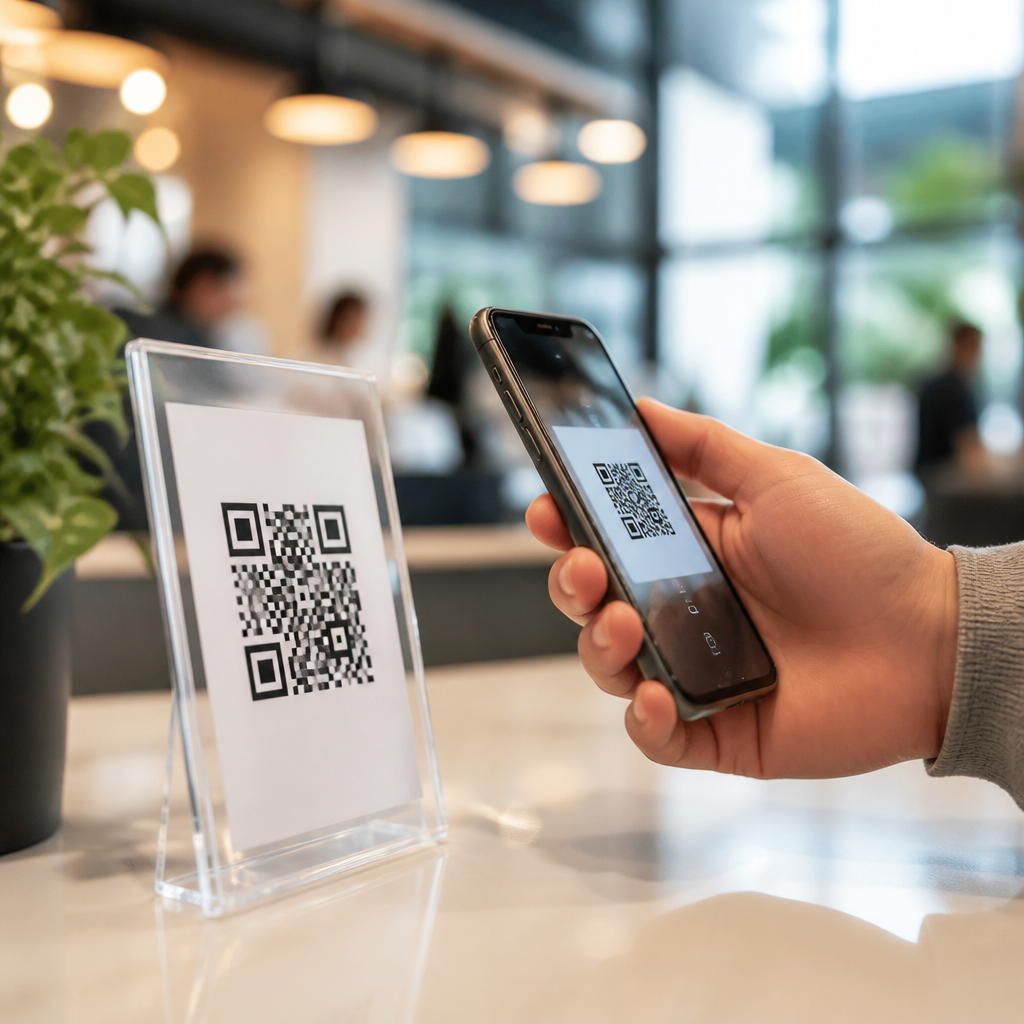
In stores, this often means augmenting sales staff rather than replacing them. A furniture retailer, for example, can add QR codes to floor tags that open dimensions, fabric options, room visualization, delivery windows, and assembly videos. If a shopper does not want to wait for assistance, the code keeps the decision moving. In restaurants, table tents and menu boards can route to ordering, allergen details, pairing suggestions, or loyalty enrollment. In direct mail, a QR code can jump straight to a prefilled cart or appointment scheduler, shortening the path from interest to transaction.
Payment-linked experiences require special care. The destination must be secure, mobile optimized, and unmistakably branded. Trust signals matter: HTTPS, recognizable domain names, transparent pricing, and clear return information reduce abandonment. If a QR code launches a checkout flow that feels inconsistent with the original ad or packaging, conversion drops. I have repeatedly seen better results when the landing page mirrors the visual and verbal cues of the scan source, including product image, offer language, and CTA.
| Journey stage | Typical scan location | Best destination | Primary KPI |
|---|---|---|---|
| Awareness | Poster, package teaser, event signage | Short explainer page or video | Engaged sessions |
| Consideration | Shelf display, product label, catalog | Reviews, comparison content, FAQ | Product detail views |
| Purchase | Price tag, direct mail, menu board | Checkout, booking, coupon, payment | Conversion rate |
| Post-purchase | Packaging insert, receipt, device sticker | Setup, registration, support portal | Activation rate |
| Loyalty | Packaging, app prompt, reorder card | Membership, referral, replenishment | Repeat purchase rate |
For attribution, use structured campaign parameters and distinct codes by channel, store, or asset version. Static one-size-fits-all codes hide useful insight. Separate codes let teams compare packaging versus shelf, urban stores versus suburban stores, or coupon-led versus education-led offers. When connected to POS or CRM systems, those distinctions support better merchandising, media buying, and lifecycle messaging.
After purchase: onboarding, service, retention, and advocacy
After purchase is where many brands underuse QR codes, even though this stage often produces the highest long-term return. Once someone has bought, the next questions shift from whether to purchase to how to use, maintain, reorder, and recommend. A QR code on packaging, inserts, receipts, product labels, or product surfaces can answer those questions at low cost and at scale.
Onboarding is the first priority. For products that require setup, assembly, activation, or care, a post-purchase QR code should lead directly to the exact support resource for that SKU. Generic help centers create unnecessary work. The ideal flow opens a model-specific setup video, digital manual, troubleshooting guide, registration form, and warranty information. Electronics brands, appliance makers, fitness equipment companies, and software hardware bundles all benefit from this. Better onboarding reduces returns because many so-called defective products are actually setup failures or expectation gaps.
Retention comes next. A QR code can prompt refill subscriptions, accessory recommendations, recipe ideas, maintenance reminders, or loyalty enrollment. Think of a water filter brand adding a code inside the box that lets buyers register the installation date and receive replacement reminders after six months. Or a cosmetics brand placing a code on packaging that links to tutorials, shade matching, and replenishment with one-tap reordering. These are not gimmicks. They extend product value and create behavior loops that raise repeat purchase rates.
Advocacy also deserves a mapped experience. Satisfied customers are more likely to review, refer, or share after they have successfully used the product. Timing matters. Asking for a review immediately after purchase is usually premature; asking after onboarding completion or first reorder is stronger. A QR code in a thank-you insert can route to a referral program, user-generated content submission page, or review request tied to verified purchase status. That creates a measurable bridge from ownership to word-of-mouth.
How to build a QR journey hub that supports every related article
As a sub-pillar hub, this topic should organize the broader subject of customer journey mapping with QR codes so readers can move from strategy to execution. The hub page needs a clear framework that segments the journey by stage and links each stage to a deeper article. Examples include QR codes for retail shelf conversion, QR codes on packaging for onboarding, QR codes in direct mail for response tracking, QR code landing page optimization, dynamic versus static QR implementation, and analytics setup for scan attribution.
Each linked topic should inherit the same planning model: audience intent, scan context, destination design, CTA, and measurement. Consistency matters because teams often create QR campaigns in silos. Brand handles packaging, trade marketing manages retail displays, CRM owns lifecycle messaging, and support runs onboarding content. A hub article aligns those groups around one operating logic so the customer experience feels coherent rather than accidental.
Technical governance is part of that coherence. Use a QR management platform that supports dynamic redirects, expiration controls, bulk generation, access permissions, and scan analytics. Popular options include Bitly, QR Code Generator PRO, Beaconstac, Flowcode, and Uniqode. Pair those tools with analytics discipline: standardized UTM naming, event tracking in GA4, CRM source mapping, and QA testing across iOS and Android camera behavior. Small implementation details, such as destination speed, contrast ratio, print size, and quiet zone spacing, materially affect results.
The most effective hub pages also answer operational questions directly. How many codes should a campaign use? Usually one per meaningful placement or audience segment. Should the same code appear online and offline? Generally no, because attribution becomes muddy. What is the minimum viable landing page? A fast page with one clear next step, relevant proof, and analytics tagging. These concise answers help readers act immediately while deeper articles provide execution detail.
Common mistakes and the standards that prevent them
The most common mistake is sending every scan to the homepage. Homepages serve broad navigation, not immediate intent. Another frequent problem is poor creative context: a code appears without a reason to scan, no value proposition, and no instruction. “Scan to learn more” is weaker than “Scan for shade matching in 30 seconds” or “Scan to see installation steps for this model.” Specificity raises scan motivation because it tells users what problem will be solved.
Other failures are technical. Low contrast, glossy packaging glare, undersized codes, slow pages, intrusive pop-ups, and app-download interstitials all reduce completion. For print, follow established QR code readability practices: preserve sufficient quiet zone, test at realistic distances, and confirm camera recognition under different lighting conditions. For mobile pages, Core Web Vitals still matter. If the destination loads slowly over cellular service in-store, the opportunity is lost before persuasion even starts.
Privacy and trust should also shape design decisions. If a scan leads to data collection, explain why and what the user receives in return. If location data or CRM enrichment is involved, disclose it appropriately and follow applicable regulations. Good QR strategy is measurable, but measurement must not feel covert. Brands that are explicit about value exchange earn more engagement over time.
The strongest QR programs treat scan moments as service moments, not just traffic moments. When each code answers a real customer question before, during, or after purchase, the journey becomes easier to navigate and easier to optimize. Audit your touchpoints, assign intent by stage, and build one purposeful scan experience at a time.
Frequently Asked Questions
1. What does it mean to use QR codes across the full customer journey?
Using QR codes across the full customer journey means treating each code as a strategic touchpoint rather than a one-time link. Instead of placing a QR code only on a product label or poster and hoping for a quick click, brands map where customers first discover a product, how they compare options, what information helps them feel confident enough to purchase, and what support or incentives keep them engaged after the sale. A QR code can serve a different purpose at each of those stages. Before purchase, it might connect someone to product education, reviews, ingredient details, styling ideas, or a brand story. During purchase, it might simplify checkout, unlock an offer, verify inventory, or provide side-by-side product comparisons. After purchase, it can guide customers to setup instructions, care tips, warranties, reorder pages, loyalty programs, or referral opportunities.
This approach matters because real buying behavior is rarely linear. A customer may first notice a package in a store, later scan a code from a social post, read reviews on a marketplace, return to the shelf, and only then make a decision. When QR codes are aligned to those moments, they help remove friction and make the experience measurable. Marketers can see which touchpoints are generating scans, what content is driving engagement, and where customers may be dropping off. In practical terms, that turns QR codes into tools for journey design, conversion support, and retention strategy rather than simple shortcuts to a homepage.
2. Where should QR codes appear before a customer makes a purchase?
Before purchase, QR codes work best anywhere curiosity is high and decision friction can be reduced. That includes product packaging, shelf talkers, in-store displays, window signage, direct mail pieces, print ads, event materials, catalogs, and out-of-home placements. It also includes digital-to-physical crossover points, such as codes shown in presentations, on trade show booths, or in influencer packaging inserts. The key is to place QR codes where people naturally pause and ask, “Should I learn more about this?” A code should not interrupt the experience; it should answer the next obvious question.
The destination matters just as much as the placement. A pre-purchase QR code should connect to content that supports evaluation, not generic brand messaging. Strong examples include product demos, comparison charts, FAQs, social proof, sizing guides, ingredient sourcing information, testimonials, case studies, how-it-works pages, or localized store availability. If the audience is likely to be mobile and scanning in a retail environment, the landing experience should be fast, easy to navigate, and immediately relevant to the exact product or campaign they are viewing. Brands that perform well at this stage are usually the ones that match the promise near the code with the page behind it. If a sign says “See how it works,” the scan should open a concise demonstration, not a broad homepage that forces the user to search.
3. How can QR codes help during the actual purchase decision?
During the purchase stage, QR codes are most effective when they remove hesitation and make the transaction easier. At this point, customers are no longer just curious; they are deciding whether to buy now, buy later, buy from you, or choose a competitor. A QR code can provide the final confidence needed to move forward by connecting shoppers to real-time pricing details, feature comparisons, customer ratings, usage examples, financing options, or limited-time offers. In physical retail, it can bridge the information gap that often exists when packaging space is limited or staff assistance is unavailable. In hospitality, events, and service environments, it can reduce wait times by connecting users directly to ordering, booking, or payment flows.
QR codes can also support operational convenience during purchase. For example, they may enable instant mobile checkout, link to a retailer-specific product page, apply a coupon automatically, open a cart with a preselected item, or connect to support if a customer needs clarification before buying. The best purchase-stage QR experiences are friction-aware. They anticipate the barriers that cause delay, such as uncertainty about fit, quality, use case, stock status, or total cost. They then resolve those barriers in as few steps as possible. In that sense, QR codes are not just promotional tools; they are decision accelerators that can improve conversion rates when thoughtfully placed and tied to content designed for action.
4. What role do QR codes play after the purchase is complete?
After purchase, QR codes become especially valuable because they extend the customer relationship beyond the transaction. This is where many brands underuse them. A post-purchase QR code can help customers get more value from what they bought by connecting them to onboarding guides, assembly instructions, product registration, warranty activation, troubleshooting help, maintenance advice, refill or reorder options, and customer support. It can also support brand-building goals by inviting users into a loyalty program, encouraging referrals, collecting reviews, or offering personalized recommendations based on their purchase.
These post-purchase experiences matter because satisfaction, retention, and lifetime value often depend on what happens after checkout. If a customer feels supported and quickly understands how to use a product, they are more likely to stay engaged and buy again. QR codes placed on inserts, packaging, receipts, manuals, or product surfaces create a low-friction path to that support. They also provide measurable signals marketers can use to understand which customers are actively engaging after purchase. For example, scans to setup tutorials may indicate high intent to use, while scans to reorder pages may reveal the ideal timing for replenishment campaigns. In short, post-purchase QR codes help transform a sale into an ongoing relationship by making the next step clear, useful, and easy to access.
5. How can marketers measure whether QR codes are improving the customer journey?
Marketers can measure QR code impact by looking beyond total scan volume and evaluating performance in the context of journey stage, placement, audience, and outcome. Scan count is a starting point, but it does not explain whether the experience actually moved someone closer to purchase or retention. More useful metrics include unique scans, repeat scans, scan location, time-of-day patterns, device type, landing page engagement, click-through behavior, conversion rate, assisted conversions, coupon redemptions, registrations, reorders, and support deflection. When QR codes are tied to stage-specific goals, measurement becomes far more meaningful. A pre-purchase code might be judged by product page engagement or store visit lift, while a post-purchase code might be judged by reduced support tickets, increased warranty registrations, or improved repeat purchase rates.
To get actionable insight, marketers should assign clear intent to each QR code and use distinct destinations, campaign parameters, or dynamic QR code management tools to separate performance by channel and moment. A code on packaging should not be measured the same way as a code on a shelf display or in a loyalty insert. Testing is also important. Brands can experiment with different calls to action, placements, landing page formats, and offers to see what drives stronger outcomes. Over time, this data helps refine customer journey mapping by revealing where people need education, reassurance, convenience, or follow-up. That is the real power of QR strategy: not just generating scans, but learning how customers move through awareness, consideration, purchase, and loyalty so each touchpoint can become more relevant and effective.