Top-of-funnel strategies using QR codes work best when they treat the scan as the start of a relationship, not the end of a campaign. In marketing funnels, the top of the funnel is the awareness and discovery stage, where people first encounter a brand, offer, or problem worth solving. A QR code is a scannable bridge between an offline or visual touchpoint and a digital experience. When marketers integrate QR codes into marketing funnels correctly, they reduce friction, capture intent in the moment, and move prospects from curiosity to measurable engagement. I have used QR campaigns across retail, events, packaging, direct mail, and out-of-home media, and the difference between a code that gets ignored and one that drives qualified traffic usually comes down to context, landing-page match, and tracking discipline. This matters because attention is fragmented, media is expensive, and attribution across physical channels is difficult without a reliable handoff. QR codes solve part of that problem by connecting print, product, signage, and in-person interactions to digital content that can be measured, tested, and optimized. For brands building a broader QR code marketing strategy, top-of-funnel deployment is the foundation. It introduces the audience, identifies high-intent segments, and feeds mid-funnel nurture programs with better first-party signals.
To use QR codes effectively at the awareness stage, marketers need a clear definition of the funnel mechanics. The scan is not the goal; the next action is. That action might be watching a product demo, reading a buyer guide, joining a giveaway, claiming a sample, using a store locator, or subscribing for updates. Strong top-of-funnel QR campaigns answer immediate questions: Why should I scan, what will I get, how long will it take, and is it worth sharing my attention? They also align the creative placement with user intent. Someone scanning from shelf packaging wants instant relevance. Someone scanning from a conference banner may accept a longer form if the perceived value is high. The hub topic of integrating QR codes into marketing funnels includes placement strategy, messaging, landing-page design, analytics, compliance, and the transition from awareness to consideration. Get those pieces right and QR codes become one of the most practical tools for turning passive impressions into active, attributable traffic.
How QR codes fit into the top of the marketing funnel
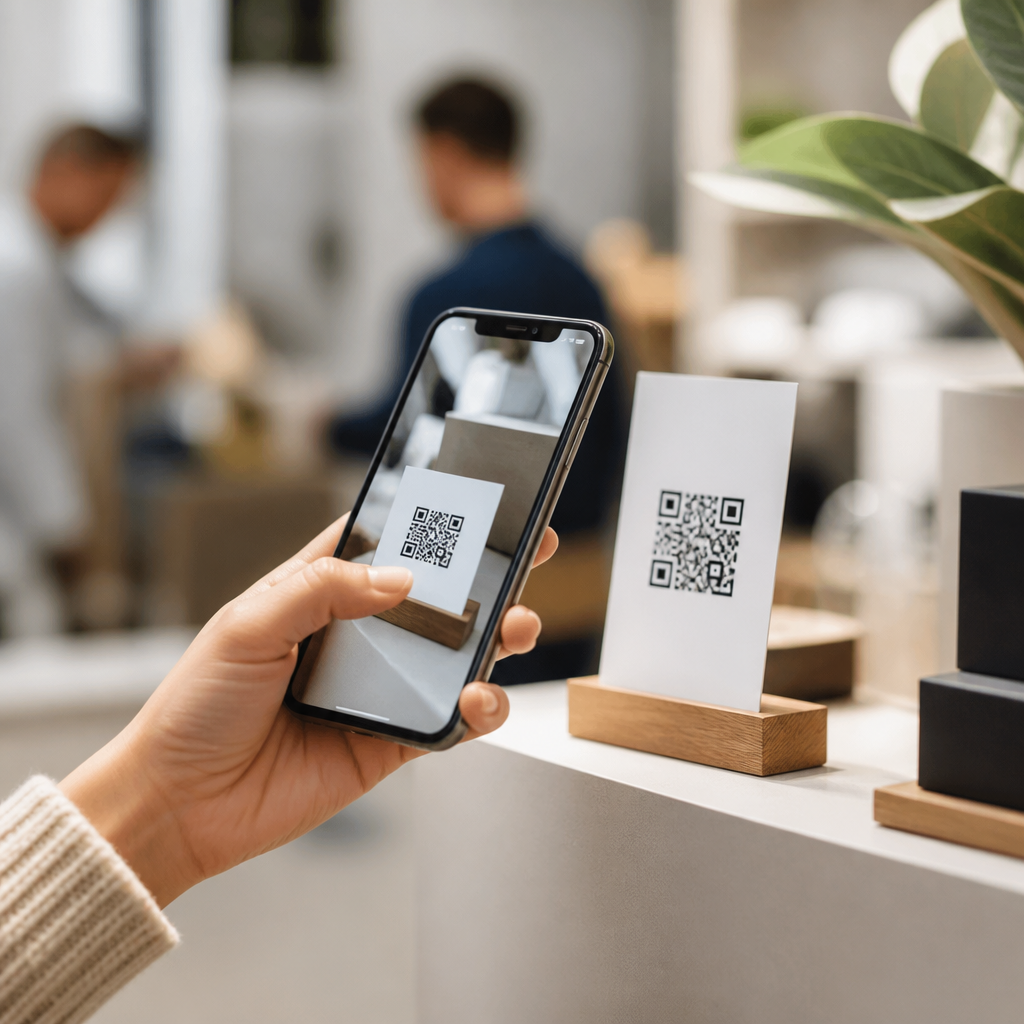
At the top of the funnel, the job is to create awareness, educate lightly, and encourage a low-commitment next step. QR codes are effective here because they compress the path from noticing to acting. Instead of asking people to remember a URL, search later, or type a promo page by hand, the code resolves intent immediately. In retail, I have seen shelf talkers with QR codes outperform static callouts because they let shoppers compare features in seconds while standing in front of the product. In events, a code on booth signage can route visitors to a short explainer video and collect lead source data without forcing a sales conversation too early. In direct mail, QR codes often lift response because they remove the friction that usually kills interest after initial curiosity.
The practical role of top-of-funnel QR codes is to convert ambient attention into a measurable session. That means the destination should be designed for first contact. Homepages are usually weak destinations because they ask new visitors to navigate too much. A better pattern is a tightly matched page with one promise, one primary action, and proof that supports the promise. For example, a fitness brand placing codes in studio partner locations might send scanners to a page titled “Find the right recovery routine in 60 seconds,” not the general site. A B2B software company at a trade show might use “See the three workflow bottlenecks we fix for operations teams” instead of a broad product overview. Top-of-funnel QR code strategy is really about reducing cognitive load while preserving enough context to qualify the visitor.
Best placements and use cases for awareness-stage QR campaigns
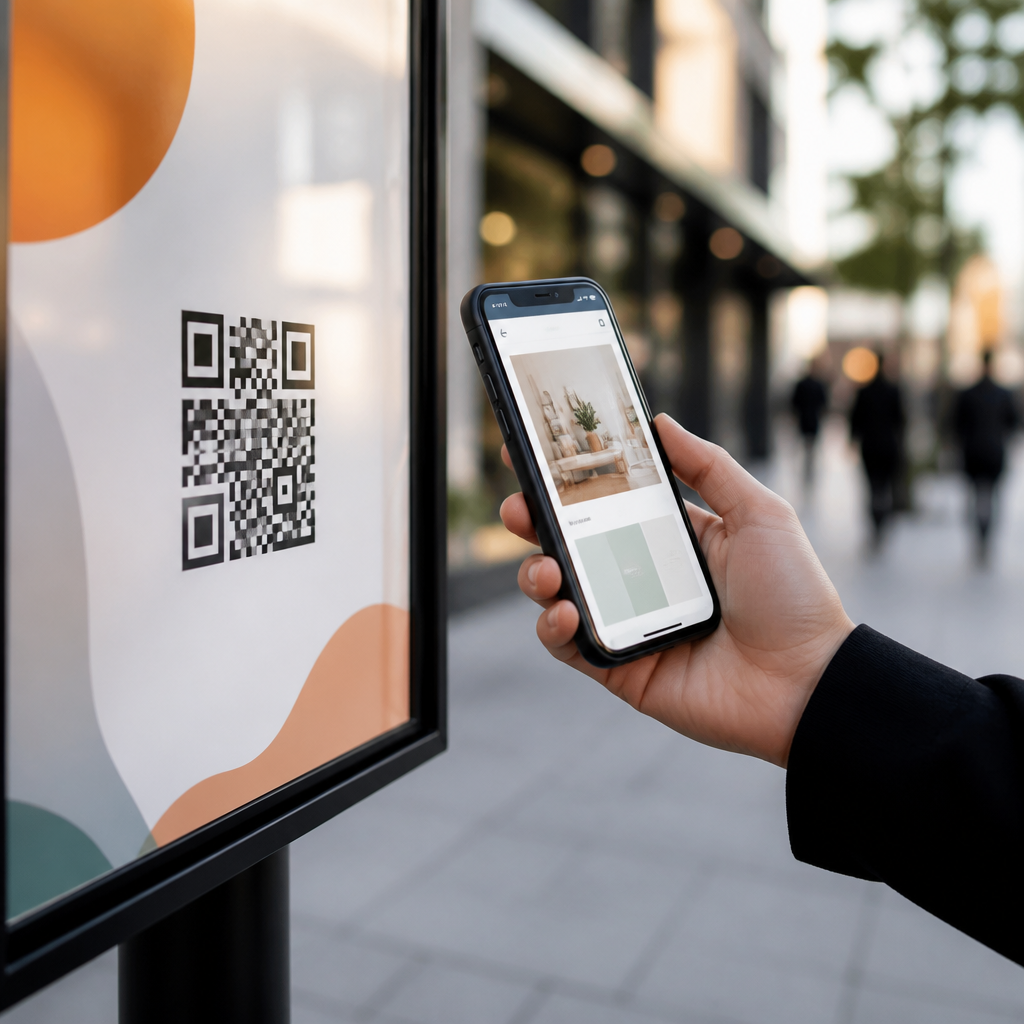
Placement determines scan motivation more than design trends do. The same code can fail on one surface and perform strongly on another because the surrounding moment changes user intent. High-performing top-of-funnel placements usually share three traits: the audience has idle attention, the next step can happen on mobile, and the value exchange is obvious. Packaging works because buyers already have the product in hand and often want setup tips, recipes, tutorials, or brand story content. Out-of-home placements, including transit posters and in-store displays, work when the headline promises a useful payoff such as “See prices,” “Watch how it works,” or “Get nearby availability.” Event badges, menus, countertop displays, receipts, and product inserts are also effective because they catch people during decision windows.
Different industries use top-of-funnel QR codes in different ways. Restaurants often use them for first-touch loyalty signups, seasonal menu stories, or limited-time offers tied to window signage. Consumer packaged goods brands place them on boxes and labels to introduce sourcing information, how-to content, or sweepstakes entries. Real estate agents use QR codes on yard signs to route prospects to listing galleries and neighborhood guides. Universities use them on campus posters to promote open days, virtual tours, and department-specific information. Healthcare providers use waiting room signage to drive visitors to educational resources, pre-visit instructions, or service-line explainers. In each case, the top-of-funnel win is not simply traffic volume. It is attracting the right audience into the next stage with enough context attached to tailor follow-up communications.
| Placement | Typical audience intent | Best destination | Primary metric |
|---|---|---|---|
| Product packaging | Learn, verify, or get usage help | Tutorial, story, or registration page | Scan-to-engagement rate |
| Retail signage | Compare options quickly | Product explainer or offer page | Qualified sessions |
| Direct mail | Respond to a relevant prompt | Personalized landing page | Response rate |
| Events and trade shows | Evaluate credibility and fit | Demo video, guide, or lead capture page | Lead source conversion |
| Out-of-home media | Act on immediate curiosity | Short-form mobile page | Cost per engaged visit |
Creating the right scan experience and landing-page journey
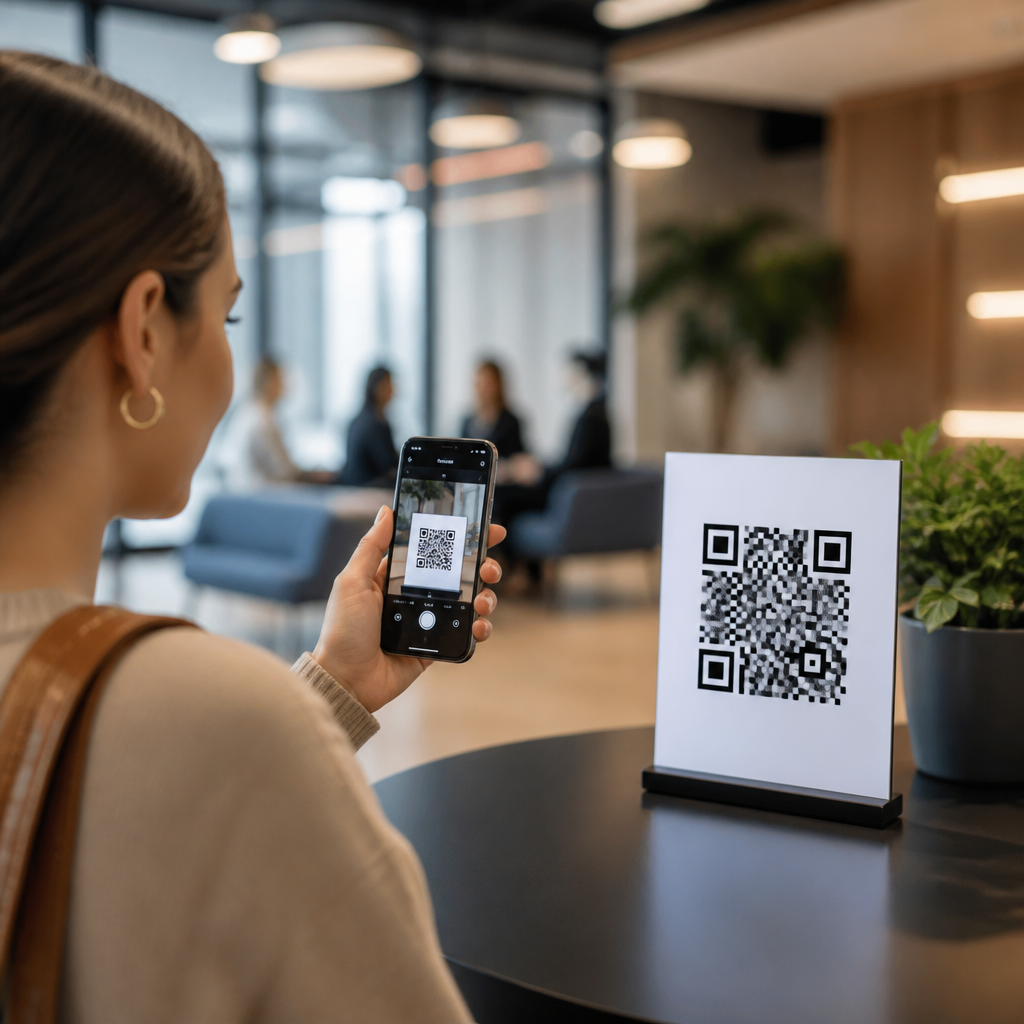
The scan experience starts before the camera opens. The surrounding creative must tell people exactly why scanning is worthwhile. “Scan to learn more” is too weak for most awareness campaigns because it hides the benefit. Specific calls to action perform better: “Scan for a 30-second demo,” “Scan to find your shade,” or “Scan to get the checklist.” The design also matters. Codes need contrast, adequate quiet space, and enough size for the scanning distance. A common field rule is to increase code size as viewing distance increases, and always test across iPhone and Android camera apps before launch. Dynamic QR codes are preferable because they allow destination changes, campaign pausing, and centralized analytics without reprinting the asset.
Once scanned, the landing page must honor the promise instantly. Fast load speed is mandatory, especially on mobile networks. The first screen should confirm the visitor is in the right place, repeat the offer clearly, and present one primary action. I usually structure these pages with a concise headline, a short proof block, one visual, and a friction-light action such as “Watch,” “Start,” “Download,” or “Find.” Forms should be proportional to intent. If the audience scanned from a cereal box, asking for a full registration is usually too much. If they scanned from a conference session handout for a benchmark report, an email gate may be reasonable. Good top-of-funnel landing pages also include analytics events for scroll depth, button clicks, video starts, and form interactions so teams can distinguish accidental scans from meaningful engagement.
Measurement, attribution, and funnel integration
QR code campaigns are only as useful as their measurement framework. At minimum, every campaign should use unique destinations or disciplined UTM parameters tied to source, medium, campaign, placement, and creative variation. In analytics platforms such as Google Analytics 4, Adobe Analytics, HubSpot, or Salesforce-connected dashboards, that structure lets teams compare scans from shelf signage versus packaging, or postcards versus event banners. Dynamic QR providers often add scan metadata such as timestamp, device type, and coarse location, which helps identify when and where awareness is forming. However, scan count alone is a vanity metric. The metrics that matter at the top of the funnel are engaged sessions, bounce rate after scan, content completion, store locator use, email capture rate, assisted conversions, and downstream pipeline influence.
Integration with the rest of the funnel is where QR strategy becomes powerful. A top-of-funnel QR visitor should flow into audience segmentation and nurture logic based on the asset scanned and the action taken. Someone who scans a packaging code and watches a recipe video may enter a consumer content sequence, while someone who scans a trade show banner and downloads a buyer guide may route to marketing automation with a sales-development threshold. CRM and automation platforms like HubSpot, Marketo, Klaviyo, and Salesforce can tag these behaviors and trigger relevant follow-up. The key is to preserve context. If the initial touchpoint was “sustainably sourced ingredients,” the next email should deepen that story, not jump straight to a generic discount. QR codes do not replace funnel architecture; they strengthen the handoff between physical discovery and digital nurture.
Common mistakes, compliance concerns, and optimization tactics
Most top-of-funnel QR failures are operational, not technological. Brands place codes without a compelling reason to scan, send traffic to generic pages, ignore mobile performance, or forget to test the print environment. I have also seen expensive out-of-home placements fail because the code was impossible to scan from a realistic distance or appeared where connectivity was poor. Another frequent mistake is overgating content. Awareness-stage users need low friction. If the value proposition is modest, asking for too much information depresses both scans and trust. Security and privacy also matter. Users have become more cautious about unknown links, so reputable branding, HTTPS destinations, and clear domain visibility increase confidence. For regulated sectors, teams should coordinate legal review, consent language, and data handling rules before launch.
Optimization should be continuous and evidence-based. Test headline language around the code, not just the code color or frame. Compare benefit-led calls to action against curiosity-led ones. Test destination formats such as short video versus interactive quiz versus simple article. Use holdout comparisons where possible, especially in retail or direct mail, to estimate incremental lift beyond baseline traffic. Review scan-to-session quality by placement and creative, then reallocate budget toward sources that produce stronger assisted conversion or lower cost per engaged visit. Also monitor operational details such as redirect latency, broken links, and campaign expiry dates. The strongest hub approach to integrating QR codes into marketing funnels treats awareness campaigns as connected infrastructure: placement strategy, message match, mobile UX, analytics, and nurture all working together. When those pieces align, QR codes become a dependable engine for qualified top-of-funnel growth.
Top-of-funnel strategies using QR codes succeed because they connect real-world attention to digital intent with very little friction. The most effective campaigns start with the user’s immediate question, place the code in a moment where scanning is natural, and deliver a destination built for first contact rather than broad site exploration. Packaging, signage, direct mail, events, and out-of-home media can all generate valuable awareness when the offer is specific and the landing experience is mobile-first. Measurement is equally important. Unique tracking structures, engagement events, and CRM integration turn scans into actionable funnel data instead of isolated traffic spikes. That is why QR codes deserve a central role in integrating marketing funnels, especially for brands that need stronger attribution from physical channels.
The practical takeaway is simple: treat each QR code as a context-rich entry point into your funnel. Define the audience, promise one clear benefit, reduce friction after the scan, and connect every interaction to segmentation and follow-up. Avoid generic calls to action, generic landing pages, and generic reporting. Use dynamic codes, test real environments, and optimize based on engaged behavior rather than raw scan volume. If you are building a broader QR code marketing strategy, start with one high-intent top-of-funnel use case, instrument it carefully, and expand from what the data proves. Done well, QR codes do more than generate curiosity. They create measurable awareness that feeds better nurture, stronger attribution, and more efficient growth. Audit your current physical touchpoints and identify where one well-placed QR code could open the funnel today.
Frequently Asked Questions
What does top-of-funnel marketing mean, and where do QR codes fit into it?
Top-of-funnel marketing is the awareness and discovery stage of the customer journey. It is where people first learn that a brand, product, service, or problem exists. At this point, most audiences are not ready to buy. They are exploring, comparing, noticing patterns, and deciding whether something is relevant enough to deserve more attention. That is exactly why QR codes can be so effective here. They create a fast, low-friction path from a physical or visual touchpoint into a digital experience that continues the conversation.
In practical terms, a QR code can appear on packaging, event signage, direct mail, posters, in-store displays, product samples, print ads, presentation slides, or even out-of-home placements. Instead of asking someone to remember a URL or search later, the code lets them act in the moment curiosity appears. That moment matters. A scan signals interest, and top-of-funnel strategies work best when they respond to that interest immediately with something helpful, relevant, and easy to consume.
The most important mindset shift is this: the scan is not the end goal. It is the start of a relationship. A top-of-funnel QR code should not simply dump people onto a generic homepage. It should guide them to a landing page, short explainer, quiz, guide, video, offer, or educational resource that matches the context in which they scanned. When marketers treat QR codes as part of a broader funnel strategy, they can turn passive awareness into measurable engagement and begin qualifying interest without creating unnecessary friction.
What makes a QR code campaign effective at the awareness stage?
An effective awareness-stage QR code campaign is built around relevance, clarity, and ease. Relevance means the destination aligns with the audience’s mindset and the environment where they encountered the code. Someone scanning a code on a trade show banner has different expectations than someone scanning a code on a retail shelf tag or restaurant table tent. The offer should feel like a natural next step, not a disconnected marketing asset.
Clarity is equally important. People need a compelling reason to scan. A QR code by itself is not a strategy. The surrounding message should explain what the user will get, such as “Watch a 30-second demo,” “Get the beginner’s guide,” “See how it works,” or “Unlock local event details.” Clear calls to action outperform vague instructions because they reduce uncertainty and set expectations before the scan happens.
Ease is what turns curiosity into action. The landing experience should be mobile-first, fast-loading, visually clean, and focused on one simple objective. At the top of the funnel, asking for too much too soon often hurts performance. Instead of pushing for an immediate sale, effective campaigns offer lightweight engagement: useful information, an interactive tool, a coupon, a video, a comparison chart, or an email opt-in with clear value attached. The best QR code campaigns also use trackable links, campaign segmentation, and analytics so marketers can measure scan rates, identify high-performing placements, and refine future campaigns based on real behavior rather than assumptions.
Where should brands place QR codes to attract top-of-funnel audiences?
The best placement depends on where attention naturally occurs and where the audience is most likely to experience curiosity. Top-of-funnel QR codes perform well anywhere people are noticing, waiting, browsing, or evaluating. Common placements include storefront windows, product packaging, flyers, event booths, conference badges, brochures, transit ads, magazine ads, posters, tabletop displays, billboards, and point-of-sale signage. These touchpoints work because they connect offline visibility with immediate digital follow-up.
Placement should also reflect audience intent. For example, a QR code on educational print material may work well when it leads to a guide or explainer video. A code on event signage may be better suited to a resource hub, speaker highlights, or a special giveaway. A code on retail packaging may drive users to tutorials, ingredient sourcing, testimonials, or brand story content. The key is to match placement context with a next step that feels useful rather than promotional for its own sake.
Visibility and usability matter as much as location. Codes should be large enough to scan easily, placed at a sensible height and angle, and supported by enough contrast to be recognized quickly. Avoid placing them where users have poor connectivity, limited time, or physical barriers to scanning. It is also smart to test placement in real-world conditions, including lighting, distance, and phone camera behavior. A strategically placed QR code can generate attention, but a well-placed and well-supported code is what turns exposure into engagement.
What should happen after someone scans a top-of-funnel QR code?
After the scan, the user should arrive at an experience that feels immediate, relevant, and intentionally designed for discovery. This is where many campaigns lose momentum. If someone scans and lands on a homepage with too many choices, the original curiosity often disappears. A better approach is to send them to a dedicated landing page that continues the message from the physical touchpoint and offers one clear next step.
The destination should focus on education and engagement before conversion. Depending on the campaign, that could mean a short video, a practical checklist, a beginner’s guide, a product explainer, an interactive quiz, a downloadable resource, or a story-driven brand introduction. Top-of-funnel audiences are often asking basic but important questions: What is this? Why does it matter? Is it relevant to me? Good post-scan experiences answer those questions quickly and without making users work too hard.
From there, marketers can introduce soft conversion opportunities that move the user deeper into the funnel. This might include an email signup for more resources, a retargeting pixel for future campaigns, a prompt to follow on social media, a limited-time incentive, or a link to compare options. The goal is to convert curiosity into permission-based ongoing engagement. When the post-scan journey is thoughtfully designed, QR codes do more than generate traffic. They create a measurable first touchpoint that feeds awareness, segmentation, and future nurturing efforts.
How can marketers measure the success of top-of-funnel QR code strategies?
Success starts with defining the right metrics for the awareness stage. Top-of-funnel QR code campaigns are not always meant to drive instant purchases, so judging them only by direct sales can be misleading. Instead, marketers should look at indicators such as scan volume, unique scans, scan-through rate by placement, landing page engagement, bounce rate, time on page, content consumption, email opt-ins, quiz completions, social follows, and assisted conversions later in the funnel.
Dynamic QR codes are especially valuable because they allow marketers to update destinations and track performance without reprinting assets. With proper UTM parameters, analytics integrations, and landing page segmentation, teams can compare how different placements, messages, offers, and audience segments perform. For example, a code on direct mail may drive fewer scans but more email signups, while an event booth code may generate more scans but lower time-on-page. Those insights help marketers optimize both creative and channel strategy.
It is also important to look beyond surface-level activity and evaluate quality of engagement. Did users consume the intended content? Did they return later? Did they move into retargeting audiences or nurture sequences? Did certain offline placements introduce higher-value prospects? The strongest measurement frameworks connect scan behavior to downstream funnel activity over time. When marketers view QR codes as part of a larger attribution and audience-building system, they can prove that top-of-funnel campaigns are not just generating attention, but creating qualified momentum that supports future conversions.