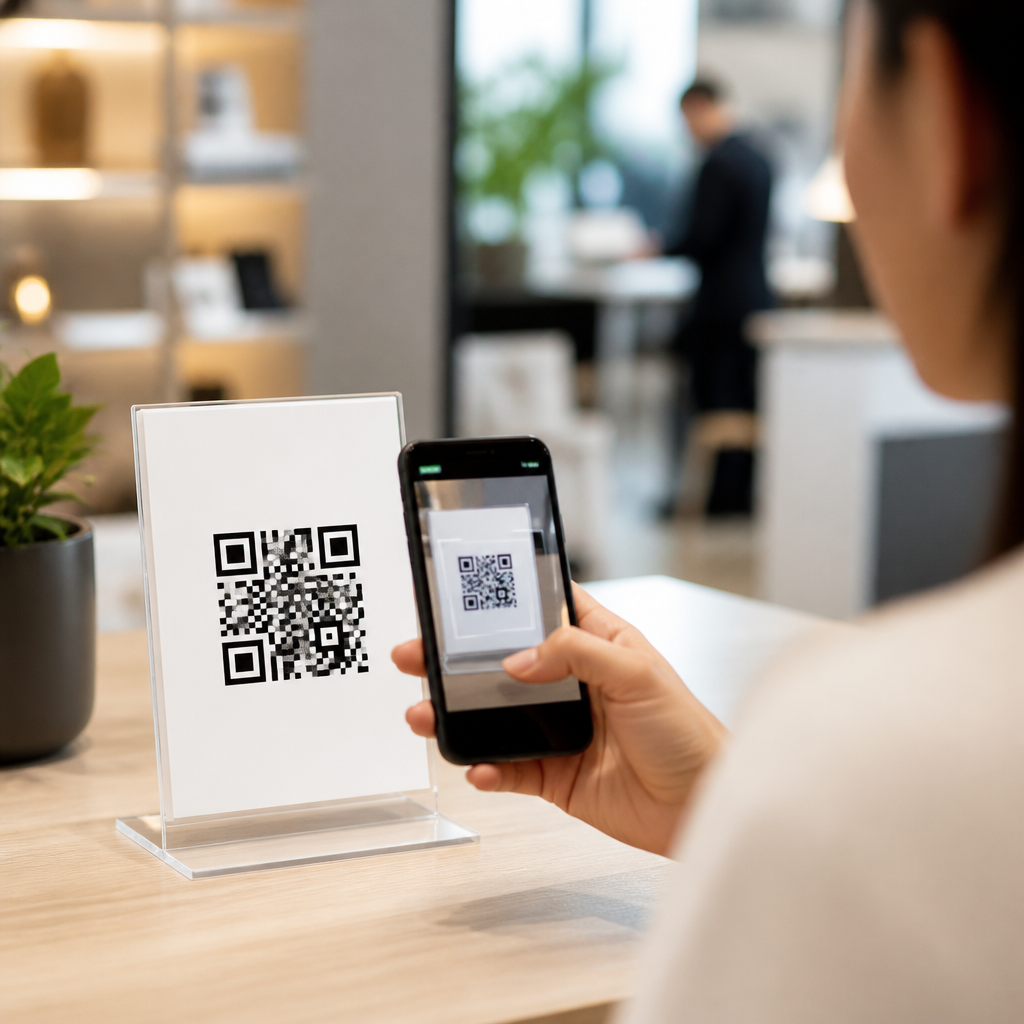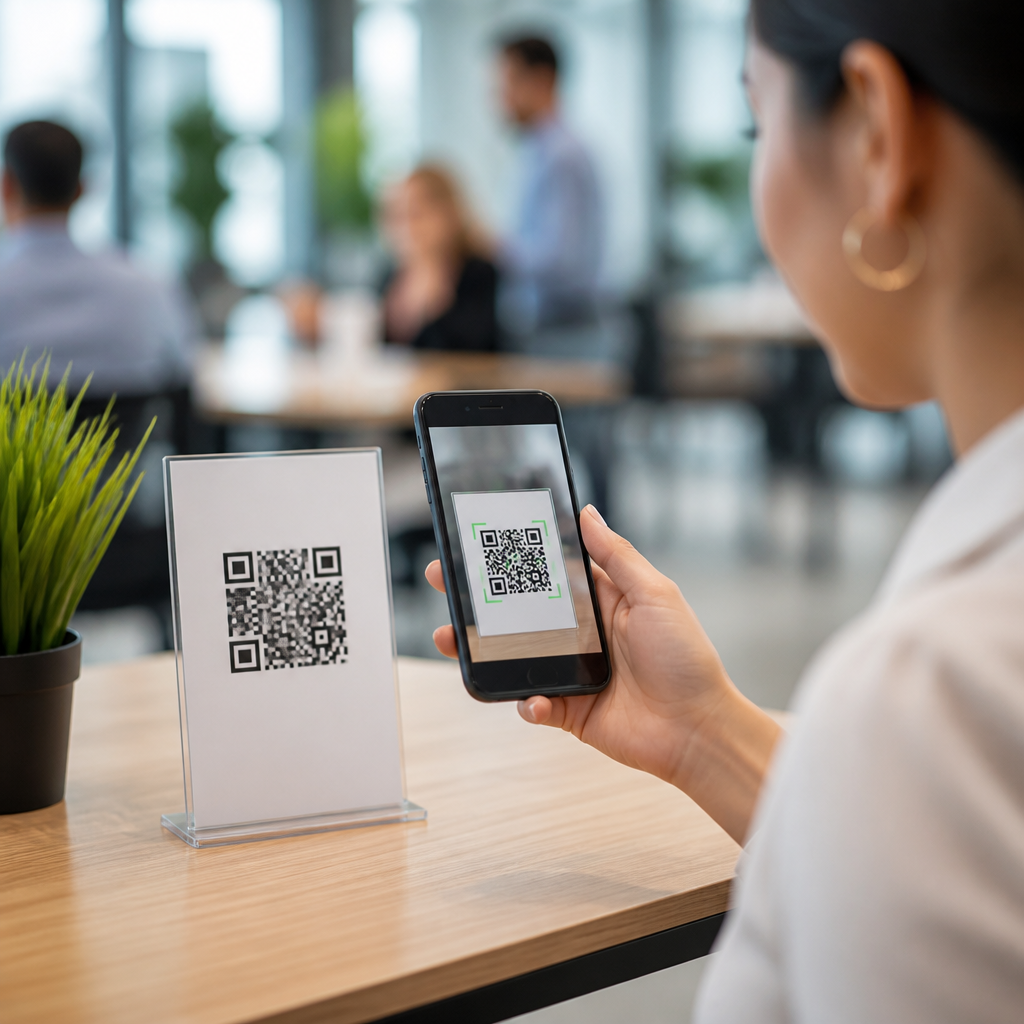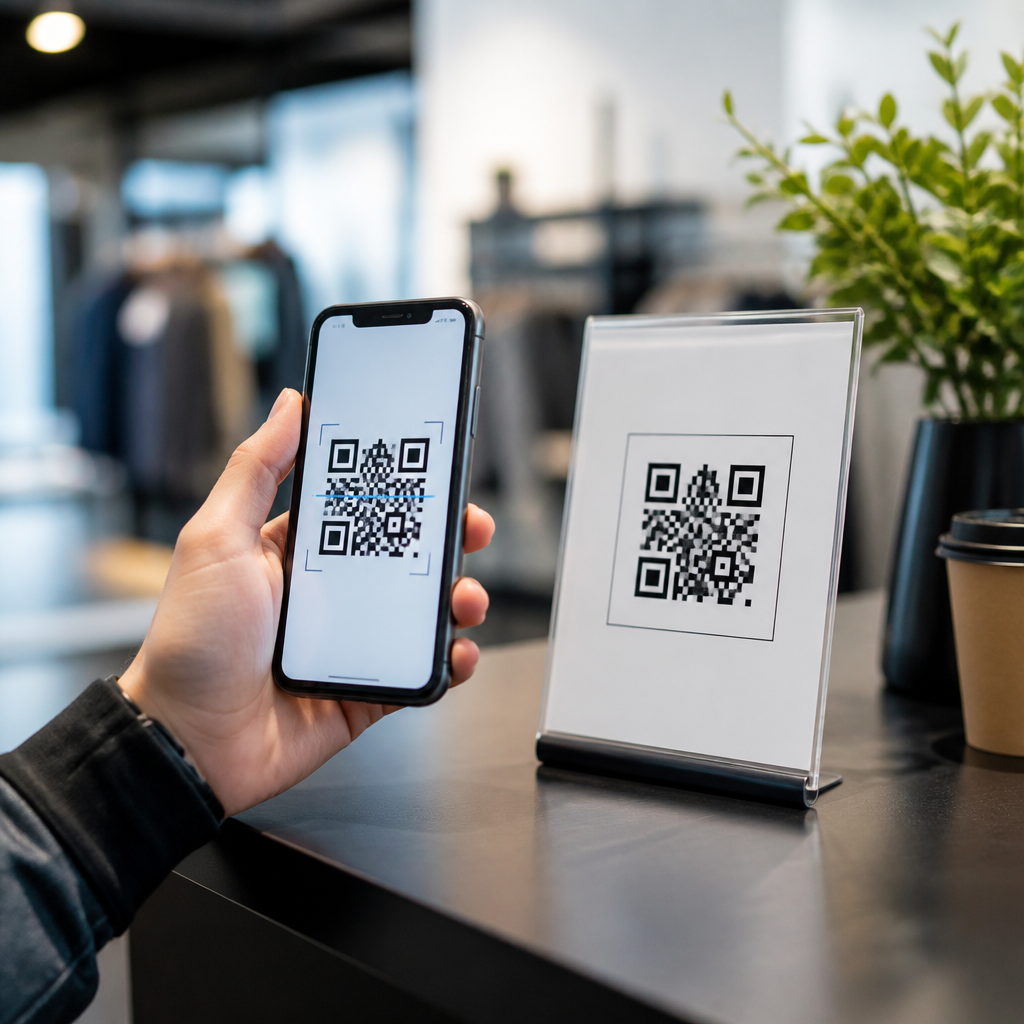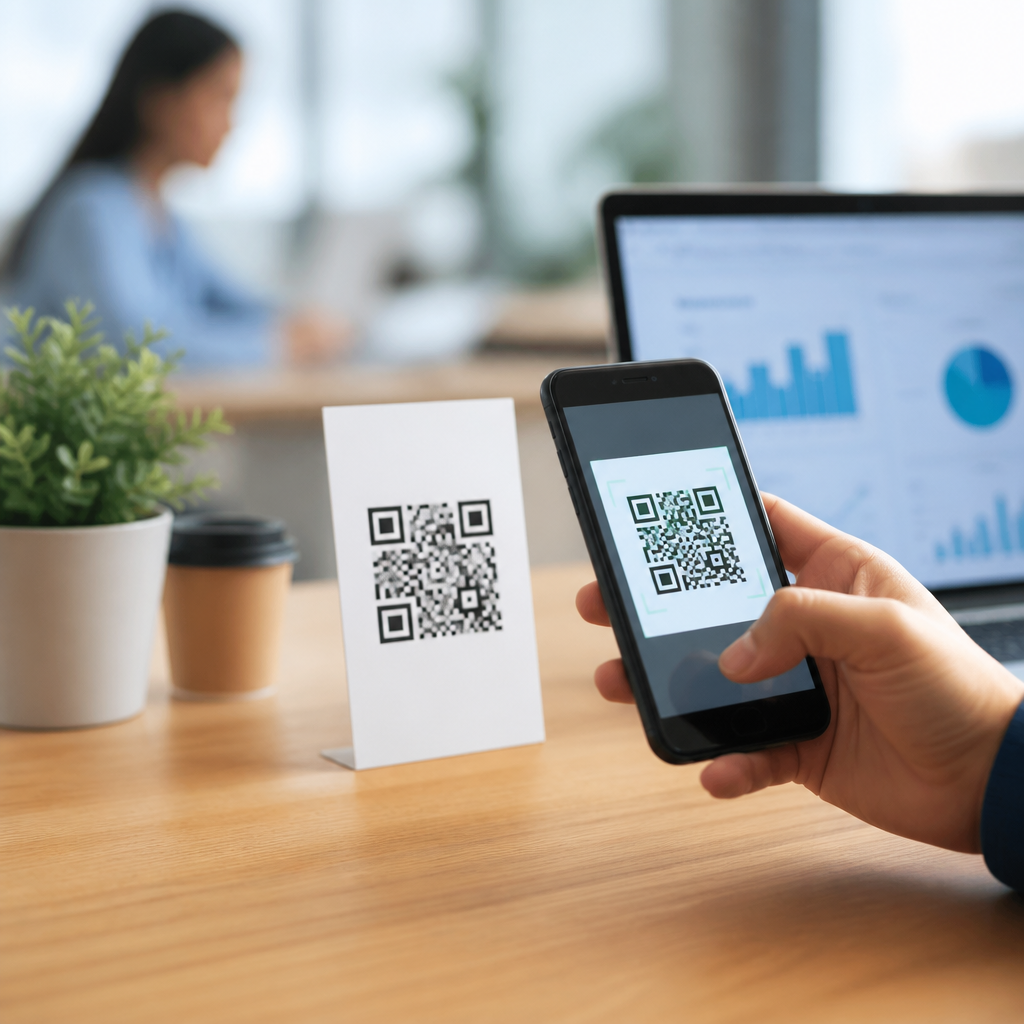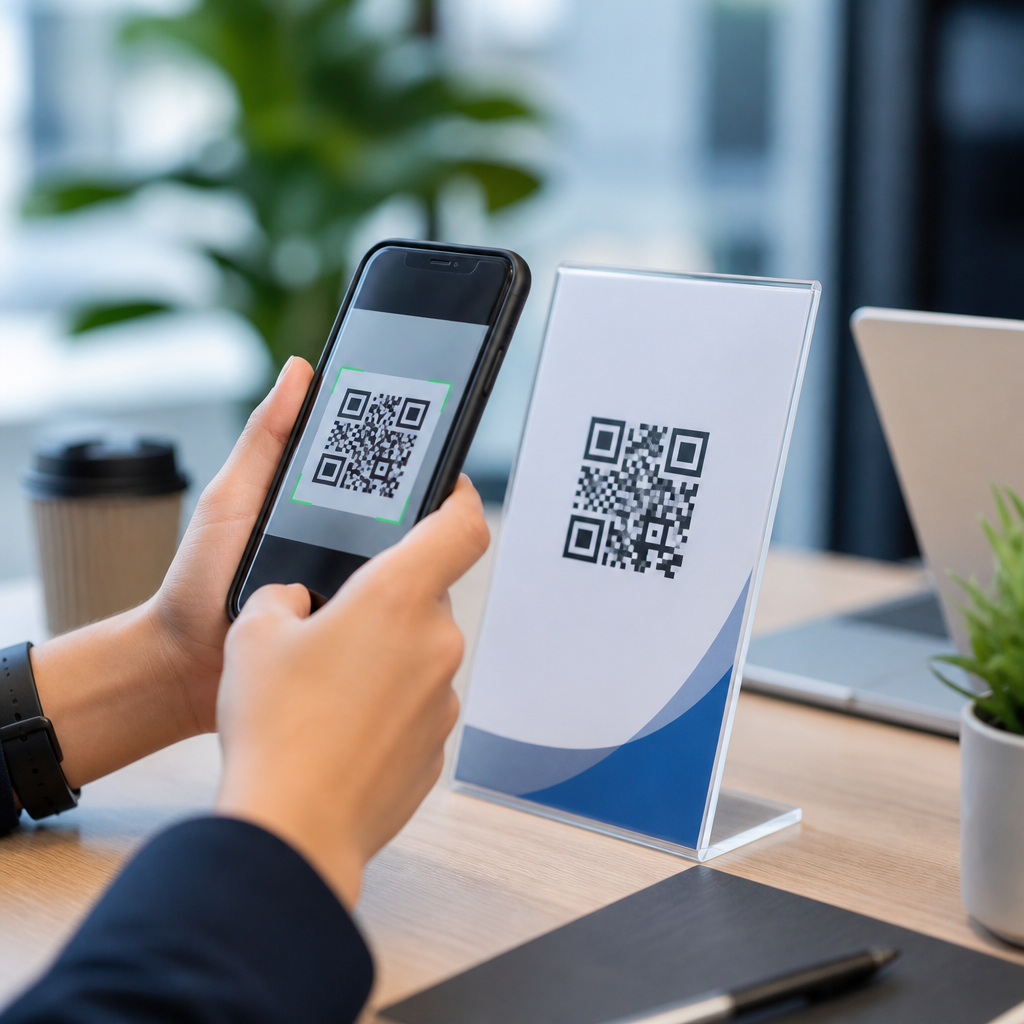
QR code marketing turns a printed square of machine-readable pixels into a measurable bridge between offline attention and online action. In practical terms, a quick response code stores a destination such as a website, app link, payment page, coupon, contact card, video, or feedback form, and a smartphone camera opens that destination in seconds. Because the scan removes typing friction, QR codes are now common in packaging, menus, direct mail, retail displays, events, and out-of-home advertising. I have used them in store launches, trade show booths, postcard campaigns, and product inserts, and the pattern is consistent: when the code is easy to notice, the value exchange is clear, and the landing experience is mobile-first, scan rates rise and attribution gets cleaner.
This QR code marketing FAQ exists to answer the questions brands, marketers, and site owners ask most often when building or troubleshooting campaigns. It also serves as a hub for deeper resources within a broader library of QR code tutorials, guides, and resources, especially topics like dynamic versus static QR codes, QR code design best practices, scan tracking, landing page setup, UTM tagging, print production, and common QR code errors. If you are asking whether QR codes still work, how to track them, where to place them, what size they should be, or why people are not scanning, this guide covers the fundamentals and the operational details that determine results.
At a strategic level, QR code marketing matters because it links physical media to digital outcomes that can be measured. A printed flyer can generate web sessions. A product box can trigger post-purchase education. A restaurant tabletop can drive reviews. A conference badge can speed contact exchange. Unlike a plain URL, a QR code lowers effort at the moment of intent, which is why it performs best when someone is interested but not willing to type a long address. The value is not the code itself. The value is the path it shortens between curiosity and conversion, paired with campaign data that shows where, when, and how people engaged.
For clear planning, four terms matter. A static QR code points directly to one fixed destination and cannot be edited after printing. A dynamic QR code points to a short redirect URL controlled in a platform, so you can change the final destination later and track scans in more detail. A scan rate is the percentage of viewers who scan after seeing the code; this depends on placement, incentive, audience fit, and design. A landing page is the mobile page opened after the scan; in every campaign I have audited, landing page relevance affects conversions more than decorative changes to the code itself. Understanding these basics makes the rest of the FAQ easier to apply.
Do QR codes still work, and when should marketers use them?
Yes, QR codes still work, but only when they solve a real user need faster than another option. Smartphone camera apps on iPhone and Android devices have normalized scanning, so consumers no longer need a separate reader in most cases. That removed a major adoption barrier. In campaigns I have managed, the strongest use cases share one trait: the person is already in a physical environment and wants immediate digital access. Examples include scanning a product tag for sizing information, opening a menu from a table tent, joining Wi-Fi at a hotel, claiming a coupon from a window display, or downloading an event agenda from signage.
Marketers should use QR codes when the destination is mobile-friendly, the action is easy to complete on a phone, and the code appears where interest naturally occurs. They are less effective when the offer is weak, the code is too small, or the user can accomplish the same task more easily by tapping a link in email or social media. They are also a poor fit for audiences with low smartphone usage or in environments with poor connectivity, unless the code opens lightweight content or an app already installed on the device.
A common question is whether QR codes are best for awareness or conversion. The honest answer is both, but not equally in every channel. On packaging, QR codes often support education, product registration, recipes, tutorials, warranty information, or loyalty enrollment. In direct mail, they often support conversion by moving a recipient to a personalized landing page or limited-time offer. In stores, they can reduce dependence on staff for product comparison. At events, they help with lead capture, speaker materials, and networking. The code is simply the entry point; success depends on matching the destination to the moment.
What is the difference between static and dynamic QR codes?
Static and dynamic QR codes look similar, but they behave very differently in production. A static QR code permanently encodes the final URL or data. Once printed, that destination cannot be changed. Static codes are useful for simple, durable uses such as linking to a homepage, opening a Wi-Fi login, or sharing a vCard when the information is unlikely to change. They are often free to generate and do not depend on an outside platform after creation.
Dynamic QR codes encode a short redirect managed by a QR platform. When a user scans, the platform forwards the visitor to the destination you specify. Because the redirect can be updated later, dynamic codes are far better for marketing campaigns. If a product page changes, a coupon expires, or a campaign needs regional routing, the printed code can stay the same while the destination updates in the dashboard. Dynamic codes also make better reporting possible, typically showing total scans, unique scans, time, device, approximate location, and sometimes operating system.
The tradeoff is dependency. Dynamic codes usually require a paid subscription, and if the service lapses or the vendor fails, the redirects may stop working. That risk is manageable if you choose an established provider, document ownership, test redirects regularly, and maintain renewal processes. For campaigns with any meaningful print run, dynamic codes are usually worth the cost because they protect you from reprint waste and support attribution. For evergreen assets that need no analytics and must remain independent long term, static codes can still be appropriate.
| Type | Best use | Main advantage | Main limitation |
|---|---|---|---|
| Static QR code | Permanent links, simple contact or Wi-Fi access | No platform dependency after creation | Destination cannot be changed |
| Dynamic QR code | Campaigns, packaging, direct mail, retail, events | Editable destination with scan analytics | Usually requires a managed service |
How do you track QR code marketing performance accurately?
Accurate tracking starts before design. The best practice is to send each QR code to a dedicated landing page or a distinct URL structure with UTM parameters such as source, medium, campaign, content, and sometimes term. In Google Analytics 4, this lets you separate traffic from print mailers, shelf talkers, event booths, product inserts, or window signage rather than grouping everything into one bucket. If you use a dynamic QR platform, compare its scan counts with analytics sessions, knowing they will not match perfectly because some users scan but do not fully load the page, and some privacy settings suppress data.
For deeper measurement, define what counts as success before launch. That may be a purchase, form submission, app install, coupon redemption, video completion, review submission, or store locator use. Then configure events and conversions in GA4, your tag manager, and your CRM or marketing automation platform. If a print campaign supports sales outreach, pass the campaign identifier into hidden form fields so leads can be attributed downstream in HubSpot, Salesforce, Marketo, or another system. This is where QR code marketing becomes operational rather than decorative.
Real-world troubleshooting often involves broken attribution rather than broken codes. I regularly see campaigns where the QR platform reports scans, but analytics shows direct traffic because the final page strips UTM parameters during redirects or cookie consent is misconfigured. Another common issue is reusing one code across many placements, which destroys source clarity. If you want reliable insights, create separate dynamic codes for each placement, test the full redirect chain, and audit analytics in real time during launch week.
What makes people scan, and what design rules improve results?
People scan when the benefit is obvious and immediate. “Scan to learn more” is vague and usually underperforms. “Scan for 15% off today,” “Scan for assembly video,” or “Scan to see ingredients and allergens” gives a concrete reason. The call to action should sit next to the code, not elsewhere on the page, and it should answer the user’s first question: what do I get? In field tests across packaging and retail signage, the clearest offer consistently beats the most stylized code.
Size, contrast, and quiet zone matter more than branding flourishes. A practical minimum for print is around 2 x 2 centimeters for close scanning, though many marketers use larger sizes for comfort. A safer rule is distance-based: the farther the viewer stands, the larger the code must be. High contrast works best, ideally dark modules on a light background. The quiet zone, the blank margin around the code, should not be crowded by graphics or text. If you invert colors, add a logo, or apply custom shapes, test thoroughly because readability can drop fast.
Placement is equally important. Put the code where the user can stop and scan safely, with adequate lighting and enough dwell time. A QR code on fast-moving transit ads may be hard to use unless the destination is memorable enough to revisit later. On product packaging, avoid folds, curves, seams, reflective varnishes, and low-contrast materials. On menus or posters, keep the code above the fold and within natural eye path. If scan rates are low, the first fixes are usually better offer wording, clearer placement, and a faster landing page, not a new color palette.
Why do QR codes fail, and how do you troubleshoot them?
Most failures come from preventable production mistakes. The most common are broken URLs, expired redirects, landing pages blocked by robots or login walls, oversized files that load slowly on mobile data, poor print quality, low contrast, missing quiet zones, and codes placed where glare or curvature interferes with the camera. Before release, test on multiple devices, operating systems, and lighting conditions. Test both the scan and the full conversion path. If the code opens but the page frustrates users, the campaign still fails.
Another major issue is mismatch between expectation and destination. If the sign promises a coupon and the code opens a generic homepage, trust drops immediately. If a product insert promises setup help and the landing page starts with a sales pop-up, abandonment rises. The scanned page should deliver the promised value first, then present secondary actions. On technical campaigns, I also recommend a fallback short URL near the code so users can type the address if scanning fails.
Security concerns deserve direct answers. Consumers are right to be cautious because malicious codes can hide risky links. Brands should use recognizable domains, HTTPS, and landing pages that clearly match the printed context. Some QR platforms support branded short domains, which improve trust and reporting consistency. If your code is placed in public areas, inspect for tampering, especially stickers placed over the original. For regulated industries, review privacy disclosures, consent requirements, and data collection practices before launch.
What are the best practices for landing pages, governance, and long-term scaling?
The landing page should be built for one-handed mobile use. Keep the message aligned to the physical context, load core content quickly, and minimize form friction. If you need a lead form, ask only for essential fields. If the user wants a manual, recipe, video, coupon, or review link, let them reach it immediately. Pages tied to QR campaigns often perform better when stripped of desktop clutter. Compress images, use clear headings, and test Core Web Vitals because speed directly affects post-scan completion.
For governance, treat QR codes as assets with owners, naming conventions, and expiration policies. Maintain a spreadsheet or dashboard that records code purpose, destination, print location, campaign dates, UTM structure, and responsible team. This prevents the common problem of orphaned codes that no one maintains after a staff change. It also helps when reusing packaging across regions or seasons. Large organizations should standardize approved generators, branded domains, analytics templates, and print specifications to avoid fragmented reporting.
As a hub for FAQs and troubleshooting under QR code tutorials, guides, and resources, this page should connect readers to deeper articles on dynamic versus static setup, QR code design standards, print testing, analytics implementation, packaging use cases, restaurant menu deployment, event lead capture, and security checks. The main lesson is simple: QR code marketing works when the code, the offer, the page, and the measurement plan are built as one system. Audit your current codes, fix weak destinations, standardize tracking, and test every campaign before it reaches the public.
Frequently Asked Questions
What is QR code marketing, and how does it work?
QR code marketing is the practice of using scannable QR codes to connect physical touchpoints with digital experiences. A QR code can send someone to a landing page, product page, video, app download, payment screen, coupon, survey, digital menu, contact card, or almost any other online destination. The reason it works so well is simple: it removes friction. Instead of asking people to type a long URL or search for a brand later, a smartphone camera can open the intended destination in seconds.
From a marketing perspective, that convenience turns offline attention into measurable online action. A code printed on packaging, direct mail, posters, event signage, storefront displays, or out-of-home advertising can act as a bridge between curiosity and conversion. When someone scans, the brand can guide them into a specific campaign journey, such as claiming an offer, watching a demo, joining a loyalty program, or making a purchase. If the QR code is connected to analytics or a dynamic QR platform, marketers can also track key performance data such as scan volume, time of engagement, device type, and the effectiveness of different placements.
The best way to think about QR code marketing is not as the strategy itself, but as the access point to the strategy. The real value comes from what happens after the scan. A successful campaign pairs the code with a clear call to action, a mobile-friendly destination, and a meaningful next step. When those pieces are aligned, QR codes become a practical tool for reducing friction, improving attribution, and turning physical media into a performance channel.
Where should businesses use QR codes in their marketing campaigns?
Businesses should place QR codes anywhere a customer has enough time, context, and motivation to scan. That includes product packaging, restaurant menus, brochures, postcards, catalogs, retail displays, trade show booths, business cards, receipts, event badges, window signage, and print advertisements. QR codes also perform well in out-of-home placements such as transit ads, billboards, and posters, provided the code is large enough, easy to scan from a realistic distance, and paired with a compelling reason to engage.
The most effective placement depends on customer intent. On packaging, a QR code can provide product education, tutorials, warranty registration, ingredients, sustainability details, or reorder links. In direct mail, it can drive recipients to a personalized offer or appointment page. In stores, it can unlock reviews, product comparisons, digital coupons, or inventory details. At events, it can streamline check-in, share schedules, collect leads, or direct attendees to speaker information. In hospitality and food service, it can simplify menus, ordering, payments, and feedback collection.
What matters most is matching the location to the user’s mindset. A person standing in a store aisle may want product information quickly. A person receiving a mailer at home may be more open to a longer-form offer or demo. A person seeing a poster in passing needs an immediate, obvious incentive to scan. In every case, the code should feel like a helpful shortcut, not a novelty. If scanning saves time, unlocks value, or answers a question in the moment, placement is likely working in your favor.
What makes a QR code marketing campaign successful?
A successful QR code marketing campaign starts with a clear objective. Before generating a code, businesses should decide exactly what action they want users to take. That could be making a purchase, redeeming a discount, signing up for a newsletter, downloading an app, registering for an event, leaving a review, or learning more about a product. Without a defined goal, it becomes difficult to design the right destination, write the right call to action, or measure results accurately.
The next critical factor is the post-scan experience. The landing page or destination must be fast, mobile-friendly, and tightly aligned with the promise made next to the QR code. If the sign says “Scan for 20% off,” the user should land directly on the offer, not the homepage. If the code is on product packaging, the page should deliver useful product-specific content immediately. Strong campaigns reduce the number of steps between scan and conversion, because every extra tap creates a chance for the user to leave.
Creative execution also matters. The call to action should explain why someone should scan, such as “Scan to watch a demo,” “Scan for a free sample,” or “Scan to order now.” Visual placement, contrast, code size, surrounding whitespace, and testing across multiple devices all affect usability. Finally, successful campaigns rely on measurement and iteration. Dynamic QR codes, UTM parameters, and conversion tracking can reveal which placements, offers, and messages perform best. The brands that get the strongest results usually treat QR codes as part of a broader conversion funnel, not as a standalone gimmick.
How can you track and measure the performance of QR code marketing?
QR code marketing is valuable because it can make offline engagement measurable. At a basic level, marketers can track scans by linking the QR code to a destination URL with analytics tools in place. More advanced setups use dynamic QR codes, which allow the destination to be updated without reprinting the code and often provide built-in reporting such as total scans, unique scans, time of day, device data, and location-level trends. This helps businesses understand not just whether people scanned, but when and where campaigns gained traction.
For stronger attribution, marketers should use campaign-specific landing pages and UTM parameters. This makes it easier to identify traffic from a particular flyer, package, store display, event booth, or ad placement inside analytics platforms. If the goal is lead generation or sales, conversion events should be configured so businesses can measure what happens after the scan, including form completions, purchases, bookings, downloads, or coupon redemptions. Scan counts alone do not tell the full story; the real metric is whether the scan led to meaningful action.
Performance should also be evaluated in context. A QR code on a billboard may naturally receive fewer scans than a code on packaging, but the audience intent and exposure conditions are completely different. Businesses should compare results against placement type, audience behavior, and campaign goals. Testing different calls to action, designs, offers, and destinations can reveal important patterns. Over time, those insights help improve return on investment by showing which offline assets deserve more budget and which user journeys need optimization after the scan.
What are the most common QR code marketing mistakes to avoid?
One of the most common mistakes is sending users to a poor destination. If a QR code leads to a non-mobile-friendly page, a slow-loading website, a generic homepage, or content that does not match the call to action, people will drop off quickly. The scan itself is only the first step. A bad landing experience wastes the attention the QR code worked to earn. Marketers should always test the full user journey from scan to completion and make sure the destination is relevant, fast, and easy to navigate on a phone.
Another frequent problem is weak execution in the physical environment. QR codes that are too small, placed in dim lighting, wrapped around curved packaging, printed with poor contrast, or positioned where people cannot comfortably stop and scan will underperform. Codes should be easy to detect, easy to scan, and supported by enough whitespace around them. It is also a mistake to assume people will scan without a reason. A QR code should almost always be paired with a clear instruction and a benefit, such as access to a discount, how-to content, exclusive information, or a faster transaction.
Businesses also run into trouble when they fail to measure results or maintain the linked content over time. Broken links, expired offers, outdated pages, and campaigns that are never analyzed can turn a promising tactic into a missed opportunity. Static QR codes may be limiting if the destination needs to change later, which is why many marketers prefer dynamic codes for ongoing campaigns. In short, the biggest mistakes usually come down to friction, irrelevance, and poor follow-through. When businesses focus on usability, value, and measurement, QR code marketing becomes far more effective and reliable.