Dynamic QR codes turn a static black-and-white pattern into a flexible marketing and operations tool that can be edited, measured, and improved after printing. In simple terms, a static QR code stores the final destination directly in the code, while a dynamic QR code stores a short redirect URL that points to a destination managed through a platform. That distinction matters because it changes what happens after the code goes live. If the landing page breaks, a promotion changes, or a campaign needs better tracking, a dynamic QR code can be updated without reprinting posters, packaging, menus, manuals, signs, or labels.
I have implemented QR campaigns for retail, events, product packaging, restaurant ordering, field service documentation, and B2B lead capture, and the same pattern appears every time: teams start by asking how to create a code, but the real value comes from governance, analytics, testing, and lifecycle control. A dynamic QR code is not just an image asset. It is a managed entry point between an offline touchpoint and a digital experience. That makes it useful for marketers who want attribution, operations teams that need durable links, and product teams that want one scannable gateway that can evolve over time.
This guide serves as a hub for beginner to advanced guides within QR Code Tutorials, Guides & Resources. It covers what dynamic QR codes are, how they work, when to use them, how to track performance, what technical decisions matter, and where common mistakes reduce scan rates. If you need a direct answer, here it is: use dynamic QR codes when the destination may change, when analytics matter, or when you need centralized control over many printed assets. Use static QR codes only when the content will never change and you do not need post-launch data.
Because this page is a hub, each section introduces a major topic you can expand into deeper tutorials: creation, design, analytics, security, governance, campaign optimization, and advanced deployments. Read it in order if you are new, or jump to the section that matches your next decision.
What Dynamic QR Codes Are and How They Work
A dynamic QR code usually resolves through a short URL controlled by a QR platform. When a user scans the code with a phone camera, the device reads that short URL, opens it in the browser, and the platform redirects the user to the current destination. Since the redirect target lives in the platform dashboard rather than inside the QR symbol itself, you can change the destination later. That is the defining mechanism behind editable QR codes.
Most platforms also attach metadata to the redirect event. Typical fields include scan timestamp, approximate location from IP geolocation, device type, operating system, language, and referring app behavior where available. Some systems support UTM parameters, first-party analytics integrations, API-based code management, password protection, expiration rules, and conditional redirects based on geography, language, time, or device. In practice, this means one QR code on a product box can send French users to French instructions, Android users to Google Play, and iPhone users to the App Store.
The tradeoff is that dynamic QR codes depend on the provider’s redirect infrastructure. If the vendor has downtime, changes domains poorly, or limits exports, your campaign can suffer. That is why vendor selection matters. Look for HTTPS support, custom domains, bulk management, role-based access, exportable analytics, and a clear policy for link persistence. Reputable generators often provide error correction settings, SVG and EPS downloads for print, and dashboard controls for pausing or retargeting destinations without altering the visible code.
When to Use Dynamic Instead of Static
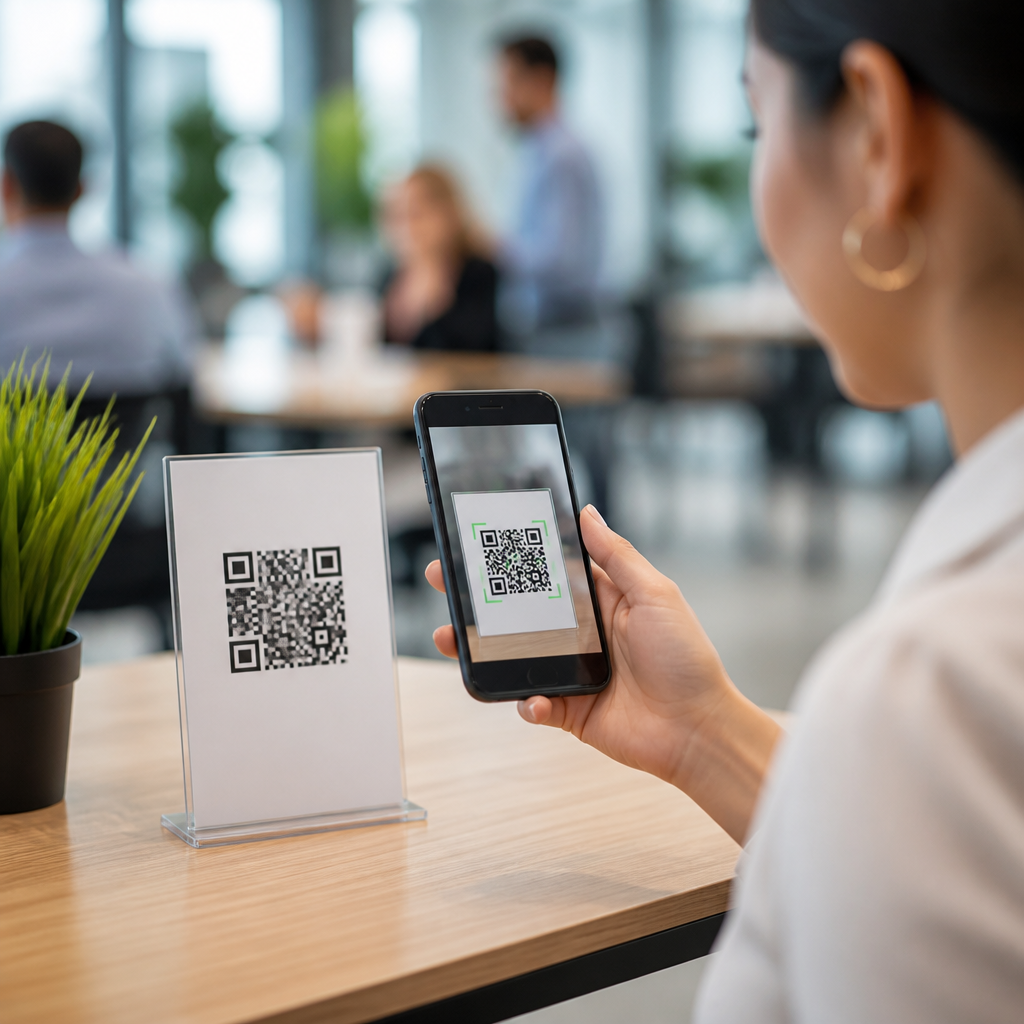
The best use cases share one characteristic: the printed asset is durable, but the digital destination is likely to change. Restaurant menus are the classic example. A restaurant can print one table tent code and change menus by season, by meal period, or by special event. Product packaging is another strong fit. I have seen manufacturers print a single code on cartons that first linked to setup instructions, then later redirected to warranty registration, and finally to updated troubleshooting content after a firmware issue surfaced.
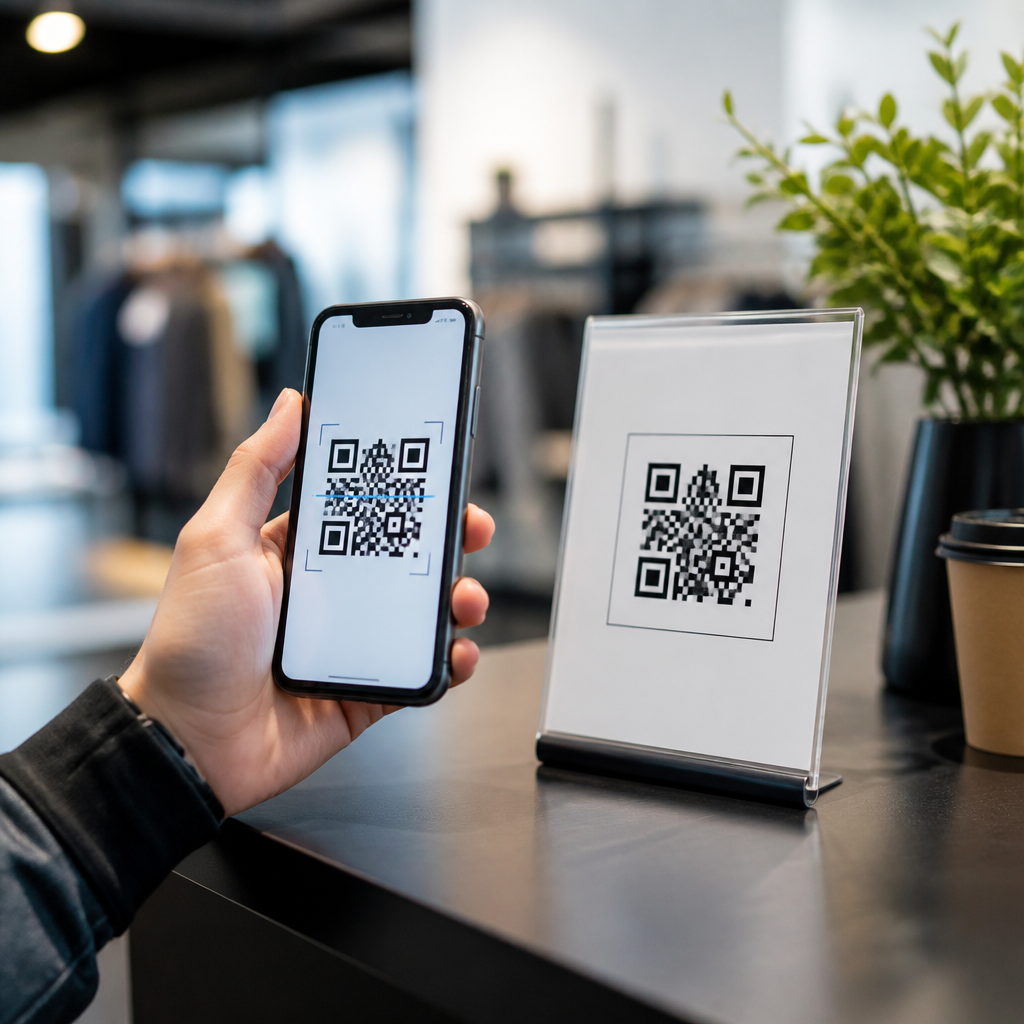
Dynamic QR codes also outperform static codes in campaigns where measurement matters. If you are running out-of-home ads, direct mail, trade show booths, shelf talkers, or event signage, scan analytics show which placements generate action. A retailer can compare scan volume across store regions. An event organizer can measure which entrance banner, badge insert, or session slide drove the most engagement. A field service team can place dynamic codes on equipment so technicians always reach the newest manual rather than an obsolete PDF.
Static QR codes still have valid uses. If you are encoding plain text, Wi-Fi credentials for a small office, or a permanent URL with no need for analytics, static can be simpler and cheaper. But for a hub page guiding beginners to advanced practice, the practical default is dynamic. Once people experience the cost of reprinting old codes or the frustration of not knowing whether anyone scanned them, they rarely go back.
How to Create, Design, and Test Dynamic QR Codes
Creating a dynamic QR code starts with the destination strategy, not the generator. Decide whether the code should point directly to a landing page, a redirect rules engine, an app link, a PDF, a vCard, a feedback form, or a mobile wallet pass. Then structure naming conventions before you create anything. In production environments, I use identifiers that include business unit, channel, location, campaign, and version. That single discipline prevents dashboard chaos once a team has hundreds of codes.
Design matters because scanability is fragile when branding becomes too aggressive. Keep high contrast, preserve the quiet zone, avoid overcrowded data modules, and test logo overlays carefully. For print, vector formats such as SVG or EPS are safer than raster PNG when scaling large signage. A minimum physical size of about 2 x 2 centimeters can work at close range, but distance changes the requirement. A dependable field rule is a scan distance ratio near 10:1, meaning a code meant to scan from 2 meters away should be roughly 20 centimeters wide.
Testing must cover more than “does it open.” Test on iPhone and Android, in strong and dim light, on matte and glossy materials, with cracked screens, older cameras, and weak mobile connections. Verify redirect speed, landing page mobile performance, and fallback behavior when the destination is offline. Run print proofs before a full production order. Many failed QR campaigns are not caused by the code generator at all; they fail because the landing page is slow, blocked by a hard paywall, or impossible to use one-handed in a public setting.
| Decision Area | Best Practice | Common Mistake |
|---|---|---|
| Destination | Use a mobile-first landing page with a single clear action | Sending users to a desktop homepage |
| Print Format | Export SVG or EPS for signage and packaging | Upscaling a low-resolution PNG |
| Branding | Keep strong contrast and adequate quiet zone | Heavy logo overlays that block modules |
| Measurement | Add UTM parameters and dashboard naming conventions | Launching without campaign attribution |
| Testing | Check multiple devices, lighting conditions, and materials | Testing only on one employee phone |
Analytics, Attribution, and Optimization
Dynamic QR code analytics answer three practical questions: how many people scanned, where they scanned, and what happened next. The first layer comes from the QR platform: scans over time, unique versus total scans, approximate geography, device type, and operating system. The second layer comes from web analytics tools such as Google Analytics 4, Adobe Analytics, or Matomo, where UTM-tagged destinations reveal sessions, engagement, conversions, and revenue. The third layer, often missed by beginners, is business context. A thousand scans are not impressive if they came from a low-value placement and produced no registrations, purchases, or support deflection.
Optimization starts by pairing scan rate with conversion rate. If a poster gets many scans but weak conversion, the call to action or landing page may be mismatched. If a product insert gets few scans but those users convert at a high rate, the issue may be placement visibility rather than offer quality. I have improved campaigns simply by changing the prompt from “Scan me” to “Scan for setup in 60 seconds,” because users respond to a concrete benefit, not a generic instruction.
Use controlled comparisons wherever possible. Test code size, placement height, surrounding whitespace, incentive language, and destination type. In retail, a shelf-edge code beside pricing can behave very differently from the same code on packaging. In events, a slide shown for ten seconds can underperform a badge insert carried all day. The point of dynamic QR analytics is not collecting dashboards for their own sake. It is creating a feedback loop that improves the offline experience, the digital journey, and ultimately the business result.
Advanced Use Cases, Security, and Governance
Advanced deployments move beyond simple URL redirects. Multi-URL routing lets one code serve different destinations by device, time, or region. This is useful for multilingual packaging, app download flows, franchise networks, and global product launches. API-driven generation supports high-volume operations such as unique codes on invoices, serialized packaging, event badges, or direct mail pieces. Some organizations connect QR platforms to CRM and marketing automation systems so scans trigger lead enrichment, nurture flows, or support case creation.
Security deserves equal attention. Because users cannot visually inspect a QR destination before scanning, trust signals matter. Use HTTPS, branded domains where possible, and landing pages that clearly match the printed context. Avoid unnecessary redirects, because chains can look suspicious and slow the experience. For internal operations, restrict dashboard permissions through role-based access and maintain ownership documentation so codes are not orphaned when staff leave. If a code appears on regulated materials, preserve change logs and approval workflows.
Governance is what separates a one-off QR experiment from a scalable program. Establish standards for file naming, campaign taxonomy, expiration reviews, and destination audits. Decide who can create codes, who approves edits, and how long old analytics should be retained. In enterprise settings, I recommend quarterly link integrity checks and an inventory of all live codes by owner, location, and purpose. Without that discipline, dynamic flexibility becomes operational risk. With it, QR codes become a reliable bridge across print, packaging, service, commerce, and customer education.
How This Hub Supports Beginner to Advanced Guides
As a sub-pillar hub under QR Code Tutorials, Guides & Resources, this page should connect readers to the full learning path. Beginners usually need step-by-step tutorials on how to make a dynamic QR code, how to test it, and which file format to download for print. Intermediate readers need applied guides on campaign tracking, menu QR codes, packaging instructions, event registration, and lead generation. Advanced readers need framework-level content on custom domains, bulk creation, API workflows, redirect logic, security controls, and enterprise governance.
The most effective hub structure mirrors real adoption stages. Start with fundamentals: static versus dynamic, scanability rules, and common mistakes. Then branch into industry applications such as restaurants, retail, education, healthcare, real estate, manufacturing, and events. From there, publish deeper resources on analytics interpretation, UTM strategy, landing page design, and conversion optimization. Finally, support technical stakeholders with content on batch generation, platform migrations, first-party measurement, and compliance considerations. That architecture helps readers self-select the right depth while signaling topical authority across the entire beginner to advanced journey.
Internal links within the subtopic should be intentional. Link “how to create a dynamic QR code” to setup tutorials, “QR code design best practices” to print guidance, “QR code analytics” to measurement guides, and “bulk QR code generation” to advanced implementation content. Hub pages work when they orient, prioritize, and route readers efficiently. They should not duplicate every sub-article in full. Instead, they provide the conceptual map, define the major decisions, and make the next best resource obvious.
Dynamic QR codes are the practical standard for any organization that needs flexibility, measurement, and control after a code is printed. They work by routing scans through a managed redirect, which allows destination updates, analytics collection, conditional behavior, and centralized governance. For beginners, the key lesson is simple: start with the user outcome, not the graphic. Use a mobile-first destination, maintain scanable design, and test in real conditions. For experienced teams, the opportunity is larger: integrate QR workflows into analytics, CRM, packaging, support, and campaign operations so offline touchpoints become measurable digital entry points.
The strongest dynamic QR programs combine three disciplines. First, they treat the code as infrastructure, with naming standards, ownership, permissions, and audits. Second, they optimize performance through analytics, conversion tracking, and real-world testing across placements and devices. Third, they protect trust with secure domains, relevant destinations, and consistent branded experiences. Those practices turn QR codes from a novelty into an operational asset that saves reprint costs, reduces friction, and improves attribution across channels.
If you are building your beginner to advanced resource path, use this hub as the starting point and expand each section into dedicated guides. Create your first dynamic QR code, test it on real devices, connect it to analytics, and document a repeatable workflow. That one process change will make every future QR campaign smarter.
Frequently Asked Questions
What is a dynamic QR code, and how is it different from a static QR code?
A dynamic QR code is a QR code that contains a short redirect link rather than the final destination itself. When someone scans it, the scan first goes through a QR code management platform, which then sends the user to the current destination you have set. A static QR code works differently: it encodes the final URL or data directly into the pattern, which means the content is fixed the moment the code is created. If you need to change the destination later, a static code usually has to be replaced and reprinted.
That difference is what makes dynamic QR codes so useful in real-world marketing and operations. If a landing page moves, a product page changes, a menu is updated, or a campaign needs to point somewhere new, you can edit the destination behind a dynamic code without changing the printed QR image. This is especially valuable for packaging, posters, direct mail, signage, event materials, and any asset that would be expensive or impractical to reprint. In short, static QR codes are simple and permanent, while dynamic QR codes add flexibility, measurement, and post-launch control.
Why are dynamic QR codes better for marketing campaigns and printed materials?
Dynamic QR codes are often the better choice for campaigns because they let you adapt after launch. Traditional printed marketing assets are usually locked once they are distributed, but consumer behavior, product availability, messaging, and promotions can change quickly. With a dynamic QR code, you can keep the same code on the material while updating the destination page, changing the call to action, routing traffic to a seasonal promotion, or correcting a broken link. That means your printed materials can stay relevant longer and continue performing even as campaign details evolve.
They also support measurement and optimization in a way static QR codes generally do not. Most dynamic QR platforms provide scan analytics such as total scans, time of scan, device type, and sometimes approximate location data. This gives marketers valuable insight into how a campaign is performing across channels and time periods. You can compare placements, test different landing pages, and identify where engagement is strongest. For businesses trying to connect offline materials to digital results, dynamic QR codes create a practical bridge between print and analytics, helping turn a simple scan into a measurable part of the customer journey.
Can you change the destination of a dynamic QR code after it has been printed?
Yes, that is one of the main advantages of a dynamic QR code. Once the code is printed and distributed, you can usually log into the QR code platform and update the destination URL or linked content without changing the visible code itself. This allows a business to respond quickly if a webpage breaks, inventory changes, an event is rescheduled, or a campaign needs to shift direction. Instead of reprinting flyers, menus, labels, displays, or product packaging, you simply edit the destination in the dashboard and keep using the same QR code.
This flexibility can reduce waste, save time, and lower costs, especially for materials with a long lifespan. It also supports more strategic use cases. For example, the same QR code on retail packaging could first link to a launch offer, then later point to setup instructions, and eventually direct customers to a loyalty program or support page. The code remains unchanged, but the experience behind it evolves with the product or campaign. That kind of lifecycle control is a major reason dynamic QR codes are widely used in modern marketing, operations, events, hospitality, and customer support.
What kind of analytics and tracking do dynamic QR codes provide?
Dynamic QR codes typically offer reporting features that help you understand how people interact with your code after it goes live. Depending on the platform, you may be able to see metrics such as the number of scans, unique scans, scan dates and times, device or operating system, browser type, and approximate geographic location. Some platforms also support campaign tagging, which makes it easier to connect scans to broader analytics tools like web analytics or CRM systems. This turns a QR code from a passive link into a trackable performance asset.
These insights can be very useful for improving campaign results. If scans spike at certain times of day, you may adjust ad placement or staffing. If one poster location outperforms another, you can learn where your audience is most responsive. If mobile users bounce from a landing page, that may point to a usability issue rather than a problem with the QR code itself. The key value is that dynamic QR codes let you monitor engagement after distribution and make data-informed decisions. Instead of guessing whether a printed campaign worked, you can evaluate behavior with much more confidence.
Are there any limitations or considerations to keep in mind when using dynamic QR codes?
Yes, and it is important to understand them before building a campaign around dynamic QR technology. Because a dynamic QR code depends on a redirect managed through a platform, the code typically requires that service to remain active. In many cases, this means using a paid provider or maintaining an ongoing subscription. If the service is paused, discontinued, or misconfigured, the QR code may stop routing users correctly. For that reason, businesses should choose a reliable platform, maintain account access carefully, and think about long-term ownership when placing dynamic codes on materials that will be used for months or years.
You should also pay attention to the landing experience and technical setup. A dynamic QR code can get people to the right place, but it cannot fix a slow page, poor mobile design, confusing message, or irrelevant offer. Best results usually come from pairing the code with a clear call to action, a mobile-friendly destination, and a plan for monitoring performance over time. It is also wise to test the code thoroughly before large-scale printing, including scan speed, redirect behavior, and final-page usability on multiple devices. When implemented thoughtfully, dynamic QR codes are extremely powerful, but they perform best as part of a well-managed system rather than as a set-it-and-forget-it tactic.