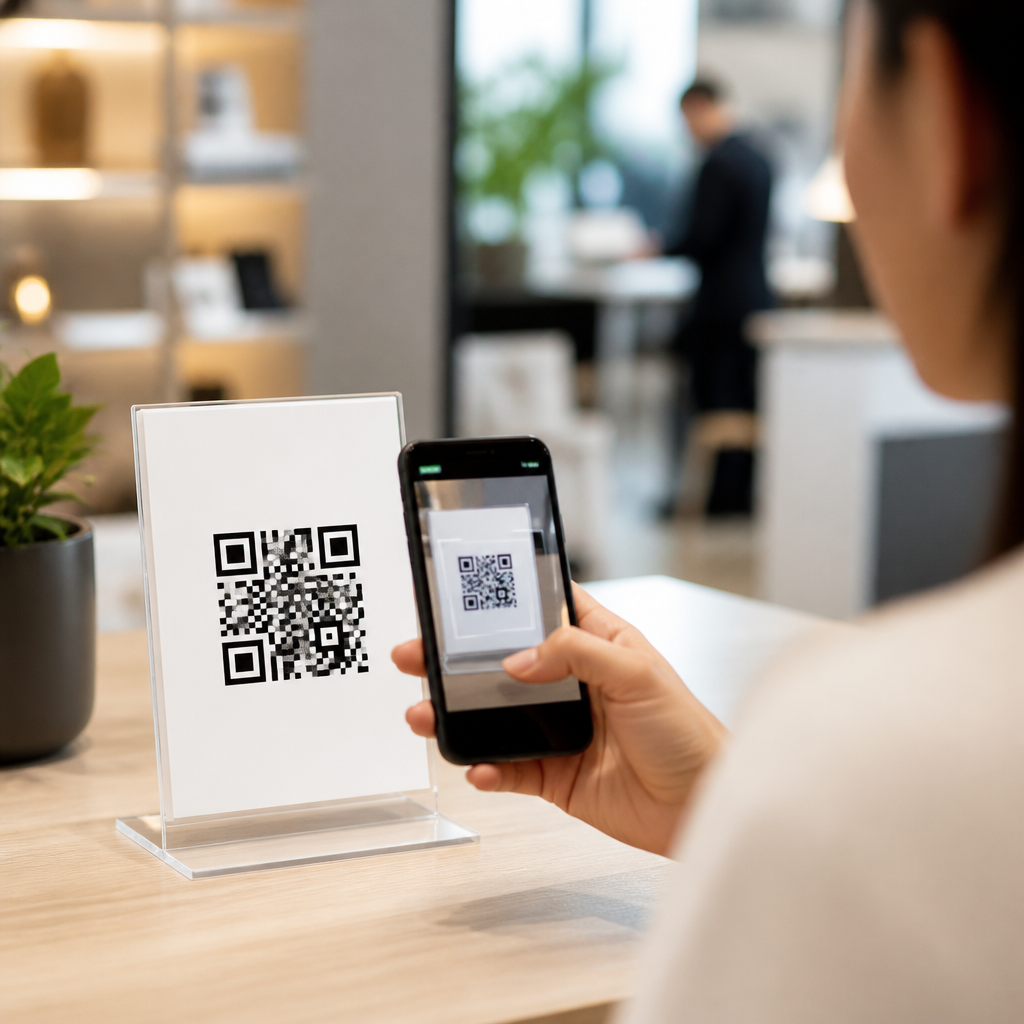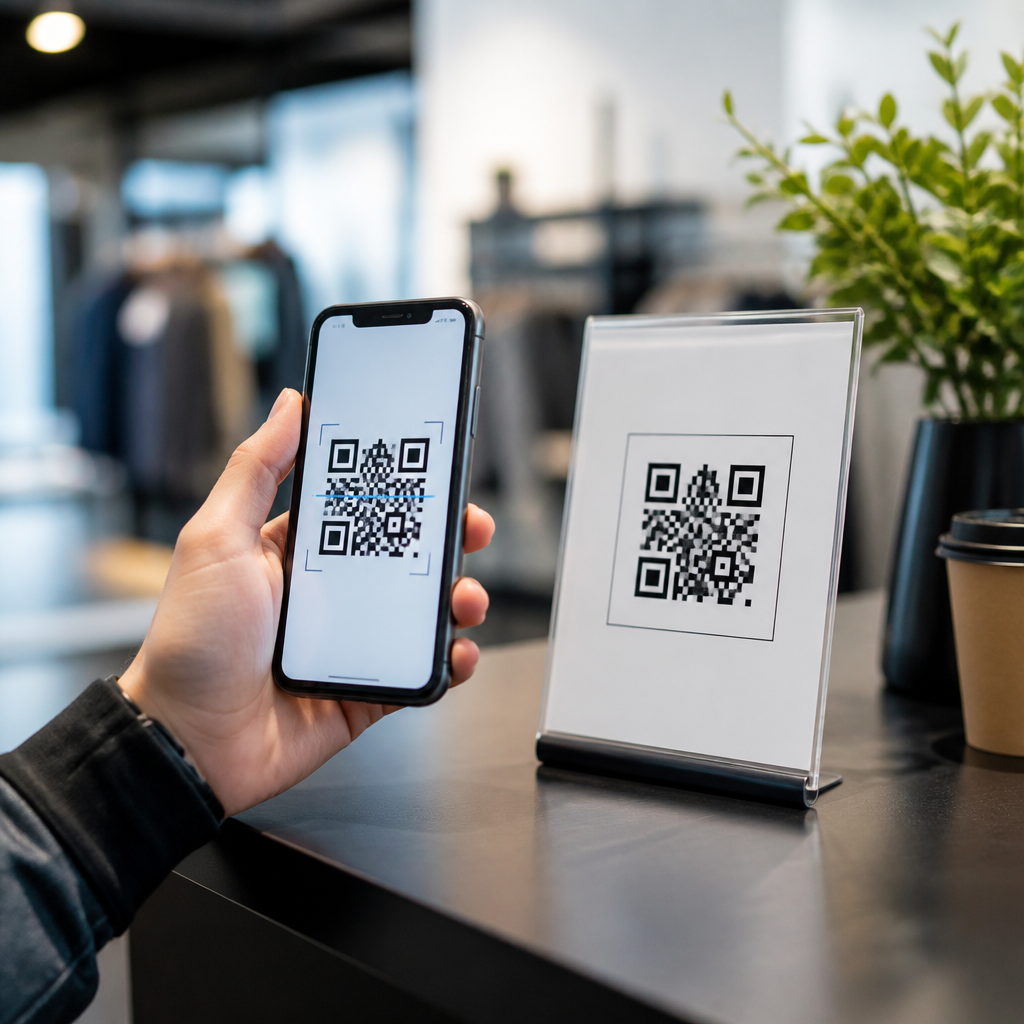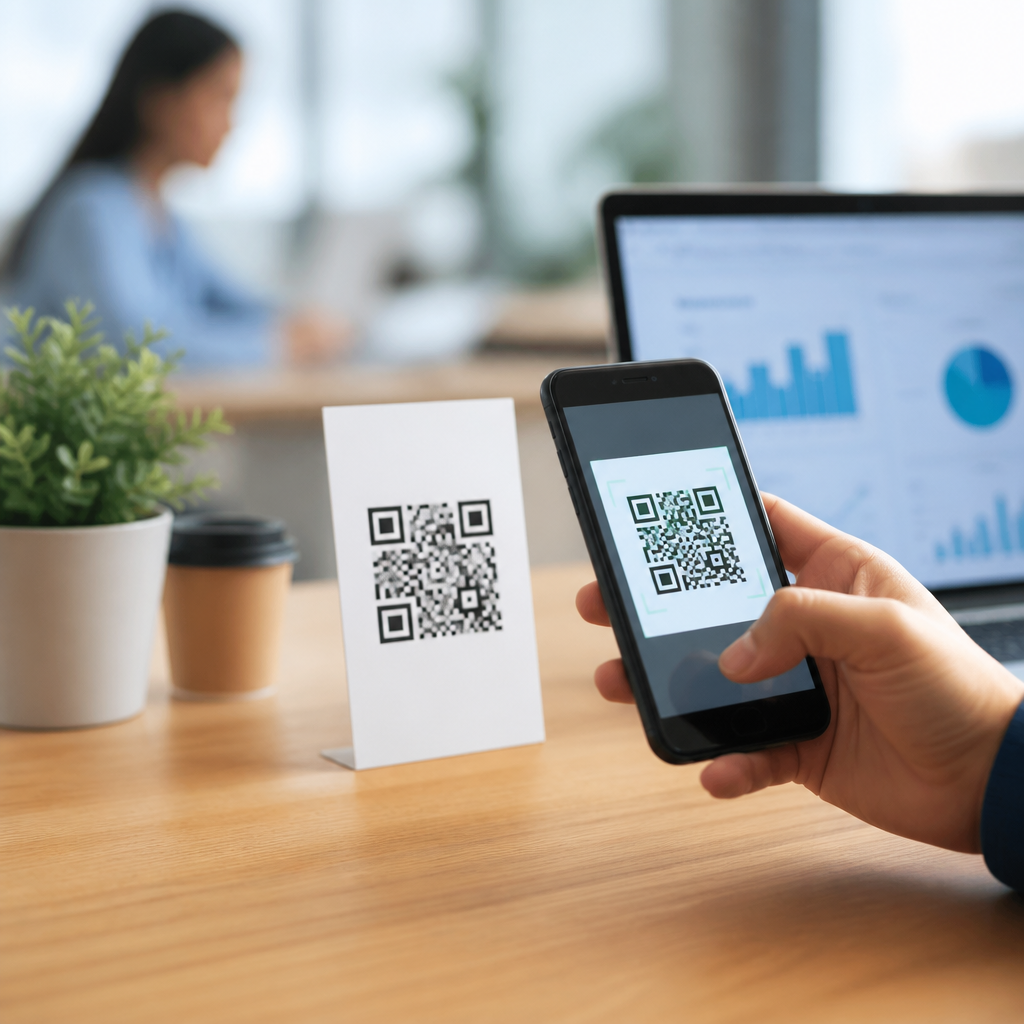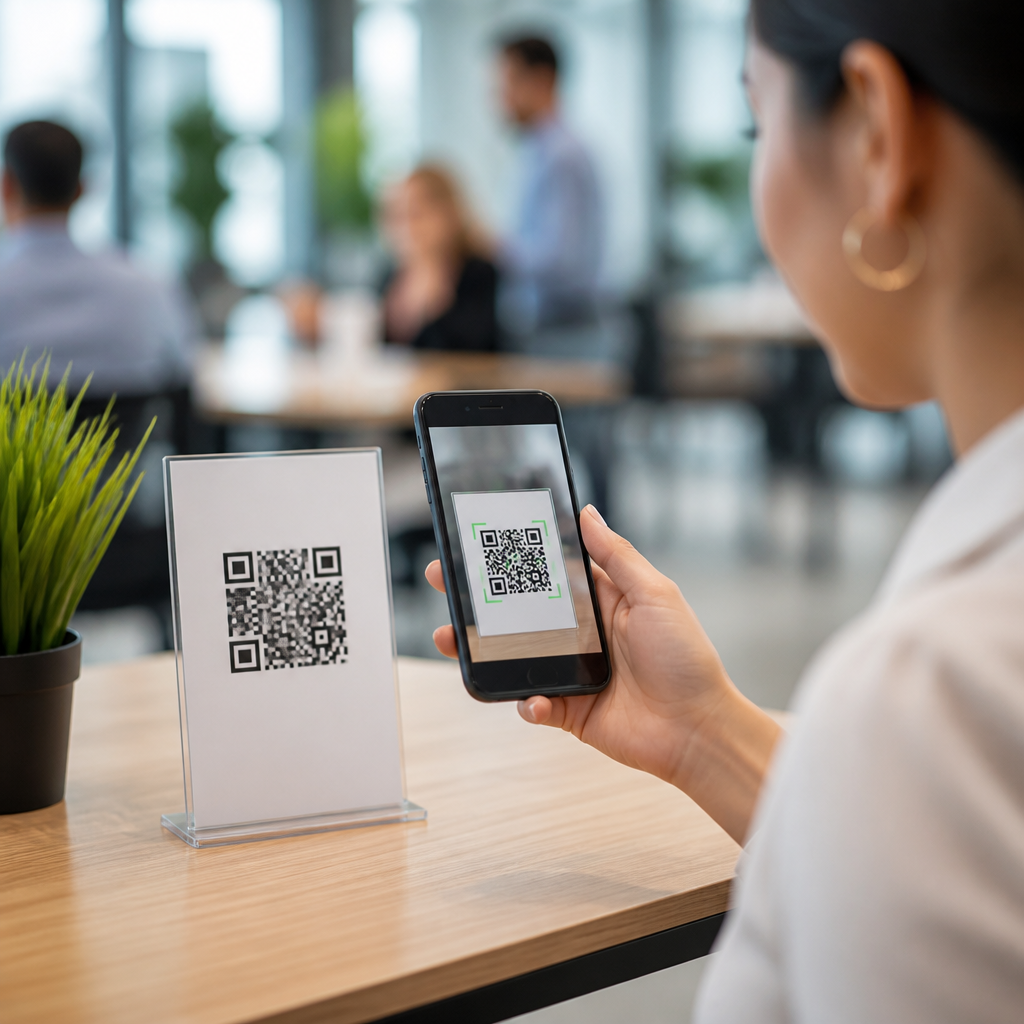
QR code lead generation turns a printed or on-screen square code into a measurable path from attention to contact details, making it one of the most practical bridges between offline marketing and digital conversion. A QR code, or Quick Response code, stores a URL, form link, contact card, app link, coupon, or other action in a machine-readable pattern that smartphone cameras can open instantly. Lead generation is the process of capturing permission-based prospect information such as names, email addresses, phone numbers, company details, and buying intent. Put together, QR code lead generation means using scannable codes to move a person from curiosity to a trackable landing page, form, booking flow, or sales conversation.
I have used QR campaigns for retail stores, trade show booths, restaurant groups, real estate teams, and B2B field marketing programs, and the appeal is consistent: they reduce friction. A passerby does not need to type a URL, search for a brand, or remember an offer later. They scan, land, and act in seconds. That convenience matters because conversion rates often collapse when a campaign adds extra steps. A well-placed QR code can shorten the path between impression and response more effectively than a printed call to action alone.
This guide matters because QR usage is no longer a novelty. Smartphone camera support is standard, consumers are trained to scan menus, payments, event passes, and product information, and marketers now expect offline media to produce digital data. Yet many QR campaigns underperform because the code sends users to a generic homepage, the offer is weak, the landing page is not mobile-first, or tracking is incomplete. In practice, strong results come from treating the code as one part of a full lead capture system that includes context, incentive, destination, analytics, and follow-up.
As a hub for beginner to advanced guides under QR Code Tutorials, Guides & Resources, this article explains the complete framework: how QR lead generation works, where to deploy codes, how to choose static versus dynamic formats, how to build conversion-focused landing pages, how to measure scans against actual leads, and how to improve quality rather than just volume. If you are new, start with the fundamentals and campaign setup principles below. If you already run QR programs, use the later sections to refine attribution, segmentation, CRM integration, compliance, and testing. The central rule is simple: a QR code does not generate leads by itself; the surrounding experience does.
How QR Code Lead Generation Works
The process has five stages: exposure, scan, destination, capture, and follow-up. Exposure is where the prospect encounters the code on packaging, signage, direct mail, receipts, business cards, window decals, brochures, product inserts, vehicle wraps, event badges, presentation slides, or digital displays. The scan opens a mobile destination, usually a landing page. Capture happens when the visitor submits a form, claims an offer, requests a quote, books a demo, downloads a resource, or saves contact information. Follow-up is the automation or sales action that turns a lead into pipeline. If any stage breaks, lead generation weakens.
Static and dynamic QR codes serve different needs. A static QR code permanently encodes a destination, which makes it simple and often inexpensive, but impossible to edit after printing. A dynamic QR code points to a short redirect URL controlled by a platform, allowing you to change the final destination without changing the printed code. Dynamic codes are better for lead generation because they support scan analytics, campaign updates, A/B testing, retargeting parameters, and emergency fixes if a page changes. Recognized platforms include Bitly, QR Code Generator PRO, Flowcode, Beaconstac, Uniqode, and enterprise campaign tools tied to HubSpot or Salesforce.
The most common beginner question is, “What should my QR code link to?” The correct answer is almost never the homepage. Link to a dedicated mobile landing page with a single purpose. If your sign says “Get a free quote,” the page should open directly to a quote form. If your booth promises a prize drawing, the page should contain the form and rules immediately above the fold. Message match is critical. When the expectation created by the print piece matches the first screen after the scan, conversion rates rise because visitors do not need to reorient themselves.
Best Places to Use QR Codes for Leads
High-performing placement depends on audience intent. In retail, shelf talkers and in-store signage work because shoppers are already evaluating products. A beauty brand can place a code beside a premium serum offering a skin quiz and email capture for a personalized regimen. In real estate, yard signs and property flyers can link to a tour request form, mortgage calculator, or gated listing packet. At trade shows, booth graphics, table tents, and badge lanyards can direct visitors to demo bookings or prize entries. In restaurants, table cards can promote catering inquiries, loyalty sign-ups, and event bookings.
Direct mail is especially effective because it combines tactile attention with digital response. I have seen postcards outperform cold traffic ads when the audience and offer were narrow: for example, a local med spa mailing high-income ZIP codes with a code linking to a limited consultation calendar. Packaging inserts are another strong channel because they reach buyers after a purchase, when trust is highest. A supplement company can insert a code for a wellness guide and collect first-party data for future replenishment campaigns. Vehicle wraps, storefront windows, conference programs, and printed catalogs also work when the audience has enough time and motivation to scan safely.
Context matters more than surface area. A huge code on a bus stop with no benefit statement may underperform a small code on a receipt that says, “Scan for 10% off your next visit.” The supporting copy should answer three questions immediately: why scan, what happens next, and what value the person receives. This is where most advanced guides spend time on CTA design, because people do not scan codes just because they exist; they scan because the exchange is clear. Strong examples include “Scan to book a free 15-minute tax review” or “Scan to get the contractor price list.”
Building a Landing Page That Converts Scans into Leads
A QR landing page must be mobile-first, fast, specific, and easy to complete with one thumb. The standard mistakes are tiny text, too many form fields, intrusive pop-ups, and slow scripts. I usually begin with a compressed headline that repeats the offer, one supporting sentence, a visual proof element, and a short form. For a service business, ask only for the information required to continue the conversation: name, email, phone, and one qualifying field such as project type. For e-commerce lead capture, email plus preference selection may be enough. Every extra field creates friction, so the form should match lead value.
Trust elements matter because scanning from a physical object can still feel risky. Include the company name prominently, use HTTPS, display privacy language near the form, and show credibility markers such as ratings, certifications, press mentions, or client logos where appropriate. If you collect regulated data, explain how it will be used. For B2B offers, calendar booking pages often outperform generic contact forms because they move users directly to a scheduled meeting. For local businesses, click-to-call buttons, map integrations, and SMS opt-in flows can capture high-intent leads quickly when someone is on the move.
Speed is not optional. Google’s Core Web Vitals are not the only reason; slow pages lose impatient mobile users before they read the offer. Compress images, minimize scripts, and test on average cellular conditions, not office Wi-Fi. The destination should also preserve campaign data. Add UTM parameters to dynamic destinations so analytics tools can classify scans by source, medium, and campaign. If your platform supports hidden form fields, pass the specific QR asset ID into the CRM. That allows you to tell whether the lead came from the booth banner, the catalog back cover, or the postcard version sent to a specific audience segment.
Tracking, Attribution, and Optimization
Marketers often ask, “How do I know whether the QR code generated real leads, not just scans?” The answer is to measure the full funnel. Scans are top-of-funnel engagement, but you also need landing page views, form starts, form completions, qualified leads, meetings booked, opportunities created, and revenue influenced. Google Analytics 4, HubSpot, Salesforce Campaigns, Zapier, and QR management platforms can work together to connect these events. The important point is consistency: use naming conventions, campaign IDs, and standardized CRM fields so offline assets are not reported as a vague bucket of direct traffic.
| Metric | What It Tells You | How to Improve It |
|---|---|---|
| Scan rate | How compelling the placement and CTA are | Improve visibility, copy, and incentive |
| Landing page conversion rate | How well the page captures interest | Reduce fields, sharpen message match, speed up load time |
| Lead qualification rate | Whether the offer attracts the right audience | Add qualifying copy or form logic |
| Cost per lead | Efficiency of the campaign | Refine distribution and test better audiences |
| Pipeline or revenue per lead | Business value, not just volume | Prioritize high-intent placements and stronger follow-up |
Optimization starts with one change at a time. Test headline wording, CTA phrasing, incentive strength, form length, QR placement height, color contrast, and destination type. At a trade show, for example, I have seen a demo-booking code underperform a “get the pricing sheet” code because attendees wanted information first and meetings later. In retail, a loyalty sign-up may beat a broad newsletter offer because the reward is immediate. Heatmaps from Hotjar or Microsoft Clarity can reveal drop-off points on mobile pages, while call tracking tools can show whether scans drive phone inquiries that forms miss.
Advanced Strategy: Segmentation, Automation, and Compliance
Advanced QR code lead generation is about relevance and operational follow-through. Instead of one generic code, create segmented codes by audience, location, product line, or stage of the buyer journey. A manufacturer can place one code in entry-level product packaging that leads to educational onboarding and another in premium packaging that promotes accessory bundles and extended support. A university can use different codes for undergraduate inquiries, graduate programs, and alumni events. When each code maps to a tailored landing page and CRM campaign, the resulting data becomes actionable rather than merely interesting.
Automation multiplies the value of each scan. Connect forms to email sequences, SMS reminders, lead scoring rules, and sales alerts. In HubSpot, a QR-origin lead can trigger an immediate thank-you email, assign ownership by territory, and enroll the contact in a nurture workflow based on form selections. In Salesforce, Campaign Member Status values can distinguish scanned, converted, qualified, and scheduled contacts. This matters because speed-to-lead affects outcomes. Multiple studies from InsideSales and other sales research groups have shown that rapid follow-up materially improves contact and qualification rates, especially for inbound inquiries with fresh intent.
Compliance and usability should never be afterthoughts. If you collect email addresses, follow consent and disclosure requirements under laws such as GDPR, CAN-SPAM, and applicable state privacy rules. If you send texts, obtain proper SMS consent and document it. Make the destination accessible with readable fonts, sufficient contrast, and form labels that work with screen readers. Print the code at a size and error-correction level suited to the environment; a tiny code on a poster several feet away is a preventable failure. Also use a short fallback URL near the code for users who cannot scan, and test every asset on both iPhone and Android before launch.
The core lesson is that QR code lead generation succeeds when strategy, design, data, and follow-up work together. Start with a clear offer, place codes where intent is naturally high, send scans to dedicated mobile pages, and track beyond vanity metrics. Use dynamic codes whenever campaigns may change, and connect results to CRM outcomes so you can judge lead quality, not just activity. For advanced programs, segment codes by audience and automate the next step immediately. If you are building out your QR Code Tutorials, Guides & Resources workflow, use this hub as your foundation, then create or review linked guides on dynamic versus static codes, landing page design, analytics setup, print placement, and compliance. The payoff is simple: better conversion from everyday attention into measurable demand. Launch one focused QR lead campaign, instrument it correctly, and improve it with real data.
Frequently Asked Questions
1. What is QR code lead generation, and how does it work?
QR code lead generation is the process of using a scannable QR code to move someone from initial interest to a measurable conversion action, usually by directing them to a landing page, lead form, contact card, booking page, coupon, app download, or other digital destination where they can voluntarily share their information. In practical terms, the QR code acts as a fast bridge between an offline or visual touchpoint and an online lead capture experience. Someone sees the code on a flyer, product package, sign, direct mail piece, event booth, business card, presentation slide, or social graphic, scans it with their smartphone camera, and lands on a page designed to collect permission-based contact details such as a name, email address, phone number, company, or service interest.
What makes this approach especially effective is the reduction of friction. Instead of asking a prospect to manually type a web address, search for your brand, or remember to follow up later, the QR code lets them act in the moment. That immediacy can significantly improve response rates because it captures intent while attention is still high. It also makes campaigns easier to track. Marketers can associate a specific QR code with a specific placement, offer, audience segment, or campaign and then measure scans, form completions, conversions, and downstream sales outcomes.
The best QR code lead generation campaigns are built around a clear value exchange. People are more likely to share their details when the destination offers something useful in return, such as a discount, downloadable guide, consultation, demo, contest entry, loyalty reward, or event registration. When the code leads to a mobile-friendly page with a compelling headline, short form, visible privacy reassurance, and one clear call to action, it becomes a highly practical tool for turning curiosity into qualified leads.
2. Where should businesses use QR codes to generate the most leads?
Businesses should place QR codes anywhere prospects are likely to be engaged enough to take immediate action and where the next step can be made simple and relevant. Some of the strongest opportunities are in print marketing materials such as brochures, postcards, catalogs, magazine ads, product inserts, packaging, and in-store signage. These placements work well because they reach people when they are already consuming brand information and can be prompted to scan for a quote, coupon, spec sheet, buying guide, or consultation request.
Events are another high-performing environment for QR code lead generation. Trade show booths, conference banners, tabletop displays, attendee badges, presentation slides, and handouts can all use QR codes to drive visitors to lead forms, demo bookings, giveaway entries, or sales follow-up requests. In these settings, QR codes help capture lead information immediately rather than relying on business cards or delayed follow-up. Restaurants, retail stores, real estate signage, vehicle wraps, outdoor posters, and window displays can also be highly effective when the call to action matches the visitor’s intent, such as “Get pricing,” “Book a tour,” “Claim your offer,” or “See available inventory.”
Digital placements can work too. QR codes on emails, webinar slides, digital ads, social graphics, or video end screens can create a seamless second-screen interaction, especially when the destination is easier to complete on a phone. The key is not simply putting QR codes everywhere, but placing them in contexts where the audience has a reason to care and enough time to act. Visibility, size, contrast, and a clear instruction matter. A QR code with no explanation often underperforms, while one paired with a strong benefit-driven message can generate significantly more leads.
3. What makes a QR code lead generation campaign successful?
A successful QR code lead generation campaign combines strong audience intent, a compelling offer, a frictionless mobile experience, and reliable tracking. The QR code itself is only the access point. What determines performance is everything around it: why someone should scan, what they see after scanning, and how easy it is to complete the next step. The most effective campaigns start with a specific goal, such as collecting email subscribers, booking sales calls, promoting a limited-time offer, registering webinar attendees, or capturing high-intent inquiries from a printed campaign.
The offer must be relevant and immediate. People scan when they understand the benefit right away. That could be access to a discount, free resource, product comparison guide, giveaway, loyalty reward, free trial, or consultation. The landing page should be mobile-optimized, load quickly, match the message on the QR code placement, and ask only for the information needed at that stage of the funnel. Shorter forms usually improve completion rates, especially on phones. Trust signals also matter, including brand consistency, privacy messaging, secure form handling, and concise copy that explains what happens after submission.
Strong campaigns are also measurable. Using trackable URLs, campaign-specific landing pages, and analytics integrations allows businesses to see which QR codes drive scans, which placements convert best, and which leads ultimately become customers. Testing can improve results further. Marketers can experiment with different calls to action, page layouts, offers, form lengths, and placements to increase response rates. In short, success comes from treating the QR code not as a gimmick, but as part of a complete lead capture system designed to move a prospect smoothly from attention to action.
4. How can you track and measure QR code lead generation results?
Tracking QR code lead generation starts by assigning each code a unique destination or tagged URL so every scan can be connected to a specific campaign, location, asset, or audience. This is typically done using UTM parameters, QR code platform analytics, dedicated landing pages, or marketing automation tools. For example, a business might create one QR code for a trade show banner, another for a direct mail postcard, and another for product packaging. Even if all three drive to similar offers, each code can carry unique identifiers that reveal which source generated the scan and which source produced the lead.
From there, businesses should measure both top-of-funnel and bottom-of-funnel metrics. Basic metrics include scan volume, unique scans, scan time, device type, location data where available, landing page visits, form completion rate, and cost per lead. More advanced measurement connects the scan to CRM and sales outcomes, such as lead quality, pipeline creation, appointment bookings, purchases, customer acquisition cost, and revenue influenced by the campaign. This is where QR code lead generation becomes especially valuable: it can make traditionally hard-to-measure offline channels much more accountable.
To get the clearest picture, it helps to track the full conversion path. If a prospect scans a code, visits the page, but does not submit the form, retargeting or follow-up campaigns may still recover value. If they do convert, syncing the lead source into a CRM lets sales and marketing evaluate lead quality over time. Businesses should review which offers convert best, which placements drive the most engaged prospects, and where drop-off occurs. With that data, they can refine creative, messaging, and form design to continuously improve lead generation performance.
5. What are the most common mistakes to avoid with QR code lead generation?
One of the most common mistakes is sending people to a generic homepage instead of a dedicated, mobile-friendly landing page built for conversion. When someone scans a QR code, they expect a direct and relevant next step. If they land on a page that is confusing, slow, or disconnected from the original message, many will leave immediately. Another frequent issue is offering no clear reason to scan. A QR code by itself is not persuasive. It needs supporting copy that tells users exactly what they will get, whether that is a discount, downloadable resource, quote request, sign-up form, demo, or exclusive content.
Poor technical execution can also hurt results. Codes that are too small, low contrast, distorted, placed in awkward locations, or printed where scanning is difficult will underperform. Businesses should test codes across devices and lighting conditions before launch. They should also avoid overcomplicating the form. Asking for too much information too early can reduce conversions, especially on mobile. A good rule is to collect only what is necessary for the immediate follow-up and gather additional details later in the nurturing process if needed.
Another major mistake is failing to track performance. Without campaign tagging, analytics, and CRM attribution, it is difficult to know whether the QR code is actually producing leads or revenue. Finally, businesses sometimes overlook trust and compliance. Since lead generation involves collecting personal information, the form should be transparent about what the user is signing up for and how their data will be used. Avoiding these mistakes turns QR codes from a novelty into a dependable, scalable lead generation channel that can support both offline and digital marketing strategies.