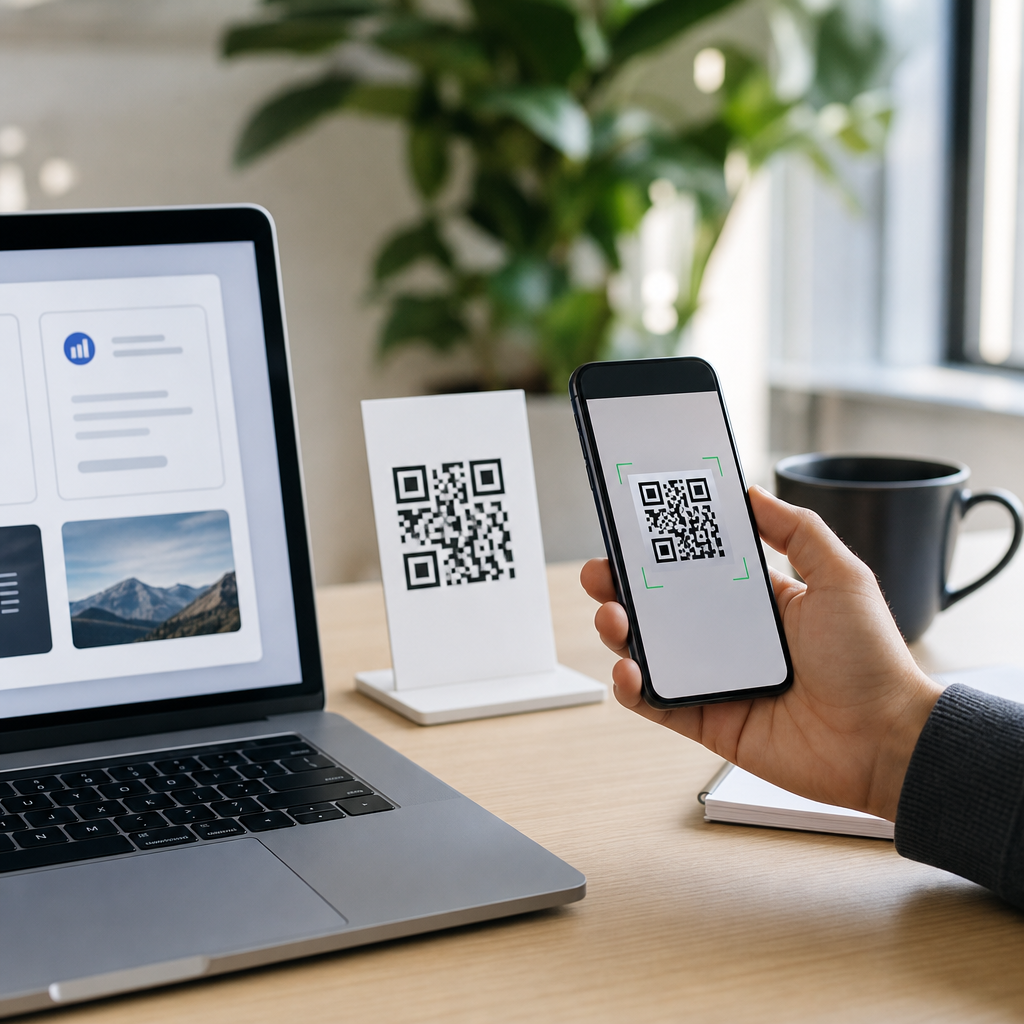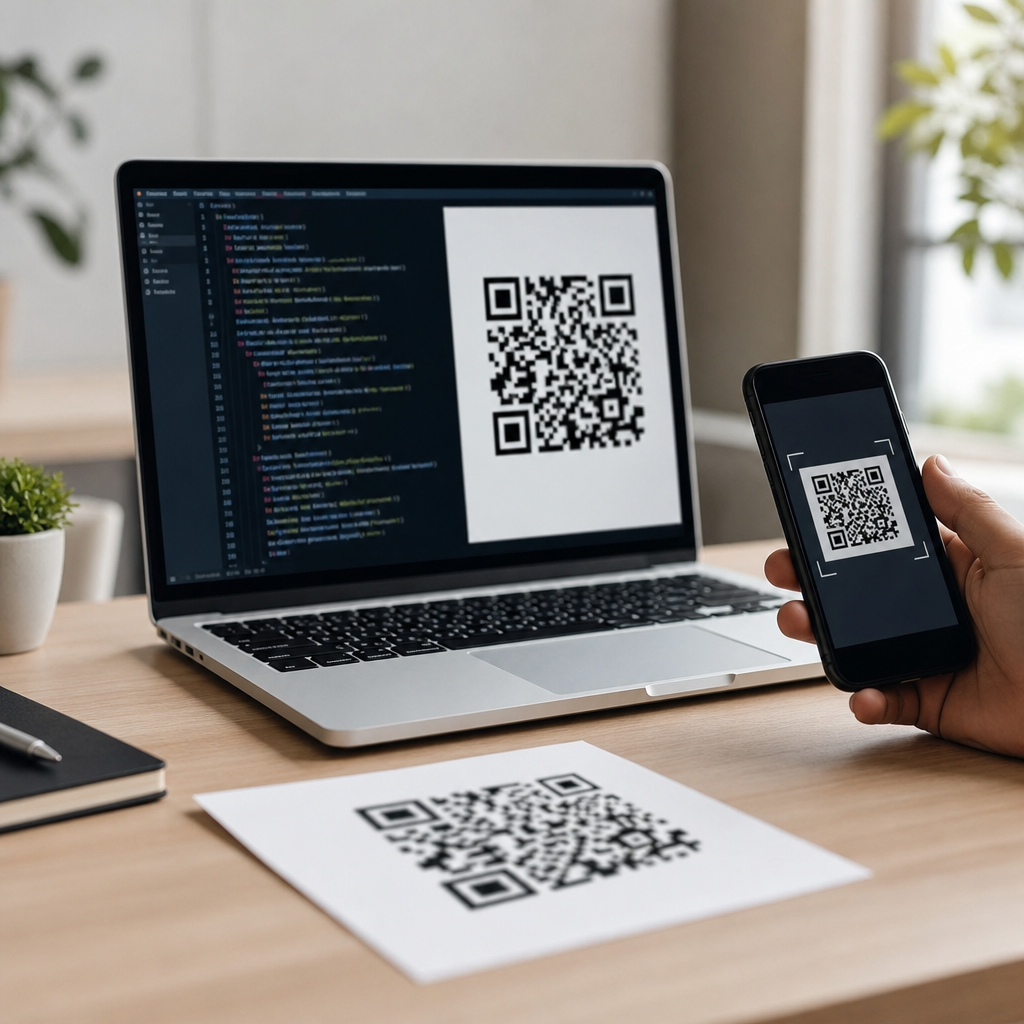
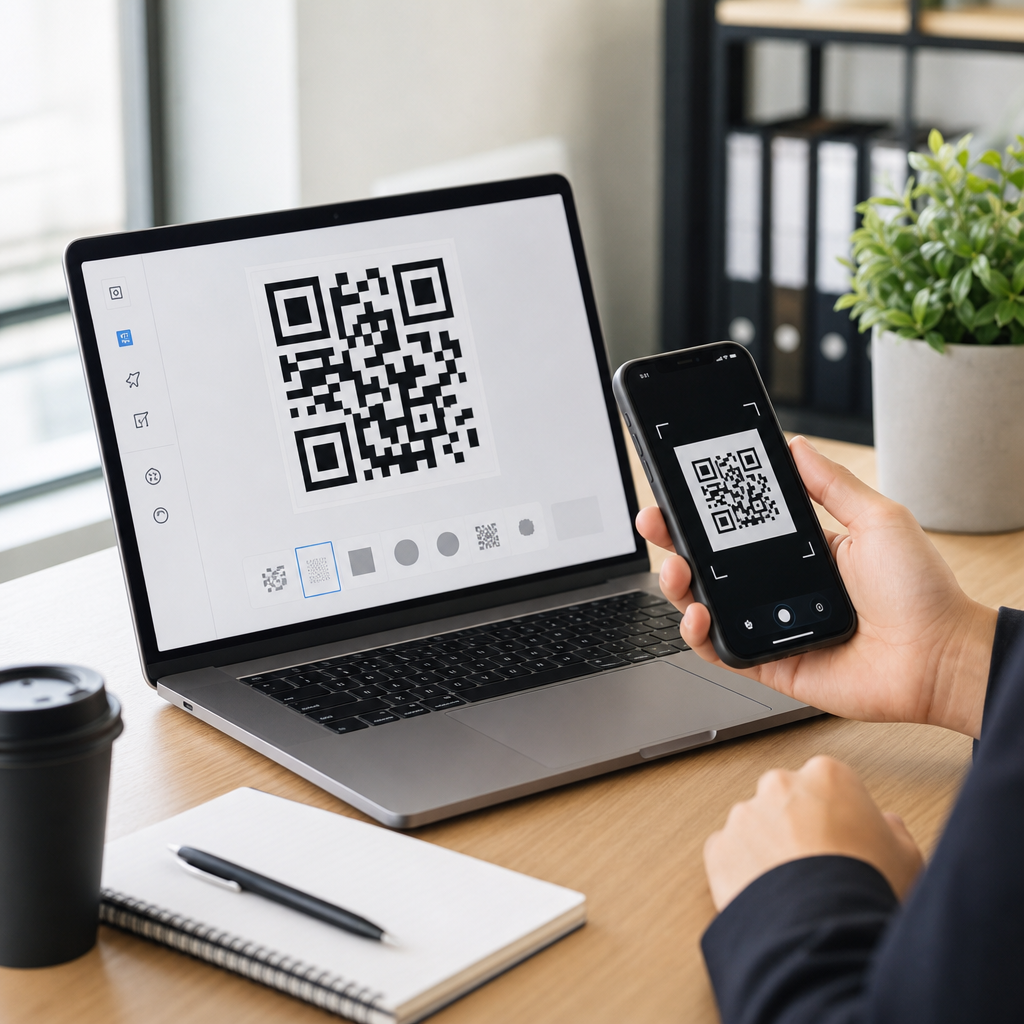
Choosing the best QR code generators for businesses is no longer a minor design decision; it affects campaign tracking, customer experience, print reliability, and data control. A QR code generator is the software that creates scannable codes linking to URLs, files, menus, payment pages, app downloads, forms, or contact details. For business use, the difference between a basic free tool and a professional platform is significant. I have used QR codes across retail displays, packaging, event signage, direct mail, restaurant menus, and product onboarding, and the same lesson keeps repeating: the generator matters as much as the destination page. Weak platforms create brittle codes, poor analytics, or branding limits. Strong platforms support dynamic editing, error correction, scan analytics, team controls, and design options that still scan reliably.
Businesses care about QR code generators because QR codes have become operational infrastructure, not a novelty. Restaurants use them for menus and ordering. Manufacturers use them for serial-level product information. Marketers connect print to landing pages and measure offline conversions. Support teams place them on packaging to reduce call volume with setup videos and FAQs. In each case, the code must scan fast, survive resizing, and remain editable when campaigns change. The best QR code generators help companies avoid reprinting materials by using dynamic codes, where the short URL behind the code can be updated without changing the image. They also provide analytics such as scan counts, location patterns, device types, and time-based reporting, which makes them useful for attribution and optimization.
This hub article reviews the top 10 QR code generators for businesses, explains what separates enterprise-ready tools from casual creators, and helps you choose based on use case, scale, and governance needs. The focus is practical: branding flexibility, file formats, bulk creation, API access, analytics quality, compliance posture, and pricing tradeoffs. If you are comparing the best QR code generators for marketing, operations, packaging, hospitality, or multi-location brands, this guide gives you a clear starting point and a reliable shortlist.
What businesses should look for in a QR code generator
The best QR code generators for businesses share a core set of features. First, they support dynamic QR codes, which let you edit the destination after printing. That is essential for long-lived assets such as packaging, storefront decals, table tents, manuals, and trade show materials. Second, they provide scan analytics beyond raw totals. Serious teams need timestamps, unique versus total scans, approximate geography, device information, and campaign tags. Third, they offer export options suitable for production, including SVG, EPS, or PDF for print and PNG for digital use. Raster-only export is a warning sign if you plan to scale codes across packaging or signage.
Design customization also matters, but with limits. Most high-quality tools allow branded colors, frame text, logos, and pattern changes. In practice, I advise teams to preserve strong contrast, keep quiet zones intact, and test every variant under real conditions: glossy surfaces, low light, curved labels, and older phone cameras. Error correction helps, especially when you place a logo in the center, but it is not permission to overdesign. The strongest vendors make these constraints visible instead of letting users generate beautiful but unreliable codes.
Administration is another deciding factor. Small businesses may only need folders and basic reporting, while larger companies need role-based access, audit trails, SSO, domains, and API or bulk generation. If multiple departments or agencies touch the same assets, governance matters. Pricing should be read carefully because some providers charge by dynamic code count, scan volume, seats, domains, or advanced analytics. A “free” generator may be perfect for static codes, but it can become expensive or restrictive when campaigns scale.
Top 10 QR code generators for businesses at a glance
| Tool | Best for | Key strengths | Main limitation |
|---|---|---|---|
| QR Code Generator Pro | Marketing teams | Dynamic codes, analytics, templates | Advanced features behind paid tiers |
| Beaconstac | Mid-market and enterprise | Security, bulk creation, integrations | Higher price point |
| Bitly Codes | Link-centric campaigns | Link management plus QR | Less specialized design depth |
| Flowcode | Creative and event marketing | Strong design, easy analytics | Enterprise controls less mature |
| QR TIGER | Cost-conscious businesses | Broad feature set, bulk options | Interface can feel busy |
| Uniqode | Large distributed organizations | APIs, access control, scale | Overkill for very small teams |
| Scanova | Agencies and campaigns | Campaign management, customization | Analytics depth varies by plan |
| Me-QR | Small businesses | Accessible pricing, many code types | Branding polish is lighter |
| Kaywa | Reliability-focused brands | Long-standing platform, simple management | Fewer modern templates |
| Adobe Express | Simple static QR creation | Fast and familiar workflow | Not built for dynamic business operations |
1. QR Code Generator Pro
QR Code Generator Pro is one of the most recognized options and a strong default choice for marketing teams that need dependable dynamic QR codes without a heavy implementation project. It supports branded frames, editable destinations, scan analytics, campaign organization, and file exports suited to both web and print. I have seen it work well for retail posters, product inserts, restaurant menu redirects, and direct mail because nontechnical teams can create assets quickly while still preserving brand consistency.
Its main advantage is balance. The platform is polished, easy to train on, and broad enough for most teams. If you need landing-page links, vCard codes, PDF downloads, app links, or social destinations, it covers the essentials. The tradeoff is that enterprise governance and deep integration needs may push larger organizations toward more specialized vendors. For small to midsize businesses, though, it remains one of the best QR code generators because it reduces friction and supports everyday campaign work reliably.
2. Beaconstac
Beaconstac is built for organizations that care about scale, security, and controlled deployment. It stands out for bulk QR code generation, API access, retargeting integrations, and administrative controls that fit multi-location brands, franchises, and enterprise marketing teams. If you are placing QR codes on thousands of products or coordinating campaigns across regions, Beaconstac is often on the shortlist for good reason. It also emphasizes scan performance and governance, which matters when codes become part of core operations rather than one-off promotions.
In practical use, Beaconstac suits teams that need more than pretty codes. For example, a consumer packaged goods brand can generate unique or segmented codes for packaging runs, then adjust destinations by market without reprinting. A field operations team can tie codes to asset maintenance workflows and monitor scans by location. The cost is higher than entry-level tools, but businesses usually justify it through saved labor, fewer reprints, and better measurement.
3. Bitly Codes
Bitly’s QR functionality makes the most sense for businesses already using Bitly for link management. The appeal is consolidation: shortened links, campaign UTM discipline, and QR distribution sit in one platform. For teams that think in terms of channels and attribution, this is efficient. A direct mail piece can point to a Bitly-managed link, use a QR code generated from the same asset, and feed performance reporting into an existing workflow.
Its limitation is specialization. Bitly is excellent at links first, QR second. That means some businesses may find its design controls or QR-specific campaign features less extensive than dedicated platforms. Still, for marketing departments that prioritize centralized link governance and want QR as an extension of that system, Bitly is a smart and credible choice.
4. Flowcode
Flowcode has built a strong reputation in events, creator campaigns, hospitality, and visually driven marketing. It offers clean design options, straightforward analytics, and a user experience that makes code creation feel fast. I have found it especially useful when speed matters and the team wants attractive assets for posters, table cards, badges, or in-store displays without spending time in a more complex admin environment.
Flowcode is strongest when you value presentation and ease of use. It handles landing page links, social destinations, and campaign-level tracking well enough for most mid-sized projects. The tradeoff is that companies with strict procurement requirements, sophisticated role management, or deep API needs may prefer Beaconstac or Uniqode. For event marketers and growing brands, however, Flowcode remains one of the best QR code generators because adoption is easy and scans are dependable.
5. QR TIGER
QR TIGER is a feature-rich option that often appeals to businesses looking for strong capabilities at a competitive price. It supports dynamic QR codes, bulk generation, editable destinations, password protection for some content types, and a wide range of destination formats. Small and midsize teams often choose it because the value is clear: a lot of functionality without immediately moving into enterprise-level spend.
Where QR TIGER performs well is breadth. If your business needs multiple code types across marketing, documents, menus, and social profiles, it gives you room to experiment. The interface can feel crowded, especially for first-time users, but that is partly because it exposes many options. For budget-aware companies that still need serious business features, it is one of the more practical choices.
6. Uniqode
Uniqode is geared toward organizations that need scale, governance, and technical flexibility. It is particularly strong for distributed teams, partner ecosystems, and programs that require API-driven creation or coordinated asset management. In environments where operations, product, and marketing all use QR codes differently, Uniqode provides the structure to keep standards consistent while allowing local execution.
A strong use case is a healthcare network, university, or national retailer managing many departments and locations. One team can control branding and domain settings while local managers deploy codes for appointments, forms, directories, or promotions. Smaller businesses may find this unnecessary, but larger organizations benefit from its operational discipline. That makes Uniqode a top-tier business platform rather than a simple generator.
7. Scanova
Scanova is well suited to agencies and campaign-focused teams that need polished customization and manageable reporting. It covers dynamic editing, branded design, lead generation forms, and common analytics features. Agencies often like Scanova because it is flexible enough to support multiple client campaigns without overwhelming day-to-day users.
Its sweet spot is controlled campaign execution. For example, a regional restaurant chain can run table QR codes, outdoor ads, and coupon inserts while keeping assets organized by location or promotion. Reporting depth depends on plan level, so buyers should confirm exactly which analytics and team features are included. Even so, Scanova remains a reliable option for businesses that want strong campaign tooling without moving into heavier enterprise software.
8. Me-QR, 9. Kaywa, and 10. Adobe Express
Me-QR is attractive to small businesses that need flexibility and lower entry costs. It supports many destination types and offers enough customization for menus, flyers, product labels, and social links. It may not have the refined enterprise feel of premium platforms, but for local businesses and lean teams, it covers the basics effectively. Kaywa, one of the older names in the market, is valued for straightforward reliability. Businesses that prefer simple interfaces and stable performance often appreciate its no-nonsense approach, even if it lacks some newer templates and presentation layers.
Adobe Express fills a different role. It is not a full business QR platform, but it is useful for quick static QR creation when a team already works inside Adobe’s design ecosystem. If you need a code for a one-time poster or handout, it is fast and familiar. However, static codes do not allow destination editing or robust analytics, so Adobe Express should be treated as a lightweight production tool rather than a central business solution.
How to choose the right QR code generator for your business
Start with the use case, not the feature list. If you are printing on packaging, choose a platform with dynamic codes, vector exports, and long-term management. If you are running omnichannel campaigns, prioritize analytics, UTM consistency, and retargeting integrations. If many people will create codes, insist on permissions, folders, and naming standards. For highly regulated environments, ask about data retention, domains, access control, and contractual support. I also recommend testing scan speed on real surfaces before rollout. A code that works on a laptop screen can fail on textured packaging, acrylic signage, or a low-contrast menu.
Cost should be weighed against replacement risk. Reprinting menus, mailers, inserts, labels, or displays is usually far more expensive than paying for a dynamic platform. The best QR code generators save money by preventing those failures. For most small businesses, QR Code Generator Pro, Flowcode, or QR TIGER are sensible starting points. For larger teams, Beaconstac or Uniqode usually make more sense. Bitly is ideal if link governance is central, while Scanova, Me-QR, Kaywa, and Adobe Express each fit narrower scenarios.
The main takeaway is simple: businesses should choose QR code generators as operational tools, not novelty widgets. The right platform gives you editable destinations, trustworthy analytics, production-ready files, and enough governance to scale without chaos. The wrong one creates rework, poor measurement, and scan failures at the exact moment a customer is trying to act. Use this hub as your shortlist, match the platform to your business model, and test before full deployment. Then build your QR program deliberately, with clear ownership, naming standards, and destination pages that deserve the scan. If you are investing in print, packaging, events, or in-store traffic, now is the time to standardize on a generator your business can grow with.
Frequently Asked Questions
What should businesses look for when choosing a QR code generator?
Businesses should start by looking beyond simple code creation and focus on how the platform supports real-world marketing, operations, and customer experience. A strong QR code generator should offer both static and dynamic QR codes. Static codes are fixed once created, while dynamic codes let you update the destination URL or content later without reprinting the code. For businesses running campaigns across packaging, posters, product labels, event signage, menus, or direct mail, that flexibility is extremely valuable.
Another major factor is analytics. A business-grade QR code platform should provide scan tracking, including metrics such as total scans, unique scans, time of scan, device type, and often geographic data. These insights help businesses measure campaign performance and understand customer engagement. If a tool does not provide dependable reporting, it may be fine for casual use, but it is usually not the best choice for professional marketing or operational workflows.
Design and branding options also matter. The best QR code generators allow you to customize colors, frames, call-to-action text, and logos while preserving scan reliability. This is especially important for companies that want codes to feel like part of their brand rather than generic black-and-white squares. However, customization should never come at the cost of readability, so a good platform will maintain proper error correction and contrast guidance.
Businesses should also evaluate file export options, print readiness, and team features. Vector formats such as SVG, EPS, or PDF are much better for high-resolution printing on packaging, signage, and large-format materials. If multiple people need access, features like shared folders, user permissions, campaign management, and organized dashboards become useful. Finally, it is worth reviewing data privacy, uptime, support quality, and whether the platform places scan limits or subscription-based restrictions on active codes. The best choice is not simply the cheapest tool, but the one that balances reliability, tracking, branding, and long-term control.
What is the difference between static and dynamic QR codes for business use?
Static and dynamic QR codes serve different business needs, and understanding the distinction is essential before choosing a platform. A static QR code stores the final destination directly inside the code itself. That means once it is created and printed, the content cannot be changed. If the URL breaks, the promotion ends, or the landing page needs to be updated, the business must generate a new code and replace it everywhere it appears. Static codes can work well for permanent information such as Wi-Fi access, contact details, or a fixed website page that is unlikely to change.
Dynamic QR codes work differently. Instead of permanently embedding the final destination, they point to a short redirect managed through the QR code platform. This allows businesses to change the destination at any time without changing the printed code. For example, a restaurant can update a digital menu, a retailer can switch a code from one seasonal campaign to another, or an event organizer can redirect attendees to new schedules or check-in pages. This alone makes dynamic codes far more practical for many business applications.
Dynamic QR codes also tend to include the analytics businesses actually need. Because scans pass through the platform before reaching the final destination, the system can record data such as scan volume, time, location, and device information. That makes dynamic codes especially useful for measuring ROI across print ads, in-store displays, product packaging, and outdoor signage. Businesses can compare performance by location, campaign, or audience and adjust strategy based on actual scan behavior.
In most professional scenarios, dynamic QR codes are the stronger long-term option because they provide flexibility, reporting, and easier campaign management. Static codes still have a place for simple, permanent uses, but businesses that care about marketing performance, operational agility, and reduced reprint costs will usually benefit more from dynamic QR code capabilities.
Are free QR code generators good enough for businesses?
Free QR code generators can be good enough in limited cases, but they are often not ideal for businesses that rely on QR codes for marketing, customer service, payments, packaging, or campaign tracking. Many free tools are designed for quick one-off use. They may generate a basic code that works, but they often lack the features businesses need once scale, analytics, branding, and reliability become important. If the goal is simply to link to a homepage or a fixed PDF one time, a free tool may be acceptable. For anything more strategic, the limitations usually become clear quickly.
One common issue is the lack of dynamic editing. Many free generators create only static codes, meaning the destination cannot be changed later. That can become expensive if the code appears on printed materials and the linked content needs to be updated. Another issue is limited or nonexistent analytics. Without scan data, businesses cannot measure performance, compare placements, or understand customer interaction. For companies using QR codes as part of a broader marketing funnel, this is a serious drawback.
Branding is another concern. Some free tools offer little or no customization, while others may insert their own branding, short-domain redirects, or restrictions that affect professionalism. There can also be hidden risks in terms of code permanence. In some cases, a code appears free to create but depends on a hosted redirect that may be deactivated later unless the user upgrades. That can be especially problematic for packaging, signage, or materials intended to stay in circulation for months or years.
For businesses, the safest approach is to evaluate whether the generator offers dependable uptime, transparent pricing, export quality, scan management, and ownership clarity. Free tools can work for simple, low-risk needs, but if QR codes are tied to revenue, customer experience, or long-term printed assets, a professional paid platform is usually the better investment.
How important are analytics and tracking features in a business QR code generator?
Analytics and tracking are extremely important because they turn QR codes from simple access tools into measurable business assets. Without analytics, a QR code is essentially a digital bridge with no visibility into how often it is used, where it performs best, or whether it supports campaign goals. Businesses that include QR codes on product packaging, flyers, store displays, business cards, event signage, restaurant tables, or mailers benefit significantly from knowing what happens after customers scan.
A strong QR code analytics setup can reveal total scans, unique users, scan times, geographic trends, device types, and in some platforms, referral context or campaign segmentation. This data helps businesses understand whether a code placement is effective, whether customers are engaging at the expected points in the buyer journey, and whether certain locations or promotions are outperforming others. For example, a retailer might learn that shelf signage in one store gets far more scans than the same display in another, or that packaging scans peak after delivery rather than at point of sale.
Tracking also supports optimization. If a business runs multiple print campaigns, QR analytics can help determine which creative assets, calls to action, and placements produce the best response. That leads to smarter decisions about where to invest budget. It also helps teams identify underperforming links, broken landing pages, or confusing offers before a campaign loses momentum. When paired with UTM parameters and web analytics tools, QR code tracking can become part of a much broader attribution strategy.
That said, analytics should be useful and responsible. Businesses should choose platforms that present clean reporting, allow easy filtering, and support privacy-conscious data practices. The best QR code generators do not just show scan numbers; they make the data practical for improving campaigns, customer experience, and operational decision-making.
Can branded or customized QR codes still scan reliably?
Yes, branded and customized QR codes can scan reliably when they are designed properly, and in many business settings they perform better visually because they attract more attention and fit naturally into branded materials. Customization options such as color changes, embedded logos, frame styles, and call-to-action text can make a code feel more intentional and trustworthy. For businesses, that can increase scan rates because customers are more likely to engage with a code that clearly appears connected to a known brand or offer.
However, reliable scanning depends on following technical best practices. Contrast is one of the most important factors. The code should stand out clearly from the background, and light-on-light or dark-on-dark combinations should generally be avoided. Size matters too. A QR code that is too small on packaging, labels, or posters may become hard to scan, especially from a distance. Quiet zone spacing around the code is also essential, because scanners need that empty margin to recognize the code properly.
Logo placement and artistic styling should be handled carefully. A quality QR code generator uses appropriate error correction to tolerate some design modifications without breaking functionality. Even so, too much distortion, over-stylized shapes, cluttered backgrounds, or poor print quality can reduce readability. This is why professional platforms usually include scan testing, error correction settings, and export options suitable for print and digital use.
For businesses, the best practice is to treat customization as a branding enhancement, not as a design experiment. Keep the code clear, high-contrast, and properly sized, then test it across multiple devices and lighting conditions before final production. When done well, a branded QR code can look polished, support stronger campaign engagement, and still scan consistently in real-world business environments.