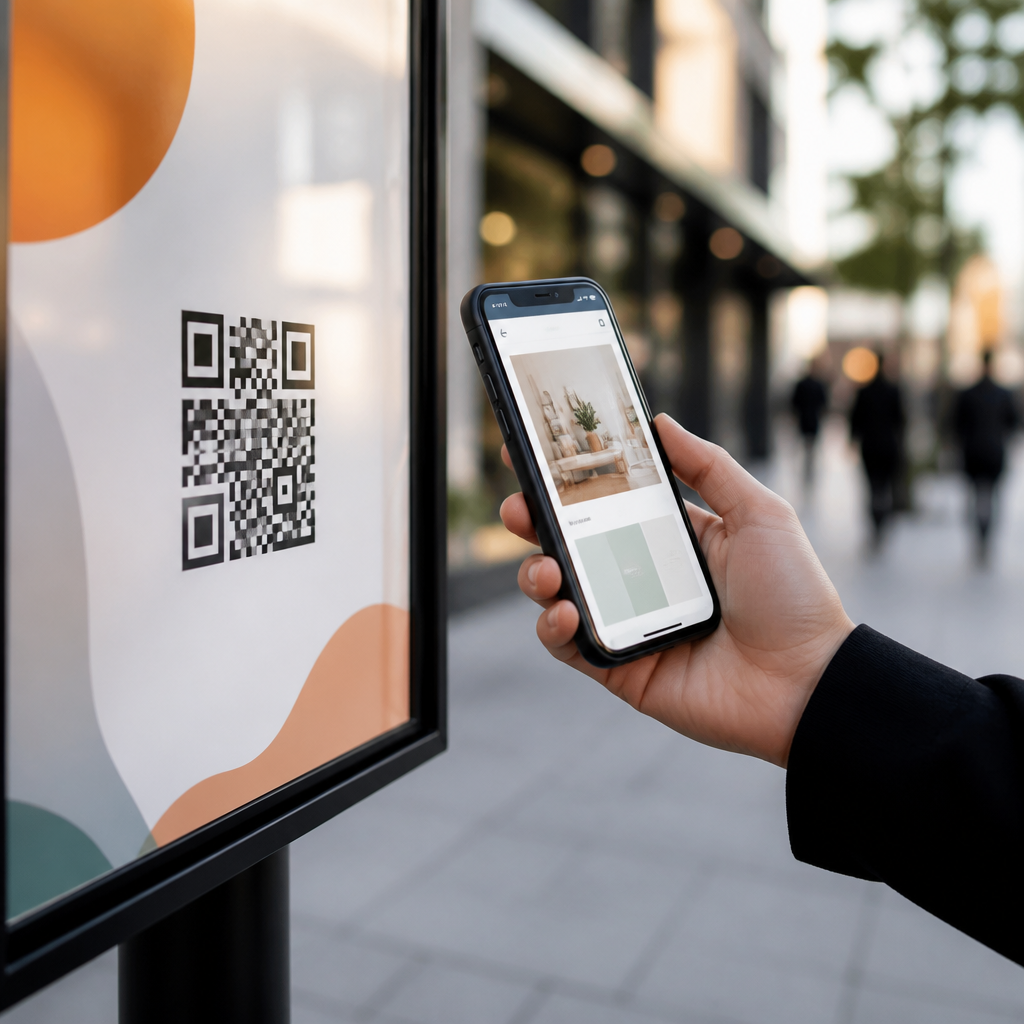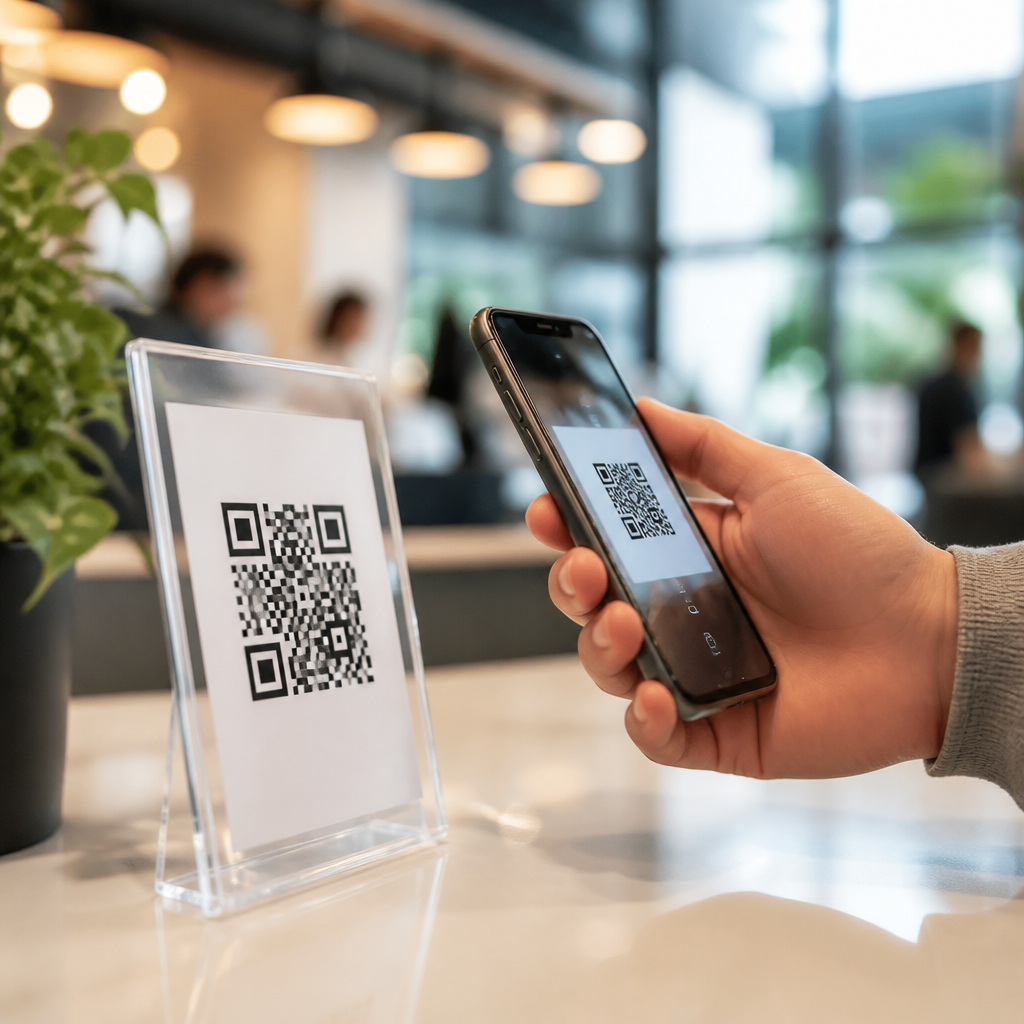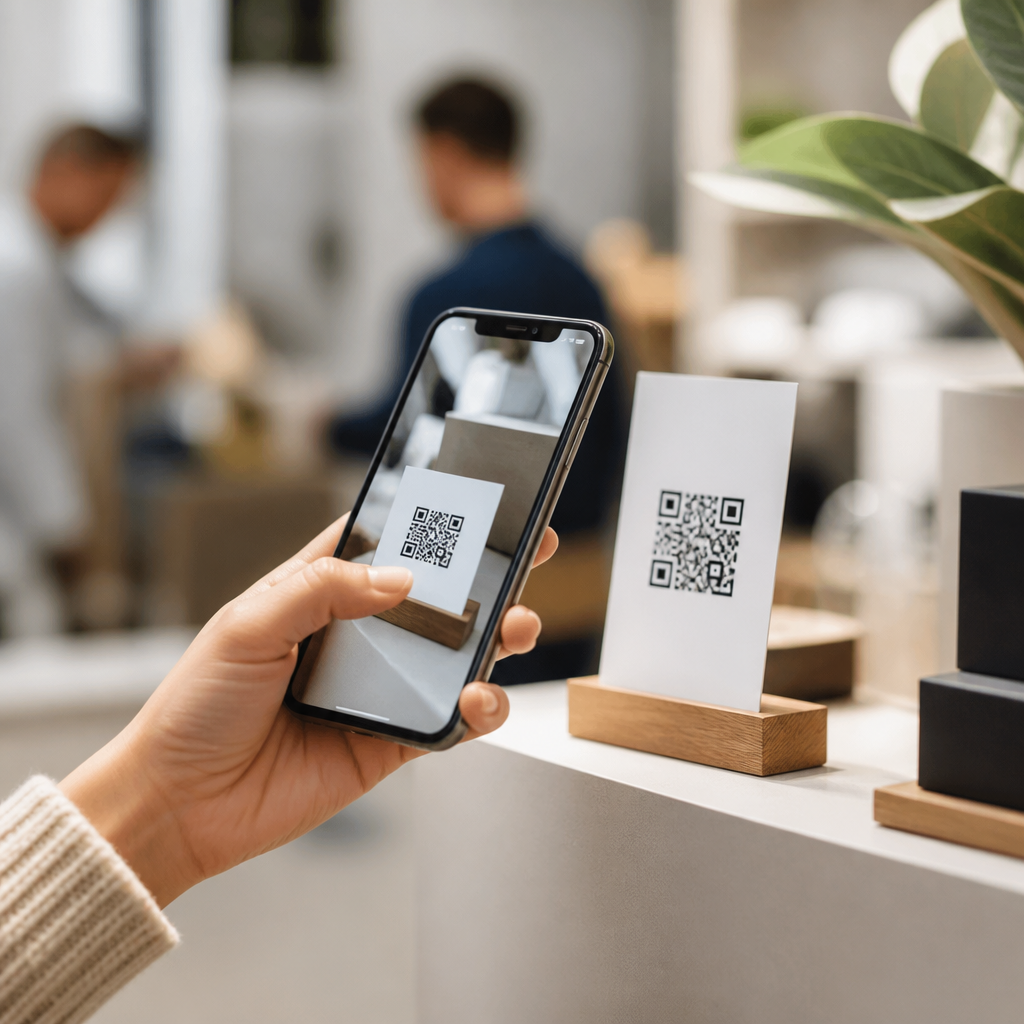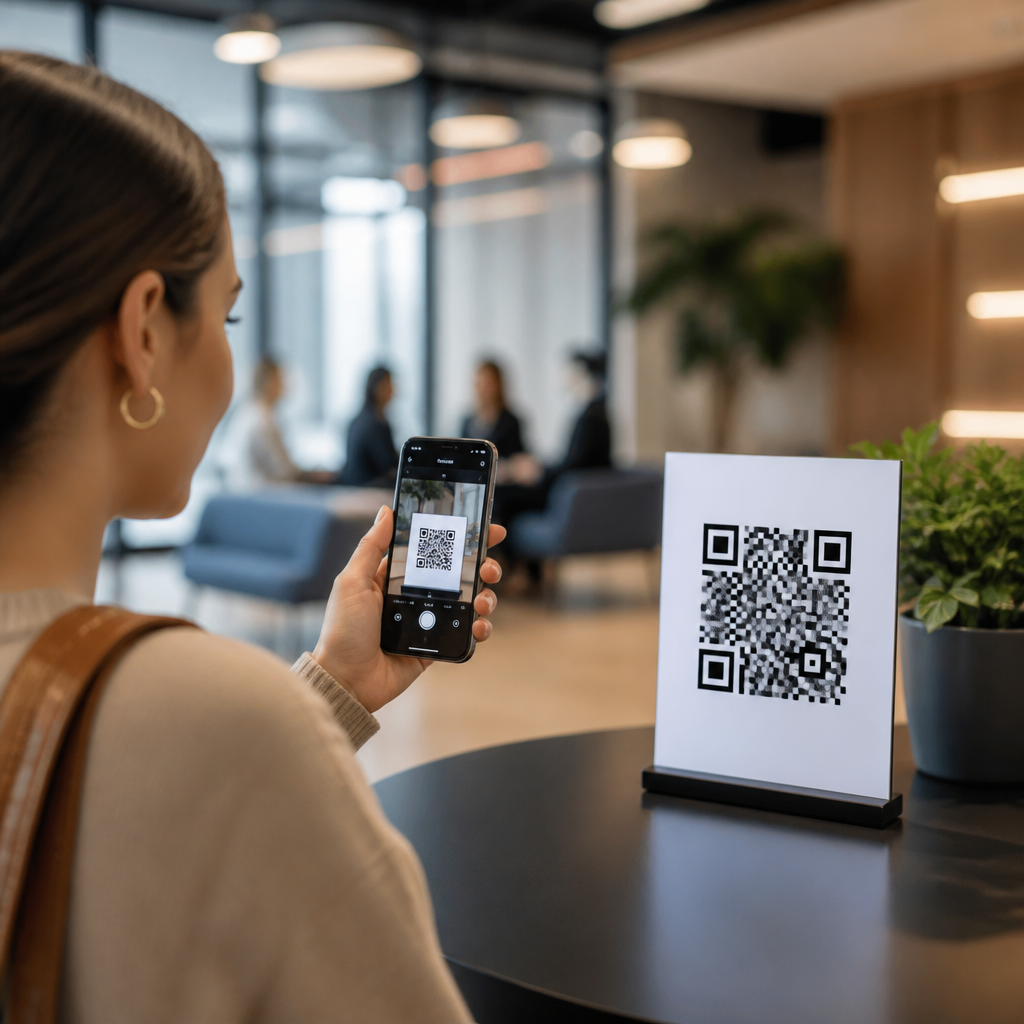
The psychology behind QR code engagement explains why a small square can move people from a poster, package, menu, email, or storefront into a measurable digital action within seconds. In marketing, QR code engagement means the decision to notice, trust, scan, and complete a next step after seeing a quick response code. That behavior is shaped by attention, curiosity, convenience, perceived risk, motivation, and context. I have used QR codes across retail displays, trade show booths, restaurant tables, direct mail, and product packaging, and the strongest results never came from the code alone. They came from understanding why people scan, what friction stops them, and how the surrounding message changes intent.
QR codes work in marketing because they collapse distance between an offline stimulus and an online outcome. A shopper sees a product on a shelf, scans, and lands on reviews. A conference attendee scans a badge or sign and instantly books a demo. A diner scans a table tent to join a loyalty program before the impulse fades. That immediacy matters because human motivation is perishable. Behavioral science consistently shows that when the path to action is shorter, completion rates rise. QR codes reduce search effort, eliminate typing, and convert attention into response at the moment of highest relevance.
This matters more now because smartphone cameras, mobile payments, and app-free scanning have made the behavior mainstream. During the pandemic, QR use accelerated through touchless menus and payments, but the habit stayed because consumers learned the code often leads to speed and utility. For marketers, the value is broader than convenience. QR codes can connect media channels, personalize journeys, track campaign performance, and trigger first-party data capture without demanding much cognitive effort. Understanding the psychology behind QR code engagement helps brands design better calls to action, place codes where motivation is strongest, and avoid the common mistakes that make a code technically functional but psychologically easy to ignore.
Why convenience is the core driver of QR code engagement
The simplest answer to why QR codes work in marketing is convenience. People scan when the expected reward feels larger than the effort required. In behavioral economics, this is often framed as reducing friction cost. Typing a long URL from a bus shelter, flyer, or product box is annoying. Opening a camera and pointing it at a code is easy. The easier path wins, especially on mobile, where every extra tap creates abandonment risk.
I have seen this repeatedly in field campaigns. A cosmetics brand added QR codes to shelf talkers linking to shade-match guides. The page already existed, but usage was low when shoppers had to search for it. Once the code was placed next to the tester display, engagement jumped because the shopper could solve a decision problem in the aisle. The code did not create demand for the guide; it removed the effort required to access it. That distinction matters. Good QR strategy starts with a genuine user job, not with the code itself.
Convenience also works because QR codes fit “micro-moments,” the short windows when someone wants to know, go, buy, or do something immediately. On packaging, the scan can answer “How do I use this?” On a restaurant receipt, it can answer “How do I get points?” On a real estate sign, it can answer “Can I see photos now?” When the code appears at the exact moment a question arises, it feels helpful rather than promotional. That alignment between context and utility is one of the most reliable predictors of scan rate.
Attention, curiosity, and the scan trigger
A QR code gets engagement only after it gets noticed. Visual attention is selective, and people filter most marketing stimuli automatically. The black-and-white square has one advantage: it looks machine-readable and purposeful, which can signal there is something actionable nearby. But a code without a clear reason to scan often becomes visual wallpaper. The surrounding copy, placement, contrast, and whitespace determine whether the code is processed as relevant.
Curiosity is a powerful scan trigger when used carefully. Phrases like “See how this was made,” “Check ingredients and sourcing,” or “Unlock the full demo” create an information gap. The person knows there is more available and believes the scan will resolve uncertainty. This works especially well in categories where shoppers need reassurance, such as supplements, electronics, skincare, and financial services. However, vague prompts like “Scan me” underperform because they ask for action before value is clear. Curiosity should point to a specific benefit, not mystery for its own sake.
Placement shapes attention as much as copy does. At events, codes near queue lines perform well because waiting increases available attention. In stores, eye-level placement near price tags or product decision points often beats larger signs farther away. On packaging, a QR code beside use instructions or warranty information can outperform one buried on the back panel because it sits near an existing reason to inspect the item. Effective marketers design the entire scan trigger: visible code, concrete incentive, and context that makes the action feel timely.
Trust, risk, and why some people hesitate to scan
QR codes are convenient, but they also ask for trust. Before scanning, consumers make a quick risk assessment: Is this safe, legitimate, and worth my time? Security concerns are real because malicious QR codes can redirect users to phishing pages or fake payment portals. That is why trusted branding around the code matters so much. A code on official packaging from a known brand feels safer than a random sticker on a pole.
In practice, scan hesitation falls when marketers reduce uncertainty explicitly. Brand logos near the code, short destination URLs, SSL-secured landing pages, and direct language about the outcome all improve confidence. “Scan to verify authenticity” or “Scan to register your warranty at brandname.com” is stronger than a bare code because it states purpose and ownership. Dynamic QR platforms such as Bitly, QR Code Generator Pro, Beaconstac, and Uniqode also let teams use branded domains and editable destinations, which supports both trust and operational control.
There is also a privacy dimension. If the landing page immediately asks for a phone number, downloads an app, or triggers multiple permissions, users feel baited. Trust is preserved when the first destination delivers on the promise before asking for more. For example, a wine label can first show tasting notes and pairing suggestions, then offer a club signup. That sequence respects reciprocity. Give value first, then request data. Brands that understand this earn higher completion rates and lower bounce rates.
Motivation, reward, and the value exchange
People scan because they expect a reward. That reward can be practical, emotional, social, or financial. Practical rewards include setup instructions, ingredient details, translations, support, event maps, or refill reminders. Emotional rewards include surprise content, behind-the-scenes stories, or personalized messages. Social rewards include shareable filters, contest entries, or community access. Financial rewards include discounts, loyalty points, rebates, and limited-time offers. The strongest QR code campaigns make the reward obvious before the scan happens.
Marketers often assume discounts are the best incentive, but that is too narrow. In many campaigns I have managed, utility beats price cuts. A B2B manufacturer saw higher scan-to-lead rates from “View installation specs” than from “Request a quote” because engineers needed confidence before contacting sales. Likewise, a food brand earned more scans from recipes tied to the product than from a generic sweepstakes. The lesson is straightforward: match the reward to the user’s actual stage in the decision journey.
| Context | Primary motivation | High-performing QR offer | Why it works |
|---|---|---|---|
| Retail shelf | Reduce purchase uncertainty | Reviews, comparisons, how-to video | Supports an immediate buying decision |
| Product packaging | Increase product value after purchase | Usage tips, recipes, warranty, refill link | Delivers utility at the moment of ownership |
| Restaurant table | Save time and earn benefits | Menu, reorder flow, loyalty signup | Shortens service friction during a live experience |
| Trade show booth | Capture information quickly | Demo booking, spec sheet, case study | Turns booth interest into measurable follow-up |
| Direct mail | Bridge physical attention to digital action | Personalized landing page or offer code | Makes response immediate without typing |
The value exchange must also feel fair. If a code promises “exclusive content” and leads to a generic homepage, trust erodes instantly. If it promises a coupon and then requires six form fields, motivation collapses. Clear pre-scan expectations and low post-scan friction are nonnegotiable. The psychology is simple: people continue when the payoff arrives fast and matches the promise.
Context, timing, and environmental cues
Why QR codes work in marketing depends heavily on context. The same code can succeed in one environment and fail in another because behavior is situational. A commuter rushing through a station has less patience than a shopper comparing products in a quiet aisle. Bright sunlight can make a glossy sign hard to scan. Weak cellular service can sabotage a landing page. Distance, motion, lighting, and available time all shape engagement.
That is why campaign design should start with environmental observation. On out-of-home placements, codes need large sizing, strong contrast, and a mobile page that loads fast on standard networks. On television, the code must remain onscreen long enough to scan from a couch and should use a short, memorable prompt. In hospitality, table cards should sit where diners naturally pause, not where condiments block them. In packaging, curved surfaces and seam placement can distort readability. Seemingly minor production choices often decide performance.
Timing cues matter too. Limited-time framing, event-specific relevance, and lifecycle triggers can increase response because they sharpen urgency. A QR code on a receipt inviting feedback within twenty-four hours performs differently from a generic survey request with no time cue. A code on a product box offering setup help in the first ten minutes of ownership meets peak need. The best marketers map scans to moments, not just channels.
Designing QR campaigns that convert, not just attract scans
High scan volume is not the real goal; meaningful action is. The campaign has to convert after the scan. That means fast loading pages, mobile-first design, clear message match, and a single primary next step. If the code on a storefront promises “Book a free consultation,” the landing page should open directly to booking options, not a generic homepage with ten navigation choices. Every unnecessary branch adds cognitive load.
Measurement is equally important. Dynamic QR codes allow marketers to update destinations without reprinting assets and to track scans by time, device, and location. Combined with UTM parameters in Google Analytics 4, CRM attribution, and call tracking, they create a clear picture of offline-to-online performance. In serious programs, I recommend tracking at least four stages: impressions or footfall estimate, scans, landing page engagement, and final conversion. This reveals whether a weak result comes from poor visibility, low motivation, bad page experience, or an offer mismatch.
Testing improves performance quickly. Marketers should test call-to-action wording, incentive type, placement height, color contrast, page format, and whether the code links to a browser page, wallet pass, form, or app deep link. Error correction level also matters in production; codes printed on packaging or likely to face wear should use a level that tolerates some damage without becoming unreadable. Good QR campaigns are engineered systems, not decorative add-ons.
Common mistakes and what strong brands do differently
The most common QR code mistakes are predictable. Brands use tiny codes, place them where people cannot pause, fail to explain the benefit, route traffic to generic pages, ignore mobile load speed, or forget to test across devices. Another frequent error is treating every audience the same. A first-time prospect needs proof and clarity; an existing customer may want service, rewards, or replenishment. One code strategy rarely fits all stages.
Strong brands behave differently because they treat QR codes as journey design. They choose a user need, create a specific promise, place the code where that need is active, and build a landing experience that completes the task quickly. They also plan governance. URLs are maintained, redirects are monitored, scans are tagged consistently, and print teams coordinate with digital teams before launch. This operational discipline is what makes QR marketing reliable at scale.
As a hub topic within QR codes in marketing strategy, the central lesson is clear: QR codes work when psychology and execution align. They succeed because they reduce effort, satisfy curiosity, provide timely utility, and convert intent in the moment it appears. They fail when they ask for trust without earning it or add friction after promising speed. Audit your current placements, rewrite the call to action around a real user benefit, and connect each code to a mobile experience worthy of the scan.
Frequently Asked Questions
Why do people scan QR codes in the first place?
People scan QR codes because they promise a fast bridge between the physical world and a useful digital outcome. At a psychological level, that decision is often driven by a mix of curiosity, convenience, and immediate relevance. If someone sees a QR code on a poster, package, restaurant menu, trade show display, email, or storefront, they are subconsciously asking a few quick questions: What will I get? How hard will this be? Is it worth the effort? When the answer feels obvious and positive, scan rates increase.
Convenience is one of the strongest motivators. A QR code reduces friction by removing the need to type a long URL, search for a product, or ask for more information. That ease matters because people are far more likely to act when the next step feels simple and immediate. Curiosity also plays a major role. A well-placed code paired with compelling language such as “See how it works,” “Unlock the full menu,” or “Get your exclusive offer” creates an information gap that people naturally want to close.
Context shapes the choice as well. Someone standing in front of a retail shelf may scan to compare options, check reviews, or access a discount before buying. A diner may scan a table tent because it feels like the expected way to view a menu or reorder. A trade show visitor may scan because they want details without carrying more printed materials. In each case, the scan is not really about the code itself. It is about the perceived value behind it and how quickly that value can be reached.
What psychological factors make a QR code feel trustworthy enough to scan?
Trust is essential because scanning a QR code requires a small leap of faith. People cannot see the destination just by looking at the code, so they rely on surrounding signals to judge whether it feels safe and legitimate. The strongest trust factor is context. A QR code placed on official packaging, inside a branded email, on a well-designed in-store display, or in a professionally presented restaurant environment tends to feel more credible than a code appearing with no explanation or visual identity.
Clear branding reduces uncertainty. When a code is surrounded by recognizable logos, consistent colors, clean design, and a direct call to action, people are more likely to assume the experience is authentic. Language matters too. Specific wording such as “Scan to view product details,” “Scan to pay securely,” or “Scan to book your appointment” builds confidence because it tells users exactly what will happen next. Vague prompts create doubt, while transparency increases perceived control.
Perceived risk also influences engagement. If a person worries that the code may lead to spam, malware, hidden charges, or a confusing page, they are less likely to scan. That is why visible cues like HTTPS landing pages, familiar brand domains, app-free experiences, and mobile-optimized destinations are so important. Social proof can strengthen trust as well. If others are scanning, if reviews or ratings are visible, or if the code appears in a setting associated with reliability, hesitation goes down. In practical terms, a trustworthy QR experience starts before the scan and continues after it. The code, the message, and the landing page must all feel aligned.
How do attention and design influence QR code engagement?
Attention is the gateway to engagement. Before someone can trust, scan, or act, they first have to notice the QR code. That means placement, contrast, size, and message framing are all critical. A code hidden in visual clutter or placed too low, too high, or too far away may go completely ignored. The human brain filters out huge amounts of information, so QR codes perform best when they are visually supported by clear hierarchy and intentional design.
Strong QR code engagement often comes from pairing the code with a direct and meaningful reason to scan. People do not scan because a square is present. They scan because the design helps them instantly understand the benefit. Effective examples include “Watch the demo,” “Claim 15% off,” “Join the giveaway,” “Browse the wine list,” or “Download the guide.” This framing activates motivation by connecting the scan to a reward, solution, or next step that feels timely.
Good design also lowers cognitive effort. If the code is large enough to scan easily, placed in a logical location, and supported by a short instruction, users do not have to think much about what to do. That matters because every extra moment of confusion reduces action. Design choices can also trigger emotional responses. Clean and modern layouts suggest professionalism. Minimal clutter improves readability. Visual emphasis around the code can create a sense of importance. In short, attention and design work together to move the user from passive viewing to active engagement, and that shift often happens in seconds.
Why does context matter so much in whether someone follows through after scanning?
Context matters because QR code engagement is not a single action. It is a sequence of decisions: notice, trust, scan, wait, evaluate, and complete the next step. Each stage is influenced by what the user is doing, where they are, how much time they have, and what they expect in that moment. A person scanning in a busy retail aisle behaves differently from someone scanning at a conference booth, at a restaurant table, or from a printed mail piece at home.
Environmental conditions can increase or reduce engagement dramatically. In a restaurant, people usually want speed and clarity, so the landing experience should help them access a menu, order, or pay with as little friction as possible. At a trade show, the user may want product specs, a lead magnet, or a quick way to exchange contact information. On packaging, the user may be interested in tutorials, authenticity verification, loyalty rewards, or care instructions. The psychology changes because the motivation changes.
Timing is another major factor. If the scan leads to an action that fits the user’s immediate goal, follow-through is much more likely. If it asks for too much too soon, completion rates drop. For example, someone might gladly scan to view a menu but abandon if forced to create an account before seeing anything. Someone may scan a poster for event details but leave if the page loads slowly or is not mobile-friendly. The best QR campaigns respect the user’s situation and deliver the right level of value for that specific moment. Relevance is what turns a scan into a measurable result.
How can marketers improve QR code engagement using psychology?
Marketers can improve QR code engagement by reducing friction, increasing clarity, and matching the offer to the user’s motivation. The first step is to make the value exchange obvious. Instead of simply placing a QR code and hoping for action, tell people exactly why they should scan and what they will receive. Benefit-driven calls to action consistently outperform generic prompts because they answer the user’s most important question upfront: “What’s in it for me?”
Next, focus on lowering perceived effort and perceived risk. The scan destination should load quickly, work well on mobile, and bring users directly to the promised content. Avoid unnecessary steps, especially early in the experience. If the user scans for a coupon, do not make them hunt for it. If they scan for a menu, do not gate it behind a form. The smoother the path, the more likely people are to complete the action. This is a direct application of behavioral psychology: when effort drops and reward feels immediate, compliance rises.
Marketers should also use context-specific messaging and test placements. A storefront code may perform best with a time-sensitive offer. A product package may do better with education or loyalty rewards. A booth display may benefit from lead capture paired with a useful giveaway. Social proof, urgency, exclusivity, and personalization can all strengthen results when used appropriately. Finally, measurement is essential. Track scans, landing page behavior, conversion rates, and completion paths to learn what is actually driving engagement. The psychology behind QR codes becomes most powerful when it is tested in real-world settings and refined based on actual user behavior.