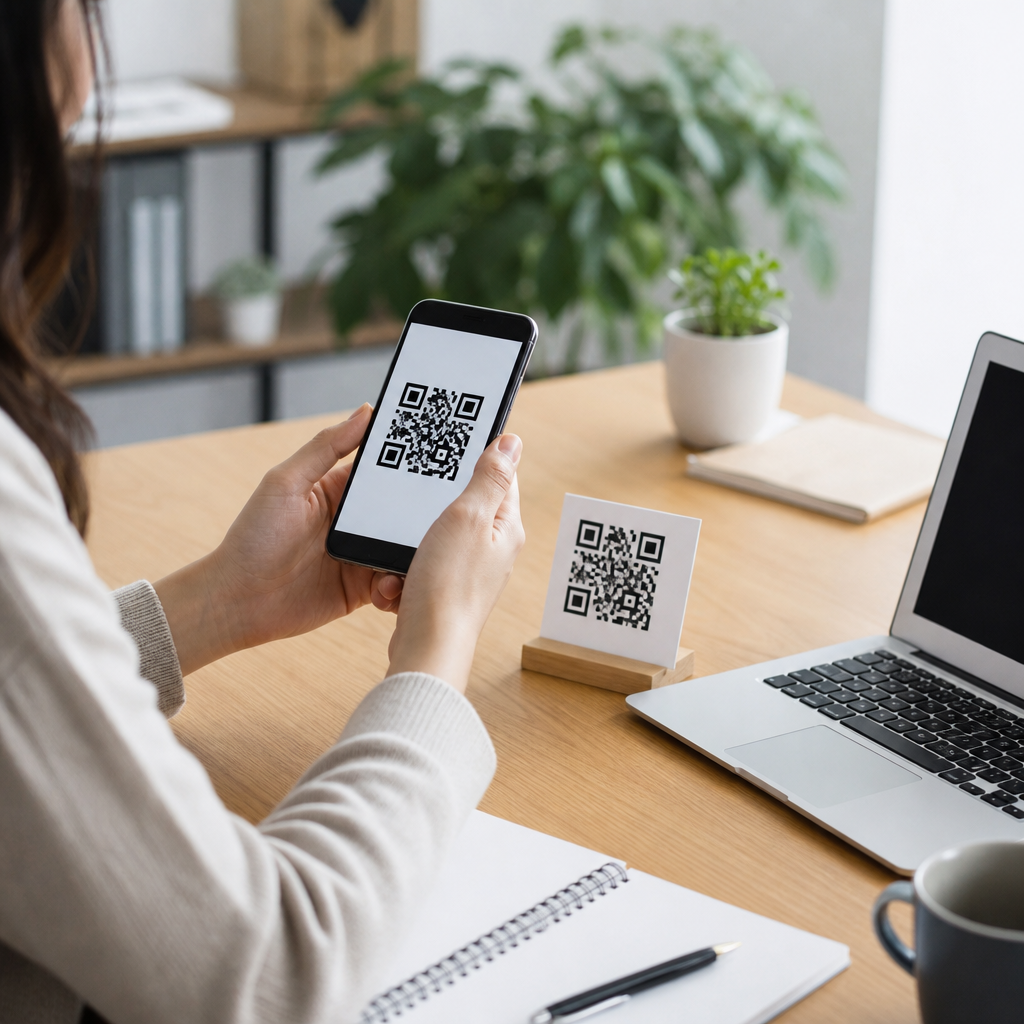
How to make money with QR codes as a freelancer starts with understanding why businesses keep buying speed, trackability, and convenience instead of just a square graphic. A QR code, or Quick Response code, is a scannable matrix barcode that opens a link, downloads a file, launches a payment screen, saves contact details, or triggers a workflow from a phone camera. For freelancers, that simple interaction creates billable work across design, marketing, web development, events, print, hospitality, and local commerce. I have used QR campaigns for restaurants, coaches, real estate agents, conferences, and service businesses, and the pattern is consistent: clients rarely need “a code.” They need more bookings, better attribution, easier ordering, lower support friction, or measurable offline-to-online conversion. That distinction matters because it changes your pricing, your deliverables, and your positioning. If you sell QR codes as a commodity, you compete on price. If you sell business outcomes powered by QR codes, you can build recurring revenue, productized services, and retainers. This article is the hub for freelancer opportunities in QR code monetization, so it covers where demand comes from, which services sell, what to charge, what tools to use, and how to package offers for small businesses and growing brands.
Why businesses hire freelancers for QR code work
Businesses hire freelancers for QR code projects because the work sits between departments. A restaurant owner needs menu access, review generation, table ordering, and analytics, but may not have a designer, developer, print coordinator, and marketer in-house. A real estate team wants yard signs that route to property pages and capture lead source data. An event organizer needs attendee check-in, sponsor tracking, and downloadable agendas. In each case, QR codes connect physical touchpoints to digital actions. Freelancers are attractive because they can ship the entire solution quickly without adding payroll.
Demand also grows when clients realize static and dynamic QR codes are different. Static codes point permanently to one destination and cannot be edited after printing. Dynamic codes use a short redirect URL, letting you change destinations, add tracking parameters, measure scans by date or location, and pause campaigns without reprinting assets. That flexibility turns a one-time design request into ongoing campaign management. Clients usually understand the value immediately when you explain a common scenario: if a retailer reprints 5,000 package inserts because a landing page changed, the hidden cost is far higher than paying for a managed dynamic code setup from the start.
Another reason this niche is growing is smartphone behavior. Both iPhone and Android cameras scan QR codes natively, so friction is low. People are already trained by restaurant menus, mobile payments, app logins, product packaging, and digital tickets. Businesses therefore view QR interactions as normal rather than experimental. For a freelancer, that means shorter sales cycles than many emerging channels. You are not selling an unfamiliar behavior; you are improving one customers already accept.
Freelance services you can sell around QR codes
The best freelance opportunities combine the code with a business asset. Start with strategy and setup services: campaign planning, destination mapping, dynamic code creation, link architecture, UTM tagging, analytics dashboards, and governance documentation. Then add design services such as branded QR codes, print-ready layouts, signage, table tents, packaging inserts, window decals, brochures, flyers, stickers, business cards, and trade show materials. On the digital side, freelancers can build mobile landing pages, lead capture forms, payment links, coupon redemption flows, review funnels, PDF download pages, appointment booking pages, and digital menus.
Operations-focused services are especially profitable because they tie directly to saved time or increased revenue. Examples include QR code systems for technician checklists, maintenance logs, inventory lookups, staff training videos, property inspection forms, visitor registration, and customer support shortcuts. I have seen home service companies adopt vehicle-mounted QR codes that route to quote forms by service type, then use scan data to compare neighborhoods and truck placements. That is not decorative design work; it is measurable demand generation.
Freelancers can also sell management retainers. These include updating destinations, replacing expired offers, reviewing analytics monthly, split-testing landing pages, checking print quality, generating reports, and coordinating seasonal campaigns. Many clients assume QR projects end after launch, but once they see scan data and conversion drop-off, they usually want optimization. A monthly retainer becomes easier to justify when you show that a code scanned 1,200 times but only 3 percent reached the booking confirmation page. That gap suggests actionable fixes.
Best niches for QR code freelancer opportunities
Not every market buys at the same speed. The fastest-moving niches are restaurants, cafes, food trucks, retail stores, real estate teams, event organizers, gyms, salons, tourism operators, museums, coaches, healthcare practices, and local service businesses. These buyers rely heavily on physical spaces, printed materials, foot traffic, or field staff, so a scanable bridge to a digital action is naturally valuable. For example, a salon can use QR codes for booking, stylist portfolios, aftercare instructions, and loyalty signups. A realtor can use one code on every flyer that routes to a property-specific landing page while preserving brokerage branding and CRM integration.
Business-to-business opportunities are also substantial. Manufacturers use QR codes on packaging for manuals, compliance documents, warranty registration, replacement part ordering, and product authenticity verification. Consultants use them on conference materials to capture leads and distribute resources. Schools and nonprofits use them for donations, event registrations, permission slips, and volunteer forms. The niche you choose matters because language, proof points, and pricing change by use case. A local restaurant buys speed and simplicity. A manufacturer buys documentation control and traceability. Tailor your offer accordingly.
| Freelance Offer | Ideal Client | Primary Business Goal | Typical Pricing Model |
|---|---|---|---|
| Digital menu and table ordering QR setup | Restaurants, cafes, bars | Faster ordering and lower printing costs | Setup fee plus monthly updates |
| Lead capture landing page with trackable QR codes | Realtors, coaches, service firms | More qualified inquiries | Project fee plus analytics retainer |
| Event check-in and sponsor activation system | Conferences, expos, nonprofits | Smoother registration and sponsor reporting | Per-event package |
| Packaging QR for manuals, warranty, and upsells | Ecommerce brands, manufacturers | Reduce support and increase post-purchase revenue | Implementation fee |
| Review generation QR signage | Local businesses | More verified reviews | Low-ticket setup, high-volume sales |
Tools, workflow, and delivery standards
Your tool stack affects reliability more than most clients realize. For QR generation, reputable platforms include Bitly, Beaconstac, QR Code Generator PRO, Flowcode, and Uniqode. The exact choice matters less than core capabilities: dynamic redirects, analytics, team access, export formats, custom domains, password protection where needed, and error correction support. For destination pages, tools like WordPress, Webflow, Carrd, Leadpages, and HubSpot cover most freelancer use cases. For analytics, use Google Analytics 4, Search Console when indexed pages are involved, Looker Studio for dashboards, and a CRM such as HubSpot, Pipedrive, or GoHighLevel if lead routing matters.
Delivery standards are where experienced freelancers separate themselves from low-cost sellers. A QR code must maintain quiet zone margins, adequate contrast, sufficient size for the scanning distance, and scannability after branding is applied. As a rule, I test every code on multiple devices, in low light, and from the expected user distance before approving print. For print, vector files such as SVG, EPS, or PDF are safest. For digital placements, PNG with proper resolution usually works. If a code will appear on moving vehicles, outdoor signs, or curved packaging, test in the real environment. Beautiful codes that fail under glare or at six feet are expensive mistakes.
Privacy and compliance matter too. If a QR code leads to a form collecting personal data, the landing page should include a privacy notice and secure transport over HTTPS. If payments are involved, use recognized processors such as Stripe, Square, or PayPal rather than improvised collection flows. If healthcare or regulated industries are involved, be careful about what data is collected and where it is stored. Clients trust freelancers who mention these constraints before a problem occurs.
How to price QR code freelance work profitably
Pricing should reflect business value, complexity, and ongoing responsibility, not the time required to render the image. New freelancers often undercharge because the visible artifact looks simple. The profitable unit is the system: redirect logic, landing page, tracking, print coordination, testing, and optimization. A basic review QR package for a local business might start as a low-ticket offer to win volume, while a multi-location hospitality rollout with branded collateral, analytics, and staff training should command a premium. Common pricing models are one-time project fees, setup plus monthly management, per-location rollout pricing, and per-event packages.
A practical method is three-tier packaging. Tier one covers strategy, one dynamic QR code, a simple landing page, and a launch guide. Tier two adds branded design assets, UTM tracking, dashboard setup, and two rounds of optimization. Tier three includes multiple codes, CRM integration, staff training, print coordination, and monthly reporting. This structure anchors price around outcomes and gives clients a clean upgrade path. It also protects margin because the added value comes from process and expertise, not only labor hours.
When clients push back, reframe around costs avoided and revenue gained. If a code on packaging reduces support tickets by linking to setup videos and manuals, estimate the monthly labor savings. If a realtor closes one additional transaction from sign scans that would otherwise be unattributed, your fee becomes minor relative to commission. The strongest proposals quantify one operational benefit and one revenue benefit. That dual argument works across industries.
Finding clients and building a repeatable pipeline
The easiest clients to close are businesses already using printed materials, signage, packaging, tables, booths, or field teams, but using QR codes poorly or not at all. Audit local businesses and identify gaps: static codes leading to broken links, menu PDFs that are unreadable on phones, flyers without tracking, review signs that send customers to generic homepages, or real estate materials missing lead capture. Outreach works better when you include a fix. Send a two-minute loom video showing the problem, the improved flow, and a specific outcome such as faster bookings or better attribution.
Your portfolio should show before-and-after business cases rather than just code designs. Include screenshots of the landing page, the printed placement, and the reporting dashboard. State the objective, implementation, and result plainly. Even if you are starting, you can create sample campaigns for fictional local businesses or volunteer projects. A strong sample for a restaurant, event, and service business covers three major buying patterns and gives prospects confidence that you understand their environment.
Partnerships are another reliable channel. Printers, sign shops, branding studios, web designers, photographers, and event planners often encounter clients who need QR functionality but do not want to build it themselves. Offer white-label implementation or a referral fee. I have won recurring work simply by making life easier for printers who were tired of receiving low-resolution screenshots instead of production-ready files and tested destinations.
Turning one-off QR projects into recurring income
The best QR code freelance businesses do not rely on one-time setup fees. They turn launched assets into managed systems. Offer monthly analytics reviews, seasonal campaign refreshes, destination updates, broken-link monitoring, A/B testing, and multi-location reporting. Add adjacent services that naturally fit the workflow, such as landing page optimization, local SEO for linked pages, email capture automations, review management, CRM cleanup, and staff training documentation. Once a business depends on a code in the real world, reliability matters, and that creates room for retainers.
Retention improves when you document performance clearly. Build a simple monthly report that shows scan volume, top locations, device patterns, conversion rate, and recommendations. Then tie recommendations to next actions: shorten the form, replace the PDF with a mobile page, enlarge the sign, move the code closer to checkout, or add an incentive. Clients stay when they see an expert managing a system that keeps improving.
QR code monetization for freelancers is compelling because it sits at the intersection of design, marketing, and operations. You can start with a narrow offer, prove results quickly, and expand into higher-value work without needing a large team. Focus on outcomes, use dependable tools, test everything in real conditions, and package your services around measurable business gains. If you want to build a practical freelance niche inside QR Code Monetization & Business Opportunities, start by creating one clear offer for one industry, then document the result and repeat.
Frequently Asked Questions
How can a freelancer actually make money with QR codes instead of just selling the code itself?
The biggest mindset shift is realizing that clients are rarely paying for a QR code as a standalone product. They are paying for the business outcome the code makes possible. A QR code is easy to generate, but turning it into something useful, branded, trackable, and revenue-producing is where freelance value lives. Businesses buy speed, convenience, measurable engagement, and smoother customer experiences. That means freelancers can make money by packaging QR codes into larger services such as landing page design, lead generation funnels, menu systems for restaurants, event check-in flows, digital business cards, payment links, review request campaigns, product packaging experiences, and print-to-digital marketing campaigns.
For example, a restaurant may not care about a black-and-white square by itself, but it will pay for a mobile menu system that reduces printing costs and updates instantly. A real estate agent may pay for QR codes on signs that send prospects to a listing page with photos, video tours, and a contact form. A coach or consultant may want QR codes on flyers that lead directly to booking pages or downloadable lead magnets. A retail brand may want packaging QR codes that activate loyalty offers, product instructions, or customer reviews. In each case, the code is only one component of a broader solution, and that broader solution is what justifies higher pricing.
Freelancers can also create recurring revenue by offering dynamic QR code management, analytics reporting, A/B testing, content updates, hosting, campaign optimization, and ongoing maintenance. Instead of charging a one-time fee for setup, you can sell monthly support that includes updating destinations, tracking scans by campaign, creating seasonal promotions, and improving conversion rates. That turns a low-cost deliverable into a dependable freelance service line with both project fees and retainers.
What services can freelancers bundle with QR codes to increase pricing and attract better clients?
QR codes become significantly more profitable when bundled with strategic and technical services. Strong offers often include branded design, custom landing pages, mobile optimization, copywriting, analytics setup, campaign strategy, and print placement guidance. If you are a designer, you can sell branded QR assets for packaging, posters, table tents, brochures, product inserts, storefront signs, and business cards. If you are a web developer, you can build the mobile destination experience the QR code opens, such as a lead capture page, appointment scheduler, digital catalog, or payment page. If you are a marketer, you can position QR codes as part of a conversion funnel and offer reporting on scans, clicks, submissions, and sales.
There are also niche-specific bundles that tend to sell well. For hospitality clients, freelancers can offer digital menus, feedback forms, Wi-Fi login pages, and upsell promotions. For event organizers, services might include registration pages, check-in systems, sponsor activations, speaker bios, downloadable agendas, and post-event surveys. For coaches, consultants, and personal brands, QR codes can connect printed materials to booking pages, lead magnets, newsletters, or testimonial pages. For local service businesses, a freelancer can create review generation systems where a QR code sends happy customers directly to Google reviews while also tracking campaign performance.
Higher-value clients often want more than execution; they want guidance. That creates space for consulting around where the code should appear, what action it should trigger, how to improve scan rates, and how to reduce friction after the scan. Simple details like using a short URL fallback, testing on different phones, matching the landing page to the printed message, and ensuring fast page load times can materially improve campaign performance. When you speak in terms of conversions, customer experience, and measurable return instead of merely “making a QR code,” your service becomes easier to price at a premium.
Which types of clients are most likely to pay freelancers for QR code projects?
The best clients are businesses and professionals who already rely on customer interaction, offline marketing, in-person traffic, or fast mobile actions. Restaurants, cafés, food trucks, hotels, event planners, real estate agents, retailers, fitness studios, healthcare practices, local service companies, trade show exhibitors, coaches, consultants, and nonprofit organizations are all strong prospects. These clients often need a simple bridge between physical materials and digital experiences, and QR codes solve that problem efficiently. They also tend to understand the value of convenience, especially when it saves staff time, reduces printed material costs, or increases response rates from existing foot traffic.
Local businesses are particularly attractive because they frequently use signs, menus, flyers, receipts, packaging, business cards, posters, direct mail, and window displays. Each of those assets can become interactive through a QR code. A salon can use one for appointment booking and review requests. A plumber can put one on invoices for quick payment and maintenance plan signups. A gym can place codes on posters that link to class schedules, membership offers, or trainer bios. In real estate, QR codes can be used on listing signs, postcards, brochures, and open house materials to capture leads immediately.
The strongest opportunities usually come from clients who can benefit from trackability. When a business wants to know how many people scanned a code, what source drove the most engagement, or which printed campaign produced the best return, the freelancer becomes more valuable. That is why service providers who offer dynamic QR codes, custom destination pages, and analytics reporting are often able to win better projects. Instead of targeting people who want the cheapest possible code, focus on clients who need measurable results, regular updates, and integration with their broader marketing or customer journey.
How should freelancers price QR code services for one-time projects and ongoing monthly revenue?
Pricing should reflect the result delivered, the complexity involved, and whether the project includes strategy, design, development, and reporting. Charging only a small flat fee for creating a QR code usually undervalues the work because the code itself is the least important part of the solution. A more effective approach is to price based on the use case. A basic package might include QR code generation, branding, testing, and a destination link setup. A mid-tier package could include a custom mobile landing page, call-to-action copy, print usage recommendations, and analytics. A premium package might add dynamic editing, campaign tracking, conversion optimization, multiple code variations, CRM integration, and monthly reporting.
One-time projects can be priced as setup fees, especially when the client needs campaign planning, page creation, or design work. Ongoing revenue can come from monthly retainers for hosting, dynamic link management, content updates, analytics dashboards, split testing, and support. This is especially useful when the client changes promotions regularly, runs events, rotates offers, or needs seasonal updates. For example, a restaurant may want menu updates, a retailer may rotate promotions, and a real estate agent may need new destination pages for changing listings. Those are not one-off needs, which makes recurring service a natural fit.
It also helps to explain pricing in business language. If your QR code system helps a client generate leads, collect more reviews, reduce printing costs, shorten checkout time, or improve event registration, your fee is easier to justify. You are not selling pixels or a barcode pattern; you are selling a working customer flow. Many freelancers improve closing rates by presenting tiered packages and clearly showing the difference between static code delivery and a managed conversion system with reporting. That structure gives budget-conscious clients an entry point while also encouraging higher-value buyers to choose ongoing support.
What are the most important best practices for creating QR code projects that deliver real results for clients?
The most important rule is that the scan experience must be frictionless from start to finish. That starts with using a clear call to action near the QR code so people know exactly why they should scan it. “View menu,” “Book now,” “Claim discount,” “Pay invoice,” or “See property photos” will outperform a code that appears with no context. The destination must also be mobile-friendly, fast-loading, and tightly matched to the promise made on the printed material. If someone scans a code expecting a coupon and lands on a generic homepage, performance will suffer and the client will see less value.
Testing is another critical best practice. Freelancers should test codes across multiple phone types, camera apps, lighting conditions, and print sizes before launch. Placement matters as much as design. A code on a dark background, curved surface, glossy finish, or low-visibility location may scan poorly even if the code is technically correct. It is also important to maintain enough contrast and quiet space around the code so scanners can detect it easily. If branding is added, it should not compromise readability. A beautiful code that fails in the real world is a liability, not an asset.
From a business perspective, trackability and flexibility are what make QR projects more valuable over time. Whenever possible, use systems that allow destination updates without reprinting materials, especially for campaigns likely to evolve. Add analytics so clients can measure scans, location performance, time-based activity, and conversions after the scan. Pair the code with a dedicated landing page or campaign URL structure to keep reporting clean. Finally, think beyond the scan itself. The true measure of success is not how many people opened the link, but what happened next: bookings, payments, downloads, signups, reviews, or sales. Freelancers who design the entire journey, not just the code, create better results and build stronger long-term client relationships.