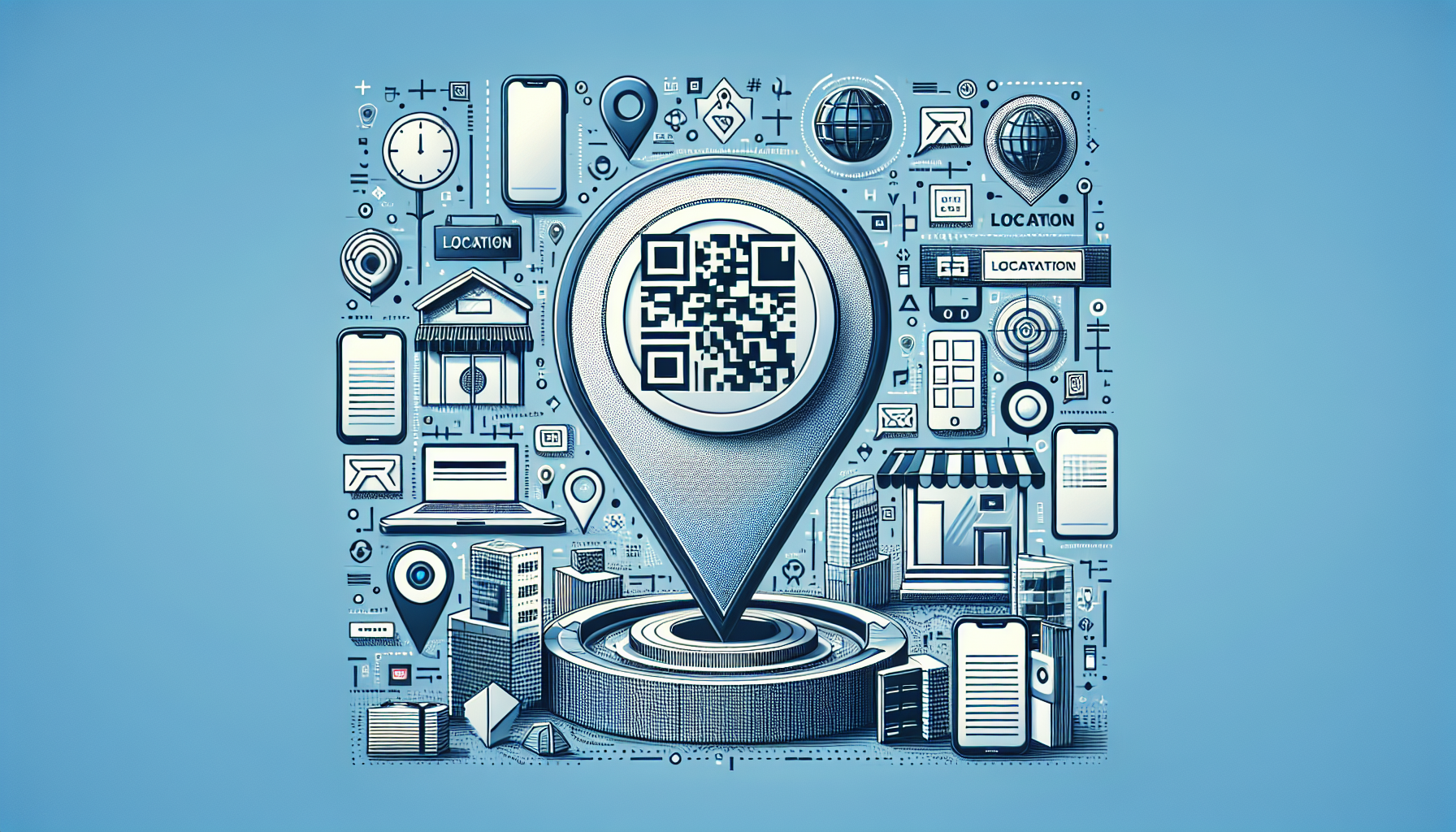
Location-based QR code marketing turns a simple square barcode into a context-aware conversion tool by matching the scan experience to where a person is standing, what they are doing, and how close they are to a purchase decision. In practice, that means the same campaign logic changes by venue, neighborhood, transit corridor, store aisle, event entrance, or tourist district. I have used this approach in retail rollouts, venue activations, and local lead generation, and the pattern is consistent: when the destination matches physical context, scan rates rise and the traffic is easier to convert. A location-based QR code campaign is any campaign where placement, landing page content, offer, or analytics are intentionally tied to geography. That geography can be broad, such as a city-level promotion, or highly specific, such as a QR code placed beside a product endcap in one branch.
This matters because QR scans are not passive impressions. A person has to notice the code, decide it is worth scanning, open a camera, and wait for the page to load. That is high intent behavior. The marketer’s job is to remove ambiguity and reward that intent immediately. Effective location-based QR marketing does this by aligning four elements: placement, message, destination, and measurement. Placement determines who sees the code. Message explains why scanning is useful right now. Destination fulfills that promise with relevant local content. Measurement connects scans to store visits, leads, coupon redemptions, reservations, or sales. Brands that ignore location often send every scan to one generic page, then wonder why engagement stalls. Brands that tailor by place create clearer relevance, stronger local signals, and better operational insight.
Location-based QR code campaign examples are especially useful because they show how strategy changes across real environments. A museum needs timed audio content and multilingual guidance. A restaurant needs menu access, waitlist joins, and map-driven discovery. A retailer may need store-specific inventory, limited-time offers, and associate-assisted pickup. A property manager may need neighborhood guides and unit tours. Each use case relies on the same foundation: dynamic QR codes, mobile landing pages, campaign tagging, and a measurement plan. Dynamic codes are essential because they let you update the destination without reprinting materials. URL parameters, analytics dashboards, and event tracking reveal which location, creative, and placement generated action. Combined with geotargeted content, these tools make physical spaces measurable in a way that static signage never was.
As a hub article for location-based QR marketing, this guide explains the core campaign types, shows concrete examples, and clarifies what separates a useful scan from a wasted one. It also sets up the broader advanced QR strategy stack: local landing pages, retail attribution, event activation, outdoor media, tourism, real estate, compliance, and privacy-aware analytics. If you are deciding where to start, begin with the places where people already pause: entrances, checkout counters, waiting areas, transit shelters, product displays, hotel lobbies, and community boards. Those moments create natural scanning behavior. The goal is not to put a QR code everywhere. The goal is to place each code where context gives the scan immediate meaning.
What makes location-based QR marketing effective
The best location-based QR campaigns answer three questions before the user asks them: why scan here, why scan now, and what happens next. If the sign says “Scan for details,” performance is usually mediocre because the value is vague. If it says “Scan to see today’s lunch specials at this location” or “Scan for aisle map and in-stock sizes in this store,” the value is concrete and immediate. In my campaigns, clarity in the call to action regularly matters more than visual flair. Good creative helps the code get noticed, but utility drives the scan.
Operational details also determine success. The landing page must load fast on mobile, use a location-aware headline, and avoid forcing unnecessary app installs. If the campaign supports multiple branches, each branch should have a dedicated destination or at least dynamic content blocks populated by store ID, venue ID, ZIP code, or GPS-confirmed region. This is where teams often underbuild. They print a smart code but connect it to a dumb destination. Strong campaigns treat the QR code as the entry point to a local experience, not merely a shortcut to the homepage.
Measurement should be planned at the start. At minimum, track total scans, unique users, device type, time of day, and destination engagement. Better programs add coupon redemption, reservations, direction clicks, inventory checks, form submissions, or add-to-cart events. If physical outcomes matter, connect scan data with point-of-sale redemptions, CRM records, or store visit estimates from consented analytics platforms. Tools such as Google Analytics 4, Bitly, QR Code Generator Pro, Beaconstac, and Adobe Analytics can support this when implemented correctly. The point is simple: a location-based QR code campaign is only as useful as the business action it can prove.
Retail and in-store QR code campaign examples
Retail is one of the strongest environments for location-based QR marketing because shoppers are already close to a purchase. A common example is a QR code on an endcap that opens a store-specific landing page showing product benefits, available sizes in that branch, and a same-day pickup option. Sporting goods chains use this near seasonal displays because inventory changes quickly by store. Beauty retailers use shelf talkers with QR codes that open shade finders or tutorial videos linked to the products in that exact bay. Grocery brands place QR codes near regional promotions, such as “Scan for recipes using produce on sale at this store today.” These campaigns work because they reduce decision friction at the exact moment of consideration.
Another proven example is the localized coupon campaign. Instead of running one national discount page, a retailer prints branch-level QR codes on window clings, bag inserts, or checkout signage. Each code directs users to a page branded for that store with a short expiration window and barcode-based redemption. This allows operations teams to compare scan-to-redemption rates across branches and test whether entrance signage, shelf placement, or cashier prompts perform better. I have seen this method uncover store-level behavior differences that broad ecommerce analytics miss entirely. One branch may drive more scans near fitting rooms, another near parking-lot pickup signs.
| Location | QR placement | User action | Primary metric |
|---|---|---|---|
| Retail store | Endcap display | Check stock or claim coupon | Redemption rate |
| Restaurant district | Window decal | Open menu or join waitlist | Reservations |
| Transit stop | Shelter poster | View local offer or directions | Click-through rate |
| Event venue | Entrance signage | Access schedule or map | Session depth |
| Real estate site | Property board | Book viewing or virtual tour | Qualified leads |
Retail campaigns do have constraints. Codes must be large enough to scan under mixed lighting, and they should not be placed where shoppers need to block traffic. Staff training matters too. Associates should know what the code does and when to mention it. If a shopper scans for local inventory and the page shows stale data, trust erodes quickly. Syncing with product information management systems, POS feeds, or order management platforms is not optional for high-volume chains. The practical lesson is that retail QR campaigns succeed when merchandising, analytics, and store operations are aligned.
Restaurants, hospitality, and tourism examples
Restaurants were early adopters of QR menus, but the strongest location-based campaigns go beyond replacing printed lists. A neighborhood restaurant can place a QR code on exterior signage that changes by daypart: breakfast menu in the morning, lunch ordering at noon, cocktails and reservations at night. The destination can also recognize the branch and surface map directions, parking guidance, allergen details, and loyalty offers valid only at that location. For multi-unit operators, this reduces confusion and supports local search intent because the landing page mirrors what the visitor expects from that street address.
Hotels and tourism boards use QR codes to turn physical spaces into guided experiences. In a hotel lobby, a QR code can open a neighborhood guide curated for that property, with walkable attractions, transit information, partner discounts, and multilingual support. At a landmark, a code can launch an audio tour tied to the exact stop, not a generic homepage. Museums often place separate dynamic codes beside exhibits so they can update explanations, accessibility notes, and language options without replacing placards. These examples are effective because visitors are time-sensitive and unfamiliar with the area. The code acts like a concierge embedded in the environment.
Tourism campaigns benefit from local partnerships. A city district association might place QR codes on street banners that direct pedestrians to seasonal event schedules, public restroom maps, and nearby merchants. A brewery trail can use codes at each stop to unlock a location-specific stamp, encouraging movement across multiple venues. Because users physically travel between places, marketers can design journeys rather than isolated scans. The critical detail is consistency: branding, destination structure, and analytics naming conventions should remain stable across stops so campaign performance can be compared accurately.
Events, out-of-home media, and transit examples
Event environments generate high scan intent because attendees actively seek schedules, maps, and updates. A conference entrance QR code can open the live agenda for that venue, while room-level codes outside breakout sessions can provide speaker bios, downloadable slides, and feedback forms. Stadiums use section-based QR codes for wayfinding, mobile ordering, and sponsor activations. Festivals use gate-specific codes to distribute maps that reflect current crowd flows, weather alerts, or stage changes. When teams rely on dynamic destinations, they can update content in real time without changing the printed asset, which is crucial in fast-moving event operations.
Out-of-home media adds another layer. A billboard near a shopping district should not send users to a broad national campaign page if the creative references one nearby store. Better practice is a local landing page with hours, route guidance, and an offer redeemable in the closest branch. Transit advertising is similar. A QR code inside a commuter rail station may perform best when it offers something tied to that corridor, such as a lunchtime pickup deal near the destination stop. The location itself shapes intent. People at airports, campuses, and park-and-ride lots are operating under different constraints, and the campaign should reflect that reality.
One caution with outdoor placements is scanning distance and speed. QR codes on moving buses or high-speed roadside placements are usually poor performers because users cannot scan safely or comfortably. Shelters, kiosks, station walls, and escalator landings are more practical because they create dwell time. Always test scanability in the actual environment, including glare, weather, and network conditions. A technically correct code can still fail if the physical context is wrong.
Real estate, local services, and implementation best practices
Real estate is a natural fit for location-based QR code campaign examples because the asset and the location are inseparable. A signboard outside a listing can direct passersby to a property page with price, square footage, school district details, floor plans, and immediate tour booking. Developers use site-fence signage to show phased availability and neighborhood amenities. Property managers place lobby or elevator QR codes linking to resident resources specific to that building, such as maintenance requests, package room instructions, or local business partnerships. In each case, the scan captures high-intent interest from people already at the property.
Local service businesses can use the same logic. A clinic can place a QR code at reception for branch-specific forms and aftercare instructions. An auto service center can place one in the waiting area for estimate approvals, maintenance history, and local shuttle details. Fitness chains use studio-level codes for class schedules and trainer introductions. These examples work because they respect the user’s immediate situation instead of forcing them through a generic central website. The closer the QR destination aligns with the exact place and task, the higher the completion rate tends to be.
For implementation, use dynamic codes, short URLs, and dedicated landing pages with local schema markup, clear consent language, and accessible design. Add UTM parameters for campaign source, medium, location, and creative. Build naming conventions before launch so teams do not end up with unreadable reports. Test scan speed on iPhone and Android, over cellular and venue Wi-Fi. Include a fallback short link beneath the code for accessibility and edge cases. Review privacy obligations if you combine scan data with precise location, customer records, or remarketing audiences. The strongest programs are disciplined, not flashy.
Location-based QR marketing works because it connects physical context with digital intent in a measurable way. The best campaigns do not treat the QR code as decoration or a novelty. They use it as a local decision point: scan for the menu at this restaurant, the inventory in this store, the schedule at this gate, the tour for this property, the guide for this district. When marketers align placement, message, destination, and analytics, scans become useful business signals instead of vanity metrics. That is why location-based QR code campaign examples matter so much: they reveal how small changes in context can produce major gains in relevance and conversion.
Across retail, hospitality, tourism, events, transit, real estate, and local services, the same rule applies. A scan should solve the most immediate problem the user has in that location. If the code sends everyone to a generic homepage, the campaign wastes intent. If it opens a fast, mobile-friendly, place-specific experience, the campaign earns attention and action. Dynamic QR technology, branch-level landing pages, and clean analytics make this possible at scale. Teams that invest in those foundations can test offers by neighborhood, compare performance by venue, and improve offline-to-online attribution with much greater confidence.
If you are building a hub for QR Code Advanced Strategies, use location-based QR marketing as one of the first operational layers. Audit your high-dwell spaces, map the user questions tied to each place, and create one destination per meaningful context. Then measure scans against the outcome that matters most: bookings, redemptions, leads, orders, or visits. Start with a small pilot in two or three locations, document the results, and expand what works. The businesses that win with QR are usually not the ones printing the most codes. They are the ones making each scan feel locally useful.
Frequently Asked Questions
What are location-based QR code campaigns, and how are they different from standard QR code marketing?
Location-based QR code campaigns use QR codes as dynamic, context-aware marketing tools rather than static links. In a standard QR campaign, every person who scans the code is usually sent to the same destination, regardless of whether they are in a retail store, outside a stadium, walking through a transit station, or standing in a tourist district. A location-based campaign changes that logic. The experience can be tailored according to where the scan happens, what type of venue the person is in, how close they are to a purchase decision, and what action is most relevant in that moment.
For example, the QR code on a store window might send after-hours visitors to directions, inventory highlights, and next-day offers, while the QR code inside the store could trigger a product comparison page, a loyalty sign-up, or a limited-time coupon. At an event entrance, the code might unlock schedules, maps, upgrades, or sponsor offers. In a neighborhood lead generation campaign, one code design can be deployed across multiple local placements, but the landing experience can change based on district, ZIP code, or campaign location.
The real advantage is relevance. Instead of asking the user to do extra work after the scan, the campaign anticipates intent. Someone near a product shelf may want reviews or a discount. Someone in a transit corridor may need a quick mobile action with minimal friction. Someone in a tourist zone may want multilingual recommendations, directions, or a curated guide. When the QR destination matches the physical context, scan-to-conversion rates often improve because the user is getting a next step that feels immediate and useful rather than generic.
What are some effective real-world examples of location-based QR code campaigns?
Some of the strongest examples come from retail, live events, hospitality, real estate, and local service businesses. In retail, brands often place QR codes in different store zones with different goals. A code at the entrance may promote a welcome offer or store map, while a code in a specific aisle can open product demos, comparison guides, bundle pricing, or replenishment reminders. Endcap displays can be used for impulse conversion with time-sensitive offers, and dressing room or fitting area codes can support sizing help, alternate colors, or cross-sell recommendations.
In venue activations, location-based QR codes are especially effective because attendee intent changes as they move through the space. At the entry gate, a code can handle ticket validation support, event schedules, and venue rules. In a concourse, the code can direct attendees to food ordering, merchandise, or seat upgrades. Near sponsor activations, the scan experience might shift to contests, product sampling sign-ups, or branded content. The same campaign can feel personalized simply because each placement is tied to a different moment in the attendee journey.
Transit and commuter environments also produce strong examples. A QR code on platform signage might promote a quick action such as downloading an app, claiming a local offer, or viewing a nearby business directory. In downtown corridors, storefront window codes can capture after-hours traffic by offering booking options, click-to-call contact paths, and directions. For tourism, QR codes placed in hotel lobbies, cultural districts, or walkable attractions can deliver curated neighborhood guides, multilingual recommendations, local partner deals, and itinerary suggestions based on exactly where the visitor is scanning.
Local lead generation is another practical use case. A home services company, healthcare clinic, or real estate team can use QR placements across neighborhoods, mailers, signage, and partner locations while routing users to landing pages that reflect the area they came from. That makes the message more specific, improves attribution, and supports more accurate follow-up. The best campaign examples are not just creative; they are tightly aligned to physical context and user intent at the point of scan.
How do you plan a location-based QR code campaign so it actually converts?
The starting point is not the QR code itself. It is the user situation. To plan a campaign that converts, first map where the scan will happen, what the person is likely trying to do in that moment, and what the lowest-friction next action should be. A code scanned at a store entrance should not lead to the same experience as one scanned in a parking lot, in a checkout queue, or near a featured product. Each location has different intent signals, time constraints, and conversion opportunities.
Next, define the primary goal for each placement. That could be purchases, lead capture, app installs, bookings, loyalty sign-ups, coupon redemption, event engagement, or local foot traffic attribution. Once the goal is clear, build a landing experience that is fast, mobile-friendly, and immediately connected to the placement context. If the user is standing in a beauty aisle, they should land on beauty-specific content. If they are scanning outside business hours, they should see booking, directions, FAQs, and contact options instead of a generic homepage.
Creative and signage matter more than many teams expect. The code should be accompanied by a clear call to action that explains why someone should scan right now. “Scan for 10% off today,” “Scan to see aisle-specific recommendations,” or “Scan for your event map and fast entry tips” performs better than dropping an unexplained QR code into the environment. The visual treatment should also match the venue and be easy to notice without making scanning difficult.
From there, measurement should be built into the campaign from the beginning. Use dynamic QR codes, track by placement, segment by venue or neighborhood, and compare scan behavior to downstream actions such as purchases, bookings, form fills, or coupon use. This allows you to test variables such as CTA wording, landing page structure, time-of-day offers, and placement quality. The campaigns that convert consistently are the ones designed around physical context, operational simplicity, and measurable outcomes rather than novelty alone.
What metrics should you track in a location-based QR code campaign?
The most basic metric is scans, but scans alone are not enough to judge performance. In a location-based campaign, you want to understand the full path from placement exposure to business result. Start by tracking scan volume by exact location, such as venue entrance, neighborhood, aisle, window display, event zone, or partner site. This reveals which physical environments generate the highest engagement and which ones may need better placement, signage, or incentives.
After scans, focus on quality metrics. These include landing page engagement, bounce rate, time on page, click-through rate, coupon views, menu interactions, form starts, and completed conversions. If one location gets many scans but very few actions, the issue may be message mismatch or weak landing page relevance. If another location gets fewer scans but stronger conversion rates, that placement may be reaching users with higher intent and deserves more investment.
It is also valuable to compare campaign performance by context. Look at time of day, day of week, event timing, store traffic patterns, and local conditions when available. A code outside a retail store might perform differently during lunch hours than in the evening. A transit corridor campaign may drive higher scans during commuting peaks but lower form completion rates if the experience is too long. These patterns help refine the offer and destination for the realities of that environment.
For businesses that care about in-person outcomes, redemption and attribution are critical. Track coupon redemptions, appointment bookings, check-ins, lead quality, assisted sales, and repeat visits wherever possible. If the QR campaign is intended to influence offline purchase behavior, connect scan data to POS data, CRM outcomes, or local sales lift. The most useful reporting combines top-of-funnel engagement with bottom-of-funnel business impact, giving a clearer picture of which locations are producing not just attention, but actual conversion value.
What are the most common mistakes to avoid with location-based QR code marketing?
The biggest mistake is treating every scan the same. When marketers place QR codes across different environments but send everyone to one generic landing page, they lose the main benefit of location-based strategy. A person scanning in a high-intent retail aisle should not have to hunt for the exact product they are standing next to. A person scanning outside a venue should not be forced through a broad homepage when what they need is entry information, schedules, or directions. Context mismatch is one of the fastest ways to waste scan interest.
Another common mistake is poor call-to-action design. Many campaigns assume the QR code itself is enough to drive engagement, but people need a reason to scan. If there is no obvious value exchange, scan rates will suffer. The CTA should answer a simple question: what do I get if I scan this right now? Clear benefits, urgency, and relevance outperform vague prompts. It is also important that the code is physically easy to scan, placed at a comfortable height, sized appropriately, and not buried in glare, clutter, or low-light conditions.
Teams also run into problems when the mobile experience is slow, confusing, or disconnected from the environment. A location-based campaign can fail even with strong placement if the landing page loads slowly, the content is not optimized for phones, or the next action requires too many steps. In fast-moving environments like transit, events, or street-level retail, the experience must be immediate. Every extra tap increases abandonment risk.
Finally, many campaigns underperform because they are not instrumented properly. Without dynamic routing, location-level tracking,